

Is your cat limping but not crying?
Don’t assume all is fine.
Cats hide pain instinctively, so a quiet limp can still mean a real problem.
In this post I’ll show you simple signs to watch, safe quick checks you can do at home, and when a limp needs faster veterinary care.
You’ll learn how to tell soft strains from paw injuries or early arthritis, what to try for one to two days of rest, and the clear red flags that mean call the vet now.
Understanding Why a Cat May Limp Without Crying
Cats hide pain like it’s their job. It’s an instinct passed down from wild ancestors who couldn’t afford to look vulnerable around predators. Dogs and humans? They’ll let you know the second something hurts. But cats stay quiet, even when they’re dealing with serious discomfort. So a limp without crying doesn’t mean it’s no big deal. It can still point to a real injury that needs your attention.
A limp means your cat’s changing how they put weight down, probably protecting something that hurts. Could be a sprained muscle, a thorn stuck deep in a paw pad, or even a hairline fracture. The fact that they’re not meowing or yowling just shows how good they are at hiding weakness. You’ll catch subtle stuff first. Less jumping up on counters. Stiffness after naps. A weird pause before they leap. Way before you hear any complaints.
Figuring out if it’s a “wait and see” situation or something urgent comes down to watching behavior and physical changes. A mild limp where your cat still puts some weight on the leg, eats like normal, and shows no swelling can be watched at home for a day or two with strict rest. But a limp that stops them from using the leg at all, gets worse after moving around, or comes with visible swelling needs faster attention.
Here’s what to watch for that means a quiet limp still needs a vet:
- Gait that gets worse after resting or moving, pointing to inflammation or joint irritation underneath.
- Stiffness after naps or first thing in the morning, common with arthritis but also soft tissue injuries.
- Avoiding jumps onto furniture, stairs, or normal litter box use, showing that movement hurts.
- Favoring one leg more after play or walking, meaning activity makes the injury worse.
- Hesitation or weird repositioning before they move, like shifting weight or crouching lower, compensation for pain they’re not telling you about.
Common Causes Behind a Cat Limping Quietly
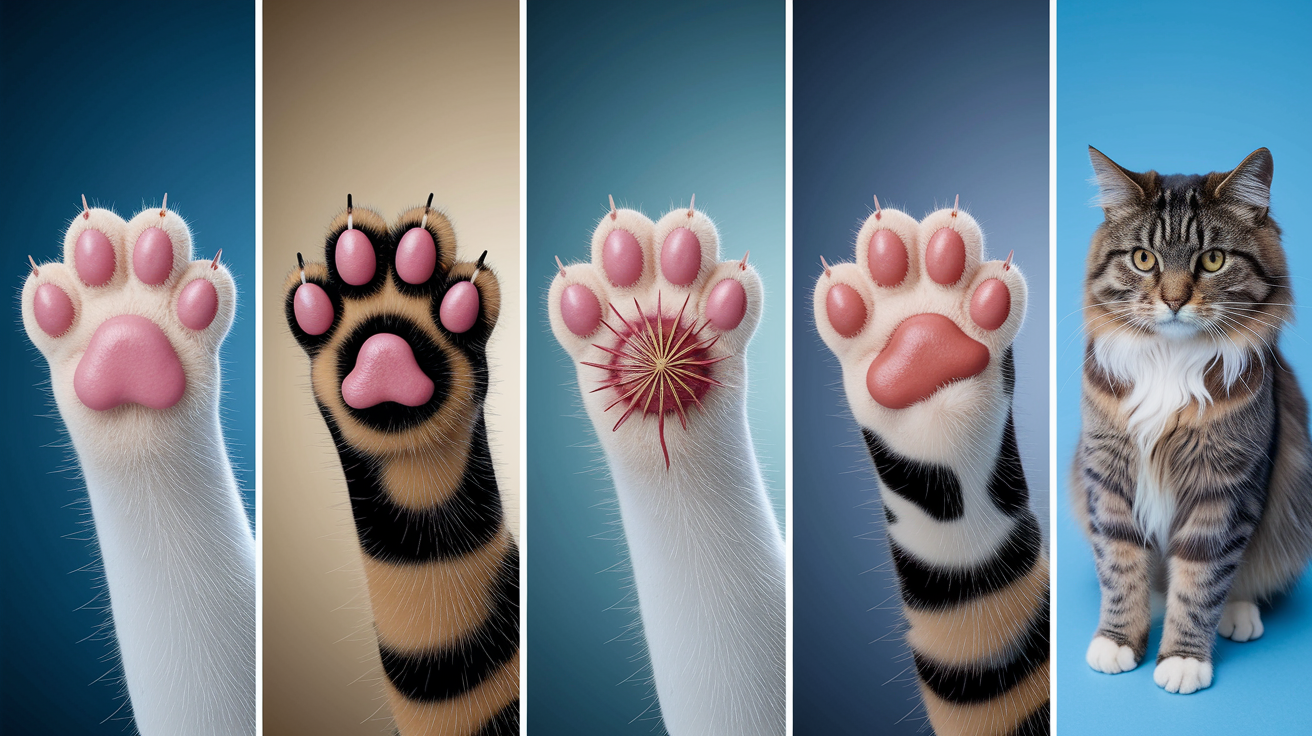
Soft tissue sprains and strains are probably the most common quiet limps. These happen when your cat misjudges a jump, slips on a smooth floor, or plays too rough. Ligaments or muscles stretch or tear a bit, causing inflammation and tenderness without the dramatic pain of a broken bone. You might see mild swelling around a joint, warmth when you touch the area gently, and a cat who’s still trying to use the leg but won’t put full weight on it.
Cuts, splinters, and stuff stuck between the toes create limping that’s quiet because the pain’s localized and comes and goes. A foxtail seed, glass shard, or wood splinter can embed in the webbing between toes or under a paw pad. Your cat might lick the paw constantly, hold it up while sitting, or walk carefully on hard floors but seem fine on carpet. The injury’s real, just not the kind of deep, constant pain that makes them cry out.
Torn or partially detached toenails bleed and hurt but often don’t produce any sound unless you touch the nail directly. Cats snag claws on fabric, carpet loops, or bark outside, ripping the nail partly away from the quick. The nail bed might bleed a little, and the exposed tissue’s tender, but lots of cats will just favor the paw and keep going quietly. “A torn nail often looks worse than it feels in the moment, until infection sets in or the nail catches again.”
Paw pad abrasions and burns come from walking on hot pavement, rough gravel, or chemically treated surfaces. The tough outer layer can wear away or blister, leaving raw pink tissue underneath. Cats with pad injuries walk with this characteristic tiptoe gait, avoiding full contact with the ground. The pain’s surface level, so there’s no deep pressure or bone pain triggering loud cries, but the limp’s obvious.
Early osteoarthritis in older cats creates a subtle, chronic limp that comes and goes. Arthritis develops slowly, and cats adapt their movement over months, hiding the discomfort until something flares up and makes the limp more visible. You might notice your senior cat moving slower, hesitating before jumps, or limping more after waking up, all without a sound. Arthritis pain tends to be dull and achy instead of sharp and sudden, which fits with how cats stay silent.
Minor fractures, hairline cracks, and joint luxations can exist with surprisingly little noise if the bone ends are stable and not grinding together. A cat that jumps down from something high and lands wrong might crack a small bone in the paw or partially dislocate a joint. The injury limits movement and hurts, but if they can still partly bear weight and the break isn’t displaced, you might only see a persistent limp and reluctance to move. Not screaming or aggression.
Signs that help you figure out the cause at home:
- Where they’re licking or chewing: too much attention to one paw or joint suggests something local like a splinter or torn nail.
- When the limp gets worse: after activity points to soft tissue strain, after rest suggests arthritis or stiffness.
- What you can see: swelling, heat, redness, or a nail that looks loose or damaged narrows it down fast.
- How they react to gentle touch: if your cat jerks away when you press a specific spot, that’s where the injury is, even if they haven’t cried out on their own.
How to Examine a Limping Cat Safely at Home

Before you touch anything, just watch your cat move for a few minutes. Note which leg they’re favoring, whether they’re putting any weight on it, and if the limp’s constant or intermittent. Pay attention to posture. A hunched back or tucked tail can signal pain even when your cat’s staying quiet. Write down when you first noticed the limp and anything that might’ve happened before it—a jump, a fall, time outside, rough play with another pet.
Set up a calm, quiet space with good lighting. If your cat’s anxious or hurting badly, they might scratch or bite, so move slowly and think about wrapping them gently in a towel to keep everyone safe. Get a second person to help if you can. One holds and soothes, one examines. Keep it short. If your cat gets too stressed, stop and get veterinary help instead of forcing a full inspection.
Steps for a safe home exam:
-
Watch gait and weight bearing first. Let your cat walk across the room. Note if they’re holding the leg up completely (non-weight-bearing) or just limping but still using it (weight-bearing). Non-weight-bearing limps are higher priority.
-
Gently lift and support the affected limb. Cradle the paw in your palm without squeezing. If your cat pulls away hard or hisses, stop right there. That level of pain needs a vet.
-
Inspect paw pads under bright light. Look for cuts, cracks, blisters, burns, or debris stuck in there. Check the color. Pads should be their normal shade, not pale, purple, or bright red.
-
Spread the toes carefully and look between them. Foxtails, grass seeds, small stones, and splinters hide in the webbing. Look for swelling, moisture, bad smell, or tiny punctures that might be from a bite or sting.
-
Check each toenail and the nail bed. A torn nail might bleed lightly or hang loose. Look for a nail growing at a weird angle (ingrown) or one that’s cracked or split.
-
Feel gently along the leg for heat, swelling, or deformity. Run your fingers lightly over bones and joints, comparing the injured leg to the healthy one. Any hard lump, noticeable warmth, or misalignment suggests fracture, dislocation, or infection.
-
Pay attention to your cat’s overall behavior during the exam. Are they calm and tolerant, or tense and defensive? A cat in severe pain will often growl, flatten their ears, or try to escape. That behavior tells you the injury’s worse than it looks.
After the exam, write down everything you found: which paw, which toe, any visible wounds, swelling, or foreign objects. Take a photo if you can. If you see a loose, easy to reach splinter and your cat’s calm, you can remove it with clean tweezers. But if it’s deep, embedded, or your cat won’t let you, leave it for the vet. If you found heavy bleeding, exposed tissue, bad swelling, or your cat won’t let you touch the limb at all, skip further home care and go straight to veterinary help.
First-Aid Actions for a Cat Limping But Not Crying

Once you’ve done your home exam and ruled out immediate emergencies, you can give gentle first aid to support healing and reduce discomfort. The goal is limiting further injury, controlling minor bleeding or swelling, and keeping your cat calm while you monitor progress over the next day or two.
Restrict activity right away. Confine your cat to a small, quiet room with soft bedding, food, water, and a litter box. No jumping, running, or stairs. Even a mild sprain gets worse if your cat keeps leaping onto counters or chasing toys. For most soft tissue injuries, one to three days of strict rest can make the difference between quick recovery and a dragged-out limp.
Use a cold compress for fresh injuries with swelling. Wrap some ice cubes or a frozen gel pack in a thin towel and hold it gently against the swollen area for 10 to 15 minutes. Repeat every 2 to 4 hours during the first day or two after injury. Cold reduces inflammation and numbs surface pain. Never put ice directly on skin, and never force your cat to tolerate the compress if they’re struggling. Brief, calm sessions work better than a long stressful fight.
Clean minor wounds with saline only. If you see a small cut or scrape, rinse it gently with sterile saline solution (the kind for contact lenses) or clean lukewarm water. Pat dry with a clean cloth. Don’t use hydrogen peroxide, alcohol, or any human antiseptic creams unless your vet tells you to. Many are toxic to cats. If the wound’s deeper than surface level, bleeding heavily, or shows signs of infection (pus, bad smell, heat), skip home cleaning and go to the vet.
For safe, effective first aid:
-
Confine your cat to one small room with everything they need (litter, food, water, soft bedding) for at least one to three days depending on how bad it is. No access to stairs, high furniture, or other pets.
-
Apply cold compresses for swelling: wrap ice or a cold pack in a towel, hold gently against the injury for 10 to 15 minutes, and repeat every 2 to 4 hours for the first day or two.
-
Control bleeding with direct pressure: if a wound’s bleeding, press a clean cloth or gauze pad firmly against it for up to 10 minutes. If bleeding doesn’t stop, get emergency veterinary care right away.
-
Remove only loose, visible foreign objects: if you see a splinter or seed sitting on the surface and your cat’s calm, use clean tweezers to lift it out gently. If it’s embedded, deep, or your cat resists, leave it for the vet to remove safely under sedation if needed.
-
Use an Elizabethan collar (cone) if your cat’s licking or chewing the limb too much. Constant licking delays healing and can introduce bacteria. A soft cone or post surgery collar prevents access to the injury.
-
Never give human pain medications like ibuprofen, acetaminophen (Tylenol), or aspirin. These are toxic to cats. Only use medications prescribed by a veterinarian.
If your cat tolerates the first aid steps and shows some improvement, like less limping or reduced swelling after a day or two of rest, you can keep monitoring at home. If the limp stays the same, gets worse, or new symptoms show up (fever, loss of appetite, increased pain), contact your vet.
Red Flags and When a Limping Cat Needs a Vet
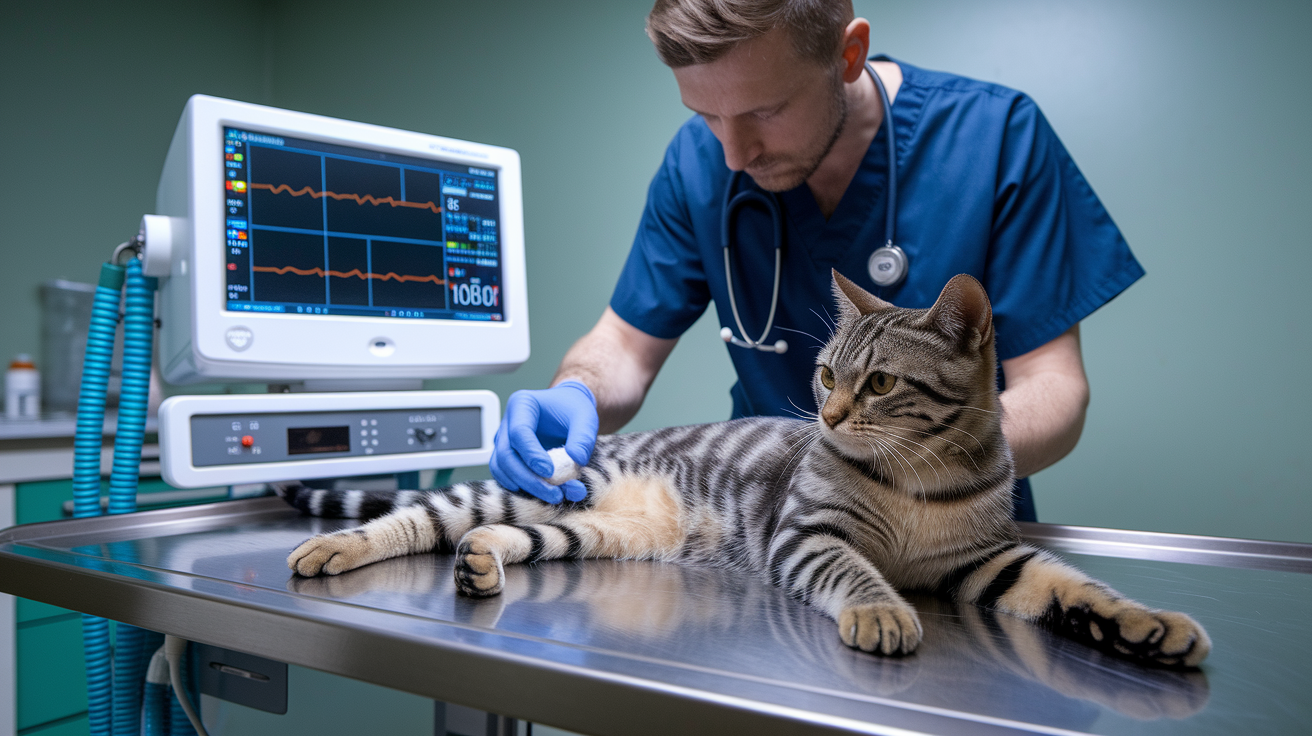
Not all limps are created equal. Some can be watched at home with rest and simple first aid. Others need immediate professional care to prevent permanent damage, infection, or complications that could threaten your cat’s life. Knowing which signs demand urgent action protects your cat from long term mobility problems and gives you clear decision points when you’re worried.
Immediate emergencies mean you need an emergency vet right now, even in the middle of the night. These signs point to severe trauma, blocked blood flow, or injuries that can get worse fast without intervention. If your cat’s non-weight-bearing on a limb and won’t put it down at all, that’s a red flag. If you see obvious deformity, the leg bending at an unnatural angle, or a bone visible through broken skin, that’s a fracture or dislocation needing surgery. Heavy bleeding that doesn’t stop after 10 minutes of firm, direct pressure suggests a deep wound or damaged blood vessel. A limb that feels cold to the touch or looks pale compared to the other legs can mean blocked blood flow, a true emergency. Collapse, difficulty breathing, or extreme lethargy alongside a limp may point to internal injuries or shock.
Urgent cases need a veterinary visit within 24 hours but aren’t immediately life threatening. If your cat’s limp is getting worse, not better, over the first day, that’s a sign the injury’s beyond simple rest and home care. A limp that lasts beyond a day or two without any improvement suggests something more than a minor strain. Moderate swelling that feels warm or hot to the touch points to inflammation or possible infection. A visible foreign object you can’t easily remove, like a deeply embedded foxtail or splinter, needs professional extraction. Fever, decreased appetite, hiding, or other whole body signs mean the injury may be complicated by infection or pain your cat can’t manage alone.
Monitor at home situations are mild, weight bearing limps with no swelling, no open wounds, and a cat who’s eating, drinking, and using the litter box normally. In these cases, strict rest for two to three days is appropriate. Check in regularly. If there’s no improvement or any worsening, contact your vet.
| Severity Level | Symptoms | Action Required |
|---|---|---|
| Immediate Emergency | Non-weight-bearing limb; visible bone or deep open wound; heavy bleeding after 10 minutes of pressure; cold or pale limb; severe deformity or swelling; collapse or breathing difficulty | Go to emergency vet now, within the hour. Do not wait. |
| Urgent (within 24 hours) | Worsening limp; limp lasting more than one to two days without improvement; moderate swelling or heat; visible foreign object not removable at home; fever, decreased appetite, or hiding; obvious pain when touched | Call your regular vet and schedule an appointment within 24 hours. Describe symptoms clearly. |
| Monitor at Home | Mild, weight-bearing limp; no swelling or open wounds; eating, drinking, and litter box use normal; no fever or behavior changes | Restrict activity for two to three days. Check in daily. If no improvement or any worsening, contact vet. |
What a Veterinarian May Do for a Quiet Limp
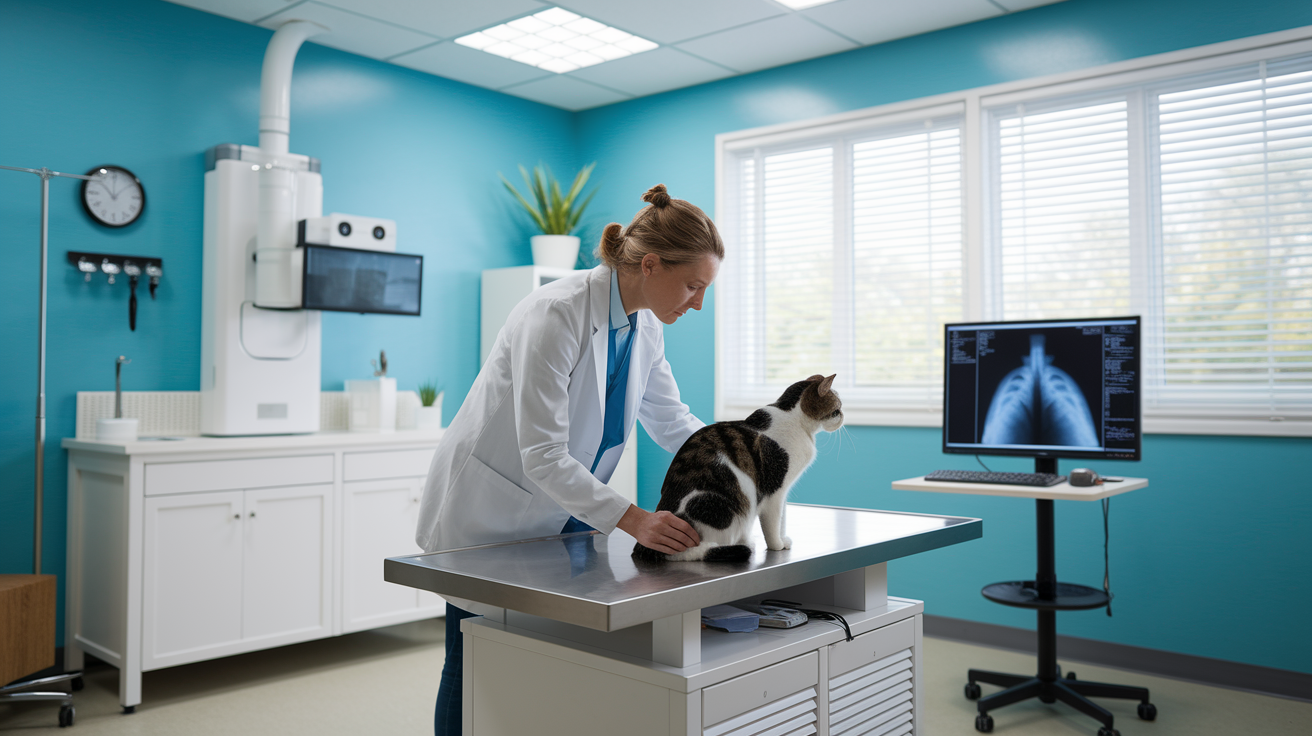
When you bring your limping cat to the vet, expect a structured approach built to find the cause and match treatment to the specific injury. First step is always a thorough physical examination. Your vet will watch your cat walk, figure out which limb’s affected, and palpate (gently press and feel) the leg, paw, and joints to locate areas of pain, swelling, heat, or instability. This hands-on exam often reveals soft tissue injuries, joint problems, or localized infections that aren’t visible from the outside.
Diagnostic imaging is the next common step. X-rays (radiographs) are the standard tool for checking out bones and joints. They show fractures, dislocations, bone spurs from arthritis, and sometimes foreign objects like metal or dense plant material. If your vet suspects a more complex soft tissue injury, like a torn ligament, they might recommend advanced imaging like ultrasound or refer you to a specialist for MRI. Blood work and urinalysis are less common for simple limping but may be ordered if your cat has fever, lethargy, or other signs suggesting infection or systemic illness.
Once the diagnosis is clear, treatment gets tailored to the injury. Minor sprains and strains typically need rest, anti-inflammatory medication prescribed by your vet, and follow-up in one to two weeks to confirm healing. Infected wounds, abscesses, or bite injuries require antibiotics, and sometimes your vet will drain an abscess and clean the wound under sedation. Fractures and dislocations often need surgical repair, pinning, plating, or splinting to stabilize the bone and allow proper healing. Chronic conditions like arthritis get managed long term with weight control, joint supplements, pain relief, and sometimes injectable medications that reduce inflammation inside the joint.
Your vet may also remove foreign bodies you couldn’t safely extract at home. Foxtails, deep splinters, and embedded debris often require sedation or local anesthesia so your vet can access the site, clean it thoroughly, and close any wounds if needed. Pain management is a priority throughout treatment. Your vet will prescribe safe, effective pain relievers dosed correctly for cats. Never use human medications.
Common treatments to expect:
- Bandaging or splinting to immobilize a fracture or protect a healing wound, with instructions for how often to change the bandage and signs of problems like swelling or odor.
- Prescription anti-inflammatory or pain medications such as meloxicam or buprenorphine, given at specific doses and intervals to control pain and reduce swelling safely.
- Antibiotics for wounds showing infection, typically given for one to two weeks depending on severity, with a recheck to make sure the infection’s cleared.
- Surgical intervention for fractures, dislocations, or deep foreign bodies that can’t be managed conservatively, followed by post-op care instructions and activity restriction during healing.
- Long term arthritis management plans that may include weight loss guidance, joint supplements like glucosamine, pain medication, and environmental changes like ramps or lower litter boxes.
Preventing Future Limping Episodes in Cats
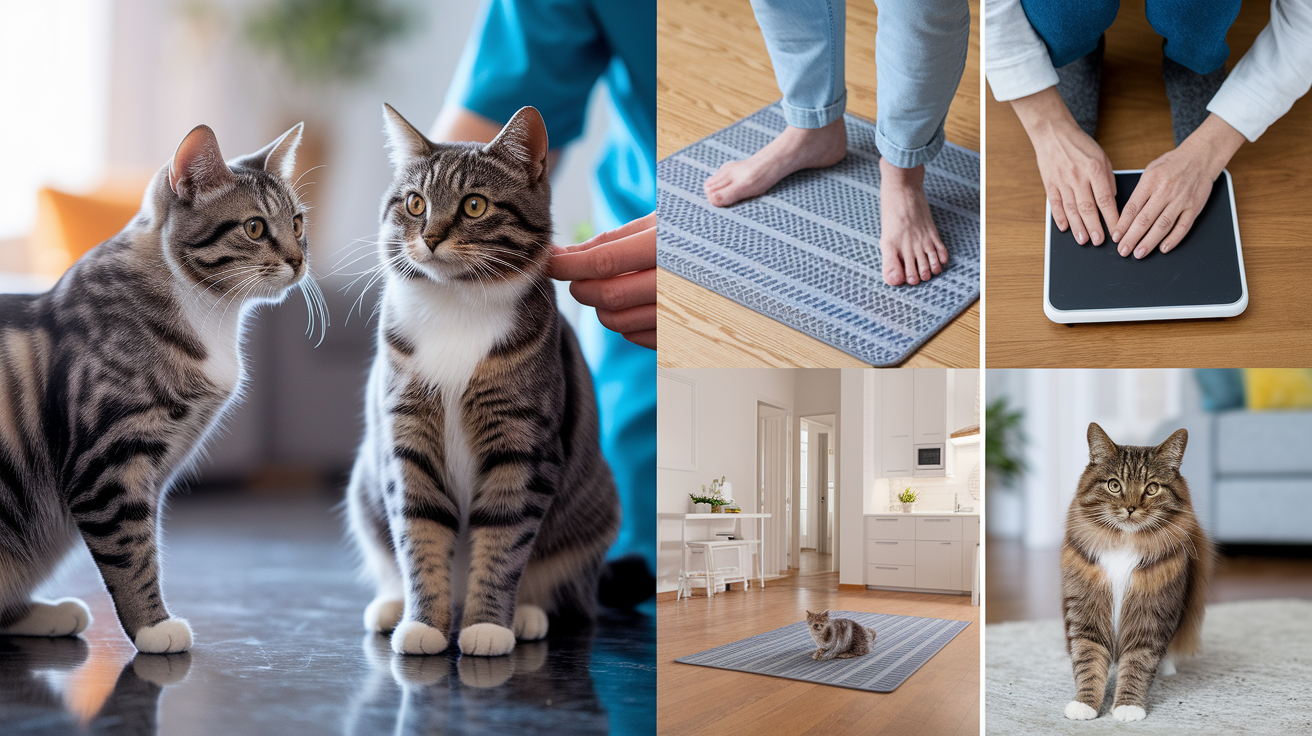
Prevention starts with routine care and being aware of your cat’s environment. Once your cat’s recovered from a limp, a few consistent habits can reduce the chance of another injury and help you catch early signs of chronic conditions like arthritis before they cause serious pain.
Regular paw inspections matter especially for cats who go outdoors or have access to balconies and rough surfaces. After each outdoor session, check paws for cuts, debris, or toenail damage. Look between the toes for seeds, small stones, or plant material. Wipe paws gently with a damp cloth to remove any chemicals, salt, or irritants picked up outside. Trim your cat’s nails every two to four weeks to prevent snagging and tearing. Overgrown nails can curl into paw pads or catch on fabric, causing sudden painful injuries.
Simple preventive steps:
- Check paws after outdoor time, even short trips, for cuts, burns, embedded debris, or cracked pads.
- Trim nails regularly every two to four weeks to avoid snagging on carpet, fabric, or outdoor bark. Use cat specific clippers and trim only the sharp tip.
- Maintain a healthy weight through portion control and daily play to reduce joint stress and lower arthritis risk, especially in senior cats.
- Remove yard hazards like foxtails, sharp sticks, broken glass, or toxic plants that can injure paws or be swallowed during grooming.
- Provide stable, non-slip surfaces on floors and furniture. Use rugs or mats on slippery tile or hardwood to prevent slips and falls during play or jumping.
- Schedule regular veterinary check-ups, at least once a year for adults and every six months for senior cats over age 10, to catch early arthritis, nail problems, or subtle mobility changes before they become serious.
If your cat was treated for a limp, follow your vet’s recheck schedule, usually one to two weeks after initial treatment. If symptoms come back or new limping develops, don’t wait. Early intervention prevents complications and keeps your cat comfortable and mobile for the long term.
Final Words
In the action, we walked through why cats hide pain, common painless limp causes, a safe at‑home exam, basic first aid, red flags, and what a vet might do.
Keep it simple today: observe gait, check the paw gently, limit activity, and try short cold compresses for the first day or two.
If the limp worsens or doesn’t improve, call your vet. For a cat limping but not crying, watching closely for 24–48 hours usually helps decide next steps — you’ve got this.
FAQ
Q: Why is my cat limping but seems fine?
A: A cat limping but seeming fine often has a mild issue—sprain, torn nail, pad debris, bruise, or early arthritis. Watch 24–48 hours if weight‑bearing; call your vet for swelling, worsening, or non‑use.
Q: How long can a limping cat heal itself?
A: A limping cat can often improve on its own in 24–72 hours for minor soft‑tissue injuries. If there’s no betterment by 48 hours, more pain, or reduced use, contact your veterinarian.
Q: What does a mini stroke look like in a cat?
A: A mini stroke in a cat may look like sudden unsteady walking, circling, head tilt, facial droop, vision change, or odd behavior. These signs need immediate veterinary evaluation.
Q: What are the first signs of heart failure in cats?
A: The first signs of heart failure in cats are rapid or labored breathing, reduced activity, fainting or collapse, poor appetite, or a swollen belly. Seek urgent veterinary care if you notice these.