

Think your cat’s warm nap means a fever?
Not always.
A healthy adult cat usually runs between 100.5 and 102.5°F (38.0–39.2°C), a few degrees warmer than ours.
This post explains normal ranges for adults, kittens, and seniors, shows safe ways to check temperature at home, and points out the red flags that need veterinary care.
Read on to learn when to relax and when to act, so you can protect your cat without panic.
Core Facts About Normal Cat Temperature Ranges
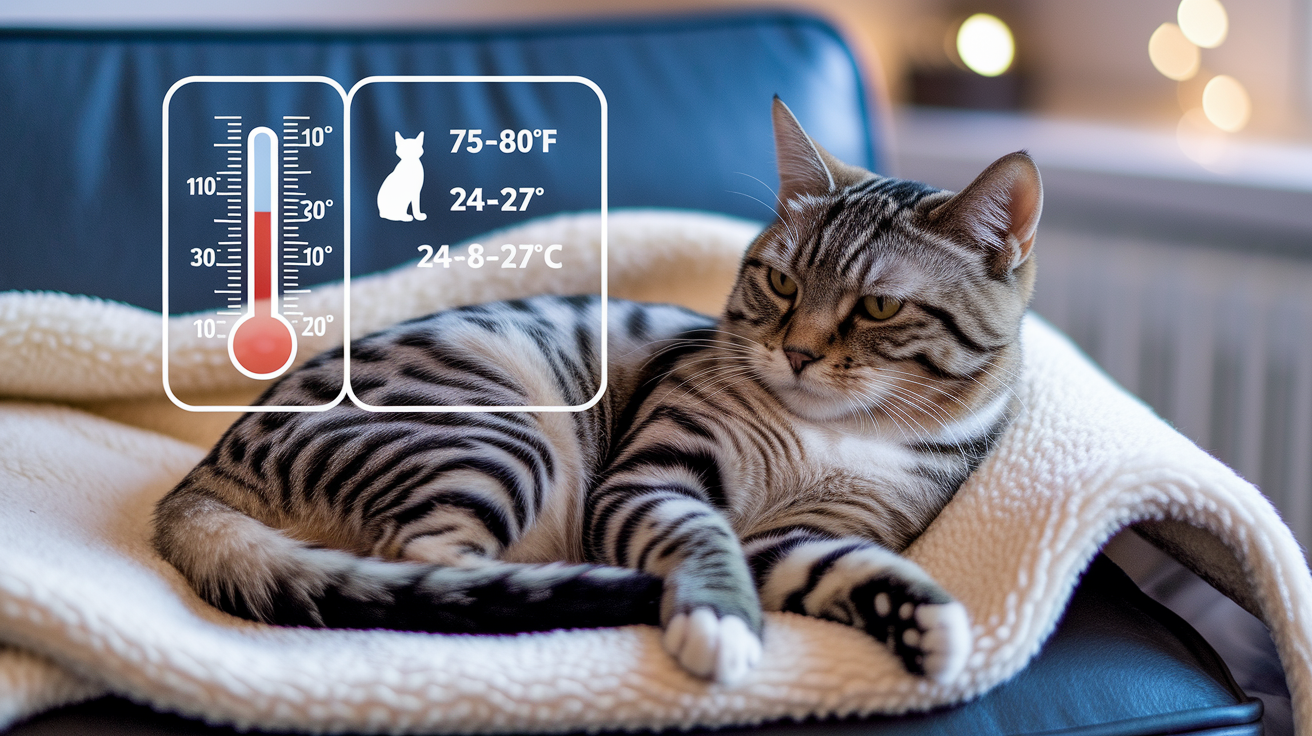
A healthy adult cat’s core body temperature sits between 100.5 and 102.5°F (38.0 to 39.2°C). That’s a few degrees warmer than what you’d expect from a human, so when your cat feels warm curled up on your lap, it doesn’t automatically mean fever. It might just be normal cat warmth. Kittens tend to run slightly cooler, usually around 100.0 to 102.0°F (37.8 to 38.9°C). Senior cats generally stay within the standard adult range unless something shifts their baseline.
When a reading creeps above 102.5°F (39.2°C) or dips below 100.5°F (38.0°C), it’s time to pay closer attention. Those early abnormal flags don’t always mean emergency. But they do mean monitor closely and look for other signs like lethargy, appetite loss, or unusual behavior. Cats prefer ambient room temperatures around 75 to 80°F (24 to 27°C), a comfortable zone that doesn’t push their internal thermostat too hard either way.
Emergency temperature thresholds are straightforward and worth memorizing:
- Temperature at or above 104°F (40.0°C): serious fever, contact a vet promptly.
- Temperature at or above 106°F (41.1°C): medical emergency requiring immediate veterinary care.
- Temperature below 100°F (37.8°C): watch for hypothermia signs, call vet if it doesn’t rise or if symptoms appear.
- Temperature below 99°F (37.2°C): seek veterinary attention without delay.
- Temperature below 96°F (35.5°C): severe hypothermia, urgent emergency.
How to Measure Cat Temperature Safely at Home
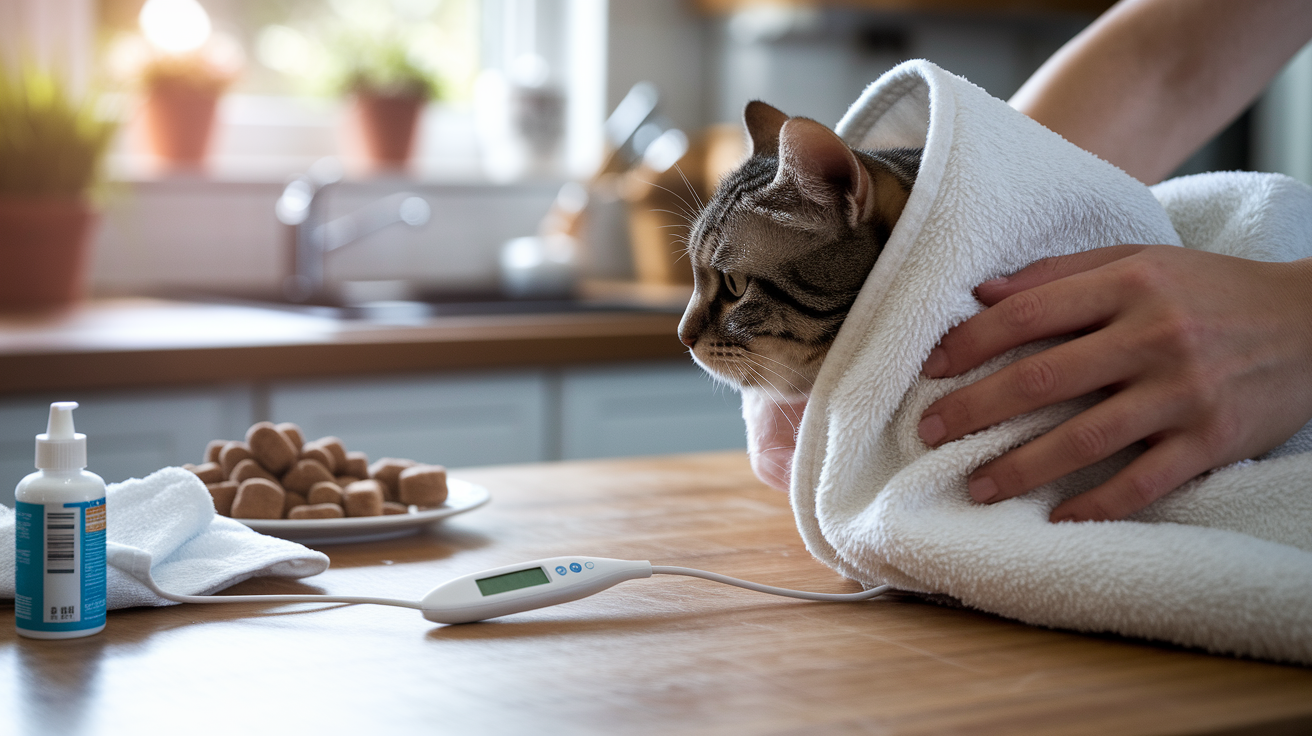
The most accurate way to check your cat’s temperature is with a digital rectal thermometer. Ear thermometers and infrared scanners can give you a ballpark number in seconds, but they’re sensitive to placement, ear wax, and fur interference. They often underestimate or overestimate by a degree or more. Human oral or underarm thermometers aren’t built for the same temperature range or anatomy, and they won’t give you reliable results for a cat.
Rectal measurement sounds intimidating. But with gentle handling and the right supplies, most cats tolerate it well, especially if you stay calm and work quickly. If your cat is highly stressed, aggressive, or in severe pain, skip the home reading and head straight to the vet. A temperature reading isn’t worth a bite or a spike in stress hormones that could skew the number anyway.
Supplies You’ll Need
- Digital rectal thermometer, preferably a pet model with a flexible tip.
- Water soluble lubricant, a small dab to make insertion smooth and comfortable.
- Towel or soft blanket for gentle wrapping and control.
- Treats or a favorite snack to reward cooperation afterward.
Step by Step Temperature Measurement
- Gently wrap your cat in the towel, leaving the tail end exposed. If you have a second person, ask them to hold your cat’s front end and talk soothingly.
- Apply a small amount of water soluble lubricant to the thermometer tip.
- Lift the tail gently and insert the thermometer about 1 inch, or roughly 2.5 cm, into the rectum. Angle it slightly toward the spine, not straight in.
- Hold the thermometer steady and wait for the digital beep, usually 20 to 60 seconds depending on the model.
- Read and write down the temperature immediately, along with the time and any symptoms you’ve noticed.
- Clean the thermometer with alcohol wipes or warm soapy water, then rinse and dry it thoroughly before storing.
Rectal digital thermometers are the gold standard for home use because they measure core body temperature directly. Ear thermometers can miss the mark if you don’t position them perfectly in the ear canal. Skin or forehead scanners only capture surface heat, which can be influenced by room temperature, recent grooming, or a sunny nap spot. If you’re not confident with rectal measurement, bring your cat to the vet. They’ll take the reading quickly and interpret it alongside a full exam.
Recognizing Fever Signs and Abnormal High Temperature in Cats
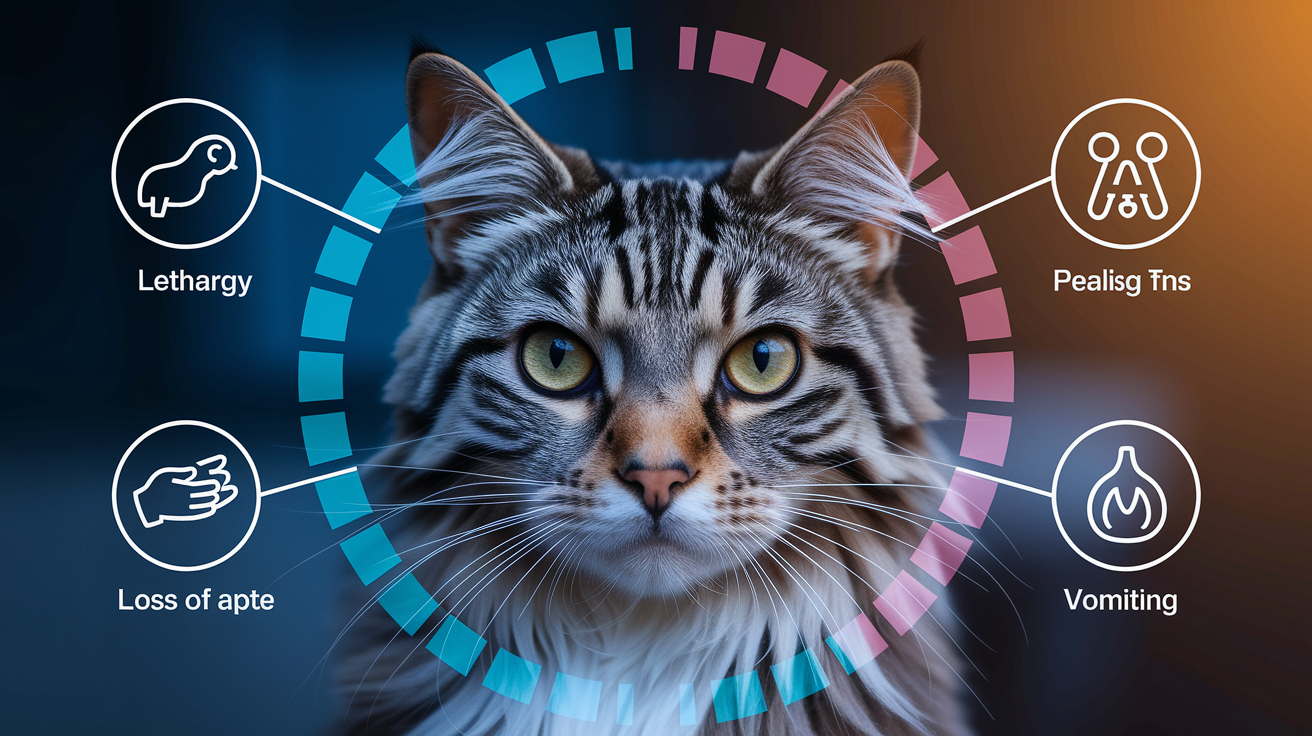
Cats hide illness instinctively, so by the time you notice fever symptoms, the temperature has often been elevated for a while. Lethargy is one of the earliest clues. Your normally playful cat might sleep longer, skip interactive play, or move more slowly than usual. Warm ears or paws can signal fever, though they can also just mean your cat was lying in the sun or near a heater. Always look for a cluster of signs rather than one isolated change.
Loss of appetite is common with fever. A cat running a temperature often drinks more water than usual, trying to offset fluid loss from panting or increased metabolic demand. You might also see vomiting, diarrhea, panting with an open mouth, drooling, or a glassy, disoriented stare. If your cat’s gums look bright red or feel hotter than normal to a gentle finger touch, that’s another red flag to check temperature.
Fever above 102.5°F (39.2°C) indicates something is wrong. Once it reaches or passes 104°F (40.0°C), you’re in the zone where organ stress becomes a real concern, and veterinary assessment is urgent. At 106°F (41.1°C) or higher, the risk of seizures, brain damage, and multi organ failure climbs fast. Call or go to an emergency vet immediately.
Common causes of fever in cats include:
- Bacterial or viral infections like upper respiratory viruses, abscesses, or urinary tract infections.
- Inflammatory diseases such as pancreatitis or inflammatory bowel disease.
- Immune mediated reactions, including vaccine responses within 24 to 48 hours of vaccination.
- Tumors or cancer, which can trigger persistent low grade fever.
- Drug reactions or toxin exposure that provoke an inflammatory response.
- Heat exposure or heatstroke when environmental temperature overwhelms the cat’s cooling mechanisms.
Understanding Low Cat Temperature and Hypothermia Risks
When your cat’s core temperature drops below 100°F (37.8°C), you’re entering hypothermia territory. Below 99°F (37.2°C), the risk becomes urgent, especially if the cat is shivering, confused, or showing pale gums and slow, shallow breathing. Severe hypothermia, anything under 96°F (35.5°C), can lead to cardiac arrhythmias, coma, and death without immediate veterinary intervention.
Shivering is the body’s first defense, generating heat through muscle contractions. But if a cat becomes too cold, shivering stops. You’ll see weakness, stumbling, or an unwillingness to move. The extremities, ears, paws, and tail tip, feel cold to the touch, and mucous membranes turn pale or even bluish in severe cases. If you suspect hypothermia, start gentle warming right away while arranging transport to the vet.
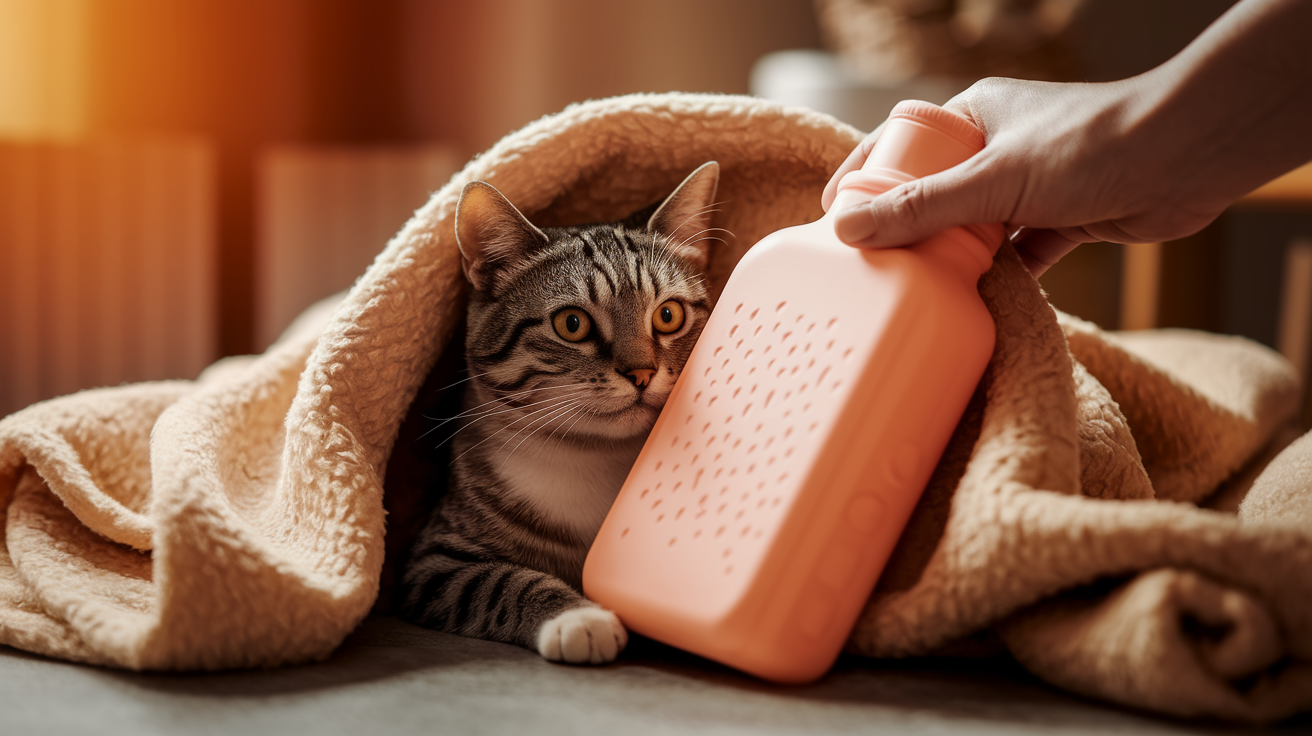
Safe warming steps include wrapping your cat in warm, dry blankets, moving them to a draft free room, and holding them close to your body for gradual heat transfer. You can place a warm, not hot, water bottle wrapped in a towel near your cat’s core. But never apply direct heat like a heating pad on high or a hair dryer. Rapid surface warming can cause burns and shock the cardiovascular system. Offer a small amount of room temperature water if your cat is alert enough to drink.
Common causes of low body temperature in cats:
- Prolonged exposure to cold weather, wet fur, or chilly drafts indoors.
- Serious illness such as sepsis, kidney failure, or advanced heart disease.
- Post anesthesia recovery when the body is still rewarming after surgery.
- Severe dehydration or malnutrition reducing metabolic heat production.
Cat Temperature Behavior: How Cats Regulate Heat and Cold
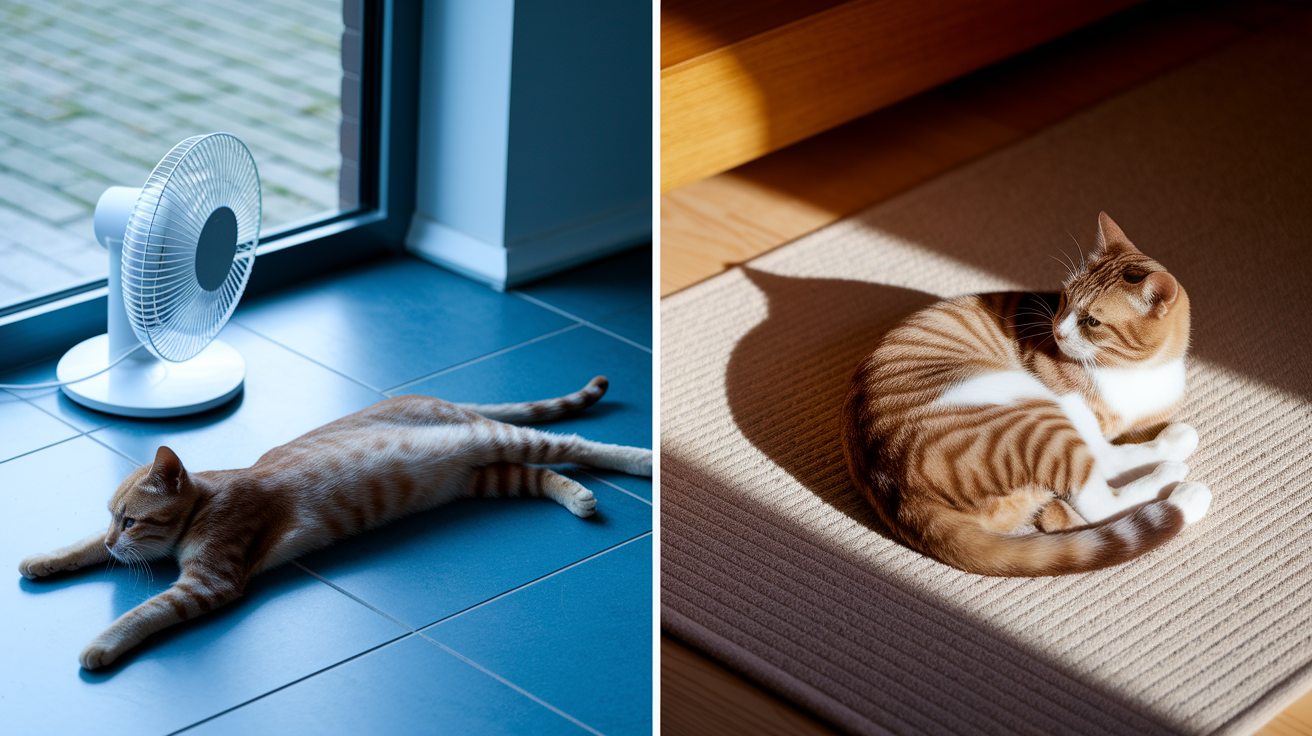
Cats don’t sweat like humans do. They have sweat glands only on their paw pads and a few small hairless patches around the mouth, teats, and anus, so evaporative cooling through skin is minimal. Instead, they pant to move air over the moist surfaces of the tongue and throat, releasing heat through respiration. You’ll also see a hot cat sprawl out on cool tile, linoleum, or shaded concrete, maximizing skin contact with a cooler surface to shed body heat.
Licking fur is another cooling trick. Saliva evaporates off the coat, carrying heat away. It’s a slower process than panting but helpful over time. Cats instinctively reduce activity when it’s warm, sleeping more and playing less to keep their metabolic furnace dialed down. When temperatures drop, cats curl into tight balls to conserve heat, tuck their nose under a paw, and seek out warm spots like sunbeams, radiators, blankets, or your lap.
Behavioral thermoregulation is efficient, but it has limits. A cat trapped in a hot car, confined without water on a 90°F day, or left outside in freezing rain can’t self regulate fast enough to avoid heat stroke or hypothermia. That’s when you’ll see extreme behaviors. Frantic panting, drooling, vomiting, seizures for overheating. Or immobility, shivering, and collapse for dangerous cold exposure.
Signs your cat may be too hot or too cold:
- Too hot: stretched out posture, open mouth panting, seeking tile or basement floors, excessive grooming of the belly, reluctance to move or play.
- Too cold: tight curled posture, shivering, seeking blankets or sunny windows, increased appetite to fuel metabolic heat, staying close to heat sources.
- Overheating emergency: rapid heart rate, drooling, vomiting, staggering, bright red gums, seizures.
- Hypothermia emergency: weak pulse, shallow breathing, pale or blue gums, unresponsiveness, complete cessation of shivering.
- Normal daily variation: slight temperature rise after play or eating, slight drop during deep sleep or overnight rest, usually within 0.5 to 1.0°F.
Factors That Influence Temperature Readings in Cats
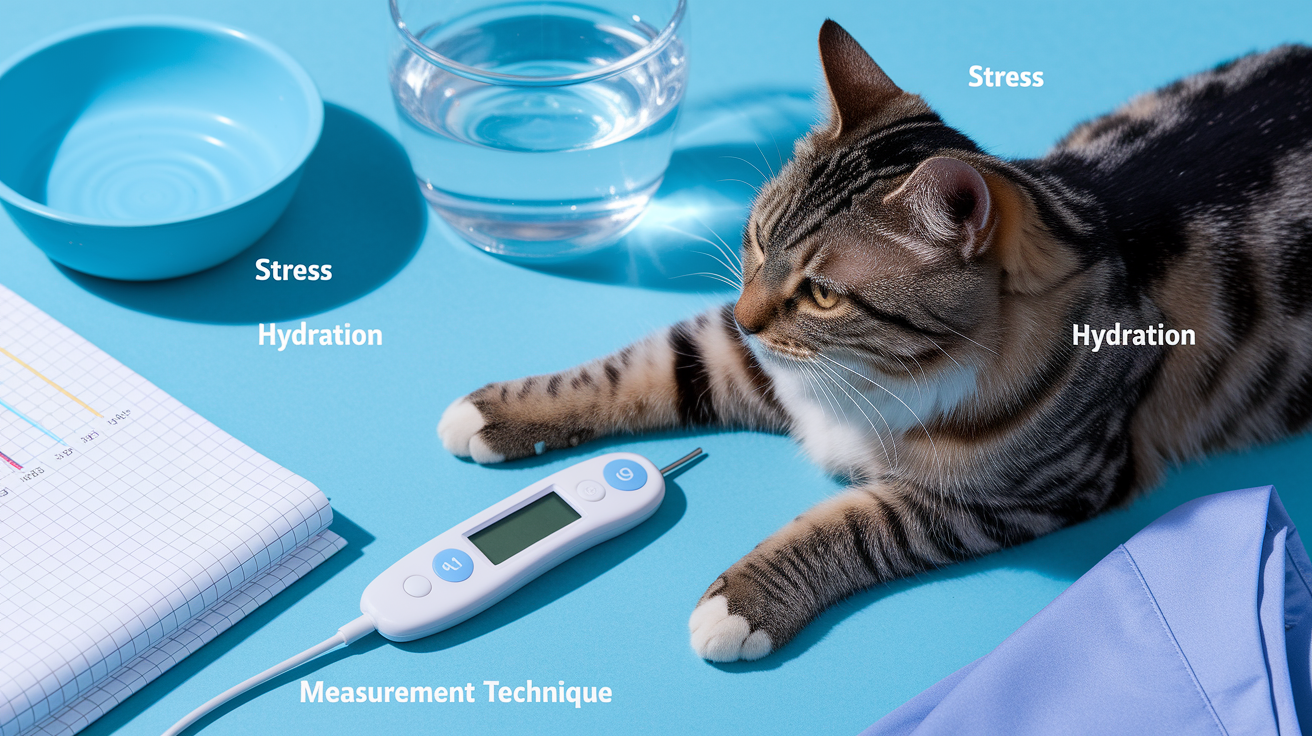
Stress and recent activity are two of the biggest variables. A cat who just sprinted around the house chasing a toy or who spent ten minutes struggling during thermometer restraint can show a temporary bump of half a degree or more. Ambient temperature affects comfort and behavior, but controlled studies show it doesn’t strongly correlate with core rectal temperature in healthy indoor cats. Your cat’s internal regulation keeps the core stable even when the room fluctuates between 68 and 87°F (20 to 31°C).
Hydration status matters. A dehydrated cat may run slightly warmer because there’s less fluid available for cooling, while a well hydrated cat maintains normal temperature more easily under mild heat stress. Measurement method is critical. Rectal digital thermometers give you the true core reading, while ear and infrared devices can be off by a degree or more depending on ear canal shape, wax buildup, fur coverage, and how steady you hold the device.
Key variables that can shift or distort readings:
- Recent play, grooming, or handling that raises metabolic heat temporarily.
- Measurement technique. Rectal is most accurate, ear and infrared can underestimate or overestimate.
- Body condition. Obese cats with extra insulation may retain heat longer, thin cats with less fat may lose heat faster.
- Breed and coat type. Long haired breeds like Persians insulate differently than short haired breeds like Siamese, though core temperature stays within the same normal range.
When a Cat’s Temperature Requires Urgent Veterinary Care
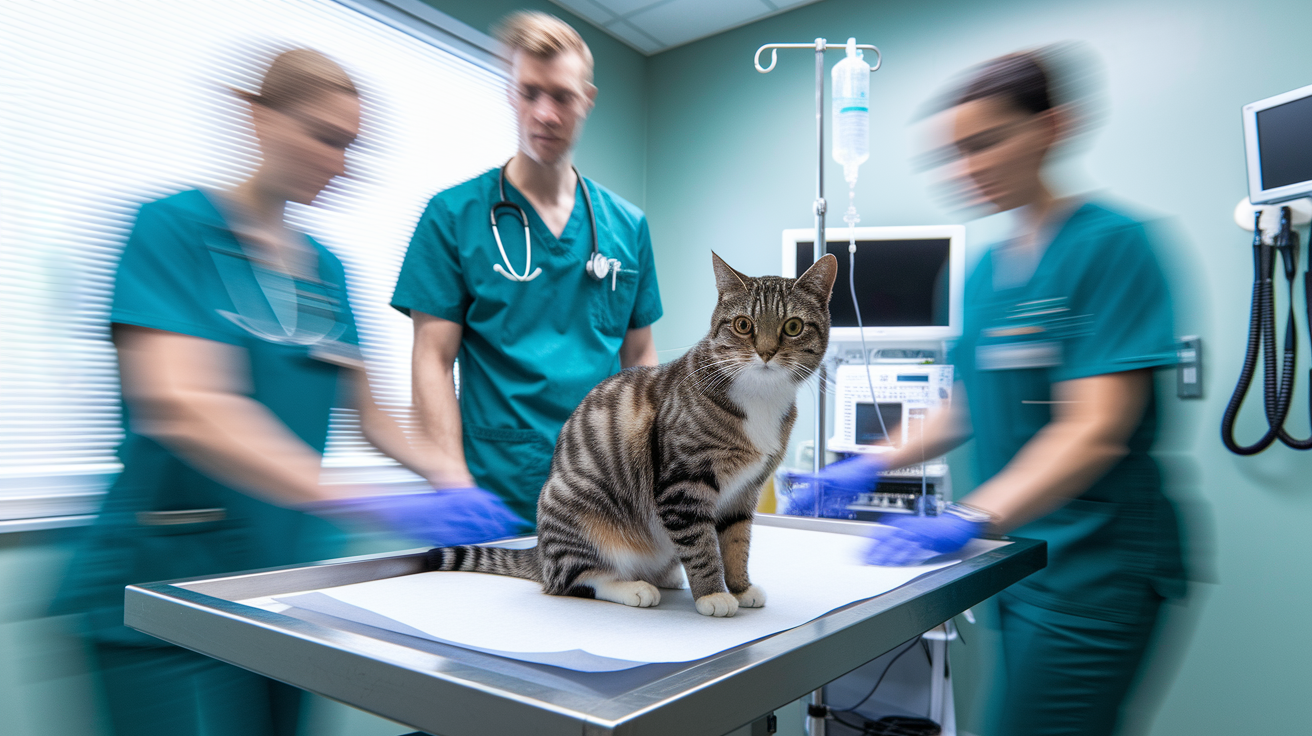
If your cat’s temperature holds steady at or above 104°F (40.0°C), or drops to 99°F (37.2°C) or lower, contact your veterinarian right away. These thresholds signal that the body’s regulatory system is under significant strain. Waiting to “see if it gets better” can allow complications like organ damage, dehydration, or shock to develop. When the reading hits 106°F (41.1°C) or above, you’re in life threatening territory. Get to an emergency vet immediately, every minute counts.
Beyond the numbers, watch for severe symptoms that accompany abnormal temperature. Seizures, collapse, uncontrolled vomiting or diarrhea, gasping or open mouth breathing, refusal to stand, or a complete loss of responsiveness all mean emergency care is needed now. Even if you haven’t confirmed the exact temperature. If you suspect heatstroke, move your cat to a cool area, offer water, and use a fan or damp towels on the paws and belly while transporting to the vet. But don’t delay the trip to try extended home cooling.
Logging temperature trends over several hours helps your vet assess how fast things are changing and whether initial treatments are working. Write down each reading with the time, note any symptoms you observe, changes in appetite, water intake, litter box use, breathing rate, and bring that record to the appointment. Clear, specific information, “temperature was 103.8°F at 2 p.m., then 104.2°F at 4 p.m., and she vomited twice in between”, gives the veterinary team a much clearer clinical picture than “she just seems off.”
| Condition | Temperature Range | Action Needed |
|---|---|---|
| Normal healthy range | 100.5–102.5°F (38.0–39.2°C) | Routine monitoring, no immediate concern. |
| Mild fever or early concern | 102.6–103.9°F (39.3–39.9°C) | Monitor closely, look for other symptoms, consider vet call if persistent or worsening. |
| High fever | 104.0–105.9°F (40.0–40.9°C) | Contact veterinarian promptly, arrange same day or next available appointment. |
| Emergency fever | ≥106.0°F (≥41.1°C) | Immediate emergency veterinary care required, risk of seizures and organ failure. |
| Mild hypothermia | 99.0–100.4°F (37.2–38.0°C) | Begin gentle warming at home, contact vet if temperature doesn’t rise or symptoms appear. |
| Moderate to severe hypothermia | <99.0°F (<37.2°C) | Seek veterinary attention without delay, continue safe warming during transport. |
Final Words
Keep those numbers close: adult cats 100.5–102.5°F (38.0–39.2°C), kittens about 100.0–102.0°F (37.8–38.9°C), and danger cutoffs above 104°F (40.0°C) and 106°F (41.1°C) or below 99°F (37.2°C).
Use the safe home steps for a rectal reading, note behavior like lethargy, panting, or shivering, and track readings twice a day for trends.
If anything looks off or you hit a red flag, call your vet. Knowing the normal cat temperature and how to check it gives you clear next steps — you’ve got this.
FAQ
Q: What is a sick cat’s temperature?
A: A sick cat’s temperature is often above 102.5°F (39.2°C) or below 100.5°F (38.0°C). Serious fever begins at ≥104°F (40.0°C) and ≥106°F (41.1°C) is an emergency—call your vet.
Q: What annoys cats the most?
A: What annoys cats the most are sudden loud noises, forced handling, a dirty litter box, unpredictable routines, and being stared at; reduce stress with quiet spaces, consistent feeding, and gentle touch.
Q: Is 103 fever high for a cat?
A: A 103°F (39.4°C) reading is a mild fever—above the normal 100.5–102.5°F range. Monitor for 12–24 hours, keep them calm and hydrated, and call your vet if it reaches ≥104°F or worsens.
Q: How to bring down a cat’s fever?
A: To bring down a cat’s fever, keep them calm and hydrated, offer cool (not cold) damp cloths to paws/ears, lower room temperature, and check every 1–2 hours; seek veterinary care if ≥104°F or symptoms worsen.