

Think you can wait until morning if your cat is straining to pee?
Think again.
When a cat struggles to urinate, a complete blockage can become life threatening within 24 to 48 hours, because toxins build up fast and the bladder can rupture.
This short guide shows the clear emergency signs to watch for, the safe steps to take at home right now, what to track over the next few hours, and exactly when you need to call your vet or an emergency clinic.
Understanding the Emergency When a Cat Is Straining to Urinate
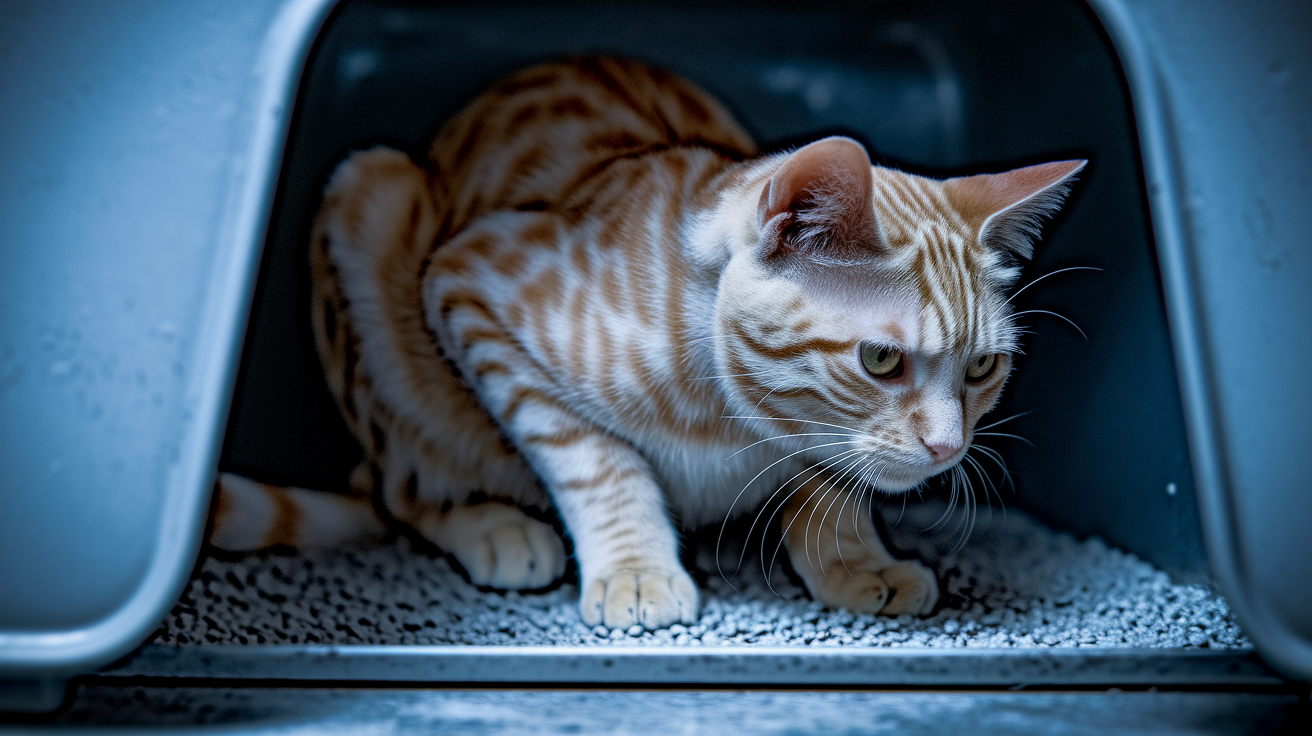
When a cat starts straining to urinate, you don’t have much time. A complete blockage can become life threatening within 24 to 48 hours. This isn’t just about pain. It’s about your cat’s kidneys losing the ability to flush waste from the body, which causes a rapid buildup of toxins that can lead to bladder rupture, kidney failure, and death.
Watch how your cat behaves at the litter box. A blocked cat will crouch repeatedly, sometimes for several minutes, and produce only a drop or two of urine. Or nothing at all. You might see them returning to the box every few minutes, straining over and over without results. Some cats vocalize sharply when they try to pee—a sudden cry or low growl that tells you something’s wrong. Others lick their genital area excessively, trying to ease the discomfort.
This is a veterinary emergency. Not a wait and see situation. If your cat’s showing any combination of these signs, contact your vet or an emergency clinic right away. Delaying even a few hours can mean the difference between a treatable blockage and a critical, sometimes fatal, chain of complications.
Urgent warning signs that need immediate veterinary attention:
- Straining in the litter box with little to no urine coming out
- Repeated trips to the litter box every few minutes
- Crying, growling, or vocalizing while attempting to urinate
- Blood in the urine or pink tinged litter
- Sudden lethargy, hiding, or inability to move normally
- Firm, painful abdomen when gently touched
Identifying Early, Non‑Emergency Urinary Changes Before a Crisis Develops
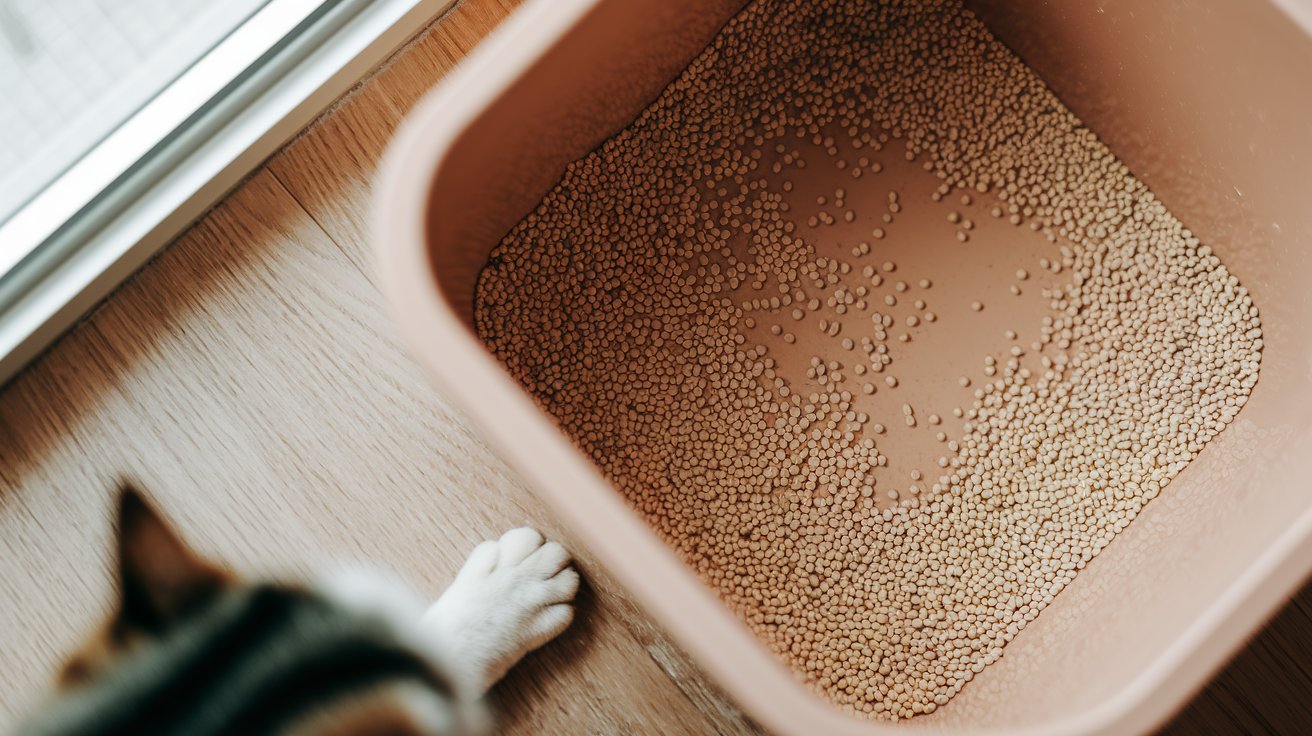
Before a cat reaches complete blockage, you’ll often see subtle changes in litter box behavior. These early signs don’t scream emergency, but they do signal that something in the urinary tract isn’t right. Catching them early can help you avoid a middle of the night crisis.
Your cat might start spending more time in the litter box without producing much urine. The pee spots might be smaller than usual. You might notice a stronger ammonia smell even though you’re cleaning the box regularly. Some cats will squat and produce a steady stream, then return ten minutes later to try again. You might also see damp fur around the genital area, or find small wet spots on the bathroom floor, your bed, or inside shoes. Places cats often choose when the litter box becomes associated with discomfort.
Early patterns that suggest a non emergency urinary issue needing a vet visit soon:
- More frequent litter box visits, but still producing some urine each time
- Smaller puddles of urine than usual
- Excessive grooming or licking of the genital area
- Occasional urination outside the litter box, especially on cool or smooth surfaces
- Stronger than normal urine odor or slight cloudiness in the litter
Understanding the Main Causes Behind a Cat Straining to Urinate
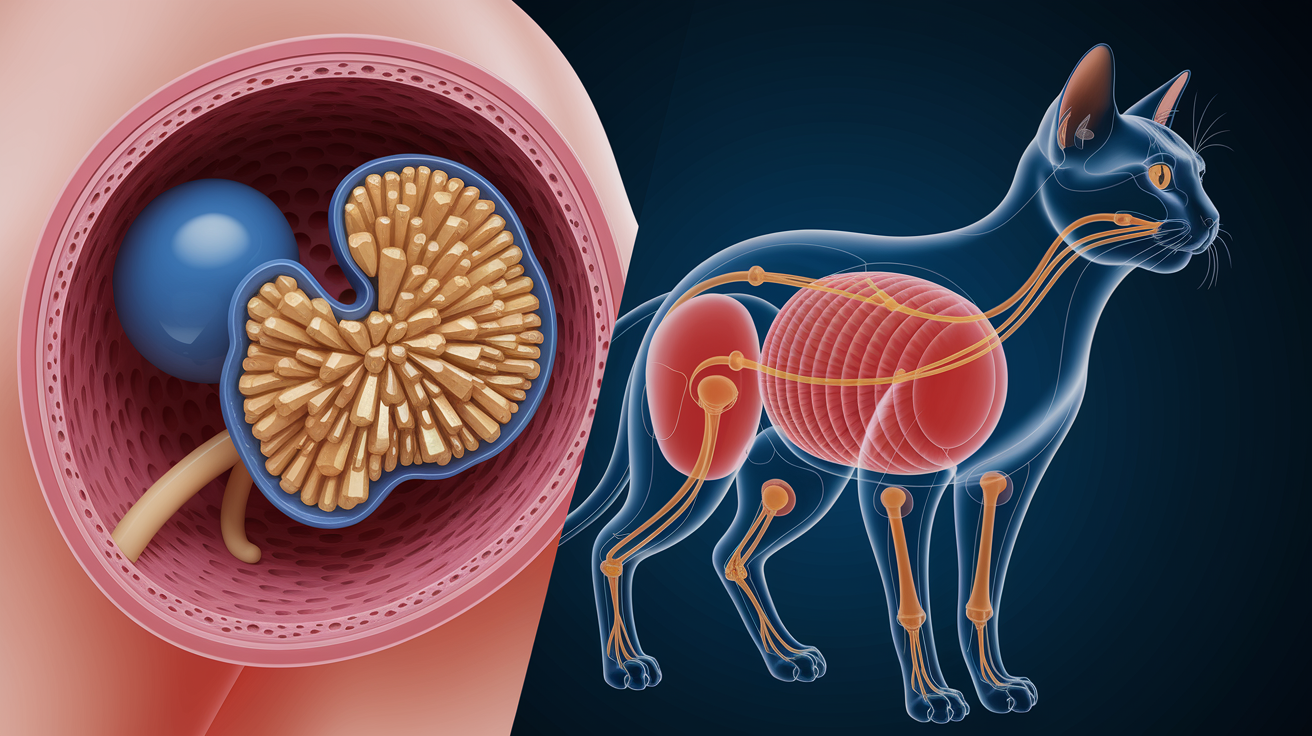
Straining to urinate isn’t one simple problem. It’s a symptom that can point to several different conditions, each requiring its own approach. The broad category is called Feline Lower Urinary Tract Disease, but underneath that umbrella sit infections, crystals, stones, inflammation, and physical blockages. Knowing which cause is at work helps your vet choose the right treatment and gives you a clearer picture of what your cat’s dealing with.
Male cats face higher obstruction risk because their urethra (the tube that carries urine out of the body) is longer, narrower, and curves sharply. That shape makes it easier for tiny crystals, mucus plugs, or small stones to get stuck. Female cats can develop the same urinary issues, but they’re far less likely to experience a complete blockage because their urethra is shorter and wider.
Understanding the specific cause also shapes long term management. A cat with stress related bladder inflammation needs environmental changes. A cat forming struvite crystals needs diet adjustments. A cat with a bacterial infection needs antibiotics. One diagnosis doesn’t fit all straining cats.
Urinary Tract Infections
Bacterial urinary tract infections are less common in cats than in dogs, but they do happen. Especially in older cats, cats with diabetes, or cats with weakened immune systems. When a UTI is present, you might see bloody urine and notice a strong, foul odor in the litter box. The infection irritates the bladder lining, creating the urge to urinate frequently even when very little urine is present. Your vet will confirm a UTI through urinalysis and prescribe antibiotics targeted to the specific bacteria causing the infection.
FLUTD Conditions
Feline Lower Urinary Tract Disease covers a range of issues including crystal formation, bladder stones, and sterile inflammation (called feline idiopathic cystitis). Crystals form when minerals in the urine, usually struvite or calcium oxalate, clump together into sharp, sand like particles. Over time, these crystals can combine into larger bladder stones. Both crystals and stones irritate the bladder wall, cause bleeding, and can partially or completely block the urethra. Feline idiopathic cystitis, the most common form of FLUTD, causes painful bladder inflammation without infection or stones. Often triggered by stress, changes in routine, or multi cat household tension.
Urethral Obstruction
Urethral obstruction is the true emergency within this group. It happens when crystals, mucus, inflammatory debris, or a small stone plug the narrow urethra, stopping urine flow completely. Male cats are at much higher risk. The plug can form quickly, sometimes within hours, and once urine stops flowing, waste products back up into the kidneys, toxins flood the bloodstream, and the bladder stretches painfully. Without intervention, the bladder can rupture, or the cat can go into kidney failure and die. A cat with urethral obstruction will strain intensely, produce no urine, become lethargic, vomit, and often show a hard, swollen abdomen.
Distinguishing Urinary Straining From Constipation in Cats
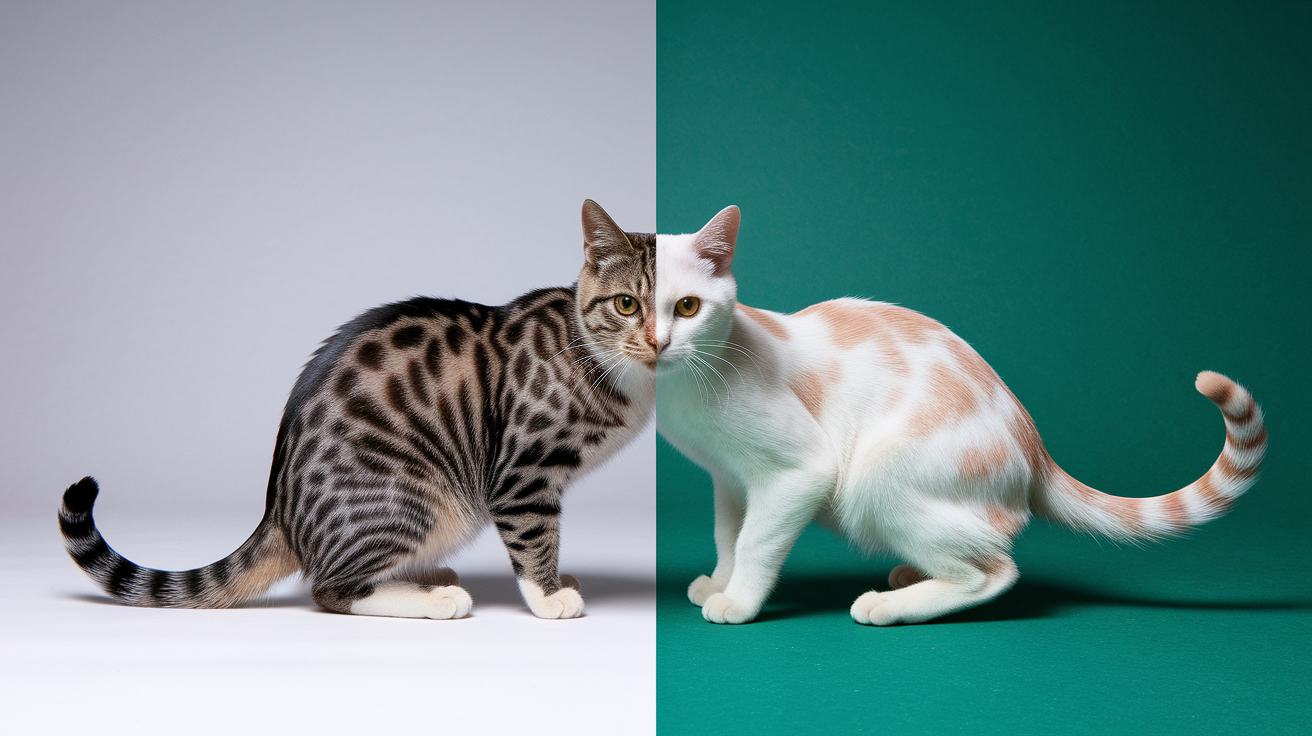
At first glance, a cat straining in the litter box looks the same whether they’re trying to urinate or defecate. But the posture, the location in the box, and the output give you clues. When a cat strains to urinate, they usually crouch low with their rear end almost touching the litter, back legs nearly flat, and tail slightly raised. The back stays straight or relaxed. They might shift their weight or try different spots in the box, but the squat stays low.
When a cat strains to poop, the posture shifts. The back legs lift a bit more, the back often rounds or arches slightly, and the tail tends to lift higher. You might also see small, hard, dry stools left behind, or no stool at all if constipation is severe. With urinary straining, you’re more likely to see small wet spots, a few drops of blood tinged urine, or nothing. Just repeated attempts with no result.
| Indicator | Urination Strain | Defecation Strain |
|---|---|---|
| Posture | Low squat, back straight, rear close to litter | Rounded back, legs more lifted, tail higher |
| Output | Drops of urine, wet spots, or nothing | Small hard stools or no stool |
| Frequency | In and out of box every few minutes | Longer sessions, less frequent returns |
| Location in box | Often near edges or shifting spots | Stays in one spot longer |
What Happens at the Veterinary Clinic for a Cat Straining to Urinate

When you bring your cat to the vet for straining, the first thing they’ll do is a thorough physical exam. They’ll gently feel the abdomen to check bladder size. A blocked cat often has a large, firm, painful bladder that feels like a small water balloon. They’ll also check hydration, heart rate, and temperature, and ask you detailed questions about what you’ve noticed at home. How long the straining has been happening, whether any urine is being produced, and if there’s been blood, vomiting, or lethargy.
From there, the vet will run diagnostic tests to pinpoint the cause. These tests give a clear picture of what’s happening inside the urinary tract and help guide treatment decisions. If your cat is completely blocked, the vet may prioritize relieving the obstruction before running all tests. But once your cat is stable, the full workup usually follows.
Standard diagnostic tests for a cat straining to urinate:
- Urinalysis checks for infection, crystals, blood, protein, and pH level to identify the type of problem and guide treatment.
- Blood tests measure kidney function, electrolyte levels, and toxin buildup, especially critical if a blockage has been present for more than a few hours.
- X-rays reveal bladder stones, bone changes in the pelvis, or abnormal bladder shape.
- Ultrasound provides detailed images of the bladder wall, detects small stones or tumors, and evaluates kidney structure.
Immediate Veterinary Treatment Options for Urinary Blockage and Distress

Treatment depends entirely on what’s causing the straining. A cat with a urinary tract infection gets a different plan than a cat with a complete urethral blockage. The goal is always to relieve discomfort, restore normal urination, and address the root cause to prevent recurrence.
Medical Management
For cats with mild FLUTD, bacterial infection, or early crystal formation, medical management often works well. Antibiotics target confirmed bacterial infections. Anti inflammatory medications and pain relief help reduce bladder wall irritation and make urination more comfortable. Medications that relax the muscles around the urethra can ease spasms and allow small crystals to pass more easily. Some types of bladder stones, especially struvite stones, can be dissolved over weeks to months using prescription diets that change urine pH and mineral content.
Catheterization & Hospital Care
When a cat has a urethral obstruction, the vet must relieve the blockage immediately. This usually requires sedation or anesthesia so a small urinary catheter can be gently passed through the urethra to push the plug back into the bladder and allow urine to drain. Once the catheter is in place, the vet flushes the bladder to remove crystals, debris, and blood. Most blocked cats need hospitalization for 24 to 72 hours with the catheter in place, intravenous fluids to flush the kidneys and correct dehydration, pain medication, and close monitoring of urine output and bloodwork.
Surgical Interventions
Surgery becomes necessary when stones are too large to dissolve or pass, when a cat has repeated blockages despite medical management, or when the urethra is severely damaged. The most common procedure for male cats with chronic obstruction is a perineal urethrostomy, which widens the urethral opening to reduce future blockage risk. For bladder stones that can’t be dissolved, a cystotomy (surgical opening of the bladder) allows the vet to remove the stones directly. Surgery is a bigger step, but it can be lifesaving and dramatically improve quality of life for cats with recurring problems.
Safe Home Actions While Seeking Emergency Care for Urinary Issues
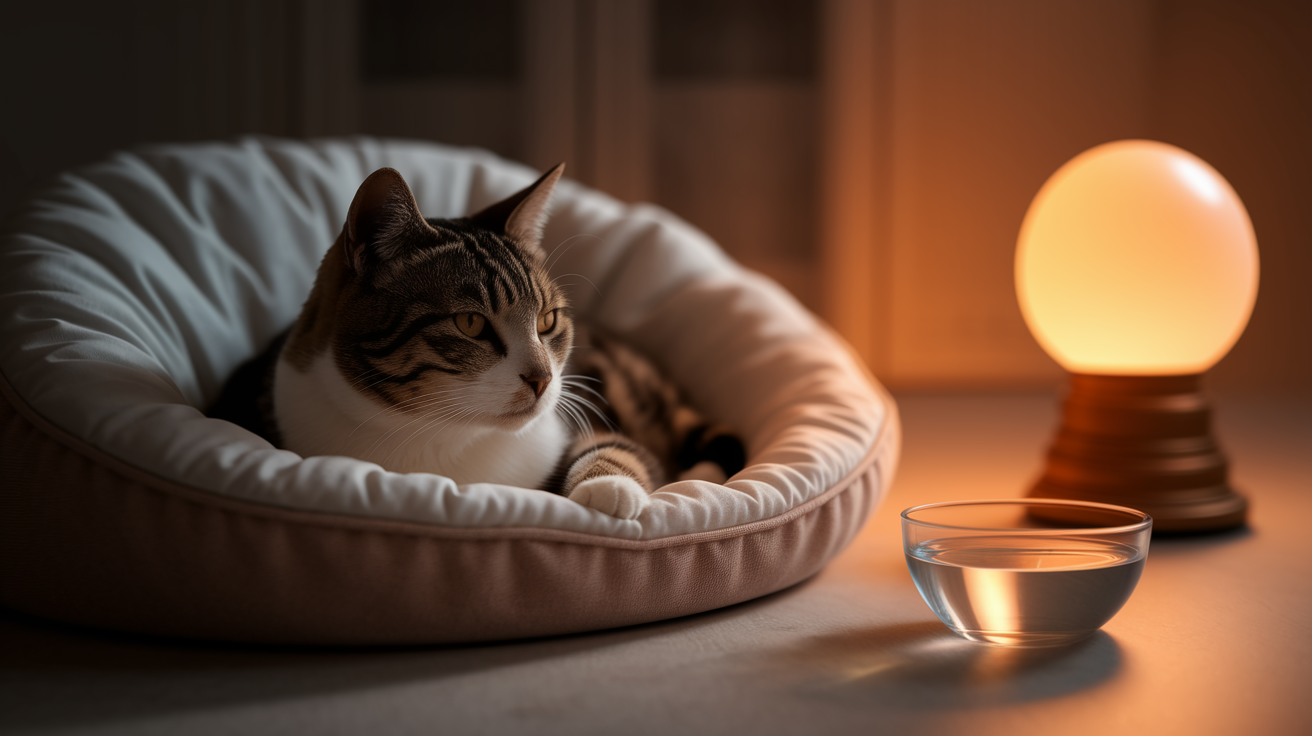
If you suspect your cat is blocked or severely straining and you’re on your way to the vet, there are a few safe things you can do at home while you’re getting ready to leave. Keep your cat calm and confined to a quiet room. Stress makes bladder spasms worse, so a small, dim space with soft bedding helps. Offer fresh water, but don’t force your cat to drink.
Do not try to manually express the bladder by pressing on the abdomen. A blocked bladder is already painfully swollen, and applying pressure can cause it to rupture. Do not give any human medications, insert anything into the urethra, or attempt home remedies you find online. Watch closely for vomiting, collapse, or complete inability to stand. These signs mean the blockage is progressing rapidly and immediate emergency care is critical.
Safe steps while preparing for emergency veterinary care:
- Confine your cat to a quiet, low stress room with easy access to water
- Monitor for vomiting, drooling, or collapse and note the time if these occur
- Do not attempt to squeeze or press on the abdomen
- Avoid giving any medications unless explicitly instructed by your vet
- Bring a fresh urine sample if your cat produces any, even a few drops on a paper towel
Long Term Management and Prevention for Cats With Urinary Problems

Once the immediate crisis is over, the focus shifts to preventing another episode. Cats who’ve had one urinary event are at higher risk for recurrence, so long term management becomes part of daily life. The good news is that most prevention strategies are simple, low cost, and fit into your regular routine.
Diet plays a central role. Prescription urinary diets are formulated to control urine pH, reduce crystal formation, and increase water content. Wet food is almost always recommended over dry because it adds moisture with every meal, diluting the urine and flushing the urinary tract more effectively. If your cat refuses wet food, you can add water or low sodium broth to dry kibble, or try a cat water fountain to encourage drinking.
Stress reduction matters just as much as diet, especially for cats with feline idiopathic cystitis. Consistent routines, clean litter boxes (one per cat plus one extra), vertical space like cat trees, and interactive play all help lower stress. Environmental enrichment doesn’t just make your cat happier. It directly reduces inflammation in the bladder. Your vet will also schedule follow up visits to recheck urine and bloodwork, adjust the diet if needed, and catch any early signs of recurrence before they become emergencies.
Long term strategies to prevent urinary problems in cats:
- Feed a prescription urinary diet or high moisture wet food as recommended by your vet
- Provide multiple fresh water sources and consider a cat water fountain
- Maintain a stress free environment with consistent routines and enrichment
- Keep litter boxes clean and provide one box per cat plus one extra
- Schedule routine follow up exams and urinalysis every 3 to 6 months
- Monitor litter box habits daily and contact your vet at the first sign of straining or reduced output
Final Words
You spot your cat crouched in the litter box, straining and clearly uncomfortable.
This post explains why a urinary blockage can become life-threatening in 24–48 hours, the early signs to watch, common causes, how to tell urination strain from constipation, what vets will test, and treatment options.
If it’s happening now, keep your cat calm, offer water, and go to a vet immediately. For milder changes, watch litter habits for 24–48 hours and call if it gets worse.
A cat straining to urinate is scary, but quick action and veterinary care often lead to a good outcome.
FAQ
Q: What do you do if your cat is straining to pee?
A: If your cat is straining to pee, stay calm, check the litter box for urine, offer fresh water, and get veterinary help right away—complete blockage can become life-threatening within 24–48 hours.
Q: Why does my cat keep squatting but not peeing?
A: If your cat keeps squatting but not peeing, likely causes include urethral obstruction, bladder inflammation, or crystals; this can be urgent—call your vet now if they vocalize, try repeatedly, or produce little/no urine.
Q: What is the 3-3-3 rule for cats?
A: The 3-3-3 rule for cats describes adjustment after a move or adoption: 3 days hiding, 3 weeks exploring and learning routines, and up to 3 months to fully settle into a new home.
Q: How long is too long for a cat to pee straining?
A: Straining to pee for more than an hour without producing urine is too long; treat it as an emergency and contact your vet or emergency clinic now—complete obstruction can be life-threatening within 24–48 hours.