

Should you always rush to the vet when your dog vomits? Not always.
Often a short, careful plan at home can stop mild vomiting and help your dog feel better fast.
In this post I give a calm, step-by-step checklist you can use right now, including how long to withhold food, exactly how much water to offer and when, simple bland foods to try, what to note about each episode, and which red flags mean call the vet immediately.
Puppies, seniors, and dogs with health issues need faster attention.
Immediate Actions to Help Stop Vomiting at Home
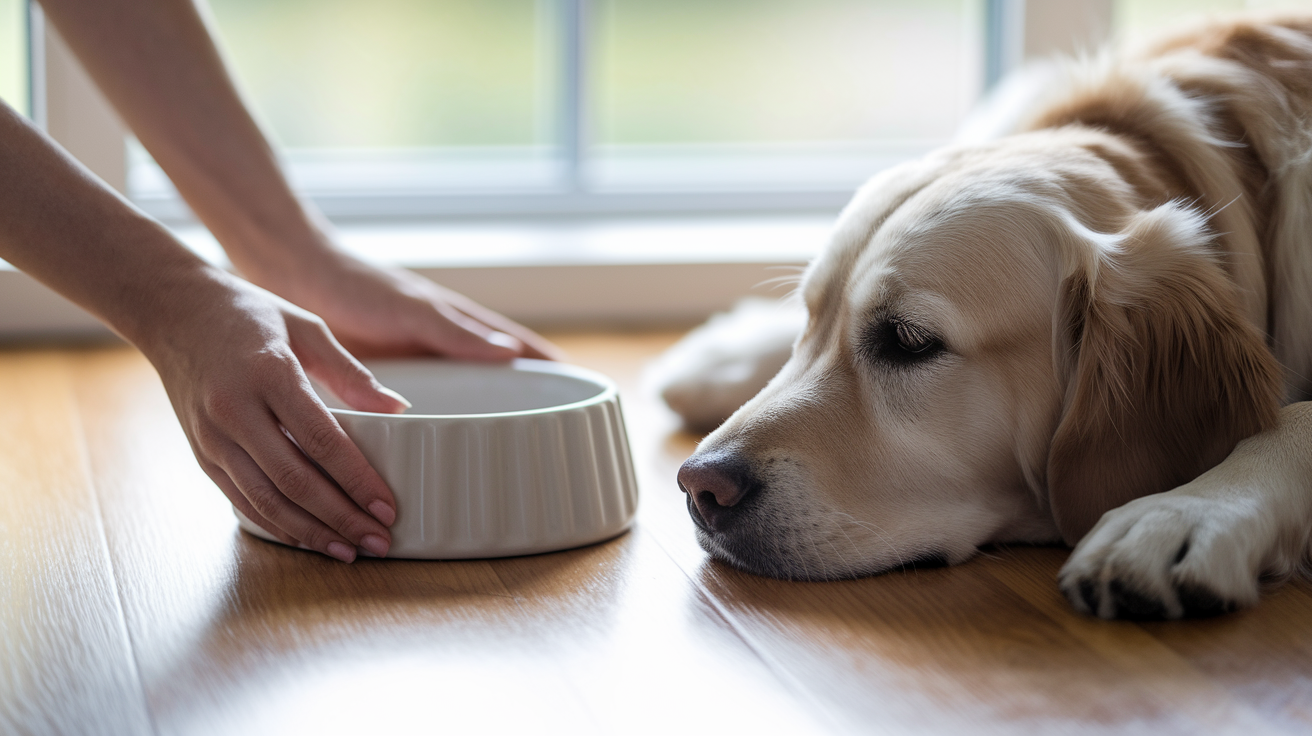
When your dog starts vomiting, the first thing you need to do is give their stomach a break. Stop all food for 8 to 12 hours. If you’ve got a puppy, senior dog, or small breed, cut that down to 4 to 6 hours to avoid blood sugar crashes. This fasting period isn’t about ignoring your dog. It’s about letting their digestive system actually rest and interrupting the cycle.
Once the vomiting stops, you can offer water, but keep it minimal. A few tablespoons for small dogs, maybe half a cup for larger ones, every hour. Let them lap it slowly. Gulping brings it right back up. If they keep the water down for at least 30 minutes, you can gradually increase how much you’re offering. But if vomiting starts again, stop and call your vet.
While your dog’s resting, you need to watch them closely. Count how many times they vomit. Note the color and what’s in it: watery, yellow bile, chunks of food, blood. Track whether they’re still interested in drinking. Check their energy level. Look at their gums, pink is healthy, pale or white is a problem. Notice if their belly looks bloated or feels hard when you touch it. All of this helps you figure out whether you can handle things at home or need to get professional help.
Fast at-home actions to take right now:
- Withhold all food for 8 to 12 hours. Shorten to 4 to 6 hours for puppies and small breeds.
- Offer a few tablespoons of water every hour if no recent vomiting. Stop if it comes back up.
- Introduce a bland diet like boiled chicken and rice in tiny portions after vomiting stops and fluids stay down for several hours.
- Keep your dog in a quiet, calm space. Limit activity to prevent more stomach upset.
- Write down each vomiting episode: time, appearance, and any other symptoms like diarrhea or drooling.
Common Reasons Dogs Vomit
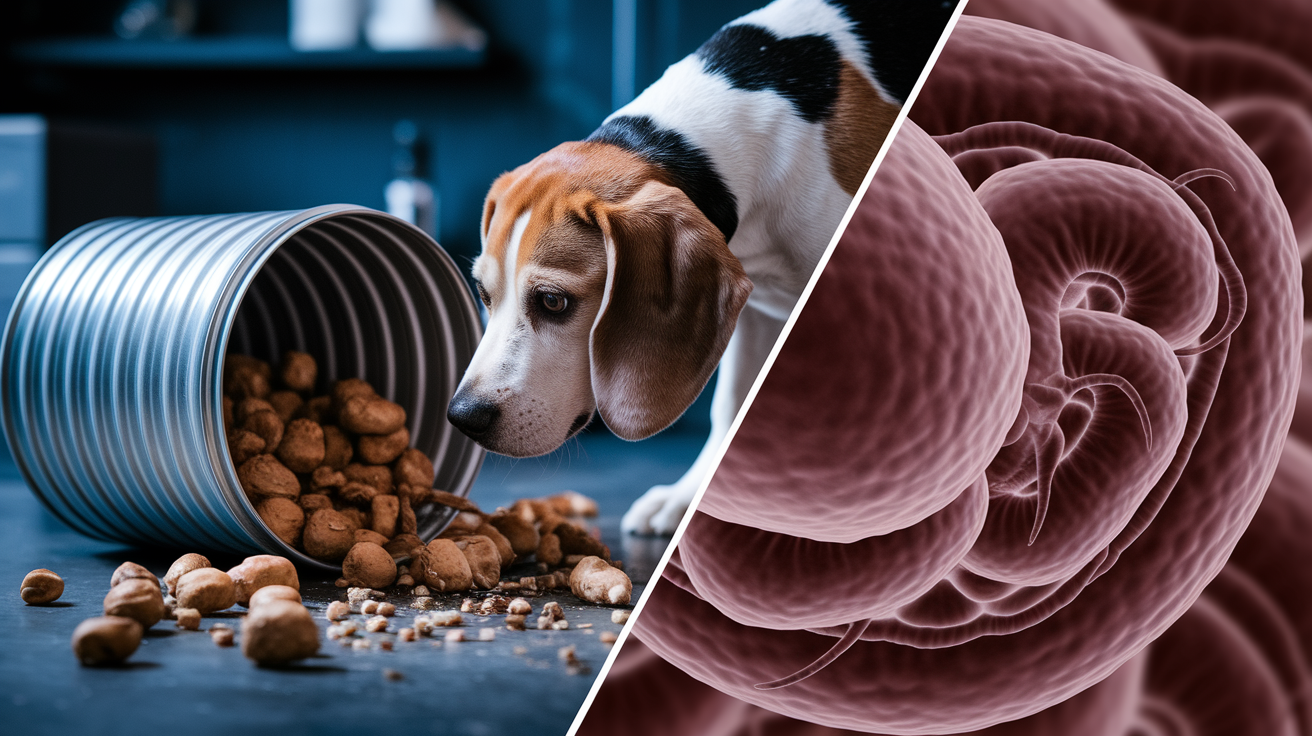
Dogs vomit for all kinds of reasons. Some are minor, others are serious. The most common cause is eating something they shouldn’t have. Garbage, table scraps, grass, spoiled food, small objects. A single vomiting episode after raiding the trash, followed by normal behavior, usually just means the stomach is working to get rid of the problem. It’ll settle on its own. Sudden diet changes, eating too fast, or scarfing down a new treat can also trigger vomiting in otherwise healthy dogs.
Infections, parasites, and toxins are more serious. Viral infections like parvovirus, especially in puppies, bacterial infections, and intestinal parasites can all cause repeated vomiting. Often with diarrhea, lethargy, and fever. Toxin ingestion is a big one. Grapes, raisins, xylitol (that sweetener in sugar-free stuff), chocolate, antifreeze, certain plants, human medications. These can lead to sudden, severe vomiting and you need to get to a vet immediately. Motion sickness, stress, and eating grass (which some dogs do to settle nausea) can also cause occasional vomiting.
Chronic medical conditions produce ongoing or recurrent vomiting. Pancreatitis, kidney disease, liver disease, inflammatory bowel disease, gastritis, stomach ulcers, intestinal blockages from swallowed toys, bones, or fabric. The color and content of the vomit can give you clues. Yellow or white foam often means bile from an empty stomach. Brown or coffee-ground appearance suggests blood. Undigested food right after eating may point to regurgitation or obstruction.
When Vomiting Is an Emergency
Some vomiting episodes need immediate veterinary attention, not home care. If your dog vomits three or more times within 24 hours, can’t keep water down for more than 12 hours, or shows blood in the vomit (red, pink, or coffee-ground-like), contact an emergency clinic right away. Blood in vomit can signal stomach ulcers, poisoning, or internal injury. Dehydration signs like tacky or dry gums, sunken eyes, skin that doesn’t spring back when gently lifted mean your dog is losing too much fluid and needs intravenous support.
Watch for serious accompanying symptoms. Severe lethargy, collapse, pale or white gums, rapid or labored breathing, seizures, a swollen or hard abdomen, extreme abdominal pain (hunched posture, whining when touched), and persistent diarrhea all indicate a medical crisis. Bloat is a life-threatening emergency most common in large, deep-chested breeds. It causes repeated unsuccessful attempts to vomit, restlessness, a visibly swollen belly, and rapid decline. Bloat can be fatal within hours and requires surgery.
Puppies, senior dogs, and dogs with preexisting health conditions like diabetes, kidney disease, or heart disease are at higher risk for complications from vomiting. Even a single episode in a very young puppy or frail senior can lead to dangerous dehydration or low blood sugar. If you suspect your dog swallowed a toxin (grapes, xylitol, antifreeze, medication, household chemicals) or a foreign object (toy, sock, bone fragment), treat it as an emergency even if vomiting hasn’t started yet.
Call a vet immediately if you see any of these:
- Vomiting three or more times in one day, or vomiting that won’t stop
- Blood in vomit or stool (red, black, or coffee-ground texture)
- Severe dehydration signs: sunken eyes, tacky gums, skin tenting
- Repeated attempts to vomit with nothing coming up, plus a swollen abdomen (possible bloat)
Step-by-Step Home Care for Mild Vomiting
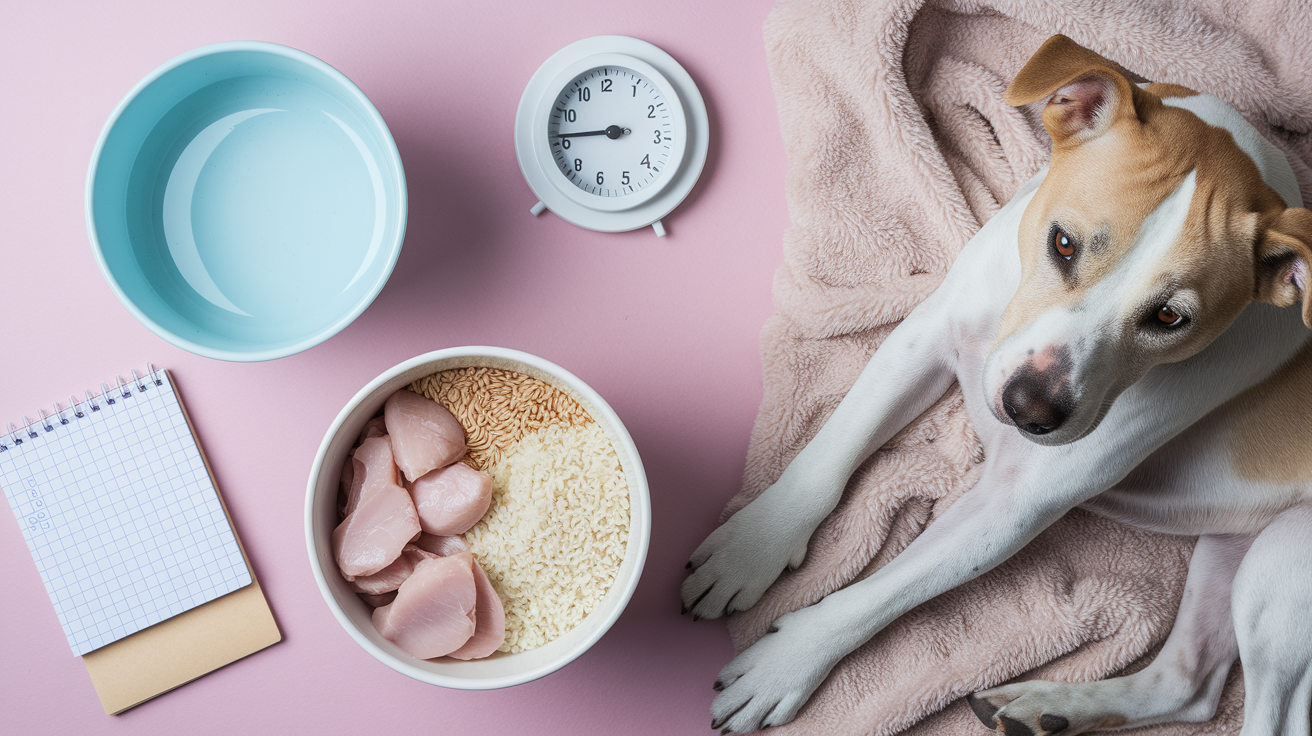
If your dog vomited once or twice but is acting otherwise normal, still alert, drinking a little, not in obvious pain, you can try careful home care. Here’s a structured recovery plan:
-
Fast for 8 to 12 hours. Stop all food to let the stomach rest. Shorten the fast to 4 to 6 hours for puppies, small breeds, and senior dogs to prevent low blood sugar. Keep fresh water available in small amounts.
-
Offer water slowly. After the fast, give a few tablespoons of water to small dogs or up to half a cup to large dogs every hour. If your dog won’t drink, use a syringe (no needle) to gently squirt water into the side of their mouth. If they keep it down for 30 minutes, offer a bit more. Stop if vomiting resumes.
-
Start a bland diet. Once your dog has kept water down for several hours without vomiting, offer a tiny amount of bland food. One teaspoon for small dogs, one tablespoon for large dogs. Use plain boiled chicken (skinless, boneless) mixed with cooked white rice in a 1:3 ratio (one part chicken to three parts rice). Let it cool before serving.
-
Feed small, frequent meals. If the first bland meal stays down for 30 minutes, double the portion and feed every 3 to 4 hours. Continue this schedule for 24 to 48 hours. If vomiting returns at any point, stop feeding and contact your vet.
-
Check hydration. Gently lift the skin on the back of your dog’s neck. It should spring back immediately. Press your finger against their gums. They should feel moist and return to pink color within 2 seconds. Tacky gums or slow skin return means dehydration. Call your vet.
-
Rest and observe. Keep your dog calm and quiet. No running, rough play, or long walks. Watch for changes. Increased energy and normal appetite are good signs. Continued lethargy, drooling, hunched posture, or refusal to drink means you need professional help.
Most mild vomiting improves within 24 to 48 hours with this approach. If your dog is eating small bland meals, keeping water down, and acting more like themselves, you’re on the right track. After 48 hours with no vomiting, you can slowly transition back to their regular food by mixing it into the bland diet over 2 to 3 days.
Safe Foods for Recovery After Vomiting
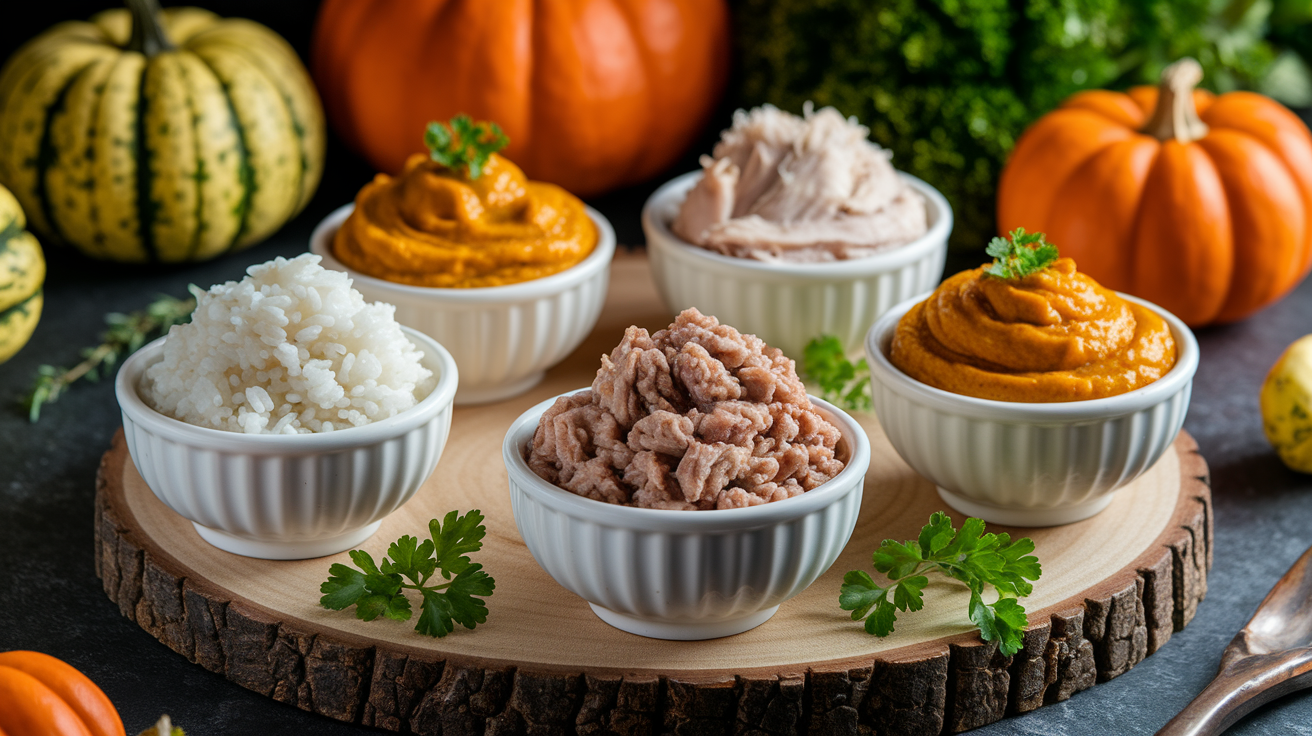
A bland, easily digestible diet gives the stomach a chance to heal without triggering more upset. These foods are gentle, low in fat, and simple to prepare at home or available as prescription formulas from your vet.
Safe recovery foods:
- Boiled chicken (skinless, boneless, no seasoning). Shred or chop into small pieces.
- Cooked white rice (not brown. White is easier to digest).
- Plain boiled ground turkey (lean, no skin or fat).
- Plain pumpkin purée (100% pumpkin, no sugar or spices). 1 to 2 tablespoons mixed with rice or chicken.
- Prescription gastrointestinal diets like Hill’s i/d, Royal Canin GI, or Purina EN (available from your vet).
Feed very small portions. Start with 1 teaspoon for small dogs, 1 tablespoon for large dogs, and increase gradually if no vomiting occurs. Offer meals every 3 to 4 hours during the first 24 to 48 hours of recovery. After 48 hours with no vomiting, begin transitioning back to your dog’s regular food by mixing a small amount of their normal kibble or wet food into the bland diet. Increase the ratio each day over 2 to 3 days until you’re feeding 100% regular food again. Avoid any treats, table scraps, or rich foods during recovery.
Preventing Future Vomiting Episodes
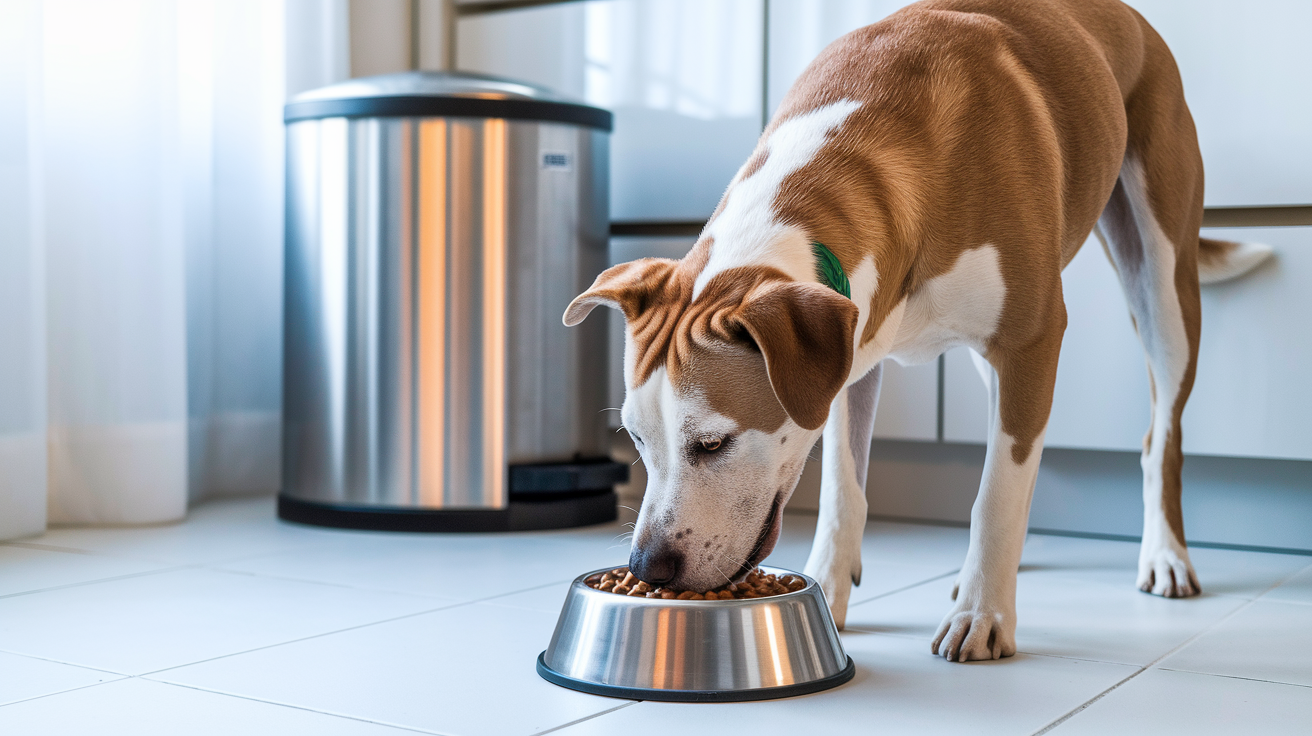
Many vomiting episodes can be avoided with consistent routines and careful management. The most effective prevention is a stable, high-quality diet fed at the same times each day. When you need to switch foods, whether to a new brand or from puppy to adult formula, do it gradually over 5 to 7 days. Mix a small amount of the new food into the old, increasing the new food by about 20% each day. Abrupt changes overwhelm the digestive system and often cause vomiting or diarrhea.
Keep table scraps, garbage, and household toxins out of reach. Dogs are scavengers. Even well-trained pets will grab food off counters or raid trash cans when tempted. Store cleaning products, medications, antifreeze, and pest poisons in locked cabinets. Supervise outdoor time to prevent eating unknown plants, mushrooms, animal feces, or discarded food. If your dog eats too fast and vomits undigested kibble shortly after meals, use a slow-feeder bowl or puzzle feeder to pace their eating.
Simple prevention steps:
- Transition to new foods slowly over 5 to 7 days by gradually mixing old and new.
- Avoid feeding table scraps, bones, and frequent treat changes.
- Use a slow-feeder bowl if your dog gulps food and vomits soon after eating.
- Keep current on parasite prevention (deworming, flea/tick treatment) and schedule regular wellness exams to catch chronic issues early.
Frequently Asked Questions About Dog Vomiting
What’s the difference between vomiting and regurgitation?
Vomiting is forceful and involves stomach contractions. You’ll see your dog’s belly heave and they may drool or lick their lips beforehand. The material is partially digested and often mixed with bile (yellow or white foam). Regurgitation is passive. Food comes back up almost immediately after eating, still in tubular shape from the esophagus, with no heaving or nausea. Regurgitation suggests an esophageal problem, not a stomach issue.
How long should I fast my dog after vomiting?
Fast for 8 to 12 hours for adult dogs. Shorten to 4 to 6 hours for puppies, small breeds (under 20 pounds), and senior dogs to prevent low blood sugar. During the fast, offer water in small amounts every hour. After vomiting stops and water stays down for several hours, introduce bland food in tiny portions.
When is it safe to use a bland diet instead of calling the vet?
A bland diet is appropriate for a single vomiting episode or two episodes in 24 hours if your dog is alert, drinking, and showing no other symptoms. No blood, no diarrhea, no lethargy, no abdominal pain. If vomiting continues, if your dog won’t drink, or if you see any red-flag signs, skip home care and contact your vet.
Is it normal for dogs to eat grass and then vomit?
Many dogs eat grass to settle mild nausea or out of curiosity. Occasional grass eating followed by vomiting yellow bile isn’t usually a concern if your dog acts normal afterward. Frequent grass eating, repeated vomiting, or eating large amounts of grass can signal an upset stomach, intestinal parasites, or dietary deficiency. Mention it to your vet at the next visit.
How long can vomiting last before it’s dangerous?
A single episode that resolves within a few hours is usually not dangerous. Vomiting that continues beyond 24 hours, three or more episodes in one day, or any vomiting that prevents your dog from keeping down water for more than 12 hours requires veterinary attention. Dehydration, electrolyte imbalances, and underlying illness can develop quickly, especially in puppies, seniors, and small dogs.
Final Words
Start by withholding food for a few hours, offering small sips of water, and noting any changes.
If symptoms stay mild, reintroduce small bland meals (boiled chicken and rice) and keep your dog resting.
Call your vet for red flags: repeated vomiting, blood, belly pain, severe lethargy, or dehydration.
Note water intake and vomit details for 24–48 hours and bring those notes if the problem doesn’t improve. Knowing how to stop dog from vomiting is mostly calm care, careful watching, and asking for help when needed.
FAQ
Q: What home remedy can I give my dog for vomiting and how do you settle a dog’s stomach after throwing up?
A: A home remedy to settle your dog’s stomach after vomiting is to withhold food 8–12 hours, offer small water sips, then feed bland boiled chicken and rice in small meals; call a vet for blood, repeated vomiting, or severe lethargy.
Q: How can I get my dog to stop throwing up?
A: You can get your dog to stop throwing up by removing food for 8–12 hours, giving tiny water amounts, keeping them calm and resting, then slowly reintroducing bland meals; call a vet if vomiting continues or worsens.
Q: How many times should a dog throw up before going to the vet?
A: A dog should see a vet after throwing up more than twice in 24 hours, or sooner if there’s blood, dehydration, severe lethargy, abdominal pain, or if your pet is a puppy or senior.