

Think one vet visit a year is enough for every cat?
Sadly, that one-size-fits-all idea misses key life stage risks.
Kittens need checks every 3–4 weeks while they finish their vaccine series.
Most adult cats do well with a yearly wellness check and baseline labs.
Senior cats (10 years and up) often need exams every six months, and very old cats may need visits every four months.
This article breaks down recommended visit frequency by age, what vets check at each stage, and when to speed up care.
Recommended Veterinary Visit Frequency by Age for Cats
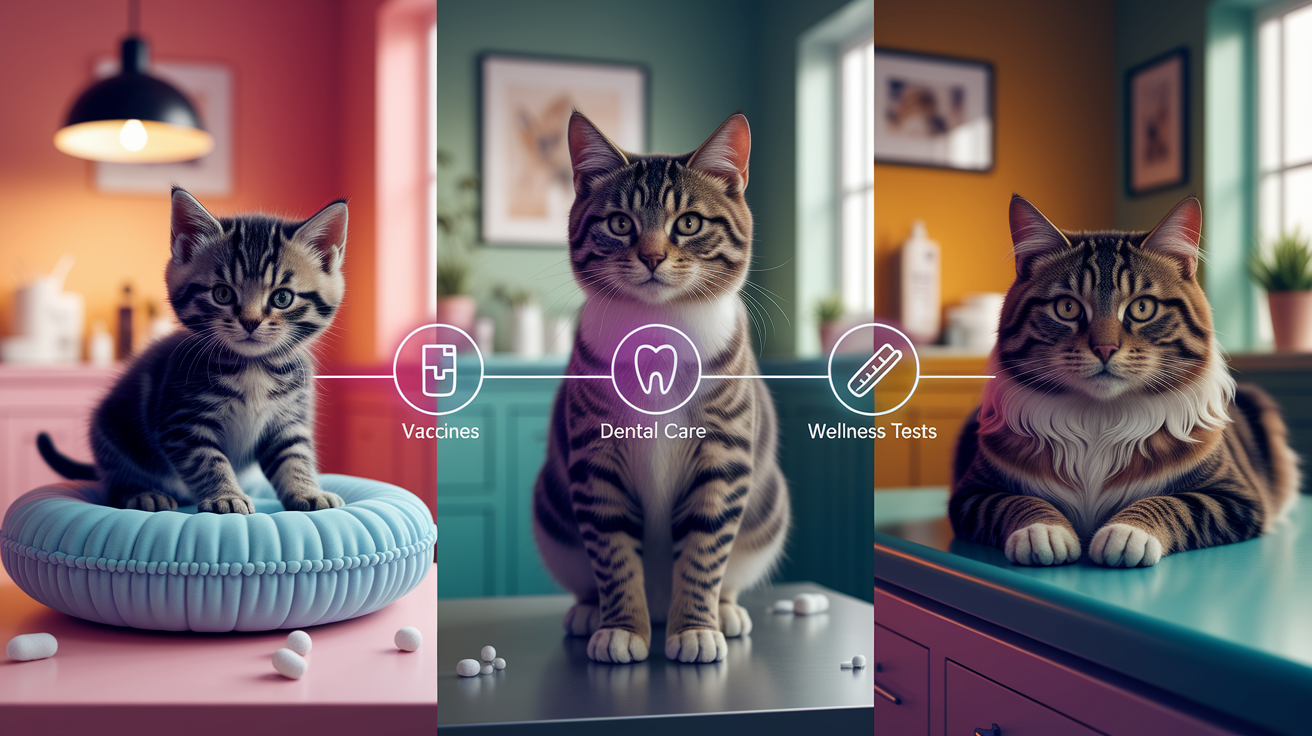
Life stage care is what keeps your cat healthy long term. Kittens, adults, and seniors have completely different medical needs, and visit frequency should reflect that. A kitten’s immune system is still developing and needs careful monitoring. A senior cat faces increased risk of kidney disease, diabetes, and dental issues that require earlier intervention. You can’t use the same schedule for every cat and expect it to work.
Kittens need vet visits every 3–4 weeks starting around 6–8 weeks of age and continuing until they reach 16–20 weeks. During this window, your kitten gets a series of vaccines, deworming treatments, and developmental checkups. Adult cats between 1 and 10 years should see a vet at least once per year for a comprehensive wellness exam, vaccine updates, and baseline lab work. Senior cats (10 years and older) need exams every 6 months because chronic conditions like kidney disease and hyperthyroidism often develop quietly and progress quickly. Cats 15 and older may need visits every 4 months depending on their health status.
Indoor cats still require the same baseline visit schedule as outdoor cats. Even if your cat never steps outside, they still face risks of dental disease, obesity, diabetes, and age related organ decline. Outdoor cats or those in multi cat households may need more frequent parasite screenings and risk assessments based on exposure. Your veterinarian will help you adjust the schedule based on your cat’s lifestyle, but the core framework stays the same.
Kittens (birth to 1 year): Every 3–4 weeks from 6–8 weeks old until 16–20 weeks. Additional visit around 6 months for spay/neuter and final boosters.
Adults (1–10 years): At least one comprehensive exam per year. Indoor only cats may be seen every two years only with veterinary approval.
Seniors (10+ years): Every 6 months. Cats 15 and older may need visits every 4 months or more often if managing chronic disease.
Kitten Veterinary Visit and Vaccination Schedule
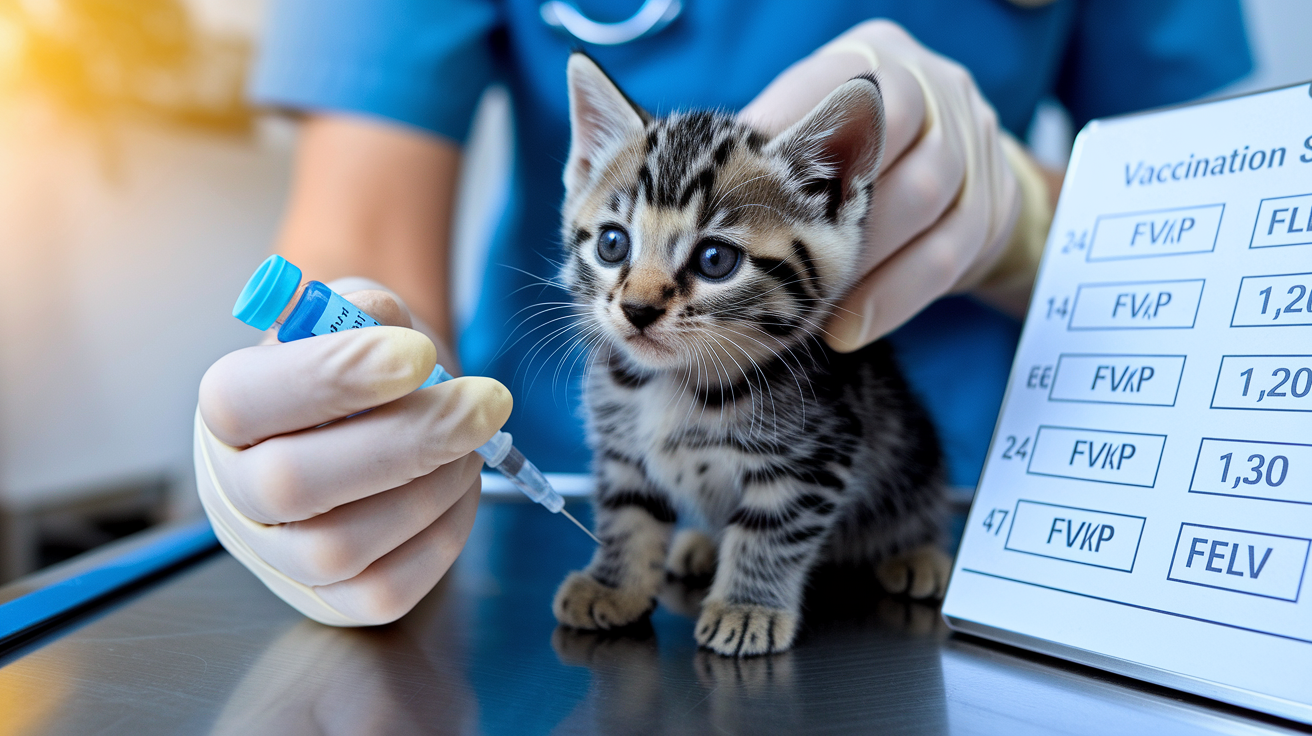
Kittens require frequent veterinary visits because their immune systems are fragile and rapidly changing. Maternal antibodies from nursing protect newborns for the first few weeks, but those antibodies begin to fade around 6 weeks of age. That’s when kittens become vulnerable to serious infections like panleukopenia and upper respiratory viruses. The vaccine series must be timed carefully to protect kittens as soon as maternal immunity wanes, without interfering with the natural protection still present. Regular checkups also let your vet track weight gain, screen for parasites, and catch developmental red flags before they turn into bigger problems.
Your kitten’s first vet visit should happen at 6–8 weeks of age and include a full physical exam, deworming, and the first round of core vaccines. Core vaccines protect against feline herpesvirus (FHV-1), calicivirus (FCV), panleukopenia (FPV), rabies, and feline leukemia (FeLV). Boosters are given every 3–4 weeks until your kitten reaches at least 16 weeks of age. Rabies is typically given at 12–16 weeks, with a booster at one year. Spay or neuter surgery is commonly recommended at 5–6 months. Microchipping is often done during one of the early visits or at the time of surgery.
6–8 weeks: First exam, deworming, first FVRCP vaccine (FHV-1, FCV, FPV).
10–12 weeks: Booster FVRCP vaccine, continued deworming, FeLV test and first FeLV vaccine if appropriate.
14–16 weeks: Final FVRCP booster, rabies vaccine, second FeLV vaccine if started.
5–6 months: Spay/neuter surgery, microchipping if not done earlier.
6 months to 1 year: Possible revaccination for FVRCP depending on prior vaccine type and risk. Rabies booster at one year.
Throughout the series: Parasite preventives for heartworms, intestinal worms, fleas, and ticks based on lifestyle and risk.
Adult Cat Vet Checkup Frequency and Preventive Care
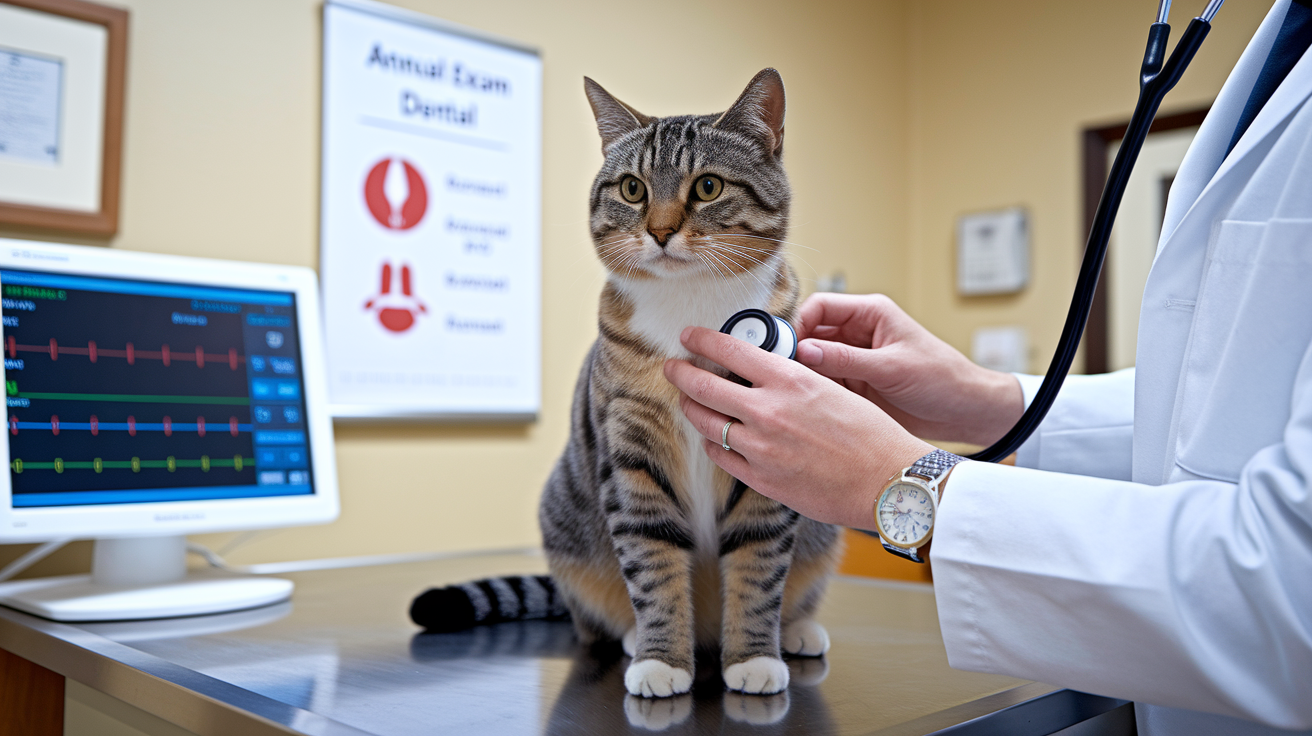
Adult cats between 1 and 10 years need at least one comprehensive wellness exam every year. The exam includes a full physical evaluation, weight and body condition scoring, vaccine review, dental assessment, and discussion of any behavior or appetite changes. Even if your cat seems perfectly healthy, the annual checkup establishes a baseline of “normal” for your individual cat. Small changes in weight, hydration, heart rhythm, or tooth condition become easier to spot when your vet has a clear reference point from the year before.
Annual diagnostics typically include bloodwork and a fecal test to screen for parasites. Blood chemistry and a complete blood count (CBC) can detect early diabetes, chronic kidney disease, liver changes, and anemia before symptoms appear. Urinalysis helps catch kidney disease and urinary tract issues. Parasite prevention for fleas, ticks, heartworms, and intestinal worms should be discussed and updated at every visit, even for indoor only cats. Your vet will also review your cat’s vaccination status and determine which boosters are due based on the vaccine type and your cat’s risk factors.
Dental care is a critical part of adult preventive care. Your vet will check your cat’s teeth and gums during each wellness visit, looking for tartar buildup, gingivitis, and signs of tooth resorption. Many adult cats need professional dental cleaning under anesthesia every 1–3 years depending on disease severity. Catching dental disease early reduces pain, prevents tooth loss, and lowers the risk of bacteria spreading to the heart and kidneys.
Senior Cat Veterinary Monitoring and Diagnostic Needs
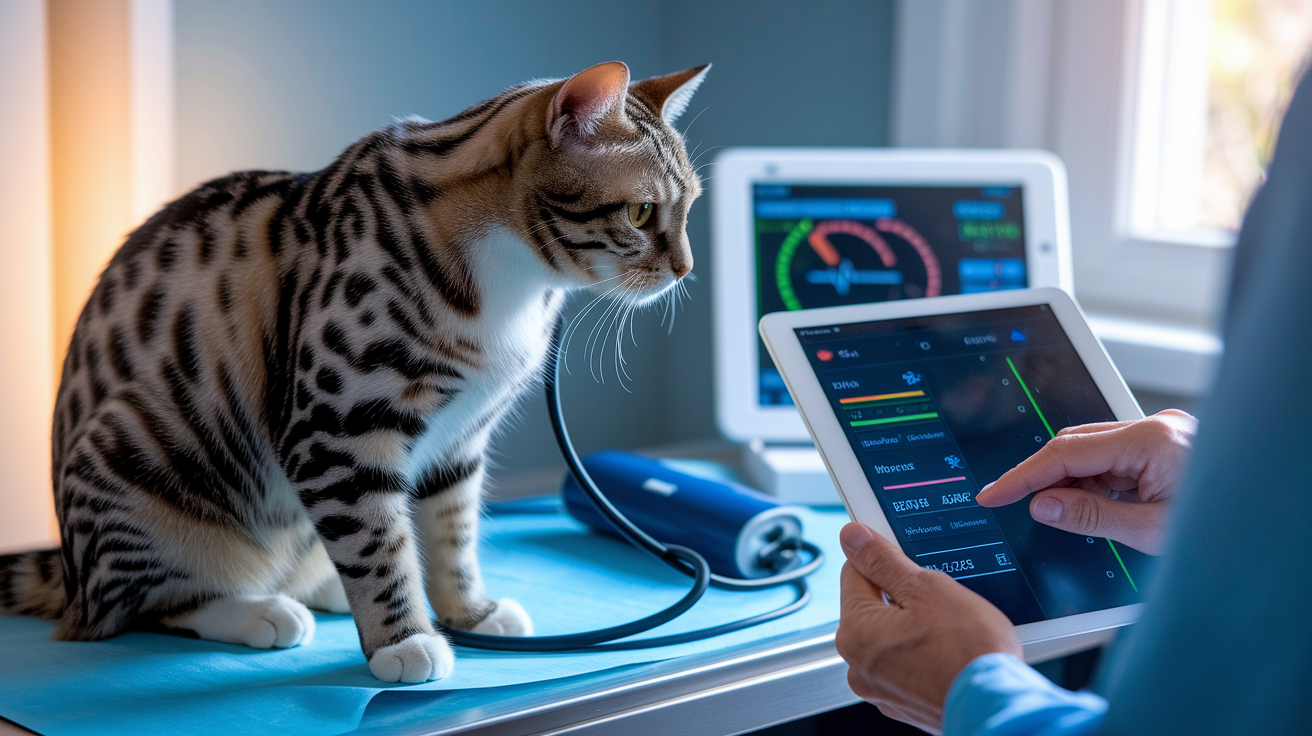
Senior cats face a much higher risk of chronic disease, and symptoms often appear suddenly even when the underlying problem has been building for months. Cats 10 years and older should be seen every 6 months for a full physical exam and lab work. Cats 15 and older may need visits every 4 months, especially if they’re managing diabetes, kidney disease, hyperthyroidism, or arthritis. Twice yearly exams give your vet the chance to detect subtle changes in organ function, blood pressure, body condition, and comfort level before they escalate into crises.
Senior screening packages typically include blood chemistry, a complete blood count, urinalysis, blood pressure measurement, and a thorough dental evaluation. These tests monitor kidney function, liver enzymes, thyroid hormone levels, blood sugar, red and white blood cell counts, and urine concentration. Weight checks become especially important in senior cats because unexplained weight loss can signal kidney disease, hyperthyroidism, or cancer, while weight gain increases diabetes and arthritis risk. Your vet will also assess pain and mobility, since arthritis is common but often goes unnoticed until cats stop jumping or grooming themselves.
| Test | Purpose | Recommended Frequency |
|---|---|---|
| Blood chemistry panel | Screens kidney function, liver enzymes, blood sugar, electrolytes | Every 6 months for senior cats; every 4 months for cats 15+ |
| Complete blood count (CBC) | Detects anemia, infection, immune problems | Every 6 months |
| Urinalysis | Evaluates kidney function, detects urinary tract disease, measures urine concentration | Every 6 months |
| Blood pressure measurement | Screens for hypertension, which can damage kidneys and eyes | Every 6 months or as indicated |
| Dental evaluation | Checks for tooth resorption, gingivitis, tartar, and oral pain | At every visit (every 6 months) |
Situations When Cats Need More Frequent Vet Visits
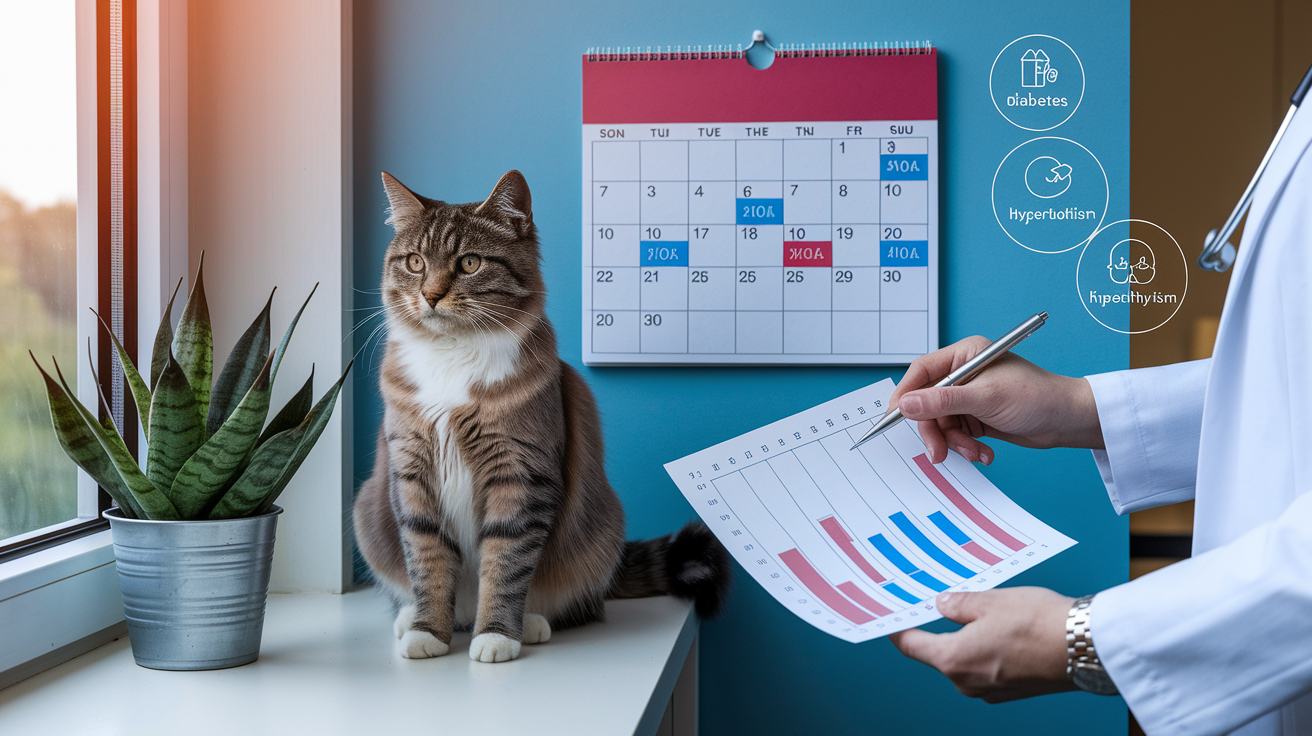
Chronic diseases require tailored monitoring schedules that go beyond the standard annual or biannual framework. Diabetes often demands visits every 1–3 months during the stabilization phase while insulin doses are adjusted and blood glucose curves are monitored. Once stable, recheck visits may shift to every 3–6 months. Chronic kidney disease usually requires lab work and weight checks every 1–3 months, or at minimum every 6 months for early stage disease. Hyperthyroidism needs monitoring every 1–3 months after starting medication to make sure thyroid hormone levels are controlled. Arthritis may require more frequent assessments to adjust pain management and track mobility changes.
Lifestyle factors also influence visit frequency. Outdoor cats, hunting cats, and cats in multi cat households face higher exposure to parasites, injuries, and infectious diseases. Your vet may recommend more frequent parasite screenings, vaccine risk assessments, and physical exams to catch issues early. Cats with compromised immune systems due to FIV, FeLV, or cancer will need individualized schedules determined by their specific condition and overall health status.
Personalized care plans matter because no two cats age or respond to treatment the same way. Your veterinarian will adjust visit frequency based on test results, symptom progression, medication side effects, and quality of life. When in doubt, ask your vet to explain why a specific interval makes sense for your cat’s situation.
Emergencies and Warning Signs That Require Immediate Veterinary Care

Some symptoms mean “call the vet today.” Others mean “go to the emergency clinic right now.” Difficulty breathing, collapse, seizures, traumatic injuries like being hit by a car or attacked by another animal, and inability to urinate are all life threatening emergencies that require immediate professional attention. Cats in respiratory distress often breathe with their mouths open, have rapid shallow breathing, or make wheezing sounds. Urinary blockages cause intense pain, repeated trips to the litter box with little or no urine, and loud yowling. A blocked cat can die within 24–48 hours if untreated.
Persistent vomiting or diarrhea lasting more than 24 hours, especially when combined with loss of appetite or lethargy, requires prompt evaluation. Sudden changes in appetite, drinking more water than usual, unexplained weight loss or gain, and severe lethargy all signal that something is wrong and shouldn’t wait for a routine appointment. Eye problems like redness, cloudiness, swelling, or discharge, and ear issues like head shaking, scratching, or foul odor also need timely attention to prevent permanent damage.
Difficulty breathing, rapid shallow breathing, or open mouth breathing
Collapse, unconsciousness, or seizure activity
Inability to urinate, frequent litter box visits with little or no urine, or yowling in the box
Traumatic injury such as being hit by a car, falling from a height, or animal attack
Uncontrollable vomiting or diarrhea, especially with blood present
Refusal to eat for more than 24 hours
Sudden severe lethargy or hiding behavior
Unexplained weight loss or rapid weight gain
Eye discharge, cloudiness, redness, or squinting
Persistent coughing, sneezing with thick nasal discharge, or signs of pain when touched
What to Expect During Routine Cat Checkups
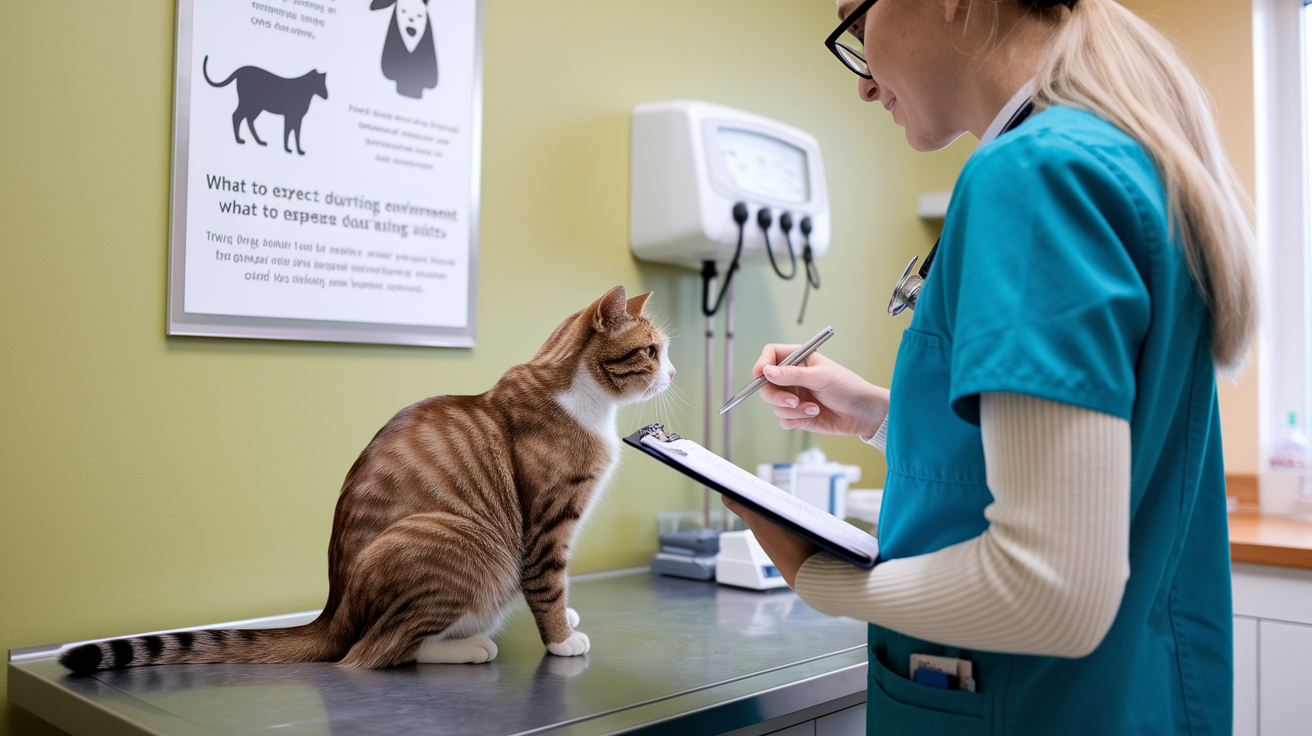
A routine wellness exam starts with a full physical evaluation. Your vet will check your cat’s eyes, ears, nose, mouth, teeth, gums, lymph nodes, heart, lungs, abdomen, skin, coat, and musculoskeletal system. They’ll listen for heart murmurs, irregular rhythms, and abnormal lung sounds. They’ll feel the abdomen to check the kidneys, liver, intestines, and bladder for size, shape, and pain. Weight and body condition scoring help track trends over time and catch early obesity or muscle loss. Your vet will also assess your cat’s hydration status by checking gum moisture and skin elasticity.
Preventive care updates during the visit include vaccine boosters, parasite screenings, and discussions about flea, tick, and heartworm prevention. Many clinics run a fecal test at least once a year to check for intestinal parasites even in indoor cats. Blood work and urinalysis may be recommended annually for adults and every 6 months for seniors. Your vet will review any behavior changes, litter box habits, appetite shifts, water intake, vomiting, coughing, or mobility concerns you’ve noticed at home.
Good communication makes every visit more useful. Write down questions before the appointment so you don’t forget them in the moment. Bring a list of any symptoms you’ve noticed, including when they started and how often they happen. Ask your vet to explain test results in plain terms and to walk you through the reasoning behind any recommended treatments or schedule changes. Keep copies of medical records, lab results, and vaccine certificates in a file at home or use your clinic’s online portal if available. That documentation becomes critical if you move, travel with your cat, or need to see an emergency or specialist veterinarian.
Final Words
Start with this schedule: kittens every 3-4 weeks, adults at least once a year, seniors every 6 months, and very old seniors may need visits every 4 months.
If your cat goes outside or has health issues, expect more visits. Watch weight, appetite, water intake, litter box use, breathing, or sudden behavior changes, and call your vet for red flags.
Keep a simple record of dates and vaccines, and ask your clinic for a tailored plan. If you’ve been wondering how often should cats go to the vet, this timeline is a clear starting point. You’re doing great.
FAQ
Q: How often should an indoor cat go to the vet?
A: An indoor cat should have at least one wellness exam per year to check weight, vaccines, and early disease; kittens and seniors need more frequent visits based on age and health.
Q: What is the 3-3-3 rule for cats?
A: The 3-3-3 rule for cats is a settling guideline: 3 days to hide and observe, 3 weeks to adjust to new routines, and about 3 months to fully feel at home and bond.
Q: What is the silent killer of cats?
A: The silent killer of cats is often chronic kidney disease, which shows subtle signs like mild weight loss or increased thirst; routine blood and urine screening helps catch it earlier—see your vet if you notice changes.
Q: How much should a cat checkup cost?
A: A cat checkup typically costs about $50 to $200 for a basic wellness exam; added tests like bloodwork, vaccines, or dental care increase the price. Call local clinics for exact estimates.