

Could your dog be itchy and miserable because of your cat?
Dogs can be allergic to cat dander, saliva, or urine, and it often shows up as scratching, red skin, sneezing, or gut upset after close contact.
This post walks you through how to spot the signs, what to do right away at home, and when to call the vet so you don’t have to decide between keeping both pets.
Most dogs improve with simple changes, like cleaning, short-term meds, and targeted vet care, and I’ll give clear steps you can try today.
Immediate Strategies to Manage Dog Allergies to Cats

Yes, dogs can develop allergies to cats. The same proteins that trigger sniffles and itchy eyes in humans, like Fel d 1 found in cat saliva and dander, can cause immune reactions in dogs too. When a dog’s immune system decides that cat dander, saliva, or urine is a threat, it launches an inflammatory response that shows up as skin irritation, respiratory symptoms, or digestive upset. You’re not imagining it if your dog starts scratching more after snuggling with your cat.
The good news? You can manage these reactions without rehoming your cat. Most cases respond well to a combination of medication, environmental cleanup, and smart household routines.
The fastest relief comes from removing allergens from your dog’s coat and skin. Bathing your dog once or twice a week washes away cat dander that clings to fur. Use a gentle, medicated shampoo if your vet recommends one. Between baths, wipe your dog’s paws and face with a damp cloth after they’ve been near the cat. Antihistamines can help reduce itching, but they’re only about 10 percent effective in dogs, so check with your vet before giving Benadryl or Zyrtec. Prescription medications like Apoquel or Cytopoint work much better for controlling symptoms.
At the same time, tackle your home environment. Run a HEPA air purifier in rooms where your dog spends the most time. Vacuum rugs, furniture, and pet bedding at least twice a week using a vacuum with a HEPA filter. Cat allergens settle into soft surfaces and can stay active for months. During flare ups, separate your pets by keeping the cat out of your dog’s sleeping area or using baby gates to limit face to face contact. The goal is to lower the total allergen load so your dog’s immune system isn’t constantly firing.
Identifying Cat Allergy Symptoms in Dogs at Home

Dogs show allergies differently than humans do. Instead of sneezing fits and watery eyes as the main event, most allergic dogs develop skin problems first. You’ll notice your dog scratching more than usual, chewing at their paws, rubbing their face on the carpet, or licking the same spot over and over. Red, inflamed skin, especially around the belly, armpits, groin, and between the toes, is a big clue. Hair loss in patches, hot spots, and crusty sores can follow if the irritation goes untreated.
Respiratory signs do happen, but they’re less common. Some dogs will sneeze, reverse sneeze, or have a runny nose after close contact with the cat. A few develop asthma like symptoms, wheezing, coughing, or labored breathing. If your dog shakes their head a lot or scratches at their ears, check for redness or a yeasty smell. Recurring ear infections are a classic allergy signal. Loose stools or occasional vomiting can also point to an allergic reaction, especially if the timing lines up with increased cat exposure.
Certain breeds are more prone to allergies overall. Labradors, Bulldogs, Cocker Spaniels, and Pugs show up in vet offices more often for allergy workups. That doesn’t mean other breeds are safe. It just means these dogs’ immune systems tend to overreact to environmental triggers. The tricky part is that cat allergy symptoms look a lot like flea allergy symptoms, seasonal pollen reactions, and food sensitivities. Tracking when symptoms start, how long they last, and what your dog was doing beforehand helps your vet narrow things down.
Watch for these signs that warrant a vet visit:
- Scratching or licking that disrupts sleep or daily routines
- Visible sores, scabs, or oozing skin from constant scratching
- Persistent ear infections that come back after treatment
- Respiratory difficulty, fast breathing, or wheezing
- Vomiting or diarrhea that lasts more than 24 hours
- Hair loss or thinning coat in multiple areas
Understanding Why Dogs Develop Allergies to Cat Dander

An allergy happens when your dog’s immune system mistakes a harmless protein for a dangerous invader. Cat dander, tiny flakes of dead skin, carries proteins from cat saliva and sebaceous glands. When your dog breathes in dander or it settles on their skin, their immune system can mount a defense that causes inflammation, itching, and swelling. It’s an overreaction, not an infection.
What makes cat allergies frustrating is that the allergens are sticky and persistent. Cat saliva coats every surface your cat licks, which is most of their body. When that saliva dries, it becomes airborne and lands on furniture, floors, bedding, and your dog. Cat urine also contains allergenic proteins, so litter boxes and accidents add to the problem. Even if you remove the cat from your home, dander can linger in carpets and upholstery for six months or longer.
Flea allergies often confuse the picture. A single flea bite can trigger intense itching in a sensitive dog, and the symptoms, red skin, chewing, hair loss, look identical to environmental allergies. Many dogs react to both fleas and cat dander at the same time. Other household irritants like dust mites, mold spores, scented cleaning sprays, and perfumes can pile on and make your dog’s immune system even more reactive. That’s why vets often recommend year round flea prevention and a thorough environmental review before concluding that the cat is the main culprit.
Diagnostic Pathways for Confirming Dog Allergies to Cats
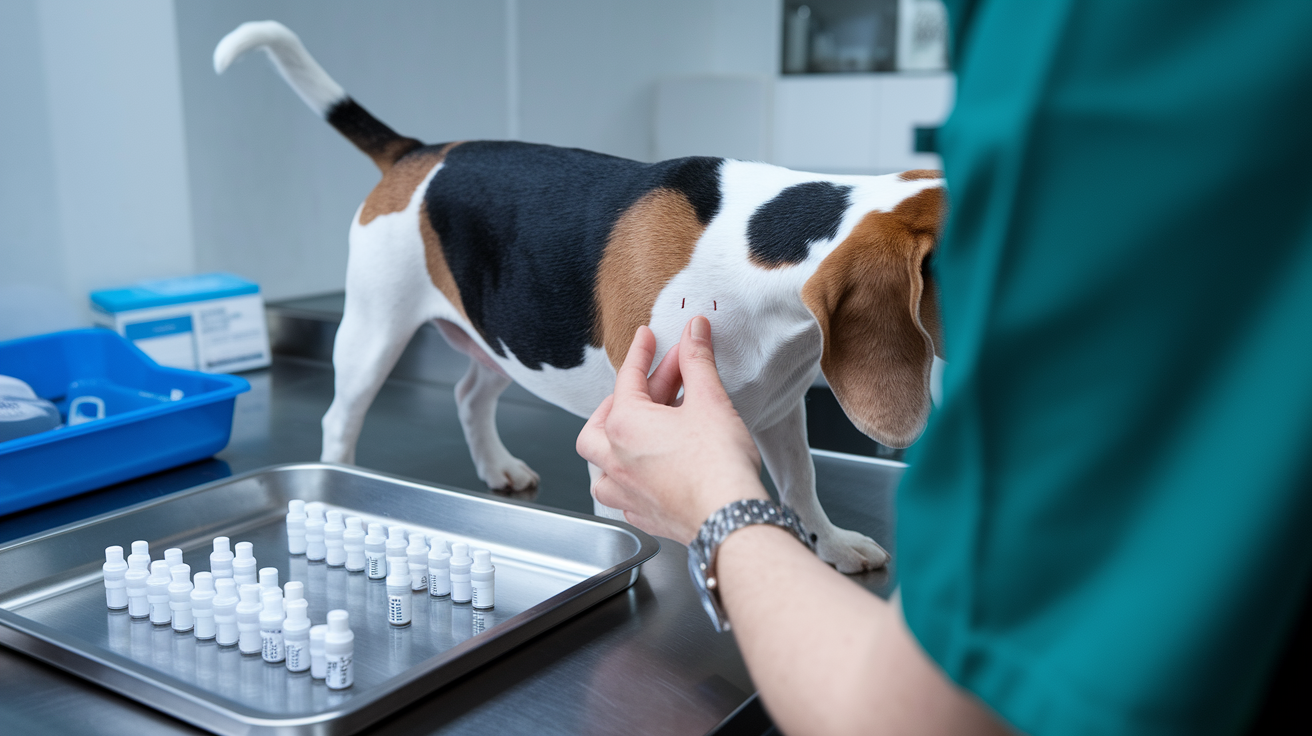
Figuring out exactly what your dog is allergic to takes detective work. Your vet will start with a detailed history. When symptoms began, whether they’re seasonal or year round, what flea prevention you use, any recent diet changes, and how much time your dog spends near the cat. A thorough physical exam checks for secondary infections, ear inflammation, and skin damage from scratching. These initial steps rule out easier explanations like mange, ringworm, or bacterial infections.
If environmental allergies seem likely, your vet may recommend allergy testing. The challenge is that many dogs react to multiple allergens at once. Pollen, dust mites, mold, and cat dander all show up together, so pinpointing the cat as the primary trigger isn’t always straightforward. Testing helps build a complete allergen profile, which guides treatment decisions, especially if you’re considering immunotherapy.
Skin and Blood Allergy Testing
Intradermal skin testing is the gold standard. Your vet injects tiny amounts of common allergens just under your dog’s skin and watches for hive like reactions. It’s similar to the scratch tests humans get. The test requires sedation, and results are read within 15 to 20 minutes. Skin testing is more accurate than blood testing and gives a clearer picture of which specific allergens provoke the strongest reactions.
Blood testing measures IgE antibodies, immune proteins that spike when your dog encounters an allergen. A small blood sample is sent to a lab, and results come back in about a week. Blood tests are easier and don’t require sedation, but they can produce false positives or miss some allergens. Many vets use blood testing as a first step or when skin testing isn’t practical.
Elimination Diet Trials
If food allergies are also on the table, your vet may ask you to feed a special elimination diet for eight to twelve weeks. This diet contains a single novel protein and carbohydrate source your dog has never eaten before. You’ll avoid all treats, table scraps, and flavored medications during the trial. If symptoms improve, food was a major contributor. If they don’t, environmental allergens like cat dander are more likely to blame. Food trials take patience, but they’re the only reliable way to rule out diet as a trigger.
| Test Type | What It Detects | Typical Use Case |
|---|---|---|
| Intradermal skin testing | Immediate immune reactions to specific environmental allergens | Best for dogs with year round or seasonal environmental allergies |
| Blood IgE testing | Elevated antibodies to allergens in circulation | Convenient first step or when sedation is risky |
| Elimination diet trial | Food ingredients that trigger symptoms | Used when food allergy is suspected or symptoms overlap with GI issues |
Medical Treatments That Help Manage Cat Allergies in Dogs

Once you know your dog is allergic to cats, or at least to environmental allergens that include cat dander, your vet will recommend a treatment plan. The goal is to reduce itching, prevent secondary infections, and improve your dog’s quality of life. Most plans combine medication with home management strategies.
Over the counter antihistamines like Benadryl, Zyrtec, or Claritin are often the first thing owners try, but they only control itching in about 10 percent of dogs. That doesn’t mean they’re useless. Some dogs do get mild relief, but they’re rarely enough on their own. Always check with your vet before giving any human medication. Dosing varies by weight, and some formulations contain ingredients that are unsafe for dogs.
Itch Control Medications
Apoquel (oclacitinib) is a prescription oral medication that blocks itch signals at the immune level. Most dogs take it daily, and relief usually starts within four to eight hours. Skipping even one dose can let symptoms come roaring back, so consistency matters. Apoquel works well for moderate to severe itching and is safe for long term use in most dogs. Your vet will run periodic bloodwork to monitor for side effects.
Cytopoint (lokivetmab) is an injectable monoclonal antibody that targets a specific itch protein in your dog’s bloodstream. One injection typically lasts four to eight weeks, and most dogs get a shot about once a month. It doesn’t suppress the whole immune system, so it’s a good option for dogs who can’t take oral medications or have other health issues. Some dogs respond better to Cytopoint than Apoquel, and vice versa. Your vet may try both to see which works best.
Corticosteroids like prednisone are powerful anti inflammatory drugs that quickly shut down allergic reactions. Vets use them for short term flare ups or severe cases, but long term use can cause side effects like increased thirst, weight gain, and immune suppression. If your dog has a bad reaction after a grooming session with the cat or during pollen season, a short course of steroids can provide fast relief while you ramp up environmental controls.
Long Term Immunotherapy
Allergy shots, also called immunotherapy or desensitization therapy, retrain your dog’s immune system to tolerate allergens instead of attacking them. Based on your dog’s test results, a custom serum is formulated with tiny amounts of the allergens they react to, including cat dander. You give injections at home, starting with frequent doses that gradually taper to maintenance shots every few weeks. Some dogs also respond to sublingual immunotherapy, drops placed under the tongue.
Immunotherapy is not a quick fix. It takes six to twelve months to see significant improvement, and some dogs need a full year or more. About 60 to 80 percent of dogs show meaningful symptom reduction. It’s the closest thing to a long term solution, especially for dogs with multiple environmental allergies. The upside is that once your dog’s immune system adjusts, you may be able to reduce or eliminate other medications.
Consider medication when your dog:
- Scratches or licks constantly despite environmental changes
- Develops recurring ear or skin infections
- Shows respiratory symptoms like wheezing or chronic coughing
- Loses sleep or appetite due to discomfort
- Doesn’t respond to antihistamines alone
- Needs a bridge treatment while waiting for immunotherapy to take effect
Environmental Control Strategies to Reduce Cat Dander Exposure

Medication helps, but lowering the amount of cat dander in your home makes every treatment work better. Think of allergen control as turning down the volume on your dog’s immune response. The less dander floating around, the fewer flare ups you’ll see.
HEPA air purifiers capture airborne dander particles before they settle on surfaces or get breathed in by your dog. Place one in the room where your dog sleeps and another in the main living area. Run them continuously, especially during high pollen months or wildfire season when outdoor allergens add to the load. Vacuums with HEPA filters are just as important. Regular vacuums blow fine particles back into the air. Vacuum carpets, rugs, and upholstered furniture at least twice a week, more often during shedding season.
Soft surfaces are dander magnets. Wash your dog’s bedding, blankets, and any fabric toys weekly in hot water. If your dog sleeps on your bed, launder those sheets and pillowcases just as often. Cat allergens cling to curtains, throw pillows, and couch cushions too. Consider removing heavy drapes or switching to washable roller blinds. Leather or vinyl furniture is easier to wipe down than fabric. Even after you remove a cat from a room, dander can stay embedded in carpets and padding for months, so persistence matters.
The most effective environmental adjustments include:
- Running a HEPA air purifier 24/7 in high traffic rooms
- Vacuuming carpets and furniture with a HEPA filter vacuum twice weekly
- Washing all pet bedding in hot water every week
- Wiping down hard surfaces (floors, baseboards, windowsills) with a damp cloth to trap dander instead of spreading it
- Bathing your dog once or twice a week to remove allergens from their coat and skin
- Grooming and bathing your cat regularly to reduce the amount of saliva and dander they shed
Grooming and Skin Care Routines for Dogs with Cat Allergies
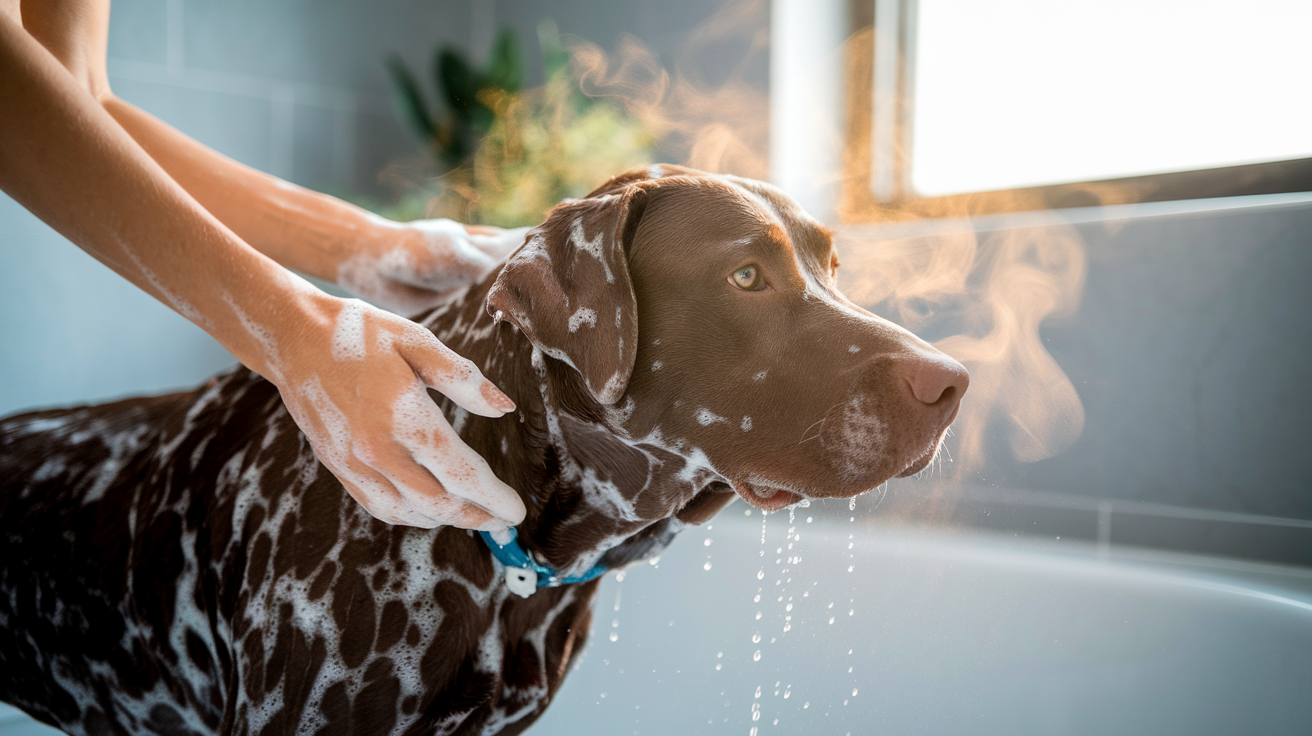
Regular grooming is one of the simplest ways to keep allergens off your dog’s skin. Bathing once or twice a week washes away dander, pollen, and other irritants that settle on your dog’s coat throughout the day. Use lukewarm water and a gentle shampoo. If your vet recommends a medicated option, products with ophytrium, like Douxo S3 CARE, help restore the skin’s natural barrier and support a healthy skin microbiome. Avoid shampoos with strong fragrances or harsh detergents that can dry out already irritated skin.
Between baths, wipe your dog’s paws, belly, and face with a damp cloth or hypoallergenic pet wipes. Paws pick up dander from floors, and your dog’s face comes into direct contact with the cat during play or grooming. A quick wipe after your dog has been near the cat or after outdoor time removes a surprising amount of allergen. Brushing your dog outside, if weather allows, keeps loose fur and attached dander from floating through your house. Use a slicker brush or de shedding tool to pull out undercoat and dead hair.
Skin health matters just as much as cleaning. Omega 3 fatty acid supplements, often derived from fish oil, strengthen your dog’s skin barrier and reduce inflammation. Many vets recommend adding a daily omega supplement to your dog’s food, especially during allergy season. Look for products formulated for dogs, with clear dosing instructions based on weight. Some dogs also benefit from a hydrating leave in conditioner or mousse that soothes irritated skin after baths.
Products and supplements that support skin health in allergic dogs:
- Omega 3 fish oil supplements to reduce inflammation and improve coat quality
- Medicated shampoos containing ophytrium or colloidal oatmeal to calm irritation
- Hypoallergenic grooming wipes for quick clean ups between baths
- Leave in moisturizing sprays or mousses designed for sensitive skin
Setting Up Cat Free Zones and Safe Cohabitation Routines

You don’t have to choose between your dog and your cat, but you do need to create spaces where your dog can escape constant allergen exposure. Start by designating one room as a cat free zone. Your dog’s sleeping area is the best choice. Close the door or use a tall baby gate the cat can’t jump over. Keeping the cat out of your dog’s bed means your dog gets several hours of low allergen rest every night, which can reduce overall symptom intensity.
Feed your pets in separate areas. Cats often groom themselves right after eating, spreading fresh saliva and dander around food bowls. If your dog eats near the cat’s feeding station, they’re inhaling or stepping in allergens at every meal. Use different rooms or opposite ends of the house, and clean feeding areas daily with a damp cloth.
Vertical space helps too. Cats love high perches. Install cat shelves, trees, or window seats in rooms where the cat spends time. When your cat is off the ground, less dander settles on the floor where your dog walks, sniffs, and lies down. Encourage your cat to use elevated resting spots by placing treats or favorite toys up high. You can also restrict your cat’s access to carpeted rooms or areas with heavy upholstery, since those surfaces trap dander most effectively. Tile, hardwood, and laminate floors are easier to wipe clean and hold fewer allergens.
Personal hygiene routines matter. Wash your hands after petting or picking up the cat, especially before touching your dog’s face or handling their food. Avoid letting your dog lick your face right after you’ve cuddled the cat. During severe flare ups, some families crate or confine the cat for short periods to give the dog’s immune system a break. It’s not about punishment. It’s about managing exposure so both pets can live comfortably.
When to Seek Veterinary Care for Dog Cat Allergy Complications

Mild itching and occasional sneezing can often be managed at home, but some symptoms need professional attention. If your dog’s scratching gets so intense that it disrupts sleep, meals, or playtime, schedule a vet visit. Constant licking and chewing can break the skin, opening the door to bacterial or yeast infections. You’ll see red, oozing sores, crusty patches, or a strong odor coming from the affected area. These secondary infections require antibiotics or antifungal medications to clear up.
Recurring ear infections are another red flag. If your dog shakes their head, scratches at their ears, or develops a yeasty or foul smell from the ear canal more than once or twice a year, allergies are often the underlying cause. Your vet will clean the ears, prescribe topical or oral antibiotics like cephalexin or an injectable option like Convenia, and discuss long term allergy control. Ignoring ear infections can lead to chronic pain, hearing loss, or deep tissue damage.
Respiratory symptoms require urgent evaluation. If your dog starts wheezing, coughing persistently, or breathing faster than normal, don’t wait. Asthma like reactions are rare but serious. Severe allergic reactions, though uncommon, can cause facial swelling, hives all over the body, vomiting, diarrhea, or collapse. These are signs of anaphylaxis, a life threatening emergency. Get to an emergency vet immediately.
Contact your veterinarian right away if you notice:
- Open sores, scabs, or skin that smells infected
- Breathing difficulty, wheezing, or blue tinged gums
- Swelling around the face, eyes, or muzzle
- Symptoms that worsen despite medication and environmental changes
Long Term Management Plans for Dogs Allergic to Cats

Managing cat allergies in dogs is not a one time fix. It’s an ongoing routine that combines medication, environmental control, grooming, and monitoring. If you start immunotherapy, expect to wait six to twelve months before you see major improvement. During that time, continue all the other strategies, bathing, air filtration, separation zones, to keep your dog comfortable.
Tracking symptoms helps you and your vet refine the plan. Keep a simple log on your phone or in a notebook. Note when flare ups happen, how severe they are, what changed in the environment (new cat food, cleaned the carpets, higher pollen count), and how long symptoms last. Patterns will emerge. Maybe your dog does worse in summer when windows are open, or after the cat spends time on the couch. Those clues guide adjustments.
Treatment costs vary. Over the counter antihistamines are inexpensive, but prescription medications like Apoquel or Cytopoint run $50 to $150 per month depending on your dog’s size and dosing schedule. Allergy testing ranges from $200 to $500, and custom immunotherapy serums add another $400 to $800 per year. Environmental investments, HEPA purifiers, vacuums, medicated shampoos, add up too. Many families find that combining a few strategies works better and costs less than relying on one expensive medication alone. Talk to your vet about prioritizing the changes that will give your dog the most relief for your budget.
Consistency is what makes long term plans work. Missing baths, skipping medication doses, or letting the cat back into your dog’s sleeping area can undo weeks of progress. Set reminders, create routines, and involve everyone in your household. The payoff is a calmer, less itchy dog who can live peacefully alongside your cat.
| Management Area | Frequency | Goal |
|---|---|---|
| Bathing and grooming | Once or twice weekly | Remove dander and allergens from coat and skin |
| HEPA filtration and vacuuming | Daily purifier use; vacuum twice weekly | Reduce airborne and settled allergens in living spaces |
| Symptom tracking and vet check ins | Log symptoms daily; vet visits every 3 to 6 months | Identify patterns and adjust treatment plan as needed |
Final Words
When your dog starts sneezing, itching, or licking after being near a cat, act quickly. Bathe to remove dander, use HEPA filtration, limit contact during flare-ups, and check with your vet about short-term antihistamines.
For the next 48–72 hours, watch skin, breathing, appetite, and how often the behavior happens. Write down timing and any new signs so you can spot patterns.
Call the vet right away for breathing trouble, swelling, open sores, bloody skin, or fast worsening. If you’re still wondering how to manage cat allergies in dogs, these steps plus a vet partnership can get both pets more comfortable.
FAQ
Q: How do you treat a dog that is allergic to cats?
A: Treating a dog allergic to cats means removing exposure, bathing to strip dander, using HEPA filtration, and giving vet-approved medications for itch; contact a vet for breathing trouble, severe swelling, repeated vomiting, blood, or collapse.
Q: What dog breeds are allergic to cats and is it rare for dogs to be allergic to cats?
A: Breeds more likely to show cat-dander reactions include Labradors, Bulldogs, Cocker Spaniels, and Pugs. It’s not extremely common, but certain breeds are predisposed, so tracking symptoms and vet evaluation help confirm.
Q: What can I give my dog for allergies without going to the vet?
A: You can try home measures: a bath to remove dander, pet-safe wipes, cool compresses for itchy spots, HEPA air filtration, and limiting cat access; don’t give human allergy pills unless your veterinarian approves.