

Is your cat not eating and lethargic?
That combo is one of the clearest signs something’s wrong and can become serious fast.
I’ll show you quick checks to do at home, safe first steps to help your cat today, and the exact red flags that mean call the vet right now.
Think of this as a calm checklist you can use in the next hour to decide what to do.
By the end you’ll know when to monitor, when to act, and what to tell your vet.
Immediate Danger Assessment for a Cat Showing Lethargy and Not Eating
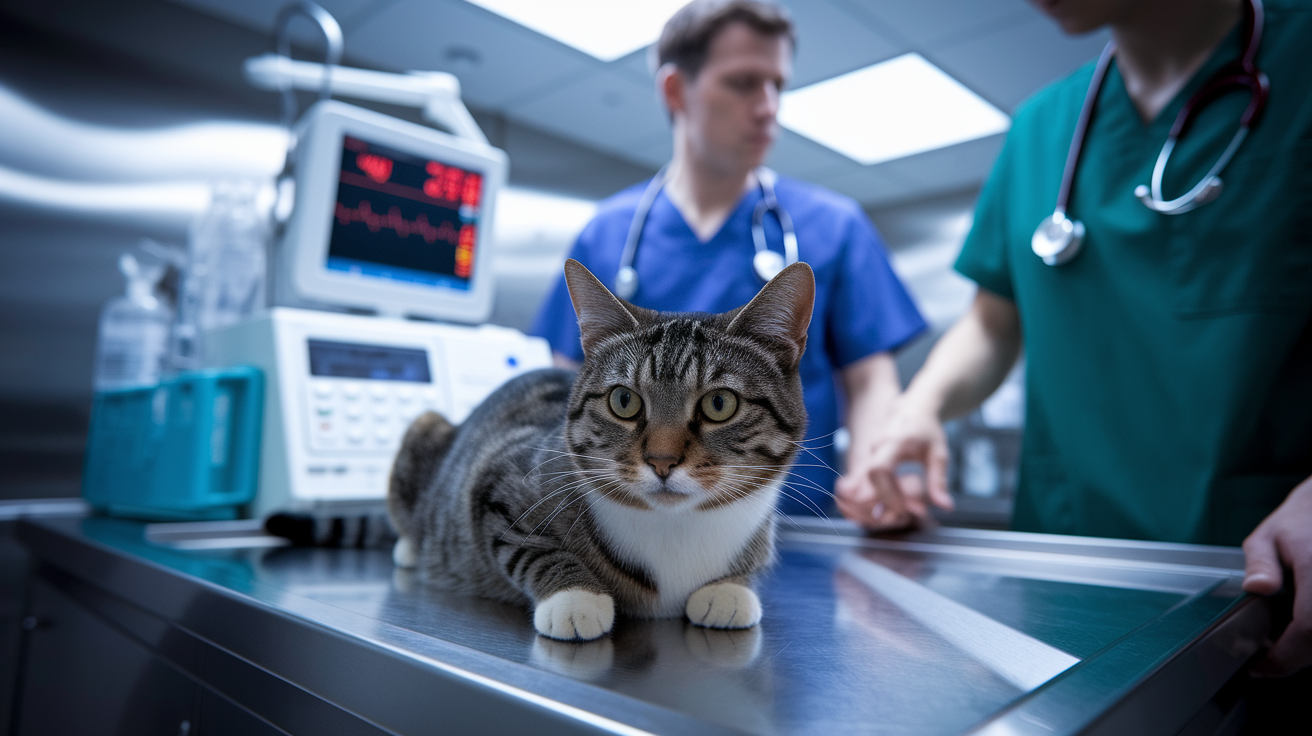
When your cat stops eating and becomes lethargic at the same time, you’re dealing with something that could get serious fast. These two symptoms together often mean the body’s fighting hard against infection, organ trouble, toxin exposure, or severe pain. Cats are really good at hiding illness, so by the time you notice both happening, the problem might already be pretty far along. Don’t wait this one out.
If your cat hasn’t eaten for more than 24 hours, call your vet. After 48 hours without food, the risk of hepatic lipidosis (fatty liver disease) shoots up, and cats can go downhill quickly. Kittens, senior cats, and any cat with existing health issues need to be seen even sooner. Within 12 hours if they’re refusing food and seem weak. You can check a few things at home: normal body temp sits around 100.5 to 102.5°F. Above 103°F or below 99°F is a problem. Resting breathing should be about 20 to 30 breaths per minute. Sure, cats sleep most of the day (up to 70%), but real lethargy means your cat won’t respond when you call, offer food, or make noise. That level of unresponsiveness isn’t normal.
Some warning signs mean emergency vet care right now. Not in a few hours. If you see any of these, get to an emergency clinic immediately:
- Collapse, extreme weakness, or can’t stand
- Pale, blue, or brick red gums
- Repeated vomiting or continuous retching with nothing coming up
- Difficulty breathing, open mouth breathing, or very rapid breathing
- Can’t urinate, especially in male cats (straining with no urine is life threatening)
- Seizures, stumbling, or sudden neurologic changes
Understanding Why a Cat Becomes Lethargic and Stops Eating
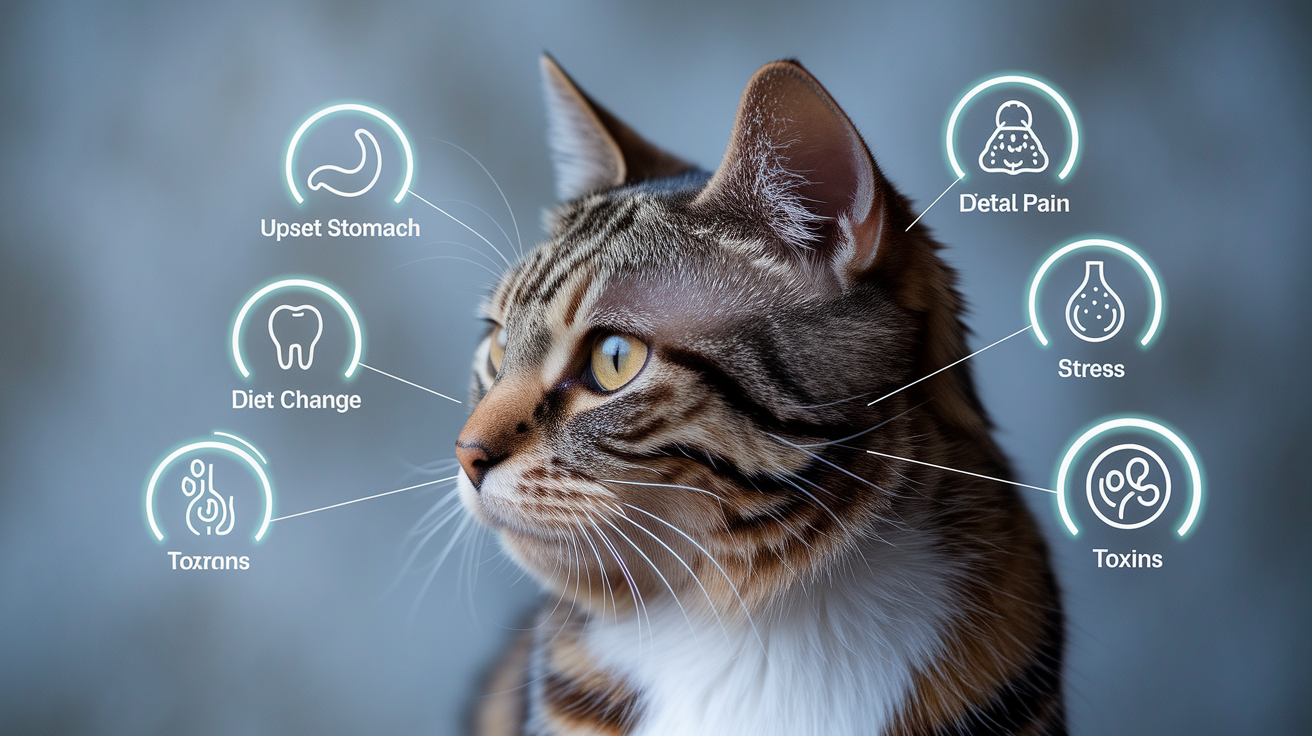
Plenty of mild to moderate issues can make a cat feel too off to eat. Upset stomach from eating something they shouldn’t have, hairballs causing nausea, or a sudden switch to a new food flavor can all trigger temporary appetite loss and low energy. Cats groom constantly. When they shed heavily or have long fur, hairballs build up and cause regurgitation, bloating, and just feeling unwell. A recent diet change can upset the digestive system even if the new food’s higher quality. You need to transition gradually, ideally over about seven days, mixing increasing amounts of the new food with the old.
Dental and oral pain is another common reason cats won’t eat. A cracked tooth, gum disease, mouth ulcers, or something stuck in the gums makes every bite painful. You might notice your cat approaching the food bowl, sniffing, then walking away. Some cats try to eat but drop kibble or chew on one side of the mouth. If dental pain’s the issue, warming wet food slightly or adding low sodium broth can make it easier to lap up without heavy chewing. That’s only temporary while you arrange a vet visit though.
Common causes that aren’t emergencies:
- Hairballs causing nausea and regurgitation
- Sudden diet change or unfamiliar food flavor
- Minor stomach upset with brief vomiting or soft stool
- Dental disease or oral pain (broken tooth, inflamed gums)
- Environmental stress (new pet, moved food bowl, household changes)
Serious Medical Conditions Linked to Lethargy and Appetite Loss in Cats
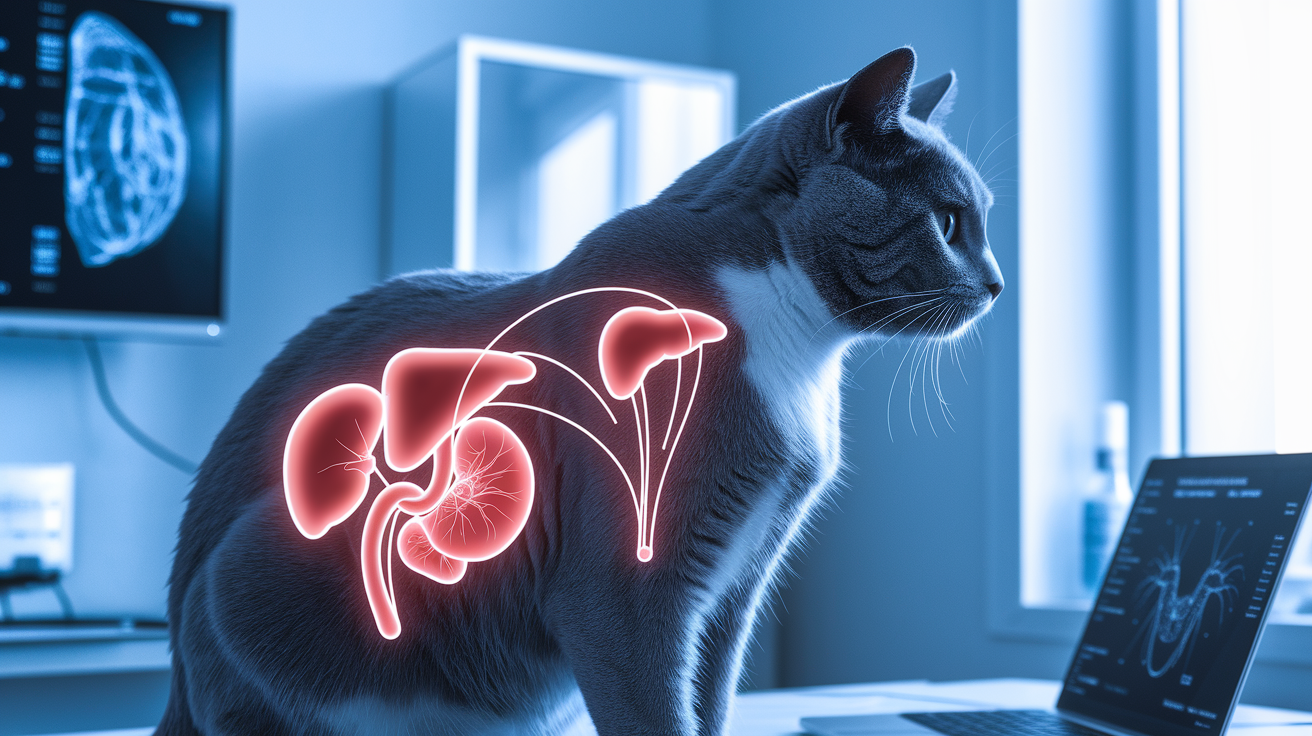
Kidney disease is one of the most common serious causes, especially in older cats. The hard part? Clinical signs often don’t show up until roughly 75% of kidney function is already gone. By the time a cat shows obvious symptoms (drinking more water, urinating less or more frequently, weight loss, weakness), the disease is usually well advanced. Kidney failure requires blood and urine tests to diagnose. Treatment includes fluids, dietary changes, and sometimes medications to support what’s left. Liver disease and hepatic lipidosis (fatty liver) also cause nausea, lethargy, and appetite suppression. Hepatic lipidosis is especially dangerous because it develops rapidly in cats that stop eating, creating this vicious cycle. Liver treatment can require weeks of intensive care, up to eight weeks in some cases, including feeding tubes, medications, and close monitoring.
Pancreatitis and diabetes are both more common in indoor, neutered male cats, though any cat can develop them. Pancreatitis causes severe abdominal pain, repeated vomiting, hunched posture, and complete appetite loss. Diabetes leads to weight loss despite normal or increased appetite initially, but as it progresses untreated, cats become lethargic, dehydrated, weak, and stop eating altogether. Both conditions need veterinary diagnosis through bloodwork and sometimes imaging. Both need tailored medical management (insulin for diabetes, pain control and nutritional support for pancreatitis).
Infectious diseases (bacterial or viral infections like feline leukemia virus, feline immunodeficiency virus, or upper respiratory infections) and cancer can also make a cat lethargic and refuse food. Infections may show up with fever, nasal discharge, eye discharge, or mouth lesions. Cancer related appetite loss is often gradual but progressive, with steady weight loss and increasing weakness. Early detection improves outcomes for many of these, so prompt vet evaluation matters.
Serious diseases to watch for when appetite loss and lethargy persist:
- Chronic kidney disease or acute renal failure
- Liver disease and hepatic lipidosis (fatty liver)
- Pancreatitis (abdominal pain, vomiting, hunched posture)
- Diabetes mellitus (weight loss, increased thirst early on)
- Feline leukemia virus (FeLV) or feline immunodeficiency virus (FIV)
- Cancer (gradual weight loss, weakness, sometimes masses or swelling)
Causes of Appetite Loss and Lethargy in Kittens, Adults, and Senior Cats
Kittens are at high risk when they stop eating and become lethargic because they have very little body reserve. A kitten can go downhill within hours, developing dangerously low blood sugar (hypoglycemia), dehydration, and hypothermia. Parasites, infections, congenital issues, and even stress from weaning or rehoming can trigger rapid decline in young cats. If a kitten refuses food and seems weak, get veterinary care immediately. Don’t wait to see if it improves overnight.
Senior cats commonly hide symptoms of chronic diseases like kidney failure, hyperthyroidism, or cancer until those conditions are quite advanced. An older cat that suddenly becomes lethargic and stops eating may have been managing a slow building illness for weeks or months. Because seniors have less physiologic reserve and often have multiple underlying conditions, they also need prompt veterinary assessment. Ideally within 12 to 24 hours of noticeable appetite and energy changes.
| Age Group | Common Causes | Action Timeline |
|---|---|---|
| Kittens (under 6 months) | Parasites, infections, hypoglycemia, congenital issues, stress | Seek vet care within hours if not eating and lethargic |
| Adults (6 months – 10 years) | GI upset, dental disease, toxins, infections, urinary obstruction | Vet visit within 24 hours; sooner if severe symptoms present |
| Seniors (over 10 years) | Kidney disease, hyperthyroidism, cancer, liver disease, diabetes | Vet visit within 12–24 hours; seniors decline faster |
Toxic Exposures That Can Make a Cat Lethargic and Stop Eating

Household toxins are a surprisingly common cause of sudden appetite loss and lethargy in cats. Foods that are safe for people can be dangerous or deadly for cats. Grapes and raisins, citrus fruits, coffee, alcohol, onions, garlic, chives, raw yeast dough, and dairy products like milk and cheese can all cause stomach upset, toxicity, or worse. Some cats chew on houseplants, many of which cause nausea and drooling. Lilies are extremely toxic to cats. Even a small amount of pollen, a nibbled leaf, or water from a lily vase can trigger acute kidney failure. If you suspect any lily exposure, get to a vet immediately. Every minute counts.
Antifreeze (ethylene glycol) is another serious threat, especially in colder months. Cats are attracted to its sweet taste, and even a tiny amount can cause rapid kidney damage. Treatment with an antidote (fomepizole) is most effective within the first 8 to 12 hours after ingestion. After that window, the toxin’s already begun destroying kidney tissue. Rodenticides, certain human medications (especially acetaminophen and ibuprofen), and household chemicals like cleaning products can all cause lethargy, vomiting, seizures, and collapse.
Common toxins that cause lethargy and appetite loss in cats:
- Lilies (all parts: flowers, leaves, pollen, water)
- Antifreeze (ethylene glycol)
- Human medications (acetaminophen, ibuprofen, antidepressants)
- Onions, garlic, and chives
- Grapes, raisins, and certain fruits
- Rodenticides and insecticides
At-Home Checks for a Cat With Lethargy and Appetite Loss
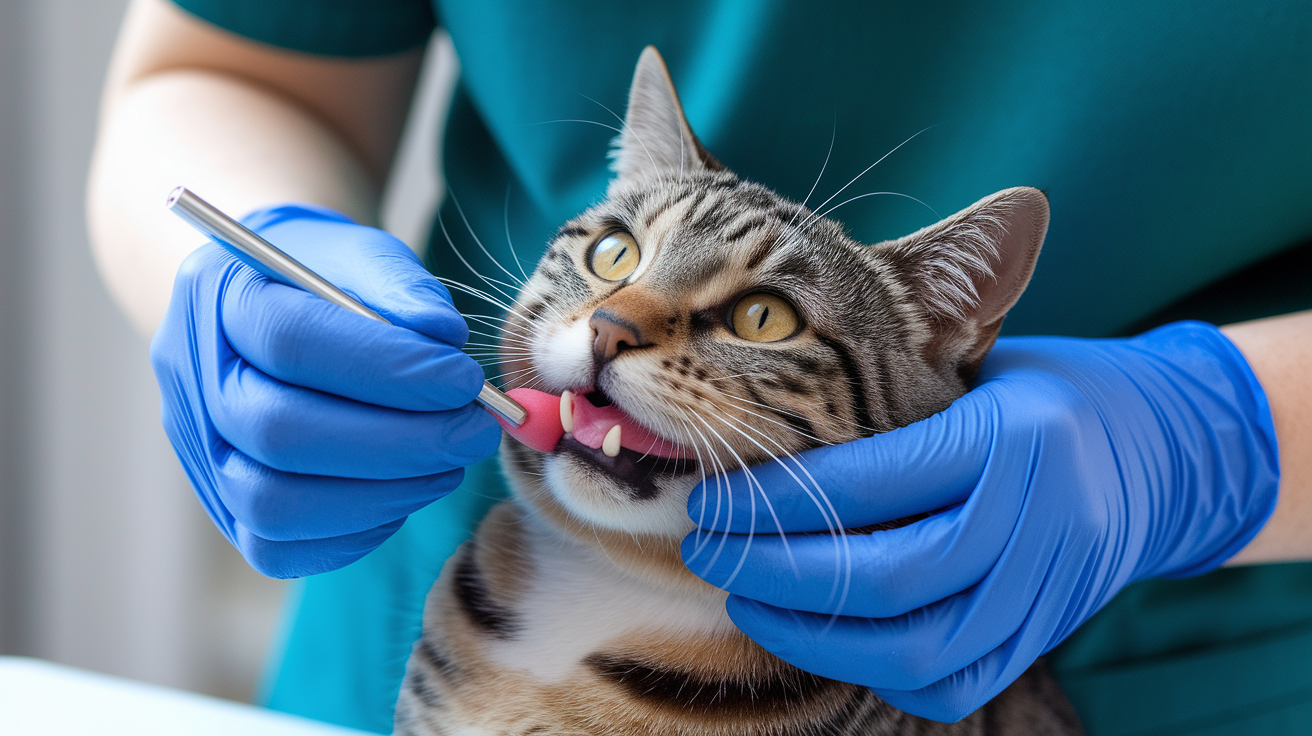
One of the fastest ways to assess your cat’s condition at home is checking hydration and gum color. Gently lift your cat’s upper lip and press a finger against the gum, then release. The pale spot should return to pink in less than two seconds. That’s called capillary refill time. If it takes longer than two seconds, or if the gums look very pale, blue, or brick red, your cat may be dehydrated, in shock, or experiencing poor circulation. You need emergency veterinary care. Healthy gums should be moist and pink. Tacky or dry gums suggest dehydration. You can also check skin elasticity by gently lifting the skin on the back of the neck (the scruff). It should snap back immediately. Mild dehydration (around 5 to 6% fluid loss) causes slightly tacky gums. Moderate dehydration (6 to 8%) shows slower skin return and dry mucous membranes. Severe dehydration (over 10%) produces sunken eyes, very slow skin return, and weakness.
Monitor your cat’s litter box closely. Count how many times your cat urinates in 24 hours and note the volume and color. No urine output, or repeated straining with little or no urine, is an emergency, especially in male cats. Check for vomiting episodes. How many times, what came up, whether there’s blood or unusual material. Watch your cat’s responsiveness. Does your cat lift their head when you call? Do they react to the sound of a treat bag or food being opened? A cat that doesn’t respond to normal stimuli is showing true lethargy, not just sleepiness. Weigh your cat if you have a scale, or note visible weight loss (prominent ribs, spine, or hip bones).
At-home checks you can perform safely:
- Skin tent test: lift scruff gently and watch how fast it returns. Instant return is normal.
- Gum color and capillary refill: press gum, release, count seconds until pink returns (under 2 seconds is normal).
- Body temperature: if you have a digital rectal thermometer and can do it calmly, normal is 100.5 to 102.5°F. Skip this if it stresses your cat.
- Urine output: check litter box for frequency, volume, and any straining or blood.
- Responsiveness: call your cat’s name, shake a treat bag, offer favorite food. Note if there’s no reaction.
When any of these checks show abnormal results (prolonged capillary refill, no urine, repeated vomiting, unresponsiveness, or very high or low temperature), escalate to emergency veterinary care immediately.
How to Encourage a Lethargic Cat to Eat Safely at Home

If your cat is alert enough to lift their head and shows interest in food but won’t eat, you can try a few safe methods to make meals more appealing. Warm a small amount of wet food in the microwave for just a few seconds. Warmth releases aroma, and cats rely heavily on smell to stimulate appetite. Strong smelling options like tuna, salmon, or chicken baby food (make sure it has no onion or garlic powder) can entice a picky eater. You can also add a teaspoon of low sodium chicken broth or tuna water to dry kibble to soften it and boost flavor. Offer small, frequent meals rather than a full bowl. Try feeding in a quiet, calm location away from other pets.
Syringe feeding is only appropriate if your cat is alert, able to swallow, and not vomiting. Use a small syringe (1 to 5 ml) without a needle, and offer very small amounts of liquid food or broth at a time. Let your cat swallow between each tiny squirt. Never force feed a cat that’s vomiting, extremely weak, or unable to lift their head, because there’s a high risk of aspiration (food going into the lungs instead of the stomach). If your cat won’t eat anything after 24 hours, or if you’re not confident about syringe feeding, stop and contact your vet for guidance.
Five ways to safely encourage eating at home:
- Warm wet food slightly to release strong, appealing aromas
- Offer high value treats like plain cooked chicken, tuna, or salmon
- Add low sodium broth or tuna water to kibble or wet food
- Use a clean finger to dab a small amount of food on your cat’s nose or lips to stimulate licking
- Provide fresh water in multiple locations, or try a water fountain to encourage drinking
When to Go to the Vet for a Cat Showing Lethargy and Not Eating

Adult cats that haven’t eaten for more than 24 hours should be evaluated by a veterinarian. If an adult cat goes 48 hours without food, it’s an emergency. The risk of hepatic lipidosis increases sharply. Kittens and senior cats need to be seen sooner, ideally within 12 hours of refusing food and showing lethargy, because they have less body reserve and can deteriorate rapidly. Even if your cat is drinking water, prolonged lack of appetite alone is enough to trigger serious metabolic problems.
Hospitalization is usually needed if your cat is severely dehydrated, unable to keep down water, showing signs of organ failure, or has a urinary obstruction. IV fluids, anti nausea medication, pain control, and close monitoring are critical in those cases. Urgent outpatient care is appropriate for milder dehydration, stable vital signs, and cases where the cat can still be encouraged to eat or drink small amounts at home under veterinary guidance.
Four scenarios that require immediate veterinary care:
- No food intake for 24 hours in adults, 12 hours in kittens or seniors
- Repeated vomiting, especially if the cat can’t keep water down
- No urine production or straining to urinate with little or no output (emergency in male cats)
- Severe lethargy with pale gums, weak pulse, or unresponsiveness to stimuli
What the Veterinarian Will Examine and Test for Appetite Loss and Lethargy
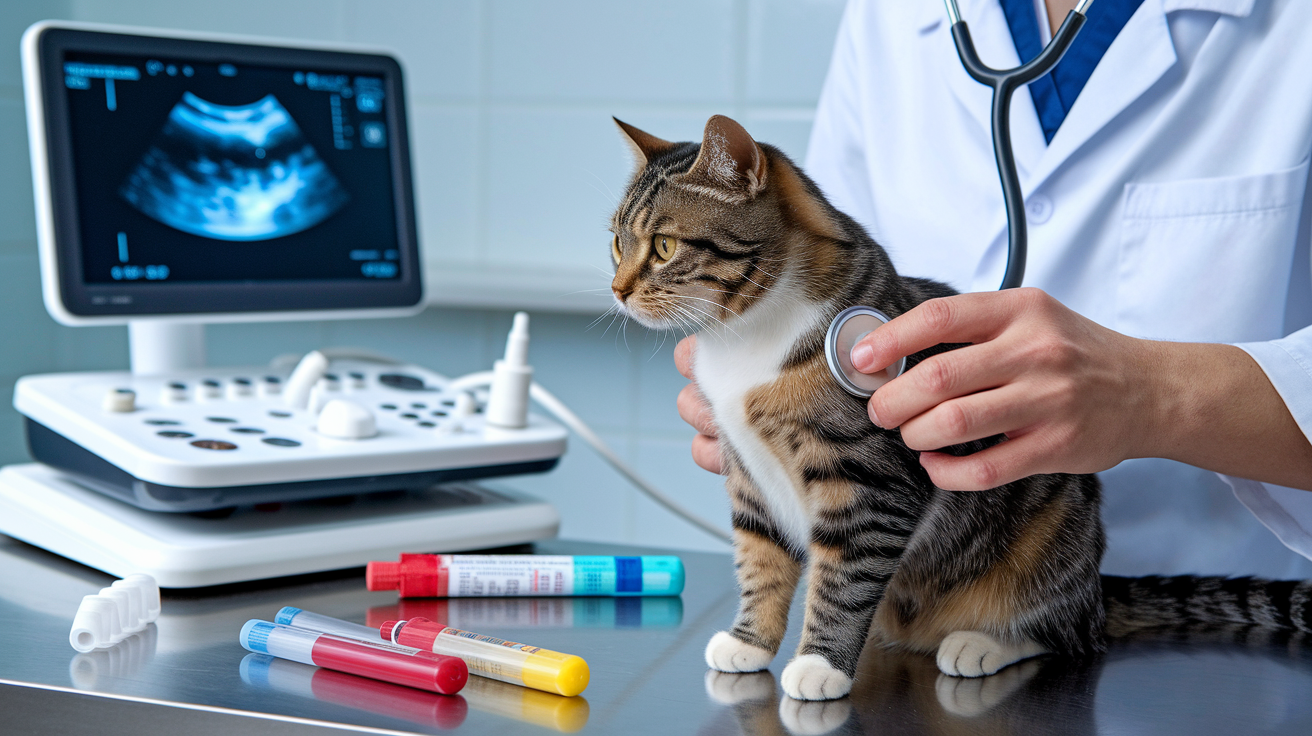
During the physical exam, your veterinarian will check your cat’s hydration status by assessing gum moisture, capillary refill time, and skin elasticity. They’ll examine the mouth and teeth for broken teeth, ulcers, gum disease, or foreign objects. Vital signs (heart rate, respiratory rate, and body temperature) will be measured, and your vet will palpate the abdomen to check for pain, masses, or organ enlargement. You’ll be asked detailed questions. When did the appetite loss start, has there been vomiting or diarrhea, any possible toxin exposure, recent diet changes, medications, and whether your cat’s been drinking and urinating normally.
Blood tests are almost always the next step. A complete blood count (CBC) looks for infection, anemia, and blood cell abnormalities. A serum chemistry panel checks kidney function (creatinine, BUN), liver enzymes, blood glucose, electrolytes, and protein levels. Urinalysis helps assess kidney health, hydration, infection, and diabetes. These tests together give a comprehensive picture of organ function and metabolic status. If results are abnormal or inconclusive, imaging may follow.
Abdominal X-rays can detect foreign bodies, bladder stones, organ enlargement, or masses. Ultrasound provides detailed views of the liver, kidneys, pancreas, intestines, and bladder, and can identify fluid accumulation, tumors, or structural abnormalities. Some cases may require additional tests like blood pressure measurement, clotting panels, or infectious disease screening (FeLV/FIV testing).
| Test Type | What It Detects | Why It’s Important |
|---|---|---|
| Complete Blood Count (CBC) | Infection, anemia, blood cell abnormalities | Identifies immune response and oxygen-carrying capacity |
| Serum Chemistry Panel | Kidney, liver, glucose, electrolytes, protein levels | Assesses organ function and metabolic balance |
| Urinalysis | Kidney disease, diabetes, infection, dehydration | Checks urine concentration, protein, glucose, and cells |
| Abdominal X-ray or Ultrasound | Foreign bodies, masses, organ size, fluid, stones | Visualizes internal structures to find blockages or disease |
Treatment Options for Cats With Appetite Loss and Lethargy
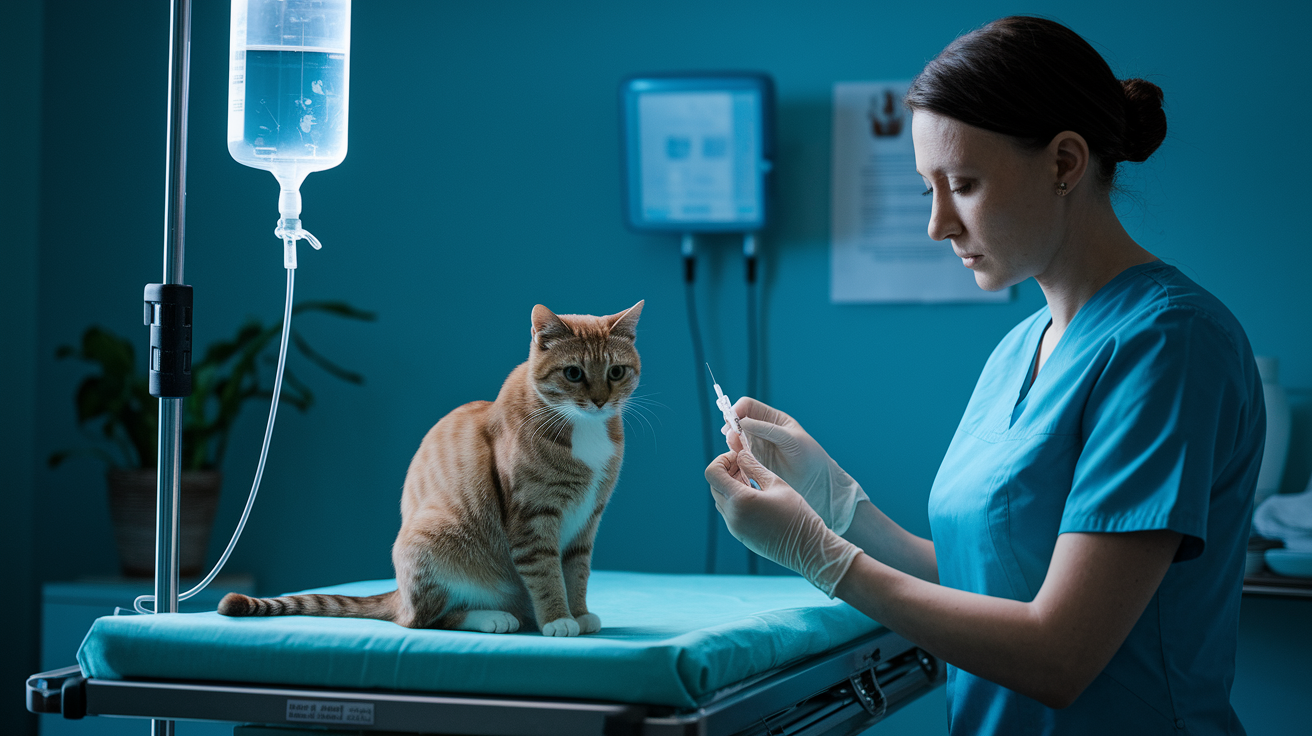
Treatment starts with addressing dehydration and nausea. IV fluids or subcutaneous (under the skin) fluids rehydrate your cat quickly and help flush toxins from the kidneys. Anti nausea medications like maropitant (Cerenia) stop vomiting and make your cat feel well enough to consider eating. Pain control is given if there’s evidence of discomfort, whether from dental disease, pancreatitis, or another painful condition. Antibiotics are prescribed if infection is suspected based on exam findings or blood results.
Appetite stimulants are commonly used when a cat won’t eat but is otherwise stable. Mirtazapine is a frequently prescribed option that can be given as a small pill or a transdermal gel applied to the inside of the ear. It works within 24 hours and can help jump start appetite in cats recovering from illness or surgery. Cyproheptadine is another appetite stimulant sometimes used, though mirtazapine tends to be more effective in cats. These medications are short term aids while the underlying cause is treated. They’re not a cure, just a bridge to get your cat eating again.
If a cat can’t or won’t eat for an extended period, a feeding tube may be placed. Esophagostomy tubes are surgically placed into the esophagus and allow you to deliver liquid nutrition directly, bypassing the need for your cat to chew or swallow voluntarily. Tube feeding is especially important in cases of hepatic lipidosis, where aggressive nutritional support is critical to recovery. Hospitalization is required for severe cases, ongoing vomiting, critical dehydration, or when intensive monitoring and intervention are needed.
Four main treatment categories:
- Fluid therapy (IV or subcutaneous) to correct dehydration
- Medications (anti nausea, pain control, antibiotics, appetite stimulants)
- Nutritional support (syringe feeding, feeding tubes for prolonged lack of appetite)
- Treatment of underlying cause (dental extraction, insulin for diabetes, kidney support, toxin antidotes)
Preventing Appetite Loss and Lethargy in Cats Long-Term
Routine preventive care makes a big difference in catching problems early and maintaining stable appetite and energy. Transition any new food gradually over about seven days. Mix a small amount of the new food with the current food, then increase the ratio each day. Abrupt diet changes are a common trigger for stomach upset and temporary appetite loss. Keep your cat on a regular feeding schedule in a quiet, low stress location. Multiple small meals throughout the day can work better than one or two large meals, especially for cats prone to nausea or picky eaters.
Dental cleanings and regular oral health checks prevent painful dental disease that makes eating difficult. Parasite prevention (flea, tick, and worm control) reduces the risk of infections and gastrointestinal upset. Routine bloodwork, especially for senior cats, can detect kidney disease, diabetes, hyperthyroidism, and liver issues before clinical signs appear. Minimize household toxins by keeping lilies, antifreeze, rodenticides, and dangerous foods out of reach, and choose cat safe houseplants. Reduce stress by maintaining consistent routines, providing hiding spots and vertical space, and introducing changes slowly. Environmental stressors (new pets, moving furniture, loud construction) can suppress appetite in sensitive cats, so try to keep their world predictable.
Five preventive measures to support long term appetite and energy:
- Gradual food transitions over seven days to avoid digestive upset
- Routine veterinary exams and bloodwork, especially for cats over seven years old
- Regular dental cleanings and oral health monitoring
- Consistent parasite prevention and deworming
- Safe home environment free of toxic foods, plants, and chemicals
Final Words
If your cat is not eating and lethargic, treat it as important right away. Do quick home checks—look for pale or sticky gums, weak response to your voice, changes in litter box use—and try gentle appetite helpers like warmed wet food.
If there’s no improvement in about 24 hours for adults (sooner for kittens or seniors), or if any red-flag signs appear, call your vet and bring notes on food, water, and behavior.
You’re taking the right steps. With timely care, many cats bounce back.
FAQ
Q: Why is my cat suddenly lethargic and won’t eat?
A: A cat that’s suddenly lethargic and not eating often has illness, pain, toxin exposure, or stress. If they refuse food >24 hours, vomit repeatedly, have trouble breathing, pale gums, or collapse, call a vet.
Q: How do you know when your cat’s body is shutting down?
A: You may suspect a cat’s body is shutting down when they stop eating and drinking, can’t stand, are unresponsive, have very pale or blue gums, trouble breathing, or seizures—seek emergency vet care right away.
Q: What is the 3-3-3 rule for cats?
A: The 3-3-3 rule for cats describes settling in: 3 days hiding, 3 weeks exploring and building routine, and about 3 months to fully adjust and show true personality—use slow introductions and gentle consistency.