

Is that noisy wheeze or cough from your cat just a hairball, or a sign of something that needs vet care?
Wheezing (a high-pitched whistle when your cat breathes) and coughing can look like gagging with nothing coming up, or show with neck stretching and visible effort to breathe.
Some causes are mild and short lived, and some need urgent help, so I’ll explain the signs that point one way or the other.
By the end you’ll know what to do today, what to watch for in the next 24 to 48 hours, and exactly when to call the vet.
Understanding Cat Wheezing and Coughing Episodes
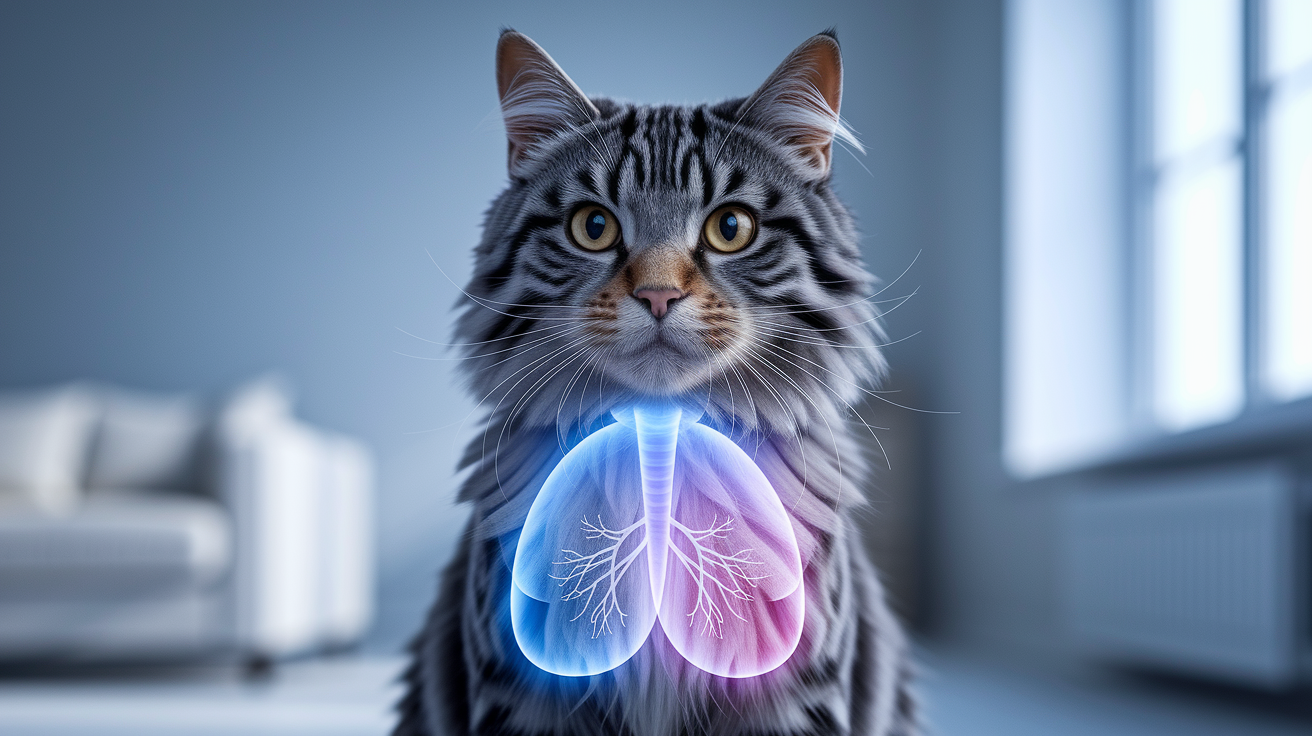
Wheezing is that high pitched whistling sound coming from deep in your cat’s chest when air can’t move easily through narrowed airways. Coughing sounds harsh and repetitive. Both can show up with gagging motions that look like your cat’s trying to hack up a hairball, but nothing comes out. You might see your cat stretching their neck forward, hunching their shoulders, or pulling hard with their belly just to breathe. Those posture changes? That’s your cat working to open the airway and get more air in.
These symptoms can be anything from mild and short lived to really serious, depending on what’s causing them. A quick wheeze after your cat tears around the house or one single cough might not mean much. But repeated episodes or ones that get worse? That’s a problem you can’t ignore. Common triggers include feline asthma, seasonal allergies, respiratory infections, heart disease, something blocking the airway, and even parasites like lungworms or heartworms. When episodes last more than a few minutes, keep happening, or show up with other warning signs, contact your vet.
Watch for these signs that your cat’s breathing trouble isn’t normal:
- Open mouth breathing or panting when your cat’s resting or calm
- Rapid breathing, over 30 breaths per minute while sleeping
- Neck stretched out, hunched posture, or visible effort in the belly with every breath
- Lethargy, hiding, or sudden appetite loss
- Nasal discharge, sneezing, or watery eyes happening at the same time
Causes Behind Cat Wheezing and Coughing Explained
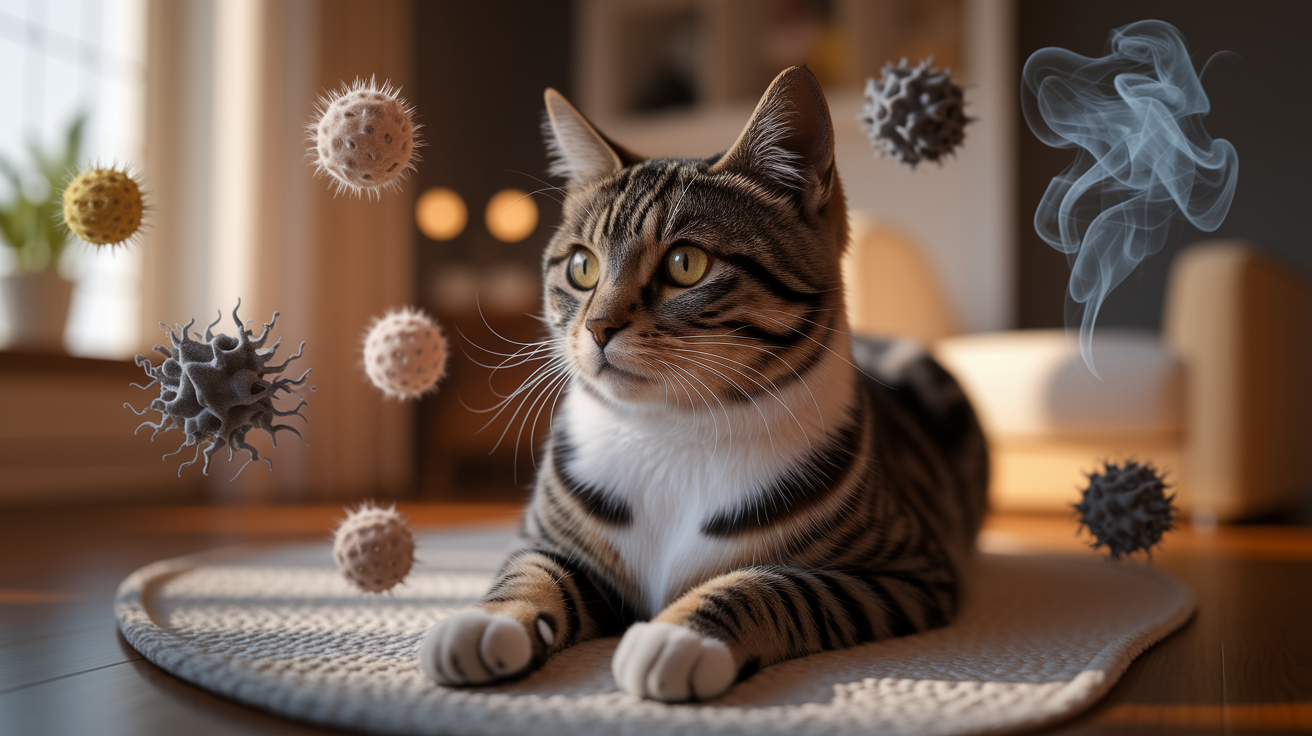
Mild causes are often temporary and might go away on their own with basic changes at home. Hairballs are a usual suspect, especially in long haired cats who groom constantly and swallow loose fur. Seasonal or environmental allergies to pollen, dust, mold, smoke, scented candles, perfumes, or dusty litter can irritate airways and set off wheezing or light coughing. These triggers are usually manageable if you remove what’s causing irritation and keep a close eye on your cat for a day or two.
Moderate causes typically need a vet’s attention and treatment. Feline asthma, sometimes called allergic bronchitis, involves chronic inflammation, mucus buildup, and bronchospasm that narrows airways and makes breathing harder. Asthma affects roughly 1 percent of cats in the United States. It can range from mild to severe. Upper respiratory infections, often viral or bacterial, commonly cause sneezing, nasal discharge, watery eyes, and coughing alongside wheezing. Stress induced episodes can also pop up after big changes at home, loud noises, or disruptions to routine.
Severe or emergent causes need immediate veterinary care. Airway obstruction from a foreign object stuck in the throat can cut off breathing in minutes. Heartworms and lungworms are parasites that infect the lungs and blood vessels, causing progressive coughing, wheezing, and respiratory distress. Heart disease with fluid buildup in or around the lungs leads to labored breathing and can spiral fast. Tumors or cancer in the chest or lungs may cause persistent coughing that doesn’t improve. Severe asthma attacks with rapid, struggling breaths require emergency oxygen and medication to stabilize your cat.
- Mild: Hairballs, seasonal allergies, environmental irritants like dust, smoke, fragrances, litter dust
- Moderate: Feline asthma, upper respiratory infections, stress induced wheezing
- Severe/Emergent: Airway blockage, heartworms or lungworms, heart disease with chest fluid, lung tumors, severe asthma attack
Differentiating Cat Wheezing From Coughing and Hairball Retching

Hairball retching usually involves a rhythmic gagging motion that ends with your cat coughing up a tube of matted fur or foamy mucus, then walking away like nothing happened. Asthma related coughing looks almost identical but produces nothing, or only a small amount of clear or white foam your cat may swallow right away. The key difference is what comes out and how often it repeats. If your cat coughs or gags repeatedly over several minutes or days without producing a hairball, suspect a respiratory issue rather than fur buildup.
Respiratory disease often includes extra clues that hairballs don’t cause. You may hear wheezing or a rattling sound when your cat breathes, even between coughing fits. Posture changes are common. Your cat may hunch low to the ground, extend the neck forward, or show visible belly movement with each breath. Respiratory infections add sneezing, thick nasal discharge, crusty eyes, and sometimes a mild fever or reduced appetite. Hairball episodes rarely involve any of these extra symptoms.
| Sign | Hairball | Respiratory Disease |
|---|---|---|
| Gagging or coughing | Produces fur or foamy mucus | Produces nothing or swallows foam immediately |
| Breathing sounds | Normal between episodes | Wheezing, rattling, or labored even at rest |
| Posture | Normal stance | Hunched, neck extended, abdominal effort |
| Other symptoms | None | Sneezing, nasal discharge, lethargy, appetite loss |
Emergency Signs Related to Cat Wheezing or Coughing
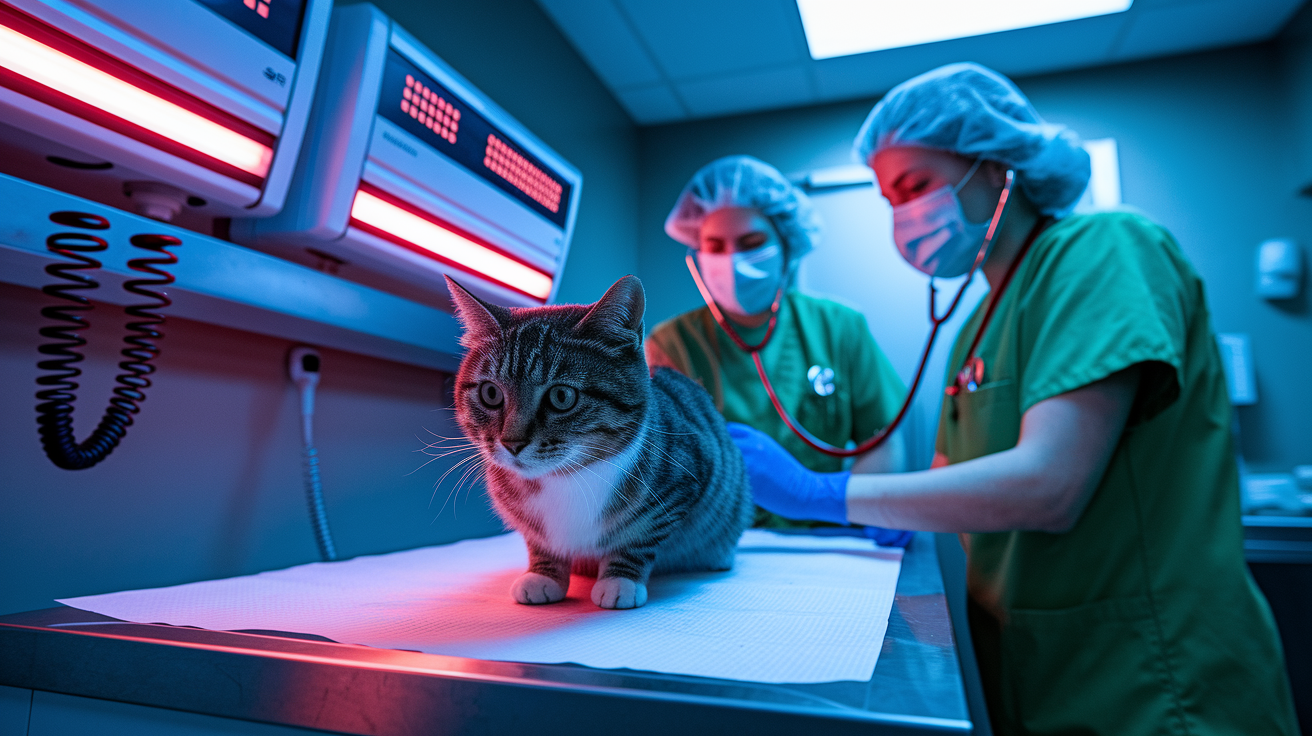
Certain symptoms mean your cat’s airway or oxygen levels are in immediate danger and you should contact an emergency vet right away. Struggling to breathe, marked by deep chest movements, flared nostrils, or visible panic, signals that your cat can’t move enough air. Open mouth breathing or panting in a resting cat is abnormal and often means severe distress. Blue or pale gums indicate low oxygen in the blood, a life threatening emergency that needs oxygen therapy within minutes. Collapse, unresponsiveness, or seizure like movements are critical red flags.
Monitoring your cat’s resting breathing rate at home can help you catch problems early. Count the number of breaths your cat takes in one minute while sleeping or resting calmly. A rate above 30 breaths per minute suggests a respiratory or cardiac issue that needs a vet exam soon. A rate above 40 breaths per minute is urgent and you should seek care the same day. Prolonged labored breathing, where every breath looks like hard work, is always an emergency even if the rate seems lower.
Emergency red flags that require immediate veterinary attention:
- Persistent struggling to breathe with extended neck and hunched posture
- Open mouth breathing or panting while resting or calm
- Blue, purple, or very pale gums or tongue
- Resting breathing rate above 40 breaths per minute
- Collapse, extreme lethargy, or unresponsiveness
- Suspected choking or foreign object stuck in the throat
How Veterinarians Diagnose Cat Wheezing and Coughing

Your vet will start with a full physical exam, listening to your cat’s lungs and heart with a stethoscope to detect wheezing, crackling sounds, heart murmurs, or fluid. They’ll observe your cat’s breathing pattern, posture, gum color, and overall demeanor. You’ll be asked when the symptoms started, how often they happen, what your cat was doing before each episode, and whether you’ve noticed triggers like new litter, cleaning products, or seasonal patterns. Recording short videos of abnormal breathing at home can be really helpful during the visit.
Chest X-rays are one of the most common diagnostic tools because they reveal lung inflammation, fluid buildup, tumors, heart enlargement, and airway narrowing. In early or mild asthma, X-rays may look normal, so your vet may order more tests if suspicion stays high. Blood tests check for infection, anemia, parasites, and overall organ function. A fecal test can detect lungworm larvae, especially if your cat goes outdoors in areas where the parasite is common, such as the Pacific Northwest. Pulse oximetry, a small sensor clipped to the ear or paw, measures blood oxygen saturation and helps assess how well your cat’s breathing.
For cats with recurring or severe symptoms, your vet may recommend bronchoalveolar lavage, or BAL, a procedure that collects mucus and cells from deep in the airways while your cat’s under sedation. The sample is examined under a microscope to look for increased eosinophils, a hallmark of allergic asthma, or other inflammatory cells that indicate infection. An echocardiogram, or cardiac ultrasound, is used when heart disease is suspected, especially in older cats or those with a heart murmur. This test shows the size, shape, and function of the heart chambers and valves and can detect fluid around the lungs.
| Diagnostic Test | What It Identifies |
|---|---|
| Chest X-rays | Lung inflammation, fluid, tumors, heart enlargement, airway narrowing |
| Blood tests | Infection, anemia, parasites, organ function |
| Bronchoalveolar lavage (BAL) | Eosinophils (allergic asthma), infection, inflammatory cells in airways |
| Fecal parasite test | Lungworm larvae in stool |
| Echocardiogram | Heart disease, valve problems, fluid around lungs |
Treatment Options for Cats With Wheezing or Coughing

Feline asthma is managed, not cured. The core medications are corticosteroids to reduce airway inflammation and bronchodilators to relax and open the airways. These can be given as oral tablets, injectable drugs, or inhaled therapy using a special mask like the Aerokat brand. Inhaled steroids and bronchodilators go straight to the lungs, reduce side effects, and are often preferred for long term control. Many cats tolerate the mask well after a brief adjustment period, and treatments can be done at home once your vet trains you.
Bacterial respiratory infections require antibiotics, either oral or injectable depending on severity. Allergic triggers may respond to antihistamines or environmental changes that remove dust, smoke, and fragrances. Cats in severe respiratory distress may need oxygen therapy in a specialized cage at the vet clinic until their breathing stabilizes. Parasitic infections from heartworms or lungworms are treated with antiparasitic medications, though heartworm treatment in cats is limited and often focuses on supportive care. Tumors or foreign bodies lodged in the airway may require surgical removal or advanced imaging to plan the best approach.
Treatment categories your vet may use:
- Corticosteroids to reduce inflammation in the airways
- Bronchodilators to open narrowed passages and improve airflow
- Inhalers and nebulizers for direct lung delivery with fewer side effects
- Antibiotics for bacterial pneumonia or secondary infections
- Oxygen therapy for cats struggling to maintain safe blood oxygen levels
Home Care While Your Cat Is Wheezing or Coughing
Keep your cat calm and quiet in a low stress environment while you wait for your vet appointment or monitor a mild episode. Stress and exertion make breathing harder, so limit playtime, avoid handling unless necessary, and provide a comfortable, contained space away from other pets or loud noises. Don’t try to reach into your cat’s mouth or throat to remove a suspected foreign object. You risk pushing it deeper or getting bitten, and the obstruction needs immediate professional help.
Eliminate exposure to common airway irritants as quickly as possible. Stop using scented candles, air fresheners, perfumes, incense, and aerosol sprays in the home. Switch to a low dust, unscented cat litter and clean the litter box more often to reduce airborne particles. If anyone in the home smokes, keep all smoking outdoors and away from the cat’s living area. Track the timing, duration, and severity of each wheezing or coughing episode, and note what your cat was doing before it started. Take short videos of abnormal breathing to show your vet. This can be more useful than trying to describe the sound or posture.
- Keep your cat calm in a quiet, low stress space
- Remove smoke, perfumes, scented litter, and aerosol irritants immediately
- Monitor and record the timing and severity of each episode
- Take videos of abnormal breathing to share with your vet
Preventing Cat Wheezing and Coughing Long-Term
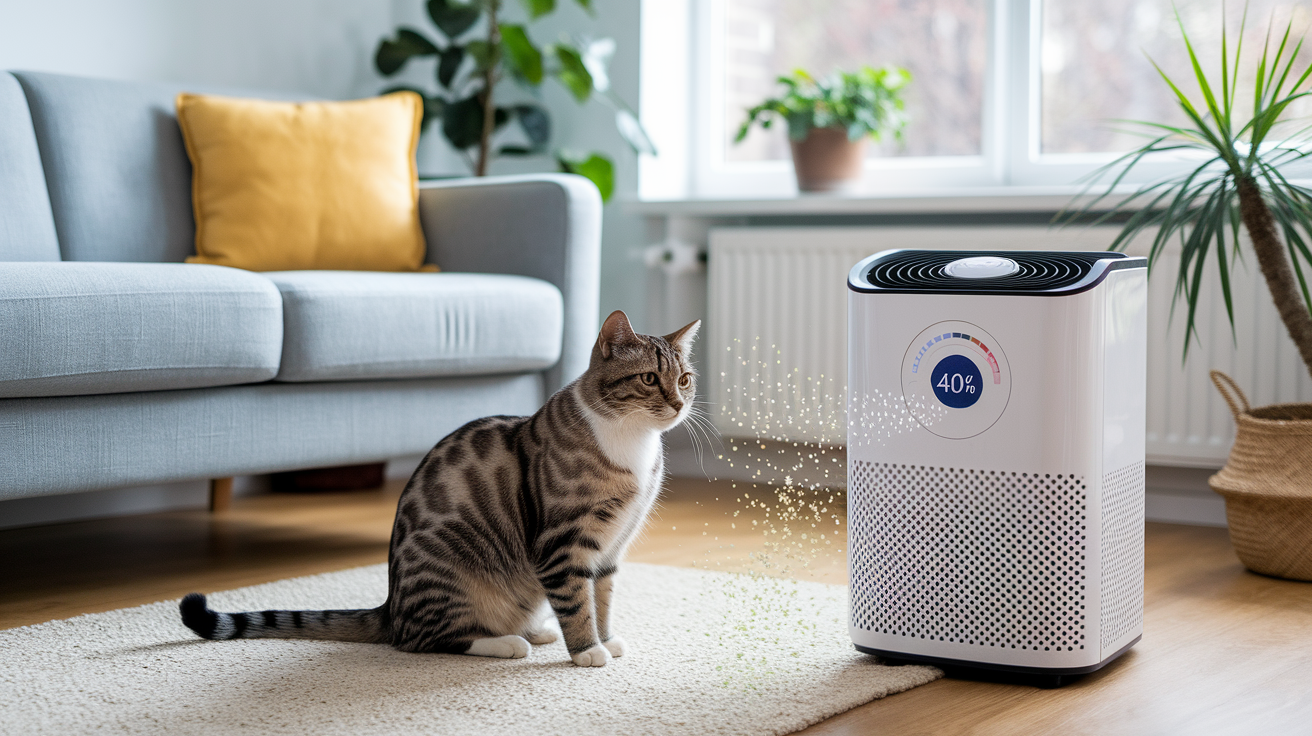
Controlling environmental triggers is one of the most effective prevention strategies for cats prone to asthma or allergies. Use dust free, unscented litter and scoop daily to minimize airborne particles. Keep windows closed during high pollen seasons and run a HEPA air filter in rooms where your cat spends the most time. Avoid all tobacco smoke, vaping, incense, candles, and strong cleaning products near your cat. When you must clean, use fragrance free, pet safe formulas and ventilate the area well before letting your cat back in.
Maintain a stable indoor humidity level between 30 and 50 percent to prevent mold growth and keep airways comfortable. Reduce stress by keeping routines consistent, providing vertical spaces and hiding spots, and introducing changes gradually. Treat and prevent parasites year round with veterinary approved heartworm and flea preventatives, especially if your cat goes outdoors or lives in a region where lungworms or heartworms are common. For cats with diagnosed asthma, ongoing maintenance therapy with inhaled or oral medications is often necessary to prevent flare ups and long term lung damage.
- Use dust free, unscented litter and scoop daily
- Run HEPA air filters and keep windows closed during pollen season
- Eliminate smoke, candles, incense, and strong fragrances
- Maintain indoor humidity between 30 and 50 percent
- Treat and prevent parasites with year round veterinary products
Long-Term Management and Prognosis for Cats With Respiratory Conditions

Feline asthma is a chronic, incurable condition, but most cats live happy, comfortable lives with consistent medication and environmental management. Early diagnosis and treatment reduce the risk of permanent scarring and damage to the small airways, which can happen if inflammation goes untreated for months or years. Cats on maintenance inhaler therapy or oral steroids typically need regular follow up exams every three to six months to adjust doses and monitor lung function. Many owners find that once they identify and remove specific triggers, their cat’s flare ups become rare and easier to control.
Mild causes like hairballs, temporary allergies, or stress related episodes often resolve completely with simple changes at home and don’t require long term treatment. Bacterial respiratory infections clear up with a full course of antibiotics, though some cats stay more vulnerable to future infections and may need repeat treatment. Parasitic infections respond well to antiparasitic drugs when caught early, but heartworm in cats is harder to treat and carries a guarded prognosis, making prevention critical.
Severe conditions like heart disease, tumors, or advanced lungworm infestations carry higher risk and require more intensive management. Heart disease may be controlled with medications that reduce fluid buildup and support heart function, but it’s progressive and requires lifelong monitoring. Lung tumors may be operable in some cases, but prognosis depends on cancer type, location, and how early it’s detected. Cats with severe asthma attacks or airway obstructions face life threatening episodes and need emergency intervention, but with prompt care and ongoing management, many go on to stable, good quality lives. The key across all conditions is early veterinary assessment, accurate diagnosis, and a clear treatment plan tailored to your cat’s specific needs.
Final Words
If your cat is making a wheezy noise or hacking, this guide walked you through what those sounds can mean, from hairballs and allergies to asthma or more serious issues.
You learned how to spot warning signs, what vets may check, simple home steps to keep your cat calm, and prevention habits to lower future risk.
If you’re tracking cat wheezing and coughing, note episode timing, breathing rate, and any discharge, and share that with your vet. With careful monitoring and timely care, many cats stay comfortable and active.
FAQ
Q: What to do if my cat is wheezing and coughing?
A: If your cat is wheezing and coughing, keep them calm, reduce smoke or dust, note episode timing and breathing rate, and call your vet if breathing is fast, open-mouthed, noisy, or lasts over 24–48 hours.
Q: What are the signs that your cat is going to pass away?
A: Signs that your cat may be approaching end of life include severe weakness, refusing food or water, trouble breathing, collapse, uncontrollable pain, very pale or blue gums, and prolonged hiding or confusion—call your vet promptly.
Q: What does feline pneumonia sound like?
A: Feline pneumonia often sounds like a wet, rattling cough with crackly or wheezy breaths, sometimes with nasal discharge and fever; any noisy or labored breathing needs veterinary evaluation right away.
Q: When should I take my cat to the vet for wheezing?
A: You should take your cat to the vet for wheezing when you see open-mouth breathing, breathing over 30 breaths per minute, blue or pale gums, collapse, severe lethargy, or if wheeze/cough lasts more than 24–48 hours.