

Think vomiting is always scary and means a vet visit right away?
Wait—some cases are mild and calm care often helps.
In this guide you’ll get quick, practical steps to check your dog, safely slow the stomach, try simple at-home care, and spot clear red flags that need immediate help.
I’ll explain what to watch for in the first hour, easy things to do at home, and exactly when to call your veterinarian.
No fluff. Just a clear plan so you can act now.
Immediate Triage Actions When Your Dog Vomits
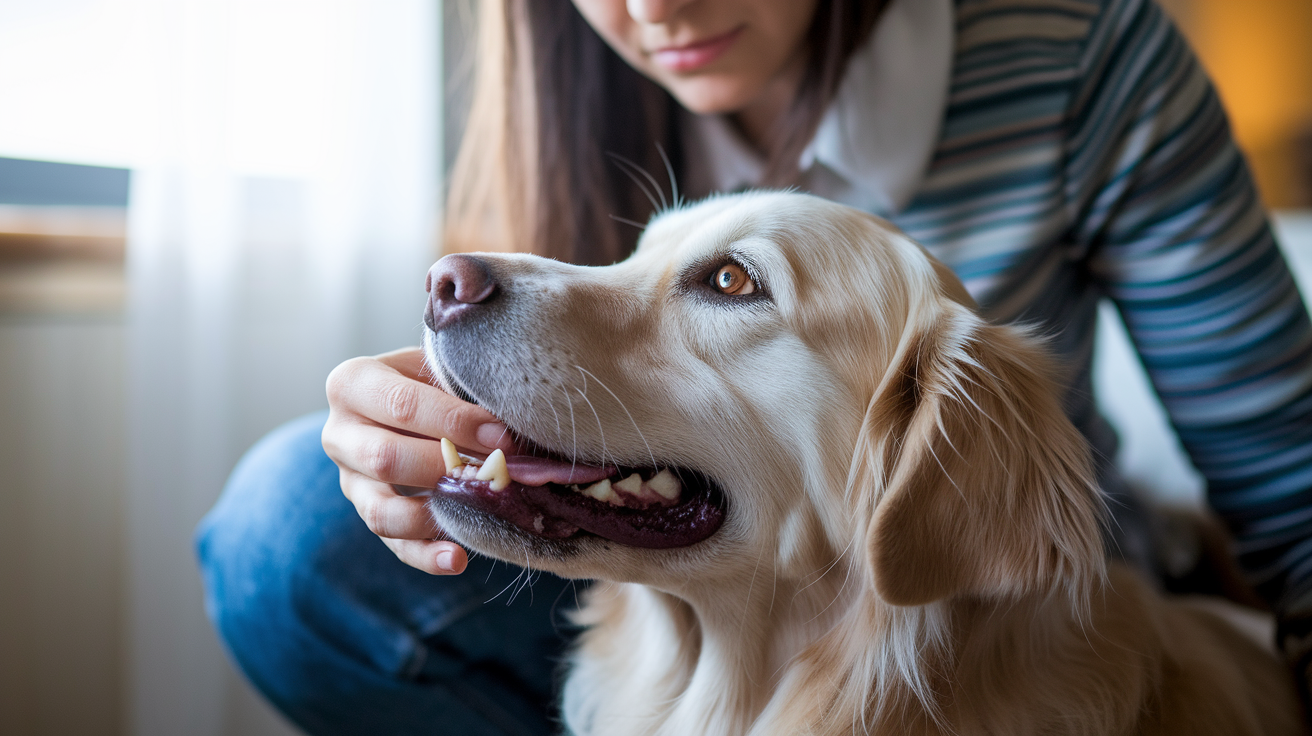
The first hour after your dog throws up is when you need to slow down and actually watch what’s happening. Look at how they’re acting right now. Are they wagging their tail, trying to sniff around, interested in a treat? Or are they lying flat, avoiding you, breathing too fast, hunched up tight? Those behaviors tell you whether this is just a stomach hiccup or something that needs help fast.
Gently lift your dog’s lip and press on the gums above a tooth. Healthy gums should feel slippery and look pink, and when you press lightly the white spot should fill back in with color within two seconds. Sticky gums or gums that stay pale mean dehydration’s already starting. If your dog is panting hard, has a tight belly, or keeps trying to vomit with nothing coming up, you’re looking at a possible emergency. Contact a vet right away. Don’t wait to see if it gets better.
If your dog seems reasonably alert and the gums look okay, you can move into monitoring mode. But you still need to track a few specifics over the next couple of hours so you catch any changes early.
Check alertness and body posture. Is your dog standing normally, or hunched and stiff? Press gently on the gums to assess moisture and capillary refill time. Count how many times vomiting’s happened in the last few hours. Think back over the last 24 hours. Access to trash, new food, dropped medication, toxic plants? Take a photo of the vomit if you can. Note the color, texture, and whether you see blood, mucus, or foreign material. Decide if the dog is stable enough to monitor at home or if you need to call a vet now.
Causes of Vomiting in Dogs and How They Influence Treatment
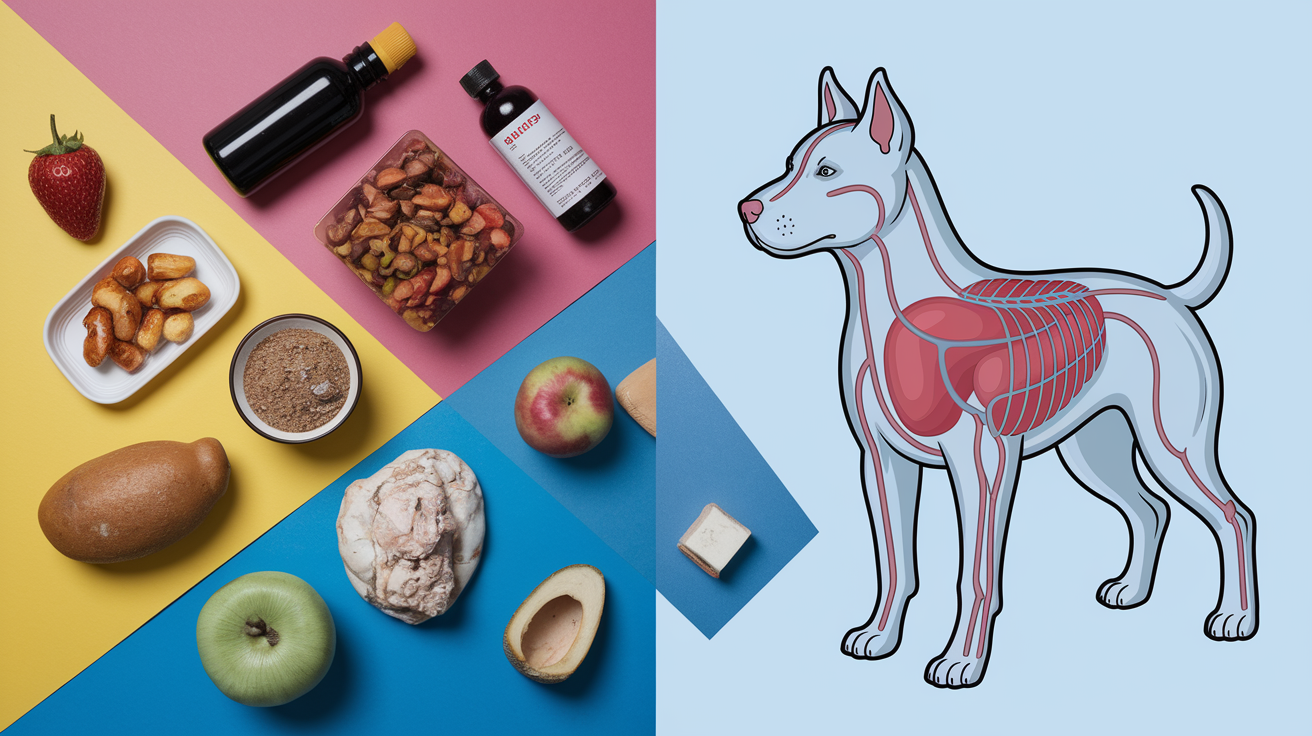
Vomiting happens for dozens of reasons, and figuring out whether it’s an acute flare up or a longer term problem helps you know what kind of treatment to expect. Acute vomiting usually shows up suddenly, often after your dog ate something irritating like spoiled garbage, chocolate, or toxic plants. Or because of heatstroke, a quick diet change, intestinal parasites, or a viral or bacterial infection. These causes tend to resolve faster once the trigger is removed or treated, and home care may help mild cases if your vet gives the all clear.
Chronic or repeated vomiting points to something that’s been brewing for a while. Intestinal obstruction from a swallowed toy, liver disease, kidney failure, inflammatory bowel disease, or a uterine infection in unspayed females. These problems won’t get better without veterinary treatment, and waiting too long can make them harder to manage. Puppies fall into a special risk category. After about six weeks of age they lose the protective antibodies they got from their mother, so they’re especially vulnerable to parvovirus and parasite infections that cause severe, life threatening vomiting and diarrhea.
Acute causes include garbage or spoiled food ingestion, toxins, heatstroke, sudden diet changes, intestinal parasites, viral infections (including parvovirus in puppies), bacterial infections. Chronic causes include intestinal obstruction, liver disease, kidney disease, inflammatory bowel disease, uterine infection in intact females, systemic illness, medication side effects. Puppies under six months need you to treat vomiting as a potential emergency due to parvovirus and parasite risk. Very old dogs may have underlying organ disease that makes vomiting more dangerous. Food intolerance or allergy can trigger repeated vomiting if the trigger food stays in the diet. Medication reactions happen too. Certain drugs can irritate the stomach, especially if given on an empty stomach. Heatstroke or poisoning are immediate emergencies that require urgent veterinary intervention.
Recognizing Dog Vomiting Symptoms That Require Urgent Veterinary Care

Some vomiting episodes are minor and pass quickly, but certain symptoms mean you need to stop monitoring and get help right away. If your dog vomits more than once in the same day without a clear break, or if vomiting continues for more than 24 hours total, that’s your cue to contact the vet. Repeated vomiting wears down the gut lining, pulls out fluids and electrolytes fast, and can point to obstruction, organ failure, or serious infection.
Blood in the vomit is always a red flag. Whether it’s bright red streaks, dark coffee ground material, or a gelatinous red clot. The same goes for brown vomit that looks or smells like feces, which can mean a blockage in the intestines. If your dog’s belly looks bloated or drum tight, and they’re making repeated gagging or retching motions without producing anything, treat that as a possible case of bloat or gastric dilatation volvulus (GDV). It’s a life threatening emergency that requires surgery within hours. Very young puppies, very old dogs, and any dog with other health conditions should be seen by a vet if they vomit even once, because their bodies have less reserve to handle dehydration and stress.
Vomiting more than once in a single day, or vomiting that lasts beyond 24 hours. Vomit that contains blood (bright red, dark brown, or coffee ground appearance). Distended, tight abdomen with unproductive retching or dry heaving (possible GDV/bloat). Vomiting accompanied by fever, severe lethargy, collapse, or difficulty breathing. Suspected ingestion of toxins, human medications, or foreign objects like toys or clothing. Very young puppies, senior dogs, or dogs with pre existing kidney, liver, or heart disease who are vomiting.
How to Provide Safe Home Treatment for Dogs With Vomiting
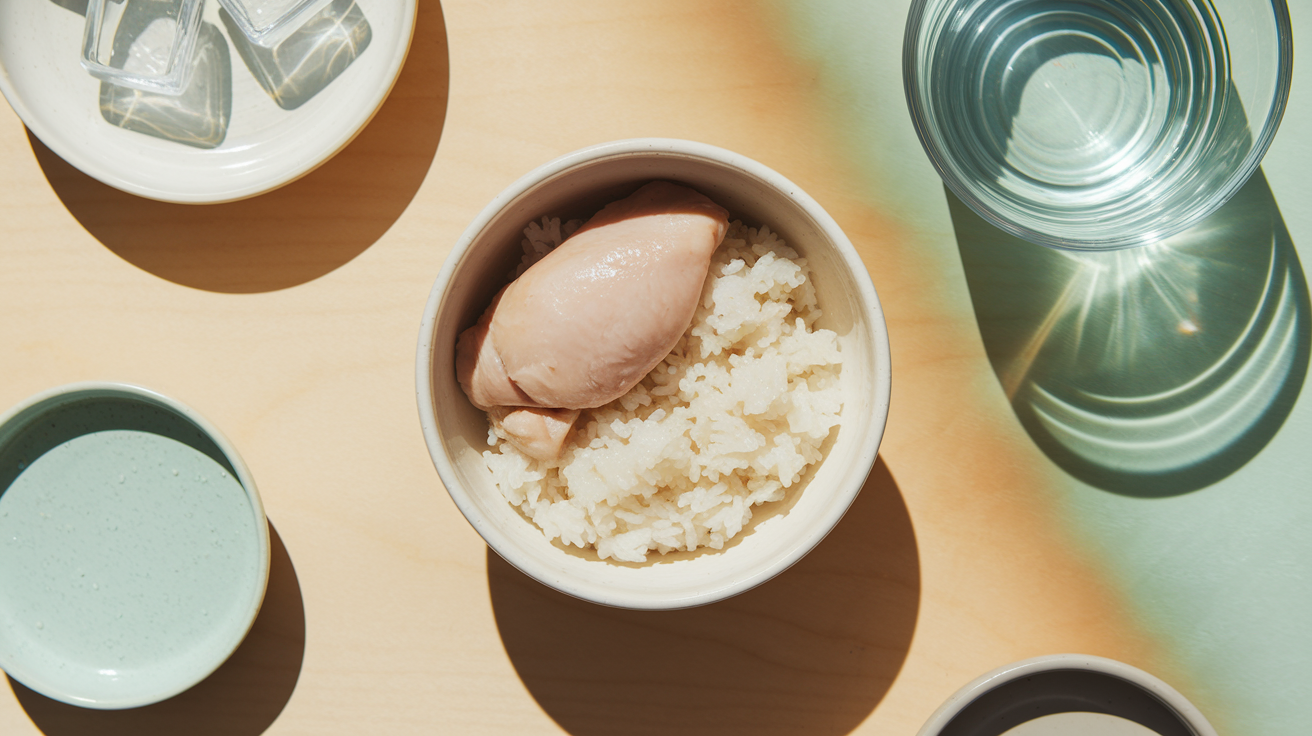
Home treatment only makes sense if your dog passed the triage check in the first section. Alert, stable gums, no red flags, and only one or two isolated vomiting episodes. If that’s the case, the safest first step is to give the stomach a short rest. Withhold all food for a few hours, usually three to four, to let the gut settle. During that time, offer very small amounts of water or a few ice cubes every 20 to 30 minutes. Ice cubes slow down drinking and help prevent gulping, which can trigger another round of vomiting.
After a few hours with no vomiting, you can offer a tablespoon or two of a simple bland food. Boiled skinless chicken breast with plain white rice is the classic option. One part chicken to two or three parts rice. Plain scrambled egg, lean ground beef (drained and rinsed), a spoonful of plain canned pumpkin puree, or a small amount of plain yogurt also work. Keep portions tiny at first. If your dog holds that down for a couple of hours, offer another small serving. Repeat every few hours. This isn’t a complete diet. It’s a short term reset while the gut recovers.
Once your dog has gone 24 hours eating small bland meals and drinking water without any vomiting, you can start mixing their regular food back in gradually over the next 24 to 48 hours. Start with about 25 percent regular food mixed into the bland diet, then increase to half and half the next day, then 75 percent regular, then back to normal. Rushing the transition can restart the vomiting cycle.
Withhold food for three to four hours after the last vomiting episode. Offer small amounts of water or ice cubes every 20 to 30 minutes to prevent dehydration without overwhelming the stomach. Start bland diet with very small portions. One to two tablespoons of chicken and rice, plain egg, or lean beef. Feed small bland meals every few hours if no further vomiting occurs. After 24 hours of successful bland feeding, begin gradual reintroduction of regular food over 24 to 48 hours.
Veterinary Diagnosis Used to Guide Dog Vomiting Treatment

When you bring your dog to the vet for vomiting, the first thing they’ll do is ask detailed questions about what happened. They’ll want to know when the vomiting started, how many times it’s happened, what the vomit looked like, whether your dog ate anything unusual, if there’s been any access to toxins or medications, and whether other symptoms like diarrhea, lethargy, or appetite loss are present. Then they’ll do a hands on physical exam, checking hydration status, abdominal pain, gut sounds, gum color, heart rate, and temperature. That combination of history and exam often points them toward the next diagnostic step.
Common tests include bloodwork to check organ function, electrolytes, and signs of infection or anemia. A fecal exam looks for parasites, and in puppies a parvovirus test is routine. X-rays can reveal foreign objects, obstructions, or abnormal gas patterns. Ultrasound gives a closer look at organ structure and can detect masses, fluid, or inflammation. If those tests don’t give a clear answer, the vet may recommend endoscopy to look directly inside the stomach and intestines, or in some cases exploratory surgery.
| Test | What It Detects | Why It’s Used |
|---|---|---|
| Fecal Exam | Intestinal parasites, bacteria, blood | Rules out worms and protozoa that cause vomiting and diarrhea |
| X-ray | Foreign objects, obstructions, gas patterns, organ size | Identifies blockages or structural problems in the abdomen |
| Bloodwork | Kidney function, liver enzymes, electrolytes, infection markers | Checks for organ failure, dehydration, and systemic illness |
Medical Dog Vomiting Treatment Options From Veterinarians
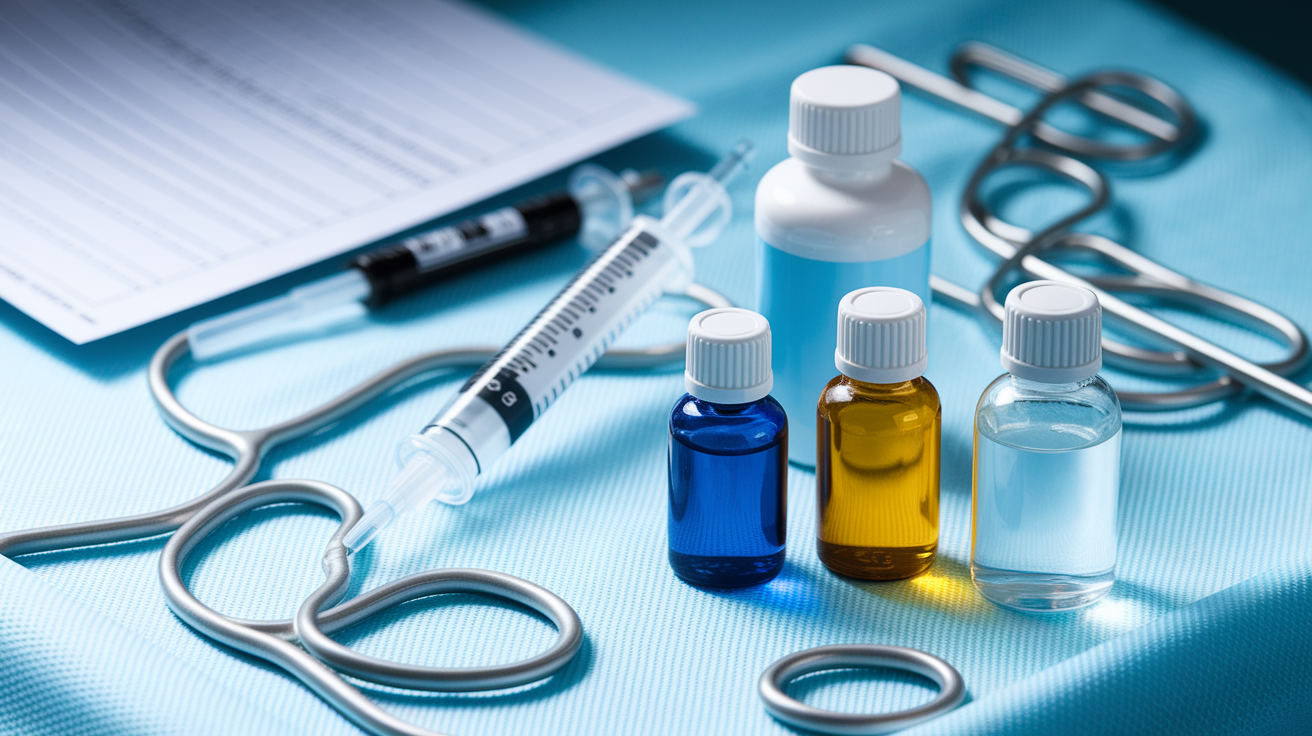
Veterinary treatment is tailored to whatever is causing the vomiting, but almost all vomiting dogs need help with the complications vomiting creates. Dehydration, electrolyte imbalances, and sometimes acid base disturbances. That’s why fluid therapy is one of the most common treatments. Your vet may give intravenous (IV) fluids if dehydration is moderate to severe, or subcutaneous fluids under the skin for milder cases. Fluids restore hydration, correct electrolyte levels, and support kidney function while the underlying problem is being addressed.
If vomiting is caused by a bacterial infection, antibiotics will be prescribed. If there’s an obstruction from a foreign object, surgery may be necessary to remove it. For inflammatory conditions, anti inflammatory medications or immunosuppressive drugs might be used. Uterine infections in unspayed females require emergency spay surgery. Toxin ingestion may need activated charcoal, specific antidotes, or intensive supportive care depending on what was swallowed.
The vet will also focus on stopping the vomiting itself so your dog can start eating and healing. That’s where antiemetic medications and stomach protective drugs come in.
Common Medications for Vomiting Dogs
Antiemetics are drugs that reduce nausea and stop the vomiting reflex. Maropitant (Cerenia) is one of the most effective and widely used, safe for dogs and often given as an injection or tablet. Ondansetron and dolasetron are other antiemetics used in some cases. Metoclopramide can help if there’s no obstruction, because it also speeds up stomach emptying. Your vet will choose the right one based on the suspected cause and your dog’s overall condition.
Gastric protectants and antacids help heal the stomach lining and reduce acid irritation, especially if vomiting has been going on for a while. Sucralfate coats ulcers and inflamed areas. Famotidine and omeprazole reduce stomach acid production. Some vets also recommend probiotics like FortiFlora to help restore healthy gut bacteria after vomiting and diarrhea, supporting faster recovery and reducing the chance of ongoing digestive upset.
Dietary Management and Recovery After Dog Vomiting

Once vomiting has stopped and your dog can keep down small amounts of water, the next step is getting them back to eating safely. Your vet will usually recommend holding off on food for a few hours, then starting with very small, bland meals as described earlier. The key is patience. Even if your dog acts hungry, large meals or rich food too soon can restart the vomiting cycle. Stick to small portions every few hours, and only move forward if each meal stays down.
After your dog has successfully eaten bland food and kept down water for a full 24 hours, you can begin the gradual transition back to their regular diet. Mix a small amount of their normal kibble or wet food into the bland diet, then slowly increase the ratio over the next one to two days. If vomiting starts again during the transition, go back to bland food for another day and slow down the reintroduction process. Some dogs need a gentler, longer transition, especially if they have sensitive stomachs or a history of food intolerance.
Withhold food for a few hours after the last vomiting episode, then offer tiny portions of bland food. Feed small bland meals every three to four hours, increasing portion size gradually if no vomiting occurs. Wait until your dog has gone 24 hours without vomiting before starting the transition back to regular food. Mix regular food into the bland diet slowly, starting with 25 percent regular food and increasing over 24 to 48 hours. If vomiting resumes during refeeding, stop and return to bland diet, then contact your vet for further guidance.
Avoid raw food during recovery, because raw meat and eggs carry a higher risk of Salmonella and other bacteria that can make vomiting worse. Plain bone broth (with no onion, garlic, or salt) can be a gentle way to add moisture and flavor, but it shouldn’t replace water or food. Follow your vet’s specific feeding instructions, especially if your dog was diagnosed with a medical condition that requires a prescription diet or ongoing dietary management.
Preventing Repeat Vomiting in Dogs Long Term
Once your dog has recovered, the goal is to keep vomiting from happening again. One of the simplest prevention steps is avoiding sudden diet changes. If you need to switch foods, do it gradually over seven to ten days by mixing the new food with the old in increasing amounts. Abrupt changes overwhelm the gut and often lead to vomiting and diarrhea, even in healthy dogs.
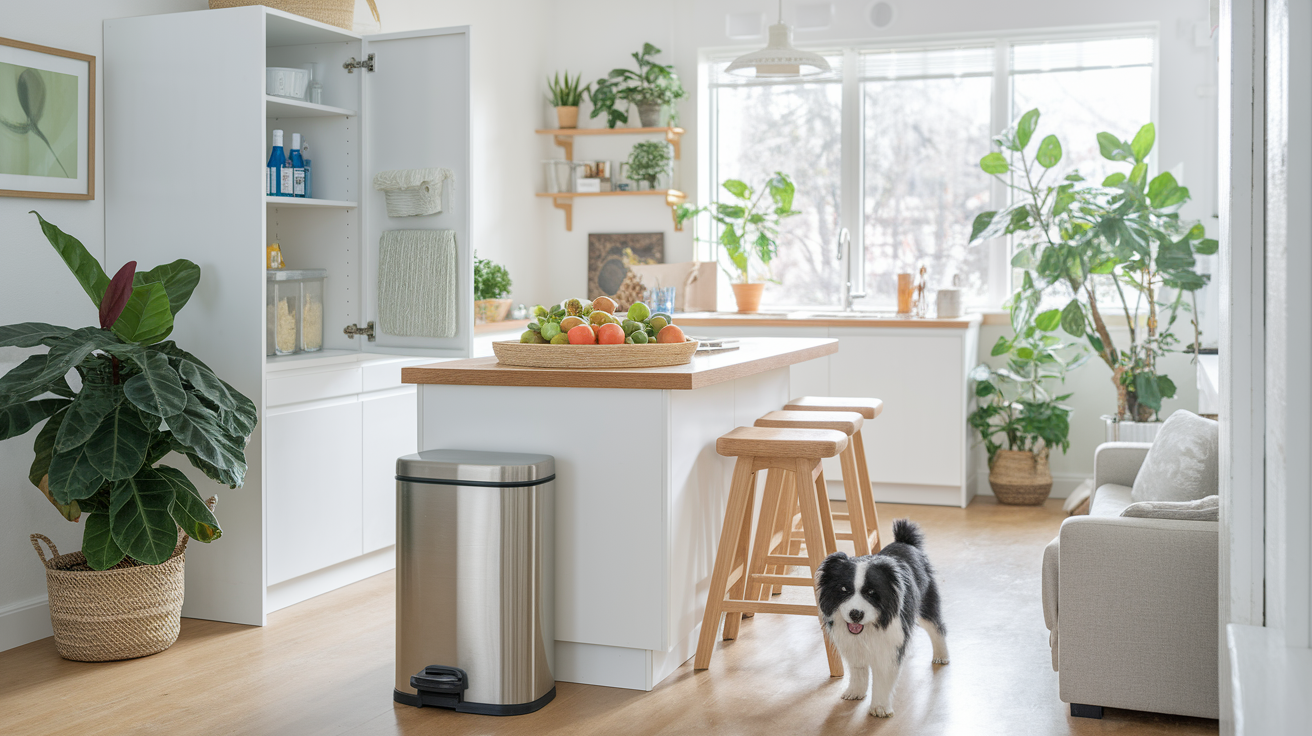
Keep trash cans secured with lids or inside cabinets, and pick up any spoiled food, moldy items, or compost piles your dog might get into. Store all medications, cleaning products, pesticides, automotive fluids, and toxic plants out of reach. Even common houseplants like lilies, sago palms, and certain flowers can cause serious vomiting and organ damage if chewed or eaten. If you use essential oil diffusers, make sure the oils are safe for dogs and the room is well ventilated. Some oils can irritate the stomach or respiratory system.
Transition to new foods slowly over seven to ten days to avoid digestive upset. Secure trash, spoiled food, and compost to prevent scavenging and garbage ingestion. Store all human medications, cleaning supplies, pesticides, and automotive products in locked cabinets. Remove or fence off toxic plants, flowers, and shrubs from your yard and home. Use high quality probiotics during stressful times like travel, boarding, or diet changes to support gut health and reduce vomiting risk.
Special Treatment Considerations for Puppies and Senior Dogs With Vomiting
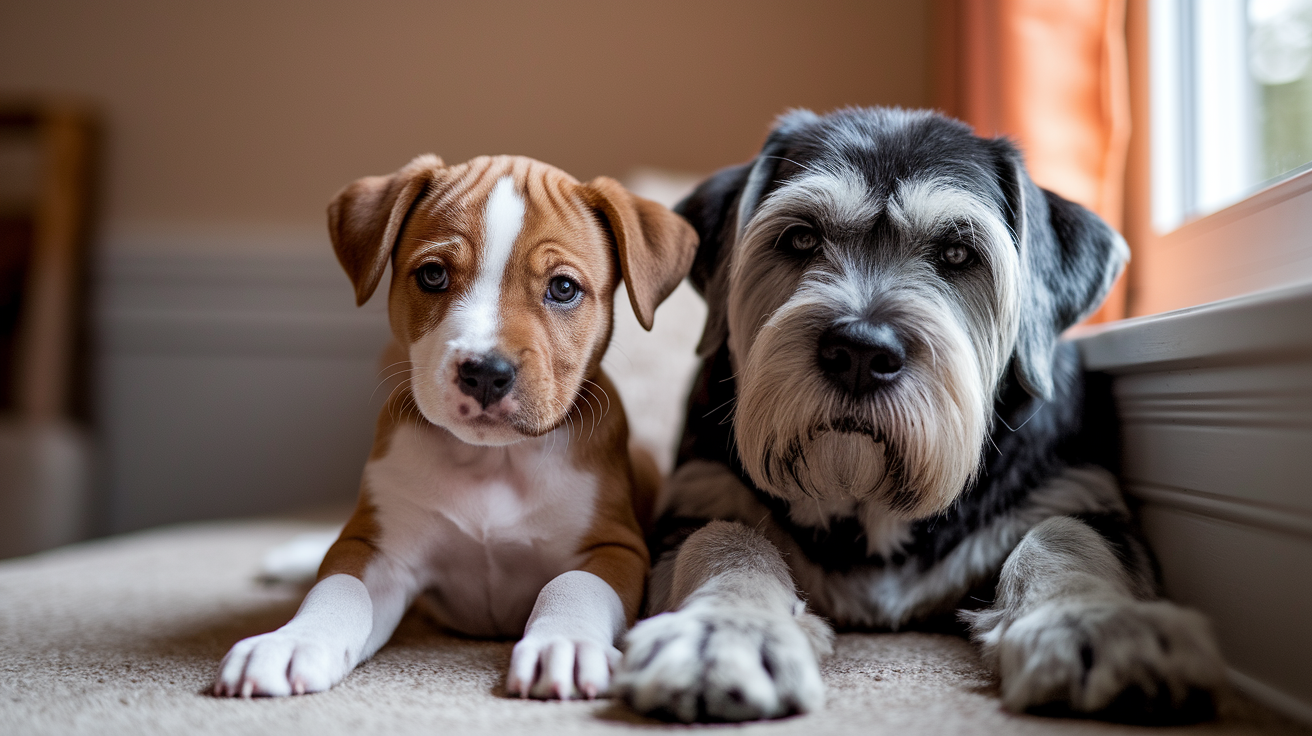
Puppies and senior dogs need faster, more cautious care when vomiting starts. Puppies lose the antibodies they received from their mother around six weeks of age, which makes them especially vulnerable to parvovirus, a deadly viral infection that causes severe vomiting, bloody diarrhea, and rapid dehydration. Even a single vomiting episode in an unvaccinated or partially vaccinated puppy should prompt an immediate vet call. Puppies also dehydrate much faster than adult dogs, and their small body reserves mean they can go downhill quickly. Intestinal parasites like roundworms, hookworms, and giardia are common in young dogs and often cause vomiting along with diarrhea and weight loss.
Senior dogs are at higher risk because many have underlying conditions that make vomiting more dangerous. Chronic kidney disease, liver disease, heart problems, and cancer are more common in older dogs, and vomiting can be an early sign that one of those conditions is progressing. Older dogs also tolerate dehydration poorly, and their weakened immune systems mean infections and complications develop faster. If your senior dog vomits, even once, and seems off in any way (tired, not eating, drinking more or less than usual), it’s worth a same day vet check to catch problems early when treatment is most effective.
Final Words
In the action you learned how to assess vomiting fast. Check alertness, breathing, gum moisture, and other red flags so you know if urgent care is needed.
You also saw common causes, when home treatment is safe, what vets test for, and clear steps for refeeding and preventing repeat episodes.
For a practical dog vomiting treatment plan, use the immediate triage steps, monitor for 24-48 hours, and call your vet if symptoms worsen. You’ve got a calm, doable path forward.
FAQ
Q: What can I give my dog for vomiting?
A: For vomiting, give your dog small sips of water, withhold food for several hours (often 8–24 hours), then offer tiny bland meals if stable; contact your vet for repeated vomiting, blood, or severe lethargy.
Q: What is the best way to stop vomiting in dogs?
A: The best way to stop vomiting in dogs is to quickly check stability, pause food, offer controlled water, and seek veterinary anti-nausea treatment if vomiting continues or your dog shows worrying signs.
Q: When should I be concerned about my dog throwing up?
A: You should be concerned about your dog throwing up if vomiting repeats, contains blood, lasts over 24 hours, causes dehydration, the belly is swollen, or your dog is very young, old, weak, or collapsing—get urgent vet care.
Q: What can stop vomiting fast?
A: What can stop vomiting fast is a vet-prescribed antiemetic (for example, maropitant or ondansetron); at home, brief fasting and small sips of water can help while you arrange veterinary care.