

Think a thirsty cat is easy to spot? Think again. Cats hide illness, and mild dehydration often shows up as small changes you might miss. Catching it early means simple fixes at home. Waiting can lead to an emergency. I’ll walk you through the most reliable signs, like tacky gums, sunken eyes, fewer trips to the litter box, and low energy. Then you’ll get a calm, practical plan on what to do today, what to watch over the next 24-48 hours, and the red flags that mean call your vet right away.
Key Symptoms Cat Owners Should Check for Early Dehydration
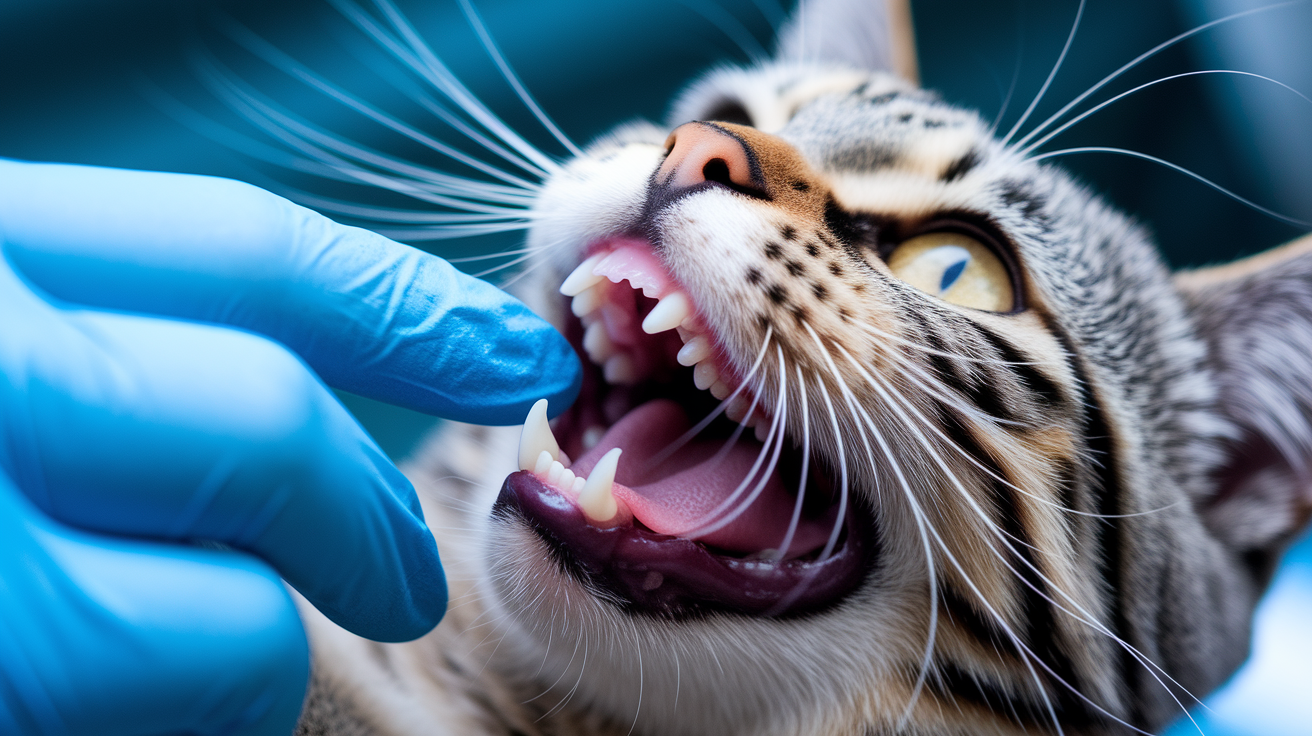
Dehydration happens when your cat’s body loses more fluid than it takes in. Water and essential electrolytes get pulled out of tissues and the bloodstream. Early detection matters because mild dehydration (around 3–5% of body weight) can reverse quickly with small changes at home. But waiting until signs turn severe (10–12% loss) can mean emergency hospitalization and a longer recovery.
Most cats need about 3.5–4.5 ounces of water per 5 pounds of body weight every day. For a typical 10 pound cat, that’s roughly 7–9 ounces, close to a cup. When they fall short, you’ll start to see changes in their mouth, eyes, energy level, and litter box habits before dehydration becomes critical.
The earliest visible clues often show up in your cat’s gums and behavior. Healthy gums feel smooth and slippery. When a cat starts to lose fluids, the gums turn tacky or sticky, and saliva may look thick and ropy instead of watery. You might also notice your cat’s eyes lose their usual brightness, sinking slightly into the sockets when dehydration reaches moderate levels.
Energy drops too. A cat that normally greets you at the door may stay curled up and unresponsive. Meal times that used to spark excitement might get ignored entirely. Panting is rare in cats and signals either overheating or distress, so seeing it alongside other symptoms is a strong warning.
Urine changes are another reliable marker. Fewer trips to the litter box, smaller clumps, or dark yellow urine all point to concentrated waste because the kidneys are trying to hold onto every drop.
Symptom intensity tracks pretty closely with how much fluid your cat has lost. At 3–5% loss, gums might feel slightly sticky and your cat may seem a bit quiet, but appetite and activity can still look mostly normal. Once dehydration climbs to 6–8%, you’ll see more obvious lethargy, reduced food intake, and possibly sunken eyes. By 10–12% or higher, cats often can’t stand reliably, gums turn dry and pale, and the heart rate speeds up to compensate for low blood volume.
Recognizing the milder signs early gives you a chance to add water through wet food, a syringe, or a vet visit for fluids before organs start struggling.
Common visible symptoms to watch for:
- Tacky or sticky gums – smooth, wet gums turn dry and gummy to the touch
- Sunken eyes – eyes appear set deeper into the head, losing their usual roundness
- Low energy and weakness – your cat stays in one spot, avoids jumping, or sleeps more than usual
- Loss of appetite – turns away from favorite meals or eats only a bite or two
- Panting or rapid breathing – rare in cats and often signals overheating or severe distress
- Darker, less frequent urine – fewer litter box visits, smaller clumps, and urine that looks deep yellow or orange
Understanding Why Cats Become Dehydrated and Identifying Risk Factors
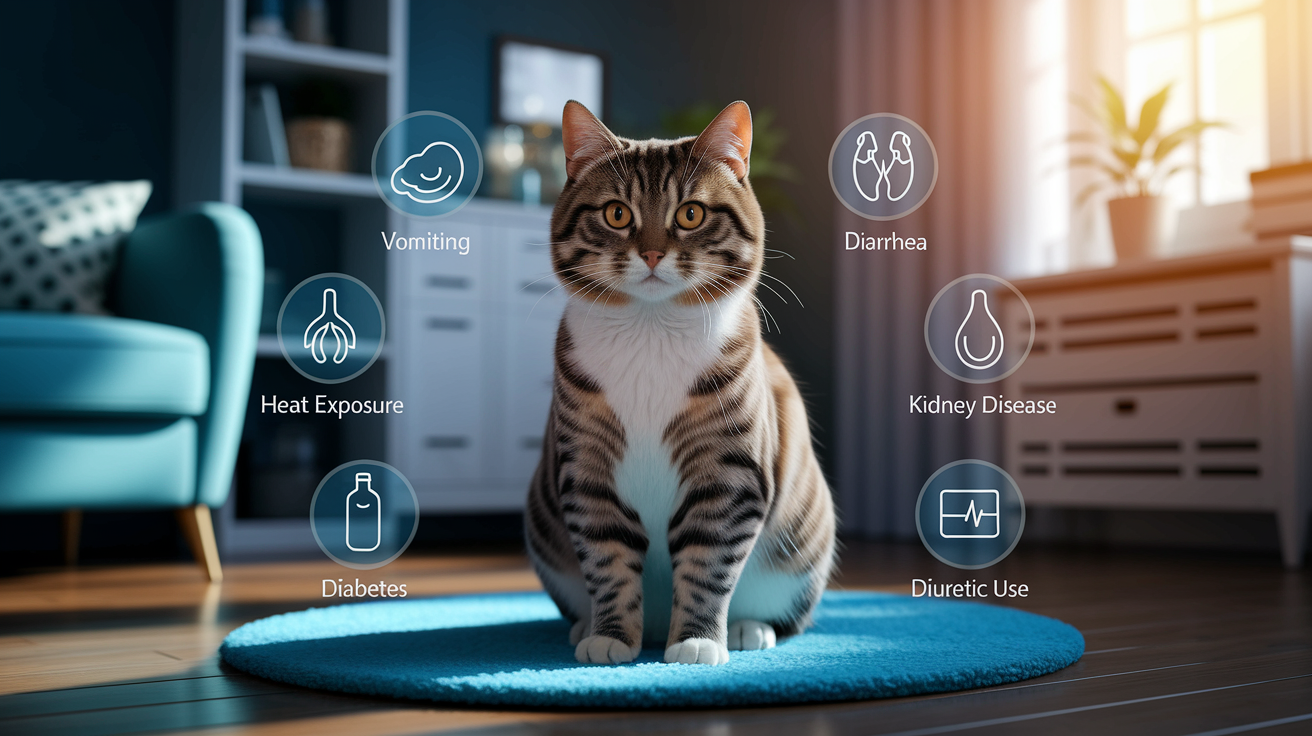
Dehydration isn’t just about running out of water. It’s the combined loss of fluid and electrolytes, the minerals like sodium, potassium, and chloride that keep muscles contracting, nerves firing, and organs functioning.
Acute dehydration usually follows a clear trigger. Vomiting and diarrhea top the list because both pull large volumes of fluid out fast, sometimes within hours. A bout of stomach upset from spoiled food or a hairball can turn into dehydration by the next morning if your cat can’t keep anything down.
Heatstroke is another rapid cause, especially during summer months when indoor temperatures climb or a cat gets locked in a hot room or car. Even a single day of reduced drinking, common after surgery, a stressful move, or an illness that makes your cat feel too lousy to walk to the water bowl, can tip the balance toward mild dehydration.
Chronic dehydration builds more slowly and often ties to underlying medical conditions. Chronic kidney disease is one of the most common culprits in older cats. The kidneys lose their ability to concentrate urine, so more water leaves the body than normal even when your cat drinks regularly.
Diabetes mellitus causes excessive urination because high blood sugar spills into the urine and drags water along with it. Hyperthyroidism speeds up metabolism, raising body temperature and fluid loss through panting and increased activity.
Certain medications, like diuretics, intentionally increase urine output and can lead to dehydration if water intake doesn’t keep pace. Diet plays a bigger role than many owners realize. Dry cat food typically contains only about 10% moisture, while wet food sits at 70–80%. A cat eating exclusively dry kibble may not drink enough extra water to make up the difference, especially if they’re naturally low volume drinkers or have reduced thirst sensitivity as they age.
Senior cats, cats with chronic kidney disease, and cats on dry food only diets form the highest risk group for ongoing dehydration. These cats often need closer monitoring, scheduled fluid therapy, or diet adjustments to stay hydrated long term.
Hot weather and outdoor access raise risk in any cat, since even a few hours in direct sun without shade or water can push a cat from comfortable to dangerously overheated.
How to Check Hydration Levels in Cats at Home
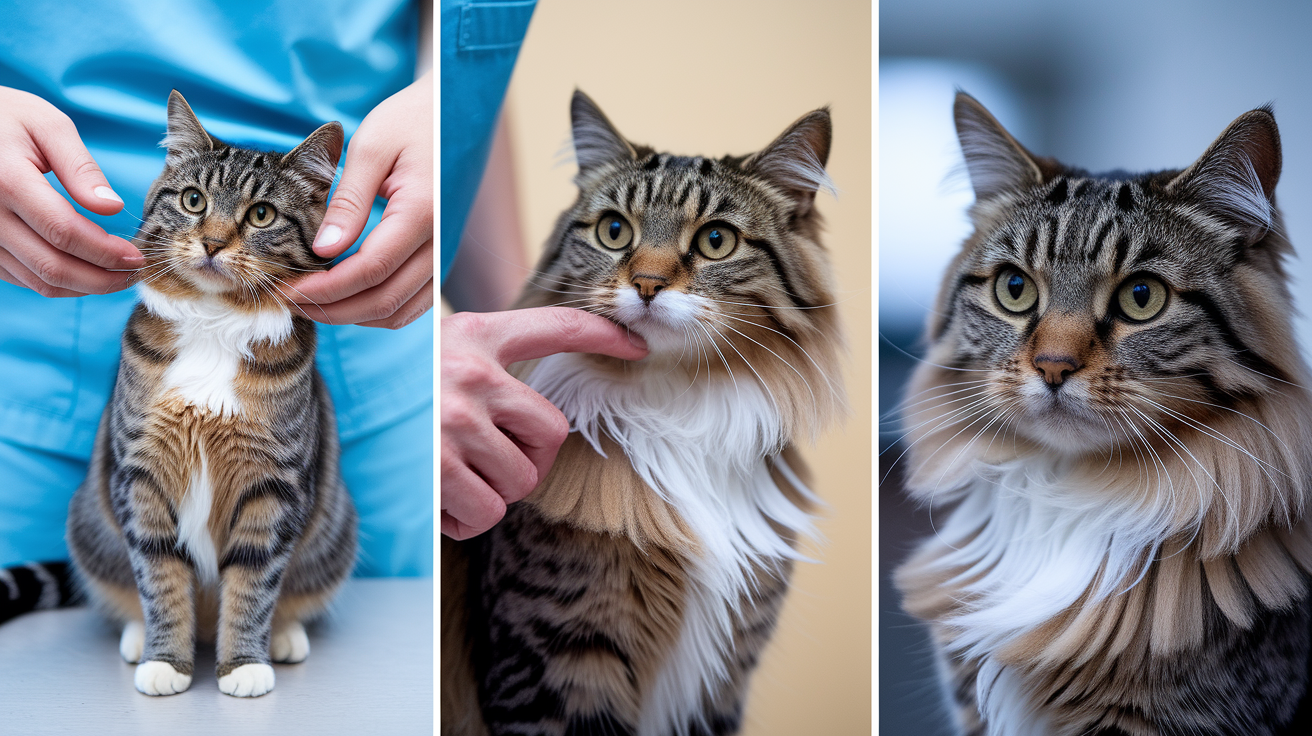
Skin Tent Test
The skin tent test is the quickest home check for dehydration. Gently pinch a small fold of skin at the back of your cat’s neck, right between the shoulder blades, and lift it up about an inch. Then let go.
In a well hydrated cat, the skin snaps back into place immediately, almost as fast as you release it. If it takes two seconds or longer to flatten out, that suggests moderate dehydration. Skin that stays tented and doesn’t return at all points to severe dehydration and requires emergency care.
One important caveat. Older cats naturally lose skin elasticity over time, so a slightly slower return can be normal in a senior cat with no other symptoms. Always look at the full picture, not just one test in isolation.
Gum and Capillary Refill Check
Lift your cat’s lip and press a finger gently against the gums for about one second, then release. The gum should turn pale where you pressed, then return to its normal pink color within one to two seconds.
That quick color return is called capillary refill time, and it tells you blood is circulating well. If the pink takes longer than two seconds to come back, circulation may be sluggish, often a sign of moderate to severe dehydration or shock.
At the same time, check gum texture. Healthy gums feel smooth and slippery, like the inside of your own cheek. Tacky, sticky, or dry gums mean your cat’s tissues are running low on moisture.
Pale gums can signal poor blood flow or anemia, both of which may accompany dehydration or serious illness. If gums are white, gray, or blue, contact a veterinarian immediately.
Eye and Behavior Assessment
Your cat’s eyes should sit normally in their sockets, looking bright and alert. When dehydration progresses past mild, eyes begin to sink back slightly, losing their usual fullness. Sunken eyes are a clear marker of moderate to severe fluid loss and mean your cat needs professional attention soon.
Behavioral changes often appear before eyes sink. Lethargy is one of the most common early signs. A dehydrated cat may skip their usual patrol of the windowsill, ignore toys, or sleep far more than normal.
Loss of appetite usually follows closely behind. If your cat turns away from meals they usually devour, or only takes a few licks and walks off, consider dehydration alongside other possible causes like nausea or dental pain.
Urine and Litter Box Review
A well hydrated cat typically urinates at least once or twice a day, producing moderate sized clumps in the litter box. Dark yellow or amber urine signals concentrated waste. The kidneys are conserving water and packing more waste into less liquid.
Smaller clumps or fewer trips to the box over a 24 hour period also suggest your cat isn’t processing enough fluids. If you notice a sudden drop in litter box activity or urine that looks orange or dark brown, it’s time to check other symptoms and consider a vet visit.
As a rough guideline, cats drink about 50–70 milliliters of water per kilogram of body weight daily. For a 4.5 kilogram (10 pound) cat, that’s roughly 225–315 milliliters, or about one to one and a quarter cups of water per day. Tracking how often you refill water bowls can help you spot a drop in intake before symptoms appear.
Quickest at home checks:
- Pinch the scruff and watch how fast it snaps back.
- Press a gum and time the return to pink (under 2 seconds is normal).
- Look for sunken eyes or dull, recessed appearance.
- Count litter box clumps and note urine color over 24 hours.
Levels of Dehydration and When Symptoms Become Dangerous
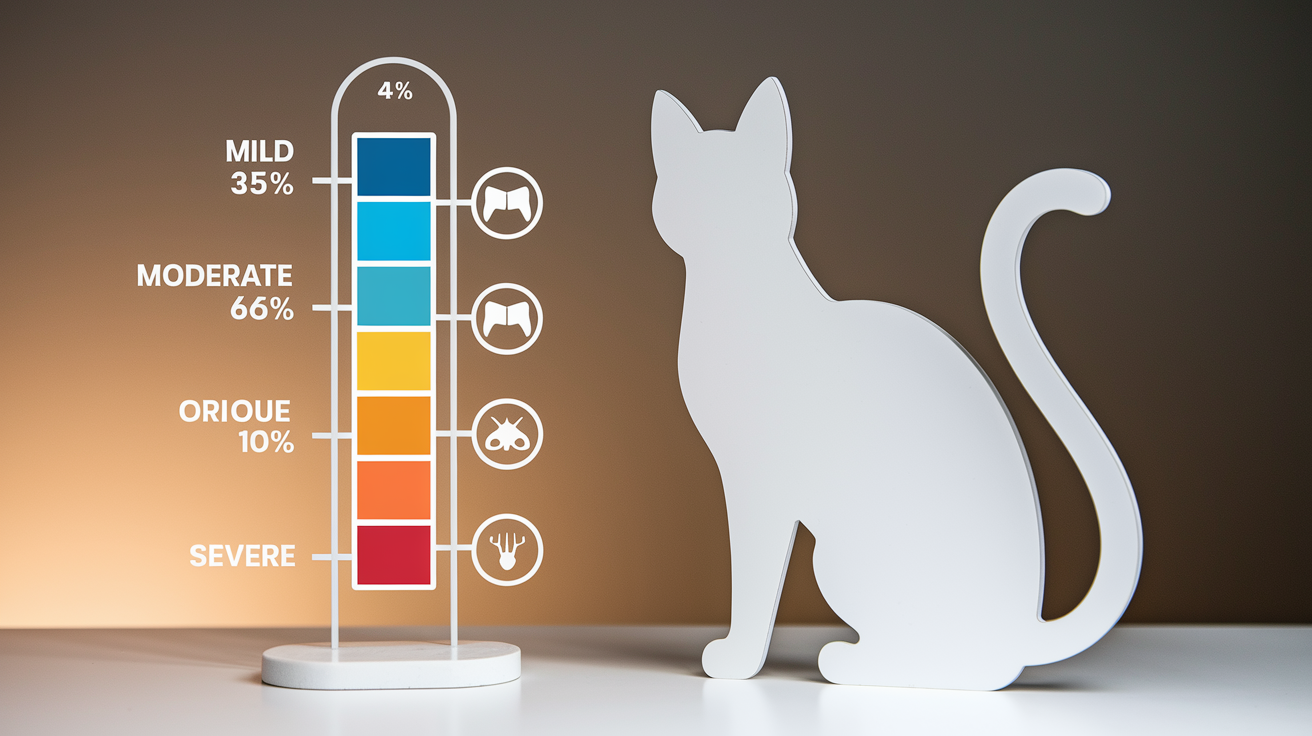
Dehydration severity is typically measured as a percentage of total body weight lost in fluids. Each percentage range brings its own set of symptoms, and understanding where your cat falls helps you decide how urgently to act.
| Severity Level | Typical % Fluid Loss | Key Symptoms |
|---|---|---|
| Mild | 3–5% | Slightly tacky gums, minimal skin tent delay, possibly quieter than usual but still eating and drinking some |
| Moderate | 6–8% | Obvious skin tent delay (≥2 seconds), sunken eyes, marked lethargy, reduced appetite, darker urine, possible increased heart rate |
| Severe | 10–12% or more | Skin doesn’t return at all, very dry or pale gums, collapse or inability to stand, rapid/weak pulse, cold extremities, signs of shock |
To put these percentages in perspective, a 10 pound (roughly 4.5 kilogram) cat losing 5% of body weight in fluids has lost about 225 milliliters, or just under one cup. At 10% loss, that same cat is down 450 milliliters, nearly two cups.
Those volumes might not sound dramatic, but when they come out of a small body in a short time through vomiting, diarrhea, or excessive urination, the effects add up fast.
Mild dehydration often responds to home interventions like offering wet food, using a syringe to give small amounts of water, and monitoring closely for improvement within 12 to 24 hours. Once you see moderate signs (sunken eyes, prolonged skin tent, weakness), veterinary assessment becomes necessary because at home rehydration may not be enough to catch up safely.
Severe dehydration crosses into emergency territory. Organ function starts to falter without adequate blood volume. The heart races to compensate, body temperature can drop, and shock becomes a real risk. At this stage, immediate veterinary care with intravenous fluids is often the only way to reverse the crisis and prevent lasting damage.
When to Seek Veterinary Care for Dehydration Symptoms

If your cat shows moderate dehydration signs (persistent vomiting or diarrhea lasting more than 12 to 24 hours, obvious weakness, sunken eyes, or a prolonged skin tent), contact your veterinarian the same day.
Waiting to see if symptoms improve on their own can let dehydration progress from manageable to dangerous within hours, especially in young kittens, senior cats, or cats with existing health conditions.
Any time you see pale or white gums, a cat that can’t stand or collapses, rapid or labored breathing, seizures, or complete refusal to eat or drink for a full day, treat it as an emergency and seek immediate care.
When you arrive at the clinic, your veterinarian will perform a physical examination, checking skin elasticity, gum moisture and color, capillary refill time, heart rate, and body weight. Many vets will compare your cat’s current weight to their last recorded weight to estimate fluid loss.
Blood work, typically a complete blood count (CBC) and a chemistry panel, helps identify underlying causes like kidney disease, diabetes, or electrolyte imbalances. A urinalysis shows how concentrated the urine is and whether infection, crystals, or other abnormalities are contributing.
In some cases, imaging like X-rays or ultrasound may be needed to rule out obstructions, tumors, or organ damage. These diagnostics guide treatment and help the vet decide whether your cat needs subcutaneous fluids, intravenous fluids, or hospitalization for intensive monitoring.
Contact a veterinarian immediately if you observe any of the following:
- Continuous vomiting or diarrhea for more than 12 to 24 hours
- Collapse, extreme weakness, or inability to stand
- Gums that are pale, white, gray, or extremely dry and sticky
- Sunken eyes combined with lethargy and loss of appetite
- Rapid breathing, panting, or signs of respiratory distress
Treatment Options Vets May Use for Dehydrated Cats
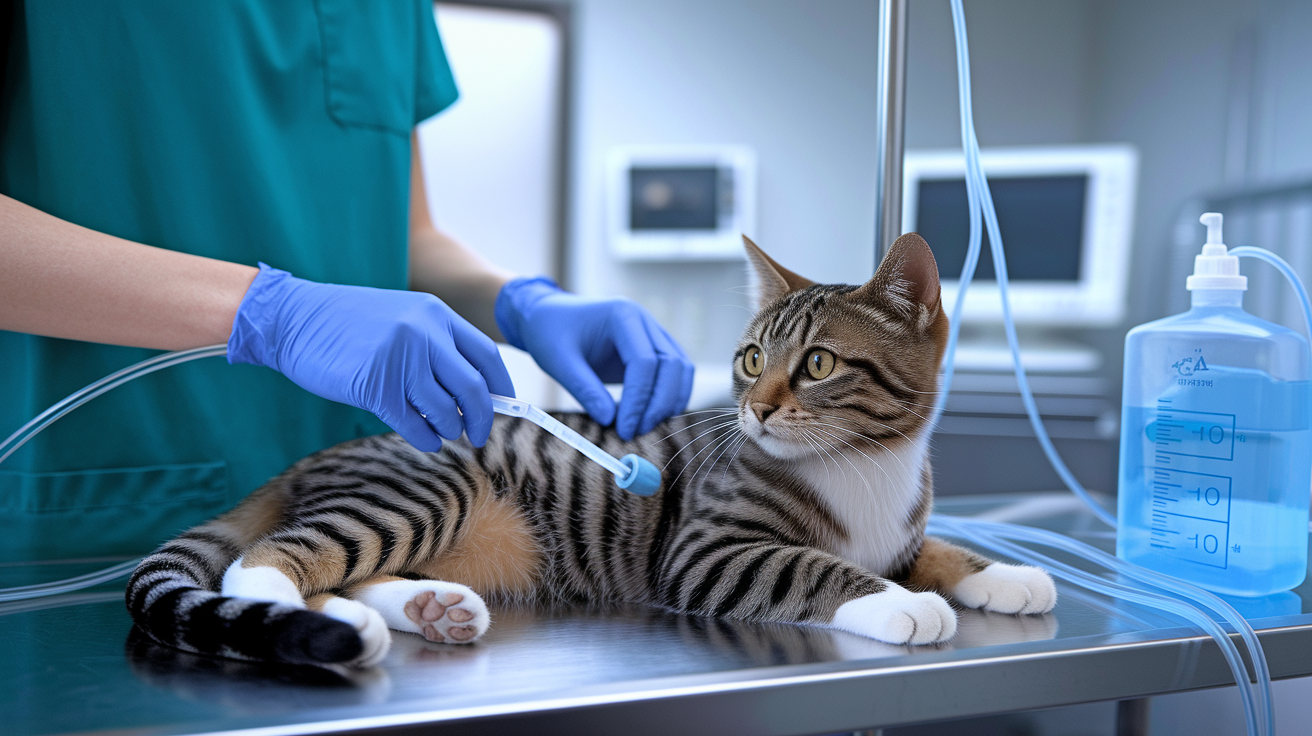
For mild to moderate dehydration, subcutaneous fluids are the most common treatment. The veterinarian injects sterile fluids, usually lactated Ringer’s solution or saline, under the skin, typically between the shoulder blades.
The fluid forms a temporary bulge that the body absorbs over several hours, rehydrating tissues gradually. This method is quick, low risk, and can often be done as an outpatient visit.
Some owners of cats with chronic conditions like kidney disease learn to give subcutaneous fluids at home on a regular schedule, usually a few times per week, to keep hydration stable long term.
When dehydration reaches moderate to severe levels, or when a cat is vomiting and can’t keep oral fluids down, intravenous (IV) fluid therapy becomes necessary. The vet places a small catheter in a vein, usually in a front leg, and delivers fluids directly into the bloodstream at a controlled rate.
IV fluids work faster than subcutaneous administration and allow precise correction of electrolyte imbalances. Cats receiving IV fluids typically stay in the hospital for several hours to a few days, depending on severity and response.
During that time, the veterinary team monitors vital signs, urine output, and blood values to ensure the body is stabilizing. If dehydration stems from an underlying cause (vomiting from pancreatitis, diarrhea from an infection, urinary blockage, or uncontrolled diabetes), the vet will treat that issue simultaneously.
This might include antiemetic medications to stop vomiting, antibiotics for infection, surgery to relieve a blockage, or insulin to manage blood sugar.
Prognosis depends on how quickly treatment starts and what caused the dehydration in the first place. Mild dehydration from a short illness or heat exposure usually resolves within 24 to 48 hours with fluids and supportive care.
Chronic conditions like kidney disease require ongoing management, but early intervention during a dehydration episode can prevent permanent organ damage and extend quality of life.
Common veterinary treatments for dehydration:
- Subcutaneous fluid injections for mild to moderate cases
- Intravenous fluids via catheter for moderate to severe dehydration or vomiting
- Electrolyte supplementation to correct imbalances in sodium, potassium, or chloride
- Medications targeting the root cause, such as antibiotics, antiemetics, insulin, or pain relief
Prevention Tips to Reduce Signs of Dehydration in Cats Long Term
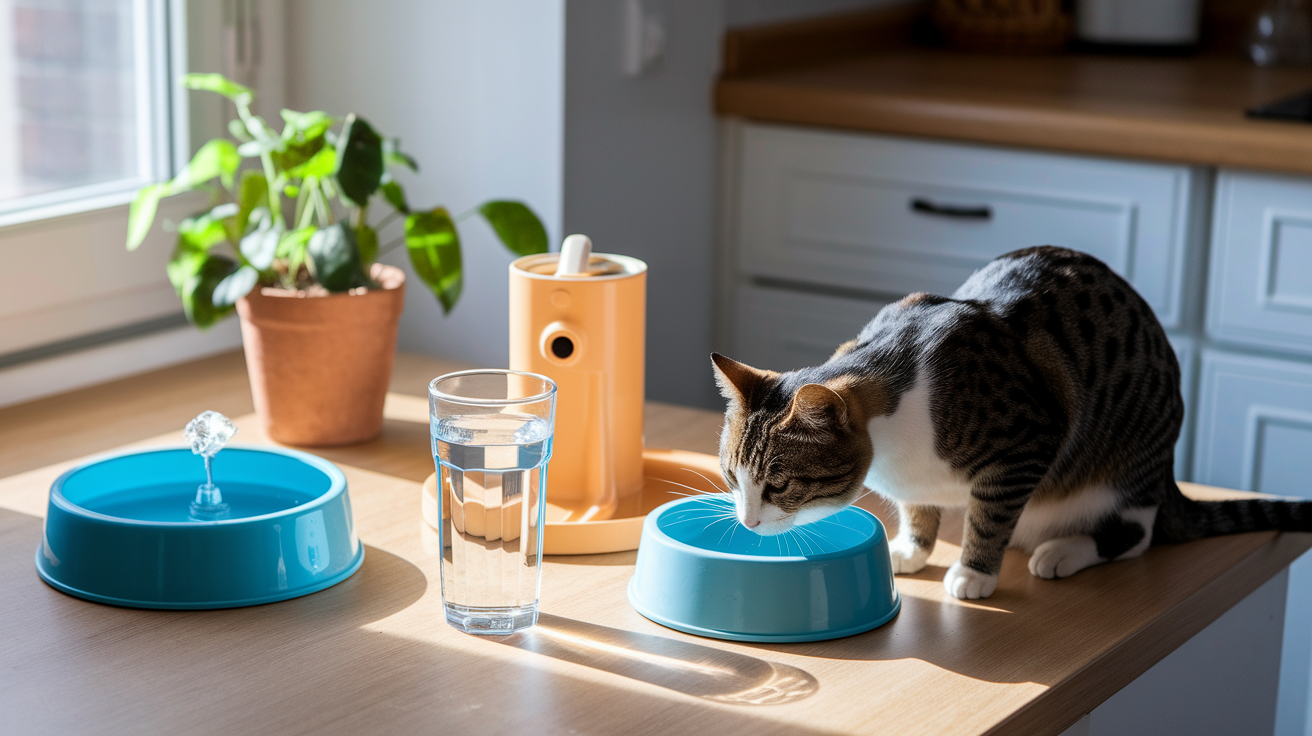
Preventing dehydration starts with making fresh water easy to find and appealing to drink. Cats can be picky about water temperature, location, and even the bowl itself.
Place multiple water stations around your home, especially if you have a multi level house or a cat that spends most of their time in one room. Clean bowls daily to remove saliva, dust, and bacteria, refilling with fresh water each time.
Some cats prefer wide, shallow bowls that don’t touch their whiskers, while others like a narrow glass or ceramic dish. Experiment with a few styles to see what your cat uses most.
A pet water fountain can encourage cats that prefer running water. The movement and sound often attract reluctant drinkers, and the built in filter keeps water cleaner longer.
Aim for that daily target of 50 to 70 milliliters per kilogram of body weight. For a 3 kilogram cat, that’s about 150 to 210 milliliters per day, or roughly two thirds to one cup. For a 6 kilogram cat, you’re looking at 300 to 420 milliliters, or about one and a quarter to one and three quarter cups.
Wet food is one of the simplest ways to boost daily moisture intake. Each standard 85 gram can of wet food contains about 60 to 70 grams of water, roughly 70 to 80% of the total. If you feed two cans a day, you’ve already added 120 to 140 grams (milliliters) of water to your cat’s diet, nearly half of what a typical cat needs.
Even mixing one meal of wet food with dry kibble can make a noticeable difference over time. For cats that refuse plain water, try adding a few ice cubes to their bowl on hot days, or offer a small amount of low sodium chicken broth with no onion, garlic, or added spices.
Some veterinarians recommend specially formulated electrolyte waters for cats. Ask before introducing anything new if your cat has kidney disease or another medical condition.
Keep your home comfortably cool, especially in summer. Use fans, air conditioning, or shaded rooms to prevent overheating, which increases panting and fluid loss. If your cat goes outdoors, provide water bowls in shaded spots, refresh them several times a day, and bring your cat inside during the hottest part of the afternoon.
Monitor high risk cats more closely. Weigh your cat weekly, especially seniors or those with chronic illness. A sudden drop of more than 5% of body weight over a few days can signal fluid loss and warrants a veterinary check.
Track litter box habits. Fewer than one to two urinations per day or consistently dark urine means hydration needs attention. If your cat has a history of urinary crystals, kidney disease, or diabetes, work with your veterinarian to create a customized hydration plan that might include scheduled fluid therapy, prescription diets, or regular bloodwork to catch problems early.
Daily hydration strategies:
- Provide multiple water bowls and clean them every day
- Consider a pet water fountain if your cat likes moving water
- Replace at least one dry meal with wet food to add 70–80% moisture
- Offer low sodium broth or ice cubes as occasional treats
- Keep indoor temperature comfortable and well ventilated
- For outdoor cats, place water in shade and refresh frequently
- Weigh your cat weekly and note any drop of 5% or more
Hydration Strategies for Senior and Medically Fragile Cats
Senior cats and cats with chronic kidney disease, diabetes, or hyperthyroidism face higher dehydration risk because their bodies either lose fluids faster or don’t signal thirst as reliably.
Older cats may also have reduced mobility or cognitive changes that make it harder to reach water bowls. Place water stations on every floor and near favorite resting spots so your cat doesn’t have to travel far.
Scheduled subcutaneous fluid therapy, often two to three times per week, can become part of routine care for cats with advanced kidney disease, keeping hydration stable and reducing the workload on failing kidneys. Your veterinarian can teach you how to administer fluids at home, making it a low stress process for both you and your cat.
Cats with diabetes need close blood sugar monitoring alongside hydration management. High glucose levels drive excessive urination, so controlling diabetes with insulin and diet directly reduces fluid loss.
Heat intolerance is common in hyperthyroid cats, so keeping the environment cool and offering chilled water can help. Regular veterinary visits (every three to six months for senior or chronically ill cats) allow early detection of dehydration or worsening disease before symptoms become severe.
A customized hydration plan tailored to your cat’s specific needs, whether that’s diet changes, fluid therapy, or medication adjustments, can add months or years of comfortable life and reduce emergency visits.
Final Words
You spot tacky gums, sunken eyes, low energy, or a sudden loss of appetite. Those visible clues were what we focused on. Knowing common signs helps you act sooner.
We covered causes like vomiting, diarrhea, illness, and heat, quick home checks for water and urine, and how symptom intensity maps to mild, moderate, or severe dehydration.
Watch for clear red flags, such as collapse, persistent vomiting, or rapid breathing, and call your vet if they appear. Paying attention to signs of dehydration in cats and using simple prevention like wet food and extra water stations can make a big difference.
FAQ
Q: How do you rehydrate a cat?
A: To rehydrate a cat, offer wet food, fresh water, enticing warmed low-sodium broth, a clean shallow bowl or fountain, and try gentle syringe water if comfortable; seek vet care if vomiting, weak, or not drinking within 24 hours.
Q: How to tell if your cat is dehydrated?
A: You can tell if your cat is dehydrated by spotting tacky gums, sunken eyes, low energy, appetite loss, panting, or darker, reduced urine; these visible changes often mean the body needs more fluids.
Q: How quickly do cats recover from dehydration?
A: Cats often recover from mild dehydration within 24–48 hours with at-home fluids; moderate cases usually improve in 48–72 hours after veterinary treatment, while severe dehydration may take days and needs hospital care.
Q: Can cats survive dehydration?
A: Cats can survive dehydration when it’s caught and treated early, but severe or prolonged fluid loss can be life-threatening; get prompt veterinary attention for collapse, repeated vomiting, trouble breathing, or pale gums.