

What if most “hypoallergenic” cat foods on shelves don’t help your itchy, vomiting cat?
Here’s the truth: a strict elimination trial using a novel protein or a hydrolyzed formula for 8 to 12 weeks often shows whether food is the problem.
I’ll walk you through picking the right diet, running the trial step by step, what to track, and when to call your vet.
No fluff. Just a practical plan that can actually calm your cat.
Key Steps to Starting a Hypoallergenic Diet for Cats

Hypoallergenic cat diets work by cutting out the proteins and ingredients that set off immune reactions. Instead of chicken, beef, or dairy, these formulas use novel proteins your cat’s never touched, or they rely on hydrolyzed proteins that’ve been broken into bits so small the immune system can’t flag them as threats. The goal? Remove the allergen, calm things down, and give your cat’s body space to heal.
Signs pointing to food allergy rather than something environmental usually include year round skin trouble (especially face, ears, paws), ear infections that keep coming back, hair loss, chronic soft stools, vomiting, and nonstop licking or scratching that doesn’t line up with flea season. If your cat’s symptoms don’t shift with the seasons and hit both skin and stomach, food’s a strong suspect. Cats dealing with only environmental allergies tend to flare seasonally or itch in specific spots without any digestive weirdness.
To start a hypoallergenic diet today, pick one novel protein your cat’s never eaten. Rabbit, duck, venison, kangaroo are common picks. Plan for an 8 to 12 week strict trial. That means zero treats, no flavored meds, no table scraps, and no bowl sharing with other pets. Track symptoms weekly in a simple notebook: itch score, how many times they scratch per hour, stool consistency, vomiting episodes. Most cats show some improvement within 2 to 6 weeks, but skin cells turn over slowly, so full resolution often takes 8 to 10 weeks.
The most common dietary allergens to dodge during a hypoallergenic trial:
- Chicken (the single biggest offender in commercial cat foods)
- Beef
- Dairy (milk, cheese, yogurt)
- Fish (tuna, salmon, whitefish)
- Wheat and wheat gluten
- Corn and soy
Understanding Food Allergy Triggers in Hypoallergenic Cat Diet Planning
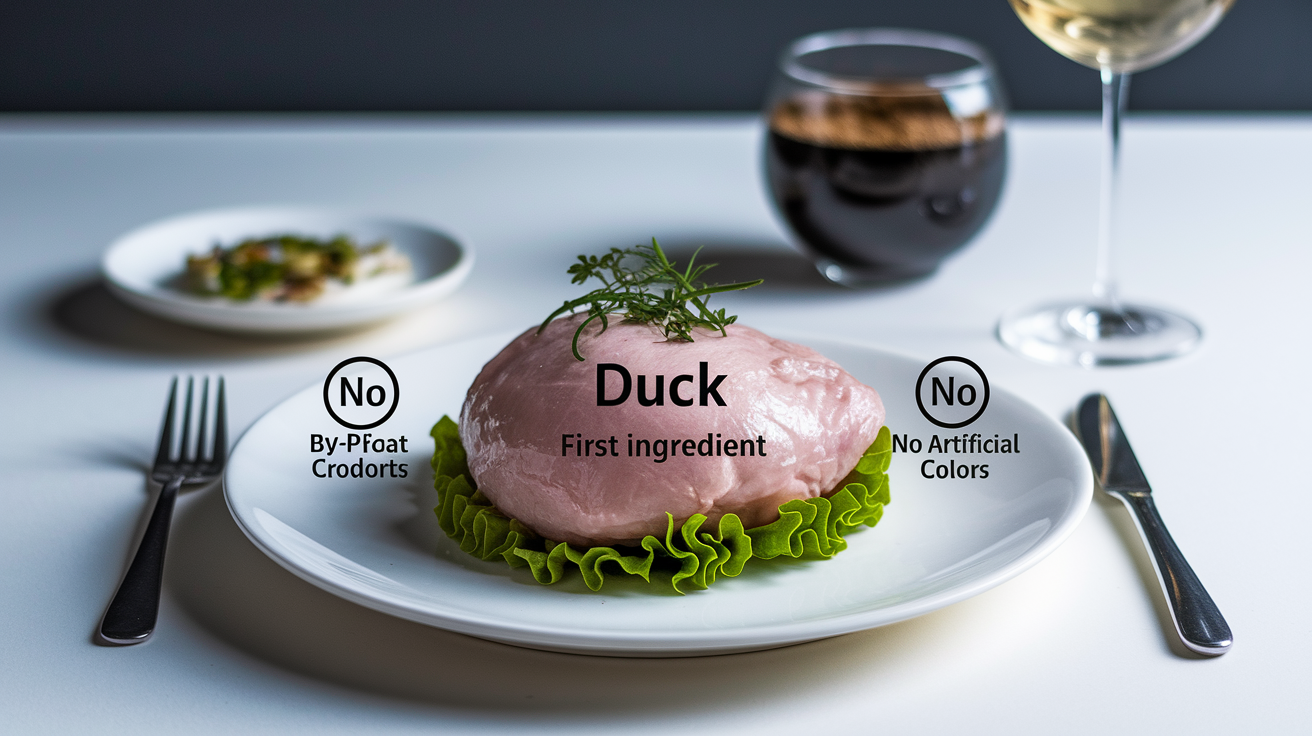
Limited ingredient diets simplify the detective work by cutting down the number of proteins, carbs, and additives in each meal. When a formula only has one protein and one or two carb sources, you can pinpoint exactly what your cat reacts to if symptoms pop up. Commercial foods often bury allergens behind vague labels like “meat by products,” “animal derivatives,” or “flavor.” Any of those can hide chicken, beef, or fish proteins. Fillers like wheat middlings, corn gluten meal, and soy flour add bulk but can bug sensitive cats, especially those with grain sensitivities.
Reading labels carefully stops accidental allergen exposure that can trash weeks of progress. Artificial colors, flavors, and preservatives like BHA, BHT, ethoxyquin may also cause reactions or hide low quality ingredients, so cleaner formulas with recognizable whole foods are safer during an elimination trial.
Five label reading rules to dodge hidden allergens:
- Check that meat or fish is the first ingredient, named specifically. “Duck” instead of “poultry.”
- Avoid products listing “by products,” “meal,” or “derivatives” without naming the source animal.
- Skip foods with wheat, corn, or soy in any form. Flour, gluten, middlings.
- Watch for artificial colors (Red 40, Yellow 5), flavors, and chemical preservatives.
- Cross reference the carb source. Potato, sweet potato, peas, and quinoa are less common allergens than rice or oats, which some cats have already been exposed to.
Types of Hypoallergenic Diets for Cats and How They Work

Hypoallergenic diets break into three main categories, each built to sidestep the immune triggers behind itching, vomiting, and inflammation. Which type you choose depends on your cat’s food history, your budget, and whether you need a vet prescription or can grab something over the counter.
Novel protein diets
Novel protein formulas use a single protein source your cat’s never eaten. Rabbit, venison, duck, kangaroo, or unusual fish like basa or pollock. The logic’s straightforward: if your cat’s immune system’s never met this protein, it can’t have built antibodies against it. These work best when you know your cat’s complete food history and can confidently pick something genuinely new. They’re widely available over the counter and tend to cost less than prescription options, making them a practical first step for lots of families.
Hydrolyzed protein diets
Hydrolyzed formulas take common proteins (often chicken or soy) and break them into tiny peptides smaller than 3 kilodaltons. At that size, the fragments slip under the immune radar and don’t set off allergic responses. Veterinary prescription hydrolyzed diets are the gold standard when you need fast, reliable results or when your cat’s reacted to multiple proteins before. They cost more and need a vet’s approval, but they cut the guesswork and are especially useful for cats with severe or widespread allergies.
Single protein diets
Single protein diets simplify digestion by pairing one meat with one or two carb sources. No mixing beef and chicken, no rotating fish flavors. This clarity helps you isolate triggers during an elimination trial and lightens the load on a sensitive digestive system. Single protein canned foods often have higher moisture content, which supports hydration and can make symptoms easier to track day by day.
| Diet Type | Key Benefit | Example Protein | Typical Price Range |
|---|---|---|---|
| Novel protein LID | Uses unfamiliar proteins to avoid prior exposures | Rabbit, venison, duck | $20–$60 per 4–8 lb bag (dry) |
| Hydrolyzed prescription | Peptides too small to trigger immune response | Hydrolyzed chicken, soy | $40–$120 per bag or case |
| Single protein canned | Clear ingredient lists, higher moisture | Turkey, salmon | $1–$3 per 5.5–6 oz can |
| Raw/frozen novel protein | Minimal processing, known ingredients | Kangaroo, bison | Variable, often higher per day cost |
Diagnosing Food Allergies Before Choosing a Hypoallergenic Diet

An elimination diet is the only reliable way to diagnose a food allergy in cats. Blood tests that measure IgE antibodies sound convenient, but they throw too many false positives and negatives to guide feeding decisions. Skin tests (intradermal allergy testing) are built for environmental allergens like pollen and dust mites, not food proteins. That leaves the elimination trial: feed one novel or hydrolyzed protein exclusively for 8 to 12 weeks, record every symptom, and watch for improvement.
During those 8 to 12 weeks, write down weekly observations in a simple log. Track how many times your cat scratches per hour, note stool consistency (firm, soft, watery), count vomiting episodes, photograph skin lesions, and measure the size of any bald patches. Many cats show early gastrointestinal improvement within 2 to 4 weeks. Firmer stools, less vomiting. But skin symptoms take longer because the outermost layer of skin cells turns over every 21 to 28 days. By 6 to 8 weeks, you’ll usually see clearer patterns: less redness, fewer ear infections, regrowth of fur. If there’s no real change by 12 weeks, food’s probably not the main driver, and you’ll need to look into environmental allergies, flea control, or secondary skin infections.
After sustained improvement, confirm the diagnosis with a re challenge. Reintroduce a small amount of the cat’s original food or a single suspected allergen (chicken, for example) and watch closely. If food was the cause, symptoms typically flare within 48 to 72 hours: itching comes back, ears get red, stools soften, or vomiting starts again. That quick return proves the link and tells you exactly which ingredient to avoid going forward. If nothing happens after 7 to 10 days of re challenge, the original improvement may have been coincidental, and you’ll need to test other allergens or reconsider the diagnosis.
Choosing Commercial Hypoallergenic Diets for Allergic Cats
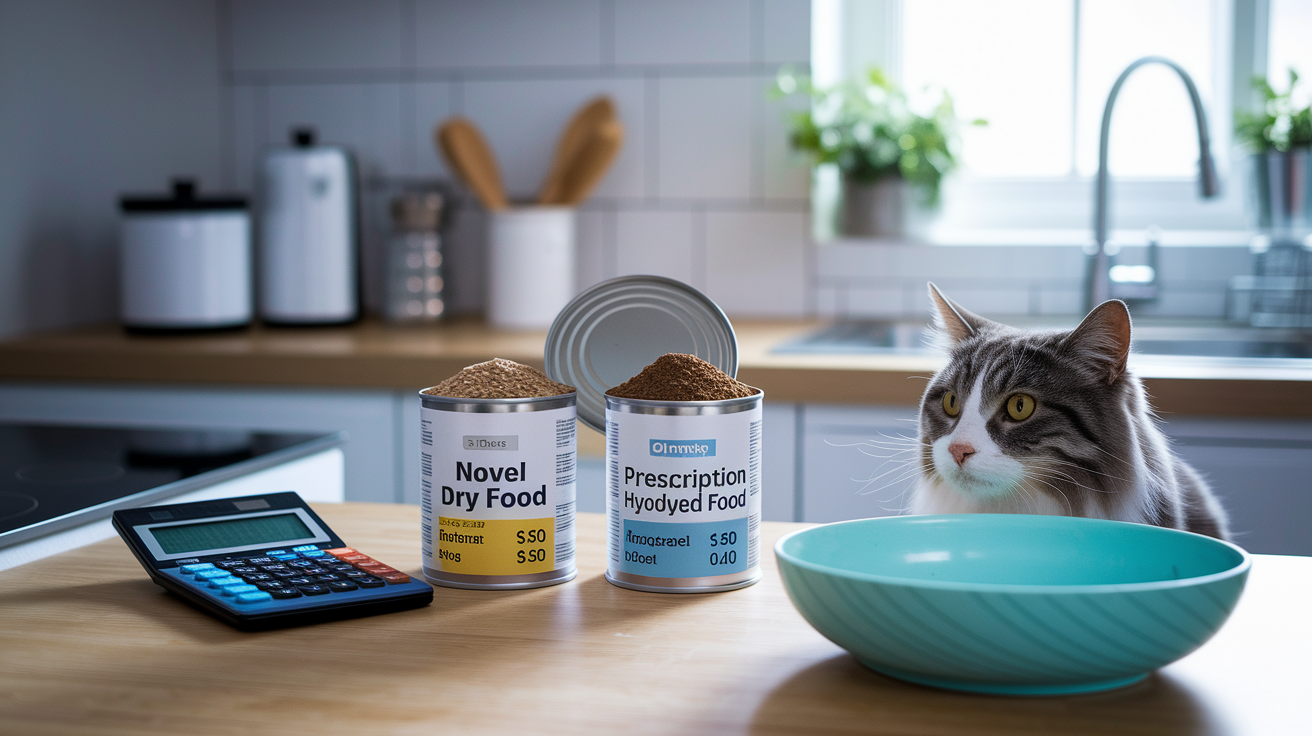
Over the counter limited ingredient diets and prescription hydrolyzed formulas serve different needs. OTC diets work well when you’ve got a clear idea of what your cat’s eaten in the past and can confidently select a novel protein. They’re more affordable, widely available at pet stores and online, and give you flexibility to try duck, venison, or rabbit without a vet visit. Prescription diets, on the other hand, are formulated under stricter quality controls, use proteins processed to reduce antigenicity, and are the safer bet for cats with severe allergies, multiple prior exposures, or ongoing medical issues that need vet oversight.
Cost matters when you’re committing to months of exclusive feeding. A 4 to 8 pound bag of OTC limited ingredient dry food typically runs $20 to $60 and lasts about two to four weeks for an average adult cat. Prescription hydrolyzed bags and cases range from $40 to $120, with canned prescription options costing roughly $2 to $4 per can. Single protein canned OTC diets fall in the middle at about $1 to $3 per can. When comparing, check the calorie density on the label. Some hypoallergenic formulas are more energy dense, so you’ll feed less per day, which stretches the bag and offsets a higher upfront price.
| Category | Example | Pros | Cost Range |
|---|---|---|---|
| OTC novel protein dry | Duck & sweet potato LID kibble | No prescription needed, budget friendly, widely available | $20–$60 per 4–8 lb bag |
| Prescription hydrolyzed dry | Veterinary hydrolyzed chicken formula | Proven antigenicity reduction, vet oversight, consistent quality | $40–$120 per bag/case |
| Single protein canned (OTC) | Turkey or salmon pâté | Higher moisture, simple ingredients, easy portion control | $1–$3 per 5.5–6 oz can |
| Prescription canned | Hydrolyzed soy/chicken wet food | Medical grade formulation, minimal risk of cross contamination | ~$2–$4 per can |
Making a Homemade Hypoallergenic Diet for Cats Safely

Homemade diets give you complete control over every ingredient, which can feel reassuring when commercial labels seem opaque or when your cat’s reacted to multiple store bought formulas. A simple home cooked elimination meal might include a single novel protein like turkey or rabbit, one carb like quinoa or sweet potato, and a small amount of fat. But cats are obligate carnivores with non negotiable nutrient needs, and a meat and veggie mix alone will cause serious deficiencies within weeks.
Every homemade hypoallergenic recipe must be balanced by a board certified veterinary nutritionist to make sure there’s adequate calcium (usually from ground bone meal or a supplement), a complete vitamin and mineral premix, the amino acid taurine (critical for heart and eye health), and the right ratio of omega 6 to omega 3 fatty acids. Arginine and histidine are also essential amino acids cats can’t make on their own. Skipping any of these leads to heart disease, blindness, poor growth, weakened immunity, or bone problems, sometimes in as little as a few months. Consulting a veterinary nutritionist before you start cooking isn’t optional. It’s the safety net that protects your cat from malnutrition disguised as clean eating.
Once you have a formulated recipe, prepare meals in batches, portion them into single serving containers, and refrigerate what you’ll use within 72 hours. Freeze the rest immediately. Freezing preserves nutrients but can change texture and flavor, so some cats accept thawed meals more easily if you warm them gently to about room temperature. Never leave homemade food in the bowl for more than an hour, especially in warm weather, because it spoils faster than dry kibble.
Five common mistakes in homemade hypoallergenic diet prep:
- Skipping the veterinary nutritionist and relying on online recipes that lack complete vitamin/mineral profiles.
- Using cooked bones instead of finely ground bone meal or a calcium supplement, which risks choking or intestinal blockage.
- Leaving out taurine supplementation, assuming meat alone provides enough.
- Storing prepared food at room temperature or reheating it multiple times, which increases bacterial risk.
- Rotating proteins week to week during an elimination trial, which defeats the purpose of isolating a single allergen.
Transitioning Your Cat to a Hypoallergenic Diet Without Setbacks

A sudden food switch can trigger vomiting, diarrhea, or outright refusal, even when the new formula’s healthier. Gradual transitions give your cat’s digestive enzymes and gut bacteria time to adjust, and they reduce the chance that a picky eater will stage a hunger strike. Most vets recommend a 7 to 10 day transition, but if your cat’s especially sensitive or has a history of stomach upset, stretch it to 10 to 14 days.
Picky eaters often balk at the unfamiliar smell or texture of hypoallergenic diets, especially prescription hydrolyzed formulas, which can taste bland compared to flavor loaded grocery store brands. Warming wet food to about 36°C (roughly body temperature) releases aroma and makes it more appealing. Pour a tablespoon of low sodium chicken broth (check that it contains no onion or garlic) or warm water over kibble to soften it and add moisture. Move the food bowl away from the litter box, offer meals in a quiet room, and try multiple bowl shapes. Some cats prefer shallow dishes that don’t touch their whiskers.
Step by step percentages for a 10 day transition:
- Days 1–2: Mix 25% new hypoallergenic food with 75% current food.
- Days 3–4: Increase to 50% new food and 50% old food.
- Days 5–6: Shift to 75% new food and 25% old food.
- Days 7–10: Feed 100% new hypoallergenic food, monitoring for any digestive upset or refusal.
Tracking Progress on a Hypoallergenic Diet and When to Expect Improvements

Improvement timelines vary, but most cats with true food allergies show measurable changes within 2 to 6 weeks. Gastrointestinal symptoms (vomiting, soft stools, diarrhea) often stabilize first, sometimes within the first two weeks. Skin symptoms lag because the immune response in the skin takes longer to quiet down and because damaged skin cells need time to shed and regenerate. By 6 to 8 weeks, you should see clearer skin, less redness around the ears and face, fewer scratches per day, and regrowth of fur in previously bald patches. Full evaluation happens at 8 to 12 weeks. If there’s no improvement by then, food’s unlikely to be the main problem.
Keeping a weekly symptom log helps you spot subtle progress that might otherwise feel invisible. Write down the date, a simple itch score (mild, moderate, severe), number of vomiting episodes, stool consistency (firm, soft, watery), any new lesions or hot spots, and general behavior (lethargic, normal energy, hyperactive). Take photos of affected skin areas every week so you can compare side by side. This record also gives your vet concrete data if you need to adjust the plan or investigate other causes.
Watch for red flags that mean you should contact your vet before the 8 week mark is up. Worsening vomiting, bloody diarrhea, sudden weight loss, refusal to eat for more than 48 hours, difficulty breathing, severe lethargy, or new seizures all warrant immediate attention. Mild transient soft stools during the first few days of transition are common and usually resolve as the gut adapts, but persistent diarrhea lasting more than a week suggests either a bad protein choice, contamination with an allergen, or a separate medical issue.
Five key tracking metrics to record weekly:
- Itch score: rate scratching intensity on a simple scale (1 = rare, 5 = constant).
- Stool consistency: firm, soft, or watery; note frequency and any mucus or blood.
- Vomiting episodes: count and describe (food, bile, hairball).
- Skin appearance: photograph lesions, redness, hair loss, or new hot spots.
- Energy and appetite: normal, increased, or decreased compared to baseline.
Differentiating Food Allergies From Environmental Causes Before Choosing a Diet

Food allergies and environmental allergies can look nearly identical. Itchy skin, ear infections, hair loss. But a few clues help you tell them apart before you invest months in an elimination diet. Environmental allergies (pollen, dust mites, mold) often follow seasonal patterns: flare ups in spring or fall, improvement in winter. Food allergies persist year round with no seasonal variation. If your cat’s symptoms started in kittenhood or early adulthood and never wax or wane with the calendar, food’s a stronger suspect.
Gastrointestinal signs tip the scale toward food. Cats with environmental allergies rarely vomit or have diarrhea unless a secondary issue’s present. Cats with food allergies frequently show both skin and stomach symptoms: chronic soft stools, occasional vomiting, and itchy ears all at once. Flea allergy dermatitis causes intense itching focused on the tail base, lower back, and hindquarters, and it responds quickly to flea control. Food allergies tend to affect the face, ears, paws, and belly more evenly, and flea treatments don’t resolve the itching.
Four differentiating clues to consider:
- Timing: Does the itching worsen in certain seasons (environmental) or stay constant year round (food)?
- Body location: Is the itch concentrated on the tail and back (fleas) or spread across the face, ears, paws, and belly (food)?
- Gastrointestinal symptoms: Are vomiting or diarrhea part of the picture (suggests food) or absent (points to environmental)?
- Response to flea control: Does strict flea prevention stop the itching within two weeks (flea allergy) or make no difference (food or environmental)?
Managing Multi Cat Households on a Hypoallergenic Diet Plan

When one cat needs a strict elimination diet and others don’t, preventing food swapping becomes your biggest logistical challenge. A single bite of the wrong food (whether from another cat’s bowl, dropped kibble on the floor, or a well meaning family member sneaking a treat) can reset weeks of progress and muddy your diagnostic results. Cats are opportunistic eaters, and many will happily raid a housemate’s dish if left unsupervised.
Separate feeding is the most reliable solution. Feed the allergic cat in a different room with the door closed, leave the food down for 15 to 20 minutes, then remove any leftovers before opening the door. If your schedule makes timed feeding difficult, consider microchip activated feeders that open only for the cat wearing the matching collar chip. These feeders prevent cross contamination and let each cat eat on their own schedule, but they cost more upfront and require a learning period. For multi cat homes where one cat free feeds and another grazes, you may need to switch everyone to scheduled meals during the trial period to maintain control.
Supplements and Add Ons That Support Hypoallergenic Diets
Omega 3 fatty acids, usually sourced from fish oil or algae oil, reduce skin inflammation and support the skin barrier, which can speed improvement during a hypoallergenic diet trial. Many limited ingredient and hydrolyzed diets already include omega 3s, but if the formula’s lean or if your cat’s skin is severely inflamed, your vet may recommend an additional fish oil supplement. Start with a low dose to avoid digestive upset, and choose a product labeled for cats (human fish oil capsules can contain doses too high for small animals).
Probiotics introduce beneficial bacteria that support gut health and may help rebalance the microbiome after weeks of dietary stress or antibiotic use for secondary skin infections. Look for feline specific strains like Enterococcus faecium or Bifidobacterium, and give the probiotic at least two hours apart from any antibiotics if your cat’s on both. Prebiotics (non digestible fibers like inulin or fructooligosaccharides) feed the good bacteria already in the gut and work alongside probiotics to strengthen digestive resilience. Some hypoallergenic foods include prebiotics in the formula; if yours doesn’t, a small prebiotic powder can be mixed into wet food.
Three supportive supplements to discuss with your vet:
- Omega 3 fish oil: reduces inflammation, supports skin barrier repair; typical feline dose 20–50 mg combined EPA/DHA per kilogram of body weight daily.
- Probiotics: rebalance gut flora, may reduce diarrhea and support immune regulation; choose feline specific strains and follow label dosing.
- Prebiotics: nourish beneficial bacteria, improve stool consistency; commonly included in quality hypoallergenic diets or available as standalone powders.
Safety Practices When Feeding Hypoallergenic Diets
Cross contamination ruins elimination trials faster than anything else. Wash food bowls, scoops, and prep surfaces with hot soapy water between every meal, and use separate utensils for the hypoallergenic food and any other pet food in the house. Store hypoallergenic kibble or canned food in a sealed container away from other pet foods to prevent accidental mixing or odor transfer. If you handle raw food for another pet, wash your hands thoroughly before touching your allergic cat’s meals.
Stop the trial immediately and contact your vet if your cat refuses to eat for 48 hours or more, develops severe vomiting (more than three episodes in 24 hours), passes bloody diarrhea, shows signs of pain (hunched posture, hiding, crying when touched), or becomes lethargic and unresponsive. Cats can develop life threatening liver disease (hepatic lipidosis) if they go without food for just a few days, so persistent refusal is a true emergency, not a waiting game. Mild digestive adjustment (slightly softer stools for a day or two) is normal during the first week of transition, but anything more severe warrants a vet check to rule out contamination, a bad protein choice, or an unrelated illness that coincidentally started during the trial.
Final Words
Start by picking a single novel or hydrolyzed food and begin an 8-12 week elimination trial. Read labels carefully, set up separate feeding for multi-cat homes, and transition slowly over 7-10 days.
Keep a weekly log of itch scores, stool consistency, vomiting frequency, and appetite. Avoid cross-contamination and note any return of signs during reintroduction. Call your vet right away for severe or fast-worsening symptoms.
A steady, measured approach makes a hypoallergenic diet for cats with allergies more likely to help. You’re doing the right thing.
FAQ
Q: What is the best diet for cats with allergies?
A: The best diet for cats with allergies is a hypoallergenic plan using novel or hydrolyzed proteins, typically started after an elimination trial; follow vet guidance and expect 8-12 weeks to assess change.
Q: What can I feed my hypoallergenic cat?
A: You can feed your hypoallergenic cat novel-protein or hydrolyzed-protein commercial formulas, single-protein canned options, or a vet-formulated prescription diet; transition slowly and check with your veterinarian.
Q: Does hypoallergenic cat food actually work?
A: Hypoallergenic cat food can reduce symptoms when it removes the triggering protein, but it usually needs an 8-12 week elimination trial and veterinary supervision to confirm the benefit.
Q: What is the most hypoallergenic protein for cats?
A: The most hypoallergenic protein for cats is not universal; novel proteins like rabbit, duck, venison, or kangaroo are often least reactive and are chosen based on prior exposure and vet advice.