

Is your dog’s sudden, heavy drooling nothing to worry about, or a sign you should rush to the clinic?
Sudden excessive drooling, soaked fur under the chin, or nonstop saliva can come from a simple mouth irritation or from urgent problems like toxin exposure, heat stroke, or bloat (GDV).
Read on for a calm, practical checklist that shows what to check right now, what safe steps you can take at home, what to watch over the next 24 hours, and the clear red flags that need immediate veterinary attention.
Immediate Assessment of Sudden Excessive Drooling in Dogs
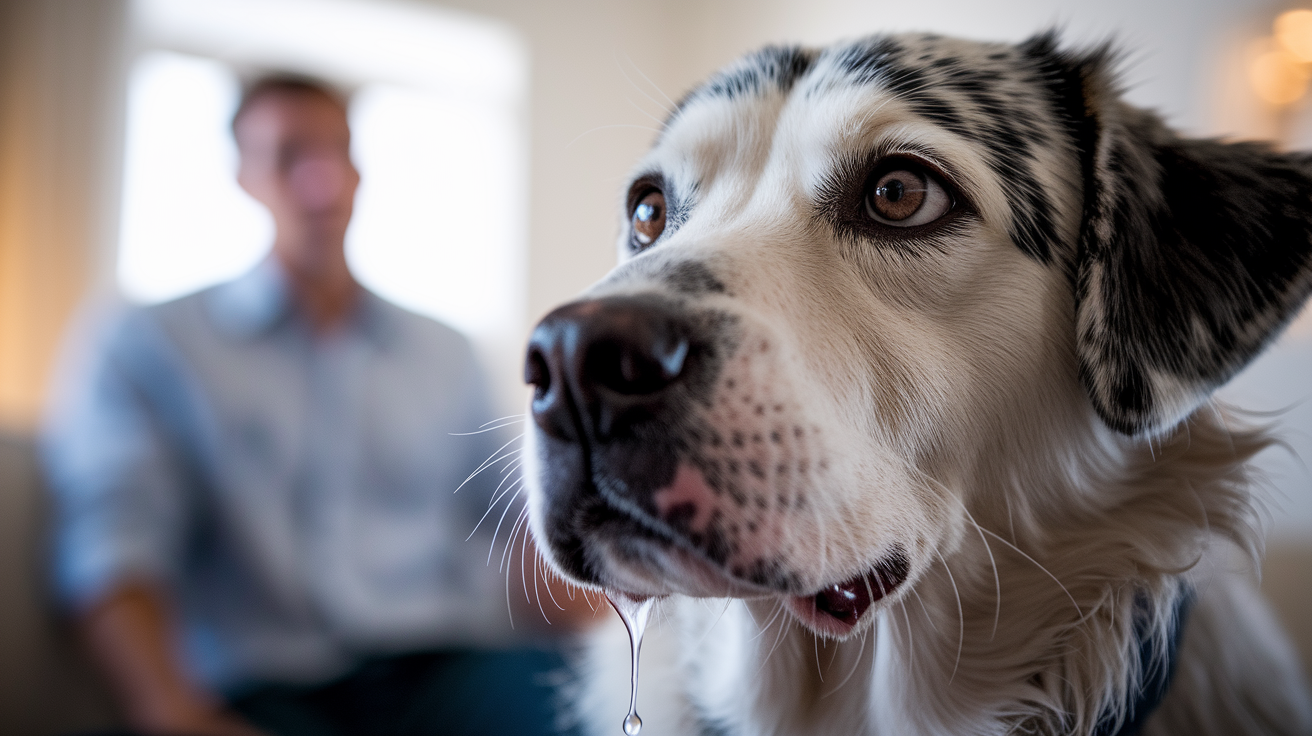
Normal drooling shows up as small, occasional clear saliva when your dog’s excited, hungry, or moving around. Breeds like Saint Bernards, Bloodhounds, and Newfoundlands just drool more. That’s their baseline. But sudden heavy pooling, continuous wet trails, or a shift from dry mouth to saturated fur? That’s abnormal hypersalivation, and it needs immediate attention.
Urgent causes include toxin ingestion, heat stroke, gastric dilatation volvulus (GDV, or bloat), oral trauma, and infected teeth. Speed matters. GDV can progress to cardiovascular collapse within hours. Toxins cause rapid neurologic or multi organ damage. Airway obstructions become life threatening fast. Early recognition and prompt veterinary care often determine the outcome.
If your dog suddenly starts drooling heavily, pause. Check for other signs. Look at behavior, breathing, mouth, and overall stability. Match what you see against the emergency red flags below. When in doubt, err on the side of caution and contact your veterinarian or an emergency clinic immediately.
Emergency red flags requiring immediate veterinary attention:
- Unproductive retching or repeated attempts to vomit (possible GDV)
- Visible blood, pus, or thick discolored saliva
- Difficulty breathing, wheezing, gasping, or choking sounds
- Sudden collapse, severe weakness, or shock like signs
- Facial swelling, hives, or rapid onset of swelling around the muzzle
- Neurologic signs such as seizures, severe wobbliness, or disorientation
- Known or suspected toxin exposure (chocolate, xylitol, antifreeze, toxic plants, household chemicals)
- Continuous pawing at the mouth, head shaking, or visible distress trying to open or close the jaw
Major Causes of Sudden Excessive Drooling

Causes of sudden hypersalivation vary widely. Saliva production responds to pain, nausea, toxins, heat, and mechanical obstruction. Understanding the most common triggers helps you recognize patterns and act quickly.
Oral and Dental Problems
Foreign objects lodged in the mouth or throat cause immediate discomfort and trigger heavy drooling. Think sticks, bone fragments, fish hooks, or fabric. Your dog may paw at their face, shake their head, refuse food, or hold their mouth partly open. Severe dental disease produces foul smelling breath, blood tinged saliva, and visible swelling along the gum line or jaw. Abscessed teeth with exposed pulp or advanced periodontal infection fall into this category.
Oral tumors or masses can appear suddenly or grow quietly until they ulcerate and bleed. Chemical or thermal burns from chewing electrical cords, licking caustic household cleaners, or ingesting hot liquids damage the oral mucosa and trigger pain driven drooling. Puppies between 4 and 7 months go through a major teething phase. Increased saliva flow, mild gum tenderness, and chewing behavior are normal and self limiting. But watch for secondary infections or broken baby teeth causing persistent drooling beyond typical teething windows.
Toxin Exposure
Common household toxins include chocolate (theobromine toxicity), xylitol (found in sugar free gum, peanut butter, and baked goods), antifreeze (ethylene glycol), pesticides, rodenticides, human medications such as NSAIDs or antidepressants, and toxic plants like sago palms and certain lilies. Early signs of poisoning often begin with excessive drooling, foam at the mouth, vomiting, lethargy, muscle tremors, or wobbliness. Neurologic deterioration, seizures, and organ failure can follow rapidly.
Prompt action is critical. If you suspect toxin ingestion, remove your dog from the source, save packaging or plant samples, and contact your emergency veterinarian or the Pet Poison Helpline at 855-764-7661 immediately. Do not induce vomiting unless explicitly instructed by a veterinarian or poison control expert. Some substances cause more harm coming back up.
Heat Stroke and Overheating
Heat stroke occurs when your dog’s core temperature rises beyond their ability to cool down through panting and heat dissipation. Excessive drooling accompanies rapid, labored panting, bright red or pale gums, extreme fatigue, vomiting, diarrhea, and collapse. Brachycephalic breeds like Pugs, Bulldogs, and Boxers face higher risk due to compromised airway anatomy and reduced cooling efficiency.
Common scenarios? Being left in a parked car, exercising during peak heat without shade or water, or prolonged exposure to hot pavement. Heat stroke can trigger multi organ failure, including kidney damage, liver dysfunction, and disseminated intravascular coagulation (DIC, a life threatening clotting disorder). Cooling measures and emergency veterinary stabilization are urgent.
GI Emergencies and Bloat (GDV)
Gastric dilatation volvulus (GDV or bloat) is a surgical emergency. The stomach fills with gas and twists on itself, cutting off blood flow. Classic signs include sudden onset of unproductive retching (attempts to vomit with nothing coming up), excessive drooling, a visibly distended or “brick hard” abdomen, restlessness, pacing, and rapid deterioration into shock. Torsion can occur without obvious abdominal expansion in some cases, so don’t rely solely on visible bloating.
Gastrointestinal obstructions from swallowed toys, clothing, bones, or corn cobs produce drooling due to nausea, abdominal pain, and vomiting. Esophagitis, gastric ulcers, inflammatory bowel disease, and hepatic encephalopathy (neurologic signs from liver dysfunction) also trigger nausea related hypersalivation. Kidney disease and other metabolic illnesses can contribute to drooling when toxins accumulate in the bloodstream.
Systemic and Other Medical Conditions
Motion sickness during car rides causes nausea and transient drooling that typically resolves once travel stops. Anxiety or acute stress from thunderstorms, fireworks, or veterinary visits can also increase salivation temporarily. Facial nerve paralysis impairs the dog’s ability to control facial muscles, leading to drooling on one side of the face. This requires veterinary assessment to rule out underlying neurologic disease. Sinus infections, nasal foreign bodies, and upper respiratory infections occasionally present with increased drooling alongside nasal discharge and sneezing.
Hallmark signs by cause category:
- Oral problems: pawing at mouth, head shaking, foul breath, blood in saliva, reluctance to eat
- Toxin exposure: sudden onset after access to chemicals or toxic foods, neurologic signs, vomiting, foam at mouth
- Heat stroke: rapid panting, bright red gums, collapse, recent heat exposure
- GDV/bloat: unproductive retching, distended abdomen, sudden distress, rapid decline
- GI obstruction: repeated vomiting, abdominal pain, drooling with nausea
- Systemic illness: lethargy, poor appetite, jaundice (yellow gums or skin), abnormal behavior
When Sudden Dog Drooling Is a True Emergency
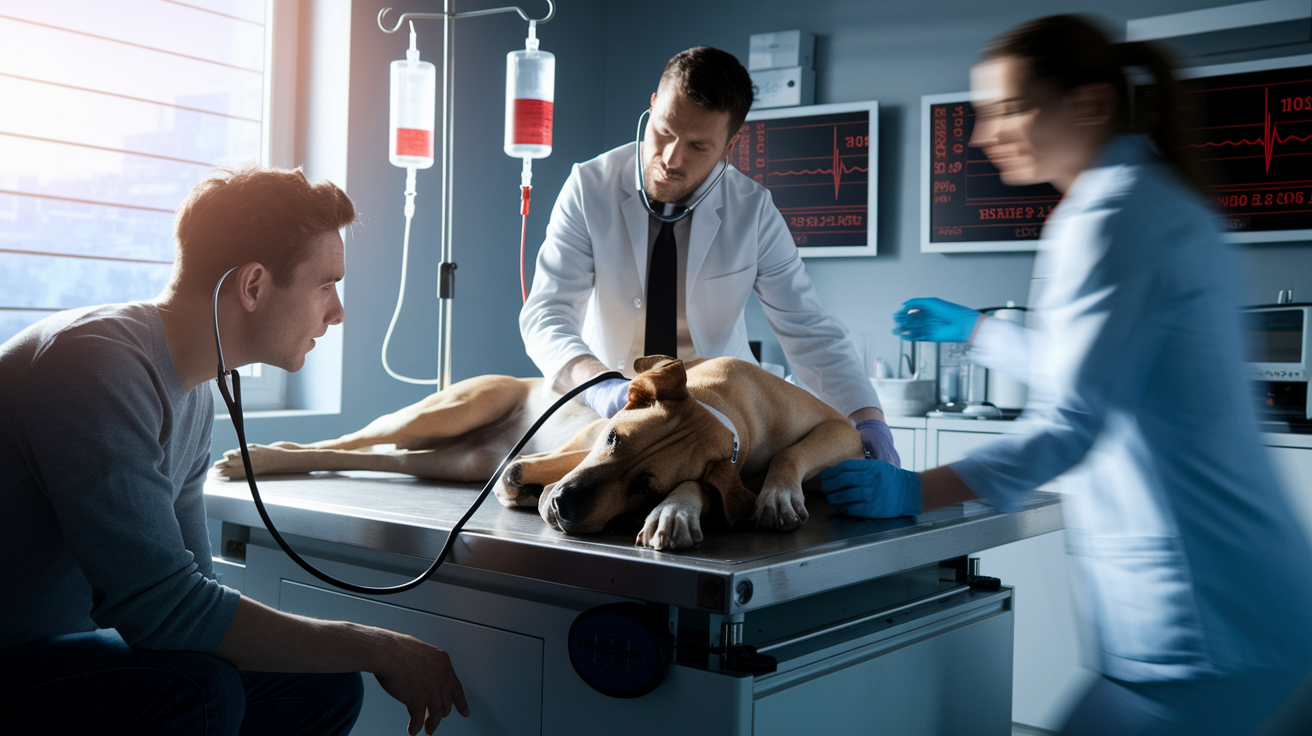
Treat sudden, heavy drooling as potentially life threatening when it appears alongside collapse, severe pain, respiratory distress, or neurologic signs. Blood, pus, or thick discolored saliva indicate infection, trauma, or tumor bleeding and require same day veterinary evaluation. Facial swelling or hives suggest anaphylaxis, a rapid allergic reaction that can close the airway.
If drooling began after suspected toxin ingestion, known heat exposure, or swallowing non food items, consider this an emergency and transport your dog to a veterinary clinic immediately. Persistent drooling for more than a few hours without a clear benign trigger, or repeated episodes over days, also warrants urgent assessment to rule out progressive disease.
“Go now” emergency cues:
- Blood, pus, or thick yellow green saliva continuously present
- Collapse, severe weakness, or inability to stand
- Difficulty breathing, wheezing, gasping, or choking sounds
- Seizures, severe wobbliness, or loss of coordination
- Known ingestion of toxic substance (call Pet Poison Helpline 855-764-7661 en route)
- Abdominal distension with unproductive retching (possible GDV)
- Facial or throat swelling with drooling (possible anaphylaxis)
- Continuous severe pain, distress, or aggression when mouth is touched
Immediate First Aid Steps for Sudden Excessive Drooling

First aid actions depend on the suspected cause. If you’re unsure, prioritize keeping your dog calm, preventing further harm, and arranging immediate veterinary transport. Don’t administer medications, induce vomiting, or probe blindly into the mouth without professional guidance.
For heat stroke, move your dog to a shaded or air conditioned area immediately. Offer small sips of cool water but don’t force them to drink or allow gulping, which can cause vomiting. Apply cool (not ice cold) damp towels to the groin, armpits, and paw pads to lower core temperature gradually. Monitor breathing and gum color. Transport to an emergency vet as you cool. Don’t delay transport to achieve full cooling at home.
If you suspect toxin ingestion, remove access to the substance, secure packaging or plant samples, and call your veterinarian or the Pet Poison Helpline at 855-764-7661 right away. Don’t induce vomiting unless instructed. Some toxins cause additional injury to the esophagus or airway when regurgitated. Follow professional guidance for next steps.
For a visible foreign object in the mouth, attempt removal only if you can see it clearly and grasp it safely without pushing it deeper. Use a flashlight and tweezers if needed. If the object is lodged in the throat or you can’t remove it easily, don’t probe further. Secure your dog to prevent panic and go directly to an emergency clinic. Airway obstruction can worsen quickly.
First aid actions by scenario:
- Heat stroke: move to cool area, offer small sips of water, apply cool damp towels to groin and paw pads, transport to vet immediately.
- Suspected toxin ingestion: remove access, save packaging, call emergency vet or Pet Poison Helpline (855-764-7661), don’t induce vomiting unless instructed.
- Choking or foreign object: remove only if clearly visible and safe to grasp, otherwise go to emergency vet without delay.
- Suspected GDV/bloat: don’t attempt home treatment, transport to emergency clinic immediately.
- Oral bleeding or trauma: apply gentle pressure with a clean cloth to control bleeding, keep dog calm, transport for emergency care.
- Seizures: keep dog safe from injury, time the seizure, don’t put hands in mouth, seek emergency care if seizure lasts more than 2 to 3 minutes or if multiple seizures occur.
How Veterinarians Diagnose Sudden Drooling in Dogs
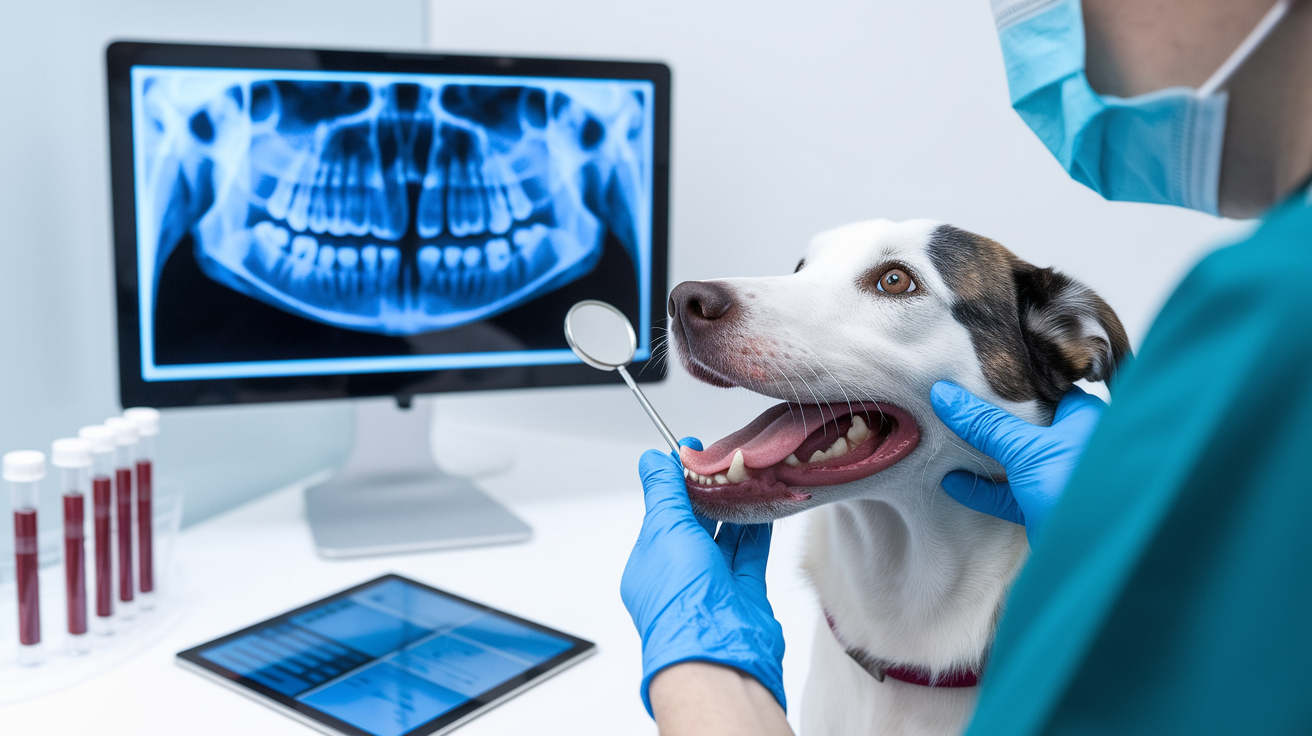
Your veterinarian will begin with a focused history. When did drooling start? What was your dog doing beforehand? Any known exposures? Accompanying signs like vomiting or behavior changes? A thorough physical exam follows, including oral inspection (often under sedation if the dog is painful or uncooperative), palpation of the abdomen, and assessment of hydration, mucous membrane color, heart rate, and respiratory effort.
Diagnostic tests vary by suspected cause. Dental radiographs (x-rays) reveal tooth root abscesses, fractures, or bone lesions. Abdominal imaging, including x-rays and ultrasound, identifies foreign bodies, GDV, organ enlargement, or masses. Bloodwork and urinalysis evaluate liver and kidney function, electrolyte balance, and infection markers. Toxin screens or specific antidote protocols guide treatment when poisoning is suspected.
In cases of oral masses or chronic drooling, your vet may perform a biopsy or fine needle aspirate to determine whether the lesion is benign, inflammatory, or malignant. Saliva culture or cytology can identify bacterial or fungal infections. Advanced imaging such as CT or MRI may be recommended for neurologic signs or complex oral maxillofacial trauma.
| Diagnostic Test | What It Detects | When It’s Used |
|---|---|---|
| Oral exam and dental x-rays | Tooth root abscesses, fractures, periodontal disease, oral masses | When drooling is accompanied by foul breath, pawing at mouth, or visible oral abnormalities |
| Abdominal x-rays and ultrasound | GDV, foreign bodies, organ enlargement, tumors, obstructions | When drooling appears with vomiting, abdominal distension, or signs of GI distress |
| Blood tests and urinalysis | Liver/kidney function, electrolytes, infection markers, metabolic disease | When systemic illness, toxin exposure, or metabolic causes are suspected |
| Toxin screens and antidote protocols | Specific toxins such as xylitol, ethylene glycol, or heavy metals | When there is known or suspected ingestion of toxic substances |
Recovery Timelines and Prognosis After Sudden Drooling Episodes
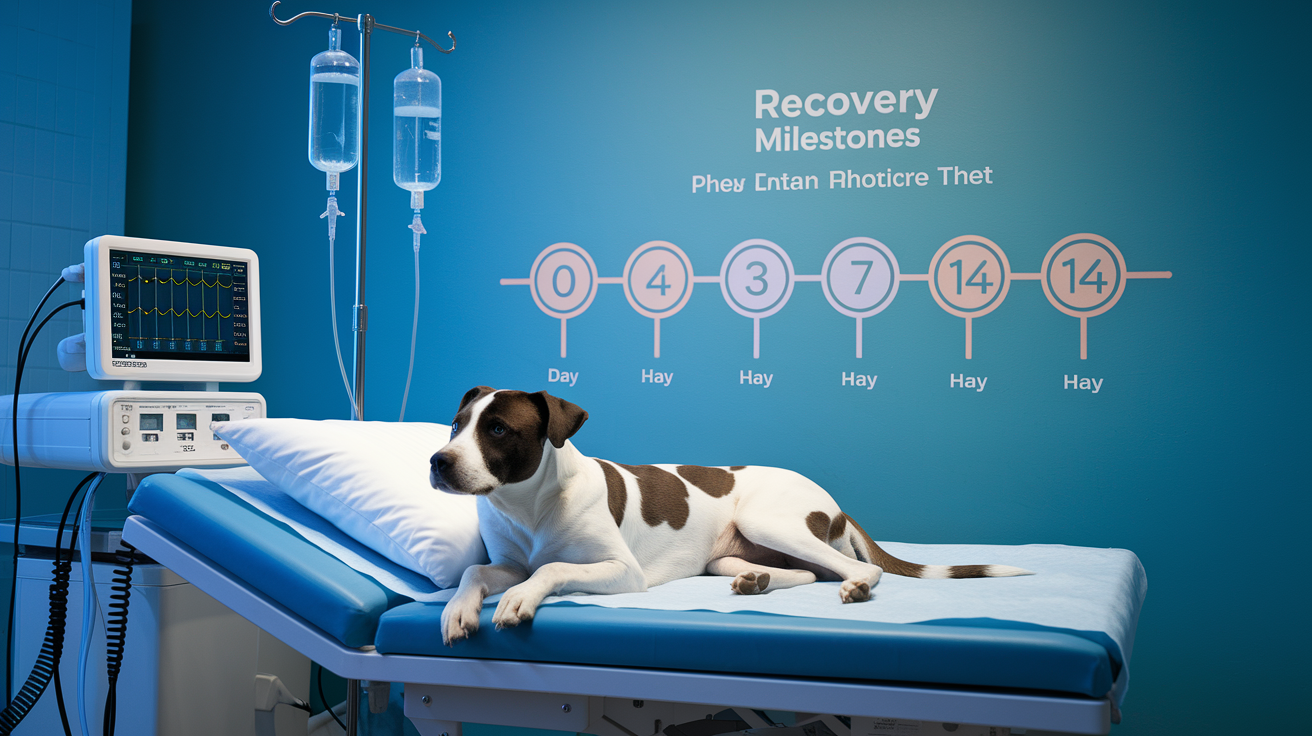
Recovery timelines depend on the underlying cause and how quickly treatment begins. Dogs treated for toxin ingestion within the first few hours often stabilize within 24 to 48 hours if no organ damage has occurred. Supportive care with IV fluids, anti nausea medications, and specific antidotes speeds recovery. Severe poisoning with liver or kidney injury may require days to weeks of hospitalization and long term monitoring.
Oral surgery for foreign body removal, tooth extraction, or abscess drainage typically requires 7 to 14 days of healing. Your dog may need pain medication, soft food, and restricted chewing during recovery. Oral tumors require surgery, and prognosis varies by tumor type, malignancy, and completeness of excision. GDV cases that undergo successful emergency surgery face a multi day hospital stay with careful monitoring for post surgical complications like arrhythmias, infection, and gastric motility issues.
Heat stroke recovery depends on the severity of organ damage. Mild cases may improve within hours with cooling and fluids. Severe cases with kidney injury, liver dysfunction, or DIC require intensive care and carry guarded prognoses.
Recovery timeframes by cause:
- Toxin ingestion: stabilization within hours to days if treated early, longer recovery if organ damage occurred.
- Oral surgery (foreign body, tooth extraction): healing over 7 to 14 days with pain management and soft diet.
- GDV/bloat: emergency surgery followed by 3 to 7 days of hospitalization and careful monitoring for complications.
Preventing Future Episodes of Sudden Excessive Drooling
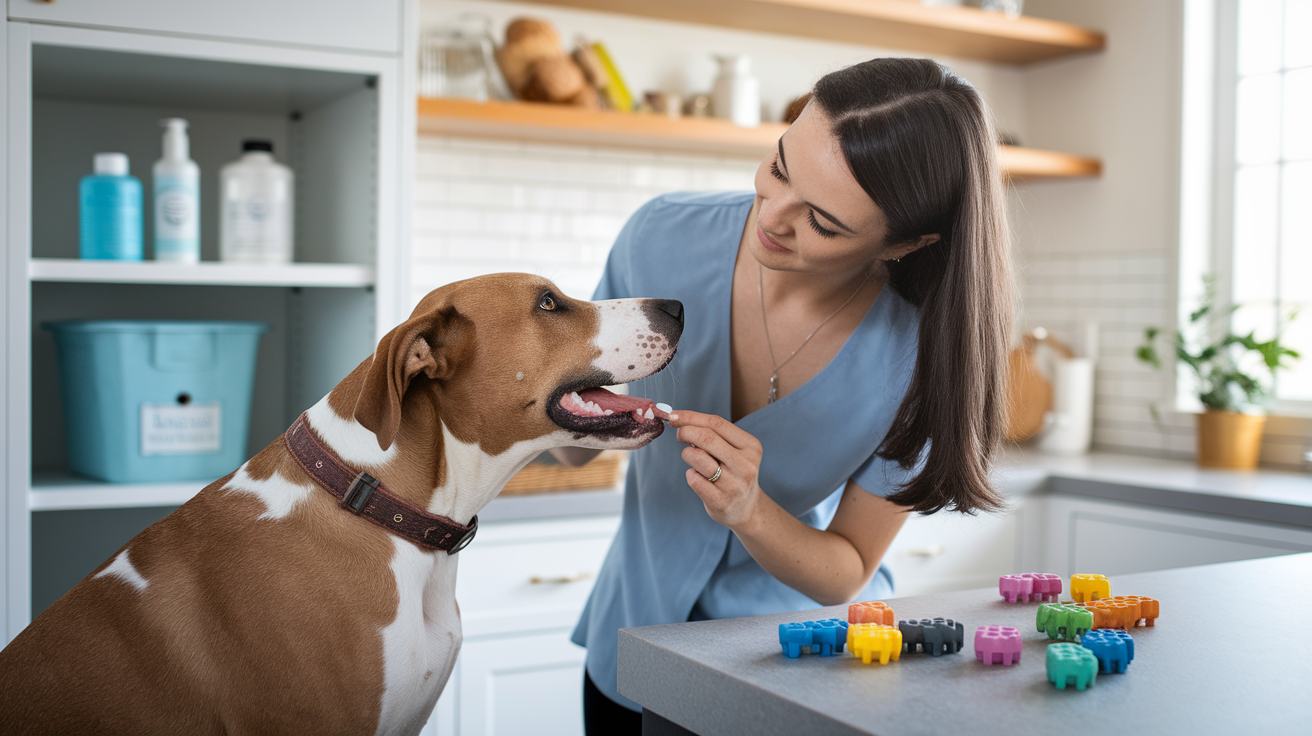
Prevention starts with regular veterinary dental care. Annual exams and professional cleanings as recommended. Daily tooth brushing with vet approved toothpaste and dental chews help reduce tartar buildup, gum disease, and infection risk. Inspect your dog’s mouth weekly for redness, swelling, broken teeth, or foul odor.
Supervise chewing and remove damaged toys, sticks, or objects small enough to lodge in the throat. Provide size appropriate, durable chew toys designed for your dog’s chewing strength. Store household toxins, including cleaning products, antifreeze, medications, and toxic plants, in secure cabinets out of reach. Learn which human foods are dangerous (chocolate, xylitol, grapes, onions, garlic) and keep them away from your dog at all times.
Monitor heat exposure closely, especially for brachycephalic breeds and during summer months. Avoid exercise during peak heat, provide constant access to shade and fresh water, and never leave your dog in a parked car. Address motion sickness before travel by acclimating your dog to short car rides, using vet recommended anti nausea strategies, and keeping the vehicle well ventilated. Reduce environmental stressors with calming spaces, anxiety wraps, or veterinary approved supplements when needed.
Prevention steps:
- Schedule annual dental exams and professional cleanings. Brush your dog’s teeth daily with vet approved products.
- Supervise chewing, inspect toys regularly, and remove damaged items that could break apart or lodge in the mouth.
- Store all toxins securely, including cleaning products, antifreeze, medications, and toxic plants.
- Avoid heat exposure, provide shade and water, and never leave your dog in a parked car.
- Use size appropriate, durable chew toys and discard any that show signs of wear or breakage.
- Acclimate your dog to car rides gradually and use anti nausea strategies if motion sickness is a problem.
- Know your local 24 hour emergency veterinary clinic contact information and the Pet Poison Helpline number (855-764-7661) before an emergency occurs.
Final Words
Your dog is suddenly drooling heavily—first, treat this as a sign to act, not panic.
We covered how to tell normal versus abnormal drool, urgent causes to watch for, quick first-aid steps, what vets check, and simple prevention to lower future risk.
If you’re dealing with dog excessive drooling suddenly, use the quick checks and timeline we gave, watch breathing and gum color, and call your vet for any red flags. With calm steps and timely care, most dogs recover well.
FAQ
Q: When should I worry about my dog drooling excessively?
A: You should worry about your dog drooling excessively when saliva is continuous or bloody, they’re pawing at the mouth, having unproductive retching, trouble breathing, collapse, seizures, or suspected toxin exposure—seek vet care now.
Q: Why did my dog start drooling out of nowhere?
A: Your dog may start drooling out of nowhere because of oral problems (foreign object, dental infection, burns), toxin ingestion, nausea, heat stroke, bloat, motion sickness, or puppy teething—watch closely and call your vet if sudden or severe.