

What if you didn’t need pricey treatments to make allergy season more bearable at home?
You can’t erase every microscopic particle, but you can lower the amount that keeps you and your dog itchy and tired.
This guide lays out simple, practical steps—wipe paws after walks, groom and bathe on a routine, run a true HEPA purifier, and create a dog‑free bedroom—that cut dander, saliva proteins, and pollen in your living space.
Many owners notice relief within three to seven days of a steady routine.
Practical At‑Home Strategies to Reduce Dog Allergy Exposure
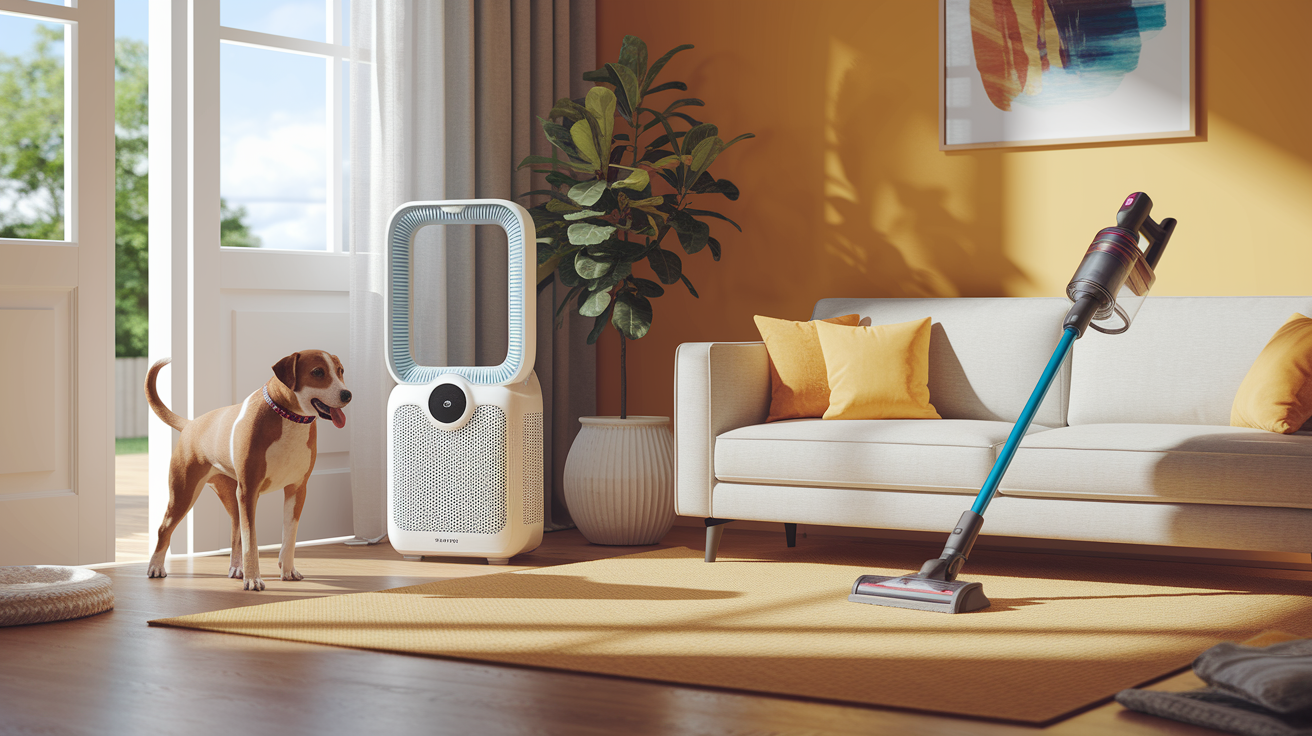
Dog allergens come from three places: dander (those tiny skin flakes), saliva proteins that dry on fur and go airborne, and urine. Every time your dog shakes or scratches, microscopic particles lift into the air and land on floors, furniture, bedding, clothes. Outdoor walks bring another layer. Pollen, mold spores, dust stick to fur and paws, then come inside with your dog.
Cutting down allergen buildup lowers symptom severity. When you reduce the volume of dander and saliva proteins floating around your living space, your immune system runs into fewer triggers. Reactions ease. It’s not about eliminating every particle, that’s impossible. It’s about keeping levels low enough that your body doesn’t stay in constant irritation mode.
Most people notice a shift within three to seven days of consistent home management. You’re not waiting for a cure. You’re building an environment where your baseline comfort improves week by week. Start with these six actions:
- Wipe your dog’s paws, belly, and legs with a damp cloth or pet wipe after every outdoor trip.
- Vacuum high traffic areas and upholstered furniture at least twice a week using a HEPA vacuum.
- Wash your dog’s bedding in hot water once a week.
- Bathe your dog weekly or every other week with a hypoallergenic or oatmeal shampoo.
- Keep your bedroom door closed or use a baby gate to create a dog free sleep zone.
- Run a true HEPA air purifier in the rooms where you spend the most time, especially your bedroom.
Dog Allergy Symptoms to Track and Monitor at Home

Allergic reactions in dogs show up on the skin, in the ears, around the eyes and paws. You’ll see red, inflamed patches, dry or flaky skin, hot spots where your dog has licked or scratched raw. Frequent ear infections, watery eyes, sneezing, hair loss are common. Many dogs focus on their paws, chewing and licking until the fur is stained brown. Some scoot across the floor or rub their face on furniture.
Tracking severity and frequency helps you adjust your cleaning and grooming routines. If you notice your dog scratching more after a walk through tall grass, outdoor allergens are the trigger. If symptoms flare a few days after switching food, diet may be a factor. Even one flea bite can set off intense itching in a sensitive dog, so year round flea prevention is non negotiable.
Watch for these signs:
- Excessive scratching or licking, especially paws, ears, and belly
- Red, inflamed, or flaky skin
- Frequent ear infections or head shaking
- Watery eyes or sneezing
- Hair loss or hot spots
- Scooting or chewing on paws
Reducing Indoor Allergens With a Consistent Home Cleaning Routine
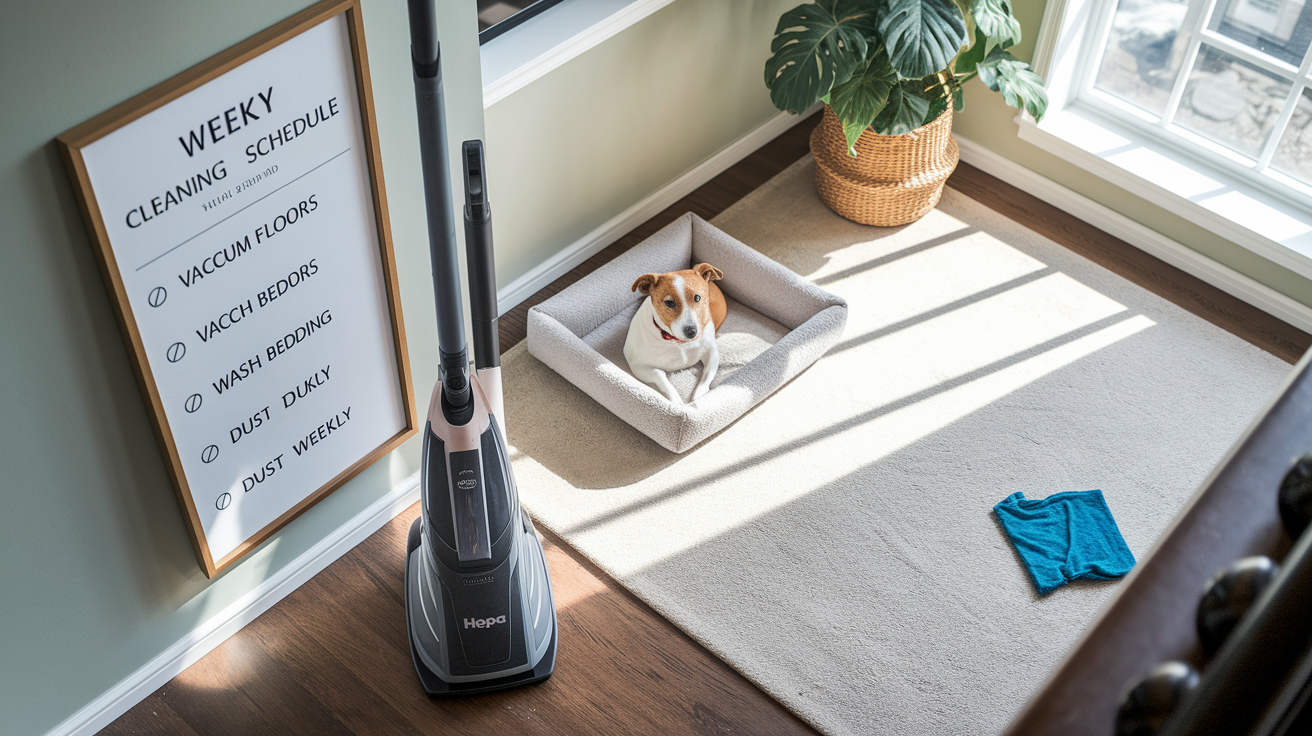
Allergens settle where you and your dog spend time. On floors, upholstery, bedding, any surface that collects dust. Dander is lightweight and clings to fabric, so carpets, curtains, throw pillows, blankets become reservoirs. Every time you sit on the couch or walk across the living room, you stir particles back into the air. Pet bedding and your own sheets accumulate saliva proteins when your dog rubs against them or hops up for a nap.
A predictable cleaning schedule keeps allergen levels from building to the point where symptoms spike. Vacuum high traffic areas and furniture at least weekly with a machine that uses a true HEPA filter and a sealed system. Otherwise, fine particles blow right back out the exhaust. Wash your dog’s bedding in hot water once a week. If your dog sleeps in your bedroom or on your bed, launder your own sheets and pillowcases weekly too. Dusting with a damp or microfiber cloth traps particles instead of pushing them around.
Decluttering helps. Fewer knickknacks, throw pillows, fabric surfaces mean fewer places for dander to hide.
Reducing fabric surfaces and maintaining clear floors makes every cleaning pass more effective. If you can, swap heavy drapes for washable blinds, replace fabric covered furniture with leather or wipeable upholstery, limit rugs to small, machine washable options. Steam cleaning carpets every few months adds another layer of deep allergen removal.
| Cleaning Task | Recommended Frequency | Allergen Target |
|---|---|---|
| Vacuum floors and upholstery with HEPA filter | At least twice a week | Dander, dust mites, pollen carried indoors |
| Wash dog bedding in hot water | Weekly | Saliva proteins, dander, outdoor allergens |
| Launder human bedding (if dog has access) | Weekly | Dander, saliva proteins |
| Damp dust surfaces and wipe down furniture | Weekly | Settled dander, dust mites |
Dog Grooming Habits That Reduce Allergens in Your Home
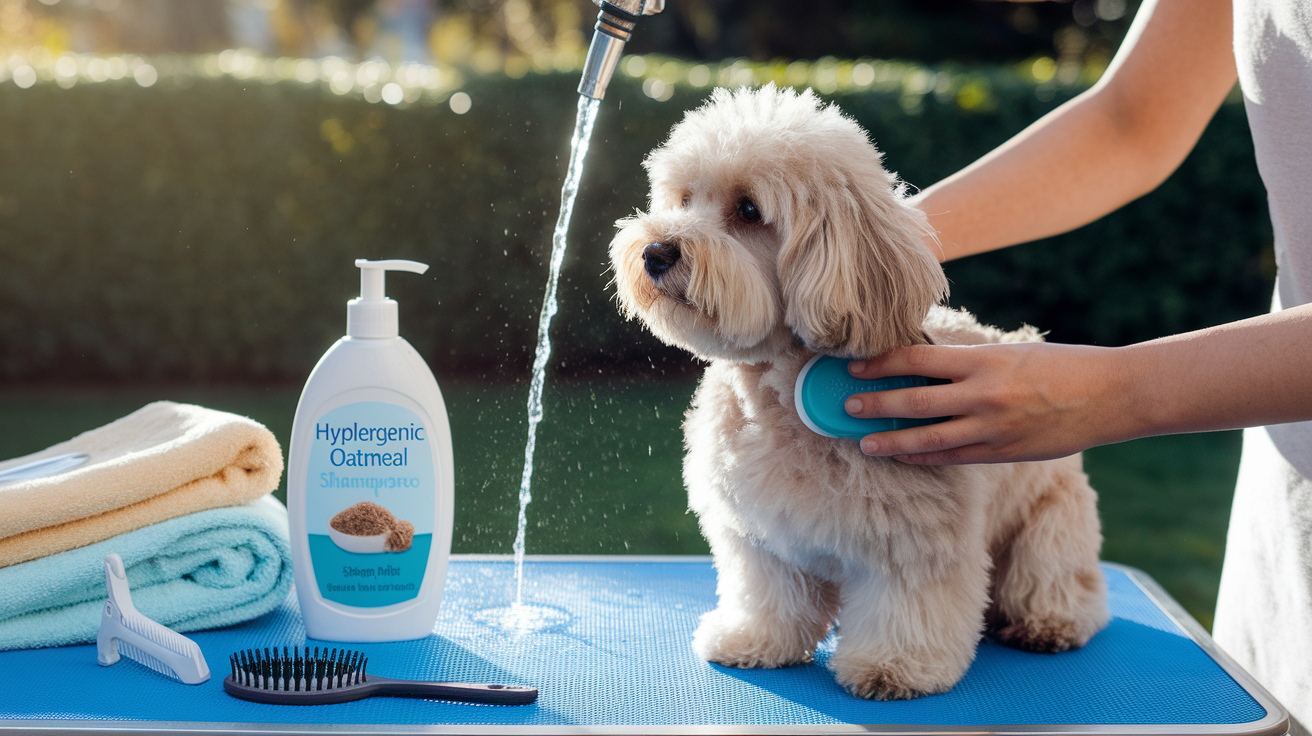
Regular brushing removes loose hair and dander before they scatter across your house. Brush your dog outdoors or in a bathroom or garage where cleanup is easy. Do it at least three to four times a week, daily during heavy shedding seasons. Use a slicker brush or grooming glove designed to trap undercoat and dead skin cells. The more dander you catch in the brush, the less you’ll vacuum off your floors.
Bathing reduces surface allergens and washes away pollen, dust, dried saliva. For most allergic dogs, a bath every seven to fourteen days with a hypoallergenic or oatmeal shampoo keeps skin calm and allergen load low. Use lukewarm water, never hot, and let the shampoo sit on your dog’s coat for several minutes before rinsing thoroughly. Oatmeal soaks are especially soothing. Grind plain, unflavored oatmeal into a fine powder, dissolve it in the bathwater, let your dog soak for ten to fifteen minutes while you gently massage the affected areas.
Over bathing strips natural oils and can worsen dry, itchy skin, so stick to the schedule your veterinarian recommends. For reference, see Best Natural Home Remedies for Itchy Dogs for detailed oatmeal bath and dilution best practices.
Wiping your dog’s paws, belly, and legs after every outdoor walk stops outdoor allergens from spreading indoors. Keep a stack of damp washcloths or pet wipes by the door. Make it part of your routine before your dog steps onto carpet or furniture. Focus on the paw pads, between the toes, the belly, the lower legs. These areas pick up the most pollen and lawn chemicals. Dry thoroughly, especially between the toes, to prevent moisture related skin issues.
Improving Air Quality to Manage Dog Allergies
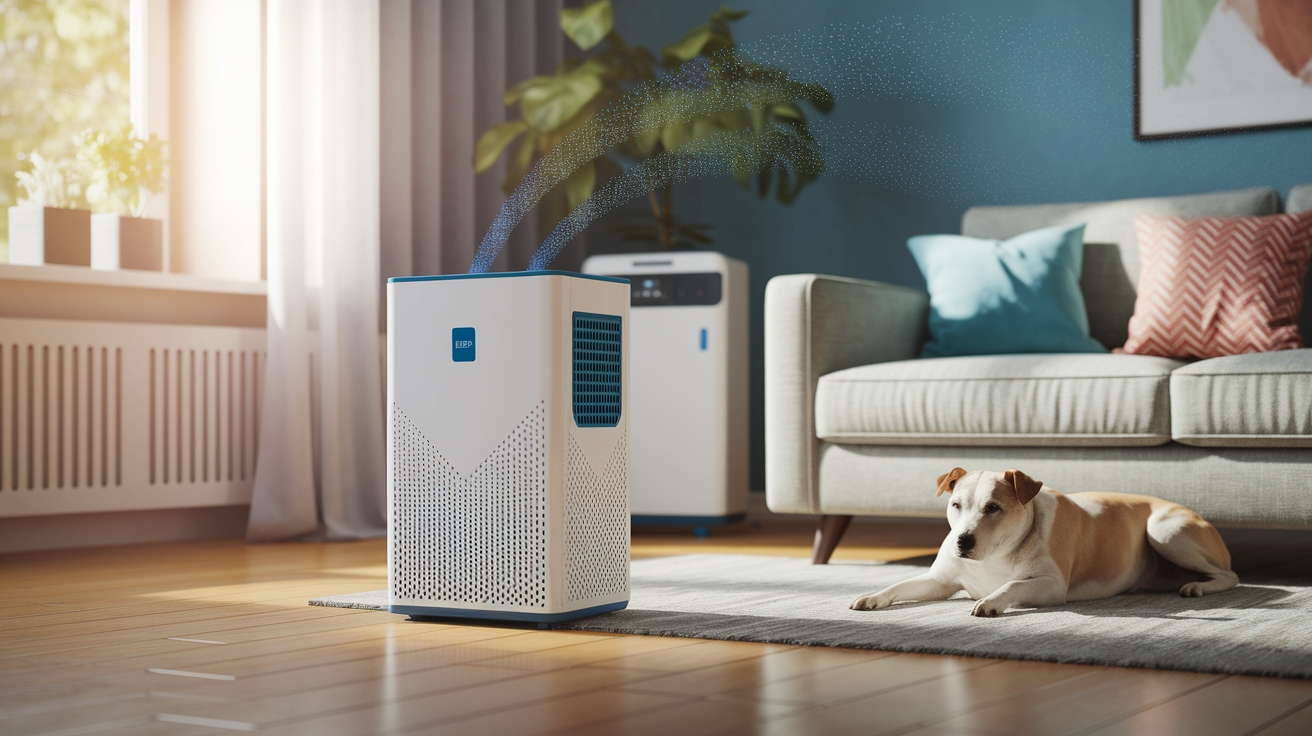
Airborne allergens circulate through your home every time the HVAC system kicks on, a door opens, or your dog shakes. A true HEPA air purifier captures particles as small as 0.3 microns: dander, dust mites, pollen, mold spores. It prevents them from recirculating. Size the purifier to your room’s square footage and run it continuously in your bedroom and any other space where you spend significant time. Place it a few feet away from walls and furniture so air can flow freely through the intake and exhaust.
Vacuum using a machine equipped with a HEPA filter and a sealed system. Standard vacuums pull particles into the bag or canister but blow fine allergens back out through the exhaust. Air quality gets worse for a few hours after cleaning. A true HEPA vacuum traps everything it picks up. If you have forced air heating or cooling, upgrade to a high efficiency furnace filter and change it every sixty to ninety days.
Simple air improvement steps:
- Run exhaust fans in the kitchen and bathroom to vent moisture and prevent mold growth.
- Open windows for cross ventilation when outdoor pollen counts are low (early morning or after rain).
- Use a dehumidifier if indoor humidity stays above fifty percent. Dust mites and mold thrive in damp environments.
- Avoid plug in air fresheners, scented candles, aerosol sprays that add irritants to the air.
Creating Dog Free or Low Allergen Zones in the Home
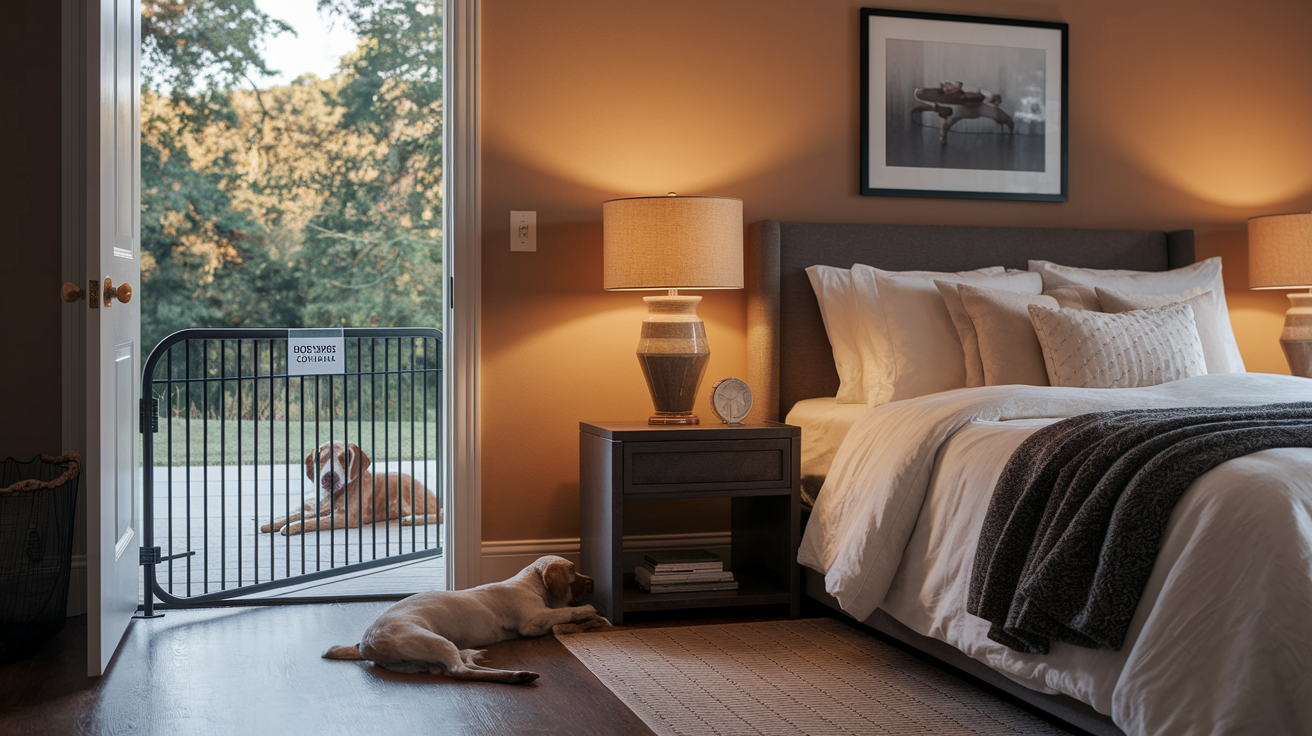
Your bedroom is the single most important space to protect. You spend six to eight hours there every night, breathing in whatever is on your sheets, pillows, carpet. Keeping your dog out of the bedroom and closing the door during the day dramatically reduces nighttime symptoms. If you wake up congested or itchy, allergen exposure during sleep is usually the cause.
Use a baby gate or pet barrier to enforce boundaries if your dog is used to sleeping with you. Wash your bedding weekly in hot water. Consider allergen proof mattress and pillow covers that zip closed and block dander from settling into fabric. If you allow your dog on furniture in common areas, cover couches and chairs with washable throws or blankets that you launder every few days. That way, you’re washing the top layer instead of trying to vacuum dander out of upholstery seams.
Define clear dog free zones: bedroom, home office, or a specific chair. Stick to them consistently so allergen levels in those areas stay low.
Safe At‑Home Remedies That Provide Symptom Relief for Your Dog
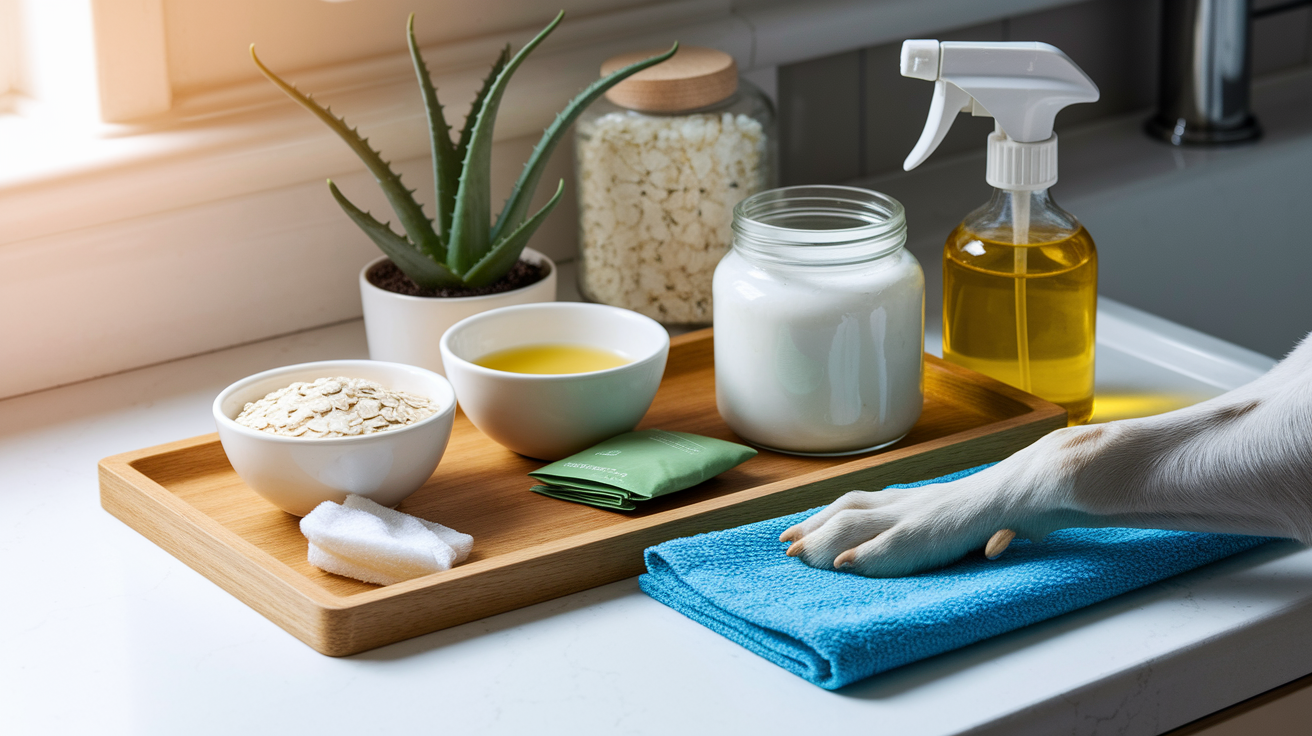
Soothing your dog’s skin reduces scratching, which lowers the amount of dander and saliva proteins released into your home. Natural remedies work best for mild irritation and environmental allergies. Most dogs show improvement within three to seven days of consistent use. Always avoid applying anything to open wounds, bleeding skin, or areas that look infected. Those need veterinary care.
Use only products designed for pets or confirmed safe by your veterinarian. Many essential oils, household lotions, human skincare ingredients are toxic to dogs. If irritation worsens or your dog develops a rash after trying a home remedy, stop immediately and rinse the area with plain water.
Oatmeal Soaks
Grind plain, unflavored oatmeal (not instant or flavored) into a fine powder using a blender or food processor. Dissolve the powder in a tub or sink filled with lukewarm water, never hot, which can worsen inflammation. Let your dog soak for ten to fifteen minutes while you gently massage the oatmeal water into irritated areas. Rinse thoroughly with plain lukewarm water and pat dry with a clean towel. You can also use a pet specific colloidal oatmeal shampoo and let it sit on the coat for several minutes before rinsing.
Apple Cider Vinegar (Diluted)
Mix one part raw, unfiltered apple cider vinegar with one part water in a clean spray bottle. Lightly mist affected areas, avoiding the face, eyes, and any broken or raw skin. ACV helps balance skin pH and can discourage bacterial and yeast overgrowth, but it stings on open wounds. For guidance on safe dilution ratios and application, see Best Natural Home Remedies for Itchy Dogs.
Use of Coconut Oil and Aloe Vera
Apply a thin layer of organic, unrefined coconut oil to dry patches and flaky skin. A little goes a long way. Too much leaves a greasy residue on furniture and floors. You can also add a small amount to your dog’s food to support skin health from the inside, but check with your veterinarian for proper dosing by weight.
For inflamed or sunburned skin, use 100 percent pure aloe vera gel with no added alcohol, fragrance, or colorants. Apply a thin layer and allow it to absorb. Avoid products labeled for human use unless the ingredient list shows only aloe.
Chamomile or Green Tea Soaks
Brew a strong batch of chamomile or green tea, let it cool to room temperature, and pour it into a spray bottle or use it as a rinse after bathing. You can also soak a clean cloth in the cooled tea and apply it as a compress to hot spots or irritated areas for five to ten minutes. Both chamomile and green tea have natural anti inflammatory properties that calm redness and itching.
Omega‑3 Fatty Acid Support
Omega 3 supplements, usually fish oil, strengthen the skin barrier, reduce inflammation, improve coat quality. They work from the inside out, so you won’t see results overnight. Give it four to six weeks of daily supplementation. Dosing varies by your dog’s weight, and too much can cause digestive upset or interfere with blood clotting, so consult your veterinarian before starting. Look for products specifically formulated for dogs, with clear dosing instructions on the label.
Nutrition and Supplements That Support Allergy‑Prone Dogs
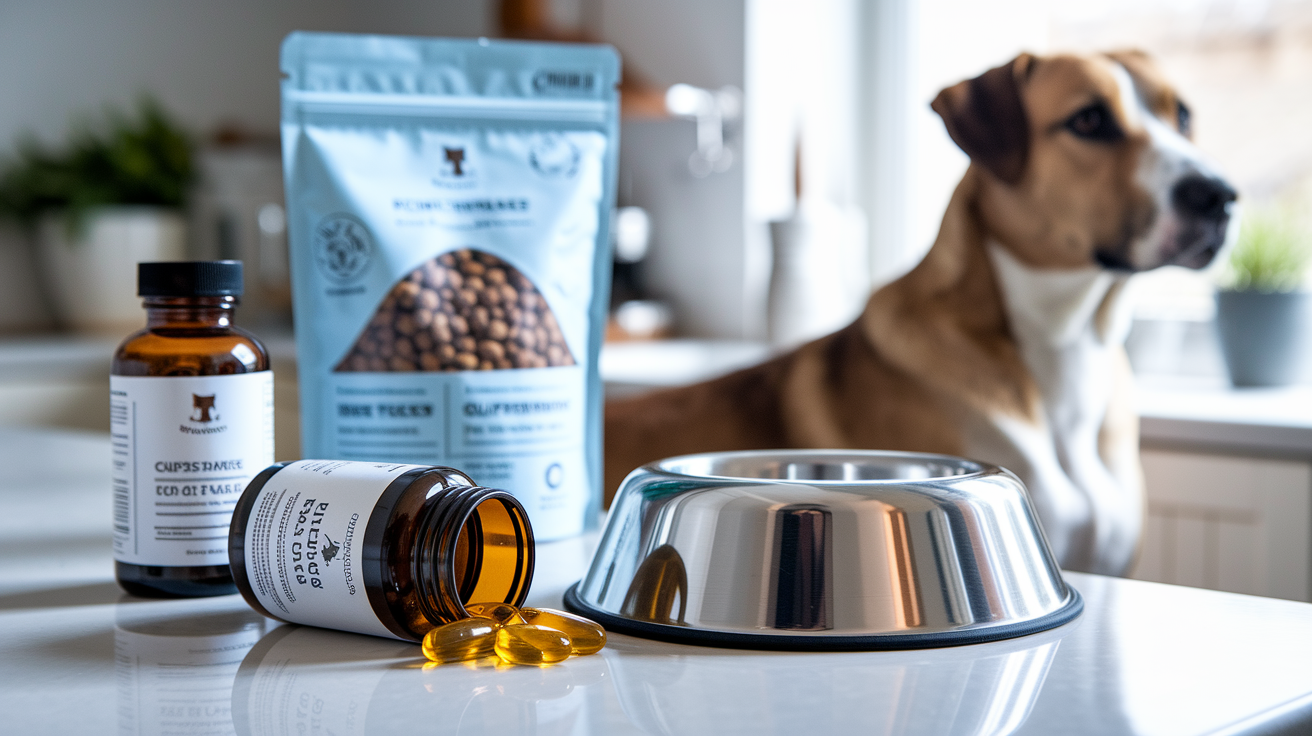
Food sensitivities can trigger or worsen skin allergies. Identifying the culprit often requires a strict elimination diet. Work with your veterinarian to try a limited ingredient diet: one protein source and one carbohydrate source your dog has never eaten before, for eight to twelve weeks. If symptoms improve, you can slowly reintroduce other ingredients one at a time to pinpoint triggers.
Adding omega 3 and omega 6 fatty acids to your dog’s diet reduces inflammation and supports healthy skin and coat. Fish oil is the most common source of omega 3s, while many dog foods already include omega 6s from chicken fat or plant oils. Balance matters. Too much omega 6 without enough omega 3 can promote inflammation, so choose a high quality fish oil supplement and follow veterinary dosing guidance.
Nutritional steps that help manage allergies:
- Switching to a limited ingredient or hypoallergenic prescription diet if food sensitivities are suspected.
- Adding a veterinarian recommended fish oil supplement to provide omega 3 fatty acids.
- Avoiding table scraps, treats with artificial colors or preservatives, and frequent diet changes that can trigger digestive upset.
- Ensuring fresh water is always available to support hydration and skin health.
When Home Allergy Management Isn’t Enough
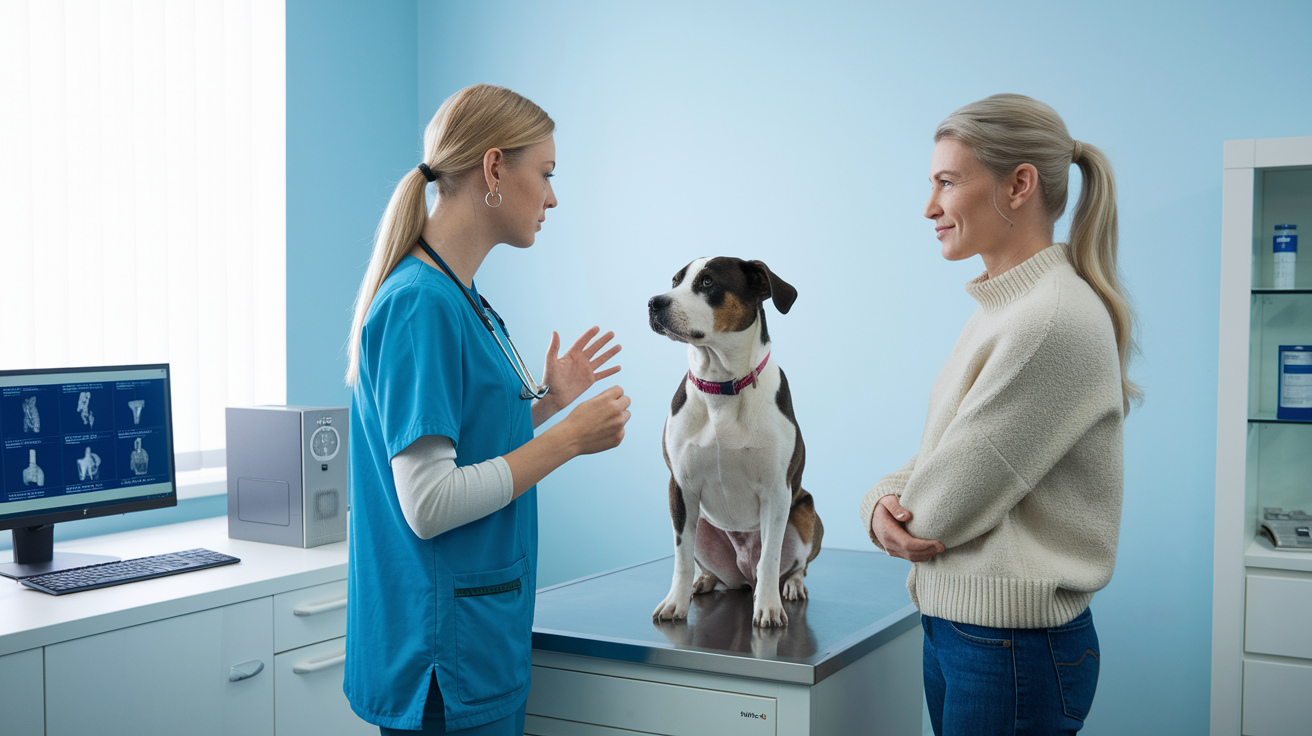
Most dogs improve within three to seven days of consistent at home care. Less scratching, calmer skin, fewer hot spots. If you’re doing everything right and symptoms persist beyond one week, or if they’re getting worse, it’s time to call your veterinarian. Persistent itching, open sores, foul odor suggest a secondary bacterial or yeast infection that won’t resolve without prescription treatment.
Your veterinarian can run allergy tests to identify specific environmental or food triggers, prescribe medicated shampoos or topical treatments, recommend antihistamines or other medications tailored to your dog’s needs. Advanced options include allergy immunotherapy (custom mixed injections or oral drops that gradually desensitize your dog to specific allergens) and monoclonal antibody treatments that block the itch signal at the immune system level. These require professional oversight and often work best when combined with home management. For detailed information on medication options, see Dog Seasonal Allergies Relief.
Never give your dog human allergy medications (antihistamines like Benadryl, Zyrtec, or Claritin) without veterinary approval. Dosing is weight specific, some formulations contain ingredients toxic to dogs, certain medications interact dangerously with other drugs or health conditions.
Contact your veterinarian immediately if you see any of these red flag symptoms:
- Persistent scratching that doesn’t improve after one week of home care
- Open sores, bleeding skin, or oozing hot spots
- Noticeable hair loss or bald patches
- Foul odor from the skin or ears, suggesting infection
- Lethargy, loss of appetite, or other behavioral changes
Final Words
Start by focusing on the basics: reduce allergen buildup with targeted cleaning, regular grooming, and creating dog-free zones.
Track visible symptoms, try safe home remedies, improve air quality, and consider diet or supplements when helpful.
Give these consistent steps 3–7 days to work, watch for red flags, and call the vet if things worsen. These practical steps show how to manage dog allergies at home, and small changes often bring real relief.
FAQ
Q: What can I do to stop being allergic to my dog?
A: The most direct way to stop being allergic to your dog is to reduce exposure and get medical help. Allergy shots (immunotherapy) may help long-term; use HEPA filters, pet-free bedrooms, frequent grooming, and talk to your doctor.
Q: How do I fix my dog’s allergies naturally?
A: You can’t fully fix a dog’s allergies naturally without veterinary input, but you can reduce symptoms with oatmeal soaks, omega-3 supplements, gentle grooming, allergen control at home, and a limited-ingredient diet—check with your vet first.
Q: How to live with dogs if you’re allergic?
A: Living with dogs if you’re allergic means reducing exposure: create a pet-free bedroom, run HEPA filters, bathe and brush the dog often, wash hands, take symptom meds as needed, and discuss immunotherapy with your doctor.
Q: How to get rid of dog allergies in house?
A: Getting rid of dog allergies in the house focuses on removing allergens: vacuum with HEPA, wash dog and human bedding weekly, use HEPA air purifiers, limit dog in bedrooms, groom outdoors, and declutter fabric surfaces.