

Think that scratch or sneeze is no big deal?
Sometimes it’s not, but allergies can also flip from minor to serious in minutes.
Allergic reactions in pets don’t follow one rule.
Some show up instantly after a sting, others creep in from food or pollen.
This guide points out the clear warning signs, what usually shows on skin, stomach, and breathing, and what to do right away.
You’ll get easy steps to watch for, when to try safe home care, and exactly which red flags mean call the vet now.
Identifying the Most Common Pet Allergic Reaction Symptoms
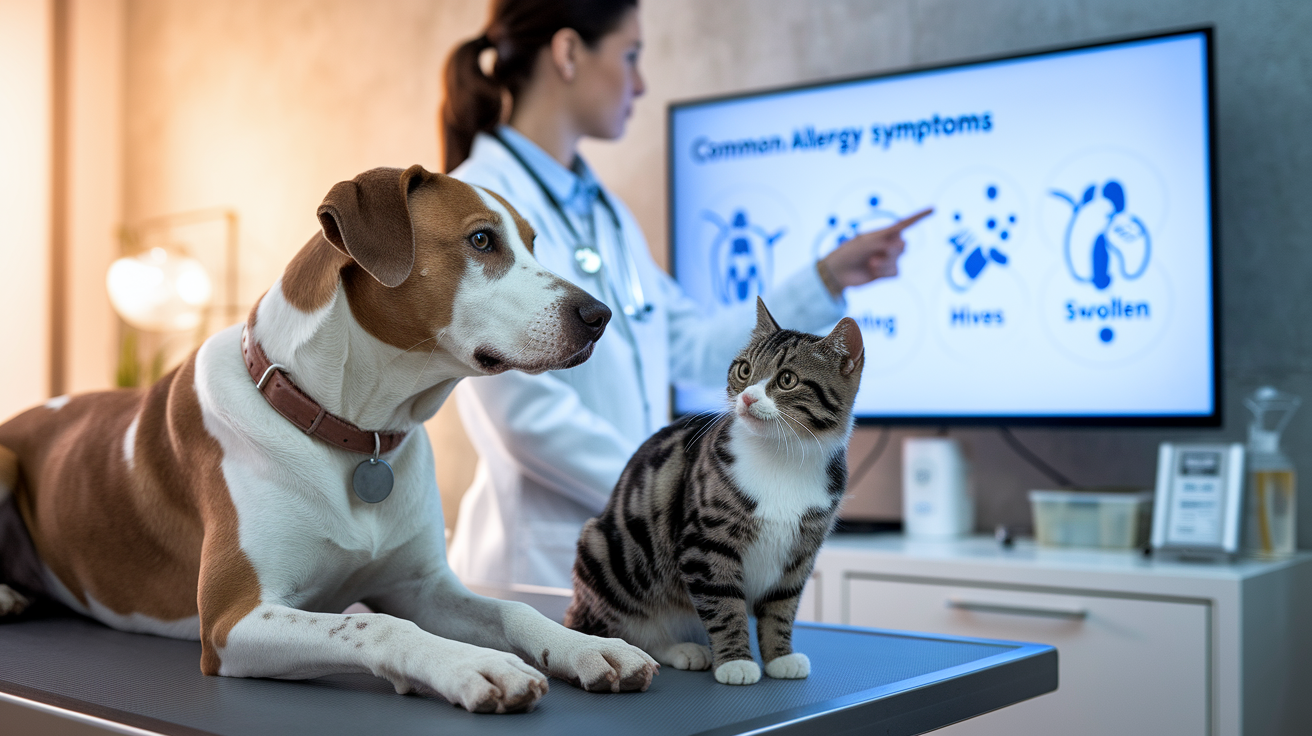
Allergic reactions in pets don’t follow a script. Some show up in minutes. Others take days to fully kick in. Insect stings, medication reactions, vaccine responses? Those tend to appear fast, usually within two hours. Food allergies and environmental stuff like pollen or dust move slower. Sometimes you won’t notice anything for hours or even longer.
That’s why catching things early matters. Your dog might break out in hives halfway through a walk. Your cat starts breathing funny after trying a new treat. You need to know what you’re looking at so you can decide whether to watch and wait or get to the vet now.
Here’s what tends to show up most often:
- Intense scratching or licking, especially paws, ears, belly, face
- Red, inflamed, bumpy skin
- Raised welts or hives that pop up suddenly
- Swelling around the eyes, muzzle, or throat
- Vomiting or diarrhea
- Sneezing, runny nose, watery eyes
- Coughing or wheezing
- Loss of appetite
- Hair loss or bald patches from constant grooming
- Restlessness, panting, trouble standing
Dogs and cats react a little differently. Dogs lick and chew their paws more, develop hot spots (those oozing sore patches), or get obvious facial swelling. Cats groom themselves obsessively, creating patchy hair loss, or they develop tiny crusty bumps on their skin called miliary dermatitis. Cats also show subtle breathing changes. Faster breathing, sitting hunched. Harder to spot but just as serious.
Skin-Focused Pet Allergic Reaction Symptoms Owners Commonly See
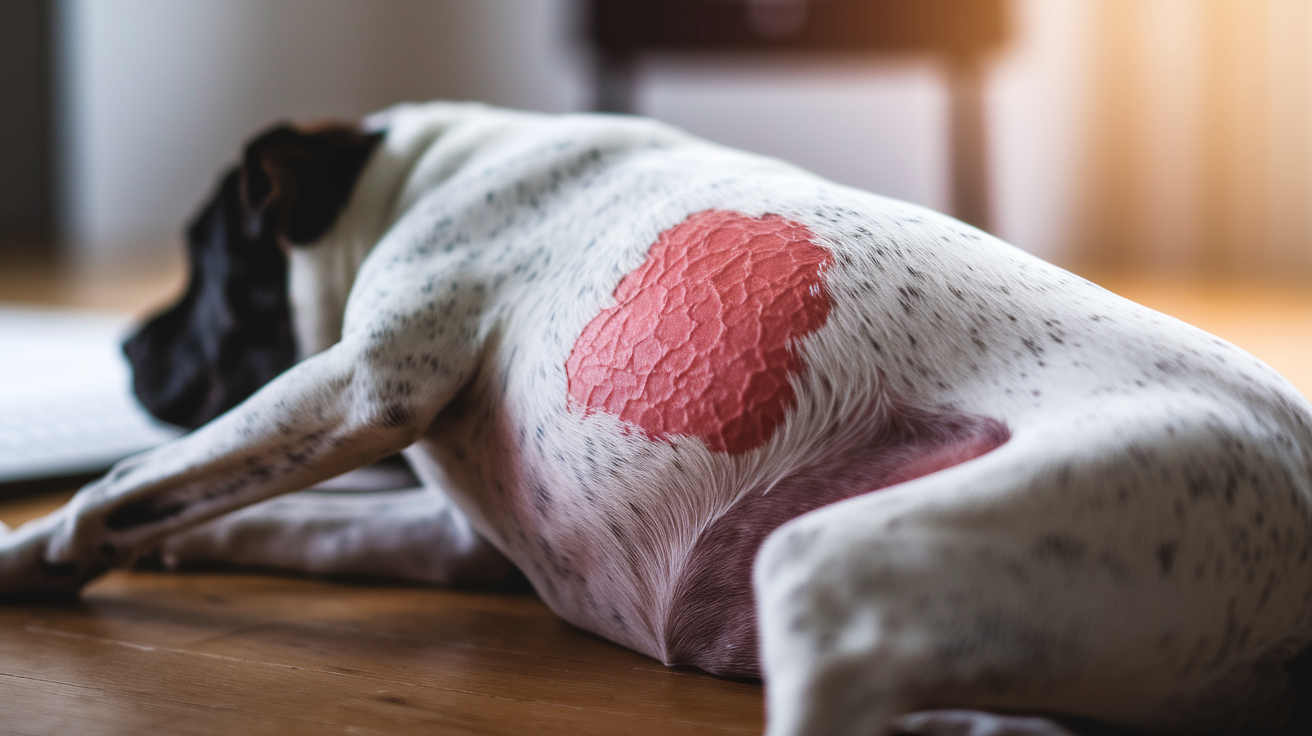
Itchy skin is usually the first thing you’ll notice. And it doesn’t spread evenly. It concentrates in predictable spots: face and head, ears (inside and around the flaps), paws (especially between the toes), belly, skin folds, and the hind end near the base of the tail. Your dog might drag their rear across the carpet. Your cat might groom their belly until it’s nearly bald.
The scratching doesn’t stay mild. It breaks the skin barrier, creating small wounds that bacteria and yeast love. What starts as a red patch can turn into an oozing hot spot within hours. Pets scratch because they’re uncomfortable, then the broken skin gets infected, which makes them even itchier. The cycle continues.
Here’s what allergic skin reactions commonly look like:
- Red, inflamed patches that feel warm to the touch
- Raised bumps or hives (welts) that may come and go within minutes to hours
- Oozing, moist hot spots with matted fur
- Dry, flaky skin with dandruff
- Thickened, dark, or leathery skin from chronic scratching
- Crusty scabs or small papules (tiny raised dots)
Secondary bacterial and yeast infections are extremely common once the skin’s damaged. You might notice a yeasty smell, like stale bread or corn chips, especially around paws and ears. Infected hot spots can ooze yellow or green fluid. If your pet’s skin looks worse after a day or two of scratching, or if the redness spreads, contact your vet. Antibiotics or antifungal medications may be needed to stop the infection before the skin can heal. Flea allergy dermatitis, where even one flea bite triggers intense itching, is one of the most frequent causes of these skin symptoms.
Gastrointestinal and Respiratory Pet Allergic Reaction Symptoms
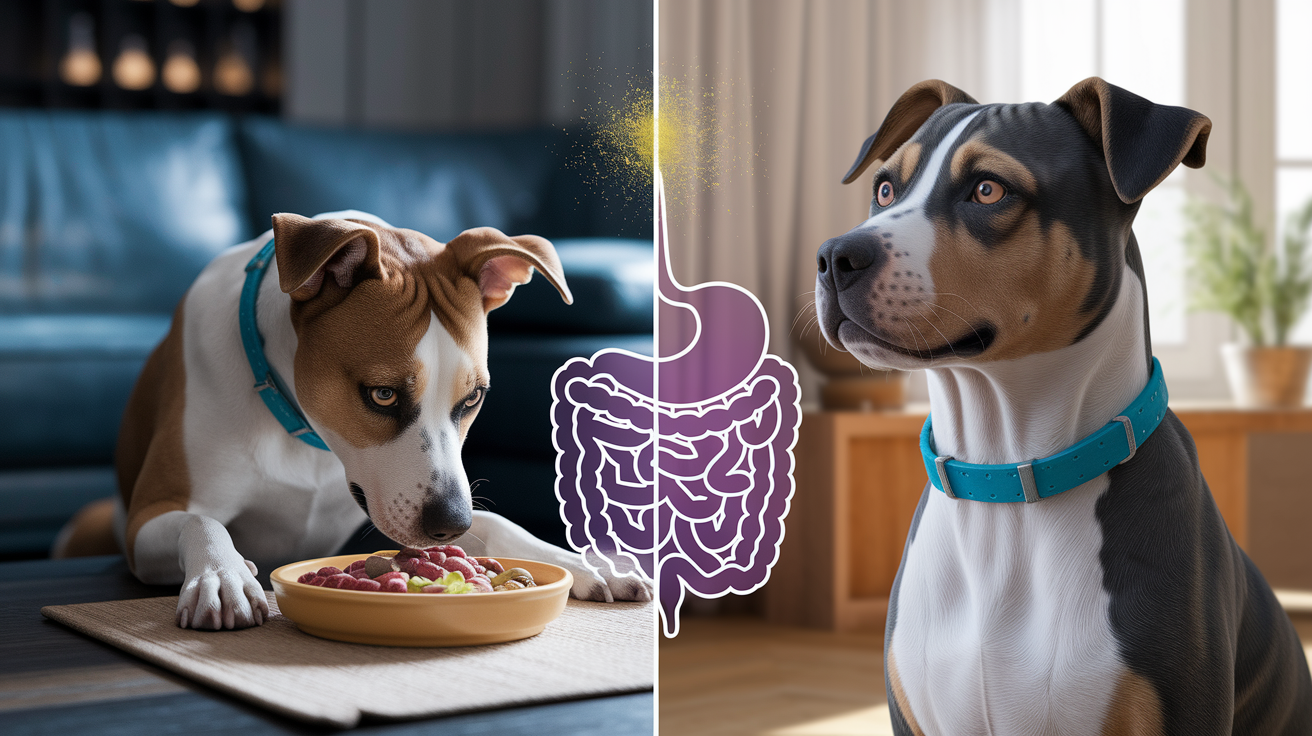
Stomach upset often points to a food allergy, especially when the reactions happen within hours of eating. Vomiting, diarrhea, and a sudden loss of interest in meals are the main signs. Common food proteins like chicken, beef, and dairy are frequent culprits. If your pet vomits once or twice but still acts normal otherwise, you might monitor at home. But if vomiting repeats, diarrhea becomes watery, or your pet seems weak or won’t drink, contact your vet within 24 hours. Dehydration can happen quickly.
Respiratory symptoms usually come from inhaled allergens like pollen, mold, or dust mites. You’ll hear sneezing, see a clear runny nose, or notice coughing and wheezing. In cats, any open-mouth breathing or panting is rare and serious. In dogs, especially flat-faced breeds like Bulldogs or Pugs, noisy or labored breathing can get worse fast because their airways are already narrow.
Watch for these respiratory red flags:
- Noisy, raspy breathing or loud wheezing
- Blue or very pale gums
- Gasping or struggling to take a breath
- Sitting with neck extended and elbows out (a sign of respiratory distress)
- Fainting or collapsing after coughing
If any of these respiratory signs appear, stop monitoring and go to the vet or emergency clinic immediately. Airway swelling or severe inflammation can progress in minutes.
Severe and Life-Threatening Pet Allergic Reaction Symptoms to Watch For
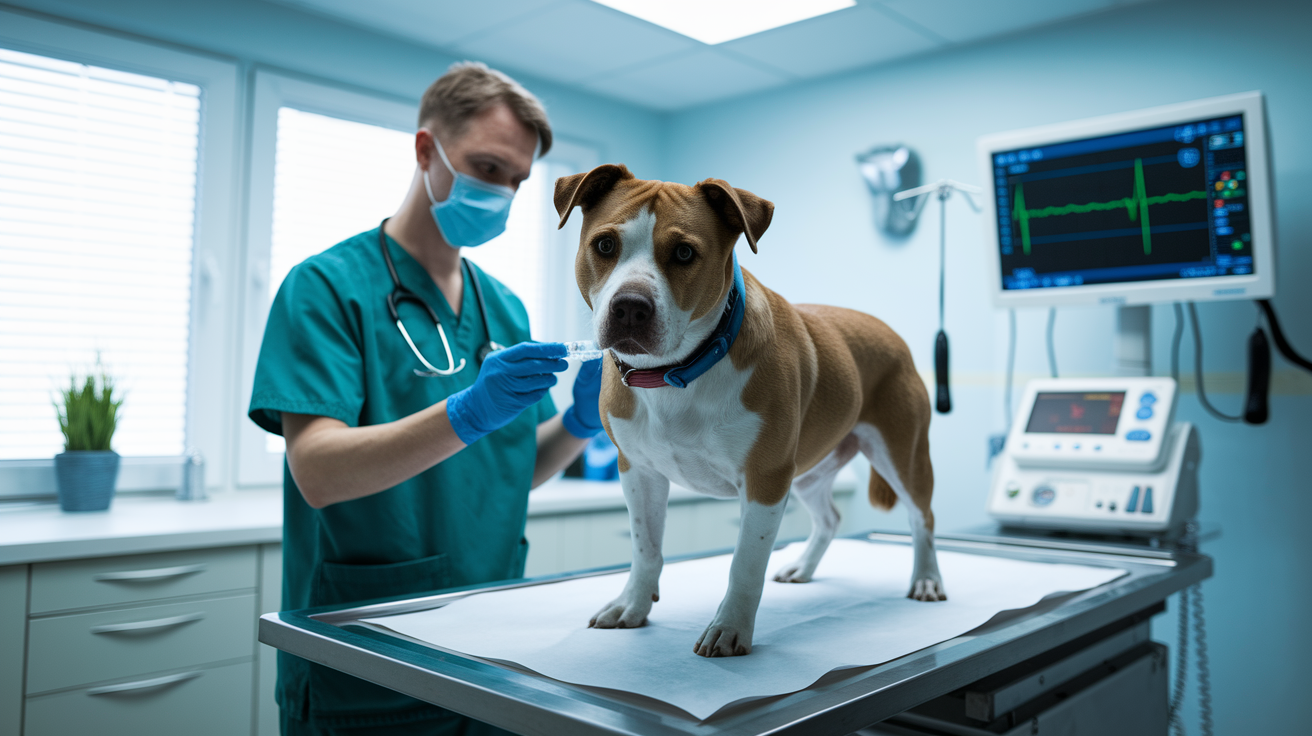
Severe allergic reactions move beyond itching and stomach upset. They become systemic, life-threatening. The most dangerous form is anaphylaxis, a rapid, whole-body response that can start within minutes of exposure to an allergen. Facial swelling around the eyes, muzzle, and throat is often the first visible warning. If that swelling spreads to the airway, your pet can’t breathe properly. Every second counts.
Here are the six emergency red flags that require immediate veterinary care:
- Labored, gasping, or silent breathing with blue or pale gums
- Sudden collapse, weakness, or inability to stand
- Rapid swelling of the face, neck, or throat
- Repeated vomiting combined with profuse diarrhea and extreme lethargy
- Loss of consciousness, disorientation, or seizures
- Signs of shock: very weak pulse, cold limbs, pale mucous membranes, loss of bladder or bowel control
Anaphylaxis can also cause a pet’s heart rate to spike or drop dangerously low, leading to cardiac arrest if untreated.
Emergency veterinary treatment for severe allergic reactions typically includes IV fluids to support blood pressure, injectable epinephrine to reverse the reaction, oxygen therapy if breathing is compromised, and fast-acting injectable steroids like dexamethasone to reduce inflammation. In some cases, a breathing tube may be placed to keep the airway open. These interventions work quickly, often stabilizing a pet within minutes to hours, but full recovery may take days of supportive care. If you see any of these signs, do not wait to see if they improve. Get to a vet immediately.
What Triggers Pet Allergic Reaction Symptoms Most Often
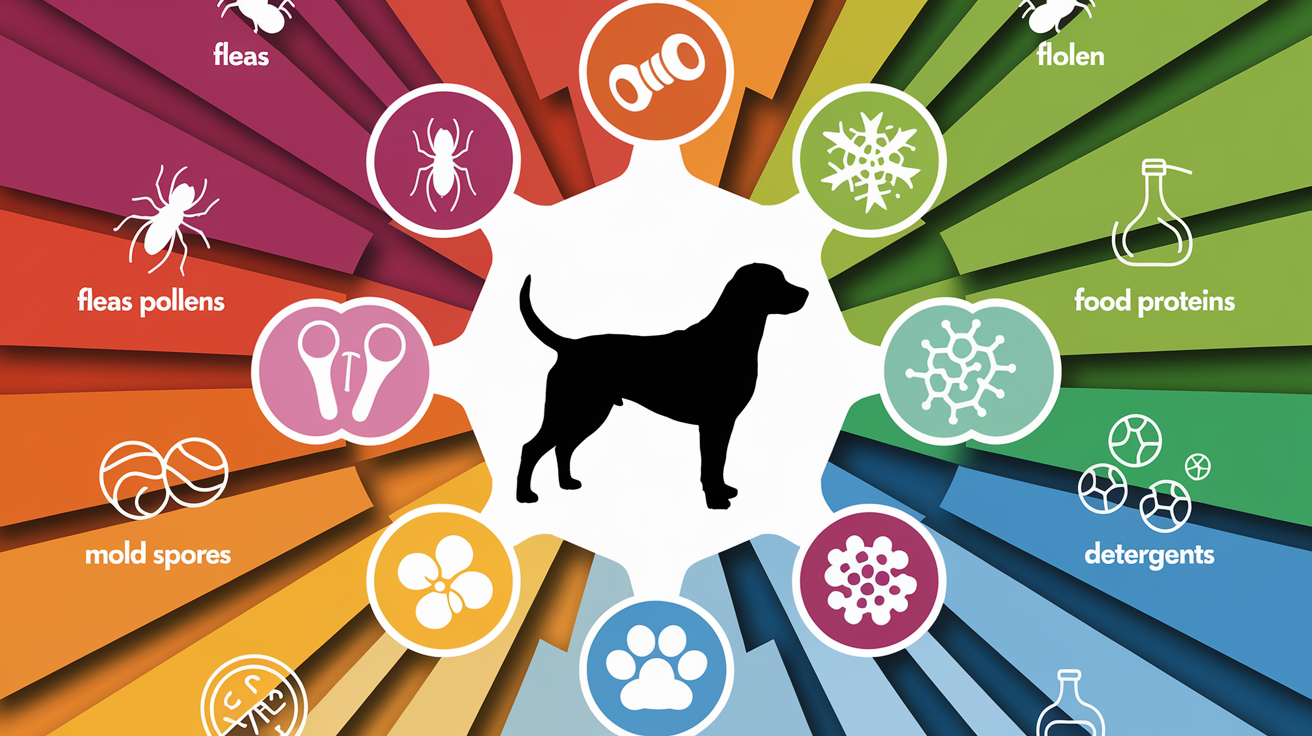
The triggers behind allergic reactions vary from pet to pet. Some are seasonal. Others occur year-round. Environmental allergens like pollen tend to flare in spring and fall, which is why you might notice more scratching or sneezing during those months. Food allergies don’t follow a season. They show up anytime your pet eats the problem ingredient. Contact allergens, like a new shampoo or lawn chemical, usually cause localized reactions right where the skin touched the substance.
Here are the major allergen categories that cause most reactions:
- Fleas and flea saliva (flea allergy dermatitis is extremely common)
- Food proteins such as chicken, beef, dairy, soy, and wheat
- Environmental inhalants including tree pollen, grass pollen, dust mites, and mold spores
- Insect stings and bites from bees, wasps, spiders, and mosquitoes
- Topical products like shampoos, flea treatments, cleaning sprays, and fabric softeners
- Medications and vaccines (reactions can occur within minutes to hours)
- Plants and outdoor contact allergens such as certain grasses or weeds
- Household chemicals including air fresheners, carpet cleaners, and detergents
It’s important to understand the difference between a food sensitivity and a true food allergy. A sensitivity might cause mild stomach upset or soft stools. A true allergy triggers an immune response. You’ll see vomiting, diarrhea, and often skin symptoms like itching or hives. True allergies tend to worsen with repeated exposure.
Seasonal patterns are a helpful clue. If your dog’s paws get itchy every spring, pollen is likely the trigger. If symptoms happen all year, consider dust mites, mold, or food. Logging when symptoms appear helps you and your vet narrow down the cause.
How Veterinarians Diagnose Pet Allergic Reaction Symptoms
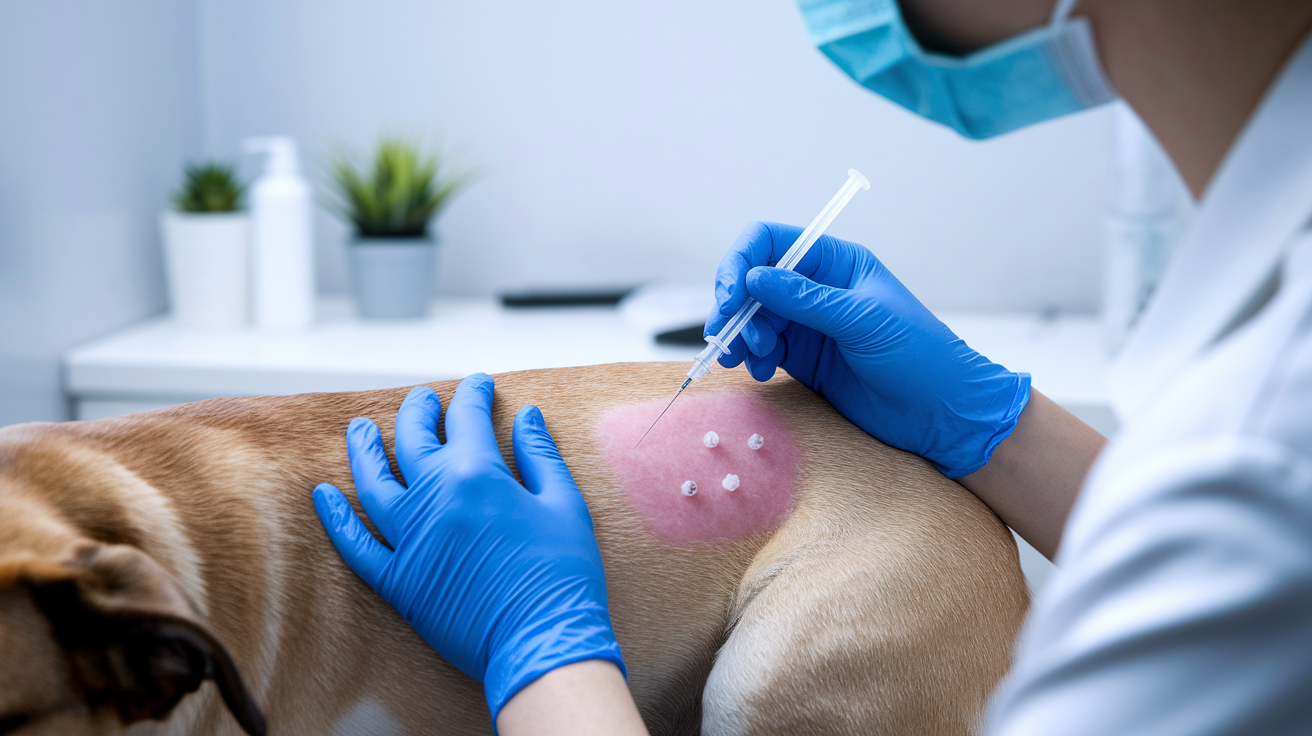
Diagnosing allergies in pets takes time and careful observation. Your vet will start by ruling out other causes of itching, vomiting, or respiratory symptoms. Things like parasites, infections, or hormonal imbalances. Once those are eliminated, allergy testing or diet trials become the next step.
There’s no single test that instantly identifies every allergen. Different methods work for different types of allergies. Some tests are more reliable than others.
Intradermal Testing
Intradermal allergy testing is the gold standard for identifying environmental allergens like pollen, dust mites, and mold. A small area of your pet’s skin is shaved, usually on the side of the chest, and tiny amounts of allergen extracts are injected just under the skin. The injection sites are monitored for 15 to 20 minutes to see which ones cause a raised, red reaction. This test is accurate and allows your vet to create a custom immunotherapy plan (allergy shots or oral drops) to desensitize your pet over time. It’s typically performed by a veterinary dermatologist.
Serum Testing Limitations
Blood tests that measure allergen-specific IgE antibodies are available, but they’re not as reliable as intradermal testing for environmental allergies. They can produce false positives, meaning your pet tests “positive” for allergens that aren’t actually causing symptoms. Blood, hair, and saliva tests marketed for food allergies have not been proven accurate and are not recommended. If you’re told your pet is allergic to 15 foods based on a blood test alone, approach that result with caution and discuss it with your vet.
Food Elimination Trials
The only reliable way to diagnose a food allergy is through an elimination diet trial. Your vet will recommend a prescription diet made with a novel protein (a protein your pet has never eaten, like venison or duck) or a hydrolyzed protein diet (where the protein is broken into tiny pieces the immune system won’t recognize). One example is Purina Pro Plan Veterinary Diets HA Hydrolyzed Chicken. You’ll feed only this diet, no treats, table scraps, or flavored medications, for 8 to 12 weeks. If symptoms improve, you’ll gradually reintroduce old ingredients one at a time, every two weeks, to see which one triggers symptoms again.
Skin cytology (examining skin cells under a microscope) or ear swabs can help rule out bacterial or yeast infections that mimic allergy symptoms. Parasites like fleas, mites, and lice must also be ruled out before confirming an allergy diagnosis.
Treatments Commonly Used for Pet Allergic Reaction Symptoms
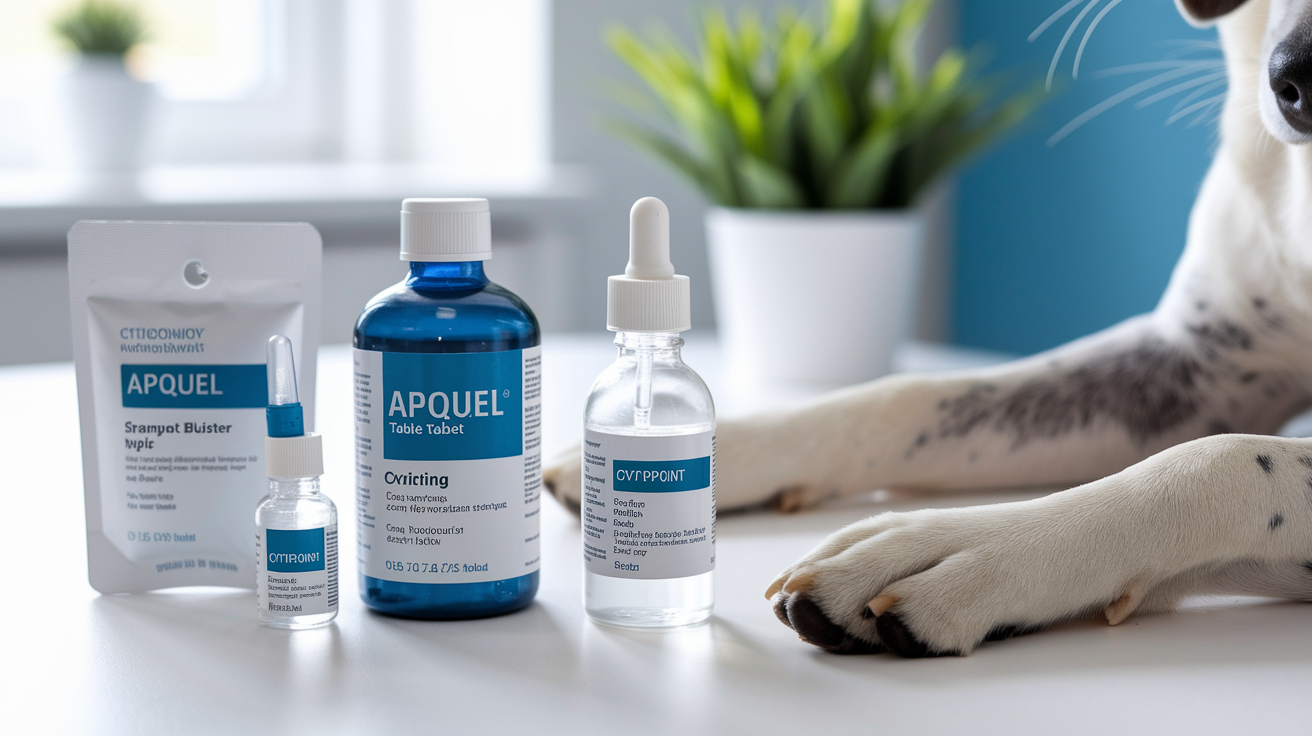
Treatment for allergic reactions depends on severity and type. Mild itching or hives might respond to at-home care and over-the-counter products (with vet approval). Moderate to severe reactions need prescription medications. Life-threatening anaphylaxis requires emergency veterinary intervention.
At-home and supportive treatments include bathing your pet with cool water to rinse off pollen or contact allergens, applying a cool compress to swollen areas for 5 to 10 minutes, and using medicated shampoos like Douxo S3 Calm to soothe inflamed skin. Oral antihistamines such as diphenhydramine (Benadryl) or products like PetArmor Antihistamine can help mild itching, but always confirm the dose with your vet first. Never assume human medication is safe without asking. Topical sprays like Vetericyn Plus can be applied to red, irritated skin between baths.
Prescription medications offer stronger, faster relief. Oral anti-itch drugs include Apoquel (starts working within hours), Atopica (takes a few weeks to reach full effect), and Zenrelia (a once-daily option for dogs over 12 months old). Injectable biologics like Cytopoint block itch signals for 4 to 8 weeks with a single shot. Steroids, either oral prednisone or injectable dexamethasone, reduce inflammation quickly but are used short-term because of potential side effects like increased thirst, appetite, and long-term immune suppression. For secondary skin infections, antibiotics such as cephalexin or long-acting Convenia injections may be prescribed. Omega-3 fatty acid supplements like Nutramax Welactin support skin health and reduce inflammation over time. Probiotics can help settle GI symptoms linked to food allergies.
Flea control is essential for any pet with skin symptoms. Year-round prevention with products like Credelio or NexGard stops flea bites before they trigger allergic reactions. Even indoor-only pets need flea prevention because fleas can hitch a ride on clothing or other animals.
Long-term management for environmental allergies often includes immunotherapy. After intradermal testing identifies your pet’s specific allergens, a custom vaccine is made. You’ll give injections or oral drops at home, gradually increasing the dose over months. The goal is to retrain the immune system to tolerate those allergens. It’s not a cure, but many pets see significant improvement within 6 to 12 months.
Preventing Recurring Pet Allergic Reaction Symptoms

Prevention starts with reducing your pet’s exposure to known triggers. For pollen allergies, wipe down your dog’s paws, belly, and face with a damp cloth after every outdoor walk. This removes pollen before it gets tracked through the house or groomed into the coat. Use a HEPA air filter, like a Honeywell unit, in the rooms where your pet spends the most time. Change filters regularly.
Here are practical diet and grooming habits that help:
- Feed a hypoallergenic or limited-ingredient diet if food allergies are confirmed
- Bathe your pet weekly or biweekly with a vet-recommended medicated shampoo during allergy season
- Keep bedding, blankets, and pet beds washed in fragrance-free, hypoallergenic detergent
- Vacuum carpets and furniture frequently to reduce dust mites and pollen
- Add omega-3 supplements to meals to support skin barrier function
Year-round flea and tick prevention is non-negotiable, even if you’ve never seen a flea. Flea allergy dermatitis can be triggered by a single bite. Fleas are active in many climates all year.
Keep a log of your pet’s symptoms, including dates, exposures, diet changes, and any new products used in the home. Patterns often emerge over time. For example, if symptoms spike every September, ragweed pollen might be the trigger. If they appear two days after switching treats, that treat likely contains a problem ingredient. Sharing this log with your vet speeds up diagnosis and helps fine-tune prevention strategies.
Monitoring Pet Allergic Reaction Symptoms Over Time

Tracking symptoms over weeks and months gives you and your vet a clearer picture of what’s working and what isn’t. Start a simple pet diary, either a notebook or a notes app on your phone. Write down the date, what symptoms you see (scratching, vomiting, sneezing), what your pet ate that day, any new exposures (new shampoo, lawn treatment, visiting a friend’s house), and what medications or treatments you gave. Note improvements and setbacks.
Photos are incredibly helpful. Take close-up pictures of any skin lesions, hives, or swelling, ideally with a ruler or coin in the frame for scale. Snap a photo every few days during treatment so you can see whether the redness is fading or spreading. Show these to your vet at follow-up visits. It’s much easier to assess progress when you can compare images side by side.
Log these details daily:
- Severity of itching, scratching, or licking (rate it on a scale of 1 to 10)
- New skin lesions, hot spots, or hair loss
- Any vomiting, diarrhea, or changes in appetite
- Environmental changes (pollen counts, new cleaning products, visitors with pets)
Some vets use formal allergy severity scales to score symptoms consistently over time. You might rate itching, redness, and hair loss separately, then add the scores to get a total. This makes it easier to tell whether a treatment is truly helping or if symptoms are just fluctuating on their own.
Pet Allergic Reaction Symptoms: Common Questions From Owners

When Is an Allergic Reaction an Emergency?
Any sign of breathing difficulty, sudden collapse, pale or blue gums, severe facial or throat swelling, or repeated vomiting with weakness requires immediate veterinary care. Anaphylaxis can progress within minutes. If you see these signs, do not wait or try home remedies. Go to the nearest emergency clinic. Mild symptoms like localized itching, small hives, or a single episode of vomiting can be monitored at home, but contact your vet if they don’t improve within 24 hours or if new symptoms appear.
Can Home Care Help Mild Symptoms?
For mild itching or small hives, a cool bath with plain water or a vet-approved medicated shampoo can remove allergens from the coat and soothe the skin. A cool compress on a swollen paw or face may reduce swelling temporarily. Some vets approve diphenhydramine (Benadryl) for mild reactions, but you must confirm the dose and safety for your specific pet first. Never give any medication without asking. Home care is only appropriate for mild, stable symptoms. If your pet seems uncomfortable, symptoms spread, or you’re unsure, call your vet for guidance.
Should I Give My Pet Human Medications?
Do not give human medications without explicit veterinary approval. Many over-the-counter drugs that are safe for people are toxic to pets. Ibuprofen, acetaminophen, and naproxen can cause organ damage or death in dogs and cats. Even “pet-safe” antihistamines vary in dosing by weight and species. Some brands contain additional ingredients like decongestants or pain relievers that are dangerous. Always check with your vet before giving any medication, even one you’ve used before, because your pet’s health status or other medications might have changed.
Why Do Allergies Keep Coming Back?
Allergies are usually lifelong conditions that require ongoing management, not one-time cures. Environmental allergens like pollen and dust are everywhere, so complete avoidance is rarely possible. Food allergies can be controlled with strict diet management, but accidental exposures (a dropped piece of chicken, a new treat with hidden ingredients) can trigger flare-ups. Flea allergy dermatitis will return if flea prevention lapses, even for a few weeks. Immunotherapy and consistent prevention strategies reduce symptoms over time, but most allergic pets need long-term treatment and monitoring to stay comfortable.
Final Words
If your pet starts scratching, getting hives, vomiting, or having trouble breathing, act fast. Those are the signs we covered. Allergic reactions can show up in minutes or develop over days, so early spotting matters.
We covered skin, GI, and breathing symptoms, when it becomes an emergency, how vets test (food trials, intradermal), common treatments, and simple prevention and tracking steps you can do at home.
Keep a short log, photos, and your vet’s number handy so you can spot patterns in pet allergic reaction symptoms and get help fast. You’ve got tools to protect your pet and stay calm.
FAQ
Q: How can you tell if you’re allergic to dogs?
A: You can tell if you’re allergic to dogs by noticing repeated sneezing, itchy watery eyes, runny nose, coughing, wheeze, or a skin rash after contact. See your doctor or allergist for testing and severe breathing problems.
Q: Can you live with a dog you’re allergic to?
A: You can sometimes live with a dog you’re allergic to by using daily antihistamines, HEPA filters, frequent grooming, washing hands, keeping bedrooms pet-free, and allergy shots. Rehoming may be needed for severe asthma or persistent symptoms. Ask your allergist.
Q: What does a dog allergy rash look like on humans?
A: A dog allergy rash on humans usually looks like red, itchy patches or raised hives where the skin touched the dog, sometimes eczema-like. Wash the area, use a cool compress, and see your doctor if it spreads or worsens.
Q: What helps with pet allergies?
A: Pet allergies are helped by reducing exposure with HEPA filters, frequent pet baths, pet-free bedrooms, regular cleaning, antihistamines or nasal sprays, and allergy shots. See your doctor for persistent symptoms or worsening breathing.