

What if a swollen belly could turn your dog into a life-or-death emergency in just a few hours?
Dog bloat (gastric dilatation-volvulus) can go from first signs to shock in one to six hours.
Spotting early clues—dry heaving (unproductive retching), a tight, drum-like belly, pacing, pale gums, or shallow breathing—gives your dog the best shot.
This post shows the warning signs, simple home checks, what to watch for over the next few hours, and the exact moments you should rush to an emergency vet.
Immediate Dog Bloat Warning Signs Every Owner Must Recognize
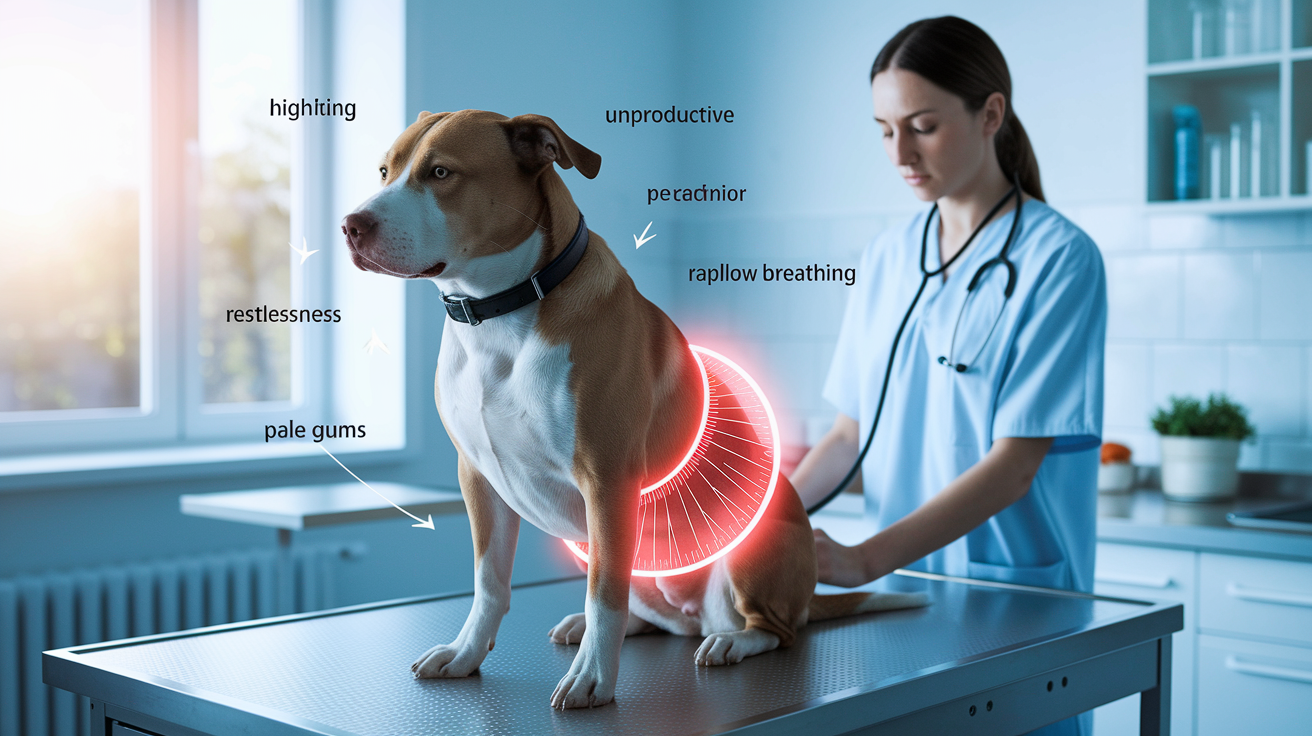
Gastric dilatation-volvulus, what most people call bloat, can go from first symptoms to life-threatening collapse in one to six hours. The stomach fills with gas and may twist on itself, cutting off blood flow to vital organs and triggering shock. Spotting the earliest warning signs gives your dog the best shot at survival. Every hour you wait increases the risk of tissue death and organ failure.
The most reliable early symptom? Unproductive retching. Your dog tries to vomit over and over but brings up nothing, or maybe just white foam. You’ll usually see this alongside a visibly swollen, tight abdomen that feels hard when you gently touch the sides. Dogs in early bloat can’t settle. They pace constantly, stare at their belly, shift positions every few seconds because the pressure inside is painful and there’s no relief.
As bloat gets worse, breathing turns shallow and fast. The heart races past 120 beats per minute. Gums turn pale gray or white instead of healthy pink. These changes mean circulation is failing and shock is setting in. If you see any combination of these symptoms, stop monitoring and get to an emergency vet right now, even if it’s 2 a.m.
Core bloat warning signs to watch for:
- Distended, tight abdomen – belly looks swollen and feels drum-tight to the touch, though some cases progress without obvious swelling early on
- Unproductive retching or dry heaving – repeated attempts to vomit that produce nothing or just foam and saliva
- Excessive drooling and foaming at the mouth – saliva pools and drips because swallowing gets difficult
- Restlessness and pacing – constant movement, can’t lie down comfortably, frequent position changes
- Rapid, shallow breathing – panting hard even at rest, chest moving quickly but poor air exchange
- Pale or gray gums – normal pink color fades to white, gray, or blue-tinged, a sign of poor blood flow
- Rapid heart rate – pulse races above 120 beats per minute; rates near 140 to 160 indicate severe distress
- Weakness or collapse – stumbling, can’t stand, lying down and unable to get up
- Whining or signs of severe pain – vocalizing when you touch the belly, hunched posture, guarding the abdomen
- Standing in a prayer position – front legs stretched forward, chest lowered, rear end raised, trying to relieve abdominal pressure
Understanding How Dog Bloat (GDV) Develops and Why These Symptoms Matter

Bloat starts when the stomach rapidly fills with gas, fluid, or food and stretches beyond normal size. In simple dilation, the stomach is swollen but stays in the correct position. In gastric dilatation-volvulus, the enlarged stomach rotates, usually twisting at both the entrance (where the esophagus connects) and the exit (where the small intestine begins). That rotation acts like a tourniquet. It traps gas inside and cuts off blood supply to the stomach wall, the spleen, and major vessels that return blood to the heart.
Once blood flow is blocked, the stomach lining begins to die within hours. The spleen sits alongside the stomach and often rotates with it, also losing circulation. Dying tissue releases toxins into the bloodstream. The heart struggles to pump effectively because less blood is returning from the abdomen. Blood pressure drops, organs get less oxygen, and the dog enters shock. This is why pale gums, weak pulse, and cold limbs appear so fast.
The symptoms you see outside, restlessness, retching, swelling, are direct results of pressure, pain, and failing circulation inside. Understanding that connection helps you see why even “mild” signs deserve urgent attention. A dog who seems uncomfortable but is still standing can crash to unconscious within two to three hours if the stomach has twisted.
Progression Timeline of Dog Bloat Symptoms and Warning Signs
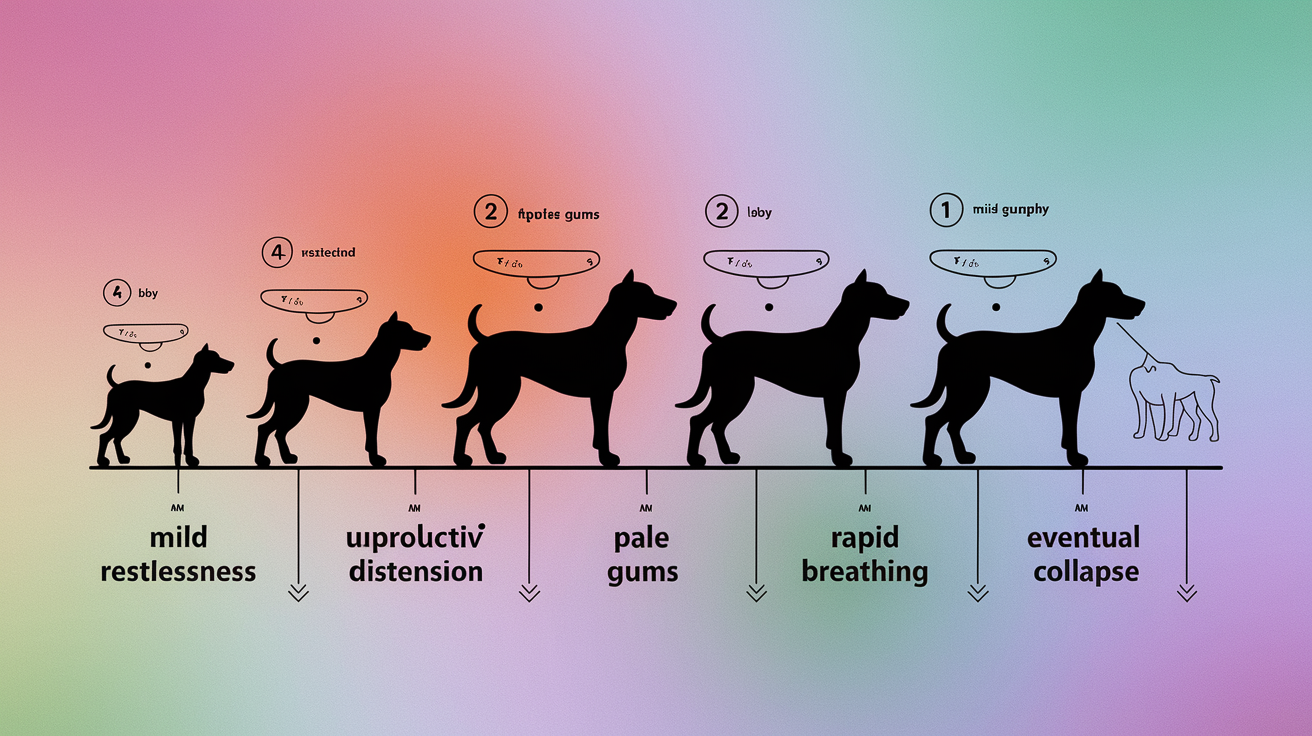
Bloat doesn’t follow a slow, predictable path. Some dogs move from subtle discomfort to full shock in under three hours. Others may show low-grade symptoms for several hours before rapid decline. The timeline depends on whether the stomach has twisted, how much gas is trapped, and how quickly blood flow is compromised. Early intervention during the first few hours dramatically improves survival. But waiting to see if symptoms resolve on their own often means arriving at the vet when damage is already severe.
In the earliest stage, you might notice your dog acting anxious or restless after a meal. Pacing the room or repeatedly trying to find a comfortable spot. Unproductive retching may start as occasional attempts that look almost like hiccups or coughing. The abdomen may begin to swell, or it may still look normal while internal pressure builds. A lot of owners describe their dog staring at their own belly or turning to look at their side. That’s pain or awareness that something is wrong.
As minutes turn into hours, distress becomes obvious. The belly expands visibly. Breathing grows faster and shallower. Drooling increases because swallowing gets difficult. The dog may refuse to lie down, or will lie down only to stand up again moments later. Gums lose their pink color. The heartbeat races. You may see weakness in the legs or stumbling. By the time collapse occurs, shock is well underway. Blood pressure has dropped. The risk of organ failure and death is high even with emergency surgery.
Typical progression stages:
- First 30 to 60 minutes – mild restlessness, occasional retching, possible early abdominal fullness, dog may still eat or drink
- 1 to 2 hours – persistent retching with no vomit, visible abdominal swelling, increased pacing, refusal to settle, heavy panting
- 2 to 4 hours – obvious distended belly, pale gums, rapid heart rate above 120 bpm, drooling, difficulty breathing, signs of pain when belly is touched
- 4 to 6 hours – weakness, stumbling, can’t stand, gray or white gums, weak pulse, cold extremities, possible collapse
- Beyond 6 hours without treatment – severe shock, unconsciousness, organ failure, and high mortality risk even with aggressive care
Dog Bloat Signs That Mean Immediate Emergency Care Is Required

Certain symptoms tell you your dog has moved beyond the early window and is now in a life-threatening crisis. Pale or gray gums mean blood isn’t circulating properly. Oxygen delivery to tissues is failing. Shock is present. A dog who can’t stand, collapses when trying to walk, or lies flat and unresponsive needs emergency surgery within the next hour or two to have a realistic chance of survival. Cold legs or ears, a weak or thready pulse, and a capillary refill time longer than two seconds (press the gum, release, and count how long it takes for pink color to return) all mean circulation has been severely compromised.
Extreme abdominal pain is another red flag. If your dog growls, snaps, or cries out when you gently touch the belly, or if they hold their body rigid and refuse to let you near their abdomen, the stomach lining may already be stretched to the point of tearing or starting to die. A dog standing in a prayer-stretch posture, front legs extended forward and chest lowered to the ground while the rear stays up, is trying to relieve unbearable pressure. That position isn’t a normal stretch. It’s a pain response.
Critical red-flag indicators requiring immediate emergency transport:
- Pale, white, or blue-tinged gums and tongue
- Collapse or can’t stand without support
- Weak, rapid, or barely detectable pulse
- Cold limbs, ears, or paw pads
- Extreme abdominal tenderness, aggression or vocalization when belly is touched
- Unresponsiveness, glassy eyes, or loss of consciousness
Dog Bloat Symptom Overlap: Differentiating GDV From Other Conditions
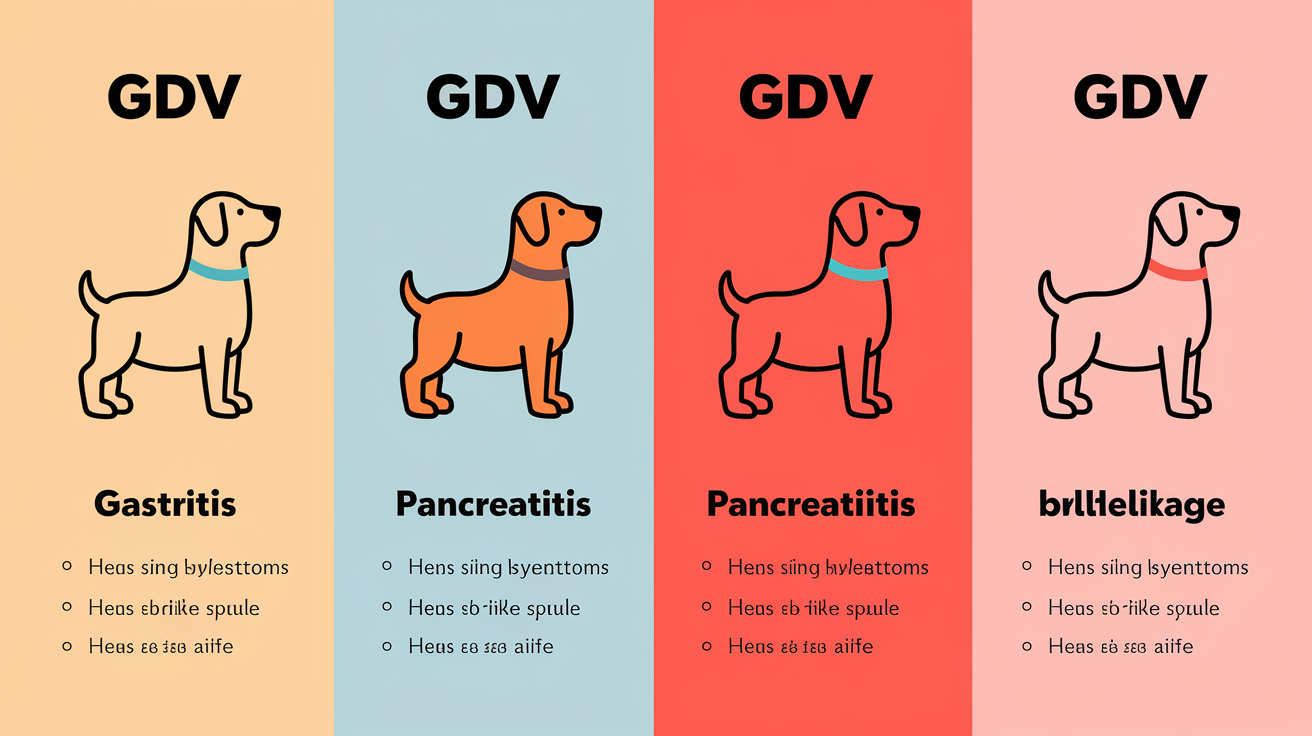
Some dogs with GDV don’t develop an obviously swollen belly, especially in the first hour or in very deep-chested breeds where the distended stomach sits higher in the ribcage. That makes bloat easy to confuse with other causes of vomiting or abdominal pain like gastritis, pancreatitis, or intestinal blockage. The key difference is the unproductive retching. A dog with an upset stomach or pancreatitis may vomit food, bile, or liquid multiple times. A dog with GDV retches forcefully and repeatedly but produces little or nothing. The stomach is sealed off and nothing can escape.
Pancreatitis often causes vomiting, lethargy, and a hunched posture, but affected dogs usually still have normal gum color early on and their breathing stays steady. Bloat causes a much faster shift to pale gums, racing heart, and respiratory distress because circulation is collapsing. If your dog’s symptoms started suddenly after eating, include intense restlessness, and show that hallmark dry heaving, treat it as possible GDV even if the belly doesn’t look huge.
Quick comparison points:
- GDV: Unproductive retching, rapid gum-color change, extreme restlessness, sudden onset after meals, visible or palpable abdominal distension in most cases
- Gastritis/upset stomach: Productive vomiting (liquid, food, bile), normal gum color, dog may still drink water, less severe restlessness
- Pancreatitis: Vomiting, abdominal pain, hunched posture, but steady breathing and gum color in early stages, slower progression
- Intestinal blockage: Vomiting (often productive early on), abdominal pain, lethargy, but typically doesn’t cause the severe distension or rapid shock seen in GDV
High-Risk Breeds and Dog Bloat Warning Patterns Seen in Vulnerable Dogs
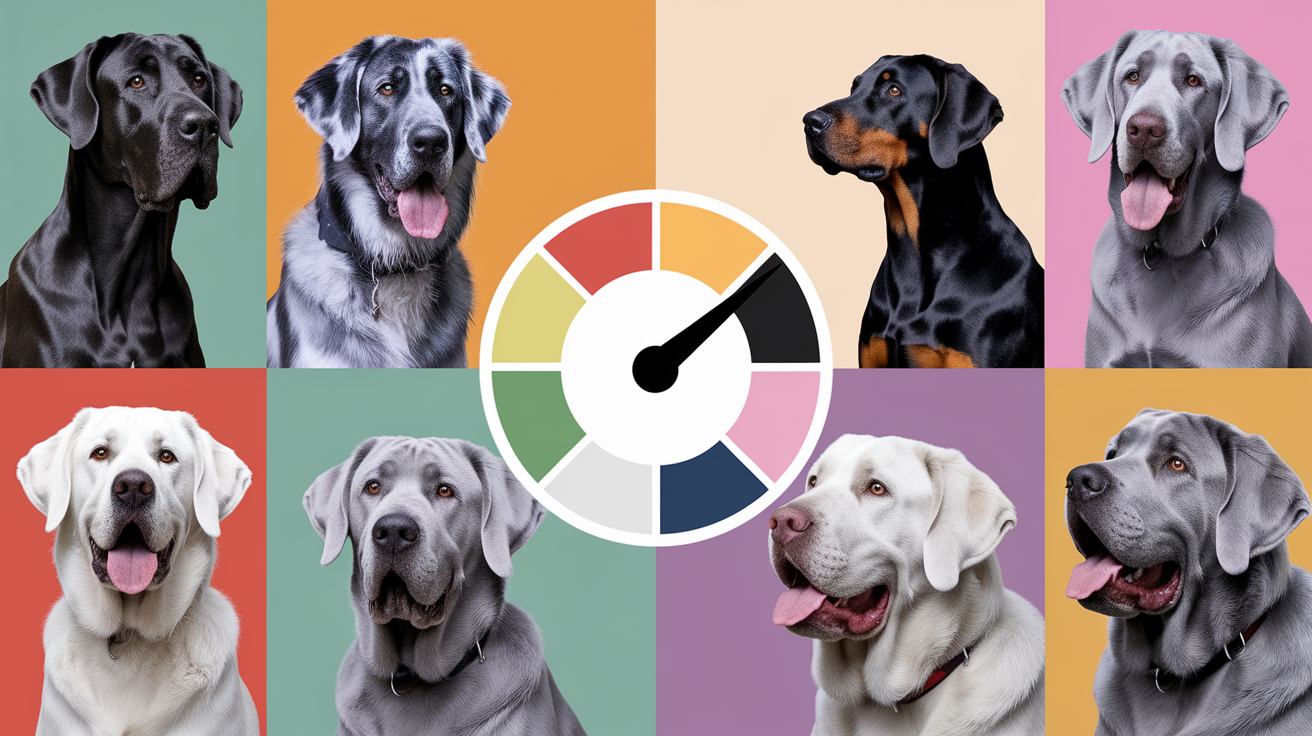
Large, deep-chested breeds carry the highest risk of developing GDV because their chest shape allows the stomach to hang lower and move more freely within the abdomen. Great Danes face the steepest odds. Lifetime risk estimates run as high as one in three. German Shepherds, Standard Poodles, Doberman Pinschers, Weimaraners, Saint Bernards, and Irish Setters also show up frequently in emergency-clinic bloat cases. Risk increases as dogs age. Most cases occur in middle-aged to senior dogs, often around seven years or older, though bloat can strike at any age.
Family history matters. If a dog’s parent or sibling has experienced GDV, that dog’s own risk climbs significantly. Male dogs are statistically more likely to bloat than females, though females aren’t exempt. Body condition also plays a role. Underweight dogs with a very prominent ribcage may face higher risk than those at a healthy weight, possibly because the stomach has more room to shift.
| Breed | Risk Factor | Notes |
|---|---|---|
| Great Dane | Very High | Lifetime risk approximately 1 in 3; deep, narrow chest; often occurs in middle age |
| German Shepherd | High | Deep chest conformation; risk increases after age 7 |
| Standard Poodle | High | Tall, lean build; males more commonly affected |
| Doberman Pinscher | High | Athletic build, deep chest; family history is a strong predictor |
| Weimaraner | High | Lean, deep-chested; often young to middle-aged at first episode |
| Saint Bernard | Moderate to High | Large frame, deep chest; risk rises with age and weight |
Feeding, Stress, and Lifestyle Factors That Increase Dog Bloat Symptoms and Warning Sign Risks

How and when you feed your dog directly affects bloat risk. Feeding one large meal per day gives the stomach more volume to dilate all at once, creating the conditions for twisting. Splitting the same total amount of food into two or three smaller meals throughout the day keeps the stomach from becoming overly full. Dogs who eat very quickly, gulping food and swallowing air, are also at higher risk. Using a slow-feeder bowl with ridges or a puzzle feeder forces dogs to take smaller bites and eat more slowly, which reduces the amount of air swallowed.
Vigorous exercise right before or after eating increases the chance that a full, heavy stomach will shift and rotate. The recommendation is to avoid intense running, jumping, or rough play for at least one hour after meals. Similarly, limit intense activity for 30 minutes before feeding. Raised food and water bowls were once thought to help large breeds, but research suggests they may actually increase bloat risk by encouraging dogs to gulp air while eating. Unless your veterinarian has recommended a raised bowl for a specific orthopedic or medical reason, feeding at ground level is safer.
Stress and anxiety also contribute. Dogs in high-stress environments, those who are nervous eaters, or those who’ve experienced recent changes in routine show higher bloat rates. Keeping mealtimes calm, quiet, and predictable helps. Avoid feeding right after stressful events like vet visits, grooming, or boarding.
Modifiable behaviors that reduce bloat risk:
- Feed two to three smaller meals each day instead of one large meal
- Use slow-feeder bowls or puzzle feeders to slow down eating speed
- Avoid vigorous exercise or play for at least one hour after meals and 30 minutes before meals
- Remove raised food and water bowls unless specifically advised by your vet for another health issue
- Keep mealtimes calm, quiet, and routine. Avoid feeding during or right after stressful situations
What Happens at the Vet: Diagnostic Steps for Dogs Showing Bloat Symptoms
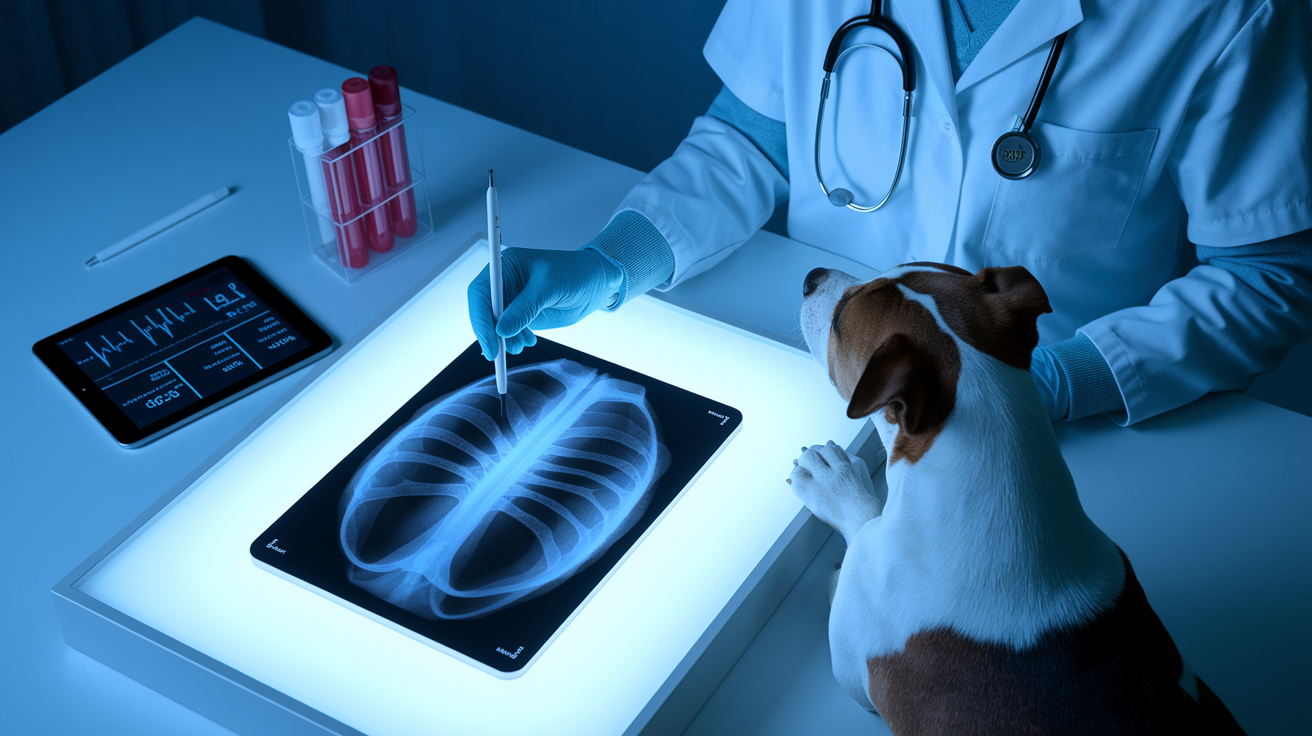
When you arrive at the emergency clinic with a dog showing possible bloat symptoms, the veterinary team will move quickly. The first step is a rapid physical exam to check gum color, heart rate, breathing effort, and abdominal size and firmness. The vet will listen to the abdomen with a stethoscope. A lack of normal gut sounds or a hollow, resonant sound when the belly is tapped can indicate gas-filled dilation. They’ll also check capillary refill time and pulse quality to evaluate circulation and shock status.
Abdominal X-rays are the fastest and most reliable way to confirm GDV. The images will show a gas-filled, enlarged stomach and, in cases of volvulus, a characteristic “double bubble” or compartmentalized appearance caused by the twist. X-rays also help the vet see whether the stomach has rotated and assess the position of the spleen. Bloodwork, including a complete blood count and chemistry panel, is often drawn at the same time to check organ function, hydration, and electrolyte balance. Lactate levels are particularly important. Elevated lactate (above 4 to 6 millimoles per liter) means tissues aren’t getting enough oxygen and is tied to a poorer prognosis.
Throughout the evaluation, the team will monitor heart rate, blood pressure, and oxygen levels. If the dog is in shock, stabilization with intravenous fluids and oxygen therapy starts right away, even before imaging is complete. Speed matters because the longer the stomach stays twisted, the more tissue dies and the lower the chance of survival.
Imaging Findings Explained
On X-ray, a normal stomach appears as a small, soft-tissue shadow in the upper left abdomen. In bloat, the stomach balloons and fills most of the abdomen with gas, creating large dark areas on the film. When the stomach has twisted, the pylorus (the stomach’s exit to the intestines) flips up and over, creating a visible separation or “compartmentalization” that experienced vets recognize right away as GDV rather than simple dilation.
Life-Saving Treatments for Dogs With Bloat Symptoms and GDV Warning Signs
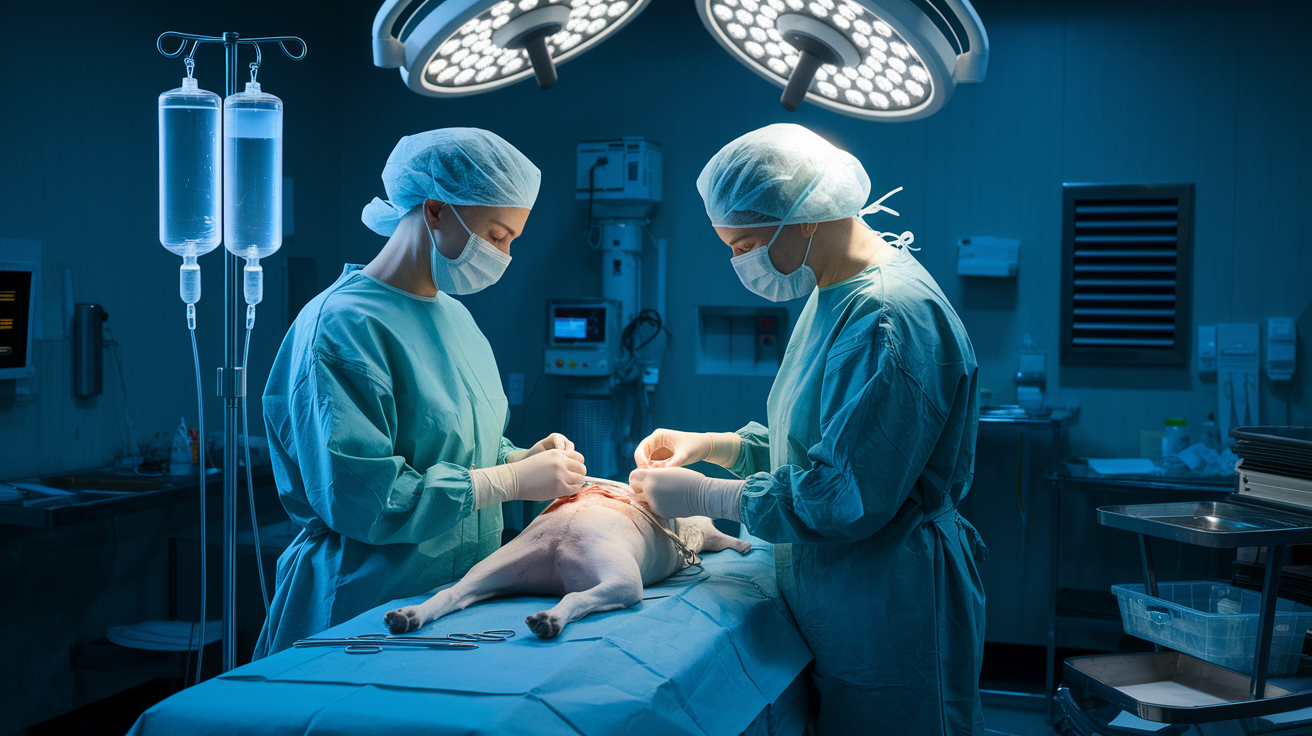
Successful treatment of GDV depends on rapid stabilization followed by emergency surgery if the stomach has twisted. The first priority is restoring circulation and reducing shock. Large-bore intravenous catheters are placed, often in both front legs, and aggressive fluid therapy begins to raise blood pressure and improve blood flow to organs. Oxygen is delivered by mask or nasal tube if the dog is struggling to breathe, and pain medications are given right away because bloat is extremely painful.
If the stomach is severely distended and causing breathing difficulty or cardiovascular collapse, the vet may decompress it before surgery. Decompression can be done by passing a lubricated stomach tube through the mouth and esophagus into the stomach to release gas. Or, if the twist prevents tube passage, by inserting a large-bore needle or trocar through the body wall directly into the stomach to let gas escape. This is a temporary measure to stabilize the dog for surgery. It doesn’t fix the twist or prevent recurrence.
Surgery is the only definitive treatment for GDV. Once the dog is stable enough for anesthesia, the surgeon makes an incision along the midline of the abdomen, locates the twisted stomach, and carefully rotates it back into the correct position. The entire stomach and spleen are examined for areas of dead or dying tissue. Any compromised sections of the stomach wall are removed. The spleen is checked for torsion and blood clots. If it has twisted along with the stomach and isn’t viable, it may need to be removed (splenectomy). After repositioning, the surgeon performs a gastropexy, suturing a portion of the stomach wall to the right side of the abdominal wall to prevent future rotation. Survival rates vary widely depending on how quickly treatment starts, but dogs treated within the first few hours and without significant tissue death have reported survival rates ranging from roughly 50% up to 90% in some studies.
Stabilization Before Surgery
Intravenous fluids are given at high rates to counteract shock and restore blood volume. The type of fluid (crystalloid or colloid) and the rate are adjusted based on blood pressure, heart rate, and laboratory values. Oxygen therapy supports breathing and makes sure tissues get adequate oxygen while circulation is compromised. Pain control is essential. Opioid medications are commonly used because GDV causes severe abdominal pain. Anti-nausea medications help reduce retching and discomfort.
Surgical Correction and Gastropexy
During surgery, the stomach is untwisted and returned to its normal anatomic position. The surgeon inspects the entire stomach wall under bright light, looking for areas that appear dark, purple, or black, which indicate tissue death from lack of blood flow. Questionable areas may be monitored for a few minutes to see if blood flow returns and color improves. Sections that stay non-viable are resected (cut away), and the healthy edges are sutured together. The gastropexy, or stomach tacking, involves suturing the stomach to the body wall on the right side, creating a permanent adhesion that prevents the stomach from rotating in the future. This procedure significantly reduces the risk of recurrence. In some cases, the spleen has also twisted and lost blood supply. If it can’t recover, it’s removed during the same surgery.
At-Home Actions and Safety Steps for Dogs Showing Possible Bloat Symptoms
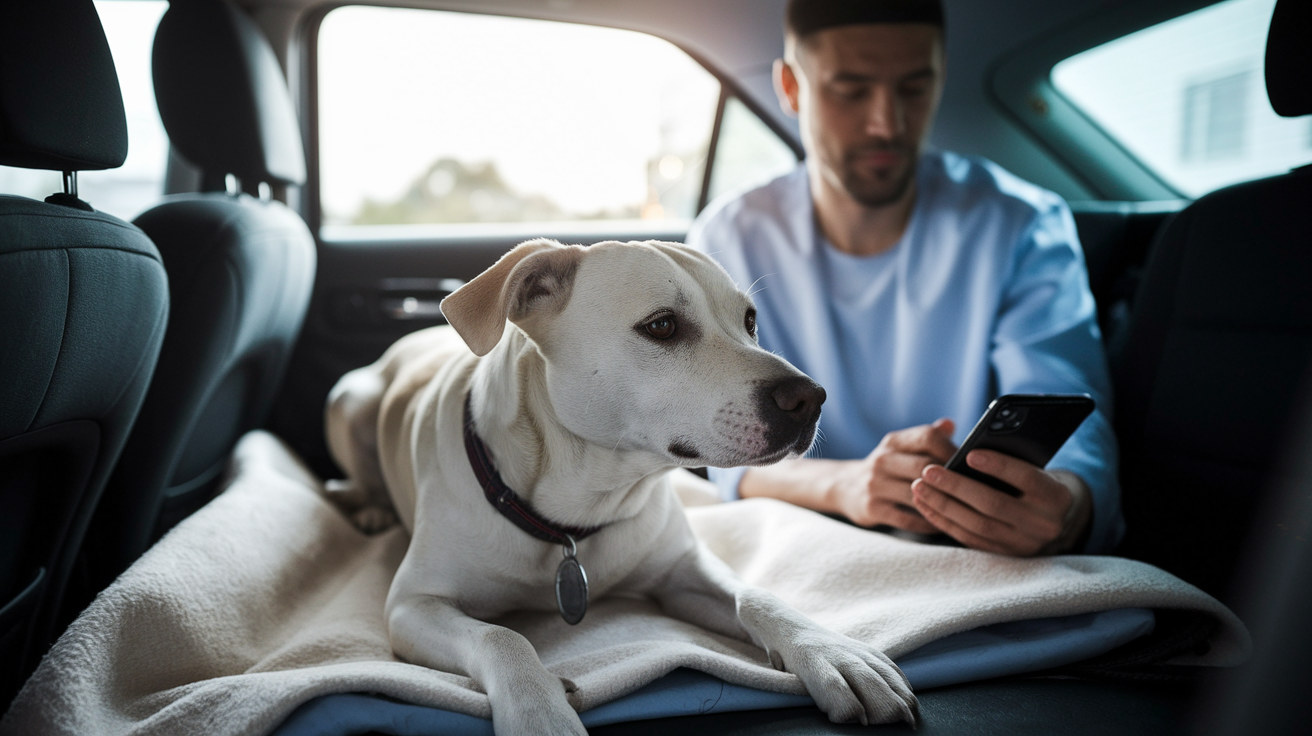
If you recognize bloat symptoms, your job is to get your dog to an emergency vet as quickly and safely as possible. Don’t wait to see if symptoms improve. Don’t try to treat bloat at home. And don’t delay to call your regular vet’s office during business hours. Time is everything. Call the emergency clinic while you’re on the way so they can prepare for your arrival, and let them know you suspect GDV.
Keep your dog as calm and still as possible during transport. Don’t let them jump in and out of the car or pace around the vehicle. If your dog is too weak to walk, carry them or use a blanket as a stretcher. Keep them warm with a blanket because shock lowers body temperature. Don’t give food or water, even if your dog seems thirsty, because anything in the stomach increases the risk of vomiting during anesthesia and can complicate surgery.
Actions to avoid (don’t attempt these at home):
- Don’t try to induce vomiting. The stomach is sealed off and forcing vomiting won’t relieve the bloat
- Don’t attempt to decompress the stomach yourself with needles, tubes, or any instrument. This requires sterile technique and veterinary skill
- Don’t give over-the-counter medications, antacids, or pain relievers without explicit veterinary instruction
- Don’t feed or offer water once symptoms appear, even if your dog begs
- Don’t delay transport to monitor symptoms at home. Every hour without treatment worsens the prognosis
Preventive Strategies to Reduce Future Dog Bloat Symptom Risks
Once a dog has survived GDV, or if your dog is at high risk due to breed or family history, prevention becomes a daily priority. The most effective prevention is prophylactic gastropexy, a surgical procedure that tacks the stomach to the body wall before bloat ever occurs. This can be done as a standalone surgery or at the same time as a spay or neuter. Gastropexy doesn’t prevent the stomach from dilating with gas, but it prevents the deadly twist (volvulus). Many owners of high-risk breeds, especially Great Danes and Standard Poodles, choose this option.
Feeding management is the next most important layer. Divide your dog’s daily food into at least two meals, preferably three for very large breeds. Measure portions to avoid overfeeding, and use slow-feeder bowls or scatter food on a snuffle mat to slow eating speed. Avoid foods that are high in fat or that have a very fine texture that encourages gulping. Soaking dry kibble in water before feeding may help, though evidence on this is mixed. Consult your vet.
Control the timing of exercise around meals. Plan walks, fetch sessions, and any vigorous activity to happen either well before feeding or at least one hour after. Keep your dog’s environment calm and predictable, especially around mealtimes. If your dog is anxious or reactive, work with a trainer or behaviorist to reduce stress triggers.
| Prevention Strategy | Benefit | Notes |
|---|---|---|
| Prophylactic gastropexy surgery | Prevents stomach rotation (volvulus) | Can be done during spay/neuter or as standalone procedure; doesn’t prevent dilation but eliminates twist risk |
| Feed 2 to 3 smaller meals per day | Reduces stomach volume at any one time | Divide total daily food into multiple feedings; avoid single large meal |
| Slow-feeder bowls and puzzle feeders | Slows eating speed, reduces air swallowing | Choose bowls with ridges or obstacles; also consider scatter feeding or snuffle mats |
| Limit exercise before and after meals | Prevents stomach movement and twisting | Wait at least 1 hour after eating before vigorous play or running; avoid intense activity 30 minutes before feeding |
Common Questions About Dog Bloat Symptoms and Warning Signs
Can small dogs get bloat, or is it only a large-breed problem?
Small dogs can develop GDV, though it’s much less common. When it does occur in smaller breeds, the same risk factors apply. Rapid eating, stress, single large meals, and vigorous post-meal activity. Small deep-chested breeds like Dachshunds or Basset Hounds may carry slightly higher risk than other small dogs. The symptoms and urgency are identical regardless of size.
Is it possible for a dog to have bloat without a visibly swollen belly?
Yes. Especially in the early stages or in very deep-chested dogs where the distended stomach sits high under the ribcage. Some dogs show all the other classic signs, unproductive retching, restlessness, pale gums, rapid heart rate, but the abdomen doesn’t look dramatically enlarged. Always treat the combination of symptoms as an emergency even if you can’t see obvious swelling.
If my dog has had GDV surgery with gastropexy, can bloat happen again?
Gastropexy prevents the stomach from twisting, so true volvulus is extremely unlikely to recur after a successful gastropexy. But the stomach can still dilate (fill with gas). If dilation becomes severe enough, it can cause discomfort and require veterinary decompression, but it won’t progress to the life-threatening twist. Continued prevention strategies, multiple small meals, slow feeding, and exercise timing, stay important.
What should I watch for during recovery after GDV surgery?
Monitor the surgical incision daily for redness, swelling, discharge, or separation of the edges. Expect some bruising and mild swelling in the first few days. Watch your dog’s appetite, energy level, and stool quality. Vomiting, refusal to eat, extreme lethargy, or fever are red flags that require immediate follow-up. Most dogs need restricted activity for 10 to 14 days while the incision and internal sutures heal.
How quickly do I need to act if I see bloat symptoms in the middle of the night?
Right away. GDV doesn’t wait for business hours. Symptoms that appear at midnight can progress to collapse by 3 a.m. Find the nearest 24-hour emergency veterinary clinic before you ever need it. Save the address and phone number in your phone now. If you see the warning signs, load your dog in the car and go, even if you’re not 100% certain it’s bloat. False alarms are way better than waiting too long.
Final Words
Seeing a tight, swollen belly, unproductive retching, sudden pacing, or shallow breathing means act fast—these are the early, urgent clues we covered.
We walked through how GDV can worsen in hours, the clear red flags that need emergency care, safe at-home steps (keep your dog calm, no food or attempts to induce vomiting), and what the vet will check and do.
Remember the dog bloat symptom warning signs, watch closely for changes over the next few hours, and call your clinic right away if things worsen. With quick action and sensible prevention, you can help keep your dog safer.
FAQ
Q: When should I worry about my dog’s bloating?
A: You should worry about your dog’s bloating when the belly looks tight or swollen, your dog has unproductive retching, excessive drooling, rapid shallow breathing, pale gums, severe restlessness, or collapse, seek emergency care immediately.
Q: What could be mistaken for bloat in dogs?
A: Things that can be mistaken for bloat include simple stomach upset, pancreatitis, gas, constipation, pregnancy, or an abdominal mass; bloat more often causes unproductive retching and a rapid decline, so have a vet check sudden severe signs.
Q: How to tell if a dog’s stomach is twisted?
A: You can suspect a dog’s stomach is twisted (volvulus) if the abdomen becomes suddenly firm or distended, they retch without vomiting, act very restless or weak, show pale gums, or collapse, and you should get emergency veterinary care.
Q: Will a dog lay down with bloat?
A: A dog with bloat may or may not lay down; many pace, stand tense, or refuse to settle from pain, while severe cases collapse or lie stiffly, so call a vet if your dog won’t rest or seems distressed.