

Think frequent vomiting is just “cats being cats”?
It isn’t. How often your cat vomits matters.
This guide gives clear frequency benchmarks, shows what different vomit looks mean, and lays out safe next steps you can try at home.
You’ll get a simple decision plan—when to watch, when to call, and when it’s urgent.
I’ll also explain why kittens and older cats need earlier attention.
Plus, clear red flags so you won’t have to guess about emergencies.
Normal Vomiting Frequency Benchmarks for Cats
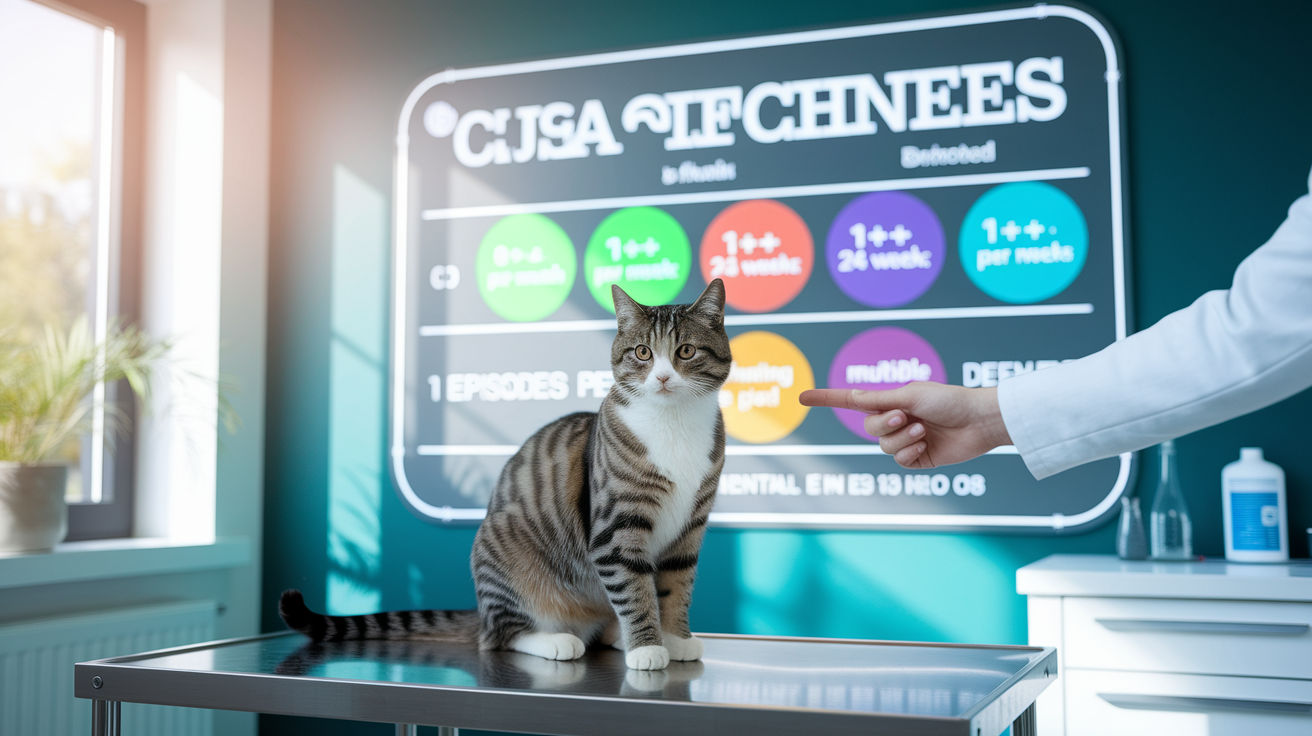
Most healthy cats vomit 0 to 2 times a month. Anything more than once a week isn’t normal. If your cat’s bringing up food or hairballs more often than that, you’re looking at a pattern that needs attention, not just “cats being cats.” One episode every few weeks, especially in long-haired breeds, can be fine. But weekly vomiting? That’s telling you something’s off.
Hairballs are the reason most owners think frequent vomiting is no big deal. Long-haired cats might produce a hairball every 2 to 4 weeks, while short-haired cats usually produce them less often or not at all. Regular grooming helps a lot. Brush your cat 2 to 3 times a week and you can cut hairball frequency in half. If your cat’s groomed consistently and still vomiting a hairball every week, grooming isn’t fixing the problem. There’s likely a dietary or gut issue you’re missing.
Don’t guess whether each vomit “looks serious.” Count episodes over time. Track every vomit for two weeks. If you count more than two in that window, or if episodes cluster (two or three in one day), you’re outside the normal range. Frequency patterns tell you whether your cat’s digestive system is coping or struggling.
| Frequency | Meaning |
|---|---|
| 0–2 episodes per month | Normal for most healthy adult cats |
| 1 hairball every 2–4 weeks (long-haired cats) | Common and often manageable with grooming |
| 1 or more episodes per week | Abnormal; warrants veterinary evaluation |
| Multiple episodes in 24 hours | Urgent concern; contact vet same day |
Understanding Vomit Appearance and What It Means for Frequency Patterns

The color, texture, and content of vomit give you clues about what’s happening inside your cat and whether the frequency you’re seeing is likely to keep up. Hairballs usually look like tubular, matted clumps of fur mixed with a bit of stomach fluid. These are the most familiar type and the least concerning, especially if they happen once every few weeks. Undigested food that comes up shortly after eating, often in a neat pile, suggests your cat ate too fast or the stomach didn’t have time to process the meal. If this happens more than once a week, try slow-feeder bowls or smaller meals.
Yellow or green vomit means bile. The stomach was empty or irritated. Occasional bile vomit, once a month or less, isn’t alarming. But if you’re seeing bile weekly or multiple times in a few days, it points to chronic stomach upset, acid reflux, or a feeding schedule that leaves the stomach empty too long. Frothy or foamy vomit, especially with drooling or belly discomfort, can signal gastric irritation, pancreatitis, or even an obstruction. If it repeats within 48 hours, get to the vet. Mucus-coated vomit (slippery, clear to whitish strands mixed with food or bile) often shows up with inflammatory bowel disease or chronic gastritis. One episode isn’t urgent, but recurrent mucus vomit means the gut lining is inflamed.
- Hairball (cylindrical, matted fur): Expected every 2 to 4 weeks in long-haired cats. Concerning if weekly or more despite regular grooming.
- Undigested food (whole kibble or chunks): Normal if rare and tied to fast eating. Concerning if happening multiple times a week.
- Yellow/green bile: Occasional bile vomit (once a month) can be normal. Frequent bile (weekly or more) suggests chronic gastric upset.
- Bright red blood: Immediate emergency. Active bleeding in the stomach or esophagus.
- Dark, coffee-ground material: Immediate emergency. Digested blood from the stomach or upper GI tract.
- Foam or froth with discomfort: One episode may resolve. Repeating within 24 to 48 hours or accompanied by lethargy requires vet care.
Frequency-Based Decision Guide for Cat Vomiting Episodes

A single mild vomiting episode (one hairball or one puddle of undigested food) followed by normal behavior, appetite, and water intake can be watched at home for 24 to 48 hours. If your cat resumes eating, drinks normally, and shows no lethargy or distress, you’re probably dealing with something minor. Vomiting more than once a week, even if your cat seems fine between episodes, isn’t normal. Schedule a vet appointment to look into diet, parasites, or early-stage chronic disease.
Continuous vomiting changes things. If your cat vomits 2 to 3 times within 24 hours, contact your vet the same day. Your cat may need anti-nausea medication, fluids, or diagnostics to rule out infection, toxin exposure, or obstruction. Vomiting 3 to 4 or more times in 24 hours, vomiting for 12 to 24 hours straight without keeping water down, or any vomiting with blood, severe lethargy, collapse, or labored breathing is an emergency. These signs point to dehydration, acute illness, or a blockage that can get worse fast.
Kittens and senior cats need earlier intervention. Kittens under six months dehydrate quickly and often vomit from parasites or infections that move fast. Contact your vet after just one or two episodes, or sooner if the kitten is lethargic or refusing food. Senior cats (10 years and older) have a higher risk of chronic kidney disease, hyperthyroidism, and tumors. Any repeated vomiting, weight loss, or behavior change in an older cat should trigger bloodwork and a vet visit within 24 to 48 hours. Don’t wait and see with seniors.
| Situation | Action Required |
|---|---|
| Single mild episode, cat acts normal, eating and drinking | Monitor at home for 24–48 hours |
| Vomiting more than once per week, or 2+ episodes in 24 hours | Contact vet for same-day or next-day appointment |
| 3–4+ episodes in 24 hours, or continuous vomiting for 12–24 hours | Seek emergency veterinary care immediately |
| Blood in vomit (bright red or coffee-ground), collapse, severe lethargy, inability to keep water down | Go to emergency clinic now |
| Kitten (<6 months) vomits 1–2 times, or senior cat (≥10 years) vomits repeatedly | Contact vet within 24 hours; lower threshold for these age groups |
Common Causes of Increased Vomiting Frequency in Cats

Vomiting frequency goes up when something disrupts normal digestion, irritates the stomach lining, or signals a systemic illness. Identifying the category (dietary, infectious, chronic disease, or obstruction) helps you and your vet pinpoint the cause faster and adjust treatment to bring vomiting back to zero. Most cats who vomit more than twice a month have one of these underlying issues, not “just a sensitive stomach.”
Dietary and Hairball-Related Causes
Sudden diet changes, low-quality food, or food intolerance can all trigger frequent vomiting. Cats who switch foods abruptly (new kibble introduced overnight instead of mixed in gradually over 7 to 10 days) often vomit undigested meals for several days as their gut adjusts. Food allergies or sensitivities, most commonly to beef, dairy, or fish, cause chronic low-grade inflammation that shows up as weekly vomiting, often with loose stool. Eating too quickly floods the stomach and forces food back up before digestion begins. This is especially common in multi-cat households where competition for food creates stress. Hairballs become a frequent problem when cats groom excessively due to skin allergies, stress, or boredom, or when long fur isn’t brushed regularly. Hair piles up faster than the digestive tract can pass it, and vomiting becomes the only way to clear it.
Parasitic, Infectious, and Toxin-Related Causes
Intestinal parasites (roundworms, hookworms, and tapeworms) are common in kittens and outdoor cats, causing vomiting, diarrhea, and weight loss. Worms irritate the gut lining and compete for nutrients, triggering frequent vomiting that won’t stop without deworming treatment. Viral and bacterial infections, including feline panleukopenia, feline infectious peritonitis, and bacterial gastroenteritis, cause sudden-onset vomiting, often severe and accompanied by fever, lethargy, and refusal to eat. Toxin ingestion (lilies, antifreeze, human medications, or spoiled food) leads to acute vomiting that can start within hours and get worse quickly. These cases are emergencies and require immediate care to prevent organ damage.
Chronic Disease and Obstruction Causes
Chronic kidney disease, hyperthyroidism, diabetes, liver disease, pancreatitis, and inflammatory bowel disease (IBD) all increase vomiting frequency over weeks to months, often paired with weight loss, poor appetite, or increased thirst. These conditions irritate the stomach or alter metabolism, making vomiting a daily or near-daily event until the underlying disease gets treated. Gastrointestinal obstruction from foreign bodies (string, rubber bands, tinsel, small toys) causes sudden, severe vomiting that may be projectile or contain bile and foam. Cats with obstructions often retch repeatedly without producing much vomit and show abdominal pain, distension, or complete loss of appetite. Tumors, especially intestinal lymphoma in older cats, cause chronic vomiting, weight loss, and diarrhea that progressively worsen without treatment.
Age-Related Vomiting Frequency Patterns in Kittens, Adults, and Seniors
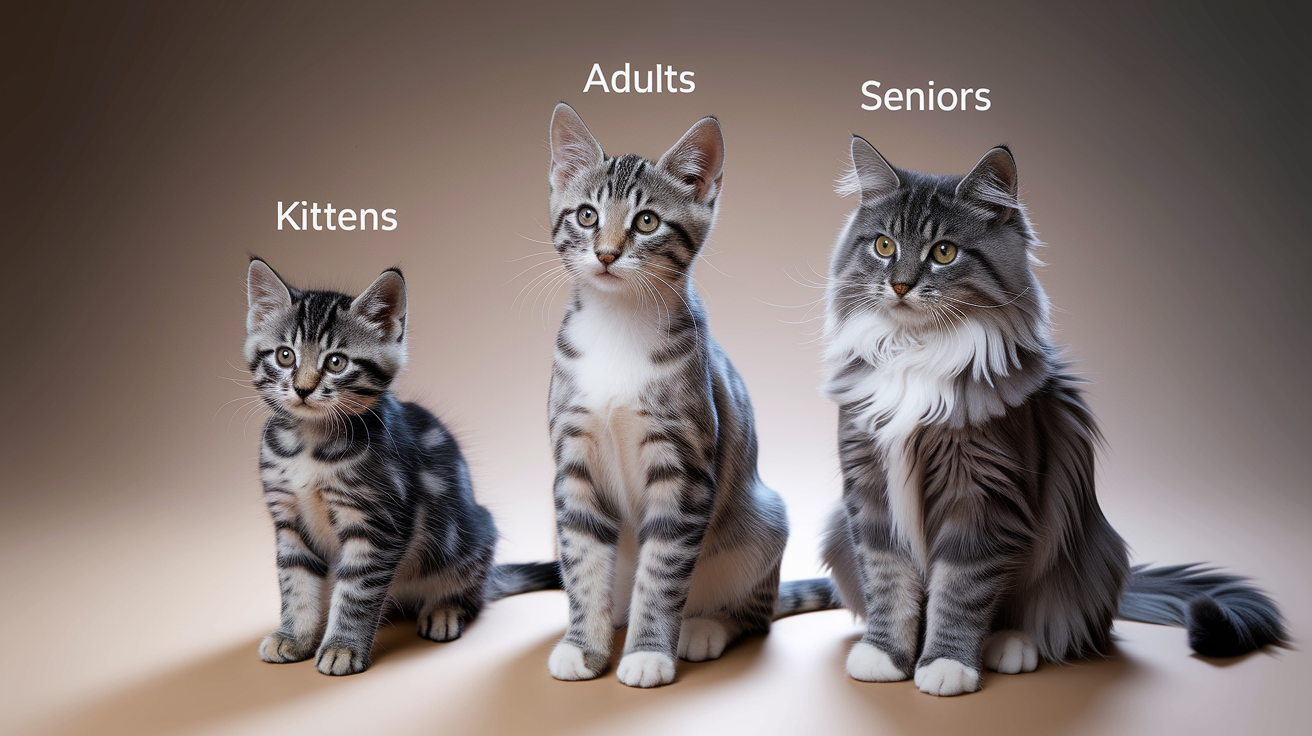
Kittens under six months vomit more easily than adults and have less reserve to tolerate dehydration or nutritional loss. Parasites are the most common cause of frequent vomiting in kittens, followed by viral infections and eating inappropriate objects. A kitten who vomits more than once in 24 hours, or who vomits and also refuses food or water, needs veterinary attention the same day. Waiting 48 hours to “see if it passes” risks severe dehydration and rapid decline. Kittens should never be fasted for more than a few hours. Withholding food overnight in a young cat can cause dangerous blood-sugar drops.
Adult cats between one and ten years typically vomit from dietary issues, hairballs, or stress-related gastritis. Occasional vomiting (once or twice a month) is most common in this age group and often responds to grooming, diet adjustments, or slow-feeder bowls. Recurrent vomiting in an otherwise healthy adult cat, especially with weight loss or behavior changes, suggests inflammatory bowel disease, food intolerance, or early-stage chronic disease that needs diagnostics to catch before it gets worse.
Senior cats, generally considered ten years and older, are at higher risk for chronic diseases that increase vomiting frequency. Chronic kidney disease, hyperthyroidism, diabetes, and cancer are all more common after age ten and often present with vomiting as an early sign. Any senior cat who begins vomiting more than twice in a month, loses weight, drinks more water than usual, or shows changes in litter-box habits should have bloodwork and a vet exam within a few days. Early detection of these diseases dramatically improves treatment outcomes and quality of life.
- Kittens: Vomiting more than once in 24 hours or any vomiting with lethargy, poor appetite, or diarrhea requires same-day vet contact.
- Adults: Vomiting more than twice per month, or any vomiting with weight loss, warrants a vet visit and possible diet trial or parasite screening.
- Seniors: Any increase in vomiting frequency, especially with increased thirst, weight loss, or decreased appetite, should prompt bloodwork within 48 to 72 hours.
Veterinary Diagnostics Used to Investigate Frequent Vomiting
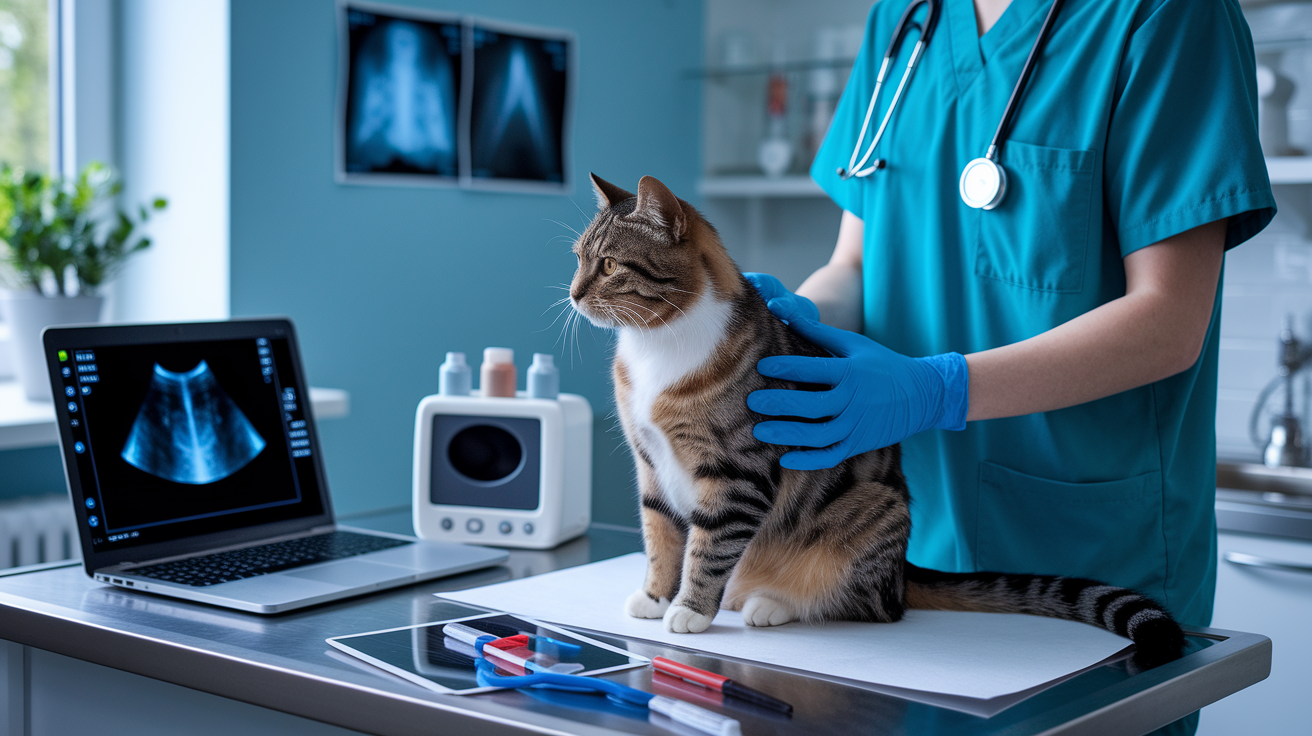
When you bring your cat to the vet for recurring vomiting, the first step is a thorough physical exam, hydration check, and a complete history of when vomiting started, how often it happens, and what the vomit looks like. From there, your vet will likely recommend baseline bloodwork: a complete blood count (CBC) to check for infection, anemia, or inflammation, and a serum chemistry panel to evaluate kidney function, liver enzymes, blood sugar, and electrolytes. For senior cats, a thyroid test (T4) is almost always included because hyperthyroidism is a leading cause of vomiting in older cats and is highly treatable once diagnosed.
Fecal testing checks for intestinal parasites, which are common in kittens, outdoor cats, and any cat with diarrhea alongside vomiting. Urinalysis helps detect kidney disease, diabetes, and urinary tract infections, all of which can cause nausea and vomiting. Abdominal X-rays or ultrasound are used when your vet suspects a foreign body, intestinal blockage, tumor, or organ enlargement. X-rays are faster and less expensive, while ultrasound provides more detail on soft tissues and is better for detecting masses, fluid buildup, or thickened intestinal walls. Endoscopy or exploratory surgery with biopsy is reserved for cases where imaging and bloodwork don’t provide answers, or when inflammatory bowel disease, cancer, or chronic gastritis is suspected. These procedures allow direct visualization and tissue sampling for definitive diagnosis.
| Diagnostic Test | What It Detects |
|---|---|
| Complete blood count (CBC) | Infection, anemia, inflammation, dehydration |
| Serum chemistry panel | Kidney function, liver enzymes, blood sugar, electrolyte imbalances |
| Thyroid test (T4) | Hyperthyroidism, especially in cats over 7–10 years |
| Fecal parasite exam | Roundworms, hookworms, tapeworms, and protozoal parasites |
| Abdominal X-ray or ultrasound | Foreign bodies, obstructions, tumors, organ enlargement, fluid accumulation |
| Endoscopy or biopsy | Inflammatory bowel disease, cancer, chronic gastritis, tissue diagnosis |
Home Care and Short-Term Management for Mild Vomiting Episodes
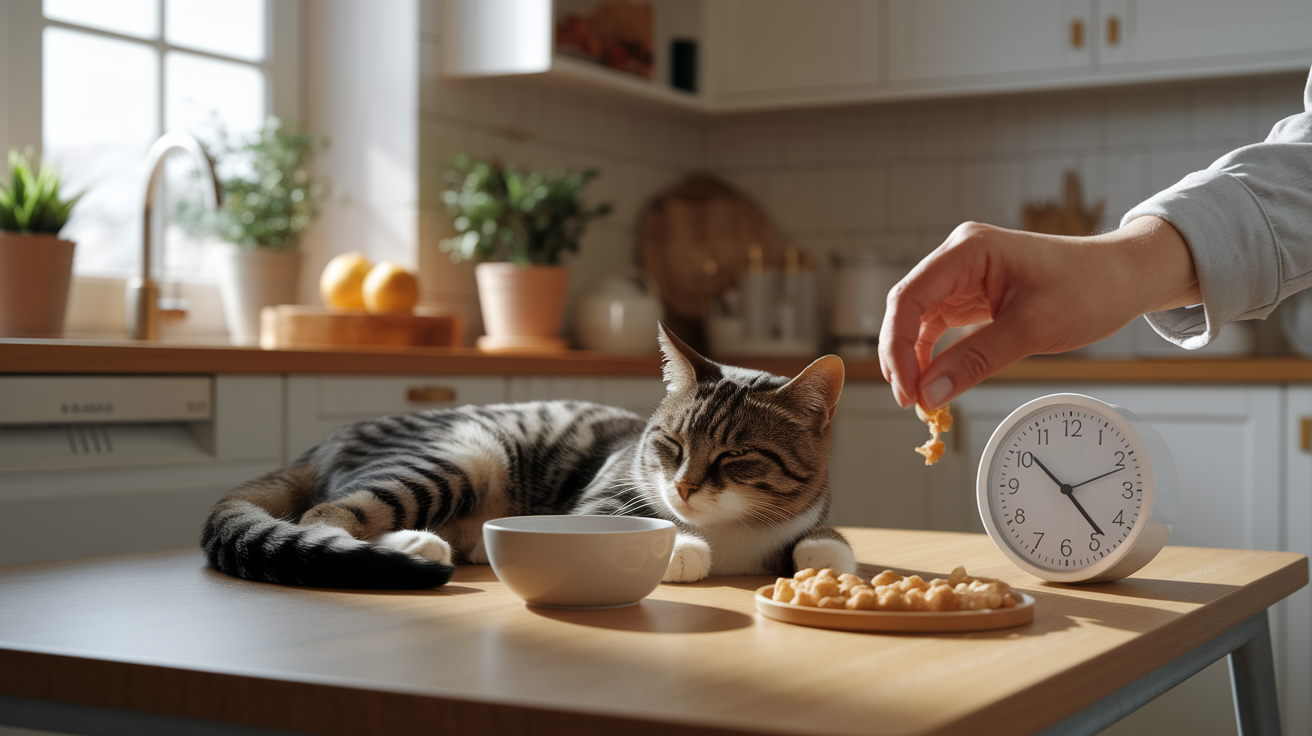
When your cat vomits once and otherwise acts normal (alert, interested in surroundings, no signs of pain), you can manage the situation at home for 24 to 48 hours before deciding whether a vet visit is needed. The goal is to rest the stomach, keep your cat hydrated, and watch closely for any changes that signal the problem isn’t resolving on its own.
Start by withholding food for 6 to 12 hours for adult cats. This gives the stomach time to settle without the irritation of digesting a meal. Kittens should not be fasted this long. If a kitten vomits, offer a very small amount of wet food after 2 to 3 hours and contact your vet if vomiting continues. Keep fresh water available at all times, but if your cat drinks a large amount quickly and vomits again, offer small sips every 30 minutes instead of free access to prevent the stomach from overfilling. After the fasting period, reintroduce food gradually with a bland, small meal (a teaspoon of plain boiled chicken or a prescription bland diet if you have one) and wait two hours before offering a second small portion.
Monitor your cat’s behavior, litter-box habits, and hydration over the next 24 to 48 hours. Check for sticky or dry gums, sunken eyes, or skin that doesn’t bounce back quickly when gently lifted. These are signs of dehydration and mean you need to call your vet. If your cat vomits again, refuses food for more than 12 to 24 hours, or shows lethargy, hiding, or abdominal pain, stop home care and contact your vet. Do not give any medications, including over-the-counter anti-nausea or antacid drugs, without explicit veterinary instruction. Many human medications are toxic to cats, and masking symptoms can delay diagnosis of a serious condition.
- Withhold food for 6 to 12 hours (adults only; kittens should not fast long, call vet).
- Offer small sips of water every 30 minutes; avoid letting your cat gulp large amounts at once.
- Reintroduce food with a very small, bland meal after the fasting period.
- Monitor gum moisture, behavior, litter-box output, and appetite every few hours.
- Contact your vet if vomiting repeats, your cat refuses water, or any red-flag signs appear within 24 to 48 hours.
Preventing Recurrent Vomiting and Reducing Episode Frequency
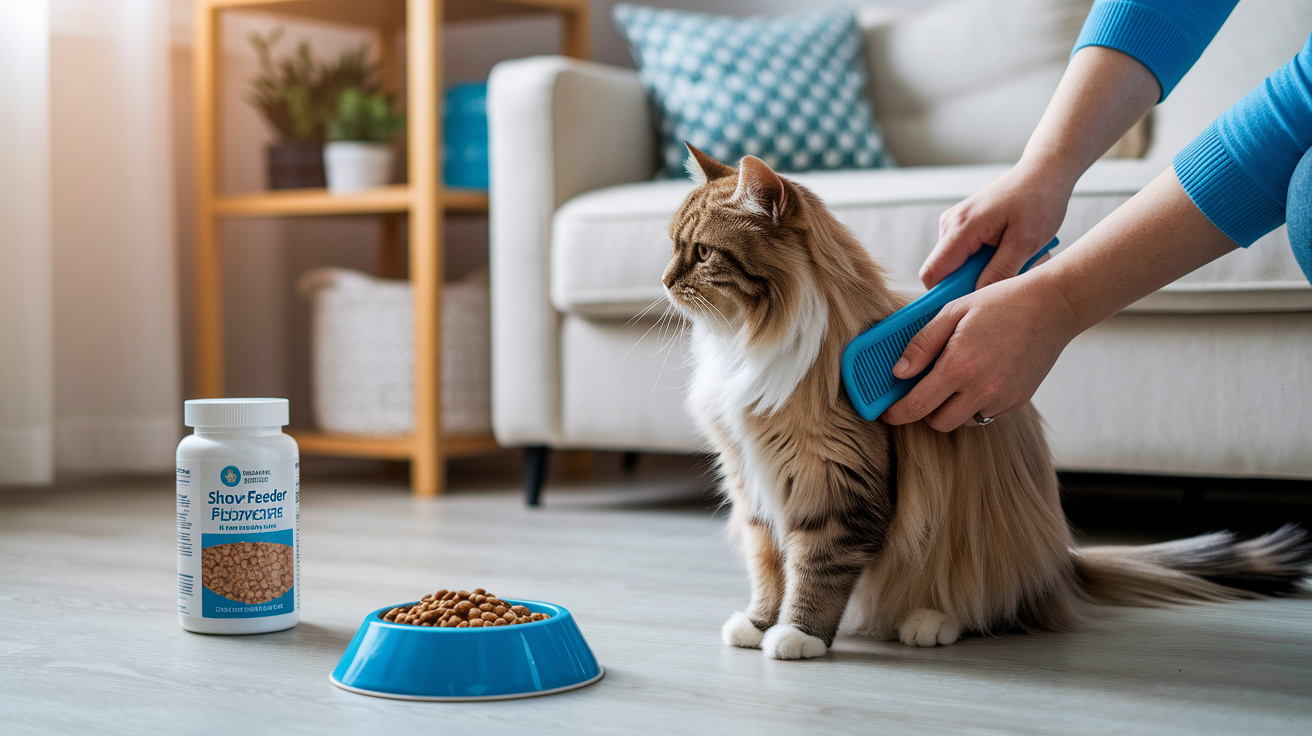
Reducing vomiting frequency starts with regular grooming, especially for long-haired cats. Brush your cat 2 to 3 times a week during normal seasons, and daily during heavy shedding periods in spring and fall. Consistent brushing removes loose fur before your cat ingests it, cutting hairball formation significantly. If grooming alone doesn’t reduce vomiting, ask your vet about hairball-control diets or fiber supplements that help hair pass through the intestines instead of being vomited up.
Increase moisture in your cat’s diet by replacing at least one dry-food meal per day with wet food, or by adding water or low-sodium broth to kibble. Higher moisture intake supports digestion, reduces stomach irritation, and helps hair move through the gut more smoothly. Transition any diet changes slowly over 7 to 10 days, mixing a small amount of new food with the old and gradually increasing the ratio. Abrupt switches cause vomiting and diarrhea even in cats without food sensitivities. Use slow-feeder bowls, puzzle feeders, or spread meals across multiple small portions throughout the day if your cat eats too quickly. Slowing down eating reduces the amount of air swallowed and gives the stomach time to signal fullness before your cat overeats.
- Groom long-haired cats 2 to 3 times per week, daily during heavy shedding seasons.
- Switch to wet food or add water to kibble to increase moisture and support digestion.
- Transition new foods gradually over 7 to 10 days to avoid GI upset.
- Use slow-feeder bowls or puzzle feeders to prevent rapid eating and reduce air swallowing.
- Feed smaller, more frequent meals (2 to 4 times daily instead of one or two large servings).
- Maintain regular parasite prevention with deworming protocols recommended by your vet, especially if your cat goes outdoors.
- Remove access to toxic plants, medications, string, rubber bands, and small objects that can cause obstruction or poisoning.
Tracking Vomiting Frequency: Logs, Patterns, and Monitoring Tools

Keeping a written record of every vomiting episode gives you and your vet concrete data to identify patterns, track improvement, and decide whether diagnostics or treatment changes are needed. A simple log captures the date, time, what the vomit looked like, how much came up, and what your cat was doing before and after. Over two to four weeks, patterns emerge. Vomiting always happens in the morning before eating, vomiting clusters on weekends when you’re home and feeding treats, or vomiting increases during shedding season.
Include notes on appetite, water intake, litter-box output, and any behavior changes like hiding, lethargy, or increased vocalization. Weight is especially important. Weigh your cat weekly on a home scale and record the number. A loss of 5 to 10% of body weight over a few weeks is significant and should be reported to your vet immediately. Bring this log, along with a fresh stool sample and photos or a small sample of vomit if possible, to your veterinary appointment. Clear records help your vet move faster from exam to diagnosis, reducing the need for guesswork and unnecessary testing.
| Date | Time | Content | Amount | Notes |
|---|---|---|---|---|
| Jan 5 | 7:30 AM | Hairball with bile | Small (1–2 tablespoons) | Ate normally after; no other symptoms |
| Jan 8 | 6:00 PM | Undigested food | Medium (1/4 cup) | Ate dinner too fast; acted normal after |
| Jan 12 | 9:00 AM | Yellow bile | Small (1 tablespoon) | Stomach empty overnight; ate breakfast fine |
| Jan 15 | 3:00 PM | Foam with mucus | Small (less than 1 tablespoon) | Lethargic afterward; drinking less today |
| Jan 18 | 8:00 AM | Hairball | Small (1 tablespoon) | Normal behavior; grooming increased this week |
Final Words
Most healthy cats vomit 0–2 times per month, hairballs show up every 2–4 weeks, and anything more often fits the abnormal numeric ranges we laid out.
You’ve got vomit descriptions, age-based expectations, common causes, diagnostics to expect, and simple home-care and prevention steps to reduce episodes.
Use this cat vomiting frequency guide as a quick reference. Keep a short log for 2–4 weeks and call your vet if numbers cross the red-flag thresholds. You’re helping your cat stay safer and more comfortable.
FAQ
Q: What is normal vomiting frequency in cats?
A: Normal vomiting frequency in cats is 0–2 times per month; anything above once per week is considered an abnormal numeric benchmark for healthy indoor adult cats.
Q: How often are hairballs normal?
A: Hairballs are normal roughly every 2–4 weeks in long-haired cats; short-haired cats usually have them less often. More than one hairball per week is above typical frequency.
Q: When should I worry about my cat vomiting?
A: You should worry when vomiting becomes frequent or comes with red flags like bright red blood, dark “coffee-ground” material, repeated episodes, not keeping water down, collapse, or breathing trouble.
Q: How should I monitor my cat’s vomiting at home?
A: To monitor at home, record date/time, content, amount, appetite, water intake, stool, behavior, and weight; check twice daily for 24–48 hours and note any worsening.
Q: What do different vomit appearances mean for frequency concerns?
A: Vomit appearance shows possible causes: yellow/green bile suggests empty-stomach vomiting; undigested food hints at rapid eating; foam means irritation; hairballs are cylindrical; blood needs urgent attention.
Q: When should I contact a vet based on vomiting frequency?
A: You should contact a vet if vomiting occurs more than once per week, if there are over 2–3 episodes in 24 hours, or if vomiting persists beyond 24–48 hours with worsening signs.
Q: Do kittens and senior cats have different vomiting thresholds?
A: Kittens and seniors need earlier care: kittens risk fast dehydration, and seniors often have chronic disease. Any repeated vomiting, weight loss, or behavior change should prompt veterinary evaluation.
Q: What are common causes of increased vomiting frequency?
A: Common causes of increased vomiting include hairballs, diet change, parasites, infections, toxins, pancreatitis, inflammatory bowel disease, kidney or liver disease, hyperthyroidism, diabetes, and gastrointestinal obstruction.
Q: What diagnostics might the vet use to investigate frequent vomiting?
A: Diagnostics veterinarians use include bloodwork (CBC, chemistry, T4), fecal parasite testing, urinalysis, X-rays, abdominal ultrasound, endoscopy, and sometimes biopsies to find the cause.
Q: How should I care for mild vomiting at home short-term?
A: For mild vomiting in adult cats, withhold food 6–12 hours, offer small amounts of water, then feed bland small meals; monitor hydration and appetite for 24–48 hours and call if it continues.
Q: How can I prevent recurrent vomiting and reduce episode frequency?
A: To prevent recurrent vomiting, groom long-haired cats 2–3 times weekly, transition diets slowly over 7–10 days, use wet food and slow feeders, maintain parasite prevention, and remove strings or toxins.
Q: How do I keep a useful vomiting log for my cat?
A: Keep a vomiting log with date, time, content, amount, and notes; track for 2–4 weeks to identify patterns and bring clear records to your veterinarian.