

Think a warm nose means your pet has a fever?
Warm nose alone rarely tells the story.
A quick, focused check can be the difference between safe home care and an urgent vet visit.
This checklist lists common signs like warm ears, shivering, poor appetite, and fast breathing, and explains when several signs together matter.
You’ll also get simple steps to check temperature and a 24-hour watch plan.
Know the red flags that need a call now.
Immediate Pet Fever Symptoms Checklist for Fast At‑Home Assessment

When your pet starts acting off, fever’s usually one of the first things to check. It means their immune system is responding to something. Could be an infection, inflammation, or sometimes a reaction to meds or a recent vaccine. Knowing what to watch for helps you figure out whether to monitor at home or call your vet now.
The checklist below covers what you’ll see most often in dogs, cats, rabbits, and birds. Don’t rely on just one sign. Look for clusters. The more boxes you check, the higher the chance your pet’s running a fever.
- Warm or hot ears and paws compared to what’s normal for them
- Lethargy, weakness, or naps that go on way longer than usual
- Won’t eat or turns down favorite treats
- Shivering, trembling, or hunching up even when the room’s warm
- Panting while resting or breathing faster than normal
- Red or glassy eyes
- Dry, warm nose tip (though this alone doesn’t tell you much)
- Runny nose or sneezing fits
- Drinking more water or acting thirsty
- Drooling more than usual
- Hiding, irritability, or avoiding you
- Seeking out cool tile floors or other cold surfaces
Warm nose or ears can happen for tons of reasons. Stress, sun exposure, or just being near a heat source. To confirm fever, you’ll need to measure actual body temperature with a thermometer. That number, plus the symptoms you’re seeing, tells the full story.
Understanding Normal Pet Temperature Ranges to Interpret Fever

Different species run at different baseline temps. What’s normal for a dog won’t match what’s normal for a rabbit or bird. Knowing your pet’s healthy range helps you spot when a reading crosses into fever territory and when things become an actual emergency.
The table shows typical body temps and where fever starts. These are rectal measurements, the most accurate kind. Ear or axillary readings are less reliable and often need adjustment.
| Species | Normal Range (°F) | Fever Threshold (°F) |
|---|---|---|
| Dogs | 101.0–102.5 | >103.0 |
| Cats | 100.5–102.5 | >103.0 |
| Rabbits | 101.0–103.0 | >103.5 |
| Birds | 102.0–109.0 (species-dependent) | >110.0 or visible distress |
Fever isn’t the same thing as hyperthermia. Fever means the body intentionally raises its thermostat in response to infection or inflammation. It’s a controlled immune response. Hyperthermia happens when the body can’t cool itself fast enough, usually from heatstroke, overexertion, or being trapped in a hot car. Both show high temps, but hyperthermia’s more dangerous because the body’s cooling mechanisms have failed. Treatment for each is different, so knowing the context matters when you call your vet. What was your pet doing before symptoms started?
How to Check Your Pet’s Temperature Safely at Home

Taking your pet’s temp at home gives you a concrete number instead of guessing based on warm ears or behavior. A digital thermometer made for pets is the best tool. You can use a rectal thermometer for the most accurate reading, or an ear thermometer designed for animals if your pet won’t tolerate rectal. Either way, measuring takes under a minute and removes the guesswork.
Rectal Temperature Method
Rectal readings are the gold standard. They reflect core body temp without being affected by panting, room air, or ear wax. You’ll need a digital rectal thermometer, water soluble lubricant or petroleum jelly, a small treat or two, and ideally someone to gently hold your pet.
- Wash your hands and turn on the thermometer to make sure the battery works.
- Apply a small amount of lubricant to the tip.
- Have your helper gently hold your pet still, speaking calmly and offering a treat or toy as distraction.
- Lift the tail and insert the thermometer about one inch into the rectum. Aim slightly upward toward the spine.
- Hold it in place until it beeps, usually under 60 seconds.
- Remove the thermometer, read the display, write down the number, and clean it with soap and rubbing alcohol before storing it separately from any human thermometers.
Ear Thermometer Method
Ear thermometers designed for pets are less invasive and easier on anxious animals. They measure the temp of the eardrum and surrounding tissue. Downside is they can be thrown off by ear wax, ear infections, or improper placement. If you get a reading that doesn’t match what you’re seeing symptom wise, consider rechecking with the rectal method or calling your vet. Always use a pet specific ear thermometer. Human versions aren’t calibrated for animal ear canals.
Interpreting Physical and Behavioral Fever Clues in Pets
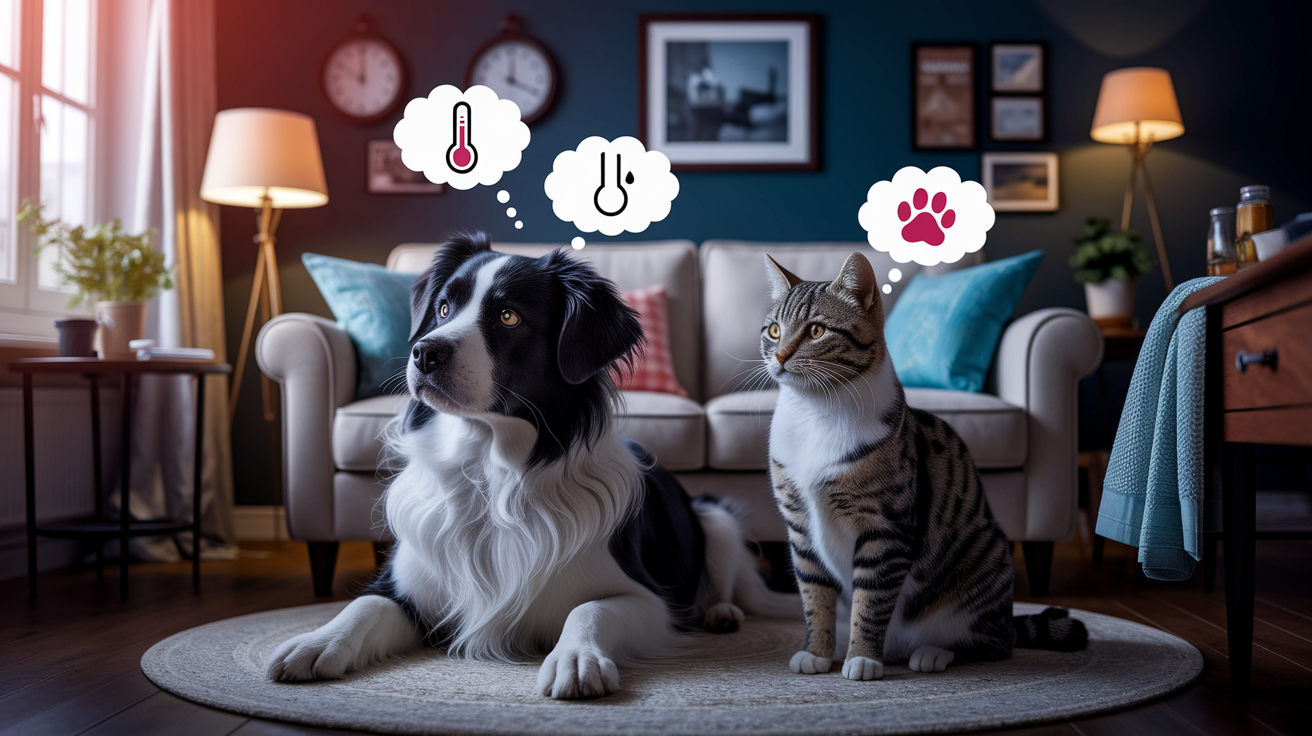
Once you’ve spotted a symptom or two, the next step is understanding what those signs actually mean in context. A single warm ear on a sunny afternoon isn’t the same as warm ears plus lethargy, appetite loss, and shivering all at once. Fever symptoms rarely show up solo. They cluster together because fever affects multiple body systems at the same time.
Start by asking yourself what changed recently. Did your pet play outside in tall grass where ticks are common? Get a vaccine in the last 48 hours? Eat something unusual or chew on a plant? The timeline and exposures help you separate fever from other causes like anxiety, overheating, or simple fatigue. Behavioral shifts are especially telling in cats and rabbits, who often hide illness until it’s more advanced. A cat that suddenly stops grooming or a rabbit that sits hunched and won’t eat is signaling something more serious than a bad mood.
Here are eight interpretation principles to guide your assessment:
- Warm ears or paws should feel warmer than usual for your pet, not just warm to your hand. Compare both ears and all four paws.
- Lethargy that lasts more than a few hours, especially if your pet skips meals or ignores favorite activities, points to systemic illness.
- Panting or rapid breathing without exercise, heat, or stress suggests the body’s trying to cool down or cope with discomfort.
- Shivering in a warm room means the body’s generating heat. Classic fever response.
- Red or glassy eyes combined with nasal discharge often signal respiratory infection.
- Seeking cold surfaces like tile, concrete, or lying near air vents is a behavioral cooling strategy.
- Drooling or excessive salivation, especially in cats or small pets, can indicate nausea, dehydration, or mouth pain linked to systemic infection.
- Multiple mild signs together. Say, warm ears, slight appetite drop, and more sleep. That’s more significant than any one symptom alone.
When a Pet’s Fever Requires a Veterinary Visit

Some fevers are mild and short lived. Others are red flags that need immediate professional care. The difference often comes down to how high the temp climbs, how fast symptoms worsen, and whether your pet can still drink, stand, and breathe comfortably. If you’re unsure, it’s always safer to call and describe what you’re seeing.
A fever that stays above 103°F for more than 24 hours without improvement, or any temp reading at or above 106°F, is a medical emergency. At 106°F and higher, body proteins begin to break down and organs can fail quickly. Even if the thermometer reads lower but your pet shows any of the warning signs below, don’t wait.
- Temperature of 104.5°F or higher, or any reading at or above 106°F
- Difficulty breathing, gasping, or blue tinged gums
- Collapse, can’t stand, or severe weakness
- Refusal to drink water for more than a few hours
- Vomiting or diarrhea, especially if bloody or persistent
- Seizures, tremors, or uncoordinated movement
- Fever lasting longer than 24 hours with no sign of improvement
Common Causes of Fever in Pets to Monitor and Report
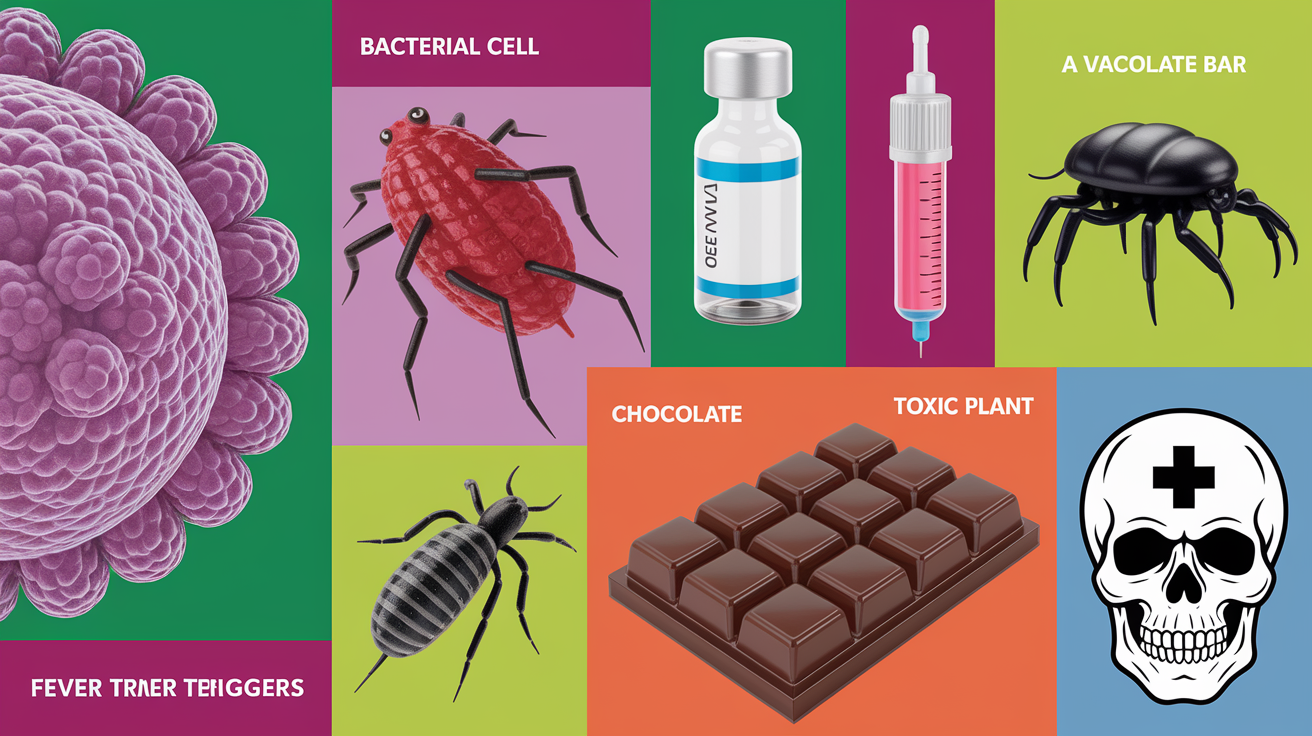
Fever’s a symptom, not a disease. The body raises its temp to fight off infections, deal with inflammation, or respond to toxins. When you call your vet, they’ll want to know not just that your pet has a fever, but what else has been going on. Recent activities, possible exposures, changes in routine, and any other symptoms you’ve noticed. That context helps narrow down the cause faster.
Most fevers in pets trace back to infections or immune reactions. Bacterial infections from bite wounds, abscesses, or dental disease are common culprits. Viral illnesses, tick borne diseases, and urinary tract infections also frequently trigger fevers. Occasionally, a pet will run a mild, short lived fever after a vaccine. That’s a normal immune response and usually resolves within 24 to 48 hours.
- Infected bite wound, scratch, or surgical incision
- Dental abscess or severe gum infection
- Respiratory infection such as kennel cough, pneumonia, or upper respiratory virus in cats
- Urinary tract infection or kidney infection
- Tick borne illness including Lyme disease, ehrlichiosis, or anaplasmosis
- Gastrointestinal infection or pancreatitis
- Ingestion of toxic plants, antifreeze, human medications, or harmful foods like chocolate or xylitol
- Immune mediated disease or inflammatory conditions
- Parasite related illness such as severe intestinal worms or protozoa
- Post vaccination reaction, mild and temporary in most cases
Safe Home Care Steps for Mild Pet Fever
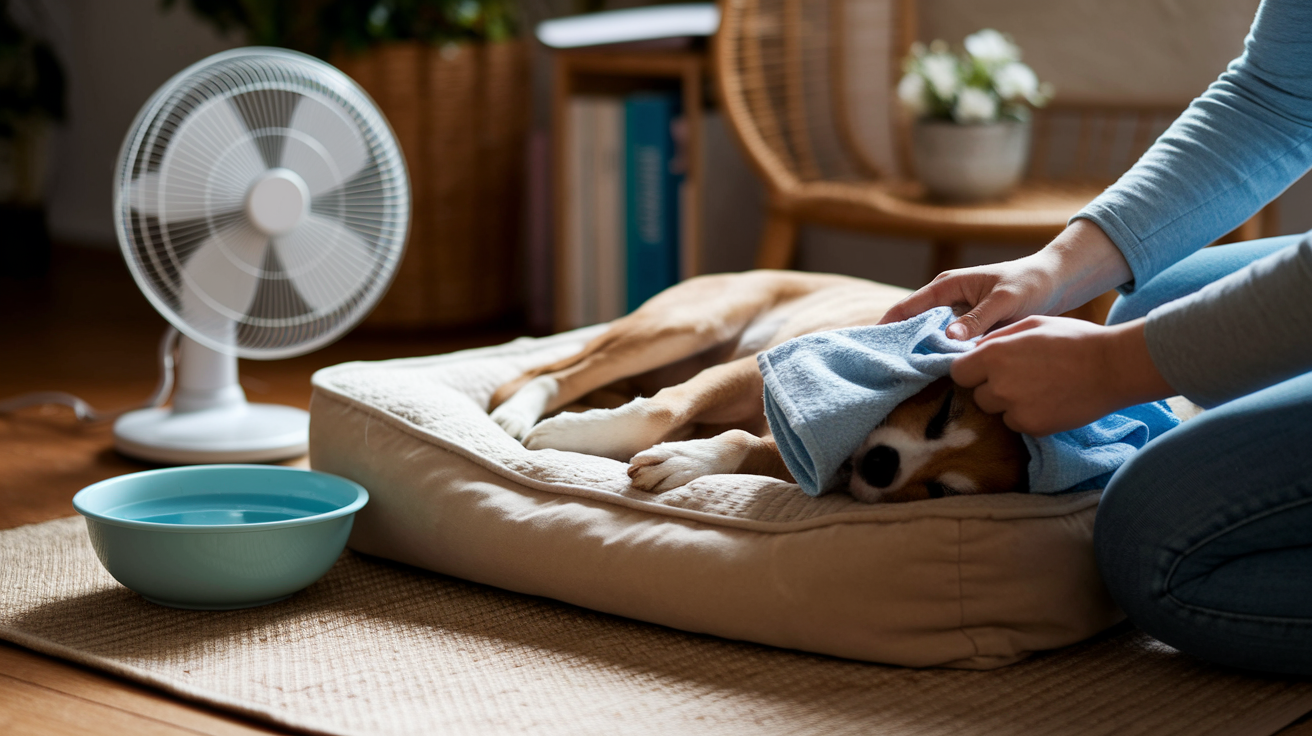
If your pet’s temp is between 103°F and 104°F, they’re drinking water, and they’re not showing any emergency warning signs, you can try some gentle home care while you monitor closely. The goal is to help your pet stay comfortable and hydrated, not to aggressively drop the temperature. Slow, steady cooling is safer than sudden changes.
Keep your pet in a quiet, cool room away from direct sunlight and other animals. Encourage small sips of fresh water every hour. If your pet won’t drink plain water, try offering low sodium chicken broth (cooled to room temp), coconut water, or even ice cubes to lick. Avoid forcing liquids, but make water easily accessible in multiple spots.
- Dampen a towel with cool (not cold) water and gently wrap it around your pet’s paws and ears for a few minutes at a time.
- Run a fan near your pet to help with evaporative cooling. Don’t aim it directly at their face.
- Offer small, easily digestible meals if your pet shows any interest. Plain boiled chicken, plain rice, or their usual food in smaller portions.
- Measure temp every two to three hours and write down each reading with the time.
- Stop all cooling measures once the temp drops below 103°F to avoid overcorrection.
- Provide a comfortable resting area with soft bedding and minimal activity. Rest supports immune recovery.
If your pet’s fever doesn’t improve within 24 hours, climbs higher, or new symptoms appear (vomiting, diarrhea, difficulty breathing, refusal to drink), contact your vet right away. Home care buys you monitoring time for mild cases. It’s not a substitute for diagnosis and treatment when something more serious is at play.
Dangerous Mistakes to Avoid When Treating a Pet Fever
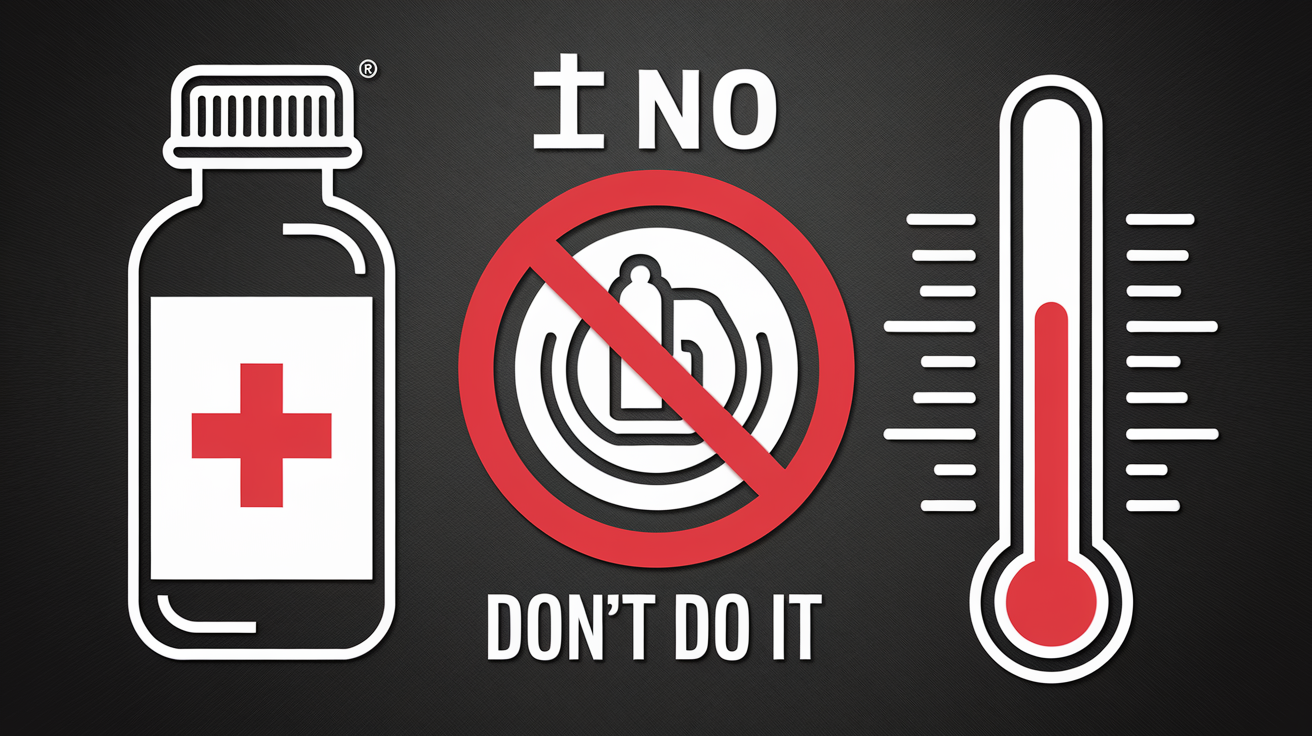
When your pet’s sick, the instinct to help fast can lead to risky choices. Some common human remedies are toxic to animals, and certain cooling methods can cause more harm than the fever itself. Knowing what not to do is just as important as knowing what helps.
Never give your pet human fever reducing medications. Acetaminophen (Tylenol), ibuprofen (Advil, Motrin), and aspirin can all cause severe organ damage or fatal poisoning in dogs, cats, rabbits, and other pets. Even a single dose calculated for a child can be dangerous. Only a vet can prescribe safe medication if it’s needed, and they’ll base the choice on your pet’s species, size, and underlying condition.
- Do not give acetaminophen, ibuprofen, aspirin, or any other human pain or fever medication.
- Avoid ice baths or submersion in very cold water. Rapid temp drops can cause shock.
- Don’t rub alcohol on your pet’s skin or paws. It can be absorbed and cause toxicity, and the fumes are harmful.
- Skip unregulated online remedies, essential oils, or herbal supplements unless explicitly approved by your vet.
- Don’t assume a mild fever will resolve on its own without monitoring. Persistent fever can indicate serious infection.
- Never delay veterinary care hoping home treatment will be enough if your pet shows severe symptoms or high temp readings.
What to Expect at a Veterinary Visit for Fever Evaluation

When you bring a febrile pet to the clinic, the vet will start with a full physical exam and a detailed history. What you’ve noticed, when it started, any possible exposures, and whether your pet’s current on vaccines and parasite prevention. From there, they’ll likely recommend diagnostic tests to identify the underlying cause. Fever itself is treated by addressing whatever triggered it, not by simply lowering the temp.
Blood work’s usually the first step. A complete blood count checks for signs of infection, anemia, or immune system abnormalities. A chemistry panel evaluates organ function (liver, kidneys, pancreas) since infections or toxins can affect these systems. Urinalysis looks for urinary tract infections or kidney issues. If the source isn’t obvious, your vet may order X-rays or ultrasound to check for pneumonia, abscesses, foreign objects, or masses.
| Test Type | What It Detects |
|---|---|
| Complete Blood Count (CBC) | Infection, inflammation, anemia, immune response abnormalities |
| Blood Chemistry Panel | Organ function (liver, kidneys), electrolyte imbalances, blood sugar, pancreatic inflammation |
| Urinalysis | Urinary tract infection, kidney disease, crystals, glucose or protein in urine |
| Imaging (X-ray, Ultrasound) | Pneumonia, abscesses, foreign bodies, masses, enlarged organs |
Treatment depends on the diagnosis. Bacterial infections get antibiotics. Supportive care (fluids, anti nausea medication, pain relief) helps your pet feel better while the body fights off illness. In some cases, fever has no clear cause even after testing. This is called Fever of Unknown Origin. Your vet may prescribe a trial treatment, recommend specialist referral, or suggest follow up testing in a week to see if new clues emerge.
Tracking Pet Fever at Home With Logs and Checklists

When you’re monitoring a sick pet over hours or days, memory gets fuzzy fast. Writing down temp readings, symptoms, water intake, and behavior changes gives you and your vet a clearer picture of whether things are improving, staying stable, or getting worse. A simple log or checklist takes less than a minute to fill out each time you check in, and it can make the difference between catching a problem early and missing a warning sign.
Start a fever log the moment you suspect illness. Note the date and time of each temp reading, which method you used (rectal or ear), and the exact number. Add a quick symptom check. Is your pet eating? Drinking? Active or resting? Any vomiting, diarrhea, coughing, or nasal discharge? Over 24 to 48 hours, patterns become obvious. A fever that spikes every evening, or one that drops after fluids but climbs again within hours, tells your vet something important about what’s happening inside.
| Item to Track | Reason | Frequency |
|---|---|---|
| Body Temperature (°F) | Shows fever presence, trends, and response to treatment | Every 2–4 hours during active monitoring |
| Water Intake | Detects dehydration risk; declining intake is a red flag | Track total cups or bowls offered and consumed per day |
| Appetite and Food Eaten | Loss of appetite often accompanies fever and worsens with time | Note each meal or snack offered and how much was eaten |
| Behavioral Changes | Lethargy, hiding, irritability, or seeking cool surfaces indicate severity | Quick note at each temperature check |
Final Words
If your pet feels warm, shaky, or just not like themselves, start with the quick at-home checks: look for warm ears and paws, shivering, appetite loss, odd breathing, and low energy. Then use the normal temperature ranges and the safe rectal or ear thermometer steps we walked through to confirm a fever.
Track readings, follow gentle home-care steps for mild cases, and avoid risky DIY treatments. Take a measured temp and use the pet fever symptoms checklist — and if anything looks worse, call your vet. You’ve got this.
FAQ
Q: What is the fastest way to bring a dog’s fever down?
A: The fastest way to bring a dog’s fever down is gentle cooling: damp cool towels on paws and ears, a fan, and small sips of water or broth; avoid ice baths and human meds. Call vet if temp ≥104.5°F.
Q: How long does a dog fever usually last?
A: A dog fever usually lasts 24 to 48 hours for mild cases; if it persists longer than 48 hours, returns, or if your dog shows severe signs, contact your veterinarian right away.
Q: Can you tell if a dog has a fever by feeling them?
A: You can’t reliably tell if a dog has a fever just by feeling them; warm ears or nose help little. Use a digital rectal thermometer for accuracy or call your vet if unsure.
Q: Can dogs recover from fever on their own?
A: Dogs can recover from mild fevers on their own if the cause is minor; monitor for 24–48 hours, keep them hydrated and resting, and call the vet if signs worsen or fever persists.