

Is your dog’s red, itchy skin just a nuisance or a sign you shouldn’t ignore?
Skin rashes can look alike but come from different causes: allergies, yeast, bacteria, parasites, or fungi like ringworm.
This quick guide helps you read the clues, what the rash looks like and where it shows up, so you can try safe, low-effort steps at home and know exactly when a vet visit is needed.
By the end you’ll have a clear checklist to spot common causes and next steps fast.
Identifying Dog Skin Rash Symptoms Quickly and Accurately

Start with the redness and texture. Red, itchy patches on your dog’s belly, armpits, or paws? That’s usually allergic reactions. Pimple-like bumps scattered across the skin point to bacterial infection. Scaly or moist areas with a foul smell mean yeast overgrowth, especially around skin folds, ears, and between toes. Circular patches where hair’s fallen out with scaly edges? That’s ringworm, a contagious fungal infection you don’t want to mess around with. Crusty bumps or scabs can mean parasites, insect bites, or autoimmune conditions.
Next, check where the rash sits. Ears, paws, belly, groin, armpits, neck, and skin folds are hot spots for yeast and bacterial problems. The rump and tail base often show flea allergy signs. Round patches of missing hair anywhere on the body make ringworm more likely. Write down what you see and when you first noticed it. That timeline helps your vet narrow the cause fast.
Watch for signs that mean things are getting worse. A rash that spreads quickly, oozes fluid, smells terrible, or causes obvious pain when you touch it needs professional assessment. If your dog shows systemic symptoms like lethargy, loss of appetite, or fever, don’t wait.
High-risk symptoms requiring urgent veterinary assessment:
- Facial or limb swelling, hives, vomiting, diarrhea, or difficulty breathing (possible anaphylaxis, seek emergency care immediately)
- Bleeding or oozing lesions with pus or clear fluid
- Foul or yeasty odor from the skin
- Visible parasites such as fleas, ticks, or mites crawling on the coat
- No improvement or clear worsening within 1 to 2 days of home observation
Common Dog Skin Rash Causes and What They Look Like
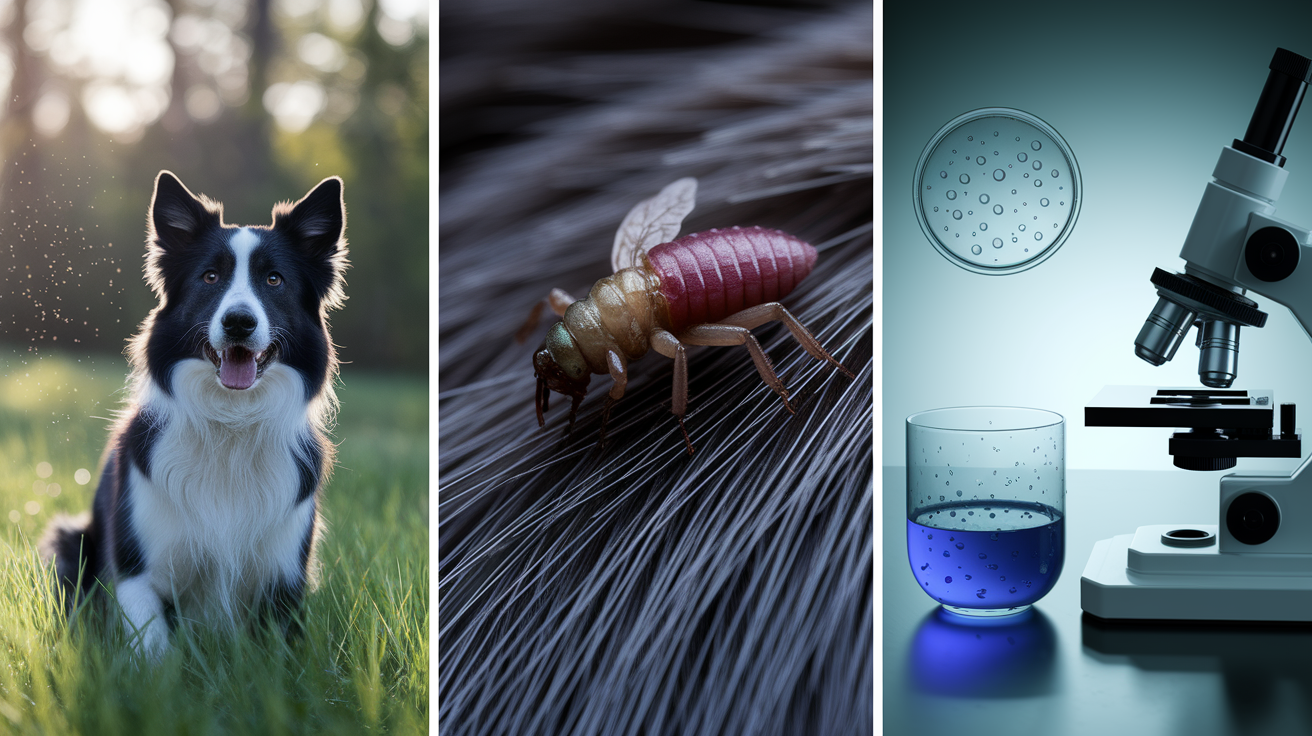
The most frequent culprits behind dog rashes are allergies, parasites, and infections. Allergies can be triggered by food, pollen, grooming products, or something your dog touched. Flea allergy dermatitis is incredibly common. One flea bite can cause intense itching for weeks in a sensitive dog. Mange, caused by microscopic mites, shows up as hair loss and scabbing. Sarcoptic mange spreads easily between dogs and can temporarily affect people. Ringworm, despite its name, is a fungus that creates circular bald spots with crusty edges and spreads to humans and other pets.
Yeast infections thrive in warm, moist areas like paws, ears, neck, and skin folds. The skin looks red and inflamed, often with a greasy feel and a strong, musty smell. Bacterial skin infections, called pyoderma, produce pimple-like pustules, scabs, and crusts. These infections are common in dogs with allergies because constant scratching damages the skin barrier and lets bacteria in. Both yeast and bacterial infections often show up as secondary problems on top of an underlying allergy or hormone imbalance.
Systemic diseases like hypothyroidism and Cushing’s disease weaken the immune system and skin health, making rashes more likely and harder to clear. Contact dermatitis happens when your dog’s skin touches an irritant. Think lawn chemicals, harsh shampoos, or certain plants. The rash usually appears where the skin made contact, like the belly after lying in treated grass or the chin after eating from a plastic bowl.
Certain breeds are more prone to specific conditions. Bulldogs, Shar-Peis, and other wrinkly breeds struggle with yeast in skin folds. Terriers and herding breeds often develop allergies. Knowing your dog’s breed tendencies can help you and your vet zero in on the cause faster.
Appearance Clues for Each Cause
- Red, itchy patches on ears, paws, belly, armpits, groin, or rump: Most commonly allergic dermatitis (food, environmental, or flea allergy).
- Pimple-like bumps, pustules, or round scaly lesions: Bacterial infection (staphylococcal pyoderma) or secondary infection from scratching.
- Large moist or scaly patches in skin folds, neck, armpits, groin, or paws: Yeast infection (Malassezia dermatitis), often with strong odor.
- Circular hair loss with scaly, crusty edges: Ringworm (dermatophyte fungal infection), contagious to people and other pets.
- Small crusty bumps or scabs scattered across the body: Parasites (fleas, mites), insect bites, or early autoimmune disease.
- Hair loss without much redness or itching: Possible hormonal issue like hypothyroidism or Cushing’s disease.
Parasite-Related Causes
Fleas are the number one parasite trigger for dog rashes. Flea allergy dermatitis shows up as intense itching around the rump, tail base, and back legs. You might see tiny black specks in the coat. That’s flea dirt, which turns red when you put it on a damp paper towel because it’s digested blood. Even a single flea can keep a sensitive dog miserable for weeks.
Sarcoptic mange, also called canine scabies, causes extreme itching and crusty, scabby skin, especially on ear edges, elbows, and belly. It spreads quickly between dogs and can cause temporary itchy bumps on people who handle an infected dog. Demodectic mange shows up as bald spots and scabbing, usually around the face and front legs in young dogs. Unlike scabies, demodex mites live naturally on most dogs and only cause problems when the immune system is weak, so it doesn’t spread to other pets or people.
Ticks attach to the skin and can cause localized irritation or transmit serious diseases like Lyme disease. You can see ticks with your eyes. They look like small, dark bumps that don’t brush off. Remove them by grasping close to the skin with tweezers and pulling straight out without twisting. Save the tick in a jar with rubbing alcohol in case your vet wants to check it.
Allergy-Driven Causes
Environmental allergies, also called atopic dermatitis, usually start between ages one and three. Dogs react to pollen, dust mites, mold, or other airborne allergens. The itching often gets worse in certain seasons. You’ll see redness and scratch marks on the face, ears, paws, armpits, and belly. Chronic licking and chewing lead to dark staining on light-colored fur.
Food allergies can develop at any age and cause year-round symptoms. The rash pattern looks similar to environmental allergies. Red, itchy skin in the same body regions. Some dogs also have ear infections or soft stools alongside the skin trouble. Identifying the food culprit requires a strict elimination diet trial lasting at least eight weeks, using a novel protein or hydrolyzed diet your dog’s never eaten before.
Contact allergies happen when the skin touches an irritant. Common triggers include certain shampoos, detergents on bedding, lawn chemicals, or plants. The rash appears where contact occurred, often the belly, paws, or face. Switching to fragrance-free, dog-safe products and rinsing paws after walks can help.
Flea allergy is technically an allergic reaction to flea saliva. One bite triggers intense inflammation in allergic dogs. Even with strict flea control, a single flea that hops on during a walk can restart the cycle. Year-round prevention is essential.
Infection-Related Causes
Bacterial skin infections in dogs are almost always secondary. They show up because something else, usually allergies or scratching, damaged the skin first. Staphylococcal bacteria are the usual culprits. You’ll see pustules that look like tiny pimples, circular scaly patches, crusts, and sometimes oozing sores. Shorthaired dogs show these lesions more clearly than long-coated breeds.
Yeast infections caused by Malassezia are another secondary problem. Yeast loves warm, moist environments. Infected skin looks red, greasy, and thickened, with a strong, musty or “corn chip” smell. Ears and paws are classic locations, but skin folds, armpits, groin, and the neck can all develop yeast overgrowth. Dogs with allergies or endocrine disease are prone to chronic yeast problems.
Ringworm is a fungal infection that causes circular patches of hair loss with scaly, crusty edges. It’s contagious to other animals and to people, especially children. Puppies and dogs in crowded environments like shelters or kennels are at higher risk. If you suspect ringworm, isolate your dog and see a vet promptly. Treatment usually involves oral antifungal medication for several weeks plus topical therapy, and you’ll need to disinfect your home to prevent reinfection.
Dog Skin Rash Severity: How to Tell If a Rash Is Serious

Mild rashes stay small, don’t spread quickly, and cause only light scratching. If your dog just started showing a little redness after using a new shampoo or rolling in the grass, and there’s no oozing, pain, or fever, you can monitor at home for 24 to 48 hours. Stop using any new products, keep the area clean, and watch for changes.
Moderate rashes involve more itching, larger affected areas, or signs of infection like pustules, crusts, or a bad smell. If the rash hasn’t improved in a day or two, or if your dog is scratching enough to break the skin, schedule a vet visit. These cases need professional diagnosis and treatment. Home care alone won’t resolve them. Moderate rashes often signal allergies, parasites, or secondary infections that require prescription medication.
| Severity Level | Key Features | Action Needed |
|---|---|---|
| Mild | Small, localized redness; light itching; recent trigger identified; no pain or odor | Monitor at home for 24–48 hours; stop suspected trigger; keep area clean |
| Moderate | Spreading rash; persistent itching; pustules, crusts, or foul odor; no improvement in 1–2 days | Schedule vet appointment within 1–2 days; bring photos and timeline |
| Emergency | Facial swelling, hives, vomiting, difficulty breathing; rapid spreading; high fever (>103°F); severe pain; collapse | Seek emergency veterinary care immediately |
Emergency-level rashes require immediate care. If your dog develops facial swelling, hives all over the body, vomiting, or difficulty breathing, that’s anaphylaxis, a life-threatening allergic reaction. Get to an emergency vet right away. Other urgent signs include a fever over 103°F, a rash that spreads across large areas of the body within hours, deep ulcers that won’t stop bleeding, or your dog collapsing or showing signs of shock. Don’t wait. These situations can deteriorate fast.
Diagnosing a Dog Skin Rash: Tests Vets Commonly Use

Your vet will start with a physical exam and ask detailed questions about when the rash started, what it looked like at first, any new foods or products, recent travel, and your dog’s flea prevention history. Bring photos showing the progression over days, and write down any treatments you’ve tried and how your dog responded. That context helps narrow the list of possible causes before any testing begins.
Skin cytology is one of the fastest and most useful tests. Your vet collects cells from the rash using clear tape or a cotton swab, stains them, and looks under a microscope. Cytology reveals bacteria, yeast, and inflammatory cells within minutes, often on the same visit. A skin scrape checks for mites by gently scraping the skin surface and examining the material under a microscope. Superficial scrapes for sarcoptic mange and deep scrapes for demodex take only minutes to hours for results.
If the vet suspects ringworm, they’ll pluck hairs from the edge of a lesion and send them for fungal culture. Results take two to four weeks. For bacterial infections that don’t respond to standard antibiotics, a bacterial culture and sensitivity test identifies exactly which bacteria are present and which antibiotics will work. Expect results in 48 to 72 hours. Bloodwork and hormone panels screen for underlying diseases like hypothyroidism or Cushing’s disease. Most labs return results in one to seven days.
Food allergies are diagnosed with an elimination diet trial, not a blood test. Your dog eats only a novel or hydrolyzed protein diet for at least eight weeks, with no treats, table scraps, or flavored medications. If the rash improves, you reintroduce the old food to see if symptoms return. It’s a long process but it’s the gold standard. Intradermal allergy testing or serum allergy panels help identify environmental allergens for dogs with chronic atopic dermatitis. A veterinary dermatologist usually performs these tests, and scheduling and results can take one to four weeks. Skin biopsies are reserved for rashes that don’t respond to initial treatment or when autoimmune disease or cancer is suspected.
Test Turnaround Times
- Skin cytology (tape prep or swab): Results available same day, often within minutes at the clinic.
- Superficial or deep skin scrape for mites: Immediate to same day.
- Bacterial culture and sensitivity: 48 to 72 hours.
- Fungal (dermatophyte) culture for ringworm: 2 to 4 weeks.
- Bloodwork and endocrine panels (thyroid, Cushing’s): 1 to 7 days.
- Intradermal or serum allergy testing: Scheduling-dependent; results typically within 1 to 4 weeks after the test is performed.
Dog Skin Rash Treatment Options and What Each Treats

Topical treatments work well for small, localized rashes. Mupirocin is a common prescription antibiotic ointment for bacterial infections, and miconazole cream or wipes treat yeast. Medicated shampoos help with widespread infections. Ingredients like chlorhexidine (antibacterial) and miconazole or ketoconazole (antifungal) are standard. Your vet will usually recommend bathing two to three times per week for three to eight weeks. For dogs with sensitive skin or mild irritation, oatmeal-based or hypoallergenic shampoos can soothe without treating infection.
Oral medications handle infections that cover large areas or don’t respond to topical care. Cephalexin is a go-to oral antibiotic for bacterial pyoderma, typically given for three to six weeks. Terbinafine or other antifungals treat ringworm and deep yeast infections, often for two to eight weeks or longer depending on test results. Prednisone and other corticosteroids reduce inflammation and itching in severe allergic reactions or autoimmune conditions, but long-term steroid use carries risks like increased thirst, urination, weight gain, and immune suppression, so vets use the lowest effective dose for the shortest time.
Antihistamines like diphenhydramine (Benadryl) can help with acute hives or insect sting reactions, but they’re less effective for chronic allergic skin disease in dogs. Newer prescription anti-itch medications, such as Apoquel or Cytopoint, target specific itch pathways and work better for long-term allergy control. Parasite prevention is both treatment and prevention. Monthly flea and tick products like Simparica TRIO, Advantage Multi, or K9 Advantix stop infestations and prevent flea allergy flare-ups. For chronic allergies, allergen-specific immunotherapy (allergy shots or oral drops) can reduce sensitivity over time.
Typical Treatment Durations
| Condition | Typical Duration |
|---|---|
| Bacterial skin infection (pyoderma) | 3 to 6 weeks of oral antibiotics, sometimes longer for deep infections |
| Yeast or fungal infection | 2 to 8+ weeks, depending on response and follow-up testing |
| Ringworm (dermatophyte) | 6 to 12 weeks of oral antifungal, plus topical therapy and environmental cleaning |
| Medicated baths for infection or seborrhea | 2 to 3 times per week for 3 to 8 weeks, then maintenance as needed |
| Elimination diet trial for food allergy | Minimum 8 to 12 weeks strict diet, then reintroduction challenge |
At-Home Dog Rash Care: Safe Soothing Options

For mild rashes, start with gentle cleaning and soothing. Give your dog a short oatmeal bath once or twice a week, using a plain colloidal oatmeal product or a vet-recommended hypoallergenic shampoo. Let the shampoo sit on the skin for five to ten minutes before rinsing thoroughly. Cool compresses can calm inflamed skin. Soak a clean cloth in cool (not cold) water, wring it out, and hold it gently against the rash for a few minutes. Repeat two to three times a day if your dog tolerates it.
Prevent your dog from licking or scratching the area. Self-trauma makes rashes worse and invites infection. An Elizabethan collar (cone) or an inflatable collar keeps your dog from reaching the rash. Some dogs do better with a soft recovery suit that covers the affected area. Never apply human creams, hydrocortisone, or other over-the-counter steroid products without asking your vet first. Some ingredients are toxic to dogs or make certain conditions worse.
- Clean the area gently with plain water or a vet-approved antiseptic solution; pat dry, don’t rub.
- Give an oatmeal bath once or twice a week for 10 minutes, rinse well.
- Apply cool compresses two to three times a day for comfort.
- Use an E-collar or recovery suit to stop licking and scratching.
- Avoid all new foods, treats, or grooming products until the rash is identified.
- Take daily photos to track whether the rash is improving, staying the same, or spreading.
Long-Term Management for Dogs with Recurring Skin Rashes

Dogs prone to allergies or chronic skin issues need a consistent routine to keep flare-ups under control. Year-round parasite prevention is non-negotiable. Even one flea bite can restart the itch cycle in a dog with flea allergy. Use a monthly product your vet recommends and stick to the schedule. If environmental allergies are the problem, reduce exposure by keeping windows closed during high pollen seasons, vacuuming frequently, using air purifiers with HEPA filters, and wiping your dog’s paws and belly after outdoor time.
Omega-3 fatty acid supplements support skin health and reduce inflammation. Look for products with EPA and DHA from fish oil, and follow your vet’s dosing advice. For dogs with confirmed food allergies, stay on the hypoallergenic or novel protein diet long-term. Common options include Royal Canin Selected Protein, Hill’s Prescription Diet z/d, or Purina Pro Plan HA Hydrolyzed. No table scraps, flavored medications, or treats outside the approved list.
Follow-up matters. If you’re treating a rash at home, reassess every 24 to 48 hours. If there’s no improvement or the rash is spreading, stop home care and call your vet. For chronic conditions, schedule regular check-ins every few months to adjust medications, review prevention strategies, and catch problems early. Keep a journal noting flare dates, possible triggers, and what worked or didn’t. That record helps you and your vet fine-tune the management plan over time.
- Maintain monthly flea and tick prevention year-round, even in winter.
- Add omega-3 fatty acid supplements to meals daily, following your vet’s recommended dose.
- Feed a consistent hypoallergenic diet if food allergies are confirmed, no exceptions for treats or table food.
- Control environmental allergens by wiping paws after walks, using air purifiers, and washing bedding weekly in hot water.
Final Words
See a new red, itchy patch, bumps, scaling, or hair loss? This post showed how to spot those clues, common causes, and typical locations to check.
We also covered severity signs, key vet tests, treatment options, and safe at‑home soothing. Watch closely for worsening in 24–48 hours or red flags like swelling, trouble breathing, oozing, or fever.
Keep this dog skin rash symptom guide handy, take photos, and call your vet if you’re unsure. With quick steps and timely care, most dogs improve soon.
FAQ
Q: What are the common visual symptoms of a dog skin rash?
A: Common visual symptoms of a dog skin rash are redness, pimple-like bumps or pustules, scaly or moist patches, circular hair loss, crusting, and localized hair loss—often on ears, paws, belly, groin, neck, and skin folds.
Q: Which rash signs require urgent veterinary care?
A: Rash signs requiring urgent veterinary care include facial swelling, vomiting, difficulty breathing, rapid spreading, severe pain, oozing or foul-smelling lesions, visible parasites, high fever over 103°F, or major worsening within 24–48 hours.
Q: What common causes make dogs develop skin rashes and how do they look?
A: Common causes of dog skin rashes are allergies (red, itchy patches), parasites like fleas or mites (rump, tail base, intense itch), infections (pustules, crusts, odor), ringworm (round hairless rings), and hormonal issues.
Q: Can dog skin rashes spread to people or other pets?
A: Some dog skin rashes can spread to people or other pets—ringworm and scabies are contagious, fleas can jump hosts, while most bacterial or yeast infections are less likely to transmit directly.
Q: How fast should I act when I notice my dog has a new rash?
A: When you notice a new dog rash, assess and start gentle home care within 24–48 hours; seek immediate veterinary care if it spreads quickly, causes pain, oozes, smells bad, or affects breathing or vomiting.
Q: What tests will the vet use to diagnose my dog’s skin rash?
A: Vets commonly use skin scrapes for mites, cytology for bacteria or yeast, fungal and bacterial cultures, bloodwork, elimination diets for suspected food allergies, and biopsies for nonresponsive or unusual lesions.
Q: What are typical medical treatments for common dog skin rashes?
A: Typical treatments include topical antifungals or antibiotics, oral antibiotics for bacterial infections, antifungals for fungal disease, short-term steroids or antihistamines with caution, medicated shampoos, parasite control, and allergy-specific plans.
Q: What safe at‑home care can I do for my dog’s rash before seeing the vet?
A: Safe at-home care includes oatmeal baths once or twice weekly, cool compresses for comfort, cleaning with a mild cleanser, preventing licking with an e-collar, avoiding human creams or OTC steroids, and close 24–48 hour monitoring.
Q: How can I manage and prevent recurring skin rashes long-term?
A: To manage and prevent recurring rashes, maintain year-round parasite control, consider omega-3 supplements, try vet-recommended hypoallergenic diets, reduce environmental triggers, and schedule follow-ups early in treatment.
Q: When should I ask for a veterinary dermatologist referral?
A: Ask for a veterinary dermatologist referral if the rash is chronic or recurring, fails to respond to standard treatments, needs biopsy or advanced allergy testing, or the diagnosis remains unclear after routine workup.