

Is your dog’s cough something you can safely watch at home, or a sign you should call the vet now?
When a cough starts, panic is easy, but a short, focused check gives fast clarity.
This post walks you through a simple, six-point at-home assessment you can do in minutes.
You’re not diagnosing. Only your vet can do that, but you will know whether to monitor for 24 to 48 hours or get help right away.
Read on for clear steps, red flags, and what to note before you call the clinic.
Rapid Home Dog Coughing Assessment for Immediate Clarity

Here’s how to quickly tell if your dog’s cough is serious.
When your dog starts coughing, you need answers right now. Can you safely watch at home, or do you need to call the vet today? A quick at-home check gives you clarity in just a few minutes. You’re not diagnosing. That’s your vet’s job. You’re figuring out if this is “watch and wait” or “get help now.”
If your dog’s coughing but still eating, playing, and acting normal, you can usually monitor for 24 to 48 hours. If the cough doesn’t worsen and no other red flags pop up, many mild coughs resolve on their own or turn into something you can address calmly with your vet in a day or two. But if anything concerning shows up during that window, don’t wait.
Here’s what to check right now:
Sound: Is it dry and hacking, wet and gurgly, or honking like a goose?
Duration: Did it just start, or has it been going on for days or longer?
Triggers: Does it happen after excitement, exercise, eating, or when your dog’s resting?
Appetite and energy: Is your dog eating, drinking, and acting like themselves, or quieter and less interested in food?
Discharge: Any mucus, yellow or green discharge from the nose or eyes, or is your dog coughing something up?
Breathing effort: Is your dog breathing harder than usual, panting at rest, mouth breathing, or making wheezing sounds?
Once you’ve run through those six checks, you’ll have a clearer picture. For the full emergency warning list, keep reading. The next section breaks down what means “go now.”
Identifying Dog Cough Types for More Accurate Symptom Interpretation

The sound your dog makes when coughing tells you a lot about what’s happening in their airways, lungs, or heart.
Learning a few key cough types helps you describe what’s going on to your vet and gives you a better sense of urgency. You don’t need to diagnose. But knowing “wet versus dry” or “honking versus hacking” points you toward the right next step.
Dry, Hacking Cough
A dry, hacking cough sounds sharp and forceful. Your dog’s trying to clear their throat or dislodge something stuck. It often gets worse after excitement, play, or pulling on a leash. This is classic kennel cough territory. Before your dog ever set foot in a kennel, they picked up a dry, relentless hack at the dog park that lasted two weeks. Chronic bronchitis also shows up this way. If the cough is dry and your dog just came home from boarding, grooming, or a playdate with other dogs, kennel cough is high on the list.
Wet, Productive Cough
A wet cough sounds deeper, sometimes gurgly. There’s mucus or fluid moving in the chest. You might hear rattling or bubbling, and your dog may gag or swallow after coughing. This type points to fluid or mucus in the lower airways. Pneumonia, heart failure, or a serious lung infection. If you’re hearing a wet cough, especially if your dog’s also lethargic, running a fever, or has nasal discharge, contact your vet the same day.
Honking Cough
A honking cough sounds exactly like a goose. High-pitched, almost musical, repetitive. It’s the hallmark of a collapsing trachea, where the windpipe cartilage weakens and flattens during breathing. Small breeds get this more. Chihuahuas, Yorkies, Pomeranians. The honk often happens when your dog gets excited, pulls on a harness, or starts barking. If you’re hearing that goose-honk regularly, schedule a vet visit to talk about tracheal health.
Reverse Sneeze
Reverse sneezing isn’t technically a cough, but it scares a lot of owners because it sounds dramatic. Your dog will stand still, extend their neck, and make rapid, loud snorting or honking inhalations. Like they’re trying to suck air backward through their nose. Episodes usually last 10 to 30 seconds and then stop completely. Occasional reverse sneezing is harmless and common, especially in small breeds. But if it’s happening multiple times a day, lasting longer than a minute, or your dog has nasal discharge or sneezing along with it, let your vet know.
Understanding Common Dog Cough Causes and What They Mean
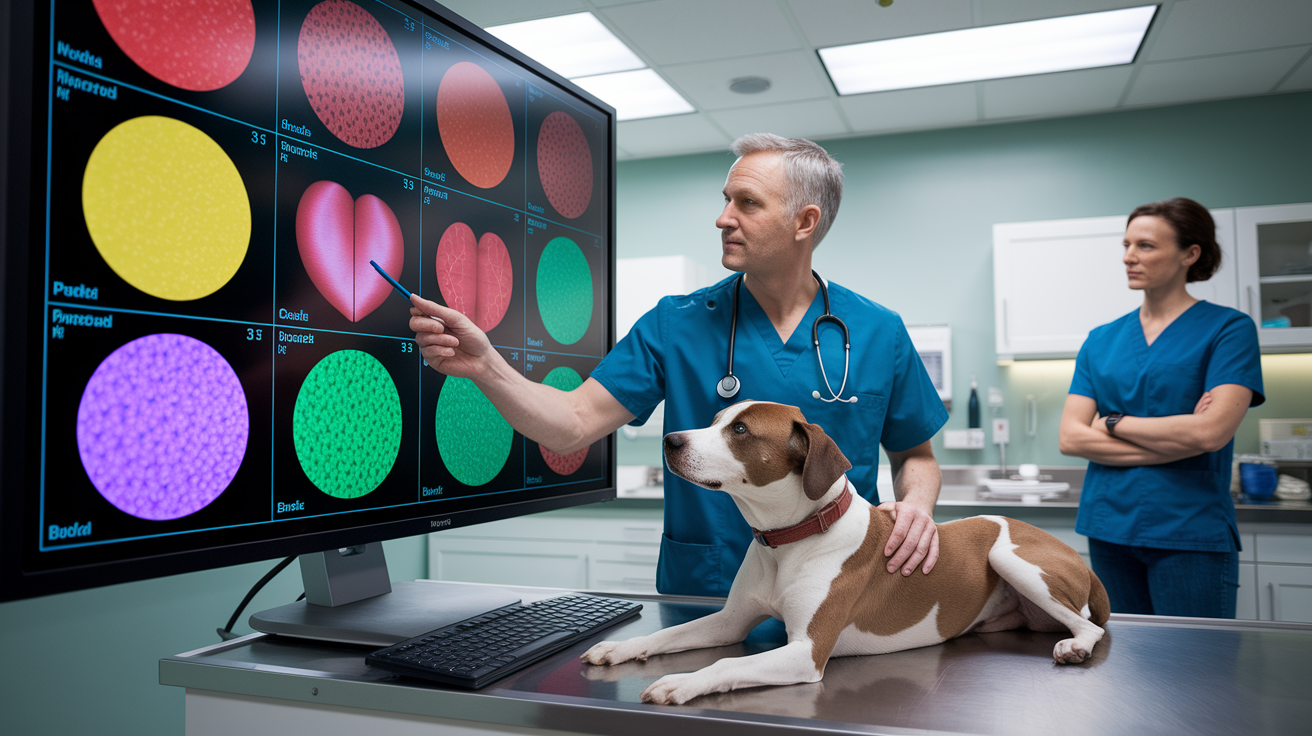
Coughing can come from a dozen different systems. Respiratory, cardiac, digestive, even toxic exposures. Sorting through the possible causes helps you know what to watch for and what questions to ask your vet.
The most common causes fall into a few broad categories, and each one tends to show up with its own pattern of symptoms, timing, and triggers.
Infectious Causes
Kennel cough is the big one. It’s actually a group of viruses and bacteria, most often bordetella, that spread easily wherever dogs gather. The cough is dry, hacking, and often starts suddenly after your dog’s been around other dogs. Many dogs with kennel cough still act fine otherwise. Eating, playing, wagging. But the cough itself can be relentless and last for weeks. Canine influenza is another infectious cause that’s become more common in recent years. It can cause coughing, fever, nasal discharge, and lethargy. Bacterial or viral pneumonia is more serious and usually comes with a wet, productive cough, fever, reduced appetite, and labored breathing.
Cardiac Causes
Heart disease doesn’t always show up as limping or fainting. It often shows up as a cough. When the heart isn’t pumping efficiently, fluid backs up into the lungs, triggering a soft, persistent cough that’s often worse at night or when your dog’s lying down. Mitral valve degeneration is the most common heart problem in older small-breed dogs. Dilated cardiomyopathy shows up more in large breeds like Dobermans and Great Danes. If your dog’s coughing more when resting, seems tired after short walks, or has a pot-bellied appearance, heart disease is a real possibility and needs evaluation soon.
Structural Causes
Collapsing trachea and laryngeal paralysis are the main structural issues that cause coughing. A collapsing trachea makes that signature goose-honk sound and happens when the cartilage rings in the windpipe soften and flatten. Laryngeal paralysis is more common in older large-breed dogs and causes noisy, raspy breathing and sometimes a cough because the voice box doesn’t open properly during breathing. Both conditions can get worse over time, so early diagnosis helps you manage symptoms and avoid respiratory emergencies.
Parasitic Causes
Heartworm disease is transmitted by mosquitoes and causes a persistent, soft cough as the worms grow in the heart and lungs and trigger inflammation. Even dogs on prevention can occasionally get heartworm if doses are missed or given late. Lungworms are less common but can show up in dogs who eat infected slugs, snails, or small prey animals. They migrate to the lungs and cause coughing, sometimes with blood-tinged mucus.
Foreign Body and Toxin Causes
Dogs can inhale grass seeds, foxtails, or small objects that lodge in the airways and cause sudden, severe coughing and gagging. Foxtails are especially dangerous because they migrate deeper into tissue and can cause abscesses, pneumonia, or even puncture the chest cavity. Toxin exposure, particularly anticoagulant rodenticides, can cause internal bleeding in the chest, which triggers coughing and difficulty breathing. If your dog had access to rodent bait, lawn chemicals, or unknown substances and starts coughing, that’s an emergency.
Red‑Flag Coughing Symptoms in Dogs That Require Urgent Veterinary Care

Some symptoms mean you don’t have the luxury of a 24- to 48-hour monitoring window.
If your dog shows any of the signs below, contact your vet or an emergency clinic right away. Even if it’s the middle of the night. These red flags suggest serious infection, heart failure, airway obstruction, internal bleeding, or oxygen deprivation. Waiting can turn a treatable problem into a life-threatening crisis.
Difficulty breathing: increased breathing rate, heavy or labored breathing, breathing with the mouth open when resting, or using the belly to breathe.
Blue, grey, or white gums or tongue: this means your dog isn’t getting enough oxygen.
Coughing up blood or pink-tinged foam: signals bleeding in the lungs or severe heart failure.
High fever: a rectal temperature over 103°F (39.4°C), especially with lethargy or shivering.
Collapse, extreme weakness, or inability to stand: your dog may be in shock or severe respiratory distress.
Thick yellow or green nasal or eye discharge combined with lethargy or loss of appetite: points to serious infection like pneumonia.
Persistent vomiting or refusal to eat or drink for more than 12 hours along with coughing: can indicate aspiration, toxin exposure, or systemic illness.
Sudden onset of severe coughing after possible inhalation of a foreign object, chemical fumes, or known toxin exposure: your dog may have an airway obstruction or chemical injury.
If any of these apply, don’t wait to see if it gets better. Call ahead so the clinic knows you’re coming, and get your dog evaluated as soon as possible.
Home Monitoring Techniques to Support a Dog Coughing Assessment

If your dog’s cough doesn’t trigger any red flags, careful home monitoring for the next 24 to 48 hours gives your vet the information they need to make a faster, more accurate diagnosis.
You’re tracking what’s happening in enough detail that you can answer your vet’s questions clearly and catch any changes that mean it’s time to come in. A simple symptom diary, just notes on your phone or a piece of paper, makes a big difference.
Here’s what to write down:
Start date and time of the first cough: note when you first heard it and whether it was sudden or gradual.
Cough frequency and pattern: count how many times your dog coughs per hour, and note whether it happens in clusters or single coughs spread throughout the day.
Triggers: write down what your dog was doing right before each coughing spell. Playing, eating, drinking, resting, getting excited, or waking up.
Other symptoms: track appetite, water intake, energy level, stool and urine changes, nasal or eye discharge, and any vomiting or gagging.
Temperature: if you can safely take your dog’s rectal temperature, do it once or twice a day. Normal is 100.5°F to 102.5°F (38°C to 39.2°C), and anything over 103°F is a fever.
Taking a short video of your dog coughing is one of the most helpful things you can do. Capture the sound, the body posture, and anything your dog does right before or after. Play it for your vet during the exam. It’s much easier than trying to describe it in words.
Veterinary Diagnostics Used to Evaluate a Dog’s Cough
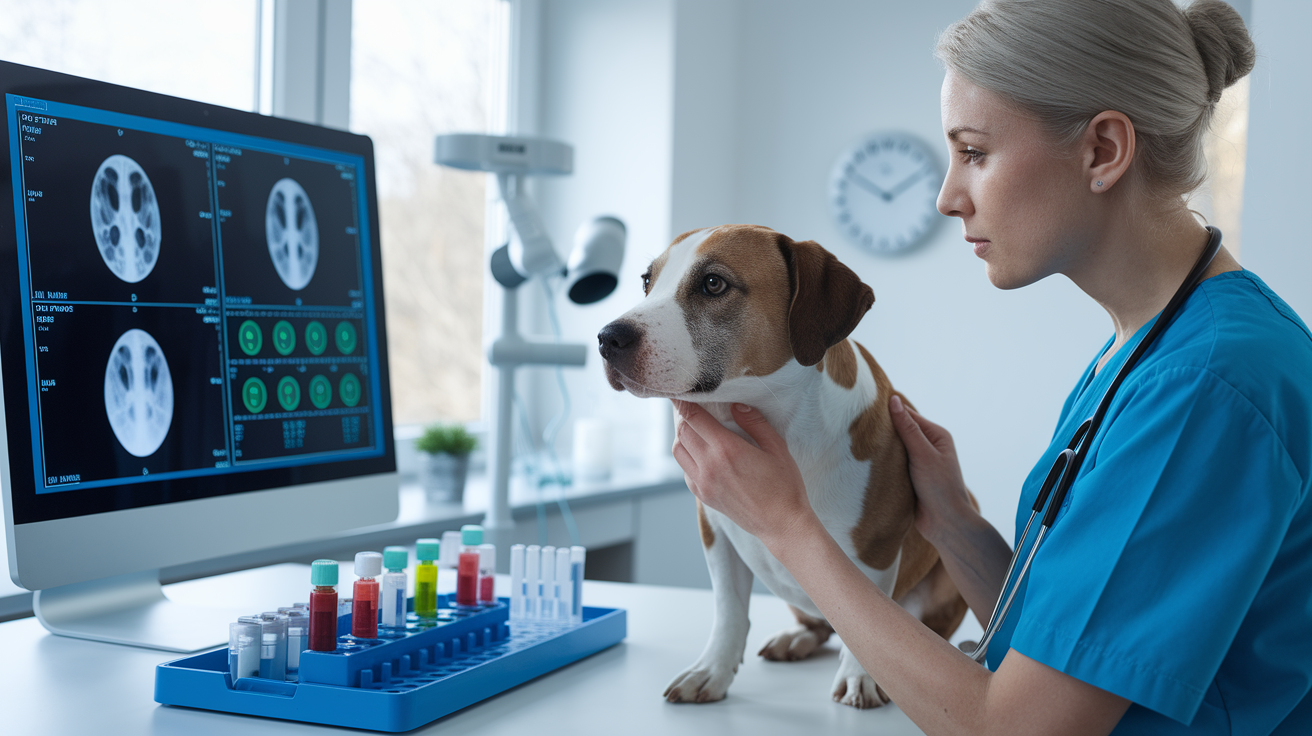
When you bring your coughing dog to the vet, they’ll use a combination of hands-on examination and diagnostic tests to figure out what’s causing the cough and how serious it is.
The specific tests your vet recommends depend on what they hear during the exam, your dog’s age and breed, how long the cough has lasted, and what other symptoms are present. Here’s what to expect.
| Test | What It Identifies |
|---|---|
| Physical exam and auscultation | Heart murmurs, abnormal lung sounds, fever, enlarged lymph nodes, tracheal sensitivity |
| Chest X-rays (radiographs) | Heart size and shape, fluid in lungs, pneumonia, masses, tracheal collapse, foreign objects |
| Complete blood count (CBC) and chemistry panel | Infection markers, anemia, organ function, dehydration, inflammation levels |
| Heartworm test and fecal parasite screen | Heartworm disease, lungworms, intestinal parasites that can migrate to lungs |
| PCR testing, transtracheal wash, or bronchoscopy | Specific bacteria or viruses (bordetella, influenza, fungal infections), airway samples for culture, visual inspection of airways and foreign bodies |
Most vets start with the basics. Exam, X-rays, and bloodwork. They only move to advanced testing like bronchoscopy or echocardiography if the initial results point to heart disease, airway obstruction, or infection that isn’t responding to treatment. If your dog’s cough is mild and recent, your vet may skip some tests and start with supportive care and observation, then recheck in a few days if the cough doesn’t improve.
Treatment Pathways for Dog Coughing Based on Identified Cause
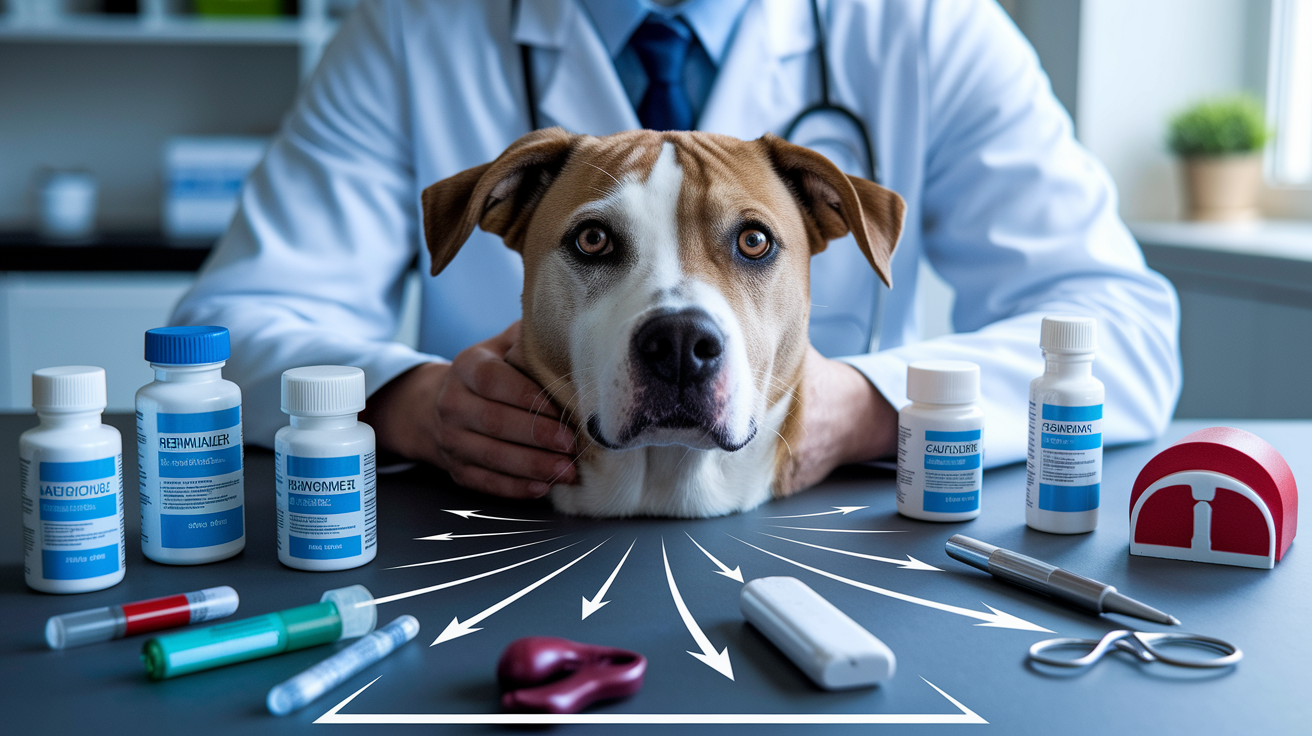
Once your vet knows what’s causing the cough, treatment is tailored to the specific diagnosis. In many cases, your dog will start feeling better within a few days.
The treatment plan depends entirely on what the diagnostics reveal. Some causes require medication while others need surgery, lifestyle changes, or long-term management.
Antibiotics for bacterial infections: if pneumonia or a secondary bacterial infection is confirmed, your vet may prescribe an antibiotic like Clavamox or doxycycline. It’s important to finish the entire course even if the cough stops early.
Dewormers for parasitic infections: lungworms and some intestinal parasites are treated with dewormers such as Panacur (fenbendazole). Heartworm treatment is more complex and requires strict activity restriction and a series of injections.
Cardiac medications for heart disease: dogs with congestive heart failure or valve disease often receive drugs like pimobendan to strengthen the heart, diuretics to reduce fluid buildup, and sometimes ACE inhibitors to manage blood pressure.
Steroids and bronchodilators for airway inflammation: chronic bronchitis and some allergic airway diseases respond to oral or inhaled steroids (prednisone) and bronchodilators like albuterol to open the airways.
Cough suppressants for symptomatic relief: in some cases, especially kennel cough, your vet may prescribe a cough suppressant to give your dog (and you) some rest. But these are only used when the underlying cause is known and not serious.
Surgery or endoscopy for foreign bodies, masses, or severe tracheal collapse: if a foxtail, tumor, or collapsing trachea is causing the cough, your vet may recommend removal or surgical stabilization.
Supportive care like humidification, nebulization, hydration support, and oxygen therapy can make a big difference while the underlying cause is being treated. Some dogs can recover at home with oral medications and rest. Others need hospitalization, IV fluids, and intensive monitoring until they stabilize.
Prevention Strategies to Reduce Recurring Cough Episodes in Dogs

Once your dog’s cough is under control, a few simple prevention steps can keep it from coming back and protect your dog’s long-term respiratory health.
Many causes of coughing, especially infectious and environmental ones, are preventable with routine care, smart choices about where your dog spends time, and attention to air quality at home.
Vaccinate for kennel cough: if your dog goes to daycare, boarding, grooming, dog parks, or training classes, keep their bordetella vaccine up to date. Some facilities require it every six months.
Avoid smoke, dust, and chemical irritants: don’t smoke indoors, use unscented cleaning products, skip aerosol sprays and scented candles near your dog, and vacuum and dust regularly to reduce airborne particles.
Choose boarding and daycare facilities carefully: tour the facility, ask about their ventilation and cleaning protocols, and make sure they require proof of vaccination and health checks for all dogs.
Use year-round heartworm prevention: even if you live in a cooler climate, mosquitoes can still transmit heartworm. Give your dog their monthly preventive on time, every time.
Limit exposure to sick dogs and high-traffic dog areas during outbreaks: if you hear about a kennel cough or canine influenza outbreak in your area, skip the dog park and group classes for a few weeks until it dies down.
If your dog has a chronic condition like tracheal collapse or heart disease, work with your vet to create a long-term management plan that includes weight control, exercise limits, humidity support, and regular monitoring so you catch flare-ups early.
Age, Breed, and Lifestyle Factors That Influence a Dog’s Coughing Risk
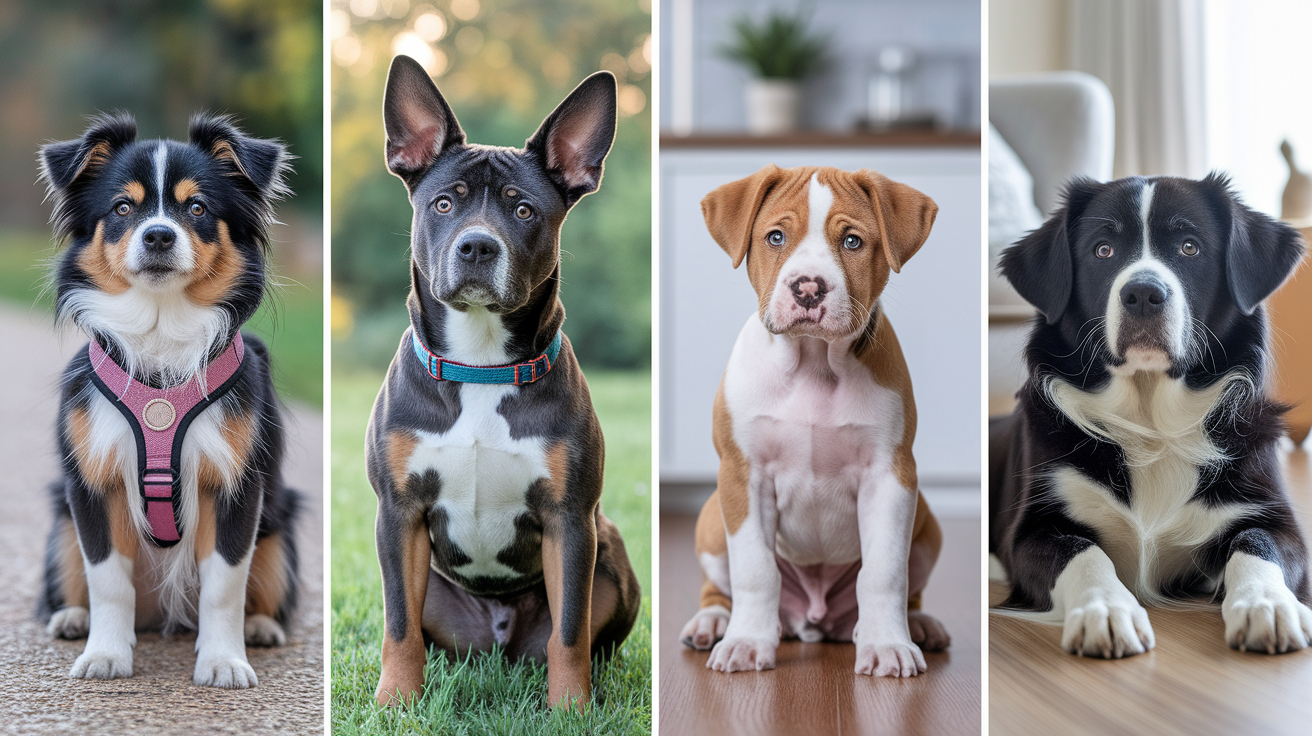
Some dogs are simply more likely to develop a cough because of their age, breed, or the way they live.
Understanding your dog’s individual risk factors helps you watch for early warning signs and take extra precautions when needed.
Small-breed dogs and tracheal collapse: Chihuahuas, Pomeranians, Yorkshire Terriers, and Toy Poodles have weaker tracheal cartilage and are much more prone to collapsing trachea. Using a harness instead of a collar and keeping your dog at a healthy weight reduces strain on the airway.
Brachycephalic breeds and airway obstruction: Bulldogs, Pugs, Boston Terriers, and French Bulldogs have short, flat faces and narrowed airways that make them more likely to cough, wheeze, and overheat. Avoid hot weather, strenuous exercise, and stress.
Puppies and infectious disease vulnerability: young dogs under six months have developing immune systems and are more susceptible to kennel cough, canine influenza, and pneumonia. Keep your puppy’s vaccines current and avoid high-traffic dog areas until they’re fully immunized.
Senior dogs and cardiac cough: older dogs, especially small and large breeds, are at higher risk for heart disease that causes coughing. Schedule annual or semi-annual vet exams and watch for exercise intolerance, nighttime coughing, or pot-bellied swelling.
If your dog fits into one or more of these categories, don’t panic. Just stay alert, keep up with preventive care, and know what normal looks and sounds like for your dog so you notice changes quickly.
Final Words
in the action, this post gave a quick, step-by-step way to triage a coughing dog at home. Note cough sound, timing, triggers, appetite, discharge, and breathing effort.
It covered common cough types, likely causes, tests a vet may use, and simple home care. Watch mild coughs 24–48 hours, but call your vet right away for breathing trouble, coughing blood, high fever (>103°F), pale or blue gums, collapse, or rapid worsening.
Record dates and take a short video to bring in — that makes a dog coughing symptom assessment quicker and more useful. Small steps now can speed relief.
FAQ
Q: How can I quickly tell if my dog’s cough is serious?
A: A quick way to tell if your dog’s cough is serious is to check for breathing trouble, coughing blood, high fever (>103°F), collapse, green/yellow discharge, or rapid worsening within 24 hours.
Q: How long can I safely monitor a mild cough at home before seeing a vet?
A: You can often watch a mild cough for 24–48 hours if no red flags appear; contact your vet sooner if the cough gets worse, becomes frequent, or your dog shows lethargy or poor appetite.
Q: What should I record when monitoring my coughing dog for the vet?
A: When monitoring your dog’s cough, record start date/time, cough sound, frequency, triggers, appetite changes, nasal or chest discharge, breathing effort, and take video clips when possible.
Q: What do different cough sounds mean?
A: Different cough sounds mean different problems: dry hacking often points to kennel cough or irritation, wet implies mucus or fluid, a honk suggests tracheal collapse, and rapid inhale episodes are reverse sneezes.
Q: What are common causes of coughing in dogs?
A: Common causes of coughing in dogs include infectious respiratory diseases, heart disease, structural airway problems (like tracheal collapse), parasites (heartworm, lungworm), toxins, and airway foreign bodies.
Q: What should I do at home to help a coughing dog?
A: At home, help a coughing dog with a humidifier or 10–15 minutes steam, encourage water and rest, remove smoke or irritants, and keep a symptom diary; do not use human cough medicines.
Q: When is coughing an emergency and I should seek urgent veterinary care?
A: Coughing is an emergency and needs immediate care if your dog has breathing difficulty, pale or blue gums, coughing blood, collapse, high fever (>103°F), severe weakness, or green/yellow nasal or chest discharge.
Q: What tests might my vet run for a coughing dog?
A: Your vet may perform a physical exam, bloodwork (CBC/Chem), chest X‑rays, and heartworm test; advanced diagnostics can include PCR, transtracheal wash, bronchoscopy, or echocardiography to pinpoint the cause.
Q: How are dog coughs treated?
A: Dog coughs are treated according to the cause: antibiotics for bacterial pneumonia, antiparasitics for worms, cardiac medications for heart disease, steroids or bronchodilators for airway inflammation, plus supportive care as needed.
Q: How can I reduce the chance my dog keeps getting coughs?
A: You can reduce recurring coughs by keeping kennel cough vaccines current, avoiding smoke and dust, choosing clean boarding, practicing good hygiene to limit spread, and maintaining routine heartworm prevention.
Q: Which dogs are more likely to develop coughing problems?
A: Dogs more likely to develop coughing problems include small breeds prone to tracheal collapse, brachycephalic breeds with airway issues, puppies vulnerable to infections, and senior dogs at higher cardiac risk.