

Is your cat’s eye discharge just a tear or a sign of a real problem?
The color and texture, like clear watery tears, sticky mucus, yellow or green pus, or crusty dried discharge after sleep, often point to different causes.
This guide explains the common types, what they usually mean, safe steps you can try at home, and the clear signs that mean you should call the vet.
You’ll learn what to watch for over the next 24 to 48 hours and how to prepare for a vet visit if needed.
Identifying Cat Eye Discharge Types and What They Mean
Healthy cat eyes should look bright and clear, with pupils that match in size, white around the iris, and smooth pink tissue when you gently lift the lid. When discharge shows up, the color and texture matter.
Clear, watery discharge can be thin or a bit thicker. Usually points to irritation, allergies, or a blocked tear duct. Thick, mucus-like gunk forms sticky clumps around the eyelids and typically means conjunctivitis or a low-grade infection. Yellow or green pus is a strong signal for bacterial infection. You need same-day vet attention for that. Brown staining at the inner corner often means chronic tearing or drainage problems. Crusty, dried discharge builds up overnight or between cleanings, just a mix of tears, dust, and whatever the eye’s trying to flush out.
If discharge sticks around longer than 24 hours, or if it shifts from clear to colored, call your vet. Green or bloody discharge isn’t something you wait and see on. That’s a red flag for serious infection, injury, or corneal damage.
Common discharge types and what they’re telling you:
- Clear, watery: Thin to moderately thick tear overflow, usually from irritation, allergies, or mild inflammation.
- Thick, mucus-like (“eye boogers”): Sticky clumps that point to conjunctivitis or early infection.
- Yellow or green (pus-like): Bacterial infection. Call the vet the same day.
- Brown staining: Chronic tearing or blocked tear ducts, especially common in flat-faced breeds.
- Crusty, dried discharge: Normal in small amounts after sleep. Abnormal if it’s heavy or happens throughout the day.
- Dark, sticky discharge with sneezing: Often linked to contagious upper respiratory infections like herpesvirus or calicivirus.
Common Causes of Cat Eye Discharge Explained

Eye discharge forms when something irritates the surface, triggers inflammation inside the eye, or blocks normal tear drainage. The tear glands ramp up production to flush out the problem. That’s what causes overflow. When infection or inflammation gets involved, the tears mix with mucus, white blood cells, and debris. That’s when color and texture change.
Viral upper respiratory infections are among the most common culprits, especially feline herpesvirus and calicivirus. They often cause sneezing, nasal discharge, and dark or sticky eye discharge in both eyes. Bacterial infections from organisms like Mycoplasma or Chlamydia can layer on top of viral disease or happen alone, producing yellow or green pus. Conjunctivitis is the inflammation of that pink tissue lining the eyelids. Can stem from infection, allergies, or irritants and leads to redness, swelling, and thick discharge.
Common causes and their hallmark signs:
- Allergies: Clear, watery discharge. Sneezing. Exposure to mold, pollen, flea treatments, or certain foods.
- Feline herpesvirus (FVR): Sticky, dark discharge. Sneezing. Fever. Highly contagious to other cats.
- Conjunctivitis (pink eye): Red, swollen conjunctiva. Light sensitivity. Discharge may be clear or thick.
- Dry eye (keratoconjunctivitis sicca): Chronic yellow, sticky discharge. Dull, dry cornea. Risk of blindness if untreated.
- Corneal ulcer or injury: Cloudiness. Excessive blinking. Squinting. Pain. Discharge often clear at first, can turn green if infected.
If discharge lasts more than 24 hours, even if it looks mild, schedule a vet appointment. If it’s green, yellow, or bloody, call the same day. Progressive worsening, swollen eyelids, or an eye that won’t open are all urgent signals that the problem’s moved beyond simple irritation.
Comparing One-Eye vs Both-Eyes Discharge in Cats
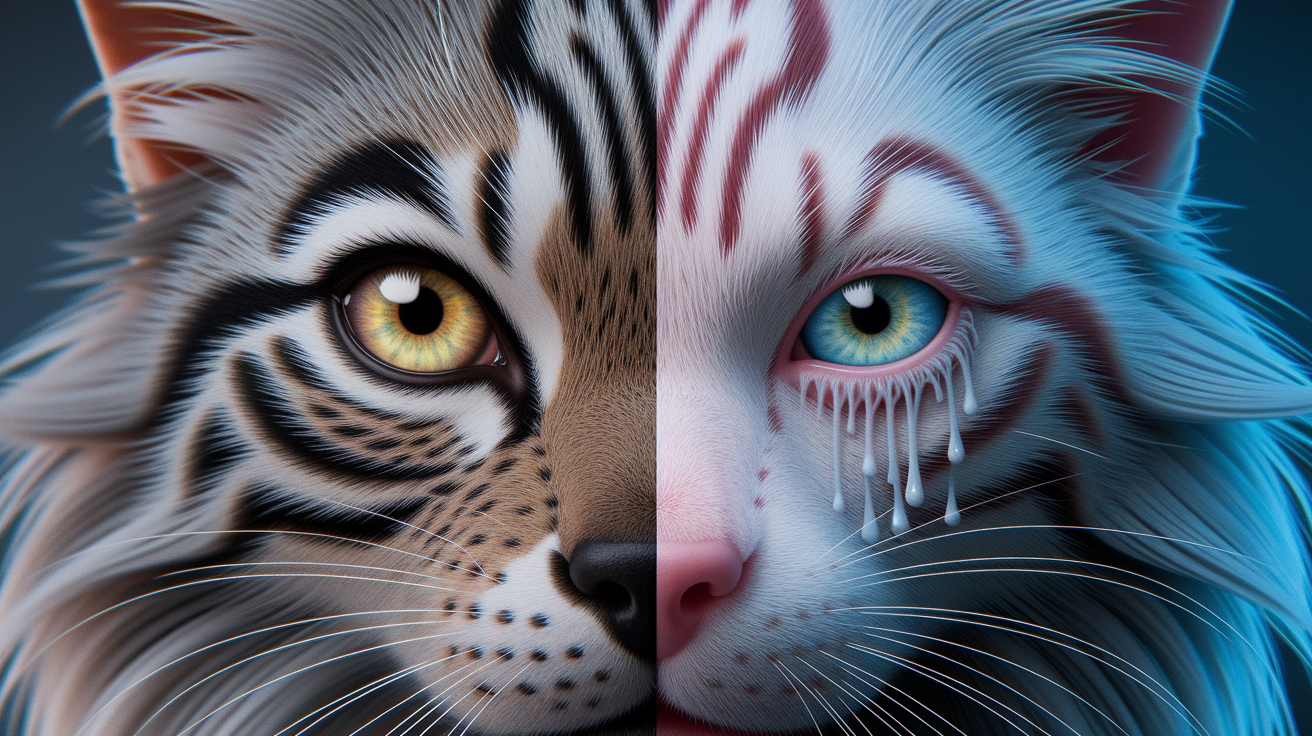
When only one eye has discharge, the cause is usually local. Something that happened directly to that eye. A scratch from roughhousing, a speck of dust or litter, a piece of plant material caught under the eyelid, or a localized infection can all trigger discharge in a single eye. It’s often clear or slightly cloudy at first, then may thicken if bacteria move in.
Both-eye discharge, especially when it starts at the same time, points to something systemic or environmental. Viral respiratory infections, allergies, and contagious bacterial infections typically affect both eyes because the trigger (virus particles, allergens, or bacteria) reaches both sides. Sticky, pus-like discharge in both eyes plus sneezing is a classic sign of feline upper respiratory infection.
| Eye Pattern | Likely Causes | Severity Level | When to Call the Vet |
|---|---|---|---|
| One eye only | Foreign body, injury, localized infection, corneal ulcer | Moderate to urgent | Within 24 hours; same day if painful or green discharge |
| Both eyes | Viral infection, allergies, contagious bacterial infection | Moderate to high | Within 24 hours; same day if discharge is thick, colored, or cat is unwell |
| Both eyes, chronic | Dry eye, breed anatomy (tear duct issues), recurrent herpesvirus | Ongoing management | Schedule a full eye exam; monitor for flare-ups |
| Initially one eye, then spreads | Contagious infection starting on one side, self-inoculation from pawing | Moderate to high | Same day to prevent worsening and spread to other pets |
Related Symptoms That Help Diagnose the Discharge
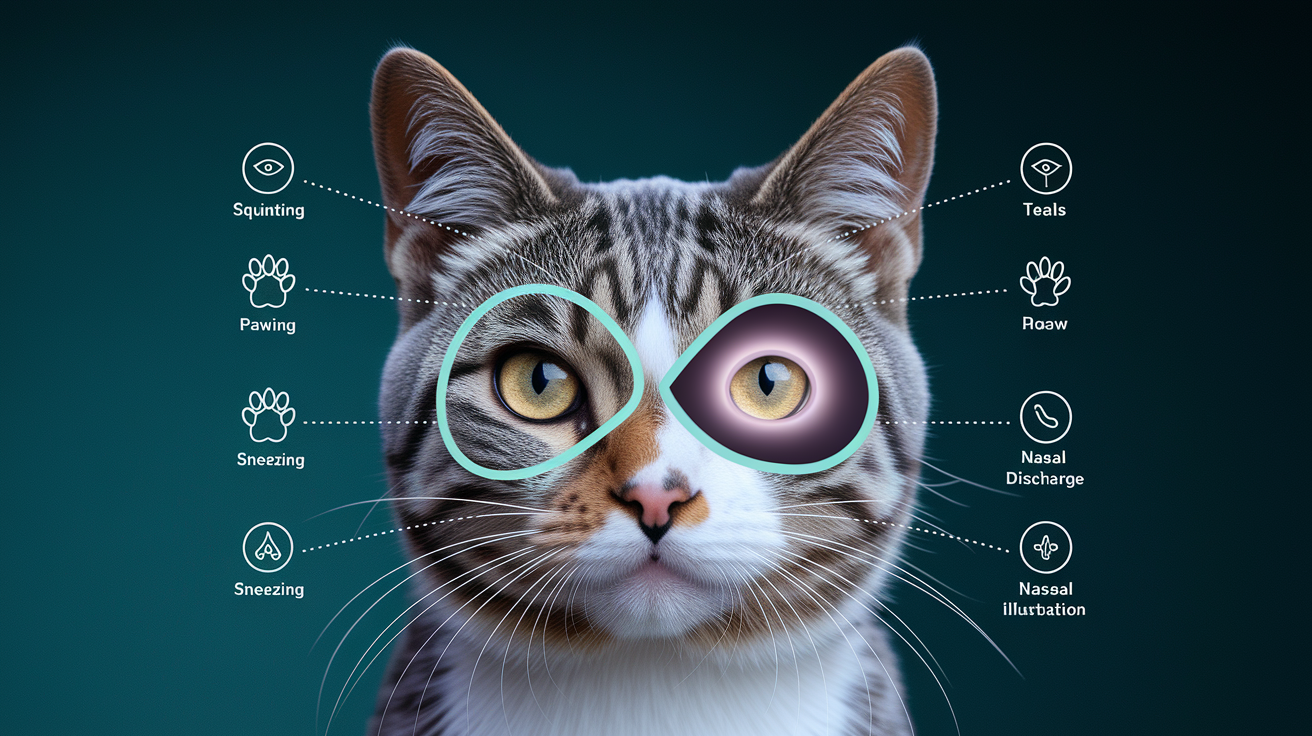
Eye discharge rarely shows up alone. The behaviors and physical changes that come with it help narrow down the cause and urgency. Squinting, also called blepharospasm, signals pain or extreme light sensitivity. A cat that can’t fully open one or both eyes is uncomfortable and needs veterinary attention. Pawing at the eye, rubbing the face on furniture, or shaking the head all point to irritation or the sensation of something stuck.
Swollen, puffy eyelids and red, inflamed conjunctiva (that pink tissue you see when you gently lift the eyelid) are hallmarks of infection or allergic reaction. Sneezing, nasal discharge, reduced appetite, and lethargy often accompany viral upper respiratory infections. If your cat’s hiding more than usual, moving slowly, or skipping meals while showing eye discharge, treat it as urgent.
Secondary symptoms to track alongside discharge:
- Frequent blinking or squinting: Pain, corneal injury, or severe inflammation.
- Pawing or rubbing the eye: Irritation, foreign body, or itch from allergy.
- Swollen eyelids: Infection, allergic reaction, or trauma.
- Sneezing and nasal discharge: Strong link to viral or bacterial upper respiratory infection.
- Reduced appetite or lethargy: Sign that the problem’s affecting overall health, not just the eye.
When Cat Eye Discharge Requires Veterinary Care
Any discharge that sticks around longer than 24 hours should trigger a veterinary appointment, even if the cat seems otherwise fine. Clear discharge that lasts a day might be dust or a passing irritant. But if it’s still there the next morning, something else is going on. Yellow or green pus-like discharge is an immediate red flag. Call the vet the same day.
Swelling, redness, or discharge heavy enough to require wiping more than once or twice daily all point to active inflammation or infection. If your cat can’t open the eye, squints constantly, or shows visible pain when you gently touch near the eye, don’t wait. Progressive worsening (discharge that starts clear and turns thick or colored, or discharge that spreads from one eye to both) means the problem’s escalating.
Vision changes, such as bumping into furniture, reluctance to jump, or dilated pupils that don’t respond to light, are emergency signals. Severe squinting, bloody discharge, or systemic illness (fever, trouble breathing, vomiting) are all reasons to seek same-day or emergency care.
Emergency indicators that need immediate veterinary attention:
- Green or yellow pus: Bacterial infection requiring prompt antibiotic therapy.
- Bloody discharge: Trauma, severe ulcer, or intraocular disease.
- Inability to open the eye: Sign of pain, swelling, or foreign body.
- Sudden vision loss or behavior changes: Possible uveitis, glaucoma, or retinal issue.
- Discharge plus systemic signs: Fever, lethargy, trouble breathing, or refusal to eat.
- Progressive worsening over hours: Infection or injury spreading. Needs urgent intervention.
If you have multiple cats and one shows sticky eye discharge plus sneezing, isolate that cat in a separate room with its own food, water, and litter. Feline upper respiratory infections spread quickly through shared dishes and grooming. Wash your hands after handling the sick cat, and wipe any shared surfaces with diluted bleach or pet-safe disinfectant.
How Vets Diagnose Cat Eye Discharge
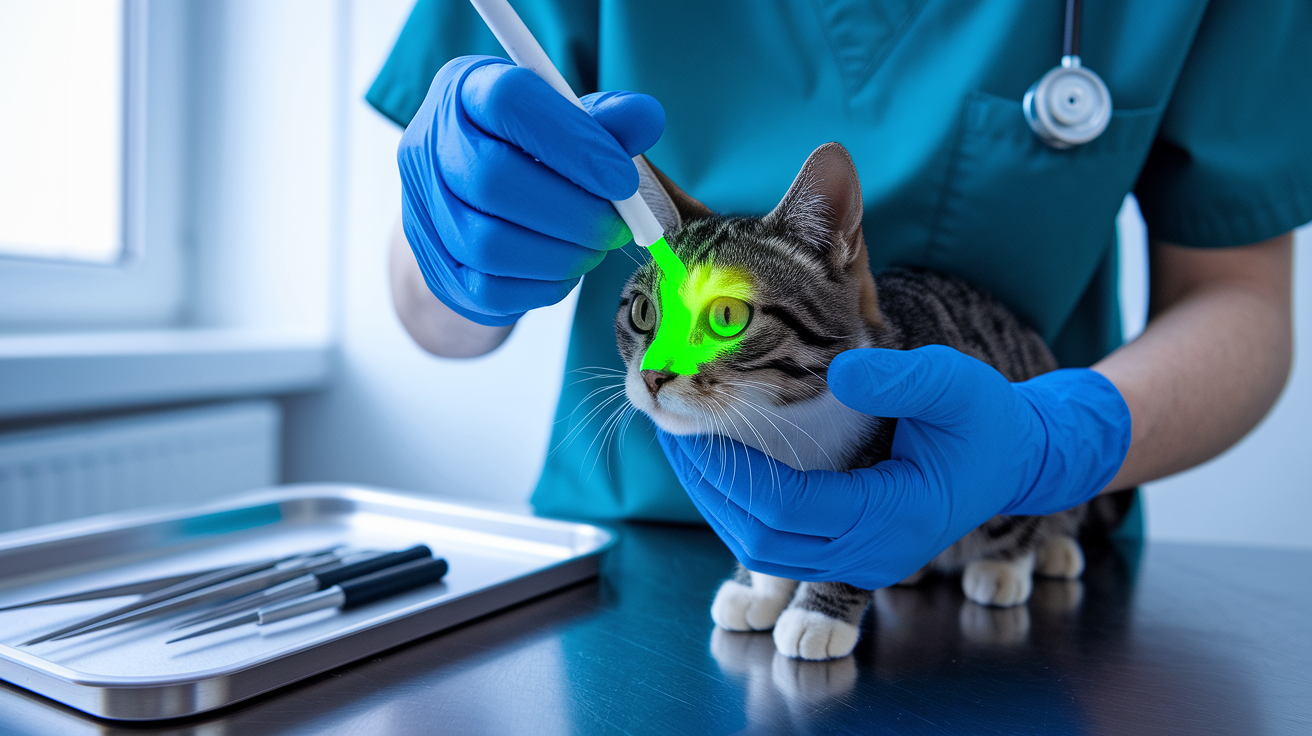
A complete eye exam starts with observation under good light. The vet checks pupil size and response, looks for cloudiness in the cornea, examines the conjunctiva for redness or swelling, and watches how the cat blinks and tracks movement. A fluorescein stain test uses a safe orange dye dropped onto the eye surface. Under blue light, any scratch, ulcer, or abrasion glows bright green, revealing damage invisible to the naked eye.
The Schirmer tear test measures tear production by placing a small strip of paper inside the lower eyelid for one minute. Low tear volume points to dry eye. Tonometry uses a handheld instrument to measure intraocular pressure, checking for glaucoma or uveitis. Blood tests help rule out systemic infections like FIV or FeLV, and screen for allergies or immune issues. An eye swab or culture identifies the specific bacteria or virus causing infection, guiding targeted treatment.
Diagnostic tests and what each one detects:
- Fluorescein stain: Detects corneal ulcers, scratches, and erosions that cause pain and discharge.
- Schirmer tear test: Measures tear production to diagnose dry eye (keratoconjunctivitis sicca).
- Tonometry: Measures eye pressure to check for glaucoma or inflammation inside the eye (uveitis).
- Conjunctival swab/culture: Identifies bacterial or viral pathogens causing infection.
- Blood tests: Screen for systemic disease (FIV, FeLV, allergies) that may contribute to eye symptoms.
If initial diagnostics don’t solve the problem, or if the vet finds signs of deep eye disease (tumor, severe uveitis, or persistent corneal issues), referral to a veterinary ophthalmologist may be recommended. Specialists have advanced imaging tools and surgical options for complex cases.
Treatment Options for Cat Eye Discharge
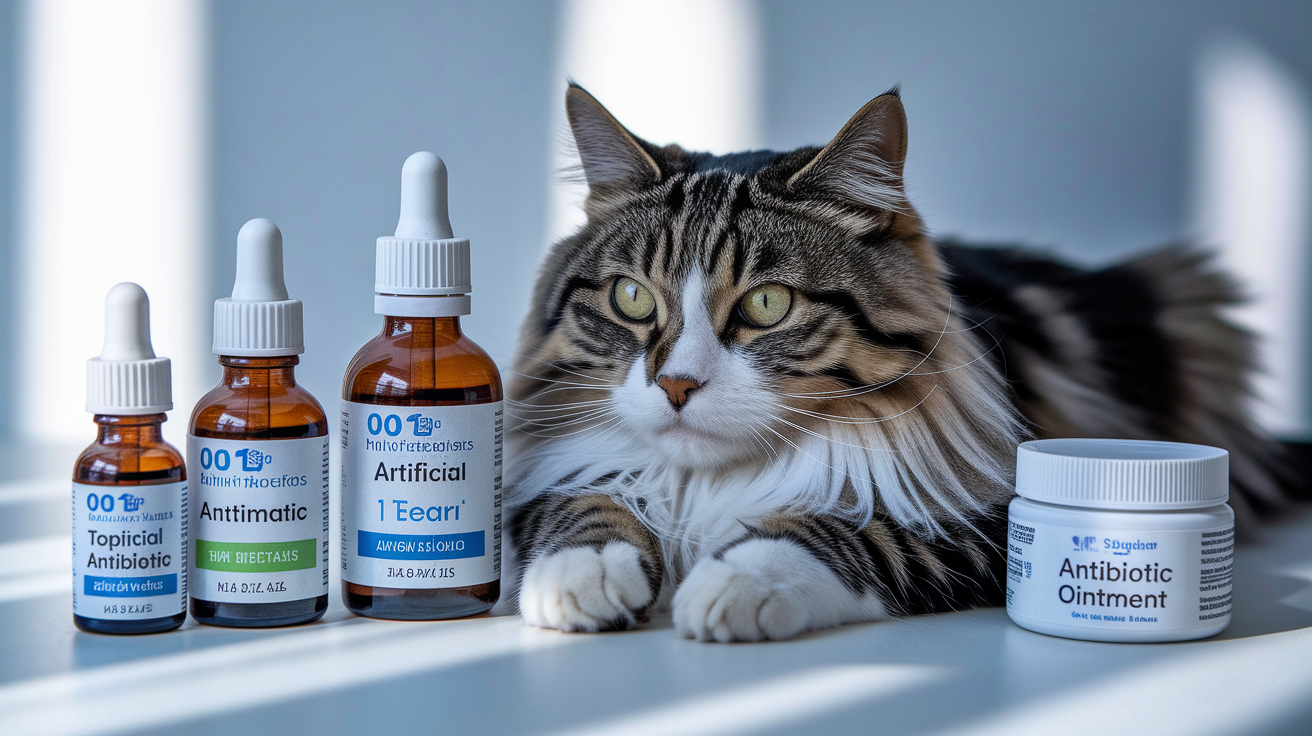
Treatment depends entirely on the underlying cause. Bacterial conjunctivitis responds well to topical antibiotic drops or ointment, usually applied two to four times daily for seven to ten days. Viral infections like feline herpesvirus don’t have a cure, but antiviral medications such as famciclovir can reduce symptoms and shorten flare-ups. Secondary bacterial infections layered on top of viral disease need antibiotics to prevent complications.
Dry eye requires lifelong management with artificial tears, immune-modulating drops like cyclosporine, or tacrolimus ointment to boost natural tear production. Severe cases may need minor surgery to redirect a salivary duct to the eye. Blocked tear ducts are flushed under general anesthesia, a quick procedure that can resolve chronic tearing and brown staining. Allergic conjunctivitis improves with allergen avoidance, antihistamines, or short courses of steroid eye drops when safe to use.
Corneal ulcers are treated with antibiotic drops to prevent infection, plus medications that promote healing. Deep or non-healing ulcers may need cauterization or a surgical graft. Uveitis treatment targets the underlying cause (antiviral, antifungal, or anti-parasitic drugs), plus topical anti-inflammatory drops to control pain and inflammation. Severe trauma, tumors, or uncontrolled infection may require enucleation (surgical removal of the eye) to prevent spread and relieve pain.
Step-by-Step Technique for Warm Compress Use
- Test the temperature: Soak a clean cloth in warm water, wring it out, and press it against your wrist. It should feel comfortably warm, never hot.
- Hold gently over the closed eye: Place the damp cloth over the affected eye for 30 to 60 seconds. Don’t press hard.
- Wipe from inner corner outward: After the compress, use a fresh damp cotton ball to gently wipe away softened crust, always moving from the nose side toward the outer edge.
- Repeat two to four times daily: Use this technique before applying prescribed eye drops to help the medication absorb better.
Never reuse old eye medications left over from a previous illness. Expired drops lose effectiveness, and using the wrong medication can worsen certain conditions. Steroid drops, for example, can make corneal ulcers worse. Always follow your vet’s dosing schedule exactly, even if the eye looks better before the course is finished.
Safe At-Home Care While Monitoring Eye Discharge
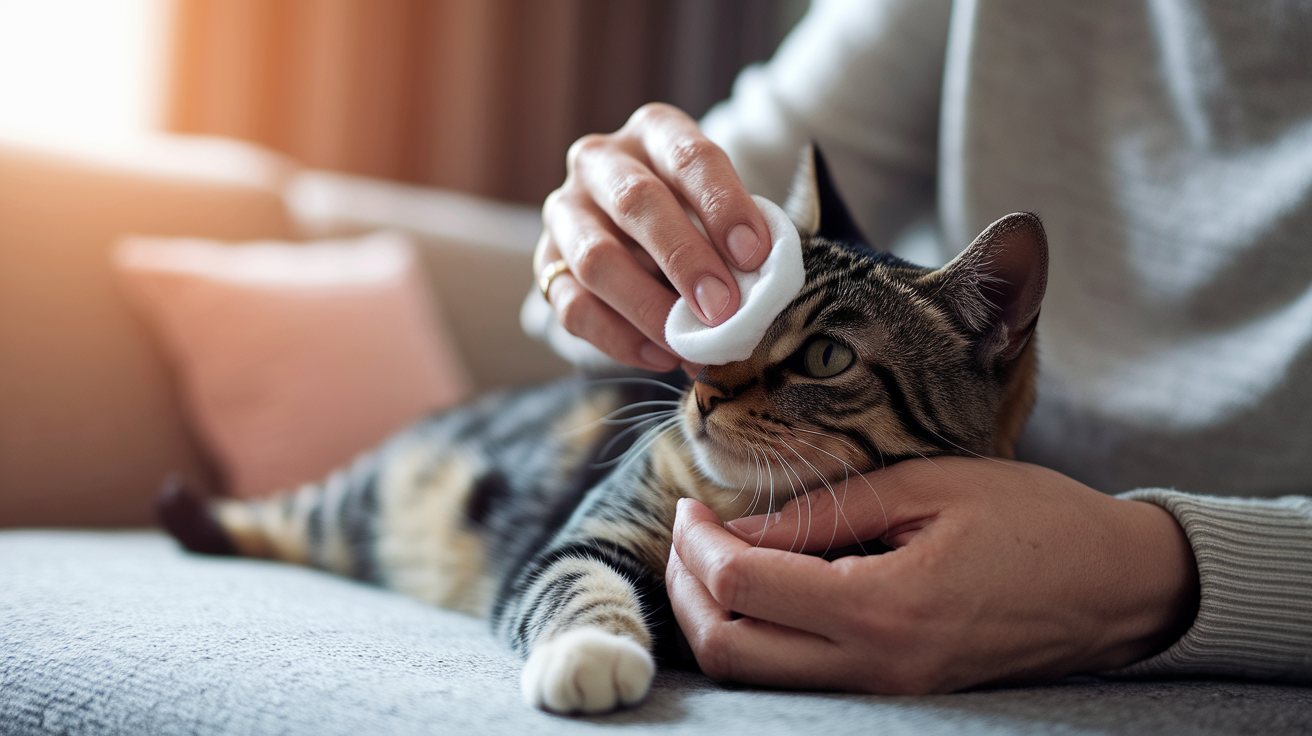
Keeping the eye area clean helps your cat stay comfortable and prevents crust buildup that can seal the eyelids shut. Dip a cotton ball in plain, lukewarm water (no soap, no saline unless your vet specifically recommends it), and gently wipe from the inner corner of the eye outward in one smooth motion. Use a fresh cotton ball for the second eye to avoid transferring bacteria or virus from one side to the other.
Repeat this cleaning two to four times daily if discharge is heavy, or once daily for light crustiness. If your cat resists, wrap them gently in a towel, leaving the head exposed, or ask a second person to hold while you clean. Never force the eyelids open if they’re stuck shut. Soften the crust with a warm damp cloth first, then wipe gently.
Best-practice steps for at-home eye care:
- Use plain lukewarm water and fresh cotton balls, one per eye, per wipe.
- Wipe from the inner corner (near the nose) outward toward the ear.
- Clean two to four times daily for active discharge. Once daily for maintenance.
- Avoid human eye drops, contact lens solution, or any product not prescribed by your vet.
- Minimize dust, smoke, and aerosol sprays around your cat during recovery.
Keep your cat indoors while symptoms are active, especially if the cause is contagious. Wash your hands after each cleaning session, and keep food bowls, water dishes, and litter boxes separate if you have multiple cats.
Preventing Future Episodes of Cat Eye Discharge
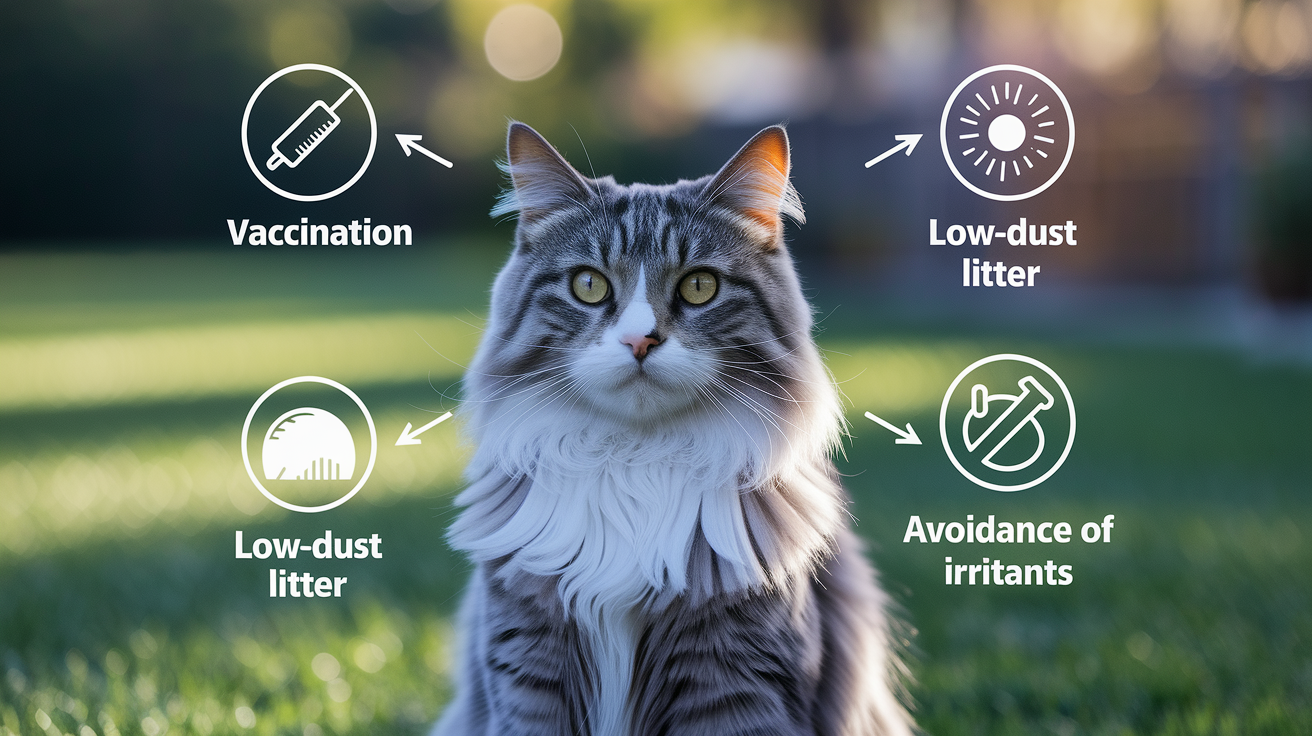
Routine prevention starts with keeping vaccinations up to date. The FVRCP vaccine protects against feline viral rhinotracheitis (herpesvirus), calicivirus, and panleukopenia. All common triggers of respiratory and eye symptoms. Even indoor cats benefit from this vaccine, since viruses can enter the home on shoes or clothing.
Minimize exposure to environmental irritants. Dusty litter, strong cleaning chemicals, cigarette smoke, and heavily scented candles can all irritate sensitive eyes. Switch to low-dust litter if your cat has recurring issues, and avoid spraying aerosols near their face. If allergies are suspected, work with your vet to identify and remove triggers (certain foods, pollen, mold, or flea-control products).
Gentle weekly eye cleaning with a damp cotton ball helps catch early crustiness before it builds up. For flat-faced breeds prone to chronic tearing, daily cleaning may be needed. Reduce exposure to sick cats, especially in multi-cat households, shelters, or boarding facilities where upper respiratory infections spread quickly.
Prevention habits that reduce eye discharge risk:
- Keep FVRCP vaccinations current, especially for kittens and cats in multi-cat settings.
- Use low-dust litter and avoid strong chemical cleaners or aerosols near your cat.
- Wipe eyes gently once a week, or daily for breeds with prominent eyes or short noses.
- Isolate any cat showing respiratory or eye symptoms until cleared by a vet.
Special Considerations for Kittens, Seniors, and Brachycephalic Breeds
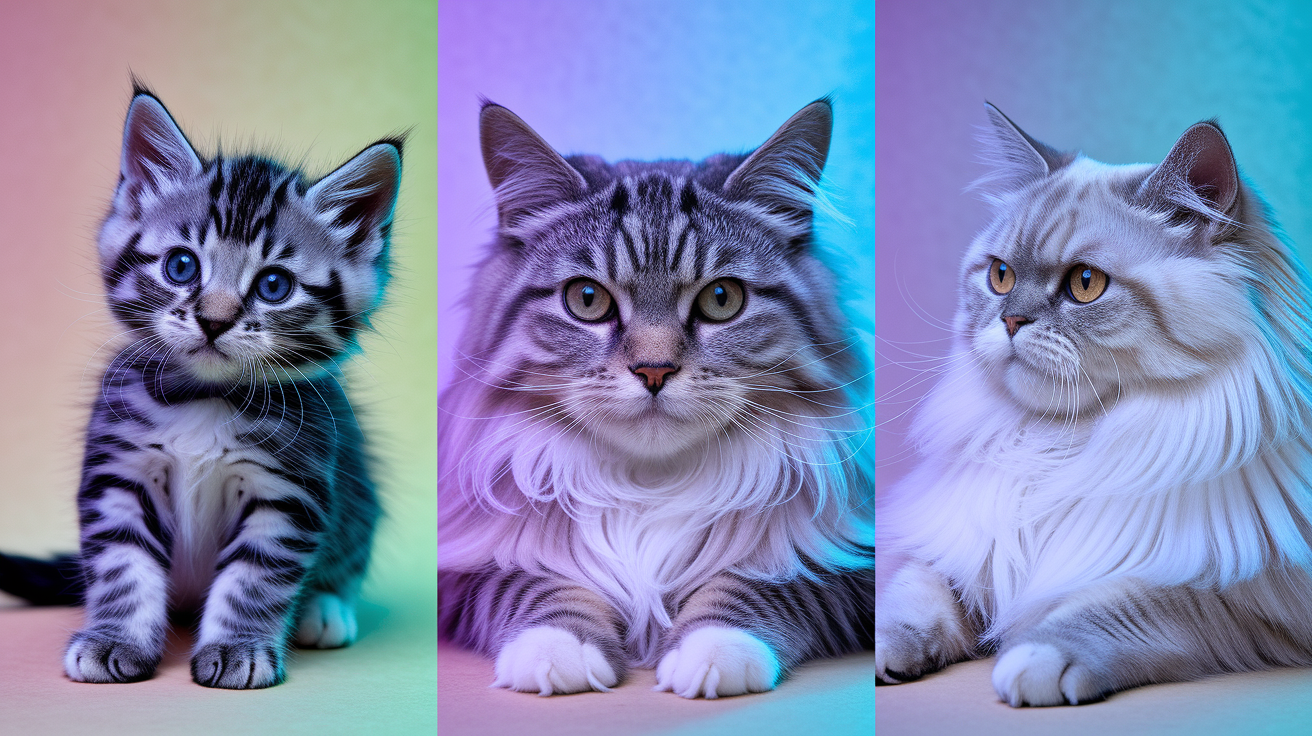
Kittens have developing immune systems and are highly vulnerable to contagious infections, especially in shelters, catteries, or homes with multiple cats. Sticky eye discharge in a kitten younger than 12 weeks often signals feline herpesvirus or Chlamydia, both requiring prompt veterinary care to prevent complications like pneumonia or permanent eye damage. Kittens can also have congenital blocked tear ducts, which cause chronic clear tearing and brown staining that may resolve on its own or need gentle flushing.
Senior cats often develop chronic conditions such as dry eye, which produces sticky yellow discharge and requires lifelong tear supplementation. Older cats are also more prone to uveitis, glaucoma, and tumors, all of which can cause abnormal discharge. Regular wellness exams, including eye checks, help catch these issues early.
Flat-faced breeds (Persians, Himalayans, Exotic Shorthairs) have shallow eye sockets and shortened tear ducts. Their eyes naturally tear more, and discharge pools in the facial folds, creating brown or rust-colored staining. Daily cleaning is often necessary to prevent skin irritation and secondary infection.
| Group | Common Problems | Monitoring Tips |
|---|---|---|
| Kittens (under 1 year) | Contagious viral/bacterial infections, blocked tear ducts, conjunctivitis | Watch for sneezing, lethargy, poor appetite; isolate from other cats if discharge appears; seek vet care within 24 hours |
| Seniors (over 10 years) | Dry eye, uveitis, glaucoma, tumors, chronic herpesvirus reactivation | Schedule yearly or twice-yearly eye exams; monitor for vision changes, pain, or sudden discharge increase |
| Brachycephalic breeds | Chronic tearing, facial-fold dermatitis, corneal exposure, tear-duct malformation | Clean eyes daily; check for redness in skin folds; watch for squinting or cloudiness that signals ulcer |
Quick-Reference Cat Eye Discharge Checklist
Acute discharge starts suddenly, often after exposure to an irritant, injury, or the first day of an infection. It may be clear and watery at first, then thicken or change color as the problem develops. Chronic discharge persists for weeks or months and usually points to dry eye, anatomical issues like malformed tear ducts, or recurrent viral disease that flares during stress.
Key diagnostic cues to monitor:
- Color and texture: Clear/watery, thick/mucus, yellow/green pus, brown staining, or bloody.
- One eye or both: Helps distinguish local injury from systemic infection or allergy.
- Frequency of wiping needed: Once daily is mild. Multiple times daily points to active infection.
- Associated pain behaviors: Squinting, pawing, hiding, reluctance to be touched near the face.
- Duration: Lasting more than 24 hours warrants a vet call. Green/yellow discharge requires same-day attention.
- Systemic signs: Sneezing, nasal discharge, fever, lethargy, or appetite loss point to contagious respiratory infection.
Final Words
You now know how to read cat eye discharge, thin and watery, thick mucus, yellow or green pus, or bloody, and what each pattern often means.
We covered causes, one-eye versus both-eye clues, linked signs like squinting or sneezing, when to call a vet, diagnostics, treatments, safe home care, prevention, and notes for kittens and seniors.
Use this cat eye discharge symptom guide as a quick reference. Watch color, texture, and behavior for 24 hours. Seek care sooner for green, bloody, or clearly worsening signs and bring photos or notes to the vet. Small steps help a lot.
FAQ
Q: What do different cat eye discharge colors and textures mean?
A: Different colors and textures of cat eye discharge usually point to specific causes: clear/watery = irritation or allergy; thick mucus = conjunctivitis; yellow/green pus = bacterial infection; brown = blocked ducts; crusty = dried secretions or infection.
Q: When should I worry about my cat’s eye discharge?
A: You should worry if discharge lasts more than 24 hours, is green/yellow or bloody, causes swelling or severe squinting, or if your cat won’t open the eye—those need same-day or emergency vet care.
Q: How do I safely clean my cat’s eye at home?
A: To safely clean, use a warm, damp cotton ball, wipe from the inner corner outward, use a fresh cotton ball per eye, be gentle, and limit cleaning to brief sessions to avoid stress or injury.
Q: Is it normal if only one eye has discharge?
A: One-eye discharge often means a local problem like an injury, foreign body, or localized infection; monitor for 24 hours and call the vet sooner if there’s pain, bleeding, or worsening signs.
Q: Why do both eyes have sticky discharge?
A: Both eyes with sticky, pus-like discharge commonly suggest systemic issues such as viral or bacterial upper respiratory infections, often with sneezing and nasal discharge—see the vet within 24 hours if it worsens.
Q: Can I use human eye drops on my cat?
A: You should not use human eye drops on your cat unless your vet specifically approves them, because some ingredients can harm a cat’s eye or make the problem worse.
Q: What will the vet do to diagnose eye discharge?
A: The vet will perform an exam and may use fluorescein stain for ulcers, a Schirmer tear test for tear production, tonometry for pressure, swabs/cultures, and possibly blood tests to guide treatment.
Q: What are common treatments for cat eye discharge?
A: Common treatments include topical antibiotics for bacterial infections, antivirals for herpes, artificial tears for dry eye, tear-duct flushing for blockages, and surgery for severe structural problems—all guided by the vet.
Q: How should I monitor my cat after starting home care?
A: After home care, monitor twice daily for 24–48 hours: note discharge color and amount, blinking, appetite, and behavior. Call the vet if discharge worsens, becomes green/bloody, or your cat shows pain.
Q: How can I prevent future eye discharge episodes?
A: You can help prevent episodes by keeping vaccinations current (FVRCP), gently wiping eyes regularly, reducing smoke and dust exposure, avoiding contact with sick cats, and scheduling routine vet checks.
Q: Are kittens or flat-faced breeds more at risk for eye discharge?
A: Kittens and brachycephalic (flat-faced) breeds are more at risk—kittens due to immature immunity and flats due to facial anatomy causing tearing and blocked ducts—so monitor them closely and seek earlier vet care.