

If your pet stops eating, it can be a quiet emergency, especially for cats.
Some signs are small, like missing one meal, and some are urgent, like repeated vomiting, collapse, or not drinking.
Read on to learn the key warning signs you shouldn’t ignore, simple steps you can try at home, what to track over the next 24 to 48 hours, and clear red flags that mean call your vet immediately.
Key Warning Signs of Appetite Loss in Pets

When your pet stops eating, their body’s telling you something’s wrong. Some signs are mild and show up early. Others scream urgent. Knowing the difference helps you figure out how fast you need to move.
The warning signs fall into three buckets: behavior shifts, digestive stuff, and whole-body signals. A pet who’s just bored with their kibble will act fine otherwise. A pet with a real problem? They’ll usually show more than one thing at once.
Cats are at higher risk than dogs when they quit eating. Because of how a cat’s liver functions, going 24 hours without food can kick off a dangerous condition called hepatic lipidosis. Dogs can sometimes handle 24 to 48 hours, but that doesn’t mean you should wait if other signs pop up.
Here’s what to watch for:
Lethargy — sleeping more than usual, moving less, no energy even for their favorite things
Hiding or pulling away — staying under furniture, avoiding the family, less interaction
Vomiting — one episode or several. Note the color and whether there’s food or bile
Diarrhea — watery, bloody, or full of mucus
Dehydration — tacky gums, skin that tents and stays up more than 2 seconds, sunken eyes
Weight loss — more than 5% of body weight in a month or over 10% across several months
Drooling — new or excessive saliva, especially if it’s thick or ropy
Pawing at the mouth — rubbing the face, won’t chew, dropping food
Bad breath — strong, foul smell that wasn’t there before
Fever — temperature above 103.5°F (39.7°C)
Drinking changes — way more water than usual or almost none
Sniffing food and walking away — shows interest, then refuses. Sign something hurts or feels off
Early signs include mild lethargy, slight drop in portions, or skipping a meal here and there. These can happen with minor stomach upset or stress. Advanced signs? Repeated vomiting, visible weight loss, dehydration, fever, or completely refusing food for a full day or longer. If you see advanced signs, call your vet the same day. If you see early signs but they stick around past 24 hours in a cat or 48 hours in a dog, it’s time to pick up the phone.
Behavioral Changes Connected to Reduced Eating

Not all appetite loss comes from disease. Sometimes the problem’s in your pet’s head or their surroundings. A dog who’s anxious about a new baby in the house might skip breakfast. A cat stressed by construction noise next door might hide and refuse dinner.
Behavioral appetite loss often shows up with other stress signals. Your pet might pace, vocalize more, or stick to you like glue. If the appetite drop is purely behavioral, they’ll usually bounce back once the stressor goes away or they adjust. The key difference: a behaviorally anxious pet still looks physically healthy. No vomiting, normal energy when calm, and they’ll often take high-value treats even if they refuse their regular food.
Common behavioral triggers:
Travel or boarding — unfamiliar smells, sounds, routines
Household changes — moving, visitors, new pets, schedule shifts
Multi-pet competition — fear of another animal stealing food or blocking access
Feeding environment stress — noisy location, bowl too close to litter box, uncomfortable bowl height
Routine disruption — back-to-school schedule changes, owner travel, seasonal shifts
Distinguishing Normal Picky Eating From Concerning Inappetence
A picky eater turns up their nose at kibble but perks up for chicken. A sick pet refuses everything, even their favorite treat. Picky eating is consistent over time. Your dog’s always preferred wet food or avoided certain brands. Sudden refusal in a pet who normally eats well? That’s different.
Watch for context clues. If your pet skips one meal but acts normal, drinks water, and eats the next meal, you’re probably seeing a minor blip. If they refuse two meals in a row and you also notice vomiting, diarrhea, lethargy, or hiding, that’s concerning. The combination of symptoms tips the scale from “wait and see” to “call the vet.”
Physical and Medical Red Flags Related to Appetite Loss
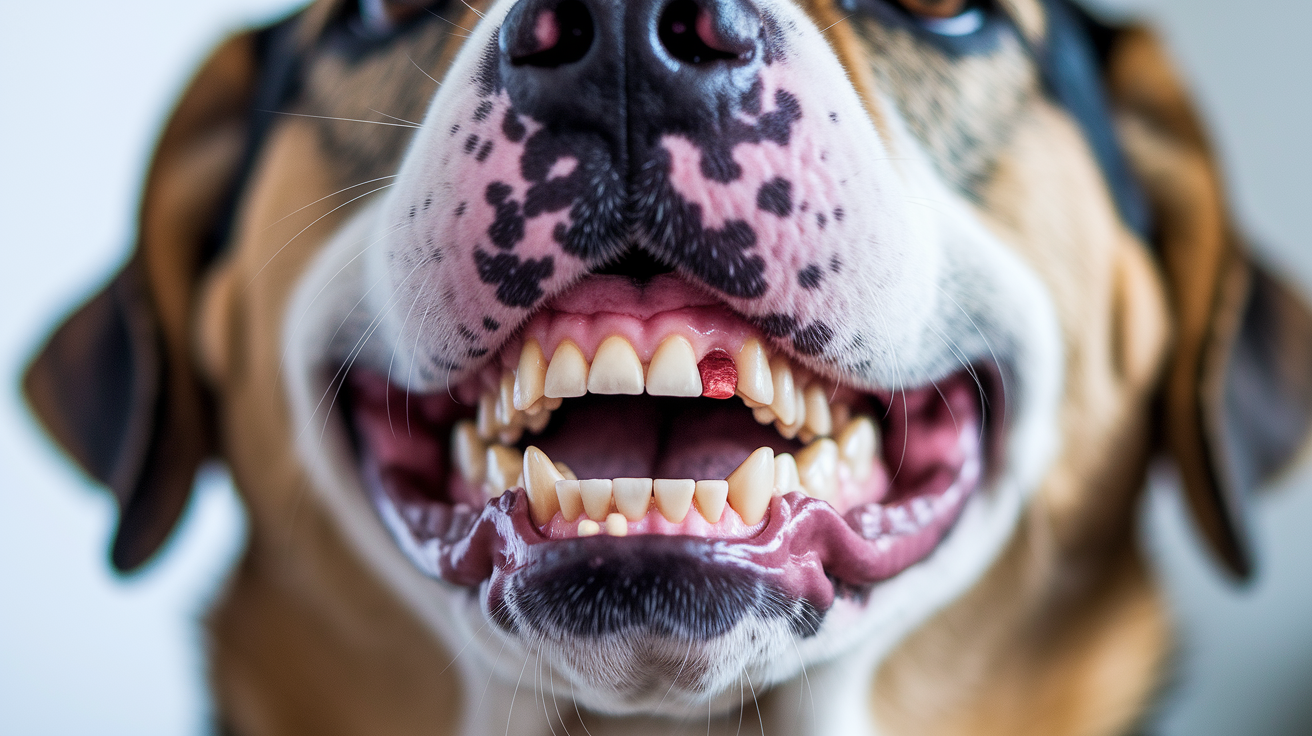
Medical problems are the most common serious cause of appetite loss. Pain, nausea, organ dysfunction, and infection all shut down the drive to eat. Your pet’s body prioritizes survival over meals when something goes wrong internally.
Dental disease ranks high on the list, especially in adult dogs and cats. A cracked tooth, inflamed gums, or an abscess at the root of a tooth makes chewing painful. Pets with oral pain often walk up to the food bowl, sniff, maybe take a bite, then leave. You might see drooling, blood-tinged saliva, bad breath, or your pet pawing at their mouth.
Gastrointestinal disease and metabolic organ failure also trigger appetite loss. Kidney disease, liver disease, and pancreatitis all create nausea and discomfort. Pets feel too sick to eat, even though their bodies need nutrition more than ever. Tumors, whether in the mouth, stomach, or elsewhere, can block normal eating or release chemicals that suppress appetite.
Major disease categories linked to appetite loss:
Dental and oral disease — broken teeth, gingivitis, oral tumors, root abscesses, ulcers
Gastrointestinal disorders — gastroenteritis, inflammatory bowel disease, obstruction, pancreatitis
Kidney disease — nausea from toxin buildup, mouth ulcers
Liver disease — nausea, jaundice (yellow gums or skin), confusion
Endocrine disease — diabetes, hypothyroidism, Addison’s disease
Infections — bacterial, viral, parasitic. Upper respiratory infections in cats reduce sense of smell
When appetite loss comes with drooling, difficulty chewing, or visible mouth lesions, suspect oral disease. When it pairs with vomiting, diarrhea, or abdominal pain, think digestive system. When it appears alongside increased thirst, weight loss despite normal eating previously, or jaundice, suspect metabolic or organ disease.
Time-Based Appetite Loss Thresholds for Dogs and Cats

How long can a pet safely go without food? The answer depends on species, age, and overall health. Cats can’t skip meals the way dogs can. Their liver reacts to fasting by pulling fat into liver cells, and if that happens too fast, the liver stops working properly. That’s hepatic lipidosis.
Adult dogs have more metabolic wiggle room, but that doesn’t mean waiting’s always safe. Puppies, small-breed dogs, and any pet with chronic illness can go downhill quickly. Kittens and puppies have tiny energy reserves and can develop dangerously low blood sugar within 12 to 24 hours of not eating.
| Species | Time Without Eating | Risk Notes |
|---|---|---|
| Adult Dog | 24 to 48 hours tolerated, but seek vet advice at 48 hours | Small breeds and puppies need faster evaluation. Toy breeds at 12 to 24 hours |
| Puppy (under 6 months) | 12 to 24 hours | Risk of hypoglycemia (low blood sugar). Contact vet within 12 to 24 hours |
| Adult Cat | 24 hours | High risk of hepatic lipidosis after 48 hours. Seek vet advice at 24 hours |
| Kitten (under 6 months) | 12 to 24 hours | Rapid deterioration risk. Contact vet within 12 to 24 hours |
Dehydration adds urgency to any timeline. Check your pet’s gums. They should be wet and slippery. Tacky, dry gums mean dehydration’s starting. Gently lift the skin on the back of the neck and release. It should snap back instantly. If it tents and takes more than 2 seconds to settle, dehydration is significant and you need veterinary care right away.
Even if your adult dog technically can go 48 hours without eating, waiting that long when other symptoms are present is risky. Use these thresholds as outer limits, not as permission to delay. If your pet refuses food and also vomits, acts lethargic, or shows any other warning sign, call your vet before the clock runs out.
Emergency Symptoms Linked to Appetite Loss

Some combinations of appetite loss and other symptoms mean “go to the emergency vet now,” not tomorrow or later tonight. These red flags signal life-threatening conditions. Poisoning, internal bleeding, organ failure, severe infection, or obstruction.
If your pet stops eating and you see any of the following, consider it an emergency. Don’t wait to see if they improve on their own. Call your vet or an emergency clinic immediately, even if it’s the middle of the night.
Emergency red-flag symptoms:
Repeated vomiting with collapse or difficulty breathing — signals severe dehydration, shock, or obstruction
Blood in vomit or stool — red blood or dark, tarry stool (melena) indicates internal bleeding
Seizures — uncontrolled shaking, paddling, loss of consciousness
Severe weakness or unresponsiveness — won’t stand, limp, non-reactive
Pale, white, or blue gums — sign of shock, blood loss, or oxygen deprivation
High fever — temperature above 103.5°F (39.7°C), or very low body temperature
Severe abdominal pain or distended abdomen — bloat in dogs, obstruction, internal bleeding
Suspected toxin ingestion — rat poison, antifreeze, chocolate, grapes, xylitol, medications, toxic plants
A pet in true emergency distress often shows more than one of these signs at once. For example, vomiting blood plus pale gums and weakness. Or refusal to eat plus a distended, hard abdomen and frantic pacing. Trust your instinct. If something feels very wrong, it probably is.
Monitoring and Tracking Appetite Changes at Home

When appetite drops but no emergency signs appear, your next job’s to gather data. Veterinarians rely on the details you provide to narrow down possible causes. The more specific your observations, the faster they can diagnose and treat.
Start by noting the exact timeline. When did you first notice reduced eating? Was it sudden, like overnight, or gradual over several days? How many meals has your pet skipped or only partially eaten? Write it down in hours or days, not vague terms like “recently” or “a while ago.”
Track everything that goes in and comes out. Count vomiting episodes and describe what you see. Undigested food, yellow bile, foam, or blood. Note stool changes. Diarrhea, constipation, mucus, or blood. Measure water intake if possible. Is your pet drinking more than usual, less, or refusing water entirely? Watch urine output, frequency, color, and volume.
What to record before your vet visit:
Duration of inappetence in hours or days
Number and appearance of vomiting episodes
Stool frequency, consistency, color, and any blood or mucus
Water intake (increased, normal, or decreased) and urine output
Any weight change. Weigh your pet at home if you can, and calculate percent loss
Recent medications, diet changes, possible toxin exposure, travel, or vaccination
Weight loss of more than 5% in one month is clinically significant. If your 20-pound cat loses one pound, that’s 5%. If your 60-pound dog loses three pounds, same percentage. That’s meaningful and should be mentioned to your vet, even if your pet’s still eating a little bit.
At-Home First Steps for Mild Appetite Loss

If your pet skips a meal but otherwise seems okay (no vomiting, normal energy, drinking water), you can try a few safe steps at home before calling the vet. These won’t fix a serious underlying problem, but they can help if the issue’s minor stress or a bland diet.
Warming food makes it smell stronger, which can stimulate appetite, especially in cats who rely heavily on scent. Add a tablespoon of warm water to dry kibble, or microwave wet food for a few seconds until just warm, not hot. Offer small portions. A full bowl can overwhelm a nauseous pet. Try a teaspoon or tablespoon every few hours instead of one big meal.
Hand-feeding sometimes works when a pet feels anxious or weak. Sit quietly near them and offer a small bite from your fingers. Some pets feel safer eating this way when they’re not feeling well. You can also try moving the food bowl to a quieter, calmer spot, away from other pets, loud appliances, or high-traffic areas.
Wet food’s often more appealing than dry. If your pet normally eats kibble, open a can of plain, high-quality wet food and see if that sparks interest. Avoid anything with onion, garlic, or heavy seasoning. Plain boiled chicken (no skin, no seasoning) or plain boiled white rice can work for dogs in the very short term, 24 hours or so, but this isn’t a balanced diet and shouldn’t continue without vet guidance.
When Home Care Is Not Enough
These at-home steps are only appropriate for the first 12 to 24 hours, and only if no other warning signs are present. If your pet still refuses food after 24 hours, or if new symptoms appear (vomiting, diarrhea, lethargy), stop trying home remedies and contact your vet.
Don’t force-feed long-term or syringe-feed without veterinary instruction. Forcing food into a pet who’s vomiting or has an obstruction can cause aspiration pneumonia or make the underlying problem worse. If appetite stimulants or feeding tubes are needed, your vet will guide that process safely.
How Veterinarians Diagnose Appetite Loss Causes

When you bring your pet to the vet for appetite loss, expect a thorough evaluation. The vet will start with a detailed history. Everything you’ve tracked at home, plus questions about medications, diet, environment, and any recent changes. Then comes a full physical exam, checking body condition, hydration status, gum color, heart and lung sounds, abdominal palpation, and oral inspection.
Diagnostic testing helps pinpoint the cause. Bloodwork’s almost always recommended. A complete blood count (CBC) checks for infection, anemia, and immune problems. A serum biochemistry panel evaluates kidney function, liver enzymes, blood sugar, electrolytes, and protein levels. Urinalysis looks for kidney disease, diabetes, and urinary tract infection.
Imaging comes next if bloodwork doesn’t give a clear answer or if obstruction, tumor, or organ enlargement is suspected. Abdominal X-rays can show foreign objects, constipation, or organ size abnormalities. Ultrasound provides detailed views of the liver, kidneys, pancreas, intestines, and bladder. In some cases, echocardiography checks heart function if heart disease is a concern.
| Test | What It Checks | Why It Matters |
|---|---|---|
| CBC (Complete Blood Count) | Red cells, white cells, platelets | Detects anemia, infection, immune issues, and clotting problems |
| Serum Biochemistry | Kidney, liver, electrolytes, glucose, protein | Identifies organ failure, diabetes, pancreatitis, dehydration |
| Urinalysis | Urine concentration, protein, glucose, cells | Evaluates kidney function, diabetes, urinary infection |
| Imaging (X-ray, ultrasound) | Organ size, foreign objects, masses, fluid | Finds obstructions, tumors, organ enlargement, fluid buildup |
| Oral Exam (often under sedation) | Teeth, gums, tongue, throat | Reveals broken teeth, abscesses, oral tumors, ulcers |
Additional tests depend on initial findings. Pancreatic lipase measures inflammation of the pancreas. Thyroid panels check for hyperthyroidism in cats or hypothyroidism in dogs. Fecal exams look for parasites or bacterial overgrowth. If oral disease is suspected, the vet may perform a full oral exam under sedation, with dental X-rays to check tooth roots and bone.
Your vet will tailor the diagnostic plan based on your pet’s age, symptoms, and exam findings. Not every pet needs every test. The goal’s to find the cause efficiently so treatment can start as soon as possible.
Long-Term Support and Prevention of Future Appetite Problems
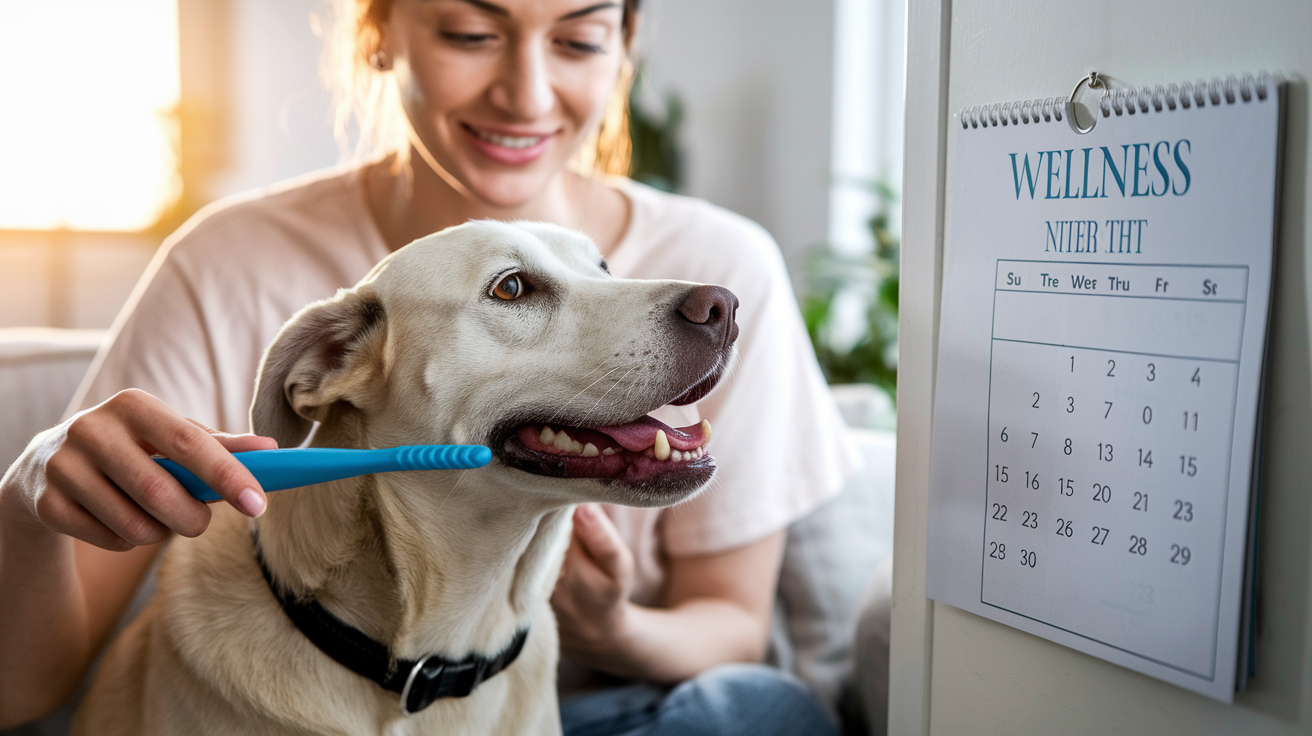
Once your pet’s eating again, the focus shifts to prevention. Many causes of appetite loss (dental disease, obesity-related conditions, stress-triggered GI upset) can be reduced or avoided with consistent care and routine monitoring.
Dental care is one of the most effective prevention strategies. Brush your pet’s teeth several times a week using pet-safe toothpaste. Offer dental treats or toys designed to reduce plaque. Schedule professional cleanings as recommended by your vet, often annually for adult pets or more frequently for breeds prone to dental disease. Healthy teeth mean less pain and better long-term appetite.
Routine wellness exams catch problems early, before they cause appetite loss. Annual exams for young and middle-aged pets, and every six months for seniors, allow your vet to monitor weight, organ function, and overall health. Weight checks every three to six months help you spot gradual loss before it becomes dangerous. A 5% drop over a few months can be easy to miss at home but shows up clearly on a scale.
Simple prevention strategies:
Regular dental care (brushing, treats, professional cleanings)
Routine veterinary exams and bloodwork for senior pets
Gradual diet transitions over 7 to 10 days to avoid GI upset
Stress reduction during household changes (quiet feeding areas, consistent routines, calming pheromones)
When making diet changes, go slowly. Mix a small amount of the new food with the old, increasing the new portion gradually over a week to ten days. Abrupt switches can trigger vomiting, diarrhea, and temporary appetite loss, even in healthy pets. If your pet has a chronic condition like kidney disease or diabetes, follow your vet’s dietary recommendations closely. Consistent nutrition supports long-term appetite and health.
Final Words
Seeing your pet push away the bowl, vomit, or hide? This post lists the main warning signs, behavior and medical causes, timing for dogs and cats, emergencies, safe at-home steps, what to track, and what your vet may check.
If it seems mild, try gentle measures for 24 hours and note food, water, vomiting, and poop. Call your vet now for red flags like repeated vomiting or diarrhea, breathing trouble, pale or blue gums, fever, collapse, or if a cat hasn’t eaten for 24 hours.
Keep this simple checklist handy to catch pet appetite loss warning signs early. You’ve got this.
FAQ
Q: When to worry about loss of appetite in dogs?
A: Loss of appetite in dogs is worrying if it lasts more than 48 hours, or comes with vomiting, diarrhea, lethargy, fever, weight loss, dehydration, pale gums, breathing trouble, severe pain, or collapse, so call your vet.
Q: What is the silent killer in dogs?
A: The phrase “silent killer” in dogs often means conditions with few early signs, like heart or kidney disease, cancer, or gastric torsion (bloat), so watch for subtle changes and seek veterinary evaluation for concerning signs.
Q: What causes sudden loss of appetite?
A: Sudden loss of appetite is caused by stomach upset, infections, toxin exposure, pain, dental problems, sudden diet change, stress, pancreatitis, or organ disease; seek urgent vet care if vomiting, diarrhea, weakness, or toxin exposure occurs.
Q: What are signs your dog is going to pass away?
A: Signs a dog may be near end of life include prolonged refusal to eat or drink, extreme weakness, collapse, severe breathing trouble, unresponsiveness, incontinence, severe pain, and major behavior change; contact your vet to discuss comfort care and options.