

Could your pet’s “lazy day” actually be a warning sign?
Lethargy is more than being tired after play, it’s a persistent drop in energy that rest doesn’t fix.
Your dog ignoring the food bowl or your cat hiding all day are the kinds of clues this checklist focuses on.
Use it to spot physical and behavior signs, learn which red flags need immediate care, and decide whether to watch at home or call your vet today.
If you can only do one thing right now, check appetite, standing, and breathing.
Immediate Pet Lethargy Checklist for Fast Home Assessment

Lethargy means your pet’s showing a drop in energy that sticks around longer than it should. It’s different from being tired after a busy day at the park. We’re talking about the kind of exhaustion that doesn’t get better with rest. Your dog suddenly ignores the food bowl they usually sprint toward. Your cat hides all day instead of coming to check on you.
This checklist lets you figure out what’s happening right now. You’ll know whether to watch and wait, call your vet today, or get to emergency care. Check off anything you’re seeing, even the small stuff. It matters.
Physical and Behavioral Symptoms to Check:
- [ ] Sleeping way more than normal
- [ ] Won’t get up or move, moving slower than usual
- [ ] Weak, trouble standing, wobbly when walking
- [ ] Zero interest in toys, treats, walks, or people
- [ ] Hiding, pulling away, not cuddling like before
- [ ] Not eating or drinking
- [ ] Throwing up, diarrhea, coughing, breathing hard
- [ ] Limping, stiff, flinching when you touch certain areas
- [ ] Pale, white, or yellow gums
- [ ] Can’t stand up or collapsed
- [ ] Seizures or shaking
- [ ] Drooling, tremors, acting totally strange (could be poisoning)
If lethargy’s lasted more than 24 hours, or you checked any of the last six, contact your vet now. Severe or sudden lethargy plus vomiting, breathing trouble, collapse, pale gums, or seizures? That’s emergency territory. Don’t wait until morning. For mild signs without red flags, watch closely for the next day. Track appetite, water, energy. Things get worse or new symptoms pop up? Call same day.
Interpreting Physical Indicators of Lethargy

Physical changes show you what’s going on inside. A weak or wobbly walk can mean pain, muscle problems, low blood sugar, or nerve trouble. When your pet struggles to stand or looks unsteady, that’s more than tired. Something’s interfering. Pale or white gums point to circulation issues, blood loss, or anemia. Healthy gums are pink and moist. Press gently on the gum. When you let go, color should return within two seconds. Slow return or sticky dry gums? That’s dehydration or shock.
Breathing changes matter. Rapid, shallow breaths or obvious effort to inhale can mean respiratory distress, pain, fever, heart trouble. Normal resting dogs breathe 10 to 30 times per minute. Cats breathe 20 to 30 times. Count breaths for 15 seconds and multiply by four. Labored breathing paired with lethargy is a red flag. You can check hydration at home by gently lifting the skin at the back of your pet’s neck. If it stays tented instead of snapping back, they’re dehydrated. Add sunken eyes or dry gums to that, and your pet needs fluids soon.
Quick interpretation tips:
- Gum color changes (pale, white, yellow, blue) = urgent problem with circulation or organs
- Skin tent test showing slow return = dehydration that needs a vet
- Fast or labored breathing while resting = possible emergency with breathing, heart, or pain
- Sudden weakness or collapse = stop watching, get help now
- Vomiting or diarrhea combined with lethargy = higher risk of dehydration and infection
Understanding Behavioral Shifts Linked to Lethargy

Behavioral changes usually show up before physical symptoms get obvious. Especially in cats. When your normally friendly dog stops meeting you at the door or your playful cat ignores their favorite toy, it’s not attitude. It’s a signal that something uncomfortable or painful has their attention. Pets dealing with illness, pain, or metabolic trouble pull back to save energy or protect themselves. Dogs skip walks they used to drag you on. Cats hide under beds or in closets for hours. It’s survival instinct kicking in when they feel vulnerable.
These shifts are how your pet tells you something’s wrong. A dog who demanded fetch constantly now just lies there watching you. A cat who groomed all the time now has a matted coat. These aren’t just “off days.” They’re patterns building over hours or a full day. When paired with lethargy, they’re pointing at a health issue that needs attention.
Subtle Behavioral Clues
Watch for early signs that are easy to brush off but actually add up. Your pet might stop responding to things they normally care about. Ignoring their name when you call. Not perking up at the sound of a treat bag. They might avoid eye contact or turn away when you reach to pet them. Those behaviors suggest discomfort or confusion. Changes in how much they engage with you matter too. A dog who usually leans hard into scratches now tolerates it briefly and walks off. A cat who slept beside you every night suddenly picks a corner alone. These shifts in routine affection or interaction often appear 12 to 24 hours before appetite loss or vomiting. That’s your window to act early.
Species Differences in Lethargy: Dog vs Cat Checklist Indicators

Dogs and cats show lethargy differently because of how they evolved and communicate. Knowing species-specific patterns helps you catch problems faster.
Dogs tend to show lethargy through visible activity changes:
- Skipping things they love: walks, fetch, greeting you at the door
- Lying down during times they’re usually bouncing around
- Refusing treats or favorite foods they normally beg for
- Slower getting up from resting, especially after being down a while
- Stopping mid-walk or panting hard in cool weather
Cats hide illness longer and show subtler signs:
- Hiding in closets, under furniture, or weird spots for hours
- Stopping grooming, which leads to a dull or matted coat
- Ignoring toys, laser pointers, or play they usually chase
- Staying in one spot for hours without moving
- Not reacting when you enter the room or call their name
Puppies and kittens can get a little lethargic after vaccinations. Usually clears up within 24 hours. Lasts longer or comes with vomiting, diarrhea, or refusing food? Call your vet same day. Senior pets and those with chronic conditions like diabetes, kidney disease, or heart issues need faster attention when lethargy shows up. Their systems don’t have much reserve. Small changes can escalate quickly. For older pets, lethargy lasting more than 12 hours deserves a vet call, especially with appetite loss or behavior changes.
Underlying Medical Causes to Include in a Pet Lethargy Symptoms Checklist

Lethargy’s a symptom, not a diagnosis. It’s your pet’s body saying something’s wrong. Could range from a mild infection to organ failure. Infectious causes include respiratory infections, urinary tract infections, systemic infections that trigger fever and inflammation. Parasites like intestinal worms, fleas, and ticks drain energy by stealing nutrients or passing on diseases like Lyme or anaplasmosis. Young animals are especially vulnerable because their immune systems are still developing.
Chronic diseases like kidney disease, diabetes, heart disease, and hypothyroidism cause gradual or sudden energy loss as organs struggle. Kidney disease leads to toxin buildup in the blood, making pets nauseous and weak. Diabetes keeps cells from using glucose for energy, leaving pets exhausted even after eating. Heart disease reduces oxygen delivery to tissues, causing exercise intolerance and collapse. Pain from arthritis, dental disease, or internal injury makes movement exhausting. Pets shut down to avoid discomfort.
Environmental and toxin-related causes range from heat exhaustion to eating poisonous plants, human meds, or household chemicals. Even stress and sudden household changes (moving, new pets, loud construction) can trigger temporary lethargy, though medical causes are way more common. When lethargy appears with drooling, shaking, vomiting, or unusual behavior, suspect poisoning. Get emergency care immediately.
| Category | Example Conditions | Severity Level |
|---|---|---|
| Infectious | Respiratory infections, UTIs, sepsis, tick-borne diseases | Moderate to severe |
| Chronic Disease | Kidney disease, diabetes, heart disease, hypothyroidism, cancer | Moderate to severe |
| Pain and Injury | Arthritis, dental disease, internal injury, post-surgical discomfort | Mild to severe |
| Toxins and Environmental | Poisoning, heat exhaustion, dehydration, severe stress | Moderate to severe |
Escalation Guide: From Mild Lethargy to Emergency Care

Not all lethargy requires an emergency visit, but you need to know when to escalate. Green-tier lethargy means your pet’s a little slower than usual after exercise or a long day. No other symptoms. You can watch at home for 24 hours. Offer water, rest, and see what changes. Yellow-tier lethargy lasts into the next day, comes with mild vomiting or diarrhea, reduced appetite for several meals, or affects senior pets or those with chronic conditions. Call your vet same day. Red-tier lethargy is severe, sudden, or paired with dangerous symptoms. Stop monitoring. Go.
Critical Red Flags Requiring Immediate Action
- Collapse or can’t stand: Your pet can’t get up, stumbles repeatedly, or falls over trying to walk.
- Labored, rapid, or noisy breathing: Obvious effort to breathe, open-mouth breathing in cats, gasping.
- Pale, white, yellow, or blue-tinged gums: Signals poor circulation, blood loss, liver failure, or oxygen deprivation.
- Seizures, tremors, or uncontrolled shaking: Could mean toxin exposure, low blood sugar, or neurological emergency.
- Persistent vomiting or diarrhea with dehydration: Multiple episodes in a few hours, especially with lethargy and refusing to drink.
- Known or suspected poisoning: Drooling, shaking, unusual behavior after getting into meds, plants, or chemicals.
When any of these show up, immediate vet care beats continued home monitoring. Even middle of the night, emergency clinics can stabilize pets in crisis. Waiting to see if symptoms improve can cost critical hours when organs are failing or toxins are spreading. Trust what you’re seeing. Something feels seriously wrong? Act fast.
At-Home Checks to Add to Your Pet Lethargy Symptoms Checklist

Before calling your vet, gather some basic info to help them figure out urgency and guide next steps. Safe at-home checks give you measurable data without stressing your pet out. Start by watching their breathing. Count breaths while they’re resting quietly. Normal’s 10 to 30 breaths per minute for dogs, 20 to 30 for cats. If the rate’s way higher or you see obvious effort, note it. Check gum color by gently lifting your pet’s lip. Press a finger on the gum and release. Color should return in one to two seconds. Slow return, sticky gums, or pale color all suggest dehydration or poor circulation.
Check hydration with the skin tent test. Gently pinch the skin at the back of your pet’s neck and let go. In a well-hydrated pet, skin snaps back right away. Stays tented or returns slowly? Dehydration’s likely. Check your pet’s belly and paws for temperature. Ears and paw pads that feel unusually hot or cold can signal fever or poor circulation. If you’ve got a pet thermometer, rectal temperature’s most accurate. Normal range is 100.5 to 102.5°F for dogs and cats. Anything above 103°F or below 99°F is abnormal.
Step-by-step home monitoring:
- Count resting breaths for 15 seconds and multiply by four. Note the rate and any effort or noise.
- Lift your pet’s lip and check gum color and moisture. Press and release to test how fast color comes back.
- Do the skin tent test at the back of the neck. Record how quickly skin returns to normal.
- Feel ears and paw pads for temperature clues. Compare to your own skin warmth.
- Note appetite, water intake, urination, bowel movements over the past 12 to 24 hours.
- Write down when lethargy started, any new foods, treats, meds, or possible toxin exposure.
Stop home monitoring and call your vet if lethargy gets worse, new symptoms pop up, your pet won’t drink water for more than 12 hours, or any red flag develops. Home checks are for gathering info, not replacing a vet exam. Unsure? It’s always safer to call.
Veterinary Diagnostics Commonly Used for Lethargic Pets

When you bring a lethargic pet to the vet, expect a thorough physical exam and questions about symptom history. When did it start? What changed? Any exposures? From there, diagnostics help pin down the cause. A complete blood count (CBC) checks red blood cells, white blood cells, and platelets. Low red cells suggest anemia. High white cells point to infection or inflammation. A chemistry panel looks at organ function: kidney values, liver enzymes, blood sugar, electrolytes. Elevated kidney markers mean renal disease. Low glucose signals hypoglycemia. High liver enzymes can mean toxin exposure or liver disease.
Urinalysis detects urinary tract infections, kidney problems, diabetes, dehydration. Concentrated urine with protein or blood suggests infection or kidney damage. Dilute urine in a dehydrated pet points to diabetes or kidney failure. Imaging (digital X-rays and ultrasound) reveals internal injuries, tumors, heart enlargement, fluid in the abdomen or chest, foreign objects. Ultrasound’s especially useful for examining soft tissues: liver, kidneys, spleen, bladder. Additional tests (parasite screens, toxin panels, thyroid levels) get ordered based on exam findings and initial lab results.
What Each Test Helps Detect
Bloodwork uncovers metabolic imbalances, infections, anemia, organ trouble that aren’t visible from the outside. Urinalysis reveals kidney function and urinary tract health, often catching disease early before blood values change. Imaging shows structural problems: tumors, fluid buildup, heart enlargement, foreign bodies that explain sudden lethargy. Together, these diagnostics give your vet a clear picture of what’s happening inside so treatment can be targeted.
Treatment Expectations for Pets Showing Lethargy
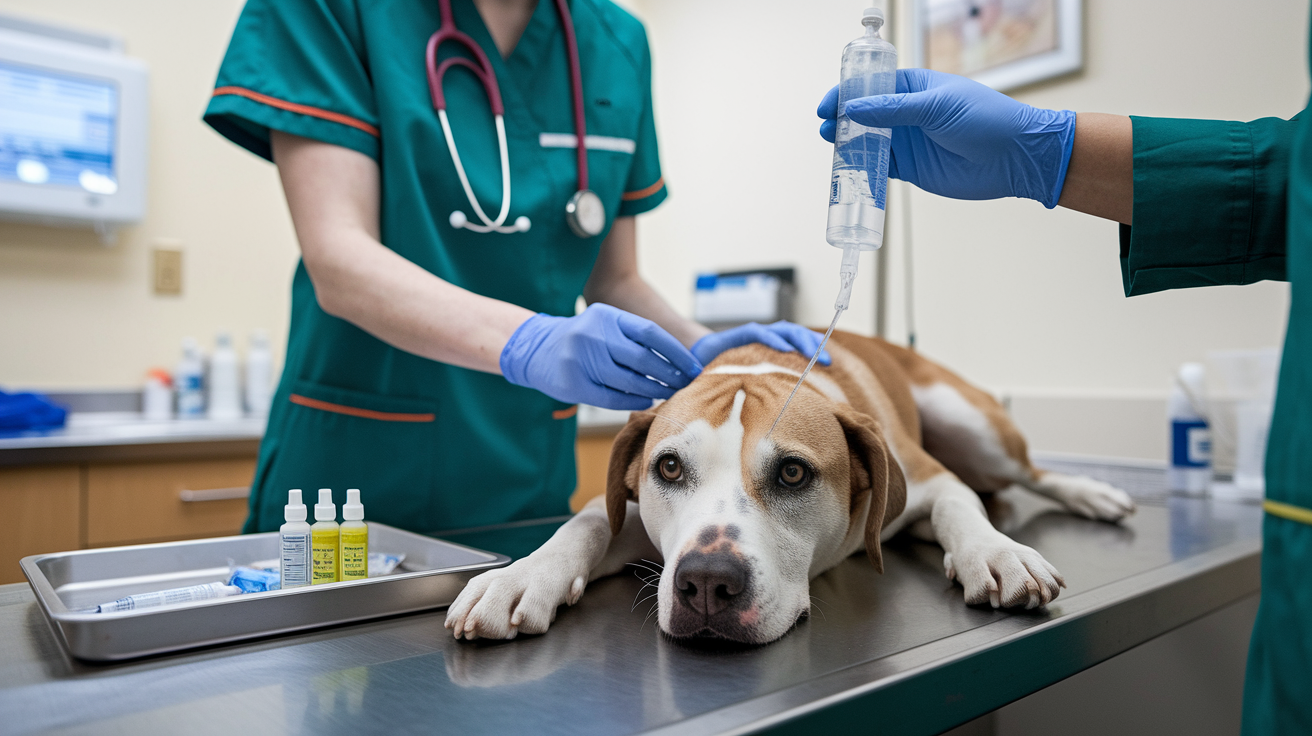
Treatment depends entirely on the underlying cause, but most lethargic pets benefit from supportive care while diagnostics are running. Fluid therapy (given through an IV or under the skin) rehydrates pets and helps flush toxins from the kidneys. Anti-nausea meds stop vomiting so pets can hold down water and food. Nutritional support (syringe feeding, appetite stimulants, high-calorie pastes) keeps energy levels stable while illness gets treated. Pain management with vet-approved meds relieves discomfort from arthritis, injury, or surgery, letting pets rest and heal.
When infection’s confirmed, antibiotics or antiviral meds target the specific bug. Parasites get treated with deworming meds or flea and tick preventatives. Chronic diseases like diabetes or kidney disease require ongoing management: insulin injections, prescription diets, regular bloodwork, sometimes fluid therapy at home. Toxin ingestion may need activated charcoal, induced vomiting, or hospitalization for intensive monitoring and detox.
Severe cases (sepsis, organ failure, internal bleeding, collapse) need hospitalization with round-the-clock monitoring, oxygen therapy, blood transfusions, or emergency surgery. Your vet will explain findings, outline a treatment plan, give you a realistic timeline for recovery. Some pets improve within 24 to 48 hours with fluids and meds. Others need weeks of management, especially with chronic disease. Always ask what to watch for at home, medication schedules, recheck appointments, warning signs that mean you should come back sooner.
Printable Pet Lethargy Symptoms Checklist and Tracking Tools
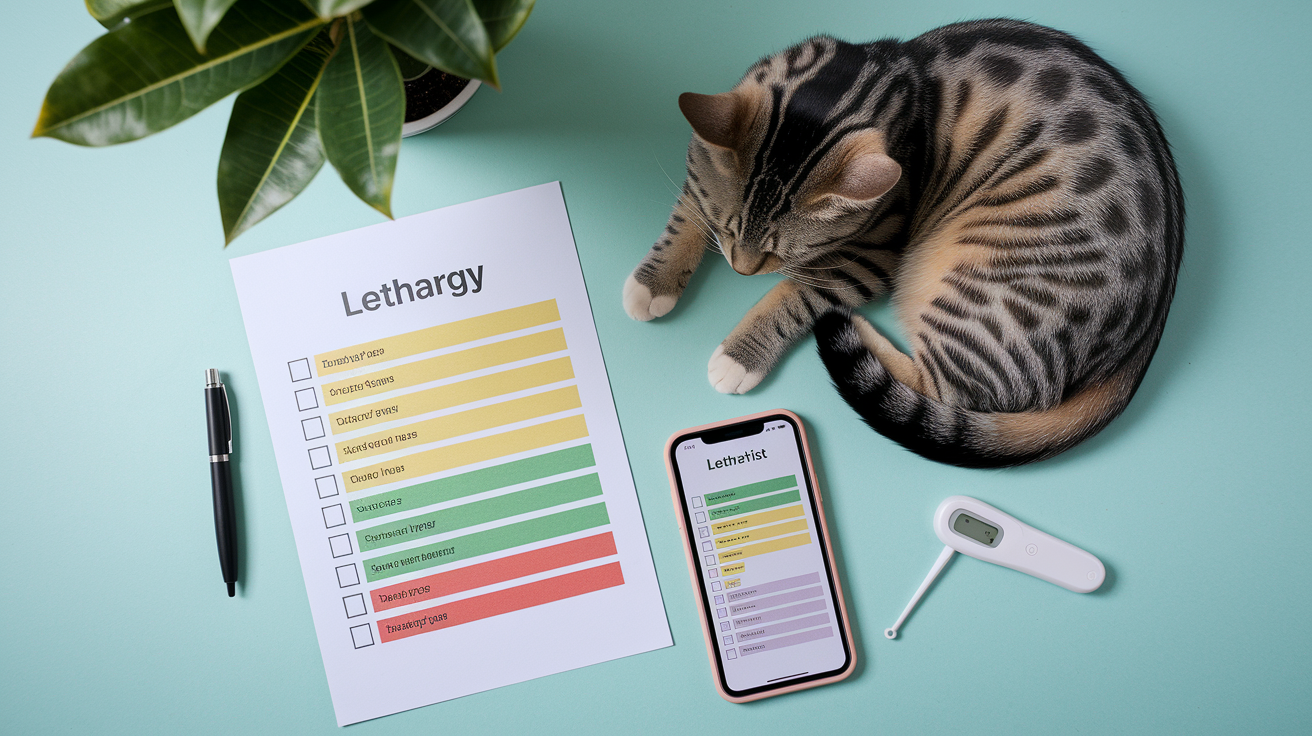
A one-page printable checklist helps you organize what you’re seeing, communicate clearly with your vet, and track changes over time. Layout includes three color-coded severity tiers: green for mild signs to watch at home, yellow for same-day vet consultation, red for immediate emergency care. Checkbox symptoms are split by species (dogs on the left, cats on the right) so you can quickly scan what’s relevant. Space at the bottom gives you lines to log time of onset, food and water intake, bowel movements, vomiting episodes, any new exposures.
Use the symptom diary section to record daily observations during the monitoring period. Write down morning and evening energy levels, appetite, water consumption, how often they’re peeing, stool consistency, any new behaviors. This log becomes valuable during your vet visit. Gives concrete data instead of vague stuff like “not doing well.” Tracking also helps you spot patterns. Lethargy that gets worse every evening. Symptoms that improve after rest but come back with activity. Keep the checklist on your fridge or near your pet’s bed so it’s easy to update in real time.
Final Words
If your pet suddenly seems quieter or slower, start with the fast, scannable checklist and at-home checks we laid out. We walked through physical signs, behavior changes, dog vs cat differences, common causes, clear red flags, basic vitals to check, likely diagnostics, treatment expectations, and a printable tracking tool.
If you can do one thing now, log what you see and watch for 24 hours. Call the vet immediately for any red-flag signs.
Keep the pet lethargy symptoms checklist handy — small steps can make a big difference.
FAQ
Q: How to tell if your dog is lethargic or just tired?
A: To tell if your dog is lethargic or just tired, see if normal energy returns after rest within 24 hours; ongoing low interest, weak movement, poor appetite, or collapse and labored breathing need a vet.
Q: What is the 3-3-3 rule for dog anxiety?
A: The 3-3-3 rule for dog anxiety is a simple guideline: 3 minutes for immediate calming, 3 hours of short-term monitoring, and 3 days of supportive routine—consult a trainer or vet if it continues.
Q: What is the silent killer in dogs?
A: The “silent killer” in dogs usually means illnesses with few early signs—like heart or kidney disease, internal bleeding, or tick-borne infections; watch for subtle changes and see a vet if things worsen.
Q: What is the 7 second rule for dogs?
A: The 7 second rule for dogs is that rewards or corrections should happen within about seven seconds so your dog links the behavior to the result; use quick rewards and avoid delayed punishment.