

What if the next time your dog vomits it’s more than a messy stomach?
Vomiting is common, and one throw-up can be harmless, but some signs need fast care.
This guide gives a clear, calm plan to spot red flags, handle safe at-home steps, and know exactly when to call the vet.
Follow it and you’ll know what to watch for, what to do in the first minutes, and what details to bring to your appointment.
Immediate Guidance for Dog Vomiting and What Owners Should Do Now
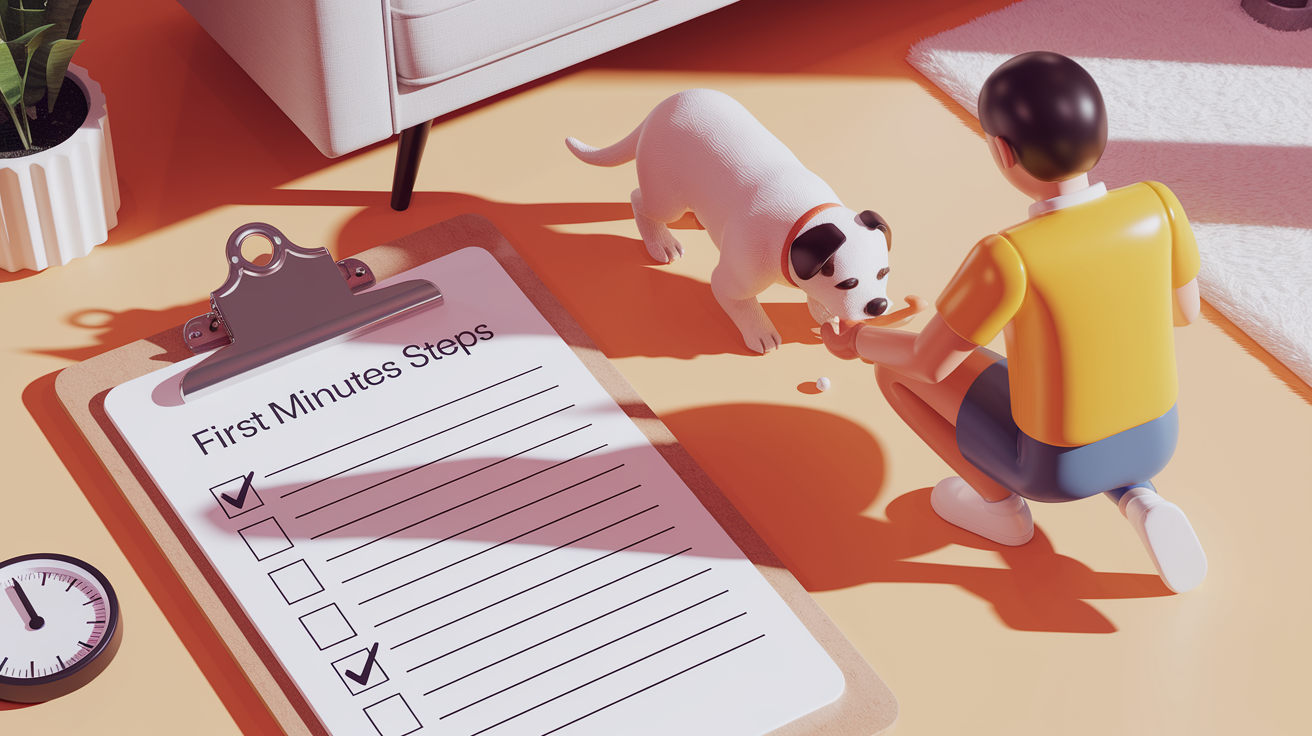
Vomiting can happen fast. Knowing what to do in those first minutes helps you stay calm and make safer choices for your dog.
If your dog just vomited, pause and check the situation before you panic. Most single episodes don’t mean emergency. But your next steps depend on what you’re seeing, how your dog’s acting right now, and whether anything dangerous might be involved.
Start by checking your dog’s overall state. Are they alert and wagging their tail? Or are they hunched, trembling, refusing to move? Look around for clues. Torn packaging, missing socks, open trash cans, spilled cleaning products. Quick action matters most when toxins or foreign objects are in play.
Here’s what to do right now:
Remove food and water temporarily. Give your dog’s stomach a short break, around one to two hours.
Watch your dog closely. Stay nearby and note energy level, interest in surroundings, any repeat vomiting.
Check the vomit. Look for blood (bright red or dark brown), foreign material, or unusual color like bright yellow bile.
Scan the environment. Identify anything your dog may have eaten, chewed, or gotten into in the past few hours.
Keep your dog calm and still. Avoid play, walks, or stressful activity until you know more.
Write down what happened. Note the time, what the vomit looked like, and any other symptoms. This helps if you need to call your vet.
Once you’ve taken these first steps, you can decide whether to monitor at home or reach out for professional help. The rest of this guide will walk you through causes, warning signs, and when waiting is safe versus when care is necessary right away.
Common Reasons Dogs Vomit
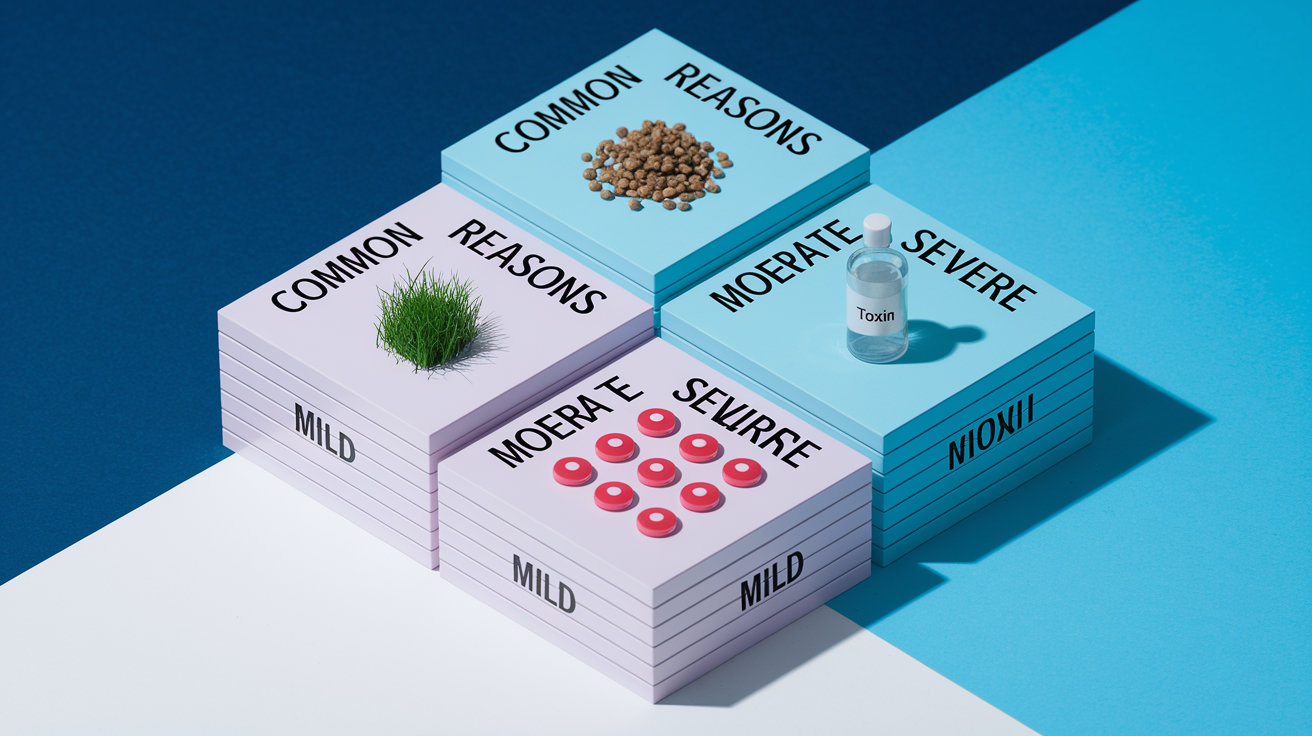
Vomiting happens for dozens of reasons. Sorting them into categories helps you figure out what you’re dealing with.
Mild causes usually clear up on their own with simple support. Moderate triggers may need a vet visit if symptoms linger or worsen. Severe causes demand fast professional care because they can deteriorate quickly.
Mild causes include eating too fast, gobbling down grass, snacking on table scraps, or reacting to a sudden switch in dog food. Motion sickness during car rides is another common, low risk reason, especially in puppies and anxious dogs. These situations typically produce one or two episodes of vomit, and the dog bounces back to normal behavior within hours. If your dog ate something unusual but non toxic, like a small amount of spoiled food or a new treat, a brief upset stomach is expected.
Moderate causes involve food sensitivities, mild infections, intestinal parasites like roundworms or hookworms, and early stage gastritis or stomach irritation. Dogs with these issues may vomit multiple times over a day or two, show reduced appetite, or pass softer stools. Dehydration becomes a concern if vomiting continues without water intake. Chronic conditions like inflammatory bowel disease or early kidney dysfunction can also cause recurring vomiting that doesn’t resolve on its own.
Severe causes require urgent veterinary attention. Toxin ingestion (chocolate, xylitol, grapes, rodent poison, household cleaners), foreign body obstruction (socks, toys, bones stuck in the intestines), bloat or gastric dilatation volvolvulus in large deep chested breeds, parvovirus in unvaccinated puppies, pancreatitis, liver failure, and heatstroke. These conditions often come with additional red flag symptoms like lethargy, collapse, bloody vomit, abdominal pain, or unproductive retching.
The appearance of vomit gives you extra clues about what’s happening inside:
Clear or white foam often means the stomach is empty and irritated, common after eating grass or vomiting on an empty stomach.
Yellow or greenish bile indicates the dog’s stomach is empty. This is typical for morning vomiting before breakfast.
Brown or “coffee ground” material suggests partially digested blood, a sign of ulcers, severe gastritis, or internal bleeding.
Bright red blood points to active bleeding in the stomach or esophagus and requires immediate veterinary care.
Food that looks undigested may mean the dog ate too fast, or it could signal regurgitation from the esophagus rather than true vomiting from the stomach.
Symptoms That Signal Urgent or Emergency Care

Certain symptoms elevate vomiting from a “wait and see” situation to a “call the vet now” emergency. Recognizing these signs early can prevent serious complications like severe dehydration, organ failure, or life threatening obstruction.
Your dog’s age, size, and overall health also influence how quickly problems escalate.
When vomiting is paired with other concerning changes, the risk jumps. A lethargic dog who won’t lift their head, a bloated abdomen that feels hard and painful, or repeated vomiting without any food or water staying down are all urgent scenarios that need professional evaluation within hours, not days.
Contact your veterinarian immediately or head to an emergency clinic if you see any of these warning signs:
Vomiting more than three times in a single day, especially if episodes happen close together.
Blood in the vomit, whether it’s bright red streaks or dark brown material that looks like wet coffee grounds.
Severe lethargy, weakness, or collapse. Your dog can’t stand, won’t respond to their name, or seems disoriented.
Refusal to drink water or vomiting immediately after drinking, which suggests the stomach can’t tolerate anything.
Abdominal bloating, hardness, or visible swelling, combined with unproductive retching (trying to vomit but nothing comes up). A hallmark of bloat or GDV.
Severe or continuous diarrhea alongside vomiting, raising the risk of rapid dehydration and electrolyte imbalance.
Known or suspected ingestion of toxins, including chocolate, xylitol, grapes, raisins, medications, cleaning products, or poisonous plants.
Puppies or senior dogs vomiting. These age groups dehydrate faster and have less reserve to fight infection or organ stress.
If you’re unsure whether symptoms qualify as urgent, err on the side of caution and call your vet’s office for guidance. Most clinics can quickly triage over the phone and tell you whether to come in right away, monitor at home with a specific timeline, or schedule a same day appointment. For puppies under six months, seniors over ten years, or any dog with preexisting health conditions like diabetes or kidney disease, the threshold for seeking care is lower. Don’t wait for multiple episodes or severe dehydration to develop.
How Veterinarians Diagnose Vomiting in Dogs
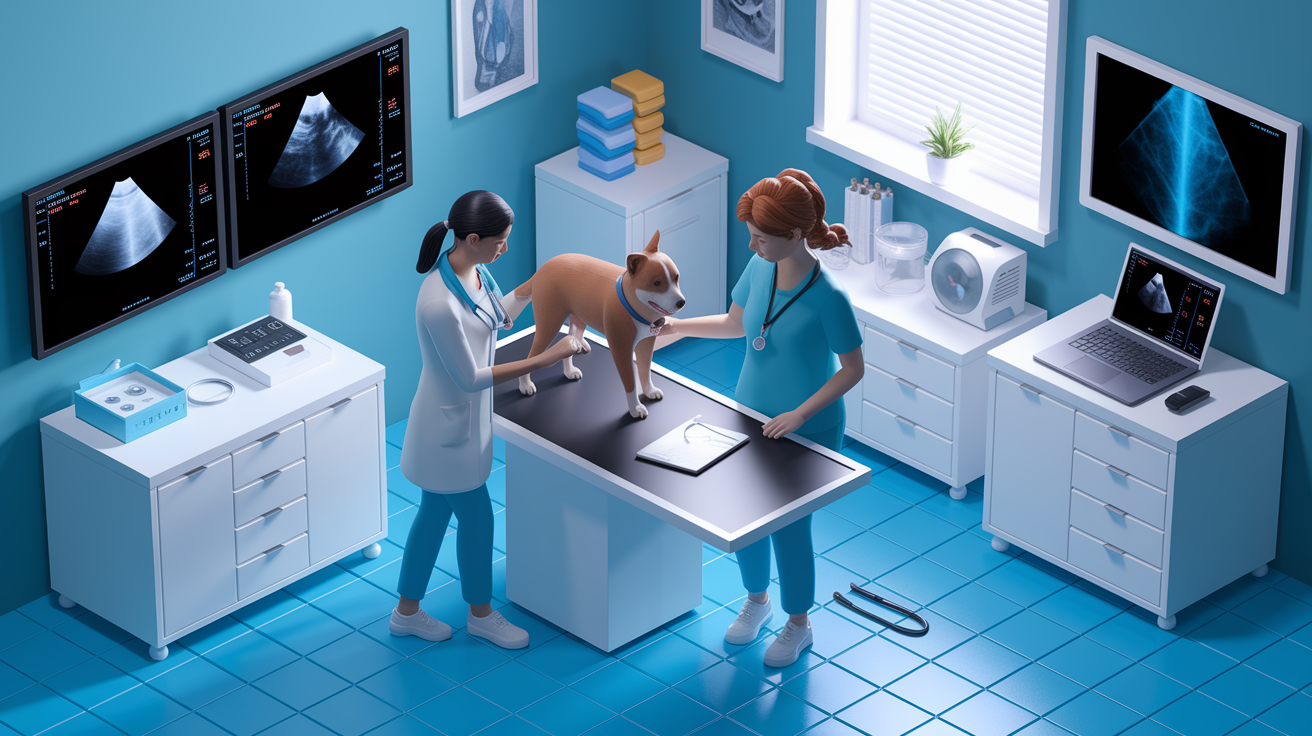
When you bring your dog to the vet for vomiting, the visit starts with a detailed history and physical exam. Your vet will ask about the timeline, how many times vomiting occurred, what the vomit looked like, whether your dog ate anything unusual, and if there are other symptoms like diarrhea, lethargy, or appetite changes.
They’ll check your dog’s hydration status by looking at gum moisture, skin elasticity, and eye appearance. They’ll gently palpate the abdomen to feel for pain, masses, or foreign objects.
From there, diagnostics help pinpoint the cause. Bloodwork reveals infection, organ function, anemia, and inflammation. Imaging like X-rays or ultrasound shows blockages, swallowed items, tumors, or structural problems in the stomach and intestines. Fecal tests detect parasites, bacteria, or viral infections. If poisoning is suspected, toxin screening or specialized tests may be ordered. For chronic or recurring vomiting, allergy testing or food trials might come into play later.
| Diagnostic Method | Purpose |
|---|---|
| Physical Examination | Assess hydration, abdominal pain, gum color, heart rate, and overall condition |
| Blood Tests (CBC and Chemistry) | Identify infection, organ disease, anemia, electrolyte imbalance, and pancreatitis markers |
| Abdominal X-rays | Detect foreign objects, blockages, gas patterns, tumors, or organ enlargement |
| Abdominal Ultrasound | Visualize soft tissue detail, check for masses, fluid, or gastrointestinal wall thickening |
| Fecal Testing | Screen for parasites (roundworms, hookworms), bacterial infections, or viral pathogens like parvovirus |
Safe Home Management for Mild Vomiting
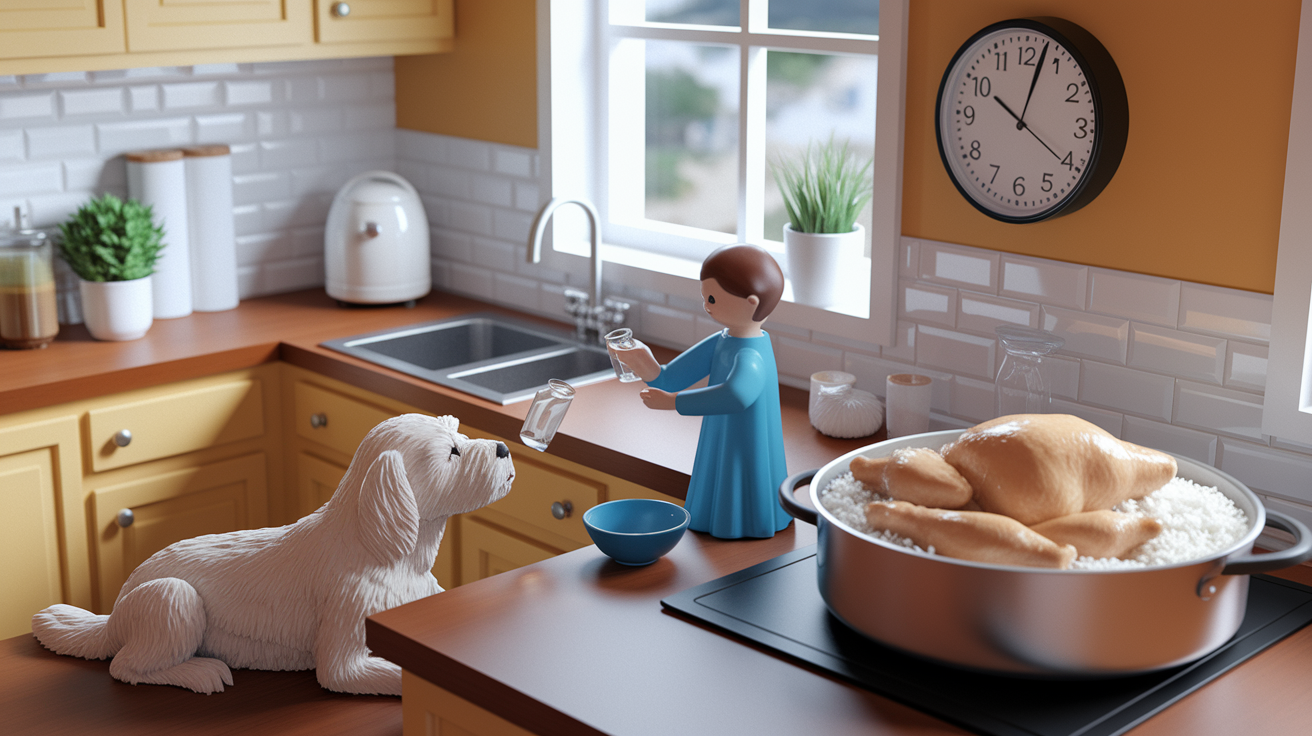
If your dog vomited once, seems otherwise normal, and shows no emergency signs, you can often manage the situation at home with careful observation and simple supportive care. The key is giving the stomach time to settle before reintroducing food and water.
Hold all food for one meal only, usually around 8 to 12 hours for adult dogs. Puppies, small breeds, and senior dogs should fast for shorter periods, closer to 4 to 6 hours, to avoid low blood sugar.
Never withhold water completely.
After one to two hours with no repeat vomiting, offer a few small sips of fresh water. If your dog keeps that down, continue offering small amounts every 30 minutes to an hour. Hydration is critical. Dehydration worsens nausea and delays recovery.
Once your dog has held water for several hours without vomiting again, you can introduce a bland diet. Boil skinless, boneless chicken breast or plain ground turkey with no seasoning, and cook plain white rice until soft. Mix the two in roughly equal parts and offer a small portion, about a quarter of a normal meal.
Feed this bland mixture two to three times throughout the day for the next 24 to 48 hours. If vomiting doesn’t return and your dog’s energy and appetite improve, you can gradually reintroduce regular food by mixing small amounts into the bland diet over two to three days.
Watch stools during this time. If diarrhea develops, vomiting returns, or your dog refuses to eat for more than 24 hours, stop home care and contact your vet.
Preventing Vomiting in Dogs

You can’t eliminate every risk, but simple daily habits reduce the chances of vomiting episodes caused by diet, toxins, or environmental factors. Consistency matters more than perfection. Small adjustments to feeding routines, household safety, and health maintenance add up to fewer stomach upsets over time.
Feed your dog at the same times each day and avoid sudden switches between dog food brands or flavors. If you need to change their diet, do it gradually over five to seven days by mixing increasing amounts of the new food with the old. This gives the digestive system time to adjust and prevents irritation.
Use a slow feeder bowl or puzzle feeder if your dog gulps food too fast. Slowing down reduces air swallowing and stomach upset. Skip table scraps. Human food often contains fats, spices, or ingredients like onions and garlic that irritate a dog’s stomach or worse.
Keep garbage cans secured with lids, store household cleaners and chemicals out of reach, and remove access to toxic plants, foods, and medications. Even small amounts of chocolate, xylitol containing gum, grapes, or certain over the counter drugs can trigger vomiting or poisoning.
Stay current on parasite prevention with monthly treatments for heartworms, intestinal worms, and fleas. Parasites are a common cause of recurring vomiting and diarrhea.
Daily prevention actions include:
Feeding consistent portions at regular times to avoid stomach acid buildup or overeating.
Securing trash, toxins, and small objects that dogs might chew or swallow.
Supervising outdoor time to prevent eating grass, sticks, or unknown items.
Scheduling annual wellness exams to catch early signs of organ disease or infections.
Avoiding exercise right after meals, especially for large, deep chested breeds prone to bloat.
Breed Specific and Age Related Vomiting Risks
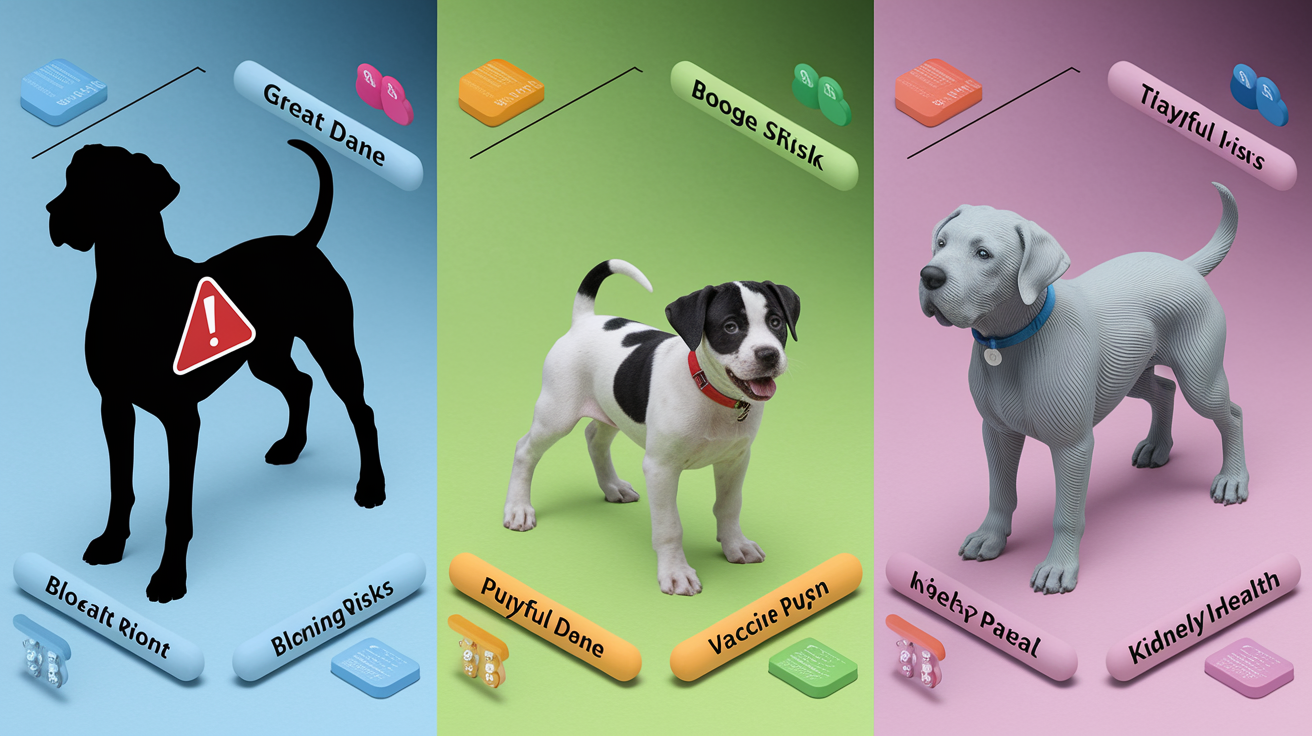
Some dogs face higher vomiting risks because of their breed, size, or life stage. Understanding these factors helps you watch for early warning signs and take preventive steps tailored to your dog’s specific needs.
Large, deep chested breeds like Great Danes, Doberman Pinschers, Weimaraners, and some German Shepherd lines are more prone to bloat, also called gastric dilatation volvulus or GDV. This life threatening condition causes the stomach to fill with gas and twist, cutting off blood flow.
Symptoms include unproductive retching (trying to vomit but nothing comes up), a visibly swollen abdomen, drooling, restlessness, and rapid breathing. Bloat is a surgical emergency. Feeding smaller, more frequent meals and avoiding vigorous exercise right after eating can lower risk.
Certain breeds also have higher rates of food sensitivities, gastrointestinal disorders, or esophageal conditions like megaesophagus, where the esophagus doesn’t move food into the stomach properly. If your dog regurgitates undigested food shortly after eating, that’s different from vomiting and suggests an esophageal issue worth discussing with your vet.
Puppies are vulnerable to infectious causes of vomiting, especially parvovirus and distemper, both of which can be fatal without prompt treatment. Unvaccinated or incompletely vaccinated puppies should avoid high risk environments like dog parks, pet stores, or areas with unknown dogs until their vaccine series is complete. Puppies also dehydrate faster than adults, so even mild vomiting warrants closer observation and quicker veterinary contact.
Senior dogs over ten years old are at higher risk for vomiting related to chronic diseases like kidney failure, liver dysfunction, or cancer. Older dogs may also take medications that irritate the stomach or have weaker immune systems that struggle to fight infections.
If your senior dog starts vomiting repeatedly or shows other changes like weight loss, increased thirst, or decreased appetite, schedule a vet visit promptly. Early bloodwork and imaging can catch treatable conditions before they progress.
Final Words
If your dog starts vomiting, take calm, practical first steps: pause food for a few hours, keep water available, and note behavior and vomit. Check for toxins or a swallowed object.
We covered immediate steps, common causes, emergency signs, how vets diagnose vomiting, safe home care, prevention, and breed and age risks.
Use this dog vomiting symptom guide as a quick reference: monitor for 24 hours and call your vet sooner if vomiting repeats, blood appears, or your dog worsens. You’re doing the right thing; many issues are manageable when caught early.
FAQ
Q: What should I do right away if my dog vomits?
A: If your dog vomits right away, stop food for 8–12 hours, offer small sips of water, check for toxins or foreign objects, and watch energy and bathroom habits closely for the next few hours.
Q: How long should I withhold food after my dog vomits?
A: How long to withhold food after vomiting is usually 8–12 hours for healthy adult dogs, then reintroduce small bland meals; puppies, seniors, or sick pets need vet advice sooner.
Q: When is dog vomiting an emergency?
A: Dog vomiting is an emergency when it’s continuous, contains blood, is paired with collapse, hard belly, severe lethargy, trouble breathing, signs of toxin exposure, or the pet can’t keep water down.
Q: What do different vomit colors and textures mean?
A: Different vomit colors and textures can hint at causes: white foam (nausea), yellow bile (empty stomach), red or dark blood (bleeding), brown (digested material), and coffee‑ground look (possible stomach bleeding).
Q: Can I give my dog human anti‑nausea medication?
A: Giving your dog human anti‑nausea medication is not recommended; many human drugs are unsafe. Ask your veterinarian for a safe prescription option and exact dosing for your dog.
Q: How do veterinarians diagnose why my dog is vomiting?
A: Veterinarians diagnose vomiting by taking a history and exam, then using blood tests, abdominal X‑rays or ultrasound, fecal checks, and toxin screening as needed to find likely causes.
Q: How should I monitor my dog at home after one or two vomits?
A: How to monitor your dog at home is to check water intake, gum moisture, skin elasticity, vomiting frequency, energy level, and urine output every 4–8 hours for 24–48 hours; call the vet for any worsening.
Q: What safe home care helps mild vomiting?
A: Safe home care for mild vomiting is brief fasting, gradual small bland meals (boiled chicken and rice), slow water offering, and close observation for 24–48 hours; seek veterinary care if symptoms return or worsen.
Q: How do I prepare for a vet visit about my dog’s vomiting?
A: How to prepare for a vet visit is to note when vomiting started, how often, what vomit looked like, recent diet or toxin exposure, and bring photos or a sample and a list of symptoms and meds.
Q: What steps reduce the chance my dog will vomit again?
A: How to reduce future vomiting is to keep steady feeding routines, avoid table scraps and sudden diet changes, secure trash and chemicals, control parasites, and introduce new foods slowly.