

Is your cat’s loose stool just a short-lived upset or a sign you need emergency care?
When diarrhea shows up, two small checks, what the stool looks like and how your cat acts, usually tell you which way to go.
This post gives a fast, step-by-step severity check you can use right now: what to look for in the litter box, which symptoms mean wait-and-watch, and the clear red flags that mean call the vet today.
By the end you’ll know exactly when to monitor at home and when to get help.
Rapid Cat Diarrhea Severity Check for Immediate Assessment
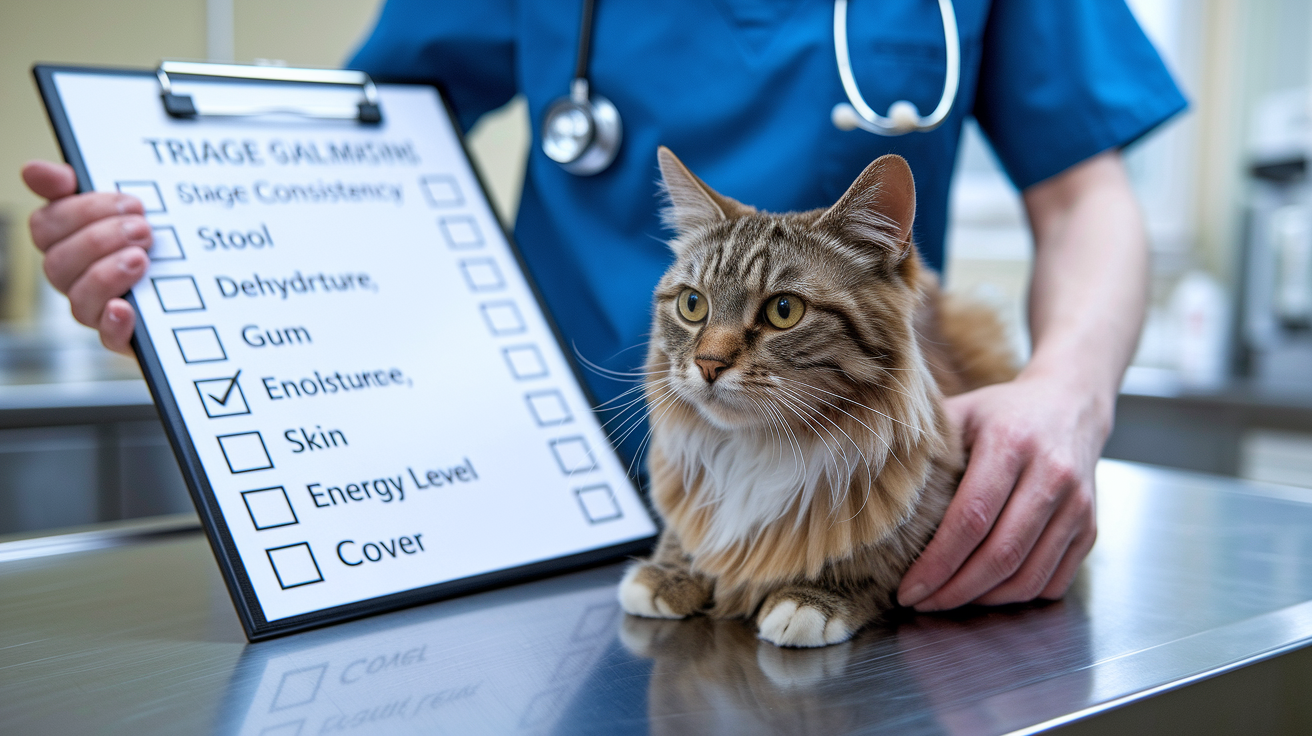
When your cat has diarrhea, you’ve got two questions to answer fast: can I watch this at home for a day or two, or do I need to get to the vet right now? That’s the whole point of severity checking. You’re looking at what’s in the litter box, how your cat’s acting, and how quickly everything started.
Start with the stool. Formed or soft isn’t as urgent as loose or liquid. Liquid diarrhea, especially multiple puddles in one day, is concerning. Normal stool frequency is about once daily (though anywhere from one to three times is still fine). If your cat’s producing more than two or three loose stools in 24 hours, that’s diarrhea. Now look closer. Any blood? Bright red means lower intestinal bleeding. Dark red or black, tarry stool signals upper GI bleeding. Either one’s a red flag. Mucus coating the stool can mean inflammation.
Next, check how your cat feels overall. Press gently on the gums. If they’re tacky or dry instead of moist, or if the skin over the shoulders tents up and stays that way for more than a second, your cat may be dehydrated. Mild dehydration is around 5 percent, moderate is 6 to 8 percent, severe is 10 percent or higher. Take your cat’s temperature if you can. Fever above 103°F or body temp below 99°F are both urgent. Count any vomiting episodes in the last 24 hours. More than two is concerning. Finally, notice if your cat’s still eating, drinking, moving normally, or if they’re hiding, lethargic, totally uninterested in food.
Use this checklist to triage severity in the first hour:
- Stool consistency: formed, soft, loose, or liquid
- Stool frequency: count bowel movements in 24 hours and compare to your cat’s baseline (normal is roughly one per day)
- Blood or mucus: bright red, dark/black, or mucus coating
- Vomiting count: number of episodes in the past 24 hours (more than two is a warning)
- Dehydration check: gum moisture and skin tent test (severe dehydration is 10 percent or greater)
- Energy and appetite: eating normally, mildly quiet, very lethargic, or collapsed
Kittens, senior cats (over seven to eight years old depending on overall health), and any cat with a known chronic illness should be seen by a vet sooner. Don’t wait the full 48 hours if diarrhea shows up in these high risk groups. Acute diarrhea typically starts within 24 to 48 hours of a trigger, so if symptoms appeared suddenly this morning or yesterday, you’re dealing with an acute case.
Stool Appearance Clues for Cat Diarrhea Evaluation

What the stool looks like tells you a lot about what’s happening inside your cat’s digestive tract. Soft stool is less urgent than loose, pudding-like stool. Loose is less urgent than watery, liquid diarrhea that soaks into the litter or leaves puddles. Color matters too. Green stool can mean your cat ate something unusual (grass, plants, colored food), or in rarer cases it can signal a gallbladder issue. Yellow stool raises concern for liver disease, bacterial overgrowth, zinc toxicity, or immune problems. Black or very dark, tarry stool is called melena and indicates digested blood from the upper GI tract. Stomach or small intestine bleeding.
Mucus coating the stool looks like clear or whitish jelly. Usually means the large intestine is inflamed. A strong, foul odor can point to bacterial infection or severe inflammation. If the stool smells worse than usual and looks abnormal, make a note.
Record these five visual markers whenever you spot diarrhea:
- Consistency: soft, loose, pudding-like, or liquid/watery
- Blood type: bright red (fresh bleeding from lower intestine) or black/tarry (digested blood from upper GI tract)
- Mucus presence: clear or whitish coating on stool
- Color abnormalities: green, yellow, very pale, or black
- Odor: normal vs unusually strong or foul smelling
Take a photo if you can, especially if you won’t be able to bring a stool sample to the vet right away. Visual documentation helps your vet assess urgency when you call.
Tracking Frequency and Duration of Diarrhea Episodes

Counting bowel movements and tracking how long diarrhea lasts gives you the two most important numbers for deciding when to get care. A healthy cat typically has one bowel movement per day, though a range of one to three is still normal. When your cat produces more than two or three loose or liquid stools in 24 hours, or when the number of trips to the litter box jumps significantly from baseline, that’s diarrhea. Write down every episode. Time of day, what it looked like, where it happened (in the box or outside).
Duration is just as important as frequency. Acute diarrhea is defined as lasting less than 14 days (about two weeks). Most acute cases triggered by a sudden diet change or mild stomach upset resolve in one to two days. If diarrhea persists beyond 72 hours (three days), schedule a vet visit even if your cat seems otherwise fine. Chronic diarrhea lasts two to three weeks or longer, or comes and goes repeatedly over weeks. Chronic cases almost always need diagnostic testing to find the underlying cause.
For adult cats with no other symptoms and normal energy, you can monitor at home for 24 to 48 hours. If diarrhea continues past that window, or if any red flag symptoms appear, contact your vet.
| Duration Category | Definition | Action Needed |
|---|---|---|
| Acute (mild) | Less than 24 hours, no other symptoms | Monitor at home for 24 to 48 hours; record stool frequency and consistency |
| Persistent | More than 72 hours (three days) | Schedule vet evaluation; bring a fresh stool sample |
| Chronic | Two to three weeks or longer, or recurrent episodes | Full vet workup including fecal testing, bloodwork, and imaging as needed |
| Any duration in high risk cats | Kittens, seniors, pregnant, or chronically ill cats | Contact vet immediately; don’t wait 24 to 48 hours |
Associated Symptoms That Influence Cat Diarrhea Risk Level
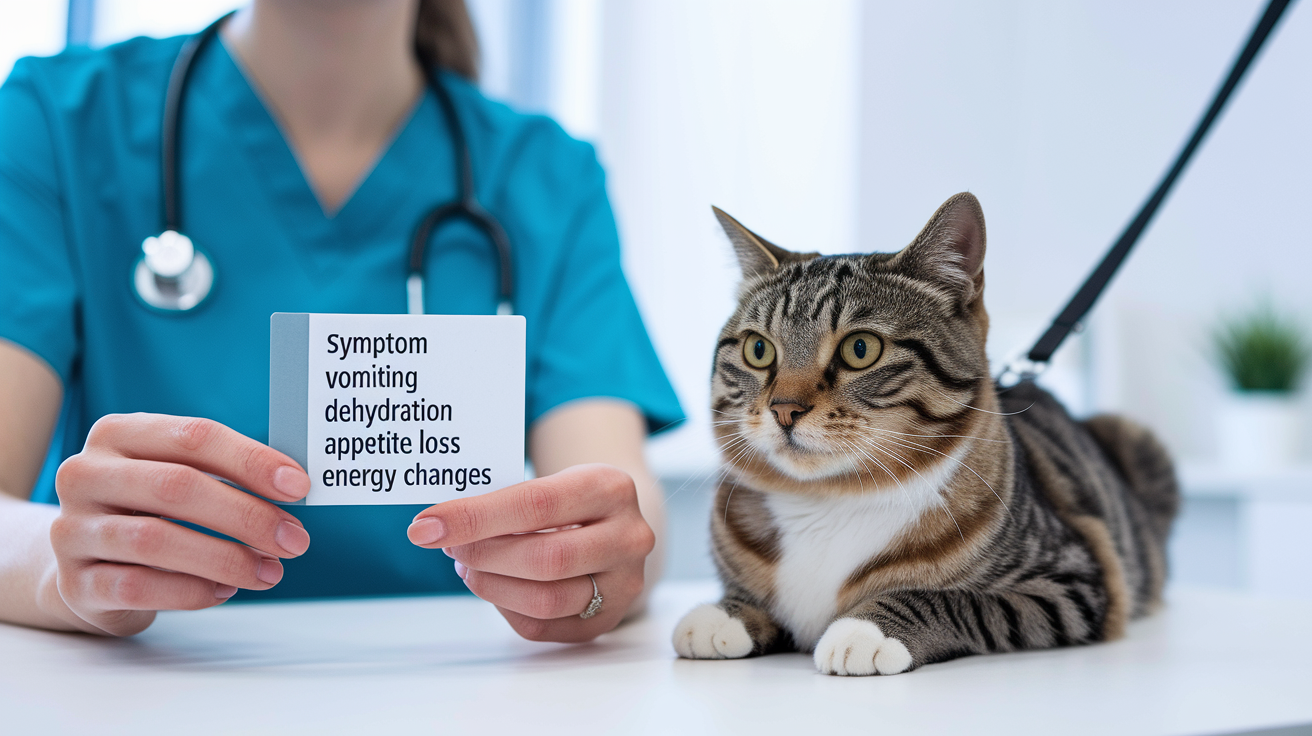
Diarrhea on its own can be mild. But when it appears alongside other symptoms, the severity level jumps. Vomiting combined with diarrhea is always concerning. If your cat vomits more than two times in 24 hours, or if they can’t keep water down, that’s an emergency. Cats can’t tolerate prolonged fasting the way dogs can. If your cat hasn’t eaten anything in more than 24 hours, contact your vet. Appetite loss signals that your cat feels genuinely unwell.
Dehydration escalates quickly in cats with diarrhea, especially if vomiting is also present. Mild dehydration is around 5 percent, moderate is 6 to 8 percent, severe is 10 percent or higher. Check your cat’s gums. They should be slick and moist. Tacky or dry gums mean dehydration. Do the skin tent test by gently pinching the skin over the shoulder blades and releasing it. The skin should snap back instantly. If it stays tented for more than a second, your cat is dehydrated. Other signs include sunken eyes, decreased urination, and lethargy.
Weight loss of more than 5 percent of body weight in a short time is significant. For example, if your ten pound cat loses half a pound in a few days, that’s 5 percent. Behavioral changes matter too. Hiding, severe lethargy, weakness, inability to stand, or collapse all require immediate vet attention. A fever above 103°F or body temperature below 99°F is a red flag. If your cat stops urinating or strains without producing urine, that’s a separate emergency, but it can happen alongside severe dehydration from diarrhea.
These four symptoms instantly move your cat into high risk status, requiring same day or emergency vet care:
- Repeated vomiting: more than two episodes in 24 hours or inability to keep water down
- Severe dehydration: tacky/dry gums, skin tenting lasting more than one second, or estimated dehydration of 10 percent or greater
- Collapse or severe weakness: inability to stand, unresponsiveness, or seizures
- High fever or hypothermia: body temperature above 103°F or below 99°F
Common Causes Behind Feline Diarrhea Symptoms

Diarrhea in cats can be triggered by dozens of different causes, but they fall into two main timing categories: acute causes that show up suddenly within 24 to 48 hours, and chronic causes that develop over weeks or months. Knowing which category fits your cat’s situation helps you and your vet narrow down the likely culprits and decide on next steps.
Acute Causes of Feline Diarrhea
Acute diarrhea usually starts suddenly and is often tied to something your cat ate, drank, or was exposed to in the past day or two. Dietary indiscretion is one of the most common triggers. Your cat got into the trash, ate a new treat, sampled human food, or you switched their food abruptly without a gradual transition. Even high quality treats or rich foods can upset a sensitive stomach. Sudden diet changes, especially going from one protein source or brand to another in one day, overwhelm the gut and lead to loose stools.
Infectious agents are another big category. Parasites like roundworms, hookworms, Giardia, and coccidia are especially common in kittens, outdoor cats, and cats from shelters or multi cat households. Bacterial infections (like Salmonella or Clostridium), viral infections (such as feline panleukopenia or coronavirus), and even fungal infections can all cause acute diarrhea. Contaminated or spoiled food, drinking from puddles or stagnant water, and exposure to other sick animals increase infection risk.
Toxin ingestion (cleaning products, certain plants, human medications, or contaminated food) can trigger sudden, severe diarrhea. Metabolic or endocrine issues like early stage diabetes or hyperthyroidism sometimes present with acute diarrhea, though these are more often chronic. Stress from a move, new pet, vet visit, or household disruption can also cause a brief bout of diarrhea, usually resolving within a day or two once the stressor is removed.
Chronic Causes of Feline Diarrhea
Chronic diarrhea lasts two to three weeks or longer, or it comes and goes repeatedly over time. These cases almost always need diagnostic testing to identify the root cause. Inflammatory bowel disease (IBD) is a common chronic cause. The intestinal lining becomes inflamed and the gut can’t absorb nutrients or water properly. Food allergies or sensitivities (often to specific proteins like chicken, beef, or fish) can cause ongoing inflammation and diarrhea that won’t resolve without a diet change or elimination trial.
Poorly controlled metabolic or endocrine diseases (untreated hyperthyroidism, diabetes, kidney disease, liver disease, or pancreatic disorders) frequently lead to chronic diarrhea. Resistant infections that didn’t fully clear with initial treatment, or chronic parasitic infections, can also cause long term symptoms. Congenital defects (present from birth) affecting the intestines or pancreas are less common but possible, especially in young cats with lifelong diarrhea. Cancer or masses in the GI tract, though rare, must be ruled out in older cats with chronic symptoms.
Veterinary Diagnostic Steps When Assessing Diarrhea

When you bring your cat to the vet for diarrhea, the first thing they’ll ask for is a fresh stool sample. Collect about a pea sized amount or one to two teaspoons of the most recent stool in a clean, sealed container or plastic bag. If you can’t get to the vet within two hours, store the sample in the refrigerator. Fresh samples give the most accurate results for parasite detection and other tests.
The vet will perform a fecal flotation test to check for parasite eggs (roundworms, hookworms, whipworms) and may run antigen or PCR tests for Giardia, coccidia, and other protozoal organisms. A fecal smear lets the vet look at the stool under a microscope to spot mucus, blood cells, bacteria, or parasites directly. If bacterial infection is suspected, a fecal culture may be ordered. These stool tests are quick, non invasive, and very informative.
Bloodwork is the next step, especially if your cat is dehydrated, vomiting, lethargic, or if diarrhea has lasted more than a few days. A complete blood count (CBC) checks for infection, anemia, and immune response. A serum biochemistry profile evaluates kidney function, liver function, blood sugar, electrolytes, and protein levels. These tests help identify metabolic or systemic causes like diabetes, hyperthyroidism, kidney disease, or pancreatitis. Dehydration severity can also be estimated from bloodwork.
If the cause isn’t clear from stool and blood tests, imaging may be needed. Abdominal X-rays can reveal foreign bodies, intestinal blockages, or masses. Ultrasound gives a closer look at the intestinal wall thickness, liver, pancreas, and lymph nodes. In chronic cases that don’t respond to treatment, endoscopy (a camera scope passed into the stomach and intestines) allows the vet to take tissue biopsies for analysis. Biopsies help diagnose inflammatory bowel disease, cancer, or unusual infections.
Bring this information to your vet visit to speed up diagnosis and care:
- Detailed symptom timeline: when diarrhea started, number of episodes per day, changes in consistency or color over time
- Recent diet and treat history: any new foods, treats, table scraps, or sudden diet changes in the past week
- Medication and supplement list: including any over the counter products, dewormers, or flea/tick preventatives recently given
- Behavior and appetite changes: is your cat eating, drinking, playing, hiding, or acting lethargic; any vomiting, weight loss, or decreased urination
Home Monitoring and Safe At-Home Care for Mild Cases

If your adult cat has mild, soft stool with no blood, no vomiting, normal energy, and a good appetite, you can monitor at home for 24 to 48 hours before calling the vet. The goal during this window is to collect detailed observations, support hydration, and avoid making things worse. Don’t give your cat any human antidiarrheal medications like Pepto-Bismol, Kaopectate, or Imodium unless your vet specifically tells you to. Many of these products are toxic to cats or can mask serious underlying problems.
Keep the litter box very clean and check it frequently so you can count and describe each bowel movement. Offer small, frequent meals instead of one or two large meals. If your cat’s eating, you can continue their regular food, or you can offer a bland, easily digestible option like plain boiled chicken (no skin, no seasoning) or a veterinary GI diet if you have one on hand. Make sure fresh water is always available and encourage drinking. If your cat isn’t drinking enough, you can try offering low sodium chicken broth (check ingredients, no onion or garlic) or a pet water fountain. Dehydration is the biggest risk during the home monitoring period.
Collect a fresh stool sample and store it in a sealed container in the refrigerator in case you need to bring it to the vet. Even if symptoms improve, having a sample ready saves a trip. For guidance on safe at home care steps that align with vet recommendations, PetMD’s article on cat diarrhea offers additional context. If there’s no improvement after 48 to 72 hours, or if any new symptoms develop (vomiting, blood in stool, lethargy, loss of appetite), stop home monitoring and contact your vet.
Log these five data points at least twice a day during home monitoring:
- Stool count and consistency: number of bowel movements in each 24 hour period, and whether each one was soft, loose, or liquid
- Appetite and food intake: eating normally, eating less, or not eating at all; record approximate amounts if possible
- Water intake: drinking normally, drinking more, or drinking less; measure if you can
- Vomiting episodes: exact number and timing of any vomiting in 24 hours
- Behavior and energy level: normal activity, mildly quiet, hiding, or severely lethargic
Emergency Indicators That Require Immediate Veterinary Care
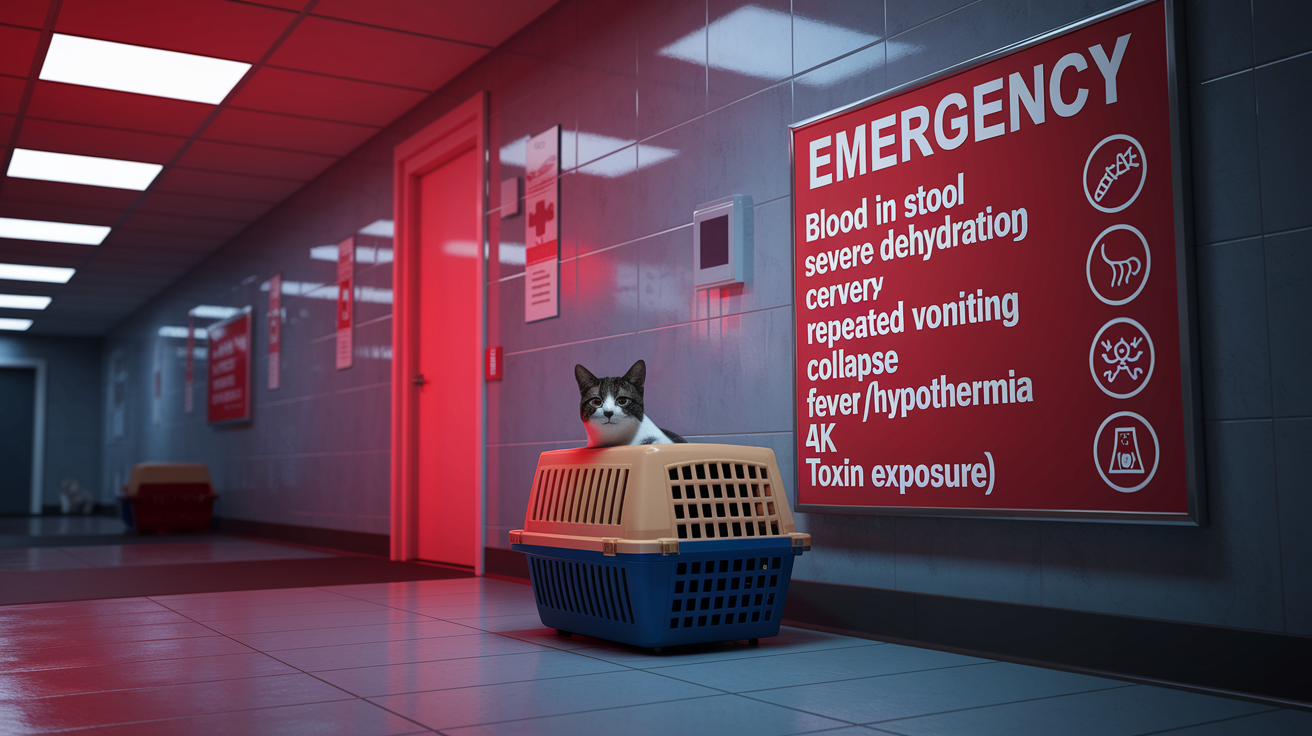
Some symptoms mean you skip home monitoring and go directly to the vet or emergency clinic. Blood in the stool is always an emergency indicator, whether it’s bright red (fresh blood from the lower intestine or colon) or black and tarry (digested blood from the stomach or upper small intestine). Any amount of visible blood requires same day vet evaluation. Severe dehydration (10 percent or greater, marked by very tacky or dry gums, skin that tents and stays tented, sunken eyes, or extreme lethargy) is also an emergency. Dehydration can progress to shock and organ failure if not treated with IV fluids.
Repeated vomiting combined with diarrhea is a red flag. If your cat vomits more than two times in 24 hours, or if they can’t keep water down after drinking, they need immediate care. Collapse, seizures, severe weakness, or unresponsiveness are life threatening signs. A body temperature above 103°F (fever) or below 99°F (hypothermia) both indicate serious illness. Known exposure to toxins (cleaning products, human medications, antifreeze, lilies, certain foods like onions or garlic) requires emergency treatment even if symptoms seem mild at first. Rapid, severe weight loss or a complete lack of urination also demand urgent attention. For additional confirmation on red flag symptoms and when to seek care, the VCA Hospitals diarrhea questionnaire and checklist is a helpful reference.
Go to the vet or emergency clinic immediately if you observe any of these six emergency signs:
- Blood in stool: bright red or black/tarry stool, even a small amount
- Severe dehydration: very dry or tacky gums, skin tenting that persists, sunken eyes, or extreme lethargy
- Repeated vomiting: more than two episodes in 24 hours, or inability to keep water down
- Collapse or severe weakness: inability to stand, unresponsiveness, seizures, or loss of consciousness
- Fever or hypothermia: body temperature above 103°F or below 99°F
- Toxin exposure or suspected poisoning: contact with cleaning products, human medications, antifreeze, toxic plants, or spoiled food
Kittens, senior cats, pregnant cats, and cats with known chronic illnesses (diabetes, kidney disease, hyperthyroidism, cancer) should be evaluated by a vet immediately with any diarrhea, even if it seems mild. These high risk groups can deteriorate very quickly.
Treatment Options and Expected Recovery Timeline

Treatment for cat diarrhea depends entirely on the underlying cause and how sick your cat is when you arrive at the vet. If your cat is dehydrated, not eating, vomiting repeatedly, or very lethargic, hospitalization may be necessary. In clinic care usually involves IV fluid therapy to restore hydration and correct electrolyte imbalances, anti nausea medications to stop vomiting, and supportive nutrition. Once the vet identifies the cause through diagnostics, they’ll add targeted treatments. Antiparasitic drugs for worms or protozoal infections, antibiotics for bacterial infections (used cautiously, as unnecessary antibiotics can worsen diarrhea), or anti inflammatory medications for conditions like inflammatory bowel disease.
For mild cases managed at home, your vet may recommend a prescription GI diet, probiotics formulated for cats, or a fiber supplement like plain canned pumpkin (not pie filling). These home measures should produce noticeable improvement within one to two days. If you see no improvement or symptoms worsen within two to three days of starting treatment, contact your vet for re evaluation. Never give your cat over the counter human medications for diarrhea without explicit vet approval. They can be toxic or dangerous.
Recovery timelines vary. Mild dietary triggered diarrhea often resolves in 24 to 48 hours once the offending food is removed and supportive care begins. Parasitic infections usually improve within a few days of deworming, though a follow up stool test is needed to confirm clearance. Chronic conditions like IBD or food allergies require longer management (weeks to months) and may need ongoing prescription diets or medications to keep symptoms controlled.
| Treatment Type | When Used | Expected Response Time |
|---|---|---|
| In clinic IV fluids and hospitalization | Severe dehydration, repeated vomiting, collapse, very lethargic, abnormal vital signs | Stabilization within 12 to 24 hours; full recovery depends on underlying cause |
| Antiparasitic drugs (dewormers) | Confirmed parasitic infection (roundworms, Giardia, coccidia, etc.) | Improvement in 2 to 5 days; follow up stool test in 2 to 4 weeks to confirm clearance |
| Home care (diet change, probiotics, fiber) | Mild diarrhea, no other symptoms, normal energy and appetite | Improvement within 1 to 2 days; contact vet if no improvement by day 2 to 3 |
Preventive Strategies to Reduce Future Diarrhea Episodes

The best way to handle cat diarrhea is to prevent it in the first place. Gradual food transitions are key. When you switch your cat’s food, mix the new food with the old over about one week, slowly increasing the proportion of new food each day. Abrupt diet changes are one of the most common triggers for diarrhea. Avoid giving table scraps, rich treats, or unfamiliar human foods. Stick to high quality cat food and treats specifically formulated for felines.
Routine parasite control is essential, especially for outdoor cats or cats in multi cat households. Follow your vet’s recommendations for deworming schedules and bring a stool sample to your cat’s annual wellness exam for fecal testing. Many intestinal parasites are invisible to the naked eye and can only be detected with lab tests. In multi cat homes, make sure each cat has their own litter box plus one extra, and keep boxes very clean. Stress reduction also helps. Provide secure hiding spots, consistent routines, and separate resources (food bowls, water dishes, litter boxes) to minimize territorial anxiety that can trigger stress related diarrhea.
If your cat has a history of chronic diarrhea from conditions like inflammatory bowel disease, food allergies, or metabolic disease, work closely with your vet to manage the underlying issue with prescription diets, medications, and regular monitoring. Consistency and compliance with treatment plans prevent flare ups.
Implement these four daily and weekly routines to reduce your cat’s diarrhea risk:
- Gradual food transitions: always introduce new foods slowly over seven days, mixing old and new food in increasing ratios
- Routine fecal testing: bring a fresh stool sample to your cat’s annual wellness exam, and more often if your cat goes outdoors or lives with other pets
- Consistent feeding schedule: feed the same high quality food at the same times each day; avoid frequent treat changes or table scraps
- Clean, low stress environment: scoop litter boxes daily, provide enough boxes for all cats (one per cat plus one extra), and minimize household disruptions
Final Words
Start with the quick check: note stool consistency (formed to liquid), how often it’s happening, and any red flags like blood, repeated vomiting, or signs of dehydration. That tells you whether to act now.
Track stool appearance, duration, and related symptoms, offer bland meals and small sips of water, and log everything for the vet. If it’s mild, watch for 24–48 hours; stop home care and contact your clinic if it worsens.
Use this cat diarrhea symptom assessment to guide your next steps. Most mild cases improve with careful monitoring and timely attention.
FAQ
Q: How do I quickly assess my cat’s diarrhea severity?
A: A quick assessment of your cat’s diarrhea severity focuses on stool consistency (formed, soft, loose, liquid), frequency, blood or mucus, vomiting, hydration, appetite, and energy—these together guide urgency.
Q: What stool appearance clues should I look for?
A: The main stool clues are consistency (soft, loose, liquid), mucus coating, bright red versus black blood, color changes like green or yellow, and an unusually strong odor suggesting possible infection.
Q: How often is bowel movement frequency normal and when is it concerning?
A: Normal bowel frequency is about one a day (range 1–3). It’s concerning when a cat has more than 2–3 loose stools daily or persistent loose stools beyond 72 hours.
Q: How long can I safely monitor my cat’s diarrhea at home?
A: You can monitor a mildly affected adult cat at home for 24–48 hours if they’re eating and active, checking stool, water intake, and vomiting. Call the vet if no improvement in 48–72 hours or worsening.
Q: What symptoms make diarrhea an emergency?
A: Emergency symptoms include repeated vomiting (>2 in 24 hours), bright red or black stool, severe dehydration, collapse or severe weakness, fever over 103°F or under 99°F, or suspected toxin exposure.
Q: What should I record before calling or visiting the vet?
A: Before calling or visiting, log stool count and consistency, blood or mucus presence, vomiting episodes, appetite and water intake, any weight changes, and take photos of stool with timing notes.
Q: What common causes could be behind my cat’s diarrhea?
A: Common causes include acute issues like sudden diet change, spoiled food, parasites, bacterial or viral infections, and toxins; chronic causes include inflammatory bowel disease, endocrine problems, chronic infections, or congenital defects.
Q: What diagnostic tests will the vet likely run for diarrhea?
A: Veterinary diagnostics typically include a fresh stool sample (pea-sized or 1–2 teaspoons), fecal flotation/PCR, smear or culture, bloodwork, and imaging; endoscopy may be used for chronic or unclear cases.
Q: What safe at-home care steps can I take for mild diarrhea?
A: Safe steps include small frequent bland meals, keep fresh water available, avoid human antidiarrheals, collect a stool sample, record signs, and contact the vet if symptoms persist past 48–72 hours.
Q: How can I reduce the chance of future diarrhea episodes?
A: Prevent future episodes by transitioning food slowly over about one week, routine deworming and stool checks, consistent feeding routines, good hygiene in multi-cat homes, and reducing stress triggers.