

What if one quick tool could tell you whether to rush your cat to the emergency clinic or safely watch at home?
A cat symptom checker gives a clear urgency read, emergency, urgent, or monitor, in under a minute by asking simple questions about eating, bathroom habits, breathing, and behavior.
It won’t diagnose, but it does give practical next steps so you’re not guessing at 2 a.m.
Read on to learn how the checker sorts symptoms, what red flags need a vet now, and how to use the results to act calmly and fast.
How a Cat Symptom Checker Helps You Quickly Assess Your Cat’s Health

A cat symptom checker gives you a quick read on urgency in under a minute. Emergency, urgent, or safe to watch at home. That instant answer helps you decide whether you’re calling the vet now, booking something tomorrow, or giving it another day while you keep an eye out. The tool asks a handful of questions about what you’re seeing, when it started, how your cat’s behaving, and whether anything else is off. By the time you’re done, you’ll know how worried you should actually be.
The questions work like a basic triage conversation. You’ll cover appetite, water, litter box frequency, breathing, movement, recent changes in behavior. Each answer helps the tool figure out which body systems might be involved and whether the mix of signs points to something mild or something that can’t wait. You won’t get a diagnosis. Only your vet can do that. But you will get structured next steps when you’re stuck between “is this normal?” and “should I panic?”
What a typical cat symptom checker will spit out:
- Emergency. Go now for breathing trouble, collapse, seizures, can’t pee, bad bleeding, or vomiting that won’t stop.
- Urgent. Get to the vet in the next day or two for things like blood in stool, not eating plus lethargy, or limping without putting weight down.
- Monitor at home. Watch mild stuff that isn’t getting worse and check back at set times. Call if it changes or new things pop up.
- Sample questions. When did this start, is your cat eating, any discharge or blood, straining or crying, how much are they drinking.
- Body systems covered. Eyes, ears, skin, urinary, digestive, respiratory, joints and pain, behavior.
- Visuals included. Photos and diagrams for eye gunk, ear redness, weird stool or pee, skin stuff, so you can match what you’re looking at.
Selecting Cat Symptoms in an Online Checker (Searchable Symptom Index)

Most checkers have a search bar where you type what’s going on. “Sneezing,” “limping,” “blood in the litter box.” The tool suggests matches. If you don’t know what to call it, you can browse by body system instead. Eyes, ears, skin, urinary, digestive, respiratory, behavior. Both routes get you to the same question flow, so just pick whichever’s faster when you’re in a rush.
Some tools also show a quick list of the most searched symptoms so you can tap straight in. Common ones you’ll see:
- Bad breath or tooth issues
- Ear gunk, scratching, head shaking
- Red eyes, discharge, squinting
- Bald patches or hair loss
- Trouble peeing, straining, blood in urine
Cat Symptom Checker System Map (High‑Level Overview)
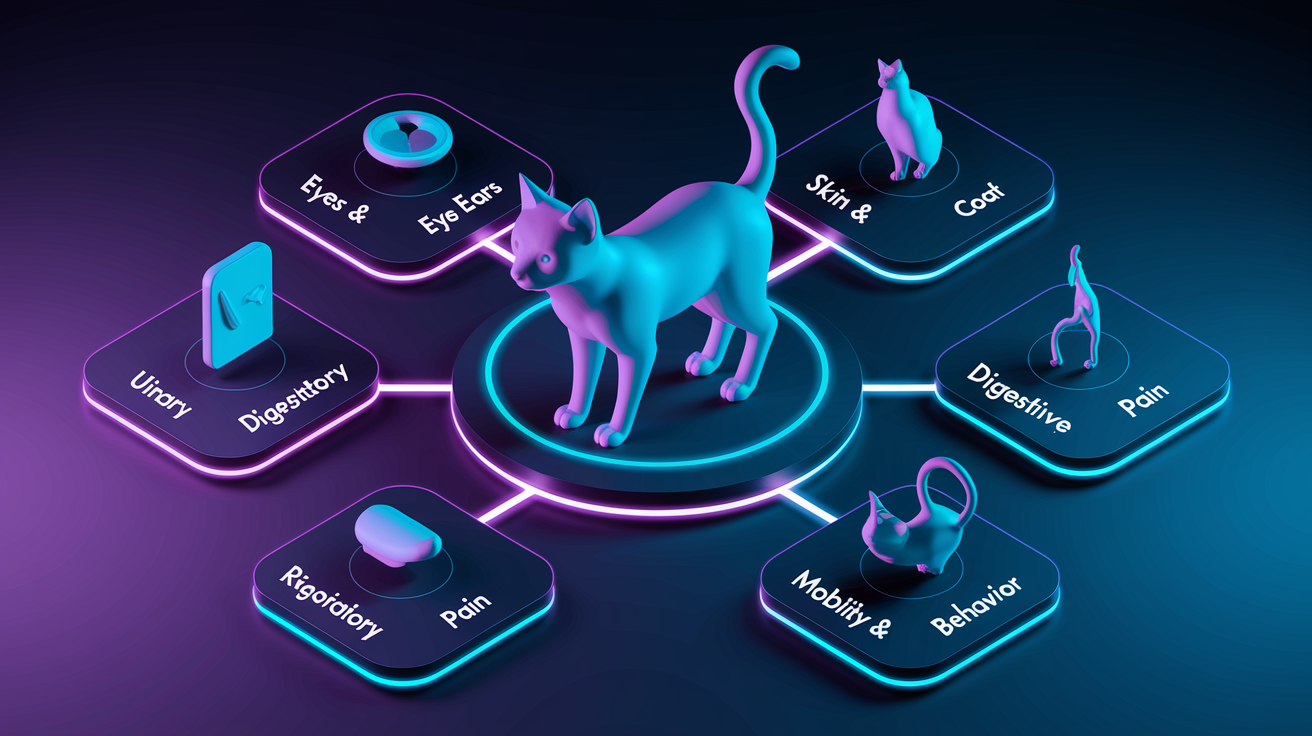
Symptom checkers sort issues by body system because lots of signs overlap. Lethargy, for example, could be digestive, urinary, respiratory, or pain related. Each system page describes what you might notice, lists likely causes, and points out red flags that mean you need a vet right away. This structure helps you understand what the tool’s assessing and where the questions are going.
The sections below go deeper into each system, but here’s the quick map.
| System | Sample Symptoms | Common Causes |
|---|---|---|
| Eyes & Ears | Discharge, redness, squinting, scratching | Infection, conjunctivitis, ear mites, injury |
| Skin & Coat | Itching, bald spots, flaking, greasy fur | Allergies, fleas, ringworm, dermatitis |
| Urinary | Straining, blood in urine, frequent trips to box | FLUTD, cystitis, stones, obstruction |
| Digestive | Vomiting, diarrhea, constipation, hairballs | Diet change, parasites, IBD, pancreatitis |
| Respiratory | Coughing, wheezing, sneezing, nasal discharge | Upper respiratory infection, asthma, herpes |
| Mobility & Pain | Limping, stiffness, reluctance to jump | Arthritis, injury, joint swelling, pain |
Understanding Severity Levels in a Cat Symptom Checker

Every checker sorts results into urgency buckets so you know how fast to move. Emergency means go now. Your cat needs care within the hour. Urgent means get an appointment today or tomorrow. Monitor at home means the sign is mild enough to watch for a set period, usually 24 to 72 hours, and check back if things shift or something new shows up.
Emergency red flags are spelled out clearly because waiting can turn a fixable problem into something life threatening. If your cat shows any of these, contact your vet or an emergency clinic right away:
- Trouble breathing, mouth open, wheezing that won’t quit, or gums that look blue.
- Collapse, can’t stand, unresponsive.
- Straining to pee with nothing coming out, especially in male cats. This is urinary obstruction and can turn fatal fast.
- Seizures, convulsions, repeated twitching that doesn’t stop.
- Bad, uncontrolled bleeding from a wound or anywhere else.
- Vomiting or diarrhea over and over, plus visible weakness, sunken eyes, dry gums. That’s dangerous dehydration.
Urgent symptoms sit in the middle. Your cat’s uncomfortable or getting worse, but not in immediate danger. Vomiting that started yesterday, blood in the stool but otherwise acting normal, limping on one leg but still eating. All of these need a vet visit soon, not next week. Monitor at home covers things like one soft stool after a diet change, mild sneezing without gunk, or scratching an ear once without redness. The tool tells you what to track, how often, and when to call.
Using a Cat Symptom Checker to Evaluate Digestive Issues

Digestive stuff is one of the most common reasons people use cat symptom checkers. Vomiting, diarrhea, and changes in stool worry owners fast. The checker asks when it started, how many times it’s happened, if your cat’s still eating and drinking, whether there’s blood or mucus, and if you’ve switched food, treats, or litter recently. Those details help sort a one time hairball from ongoing vomiting that could mean pancreatitis, IBD, or a blockage.
Checkers also ask about stool. Consistency, frequency. Diarrhea and constipation point to different causes. Soft stool after a new treat might just be intolerance, but watery diarrhea for three days with no appetite raises red flags for parasites, infection, or inflammatory bowel disease. Straining in the box without producing anything can mean constipation or megacolon, especially in older cats. The tool flags dehydration risks and reminds you to check gum moisture, skin tent, and energy.
| Symptom | Possible Causes | Severity Indicators |
|---|---|---|
| Vomiting | Hairballs, diet change, eating too fast, foreign object, pancreatitis, kidney disease | One time? Monitor. Repeated or with blood? Urgent. With lethargy or won’t drink? Emergency. |
| Diarrhea | Diet change, parasites (Giardia, roundworms), IBD, food intolerance, infection | One soft stool? Monitor. Watery or bloody for 24+ hours? Urgent. With weakness or dehydration? Emergency. |
| Constipation | Dehydration, low fiber diet, megacolon, hairballs, obstruction | Straining once? Monitor hydration and diet. No stool for 48+ hours? Urgent. Crying or vomiting? Emergency. |
| Hairballs | Normal grooming, overgrooming from stress or skin issues, long coat | Occasional hairball? Monitor. Frequent or with appetite loss? Urgent to rule out obstruction. |
Respiratory & Breathing Concerns in Cat Symptom Checkers
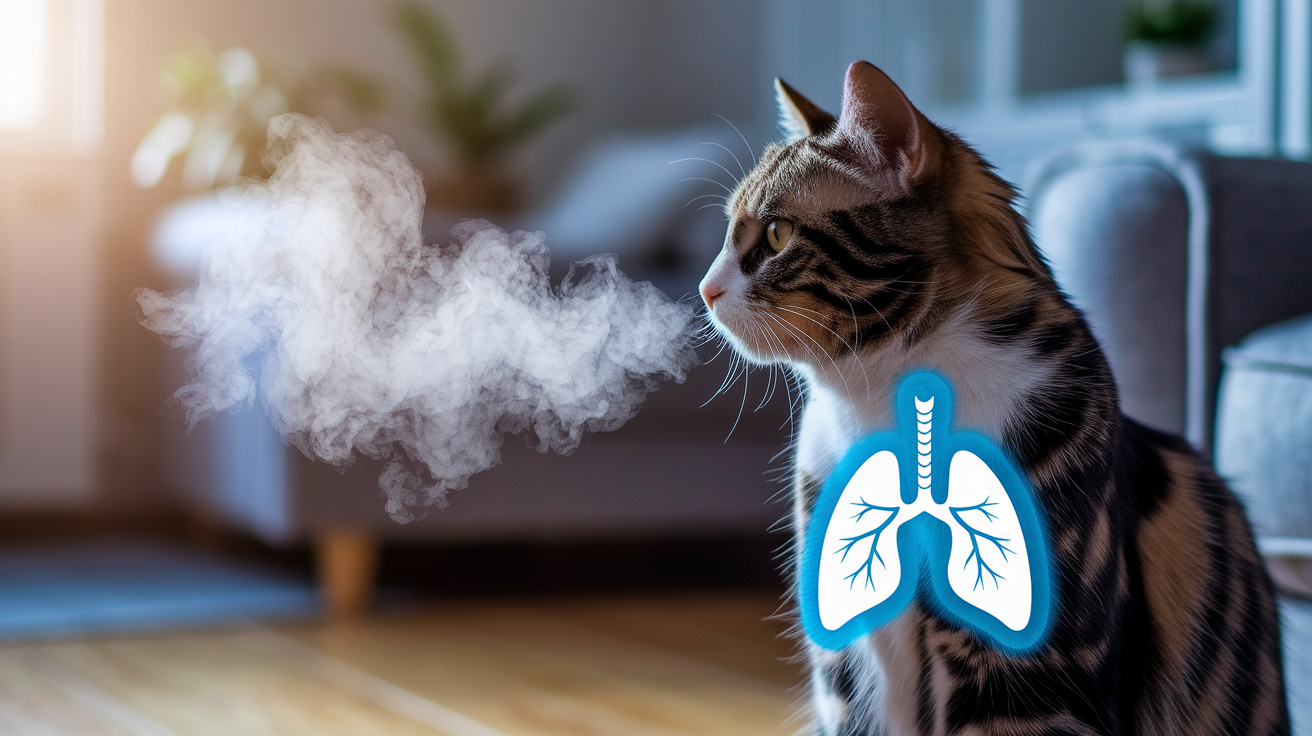
Breathing problems jump straight to emergency in most checkers because airway issues can turn critical fast. Trouble breathing, mouth open, wheezing that won’t stop? All signs your cat’s not getting enough oxygen, and that needs a vet right now. The checker asks if your cat’s chest is moving fast, if their gums look pale or blue, and whether they’re sitting hunched with their neck stretched out. That’s classic respiratory distress posture.
Not every respiratory thing is an emergency, though. Mild sneezing without discharge, especially after playing in dust or sniffing something new, often clears on its own. Upper respiratory infections are common in shelter cats and multi cat homes. They cause sneezing, runny eyes, nasal discharge, but usually stay stable enough to monitor for a day or two if your cat’s eating and breathing okay. The tool asks about eye involvement, nasal color (clear vs thick or colored), appetite, and energy to separate a mild cold from something that needs antibiotics or supportive care.
Chronic coughing and wheezing point toward asthma or lower airway disease. Conditions that can flare suddenly. The checker flags these for urgent vet follow up because untreated asthma episodes can get bad fast. You’ll be asked about environmental triggers. New litter, cleaning sprays, smoke, dust. And whether your cat’s had similar episodes before. Even if your cat seems fine between coughs, persistent respiratory signs need a vet exam and possibly imaging or medication changes.
Urinary & Hydration Indicators a Cat Symptom Checker Evaluates
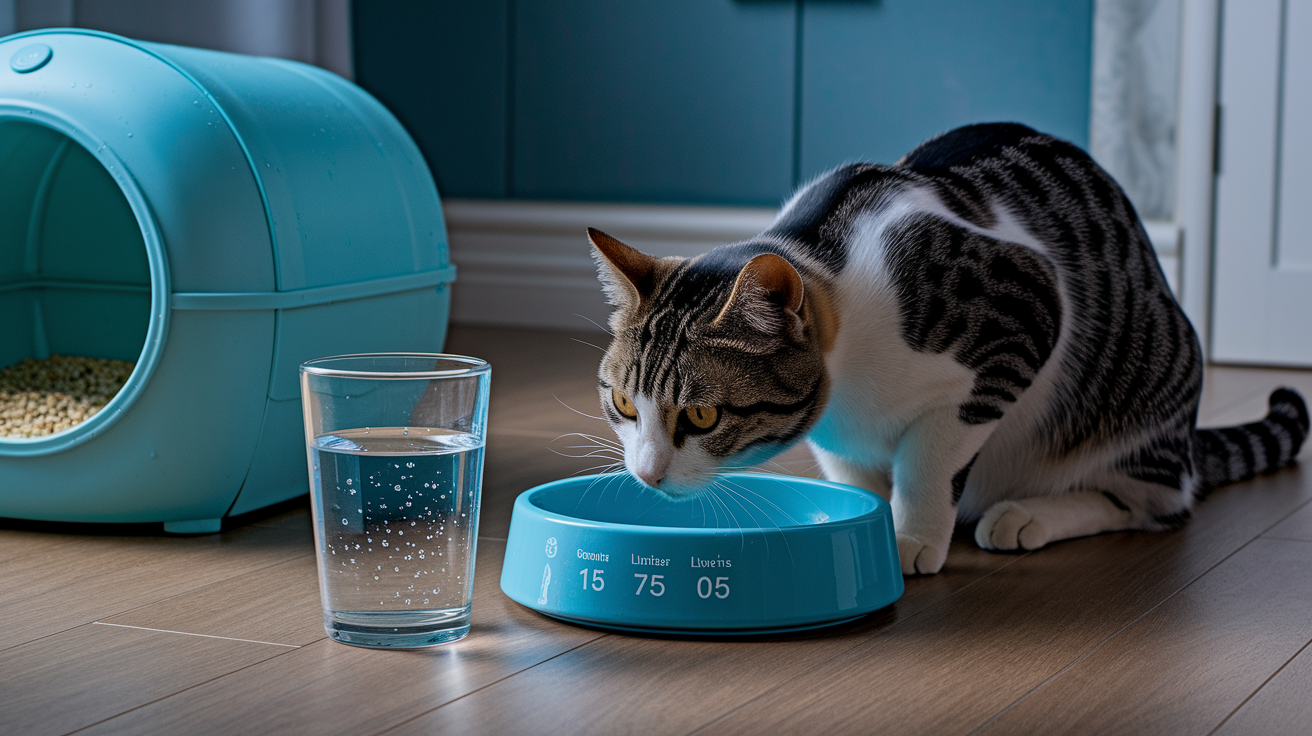
Urinary symptoms shoot to the top of urgency lists because obstruction, especially in male cats, can become life threatening within hours. If your cat’s straining in the litter box, crying, and producing no urine or only drops, that’s a vet emergency. The checker asks how many times they’ve tried, whether you see blood, if they’re vocalizing, and if their belly looks swollen or tense. Any combo of straining with no output means call your vet or an emergency clinic now.
Blood in the urine without obstruction still needs urgent attention, usually within 24 hours. Could be cystitis, bladder stones, urinary tract infection, or crystals. The tool asks about litter box frequency, whether your cat seems painful, if they’re drinking more water than usual, and whether the blood looks like streaks, clots, or pink tinted pee. Increased thirst plus increased urination together raise flags for kidney disease, diabetes, or hyperthyroidism. All of which need bloodwork and a full vet exam.
Key urinary warning signs the checker highlights:
- Straining to pee with nothing coming out. Emergency, possible obstruction.
- Crying or vocalizing in the litter box. Pain signal, urgent care needed.
- Blood in urine. Urgent within 24 hours to rule out stones, infection, or cystitis.
- Peeing outside the box suddenly. Can mean pain, stress, or medical issue. Urgent if paired with straining or blood.
- Drinking way more water and peeing larger volumes. Monitor for 48 hours, then urgent if it continues. Could signal kidney or metabolic disease.
Mobility, Limping & Joint Pain in Cat Symptom Checkers

Limping and joint pain in cats often go unnoticed longer than in dogs because cats hide discomfort and adjust their movement quietly. Checkers ask if your cat’s favoring a leg, refusing to jump onto furniture they used to reach easily, moving stiffly after rest, or showing irritability when touched. Sudden lameness? Your cat was fine this morning and now won’t bear weight on a paw. That points toward injury, a sprain, or a painful pad cut and usually needs a same day or next day vet visit.
Gradual stiffness, especially in cats over ten, often means arthritis or degenerative joint disease. The checker asks how long you’ve noticed the change, whether it’s worse in the morning or after activity, and if your cat’s gained weight or cut back on play. Arthritis is super common as cats age. Some estimates say 90% of senior cats show joint degeneration. But it’s manageable with pain relief, weight control, and environmental tweaks like ramps and low sided litter boxes. Persistent limping or visible joint swelling gets flagged for urgent vet assessment to rule out infection, luxating patella, or hip dysplasia.
Behavior Changes & Emotional Symptoms in Cat Symptom Checker Results

Behavior shifts often signal pain, illness, or emotional stress that owners might miss if they’re only watching for physical symptoms. A cat that suddenly hides under the bed for two days, stops greeting you at the door, or hisses when picked up is telling you something’s wrong. Checkers use behavior context to catch underlying problems. Aggression can mean joint pain. Lethargy with appetite loss can point to infection or organ disease. Overgrooming can mean skin allergies, anxiety, or digestive discomfort.
The tool asks about changes in eating, drinking, litter box habits, sleep patterns, and social interaction. A cat that used to sleep on your lap but now stays in the closet might be nauseated, in pain, or stressed by a household change. Sudden aggression toward other pets or family members, especially if your cat was social before, raises flags for pain from dental disease, arthritis, ear infections, or belly issues. The checker prompts you to think about recent environmental shifts. New furniture, a move, a new pet, loud construction. Things that could explain stress driven behavior before jumping to a medical cause.
Common behavioral clues that need closer attention:
- Hiding for long stretches with reduced appetite or grooming. Can signal pain, nausea, or systemic illness.
- Aggression or irritability when touched, especially around the mouth, belly, or legs. Often a pain response.
- Overgrooming or excessive licking of one area. Could mean skin allergies, parasites, anxiety, or localized pain.
- Loss of litter box habits or peeing outside the box. Can mean urinary pain, stress, or cognitive decline in older cats.
Diagnostic Tests Commonly Recommended After Using a Cat Symptom Checker

Once a checker flags something urgent or emergency, your vet will likely want diagnostics to confirm what’s happening inside your cat’s body. Bloodwork is one of the most common starting points because it shows kidney and liver function, blood sugar, hydration status, red and white blood cell counts, and signs of infection or inflammation. If your cat’s lethargic, drinking more water, or vomiting repeatedly, blood tests help pinpoint organ disease, diabetes, hyperthyroidism, or anemia.
Urinalysis checks for infection, crystals, blood, protein, and concentration. All of which tell your vet whether a urinary issue is behavioral, infectious, or tied to kidney function. Fecal exams catch parasites like roundworms, hookworms, Giardia, and coccidia. Especially important if your cat has diarrhea or weight loss. Imaging, X-rays and ultrasound, reveals structural problems like bladder stones, foreign objects, tumors, fluid in the chest or abdomen, and joint or bone issues. The symptom checker often includes a note about which tests your vet might suggest based on what you entered, so you’re not blindsided by the recommendation.
| Test | What It Shows | Common Reasons Ordered |
|---|---|---|
| Bloodwork (chemistry panel & CBC) | Kidney/liver values, blood sugar, hydration, infection markers, anemia | Lethargy, vomiting, increased thirst, weight loss, jaundice, weakness |
| Urinalysis | Infection, crystals, blood, protein, kidney concentration ability | Straining, blood in urine, increased drinking, litter box accidents |
| Fecal exam | Parasites (worms, Giardia, coccidia), blood, mucus | Diarrhea, weight loss, visible worms in stool, soft or bloody stool |
| X-ray or ultrasound | Stones, foreign objects, tumors, fluid, organ size/shape, bone/joint issues | Vomiting, abdominal pain, limping, breathing difficulty, suspected obstruction |
Monitoring Your Cat at Home After Using a Symptom Checker
If the checker says monitor at home, it’ll give you a timeline. Usually 24 to 72 hours. And a list of what to watch. The goal is catching any worsening or new symptoms early enough to act before a mild issue becomes urgent. Keep notes. Use your phone or a notebook. Jot down each observation because patterns matter and memory gets fuzzy when you’re worried. Write down the time, what you saw, how long it lasted, and whether your cat ate, drank, or used the litter box.
Track these five things every time you check:
- Appetite. How much they ate, whether they showed interest, any refusal of favorite foods.
- Water intake. Approximate amount or whether the bowl level dropped noticeably.
- Litter box habits. Number of times they peed and pooped, size, color, consistency, any straining or blood.
- Vomiting or diarrhea frequency. Exact count, volume, appearance, whether it has food, bile, blood, or mucus.
- Behavior and energy. Normal play and grooming, hiding, sleeping more than usual, any limping or reluctance to move.
If symptoms stay the same or get better, keep monitoring through the full timeline. If they get worse, multiply, or your cat stops eating or drinking, stop monitoring and call your vet. The checker should remind you that monitoring doesn’t mean ignoring. It means actively watching with a plan to call if needed.
Final Words
The checker gives instant urgency levels – emergency, urgent, monitor – so you can act fast when signs change.
You saw how the searchable index, system map, and question flow refine results for digestive, respiratory, urinary, mobility, and behavior issues, and when vets may recommend tests.
Use a cat symptom checker to note onset, appetite, bathroom changes, and breathing, then share those details with your vet. It’s a practical tool that helps you make calm, timely choices and supports a smoother recovery.
FAQ
Q: What is the 3-3-3 rule for cats?
A: The 3-3-3 rule for cats is a simple timeline for a new cat’s adjustment: three days to settle, three weeks to learn the house and routine, and three months to fully relax and bond.
Q: How do I diagnose what’s wrong with my cat?
A: Diagnosing what’s wrong with your cat starts with noting specific signs—when they began, appetite, urination, breathing, mobility, and behavior—using a symptom checker, then scheduling a vet exam and tests for diagnosis.
Q: What is the one meat to never feed a cat?
A: The meat to never feed a cat is raw or undercooked meat—especially pork—because it can carry bacteria and parasites; offer cooked, boneless meat and consult your vet for balanced feeding.
Q: Is there a free symptom checker for pets?
A: There are free symptom checkers for pets online that give quick triage (emergency, urgent, monitor), searchable symptoms, and vet-reviewed tips; they’re educational and not a substitute for an exam.