

Is your cat hiding and refusing food—are you doing the right thing by waiting, or is this a real emergency?
Cats hide when something’s off—pain, sickness, or stress can shut down their appetite fast.
This guide walks you through quick home checks, low-risk steps to help, and clear red flags that mean call the vet now.
You’ll learn what to watch for over the next 24 to 48 hours, what’s usually minor, and what needs same-day care.
If you can only do one thing today, count skipped meals and note any other worrying signs—those details speed the right care.
Key Reasons a Cat May Hide and Stop Eating

When a cat suddenly pulls away to hide and won’t touch their food, something’s changed in their world. Could be physical, could be emotional. Cats don’t do well with disruption. They like control and routine. So when appetite drops and they disappear under the bed, you’re looking at discomfort, fear, illness, or pain that’s knocked them off balance.
Not eating for more than 24 hours puts cats at real medical risk. Especially overweight or middle-aged ones. If fasting goes on too long, it can trigger hepatic lipidosis, or fatty liver disease. That’s when the liver gets overwhelmed trying to process stored fat for energy. Even one missed day matters. If your cat’s been hiding and skipped two meals or more, call your vet.
Hiding plus refusing food can mean a lot of things. Some are minor. Some aren’t. Understanding what usually causes this combo helps you figure out whether to watch and wait or get help now.
Common immediate causes:
- Illness or injury like infections, gastrointestinal blockages, kidney disease, or wounds
- Dental or mouth pain from broken teeth, abscesses, gum disease, or oral ulcers
- Stress or environmental change such as new pets, loud construction, moving homes, or unfamiliar visitors
- Nausea or digestive upset from food intolerance, spoiled meals, or abrupt diet changes
- Recent vaccinations or medication side effects that temporarily reduce appetite and energy
Medical Conditions That Commonly Cause Hiding and Appetite Loss

Dental disease is one of the most overlooked reasons cats stop eating and retreat. Cats with painful gums, broken teeth, tooth resorption, or oral abscesses often avoid dry kibble completely. They might lick at wet food without really swallowing much. They hide because chewing hurts, and pain makes them feel vulnerable. If your cat’s drooling, pawing at their mouth, or turning away from food after sniffing it, get an oral exam scheduled. Untreated dental infections can spread to internal organs and make everything worse.
Gastrointestinal problems drive hiding and appetite loss too. Blockages, constipation, inflammation. Foreign objects stuck in the intestines (hairballs, string, small toys) cause nausea, vomiting, and abdominal pain. A cat with an intestinal blockage might spend hours hunched in a hiding spot, unwilling to move or eat. Constipation also sends cats into hiding. If your cat’s straining in the litter box, producing hard dry stools, or avoiding the box altogether while hiding, constipation might be the culprit. Chronic constipation lasting more than one day needs veterinary assessment. Sometimes manual relief under sedation.
Kidney disease and liver issues are common in middle-aged and senior cats. Both cause nausea, lethargy, poor appetite. Cats with kidney problems often drink more water at first, then stop eating as toxins build up in their bloodstream. Liver disease can produce jaundice (yellowing of the gums or eyes), weakness, sudden food refusal. These conditions develop slowly but can hit a crisis point where the cat hides constantly and refuses everything.
Infections, fever, and inflammatory diseases prompt cats to isolate and skip meals. Upper respiratory infections make it harder to smell food, which kills interest in eating. Fever from any source (abscess, urinary tract infection, viral illness) leaves cats feeling awful and withdrawn. Injured cats, especially those hurt in falls or fights, often hide to recover somewhere safe and quiet. Pain from injuries suppresses appetite until the discomfort gets managed.
Behavioral and Environmental Triggers
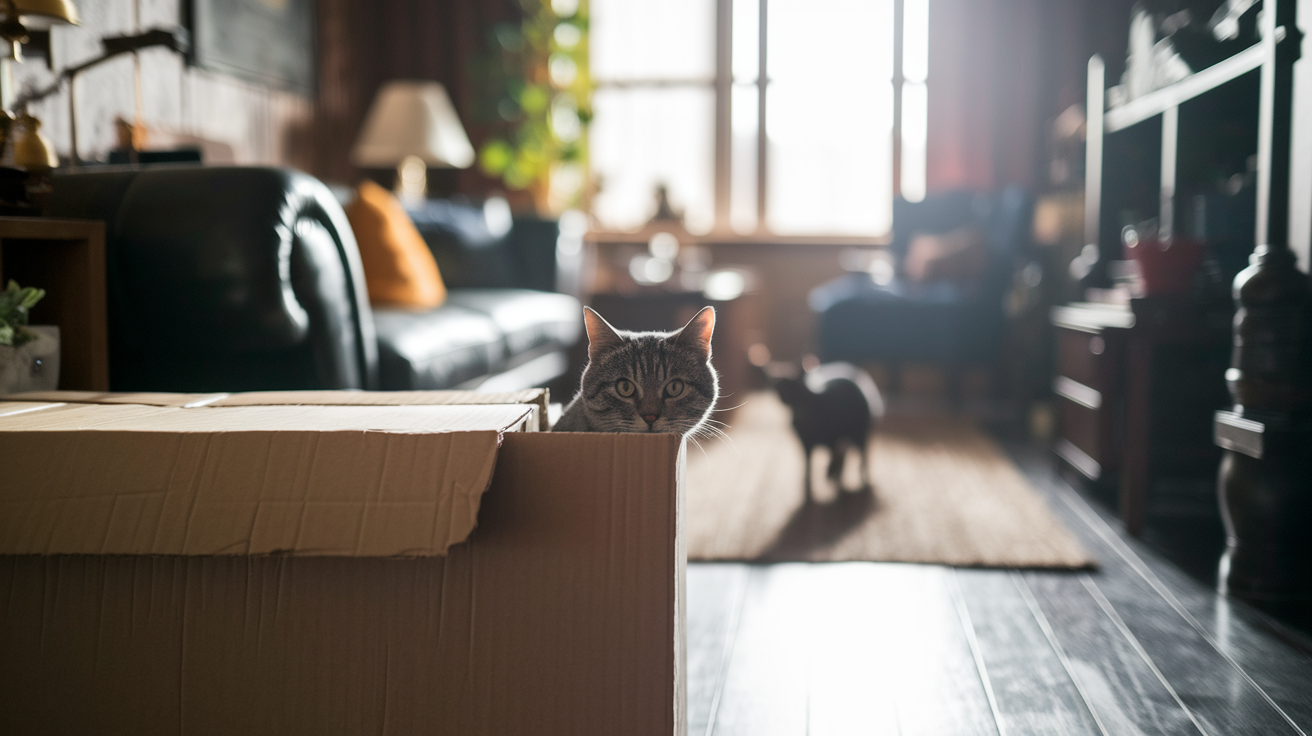
Cats hide and refuse food when their environment feels unsafe or unpredictable. Major changes like introducing a new pet, moving to a new home, or welcoming a baby can overwhelm a sensitive cat. Even smaller disruptions. Rearranging furniture, starting home renovations, hosting loud gatherings. Any of these might be enough to send a cat into hiding. Noise from vacuums, construction equipment, or frequent visitors can create ongoing stress that suppresses appetite for days.
Routine changes matter. Cats thrive on predictable schedules. Shifting mealtimes, replacing familiar food bowls, moving the litter box, or altering the household’s daily rhythm can make a cat anxious enough to retreat and skip meals. Neighbors’ cats visible through windows, unfamiliar scents brought in on shoes, or even a change in laundry detergent have stressed out particularly sensitive cats.
Once the perceived threat passes or the cat adjusts to the new normal, most behaviorally triggered hiding episodes resolve on their own. Appetite usually returns within a day or two once the cat feels safe again. If hiding and food refusal last longer than 48 hours, even when the environment appears calm, the root cause may be medical rather than behavioral. That’s when a vet visit becomes necessary.
At‑Home Assessment Steps for Worried Owners
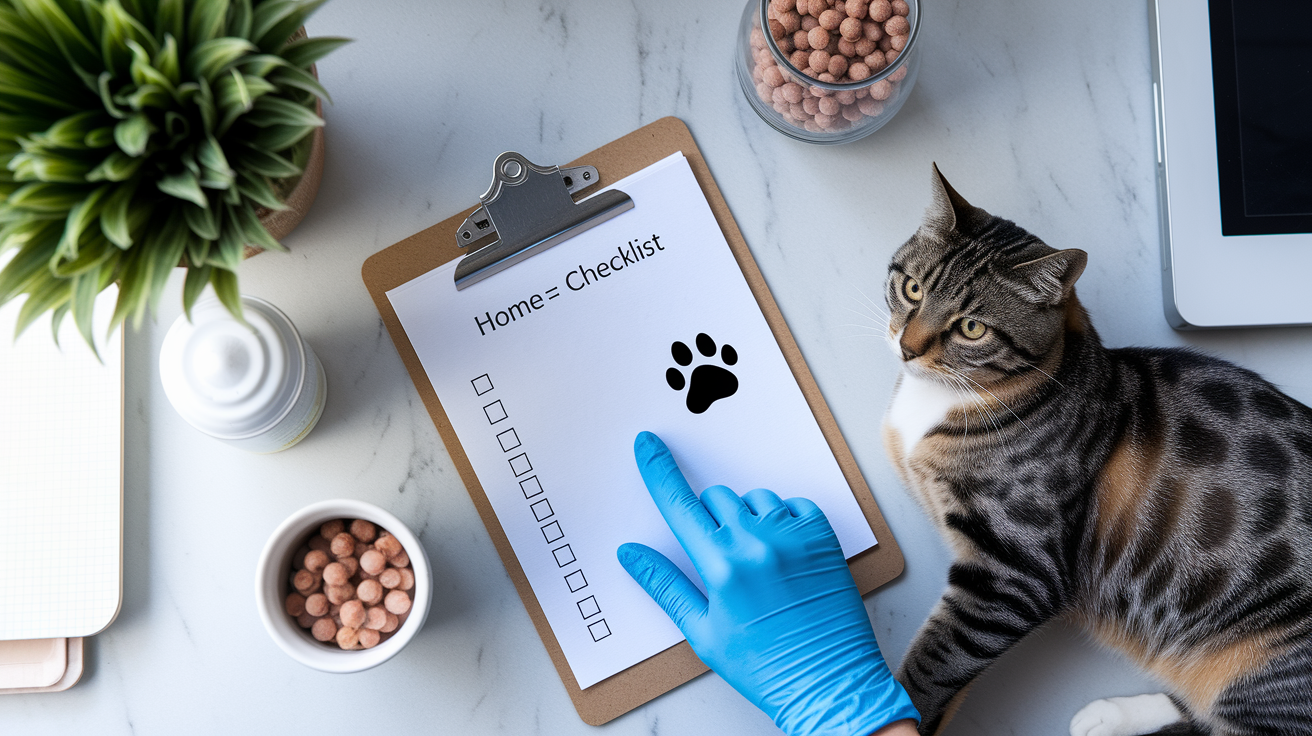
Before calling the vet, gather information that’ll help determine urgency and guide the conversation. Start with these observations.
-
Check how long the cat has refused food. Count the number of meals skipped. If it’s been more than 24 hours since the last meal, prepare to contact your veterinarian today.
-
Look for visible injuries or abnormalities. Gently examine paws, legs, tail, and body for swelling, cuts, or tender spots. Check the mouth (if the cat allows) for broken teeth, red gums, or sores.
-
Monitor litter box activity. Note whether your cat’s urinating and defecating normally. Straining, producing no stool, or avoiding the box entirely can signal constipation, blockage, or urinary issues.
-
Observe breathing and energy level. Is your cat breathing faster than usual, panting, or lying in unusual positions? Are they completely lethargic or able to move when necessary?
-
Check hydration and gum color. Gently lift the lip and press a finger against the gums. Healthy gums should be pink and moist. Pale, white, or yellow gums are emergency signs. Sticky or dry gums suggest dehydration.
-
Track vomiting, diarrhea, or other symptoms. Write down the frequency, appearance, and timing of any vomiting or abnormal stool. Note if there’s blood, unusual color, or undigested food.
These details help your vet assess severity quickly and decide whether to see your cat the same day or provide guidance for home monitoring.
Red‑Flag Symptoms and Time‑Sensitive Concerns
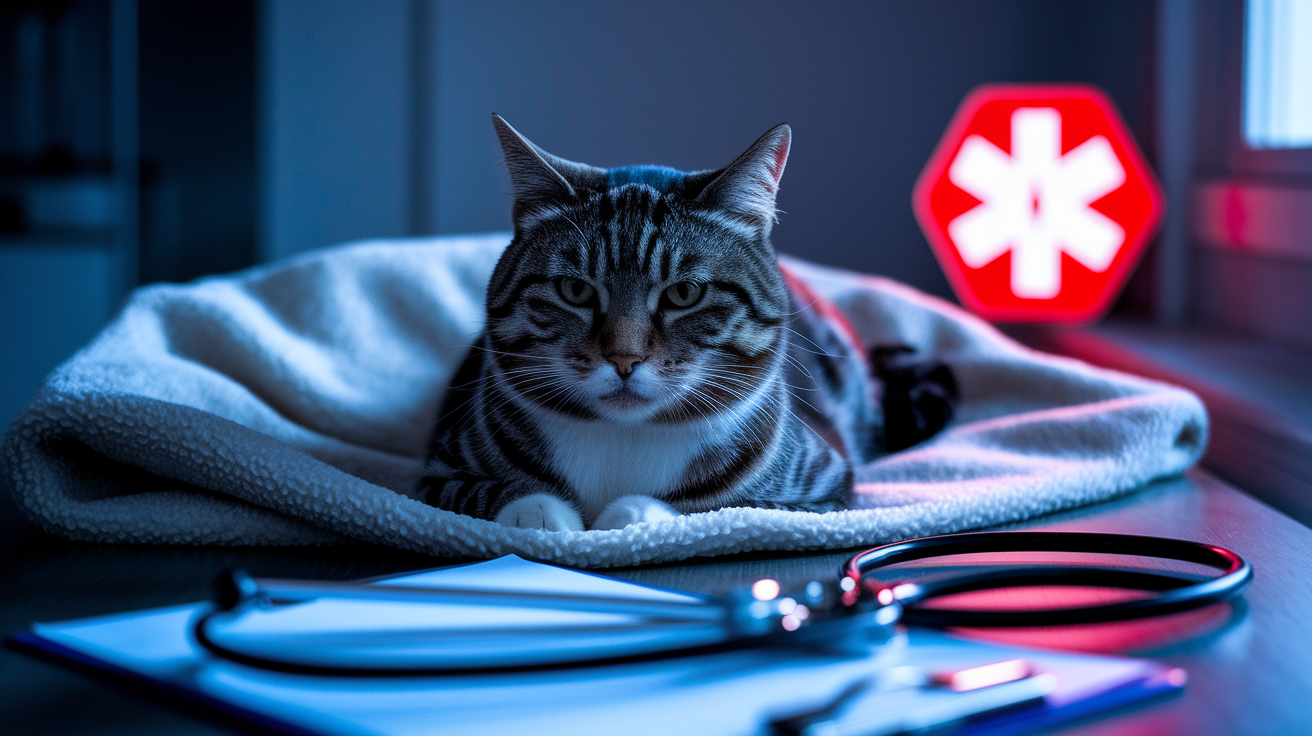
Some combinations of hiding and appetite loss require immediate veterinary attention. Don’t wait to see if symptoms improve on their own if your cat shows any of the following warning signs.
Not eating for 24 hours or longer is the primary threshold. After a full day without food, cats (especially those carrying extra weight) face increased risk of liver complications. Pair that with hiding, and the likelihood of underlying illness rises sharply.
Red‑flag symptoms requiring urgent care:
- Difficulty breathing, panting, or open-mouth breathing (potential respiratory distress or pain)
- Collapse, extreme weakness, or inability to stand (shock, severe illness, or internal injury)
- Repeated vomiting or vomiting blood (obstruction, poisoning, or gastrointestinal emergency)
- Yellow gums or eyes (jaundice, indicating liver failure or severe infection)
- Severe abdominal pain, bloating, or crying when touched (blockage, organ rupture, or internal bleeding)
If your cat exhibits any of these symptoms alongside hiding and refusing food, contact an emergency veterinarian immediately. Don’t wait until morning or assume rest will solve the problem.
Helping a Cat Feel Safe and Encouraging Appetite

Once medical emergencies are ruled out and your vet confirms the hiding’s stress-related or tied to a mild, manageable condition, your job is to rebuild your cat’s sense of safety and gently coax appetite back. Small, patient steps work better than forcing interaction or food.
Create a quiet, low-traffic safe space where your cat can retreat without feeling cornered. Place food, water, a clean litter box, and a soft bed or blanket in this room. Keep the door slightly open so your cat can leave if they choose. That maintains a sense of control. Avoid loud noises, sudden movements, or too many visitors in this area. If construction, guests, or other disruptions are ongoing, confine your cat to this calm zone until the household returns to normal.
Offer small portions of highly palatable, aromatic food. Warm canned food for 5 to 10 seconds in the microwave to release stronger scents. Add a teaspoon of low-sodium chicken broth, tuna water (not oil), or bone broth made for pets to increase moisture and flavor. Try different textures. Pâté-style wet food, shredded meat, or gravy-heavy options to see what appeals. Hand-feed tiny bites if your cat will accept them. Feed as many as six small meals throughout the day rather than two large portions. That reduces mealtime pressure and encourages nibbling. Keep mealtimes consistent and quiet, and don’t hover. Let your cat approach food on their own terms whenever possible.
Final Words
If your cat is hiding and not eating, act calmly but promptly. We covered common causes, including stress, pain, and illness, plus medical conditions, environmental triggers, simple at-home checks, red flags, and ways to encourage eating.
Start today by checking for injury, breathing trouble, litter box changes, and whether they’ll try quiet, warm food. Watch for worsening or any severe signs and call your vet right away.
This can feel scary, but if you’re dealing with cat hiding and not eating, small steps and timely care often help cats settle back to normal.
FAQ
Q: What are the signs that a cat is about to pass away?
A: The signs that a cat is about to pass away include extreme weakness, not eating or drinking, labored breathing, collapse, loss of responsiveness, cold limbs, incontinence, and withdrawal. If breathing is hard or the cat collapses, call your vet now.
Q: What does a mini stroke look like in a cat?
A: A mini stroke in a cat often looks like sudden head tilt, circling, stumbling, one-sided weakness, loss of balance, rapid eye movements, and confusion. Have your vet evaluate these signs promptly. Some causes need urgent care.
Q: Why is my cat hiding and wont come out to eat?
A: Your cat hiding and refusing food is often caused by stress, pain, illness, or environmental changes. Try offering warm, strong-smelling food, a quiet safe spot, and gentle coaxing. If not eating after 24 hours, call your vet.
Q: What are the first signs of feline leukemia in cats?
A: The first signs of feline leukemia often include lethargy, poor appetite, weight loss, fever, swollen lymph nodes, pale gums, and repeated infections. Ask your vet for blood testing if you notice these changes.