

What if the blood in your dog’s stool is more than a gross surprise and actually a warning sign?
Bright red streaks often come from the lower gut, while black, tarry stool means the bleeding started higher up.
You’re not overreacting — sometimes it’s a one-off from a bad snack, and sometimes it points to something that needs fast care.
This post will help you spot common causes, recognize danger signs, and know exactly when to call the vet.
When Bloody Stool in Dogs Is an Emergency
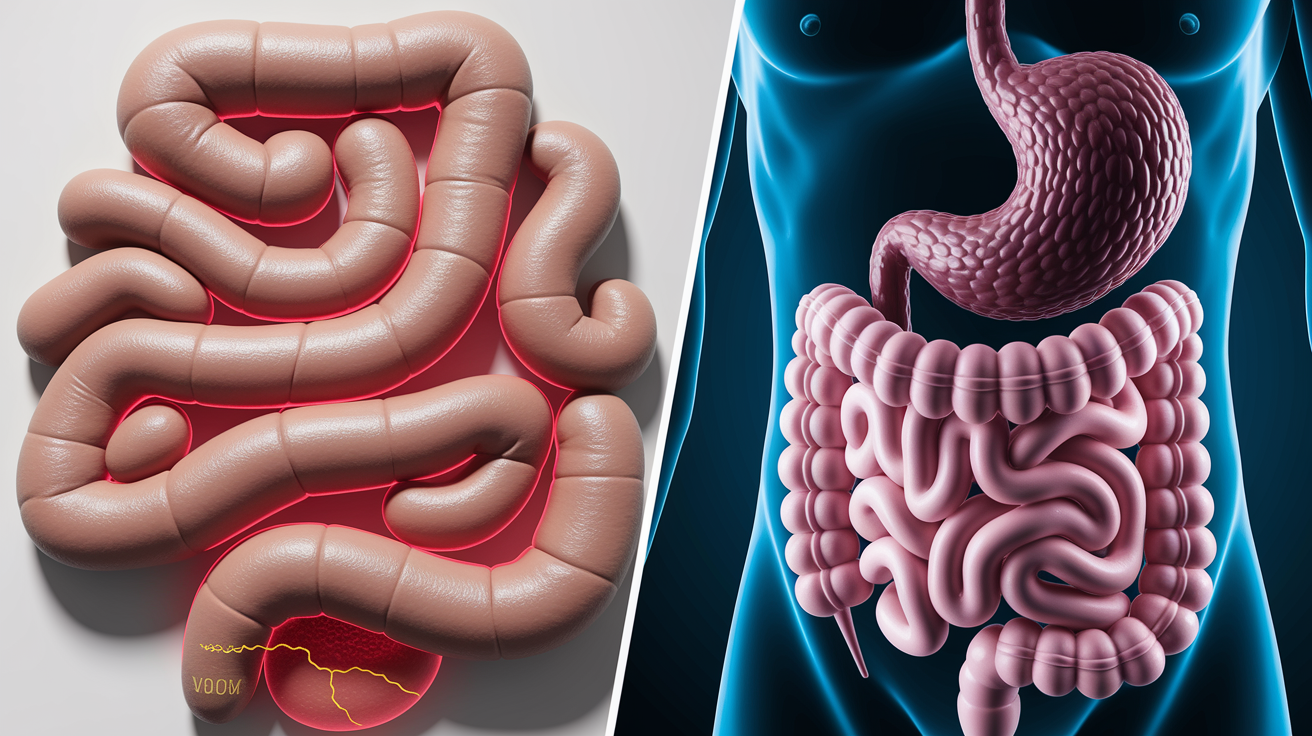
Bloody stool in dogs shows up in two ways, and each one points to a different part of the digestive system. Bright red blood (hematochezia) usually means bleeding from the lower intestines, colon, rectum, or anus. You might see red streaks on normal-looking stool, or just pure blood mixed with mucus. Dark, tarry, black stool (melena) means the blood got digested on its way through the stomach and small intestine. That tells you the bleeding started higher up.
Whether it’s urgent depends on everything else going on with your dog. One episode with a few bright red streaks after your dog strained to poop? Probably not an emergency, especially if they’re acting fine, eating, drinking like usual. But if bloody stool comes with other warning signs, your dog needs a vet right away. Internal bleeding, severe dehydration, infection, or toxin exposure can all announce themselves with bloody stool first. Waiting too long can turn something treatable into something life threatening.
Puppies, senior dogs, and dogs with chronic illness don’t have the same margin for error. A puppy with bloody diarrhea can get dangerously dehydrated in under 24 hours. A senior dog with an underlying condition might not bounce back without fast help. If you’re unsure, call your vet.
Contact an emergency vet immediately if you see any of these:
- Collapse, extreme weakness, or your dog can’t stand
- Pale or white gums, or gums that look gray
- Repeated vomiting, especially alongside bloody stool
- Large amounts of blood, blood clots, or jelly-like bloody diarrhea
Signs You Must Call a Veterinarian Immediately
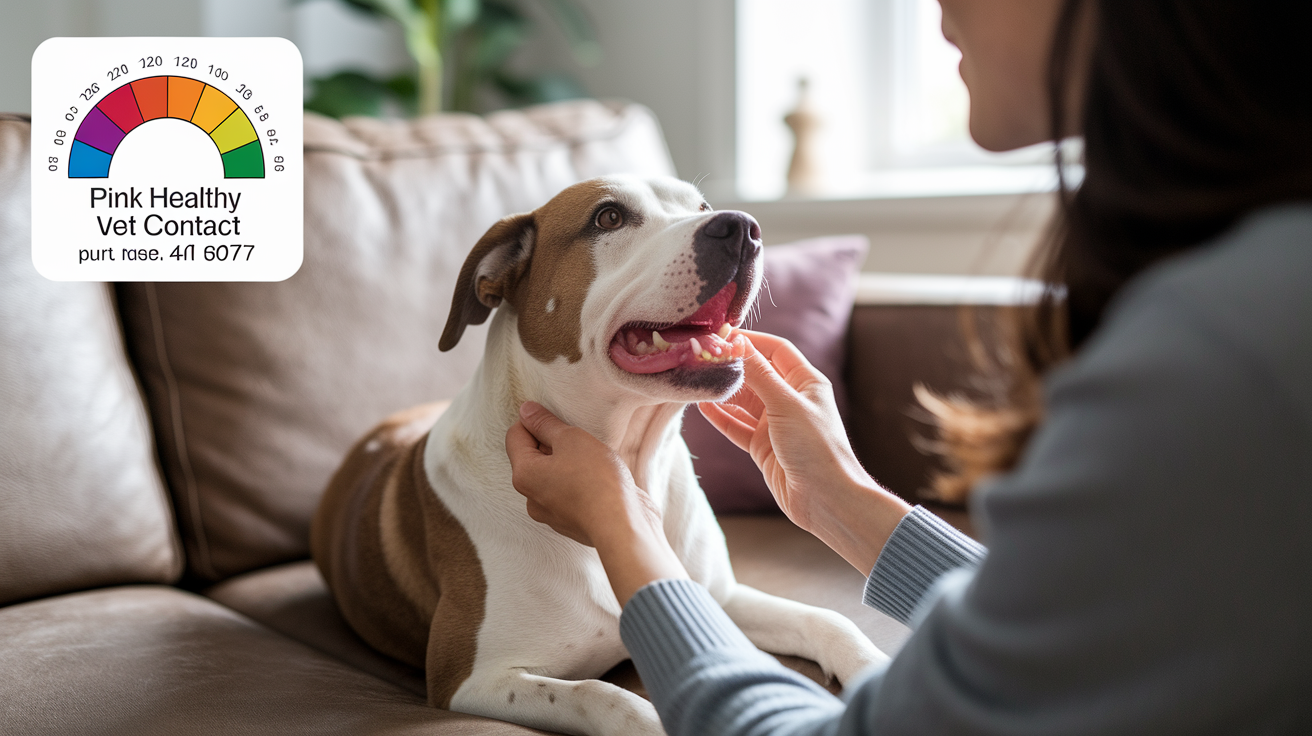
Internal bleeding leaves clues you can check at home. Lift your dog’s lip and look at the gums. Healthy gums are pink and moist. Pale, white, or grayish gums mean your dog may have lost significant blood or gone into shock. Press gently on the gum with your finger. The spot should turn white, then pink again within one to two seconds. If it takes longer, blood isn’t circulating well. You might also notice a rapid heartbeat, shallow breathing, or cold ears and paws.
Severe dehydration develops fast, especially in puppies and senior dogs. If your dog has bloody diarrhea and refuses water, has dry or sticky gums, sunken eyes, or hasn’t urinated in hours, dehydration is already happening. Small dogs and puppies can reach a dangerous level within 24 to 48 hours.
Call your veterinarian or an emergency clinic right now if your dog shows:
- Continuous vomiting or can’t keep water down
- Fever of 104°F (40°C) or higher, or body temperature below normal
- Difficulty breathing, labored panting, or blue-tinged gums or tongue
- Seizures, sudden confusion, or unresponsiveness
- Known ingestion of toxins, rat poison, or foreign objects
- Profuse bloody diarrhea lasting more than 12 hours or rapidly getting worse over a few hours
Common and Mild to Moderate Causes of Bloody Stool
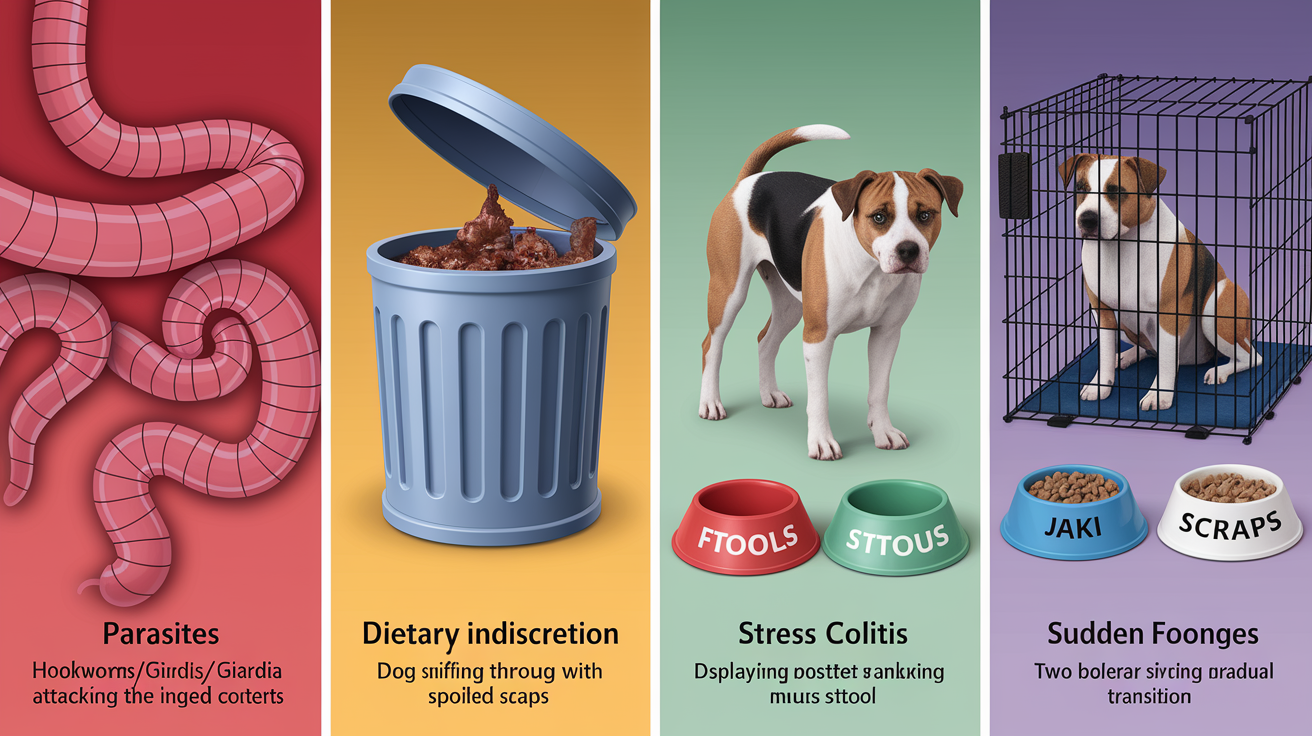
Parasites are one of the most frequent causes, especially in puppies or dogs who haven’t had regular deworming. Hookworms latch onto the intestinal wall and feed on blood, causing small but consistent bleeding. Whipworms irritate the colon and often produce mucus mixed with bright red blood. Giardia, a single-celled parasite, can cause soft stool with streaks of blood and lots of mucus. Most parasitic infections get diagnosed with a simple fecal test and respond well to deworming medication.
Dietary indiscretion is the most common benign cause. Spoiled food from the trash, sticks, mulch, or rich table scraps can irritate the colon lining and cause bright red streaks in otherwise normal stool. Your dog might have one or two loose stools with a little blood, then recover on their own. If the bleeding stops within 24 hours and your dog acts normal, the problem was likely minor.
Stress colitis happens when sudden stress, anxiety, or a big change in routine inflames the colon. You’ll often see frequent, small-volume stools with bright red blood and clear or yellowish mucus. Dogs who just visited the groomer, stayed at a kennel, or experienced a move or new pet in the home are common candidates. Stress colitis usually improves within a day or two once the stressor goes away, but it’s still worth a vet check if it doesn’t resolve quickly.
| Cause | Typical Appearance | Severity | Action for Owners |
|---|---|---|---|
| Parasites (hookworms, whipworms, giardia) | Bright red streaks, mucus, soft or watery stool | Mild to moderate | Collect stool sample, schedule vet visit, expect fecal test and deworming |
| Dietary indiscretion (trash, table scraps) | Small red streaks, one or two episodes, normal behavior | Mild | Monitor for 24 hours, withhold food briefly, offer bland diet, call vet if it continues |
| Stress colitis | Frequent small stools, bright red blood, mucus | Mild to moderate | Remove stressor if possible, monitor, call vet if blood persists beyond 48 hours |
| Sudden food changes | Soft stool with blood, often mucus-coated | Mild | Return to previous diet gradually, monitor, schedule vet visit if symptoms worsen |
Serious and Life-Threatening Causes of Bloody Stool
Hemorrhagic gastroenteritis, often called HGE or acute hemorrhagic diarrhea syndrome, causes sudden, explosive bloody diarrhea that looks like raspberry jam or thick jelly. The stool is often bright red, watery, and comes out in large volumes. Dogs with HGE can become severely dehydrated within hours, and many develop vomiting shortly after the diarrhea starts. The exact cause isn’t always clear, but it’s a medical emergency. Dogs need IV fluids, anti-nausea medication, and close monitoring. Most recover within 24 to 72 hours with aggressive treatment.
Canine parvovirus is a highly contagious viral infection that mainly affects unvaccinated puppies, though adult dogs can get it too. The hallmark sign is foul-smelling, bloody diarrhea that often has a distinct, sickly sweet odor. Puppies with parvo also vomit repeatedly, refuse food and water, and become lethargic fast. The virus attacks the intestinal lining and bone marrow, leading to severe dehydration, secondary infections, and sometimes death. Parvo requires intensive hospitalization with IV fluids, antibiotics to prevent sepsis, and round-the-clock supportive care. The incubation period is typically three to seven days after exposure.
Toxin ingestion, especially rat poison or anticoagulant rodenticides, disrupts blood clotting and causes internal bleeding. You might see dark, tarry stool (melena) because the blood got digested as it moved through the stomach and intestines. Some dogs also bleed from the gums, nose, or show bruising on the skin. If you know or suspect your dog ate rat poison, bait, or anything containing anticoagulants, get to an emergency vet immediately. Treatment includes vitamin K therapy and sometimes blood transfusions. Time matters.
Foreign body obstructions, such as toys, bones, or fabric lodged in the intestines, can cause tissue damage, perforation, or restricted blood flow. The stool might contain streaks of blood, or you might see dark blood if the object caused bleeding higher up. Dogs with obstructions often vomit, refuse food, have a painful abdomen, and strain without producing much stool. Surgery is usually required to remove the object and repair any damage.
Key danger cues to watch for:
- Jelly-like, raspberry jam consistency points toward HGE. Get same-day emergency care.
- Foul, sickly sweet smell with bloody diarrhea in puppies suggests parvovirus. Call ahead before visiting the clinic to prevent exposure to other animals.
- Dark, tarry, or black stool paired with weakness or pale gums indicates upper GI bleeding or toxin ingestion. This is an emergency.
- Repeated straining with little or no stool, paired with vomiting and abdominal pain, suggests obstruction. Immediate vet care and likely surgery needed.
- Bleeding from multiple sites (gums, nose, urine, or visible bruising) points to a clotting disorder or toxin exposure. Requires urgent blood work and treatment.
What Diagnosis Typically Involves
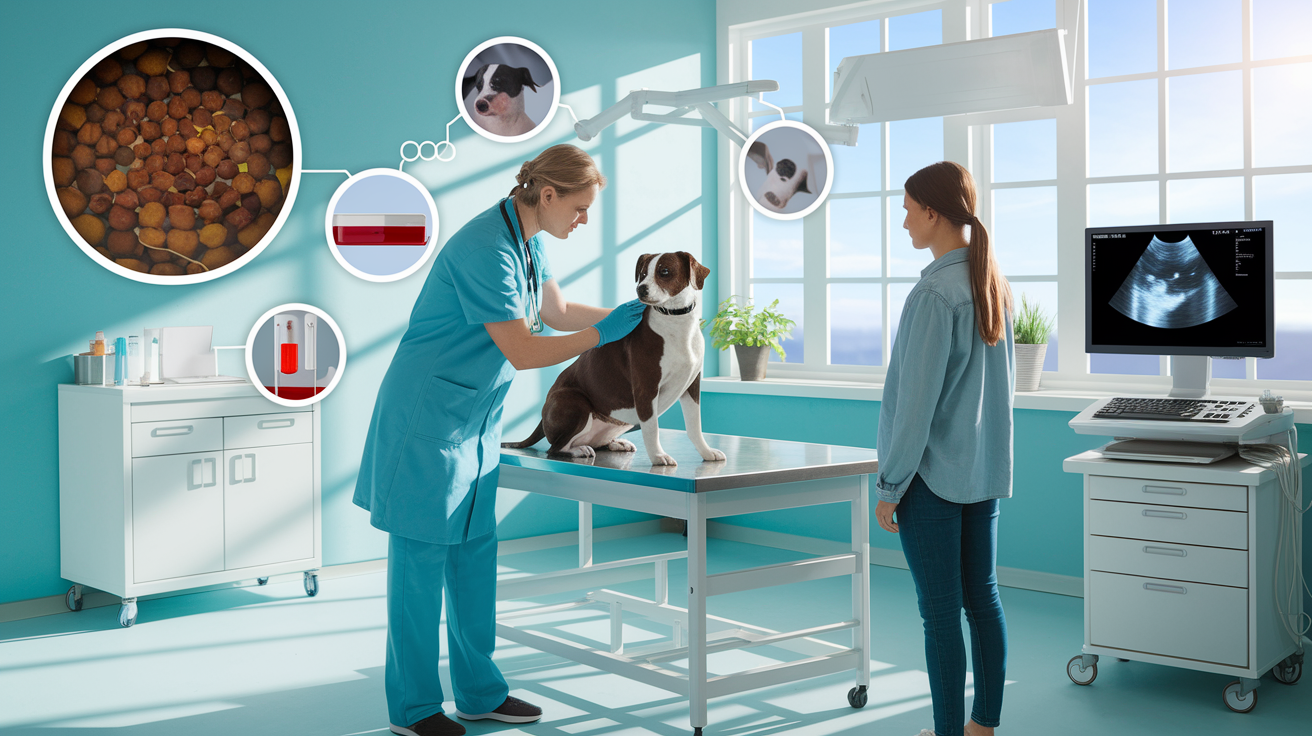
Your veterinarian will start with a physical exam, checking your dog’s gum color, hydration status, heart rate, temperature, and abdomen for pain or swelling. They’ll ask detailed questions about when the blood first appeared, how much, how often, what your dog ate recently, any known toxin exposure, vaccination history, and whether other symptoms like vomiting or lethargy are present. All of this helps narrow down the most likely causes.
Fecal testing is one of the first diagnostic steps. A fecal flotation checks for parasite eggs, and a fecal antigen test or PCR panel can detect organisms like giardia or certain bacteria. If your dog is a puppy or unvaccinated, your vet may run a rapid parvo test, which gives results in minutes. Blood work, including a complete blood count and chemistry panel, assesses for anemia (low red blood cells from bleeding), dehydration, electrolyte imbalances, organ function, and signs of infection. A coagulation panel checks how well your dog’s blood is clotting and becomes critical if toxin ingestion or a bleeding disorder is suspected.
Imaging such as abdominal x-rays or ultrasound gets used when your vet suspects a foreign body, obstruction, tumor, or structural problem. X-rays can show objects, blockages, or abnormal gas patterns. Ultrasound provides a detailed view of the intestinal wall, lymph nodes, and organs, and can detect masses, thickened bowel walls, or fluid buildup. In some cases, especially for chronic or unexplained bleeding, your vet may recommend endoscopy or colonoscopy with biopsies to look directly at the intestinal lining and collect tissue samples for analysis.
Treatment Options Based on Cause

Treatment depends entirely on what’s causing the bloody stool and how severe your dog’s condition is. Your vet will tailor the plan to your dog’s diagnosis, age, overall health, and how quickly symptoms are progressing.
Common treatment approaches include:
- Antiparasitic medications such as fenbendazole, pyrantel pamoate, or metronidazole for parasites like hookworms, whipworms, or giardia. Treatment courses typically last three to five days, though some protocols require follow-up doses.
- IV or subcutaneous fluids to treat dehydration and restore electrolyte balance. Dogs with severe diarrhea often need hospitalization for 24 to 72 hours with continuous IV fluids.
- Antibiotics when bacterial infection is suspected or to prevent secondary infections in cases like parvovirus. Commonly used antibiotics include metronidazole, amoxicillin, or others based on culture results.
- Anti-nausea and anti-diarrheal medications such as maropitant (Cerenia) to control vomiting and reduce gut inflammation. These help your dog keep fluids down and feel more comfortable.
- Surgery for foreign body obstructions, perforations, or severe intussusception (telescoping intestines). Timing is immediate once diagnosed, and recovery depends on the extent of damage.
Most dogs with parasitic infections or mild colitis start to improve within 24 to 48 hours of starting treatment. Parvo and HGE cases require intensive care, and you’ll typically see gradual improvement over three to five days if your dog responds well. Dogs treated for toxin ingestion may need weeks of vitamin K therapy and close monitoring. Always follow your vet’s instructions on medication dosing, follow-up visits, and when to return if symptoms don’t improve or get worse.
What You Can Safely Do at Home (Only When Appropriate)
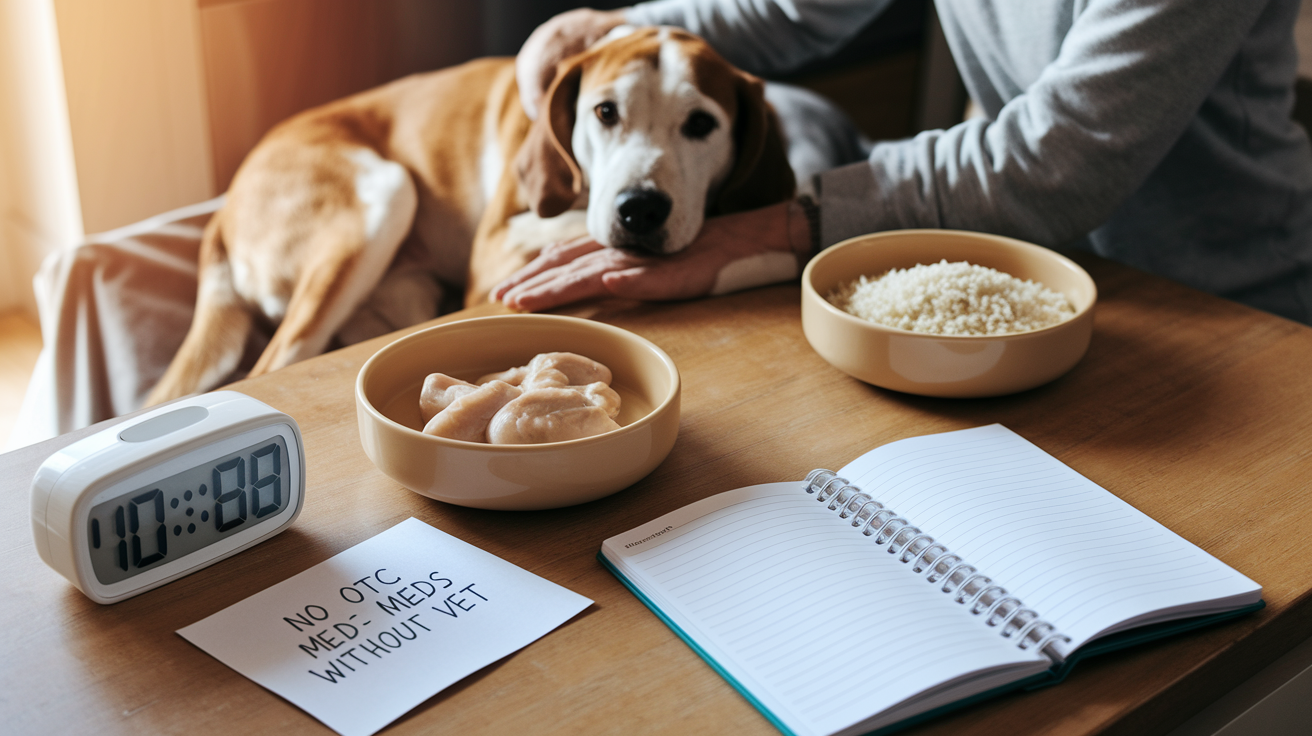
Home care is only appropriate for mild cases where your dog has one or two episodes of small amounts of bright red blood, is still eating and drinking, acting mostly normal, and has no vomiting, fever, or lethargy. Even then, you should still contact your vet for guidance before deciding to monitor at home.
If your vet agrees it’s safe to watch your dog for 24 hours, you can withhold food for up to 12 hours (never for puppies or dogs with health conditions like diabetes) to let the gut rest. After the fasting period, offer small, frequent meals of a bland diet such as boiled chicken (no skin or seasoning) and plain white rice, or plain boiled turkey and sweet potato. Keep portions small, about a tablespoon or two every few hours for small dogs, and gradually increase if your dog tolerates it. Make sure fresh water is always available.
Safe supportive steps at home:
- Collect a fresh stool sample in a clean container or sealed bag and refrigerate it in case your vet wants to test it. Note the time, appearance, and how much blood you saw.
- Keep a log of every bowel movement, time, consistency, color, and whether blood or mucus is present. This helps your vet assess whether things are improving or getting worse.
- Avoid giving any over-the-counter human medications, especially anti-diarrheal drugs like Imodium, without explicit vet approval. Some can be dangerous or mask serious symptoms.
If blood continues beyond 24 hours, increases in amount, turns dark or tarry, or if your dog develops vomiting, refuses food or water, becomes lethargic, or shows any of the emergency signs listed earlier, stop home care and contact your vet immediately. Bloody stool that seems mild can escalate quickly, and it’s always safer to check in with your vet than to wait too long.
How to Prevent Bloody Stool in Dogs

Regular parasite prevention is one of the most effective ways to avoid bloody stool caused by intestinal worms. Puppies should start deworming at two to four weeks of age and continue every two to four weeks until about six months old. Adult dogs benefit from monthly parasite preventives that cover intestinal worms, heartworms, and fleas. Even indoor dogs can pick up parasites from soil, other animals, or contaminated environments, so year-round prevention is safer than seasonal treatment. Your vet can recommend fecal testing once or twice a year to catch any parasites that slip through.
Vaccination prevents life-threatening infections like parvovirus. Puppies typically receive their first parvo vaccine at six to eight weeks of age, then every three to four weeks until they’re 16 to 20 weeks old. A booster gets given around one year of age, and then your vet will advise on frequency, often every one to three years depending on your dog’s risk and vaccine type. Until your puppy completes the full series, avoid dog parks, pet stores, and areas where unvaccinated dogs gather. Parvovirus is extremely contagious and can survive in the environment for months.
Diet stability plays a big role in preventing colitis and GI upset. Feed a high-quality, consistent diet appropriate for your dog’s age, size, and health needs. Avoid giving table scraps, fatty foods, or anything with onion, garlic, grapes, raisins, chocolate, or xylitol. When you need to switch foods, do it gradually over seven to ten days by mixing increasing amounts of the new food with the old food. Sudden changes are a common trigger for bloody stool, especially in dogs with sensitive stomachs. Keep trash cans secured, supervise your dog during walks, and teach a solid “leave it” command to prevent scavenging.
Final Words
If you find blood in your dog’s stool, note the color and how they’re acting. Bright red often points to lower bowel issues; dark, tarry stool can mean bleeding higher up. That helps decide how fast to act.
This post walked through emergency signs, common mild causes like parasites or dietary upsets, serious problems such as parvo or HGE, and what tests and treatments a vet may use.
Understanding dog bloody stool causes helps you pick safe next steps and speak clearly with your vet. Stay observant and hopeful—quick action often improves the outcome.
FAQ
Q: When should I worry about blood in my dog’s stool?
A: You should worry about blood in your dog’s stool when it’s heavy, dark or bright red and paired with collapse, pale gums, repeated vomiting, high fever, severe lethargy, or if your pet is a puppy or senior, seek same-day or emergency care.
Q: What does parvovirus poop look like?
A: Parvovirus poop looks foul smelling and often watery with bright red blood or black tarry stool, sometimes with mucus; puppies usually have severe vomiting, extreme lethargy, and need immediate veterinary care.