

Not every bout of vomiting is harmless — sometimes it’s the first sign of poisoning.
It’s easy to shrug off a single episode as a one-off.
But timing, what’s in the vomit, and other symptoms can make that throw-up an emergency.
In this post I’ll show the key clues that make poisoning more likely, the red flags needing immediate vet care, and simple first steps you can take right away.
Read on so you know what to watch for and when to call a professional.
Immediate Indicators That Vomiting May Be a Sign of Poisoning in Dogs

Vomiting alone doesn’t always mean poisoning. Dogs throw up for lots of reasons. Eating too fast, stress, a sudden diet change, or mild stomach upset. But when vomiting happens fast after your dog gets into something, or when it pairs with other worrying changes, poisoning becomes a real possibility you need to take seriously.
The biggest clue is timing and context. If your dog vomits within minutes to a few hours of eating something unfamiliar, chewing on a plant, or getting into a cabinet or trash bag, treat that as a poisoning risk until you know otherwise. Repeated vomiting (three or more times in a short window) is more concerning than a single episode. So is vomit that smells like chemicals, contains unusual material like plant pieces or colored foam, or happens alongside sudden behavior changes.
When vomiting appears with other symptoms, especially neurologic or breathing trouble, the combination strongly suggests toxin exposure. A dog who’s just vomiting but still acting normal, drinking water, and walking steadily is in a very different situation than a dog who’s vomiting and also shaking, staggering, or breathing hard.
Watch for these urgent red flags that raise the concern from “monitor closely” to “contact a vet now”:
Seizures, tremors, or uncontrolled shaking alongside vomiting
Collapse, extreme weakness, or inability to stand after vomiting starts
Pale, blue, or bright red gums instead of the normal pink color
Difficulty breathing, gasping, or very rapid panting paired with vomiting
Disorientation, confusion, or stumbling gait in addition to throwing up
Rapid onset vomiting within 30 minutes to two hours of known or suspected exposure to a toxin
Additional Poison-Related Symptoms That Commonly Accompany Vomiting in Dogs

Poisoning rarely shows up as vomiting alone. Most toxins affect multiple body systems at once, so you’ll often see a cluster of symptoms that together paint a clearer picture.
Neurologic signs are especially common. If your dog is vomiting and also trembling, pacing in circles, acting confused, or losing balance, those combinations point much more strongly toward poisoning than simple stomach upset. Seizures or muscle twitching that start around the same time as vomiting are serious red flags that need immediate professional care.
Cardiorespiratory changes matter too. Watch for irregular or racing heartbeat, excessive panting that doesn’t match activity level, or breathing that sounds labored. General behavior shifts (sudden agitation, extreme drowsiness, refusal to eat or drink) also strengthen the case for toxin exposure. Excessive drooling or a visible change in gum color from healthy pink to pale, yellowish, or grayish tones can indicate internal trouble, especially if vomiting is ongoing.
Some poisons target specific organs over time. Kidney related signs include excessive thirst or urination, or the opposite: little to no urination despite drinking. Liver damage may show up as yellowish gums (jaundice), black tarry stool, or sudden weakness from low blood sugar. Internal bleeding can cause racing heart rate, pale gums, and blood in vomit or stool. When you see vomiting plus any of these organ specific indicators, the urgency goes up fast.
Common Toxins That Cause Vomiting and Other Poisoning Signs in Dogs
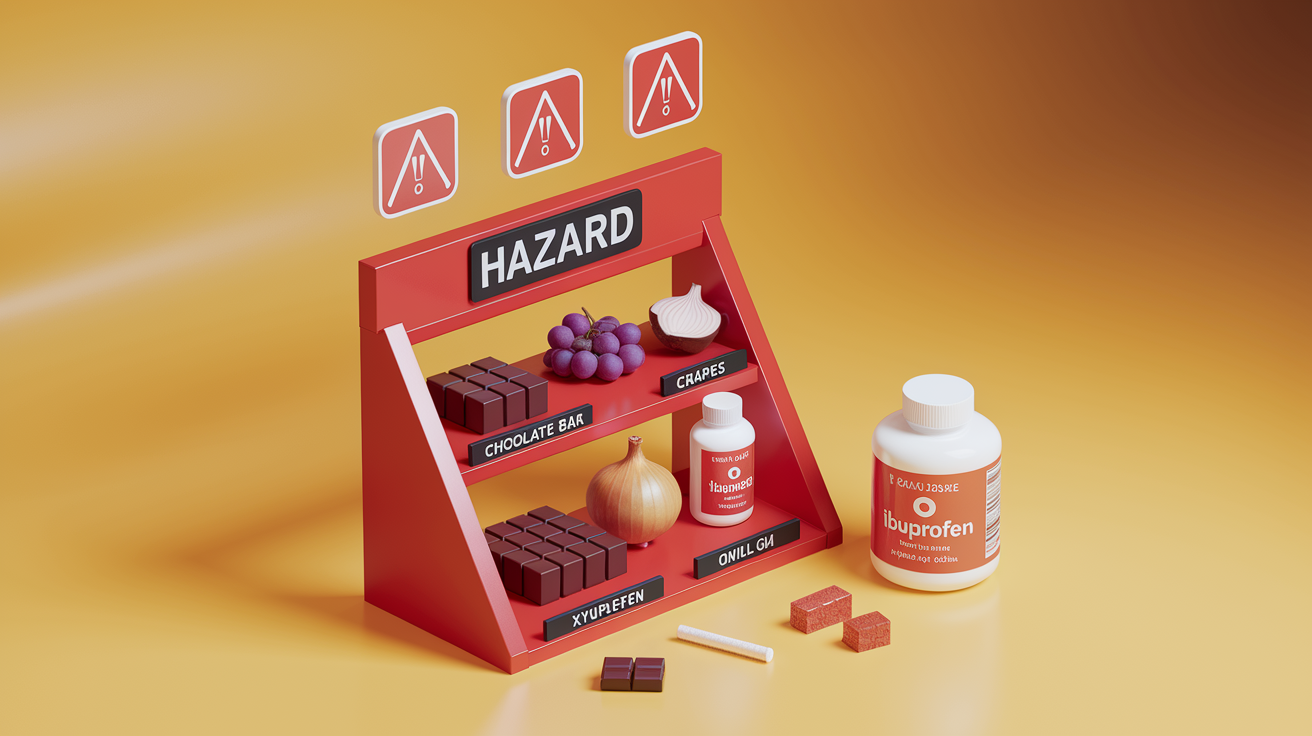
Certain household items and foods show up again and again in poisoning cases, and many of them trigger vomiting as one of the first symptoms. Knowing which toxins are most likely to cause trouble helps you prevent exposure and recognize risk quickly if your dog gets into something. Chocolate remains the single leading cause of pet poison calls, accounting for 17.2% of all cases reported in 2025. But it’s far from the only culprit.
Human medications top the list for severity. Over the counter pain relievers like ibuprofen and naproxen are highly toxic to dogs, even in small doses. One pill can cause vomiting, kidney failure, and internal bleeding. Never give your dog any human medication unless a vet has explicitly told you the exact dose for your specific pet.
| Toxin Category | Example Item | Vomiting-Related Risk |
|---|---|---|
| Human Medications | Ibuprofen, naproxen, acetaminophen | High. Vomiting often appears early, followed by kidney or liver damage |
| Household Chemicals | Bleach, ammonia, detergents, antifreeze | High. Vomiting may contain chemical odor or foam; fast acting toxins |
| Pesticides & Rodenticides | Rat poison, ant bait, fertilizers | Moderate to high. Vomiting may be delayed; internal bleeding possible |
| Toxic Foods | Xylitol, grapes, raisins, onions, chocolate | High. Xylitol causes rapid vomiting and low blood sugar; grapes can cause kidney failure |
| Toxic Plants | Tulips, lilies, daffodils, aloe, English ivy, jade plant | Moderate. Vomiting common, severity varies by plant and amount eaten |
| Environmental Hazards | Wild mushrooms, trash, road salt, ice melt | Moderate to high. Vomiting often immediate; trash may contain multiple toxins |
| Other Household Items | Essential oils, edible marijuana/CBD, cocoa mulch | Moderate to high. THC edibles can cause vomiting, low blood pressure, coma |
Xylitol deserves special attention. This sugar substitute is found in sugar free gum, some peanut butters, toothpaste, and candies. Even a small amount can cause sudden vomiting, seizures, and liver failure. Always read ingredient labels on anything your dog might reach.
Antifreeze is another fast acting poison. Vomiting can start within minutes, and the outcome depends heavily on how quickly treatment begins. If you even suspect exposure to any of these toxins, treat it as urgent and contact a vet or poison helpline right away.
Understanding Vomit Appearance and What It Reveals About Possible Poisoning

What you see in the vomit can give important clues about what’s happening inside your dog’s body. Clean vomit that’s mostly food or clear liquid is less alarming than vomit that contains blood, dark material, foam, or a chemical smell. These appearance changes don’t diagnose a specific poison, but they do signal severity and help your vet decide on next steps.
Blood in vomit is a serious red flag. It can appear bright red (fresh bleeding) or dark and granular, like coffee grounds (older blood from the stomach). Both indicate internal bleeding, which can result from toxins like rodenticides, NSAIDs (ibuprofen, naproxen), or anything that damages the stomach lining. Black, tarry vomit or stool also points to internal bleeding and requires immediate veterinary attention.
Other appearance clues to watch for:
Foamy or frothy vomit can indicate irritation from chemicals, detergents, or toxins that create gas or foam in the stomach
Vomit with a strong chemical odor (bleach, ammonia, petroleum) suggests ingestion of a household cleaner or solvent
Vomit containing plant material, bulb pieces, or berries confirms your dog ate something from the yard or a houseplant
Bright yellow or green bile by itself is common with an empty stomach, but paired with other symptoms it can indicate liver stress
Unusual colors or particles (blue/green from rodenticide bait, brown from chocolate) can help identify the toxin
If your dog vomits and you suspect poisoning, take a photo of the vomit if you can do so safely and quickly. Collect a small sample in a sealed plastic bag or container. Bring the sample, photos, and any packaging or plant material to your vet visit. This documentation can speed up diagnosis and treatment, especially when the vet can’t run tests for every possible toxin.
When Vomiting in Dogs Requires Immediate Veterinary Care

The line between “watch at home” and “go to the vet now” depends on how your dog is acting overall, how often the vomiting happens, and whether other worrying symptoms show up. A single vomit episode in an otherwise normal dog can sometimes wait a few hours with close monitoring. But repeated vomiting (three or more times within a few hours) puts your dog at risk for dehydration, electrolyte imbalance, and worsening toxin absorption. If vomiting continues past 12 hours or increases in frequency, that’s a clear threshold to call your vet.
Dehydration sets in faster than most owners expect. Check your dog’s gums every hour or two. Healthy gums should feel slippery and wet. Sticky, dry gums mean dehydration is starting. Skin that doesn’t snap back quickly when you gently lift it on the back of the neck is another dehydration sign. If your dog won’t drink water, can’t keep water down, or shows these signs, contact your vet even if vomiting has slowed.
Escalation patterns matter more than isolated symptoms. A dog who vomits once, then acts tired but stable, is in a different situation than a dog who vomits, then starts panting hard, stumbling, or lying motionless. Any rapid worsening (going from mild symptoms to severe ones within an hour or two) means the toxin is affecting critical systems. Don’t wait to see if it levels off.
Shock signs include pale or white gums, cold paws, shallow breathing, weak pulse, and unresponsiveness. If you see any of these after vomiting starts, treat it as a life threatening emergency and get to a vet or emergency clinic immediately.
Safe First Aid Steps for Suspected Poisoning When Vomiting Is Present

The first thing to do is separate your dog from the suspected toxin. Move them to a safe, quiet space away from the substance. Stay calm. Your dog will pick up on your stress, and keeping a steady voice helps you think clearly and observe symptoms accurately.
Do not try to make your dog vomit unless a veterinarian or poison control expert tells you to. Inducing vomiting at home can cause more harm with certain toxins, especially caustic chemicals, petroleum products, or anything sharp. Some poisons do more damage coming back up. Let a professional make that call.
Follow these steps in order:
Identify and document what your dog ate. Write down the product name, estimated amount, and time of ingestion. If it’s a medication, note the dose and how many pills are missing. If it’s food, estimate the quantity.
Take clear photos. Photograph the product packaging, ingredient label, plant, or any leftover material. If your dog vomited, photograph the vomit too.
Collect a vomit or stool sample if present. Use a plastic bag or sealed container. Keep it cool and bring it to the vet.
Observe and write down symptoms. Note the time each symptom started, how often vomiting happens, and any behavior changes. Include details like gum color, energy level, and coordination.
Call a poison helpline or your vet immediately. Pet Poison Helpline: 855-764-7661 (consultation fee applies). ASPCA Animal Poison Control Center: 888-426-4435 (fee applies). Your vet may offer 24/7 emergency guidance.
Do not give home remedies. No milk, no bread, no hydrogen peroxide unless explicitly instructed. These can interfere with treatment or make things worse.
What to Expect at the Veterinary Clinic After Vomiting Due to Possible Poisoning

When you arrive at the vet, bring all the documentation and samples you collected. The vet will ask detailed questions about timing, amount ingested, symptoms, and your dog’s medical history. This information shapes the treatment plan, because there’s no universal protocol for poisoning. It depends on the specific toxin, dose, and how much time has passed.
Blood tests are common, but vets can’t test for every possible poison. Instead, they look for organ function (kidney, liver), electrolyte levels, blood sugar, and signs of anemia or clotting problems. These results help assess damage and guide supportive care. If you brought the product packaging or plant material, that speeds up decision making significantly.
Treatment focuses on limiting toxin absorption and supporting the body while it clears the poison. Your vet may use one or more of these interventions depending on your dog’s condition and the toxin involved:
Induced vomiting (only when safe and within a specific time window after ingestion)
Activated charcoal to bind toxins in the stomach and intestines, reducing absorption
Gastric lavage (stomach flushing via a tube) for certain poisons when vomiting isn’t appropriate
IV fluids to treat dehydration, support kidney function, and help flush toxins through urine
Some toxins have specific antidotes. Ethylene glycol (antifreeze) and certain rodenticides fall into this category, and early administration of the antidote can be life saving. For other toxins, treatment is purely supportive: managing symptoms, protecting organs, and giving the body time to metabolize and eliminate the poison.
Hospitalization may be needed for continuous monitoring, especially if your dog has seizures, irregular heartbeat, or severe vomiting that won’t stop. The vet may also administer medications to control nausea, seizures, or pain, and monitor respiratory and cardiac function closely.
Preventing Poison-Related Vomiting: Pet-Proofing and Home Safety Measures

Most poisoning cases are preventable with a few consistent safety habits. The goal is to remove access before your dog gets curious, because even well trained dogs can make mistakes when something smells interesting or tastes good.
Start with medications and supplements. Store all human and pet medications in sealed containers on high shelves or in locked cabinets. “Childproof” caps don’t stop a determined dog. Pet medications, especially flavored chewables, can be mistaken for treats. Keep them locked up just like human meds. Never leave pills on counters or nightstands, and pick up any that drop on the floor immediately.
Prevention checklist for common household and outdoor hazards:
Read ingredient labels on all foods before sharing. Watch for xylitol in peanut butter, gum, candy, and baked goods. Check for chocolate, grapes, raisins, onions, and garlic.
Secure trash cans with tight lids or place them behind closed doors. Dogs explore garbage, and discarded food or packaging can contain multiple toxins.
Lock up cleaning products, antifreeze, pesticides, and fertilizers. Store them in cabinets your dog can’t open. Wipe up spills immediately and keep dogs away from wet floors or freshly treated surfaces.
Replace toxic houseplants with pet safe alternatives. Remove tulips, lilies, daffodils, amaryllis, aloe vera, English ivy, jade plants, and philodendron. If you’re not sure, check a plant against a verified pet safe list before bringing it home.
Avoid cocoa mulch in your yard. It’s toxic to dogs and smells appealing. Use cedar or pine mulch instead.
Keep dogs away from treated lawns for the recommended time. Follow product instructions on fertilizers and weed killers, and block access until the area is dry or rinsed.
Teach the “leave it” command. Practice it regularly on walks and at home. A strong “leave it” can stop your dog from eating something dangerous before you reach them.
Communicate with caregivers, boarding facilities, and dog walkers. Make sure anyone who spends time with your dog knows which foods and products to avoid, and what to do if exposure happens.
Seasonal hazards shift throughout the year. In winter, watch for road salt, ice melt, and antifreeze puddles. In spring and summer, wild mushrooms and freshly treated lawns pose risks. During holidays, be extra cautious with chocolate, xylitol containing baked goods, and decorative plants like poinsettias or lilies. A quick seasonal safety check every few months keeps prevention front of mind and reduces the chance of a poisoning emergency.
Final Words
If your dog vomits suddenly or keeps vomiting, pay attention to nearby clues we covered — fast onset after exposure, repeated vomiting, changes in behavior, tremors, pale or blue gums, trouble breathing, or collapse. Those combinations raise concern for poisoning.
Secure your dog, note the product and timing, collect samples or photos, and call your vet or a poison helpline. Don’t induce vomiting unless a professional tells you to.
Knowing the clear signs of poisoning in dogs vomiting helps you act fast and keep your dog safe.
FAQ
Q: What are the first signs of dog poisoning?
A: The first signs of dog poisoning are sudden vomiting or repeated retching, rapid behavior change (lethargy or agitation), drooling, tremors or unsteady gait, and altered gum color or breathing, especially after exposure.
Q: How long before a dog shows signs of toxicity?
A: The time before a dog shows signs of toxicity can be minutes to days: minutes for inhaled or caustic chemicals, hours for many foods or medications, and 24 to 72 hours for some liver or kidney‑damaging toxins.
Q: Can a dog recover from poisoning on its own?
A: A dog can sometimes recover from mild poisoning on its own, but you should not rely on that—call your vet or a poison helpline if vomiting, severe lethargy, tremors, blood, or any worsening signs appear.
Q: How do you flush poison out of a dog’s system?
A: Flushing poison out of a dog’s system is done by vets, using activated charcoal, IV fluids, or gastric lavage when safe. Do not induce vomiting at home unless a vet or poison control tells you to.