

Is your dog vomiting yellow or foamy stuff first thing in the morning?
That’s often bilious vomiting syndrome, when bile backs up into an empty stomach after a long overnight fast.
It looks dramatic, but many dogs are otherwise acting normal.
In this post I’ll explain why it happens, simple feeding fixes that often stop it, what to watch for at home, and the clear warning signs that mean you should call your vet.
If you’re worried, the next few minutes will give a calm, practical plan.
Why Dogs Vomit on an Empty Stomach (Immediate Causes and What It Means)
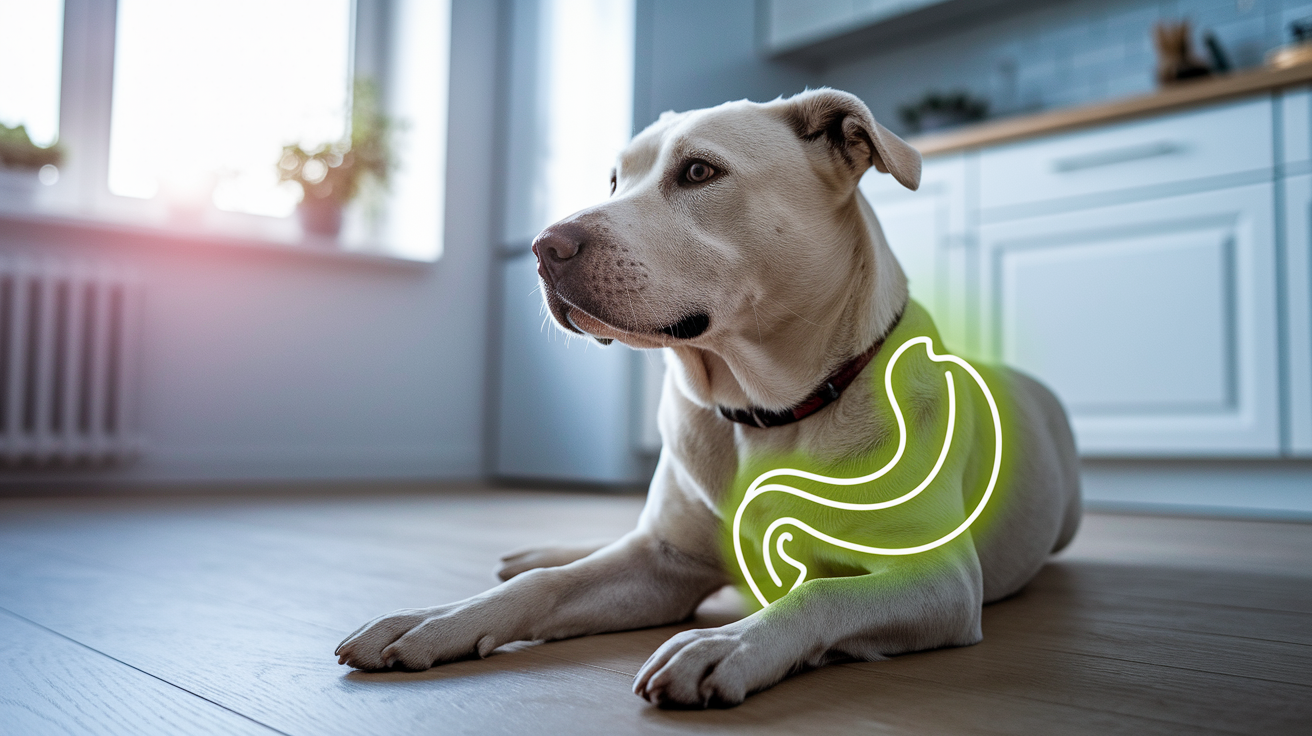
Bilious vomiting syndrome is the most common reason your dog throws up on an empty stomach. Here’s what happens: your dog’s stomach sits empty for too long, usually 8 to 12 hours overnight, and bile from the small intestine backs up where it doesn’t belong. That bile irritates the stomach lining, triggers nausea, and your dog vomits. Most dogs dealing with this are completely healthy otherwise. Normal energy, good appetite, and they feel fine minutes after throwing up.
The vomit looks like yellow or greenish foam or liquid. Almost always happens first thing in the morning before breakfast. You might catch your dog licking their lips, drooling, or pacing right before it happens. This isn’t the same as a dog who’s actually sick. These dogs aren’t lethargic. They’re not losing weight. There aren’t other illness signs. It’s a motility issue from an empty stomach, not a disease.
Signs owners typically see:
- Early morning vomiting of yellow or green liquid or foam, before the first meal
- Normal energy, appetite, and behavior otherwise. No weight loss or lethargy
- Brief nausea signs right beforehand like lip licking, drooling, or repeated swallowing
- Dog feels completely normal within a few minutes after vomiting, often eager to eat breakfast immediately
- Pattern repeats several mornings per week or happens on and off over weeks or months
When the stomach sits empty too long, bile and stomach acid pool and reflux backward from the duodenum. The stomach is empty, the lower esophageal sphincter relaxes during sleep, and bile flows into the stomach where it shouldn’t be. The stomach lining reacts by contracting, and your dog vomits up the bile before you’ve had a chance to feed them. Shortening the overnight fast with a small late night snack or splitting meals into smaller portions often stops the whole cycle.
Understanding Yellow Bile and Foam in Dog Vomiting Episodes
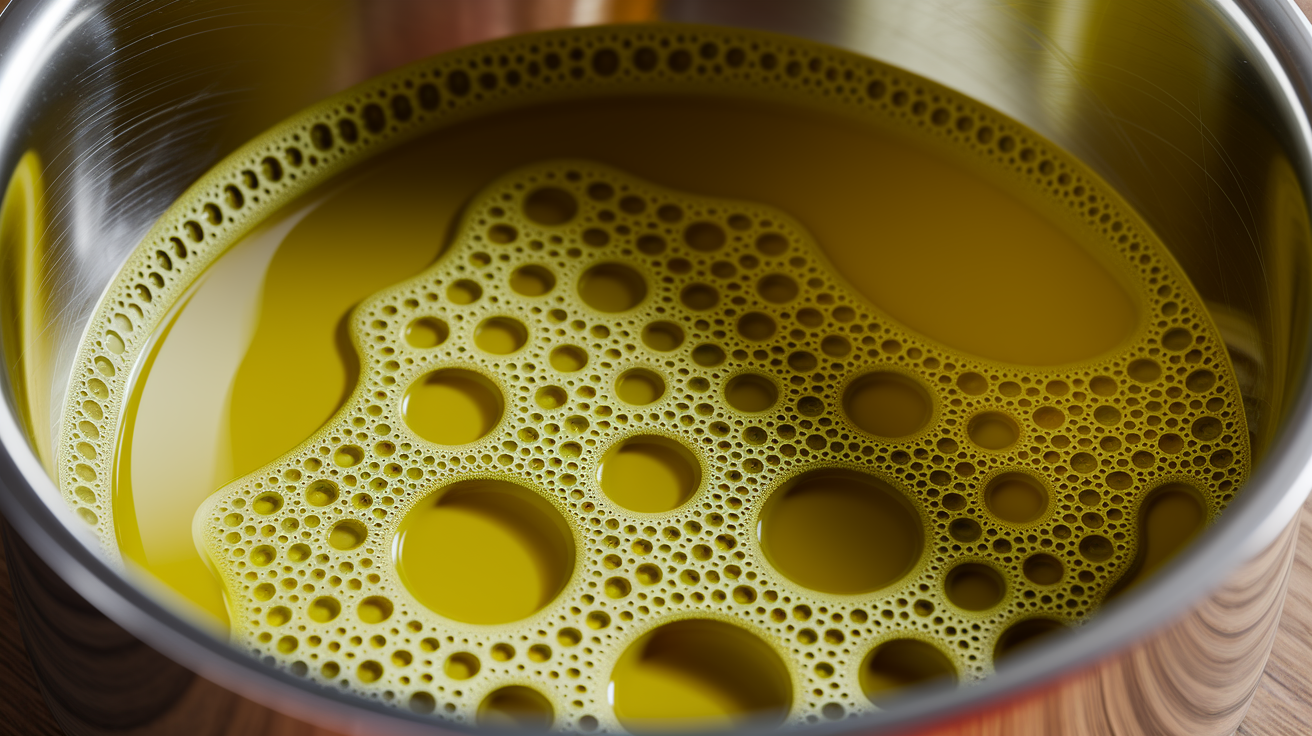
Yellow or greenish vomit means bile is present. Bile is a digestive fluid made in the liver, stored in the gallbladder, and released into the small intestine to help digest fats. When your dog’s stomach is empty and bile refluxes backward, it mixes with stomach acid and mucus. That creates the yellow or green foam or liquid you’re seeing. The color can range from pale yellow to bright yellow green depending on how concentrated the bile is and how much mucus or saliva gets mixed in.
Clear or white foam means the stomach is even emptier. Just mucus and air with very little bile present. Some dogs produce mostly frothy white foam early in the episode, then yellow bile if they retch again a few minutes later. The appearance and color don’t change the underlying cause when it’s happening on an empty stomach. All of it points to bile reflux and gastric irritation from fasting. Dogs often show lip licking or drooling just before vomiting because nausea stimulates excess saliva.
Common Medical Causes Behind Dog Vomiting on an Empty Stomach
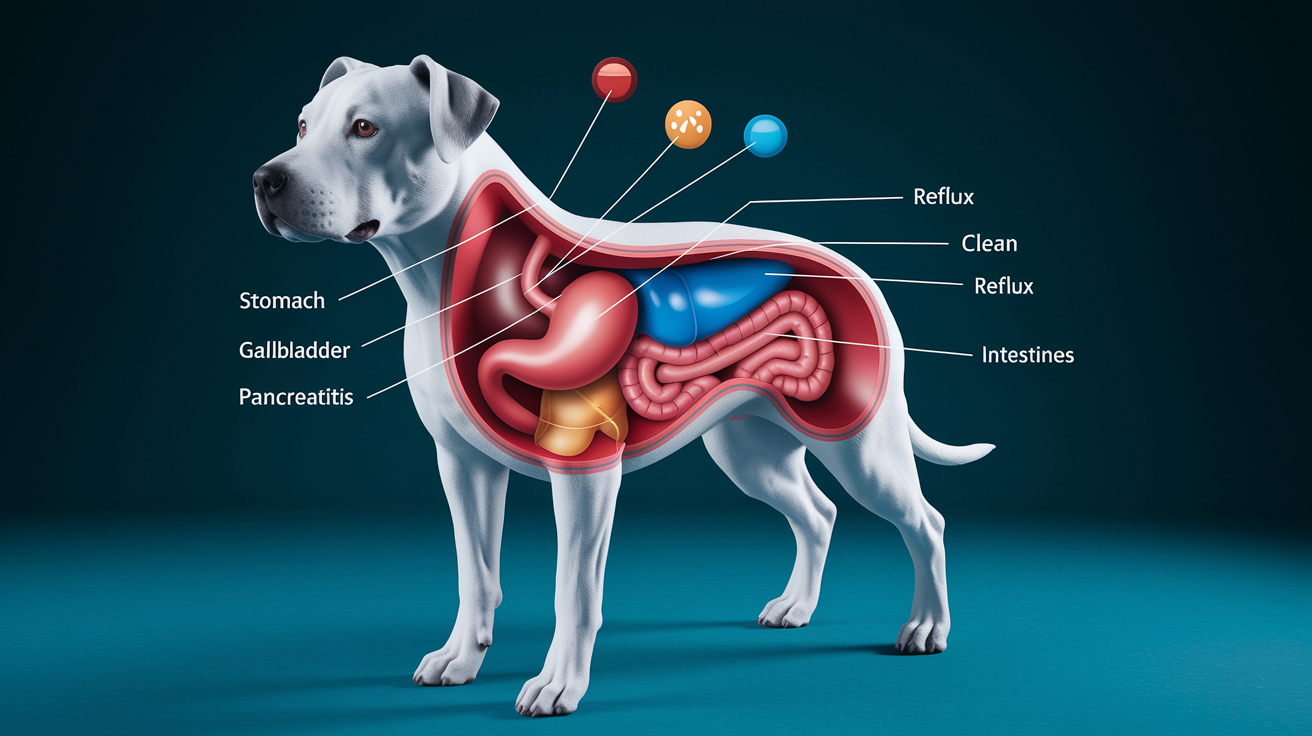
Bilious vomiting syndrome is the main cause, but other medical issues can lower gastric motility or increase bile reflux. Gastritis, inflammation of the stomach lining from any source, makes the stomach more sensitive to bile and acid when it’s empty. Acid reflux happens when the sphincter between the esophagus and stomach weakens, letting stomach contents including bile move up and irritate tissues. Diet intolerance or sudden food changes can also slow digestion and increase the chance of bile pooling overnight.
Gastrointestinal inflammation from inflammatory bowel disease or chronic enteritis reduces how efficiently the stomach and intestines move food along. Creates longer periods when the stomach sits empty and vulnerable to bile irritation. Less common but more serious systemic illnesses can also cause intermittent fasting related vomiting, and they need to be ruled out if feeding changes don’t help.
Other medical contributors to consider:
- Pancreatitis, inflammation of the pancreas that can cause nausea and vomiting even when the stomach is empty, often with abdominal pain and loss of appetite
- Liver disease, which disrupts bile production and flow and may cause vomiting along with increased thirst, weight loss, or jaundice
- Addison’s disease (hypoadrenocorticism), a hormone deficiency that can cause vomiting, lethargy, weakness, and worsening during stress or fasting
- Intestinal parasites, which irritate the GI lining and can trigger vomiting and diarrhea, especially in younger dogs or those not on regular preventatives
If your dog’s vomiting doesn’t get better with feeding schedule changes within a few days, or if any other symptoms appear, your veterinarian will work through these possibilities with diagnostic tests.
When Dog Vomiting on an Empty Stomach Signals Something Serious
Occasional early morning bile vomiting in an otherwise healthy, energetic dog is usually manageable at home with feeding adjustments. But certain warning signs mean you need to stop monitoring and contact your veterinarian right away. Persistent vomiting that continues for more than 24 hours, vomiting that increases in frequency, or any blood in the vomit are urgent red flags.
Blood can appear bright red or dark brown like coffee grounds, which means it’s been partially digested in the stomach. Either type of bleeding needs immediate evaluation. Severe abdominal pain, bloating or distension, inability to keep water down, collapse, or signs of dehydration like sticky gums, sunken eyes, or skin that doesn’t bounce back when gently lifted all require emergency veterinary care. Puppies, senior dogs, and dogs with known health conditions should be seen sooner because they can go downhill faster.
Red flag signs that require urgent veterinary care:
- Vomiting persists for more than 24 hours or happens multiple times in one day
- Any blood in vomit, either bright red or dark brown coffee ground appearance
- Repeated retching without producing vomit or only producing thick saliva
- Severe lethargy, weakness, or collapse. Inability to stand or walk normally
- Abdominal bloating, distension, or visible swelling. Pacing, whining, or hunched posture from pain
- Can’t keep water down, signs of dehydration like sticky gums or sunken eyes, or rapid shallow breathing
How Veterinarians Diagnose Dog Vomiting on an Empty Stomach
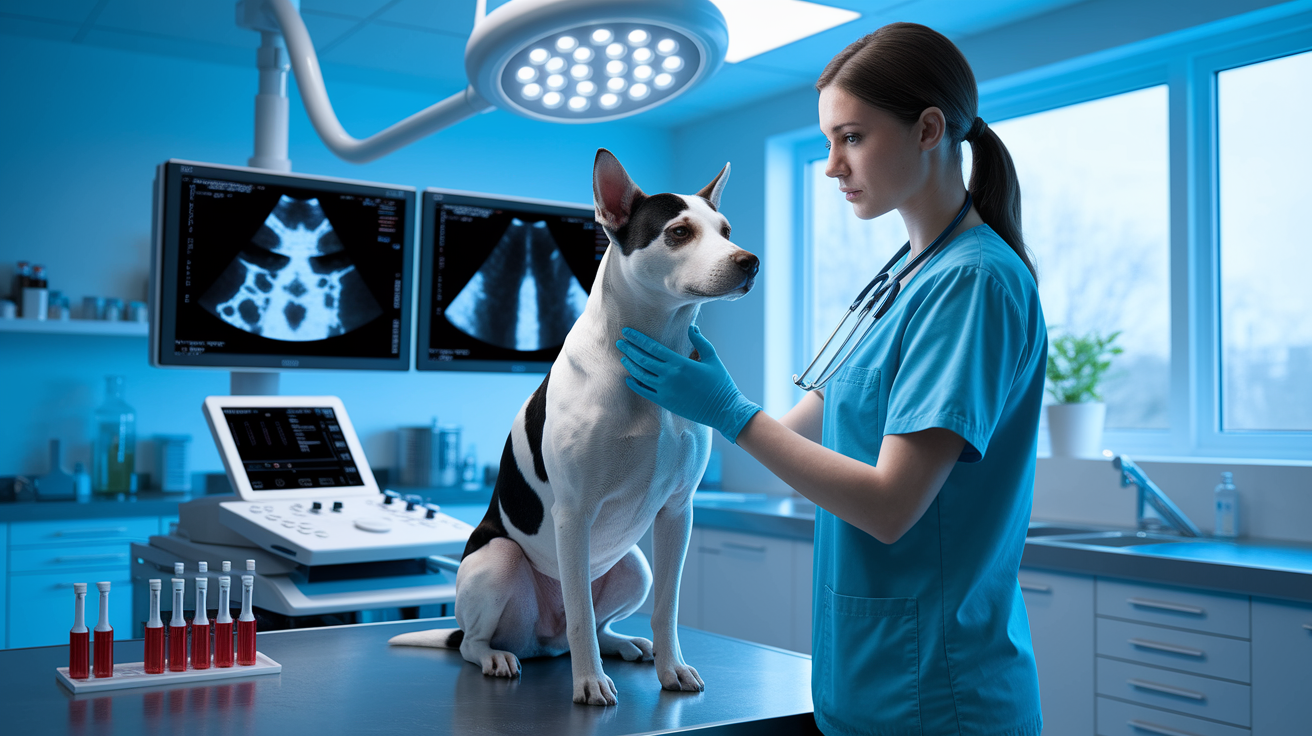
Bilious vomiting syndrome is a diagnosis of exclusion, which means your veterinarian will rule out other causes before confirming BVS as the most likely explanation. The process starts with a thorough physical exam to check hydration status, abdominal pain, body condition, gum color, and whether your dog shows any signs of systemic illness. Your vet will also ask detailed questions about timing, frequency, appearance of the vomit, diet, recent changes, and any other symptoms you’ve noticed.
Bloodwork is the next step for most cases that don’t resolve quickly with feeding changes. A complete blood count checks for anemia, infection, or inflammation. A serum chemistry panel evaluates liver and kidney function, electrolyte balance, blood sugar, and protein levels. These tests help identify pancreatitis, liver disease, Addison’s disease, diabetes, and other metabolic problems that can cause vomiting. A fecal test checks for intestinal parasites, which are a common and treatable cause of vomiting in dogs of any age.
Imaging is often recommended if vomiting is frequent, if bloodwork shows abnormalities, or if there’s any concern about a foreign object or structural problem. Abdominal X-rays can reveal intestinal obstructions, foreign bodies, organ enlargement, or gas patterns that suggest bloat or other emergencies. Ultrasound gives a more detailed look at the stomach, intestines, liver, pancreas, and other abdominal organs to identify inflammation, masses, or fluid accumulation. In some cases, your vet may run a pancreatic lipase test to confirm or rule out pancreatitis, or an ACTH stimulation test to check adrenal gland function if Addison’s disease is suspected.
| Test Type | What It Helps Identify |
|---|---|
| Complete Blood Count (CBC) | Anemia, infection, inflammation, immune system problems |
| Serum Chemistry Panel | Liver disease, kidney disease, pancreatitis, Addison’s disease, diabetes, electrolyte imbalances |
| Fecal Parasite Test | Intestinal parasites such as roundworms, hookworms, whipworms, giardia |
| Abdominal X-rays | Foreign objects, intestinal obstruction, bloat, organ enlargement, abnormal gas patterns |
| Abdominal Ultrasound | Detailed view of stomach, intestines, liver, pancreas, masses, fluid, inflammation, organ structure |
Home Care Steps to Help a Dog Vomiting on an Empty Stomach
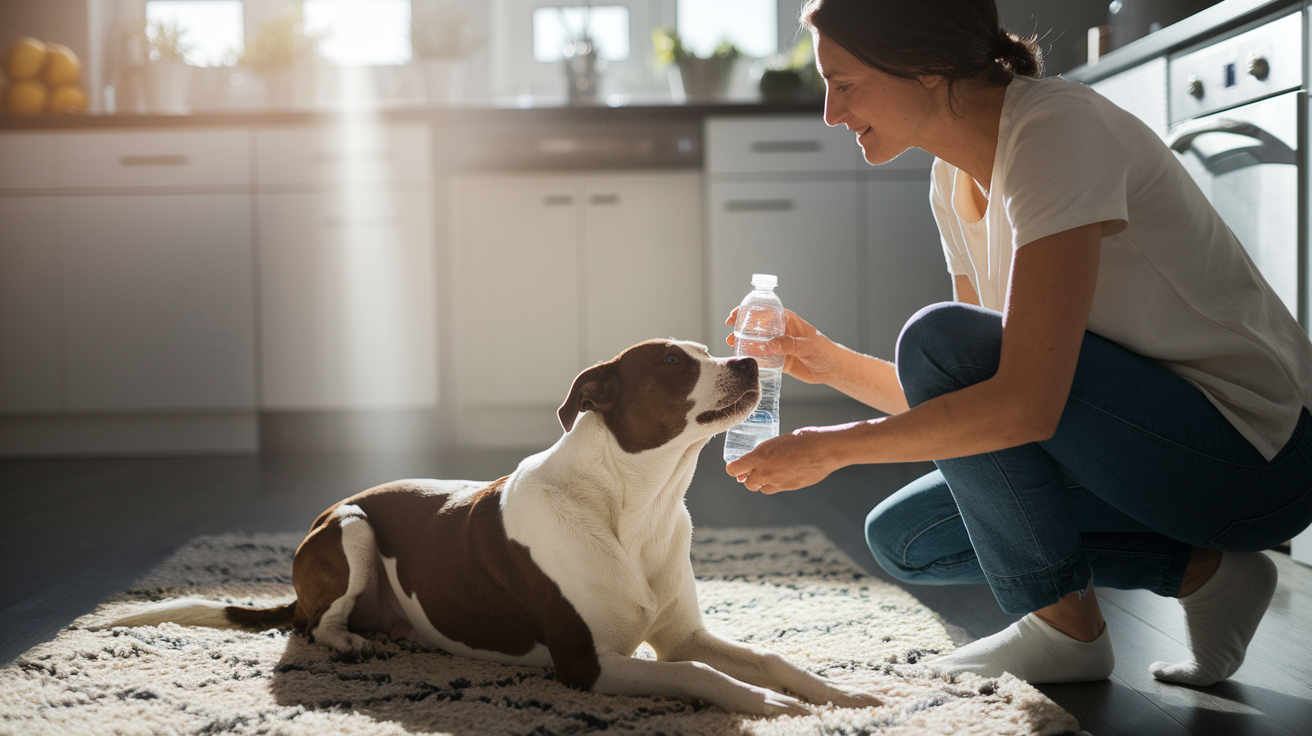
If your dog vomits yellow bile once in the morning but otherwise acts completely normal, energetic, and eager to eat, you can try conservative home care and monitor closely for 24 to 48 hours. Offer small amounts of fresh water throughout the day, a few tablespoons at a time every 30 minutes to an hour, rather than letting your dog gulp a large bowl all at once. Large volumes of water on an irritated stomach can trigger more vomiting. Watch to make sure your dog is keeping the water down and urinating normally.
For suspected bilious vomiting syndrome, don’t withhold food for long periods. The goal is to shorten the overnight fast, not extend it. If your dog vomits bile in the morning and seems fine otherwise, offer a small portion of their regular food or a bland meal within an hour or two and watch for any repeat vomiting. Many dogs feel better immediately after eating something to neutralize the bile. If vomiting continues, if your dog refuses food, or if any red flag signs appear, stop home care and contact your veterinarian.
Safe home care steps for mild cases:
- Offer small amounts of water frequently, a few tablespoons every 30 to 60 minutes, rather than free access to a full bowl
- Give a small portion of regular food or a bland meal within an hour or two of vomiting if your dog is interested and acting otherwise normal
- Monitor for repeated vomiting, refusal to eat or drink, lethargy, diarrhea, or any signs of pain or distress
- Keep a simple log of vomiting times, what the vomit looked like, and your dog’s behavior before and after each episode
- If vomiting stops and your dog stays normal for 24 to 48 hours, begin feeding schedule adjustments to prevent future episodes
Simple Bland Diet Options
A bland diet can help soothe an irritated stomach if you’re not sure whether bile reflux or mild gastritis is the cause. Boiled chicken and rice is the classic combination. Plain boneless skinless chicken breast boiled or baked with no seasoning, shredded, and mixed with plain white rice in roughly a one to two ratio (one part chicken to two parts rice). Cook the rice soft and sticky to make it easy to digest. Offer small portions, about one quarter to one half cup for small dogs and one half to one cup for medium to large dogs, every few hours rather than one large meal.
Transition back to your dog’s regular food gradually over three to five days by mixing increasing amounts of regular food into the bland diet. A bland diet is temporary supportive care, not a long term solution. If your dog needs to stay on a bland diet for more than a few days, or if vomiting returns when you reintroduce regular food, schedule a veterinary visit to identify the underlying cause and get a complete nutrition plan.
Feeding Schedules and Diet Adjustments to Prevent Morning Vomiting
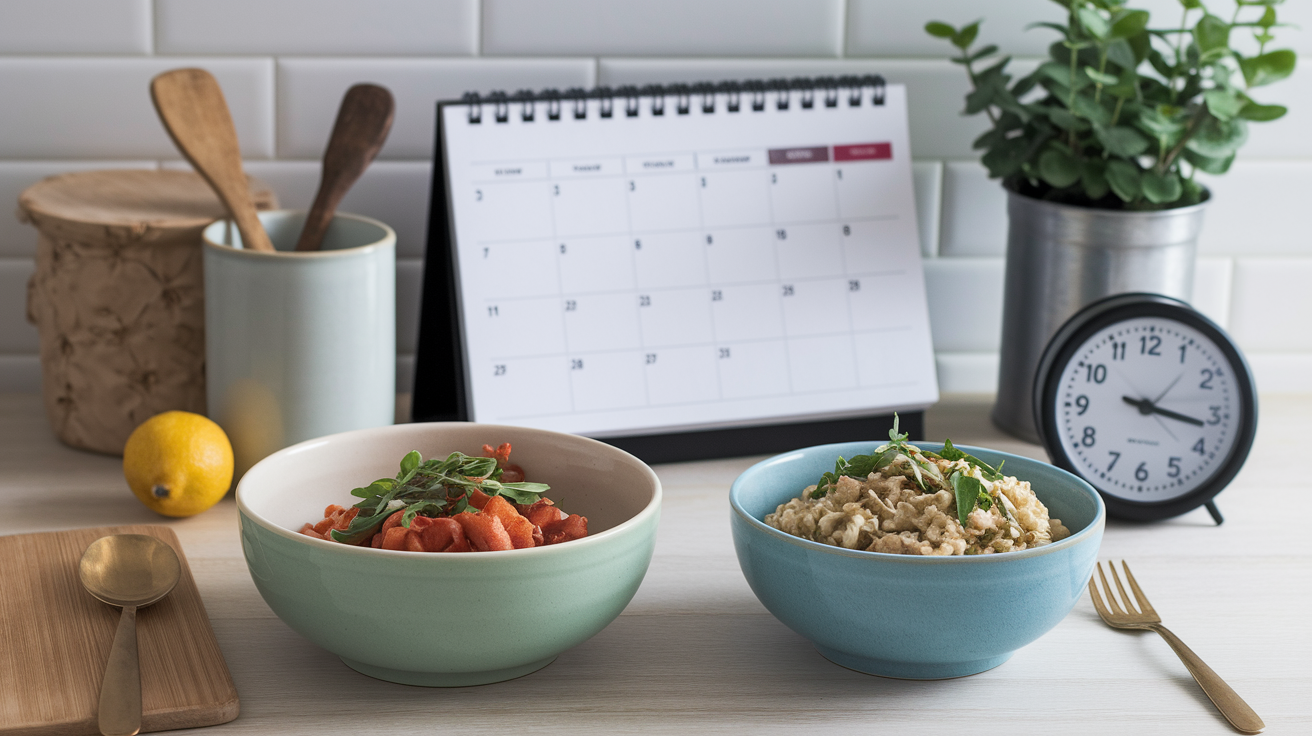
The simplest and most effective way to prevent bilious vomiting syndrome is to shorten the overnight fast by adjusting when and how often you feed. Instead of feeding once a day in the evening, split your dog’s total daily food into two meals, one in the morning and one in the evening. For dogs who still vomit on a twice daily schedule, try three smaller meals spread throughout the day. Morning, midday or early afternoon, and evening. Smaller, more frequent meals keep food in the stomach more consistently and reduce the chance of bile pooling overnight.
A late night snack given 30 to 60 minutes before bedtime is often enough to stop early morning bile vomiting completely. The snack doesn’t need to be large, just enough to keep the stomach from sitting totally empty for 10 or 12 hours. Adjust portion sizes carefully so you’re not overfeeding. The snack is part of your dog’s total daily calories, not extra. Gradual transitions are important. If you’re moving from one meal per day to two or three, make the change over several days to avoid digestive upset.
Practical feeding schedule examples to reduce overnight fasting:
- Split daily food into two equal meals, one in the morning and one in the evening, roughly 10 to 12 hours apart
- Divide daily food into three smaller meals. Morning, early afternoon, and evening to keep the stomach consistently occupied
- Add a small bedtime snack given 30 to 60 minutes before you go to sleep, using a portion taken from the daily total to avoid weight gain
- Use an automatic timed feeder to deliver a small early morning meal if you’re not awake when your dog’s stomach is emptiest
- For dogs on wet food, consider splitting meals into smaller portions and offering them more frequently throughout the day
- If your dog eats too quickly, use a slow feeder bowl or puzzle feeder to extend mealtime and reduce air swallowing and regurgitation
How to Implement a Late Night Snack Safely
Portion the snack from your dog’s total daily food allowance to keep calories consistent. For small dogs under 20 pounds, two to four tablespoons of kibble or a few spoonfuls of wet food is usually enough. Medium dogs between 20 and 50 pounds can have about one quarter to one third cup of kibble or an equivalent portion of wet food. Large dogs over 50 pounds may need one third to one half cup, depending on their size and activity level.
Give the snack 30 to 60 minutes before bedtime so your dog has time to digest and settle before sleeping. You can use your dog’s regular kibble, a small portion of wet food, or a plain low fat snack like a few pieces of boiled chicken or a tablespoon of plain pumpkin mixed with kibble. Avoid high fat treats or rich foods at bedtime because they can slow digestion and make nausea worse. Track your dog’s weight over a few weeks after adding the snack to make sure you’re not accidentally overfeeding.
Medication Options for Dogs Vomiting on an Empty Stomach (Vet Prescribed)
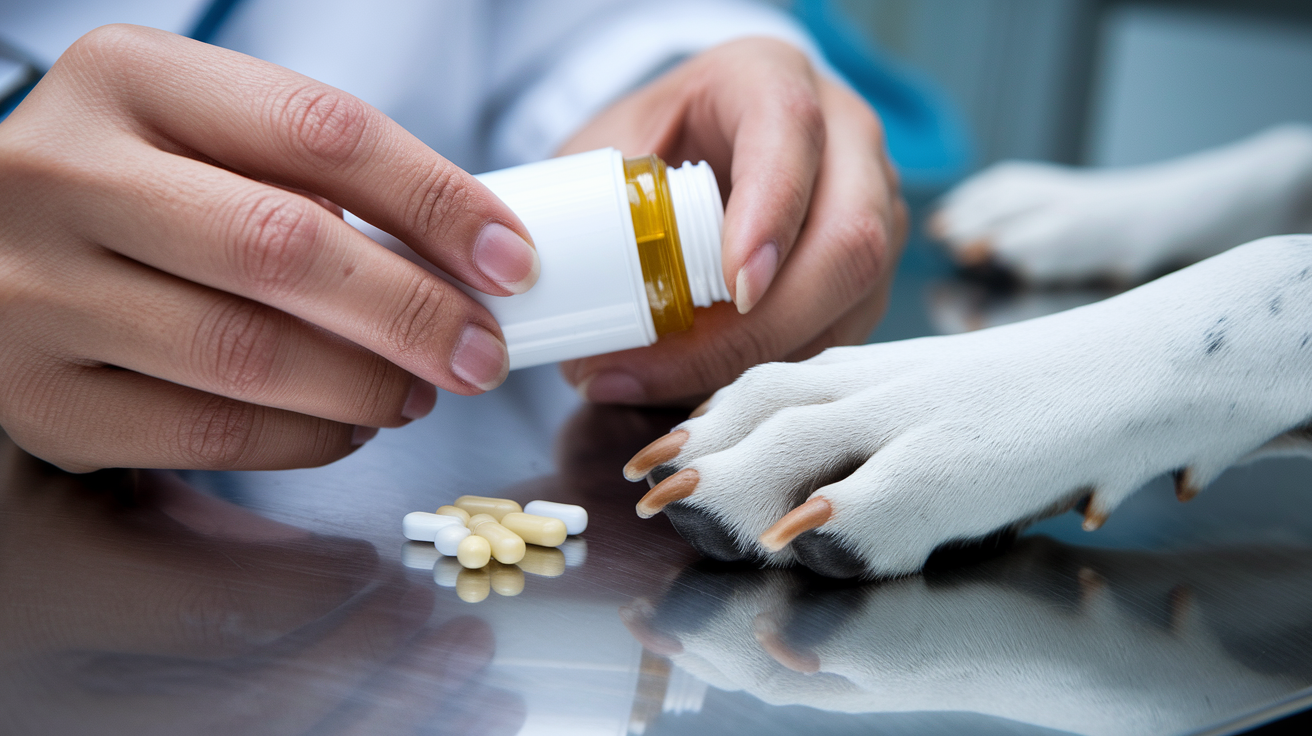
If feeding changes alone don’t stop the vomiting, your veterinarian may prescribe medication to reduce nausea, improve stomach motility, or decrease acid production. Prokinetic drugs such as metoclopramide or cisapride help the stomach empty faster and reduce the chance of bile reflux by improving the muscle contractions that move food through the digestive tract. Cisapride is sometimes given as a single bedtime dose to improve overnight motility and prevent morning bile vomiting.
Acid reducing medications are sometimes used, though they’re generally not the first choice for bilious vomiting syndrome because BVS is a motility problem, not an acid overproduction problem. H2 blockers such as famotidine or proton pump inhibitors such as omeprazole may help if your dog has gastritis or acid reflux alongside the bile issue. Antiemetic drugs such as maropitant can reduce nausea and vomiting directly, though they work best when combined with feeding changes and treatment of any underlying cause. All of these medications require veterinary prescription, proper dosing based on your dog’s weight and health status, and monitoring for side effects.
Medication categories veterinarians may prescribe:
- Prokinetic drugs, improve gastric motility and reduce bile reflux by speeding stomach emptying. Examples include metoclopramide and cisapride
- Acid reducers, decrease stomach acid production to reduce irritation. Includes H2 blockers like famotidine and proton pump inhibitors like omeprazole
- Antiemetics, control nausea and vomiting directly. Maropitant is a common veterinary option
- Mucosal protectants, coat and protect the stomach lining from bile and acid irritation. Sucralfate is sometimes used in cases of gastritis
Don’t give your dog any over the counter human medications without explicit veterinary guidance. Dosing, safety, and effectiveness vary significantly between humans and dogs, and some common human medications can be toxic to pets.
Preventing Recurring Dog Vomiting on an Empty Stomach Long Term
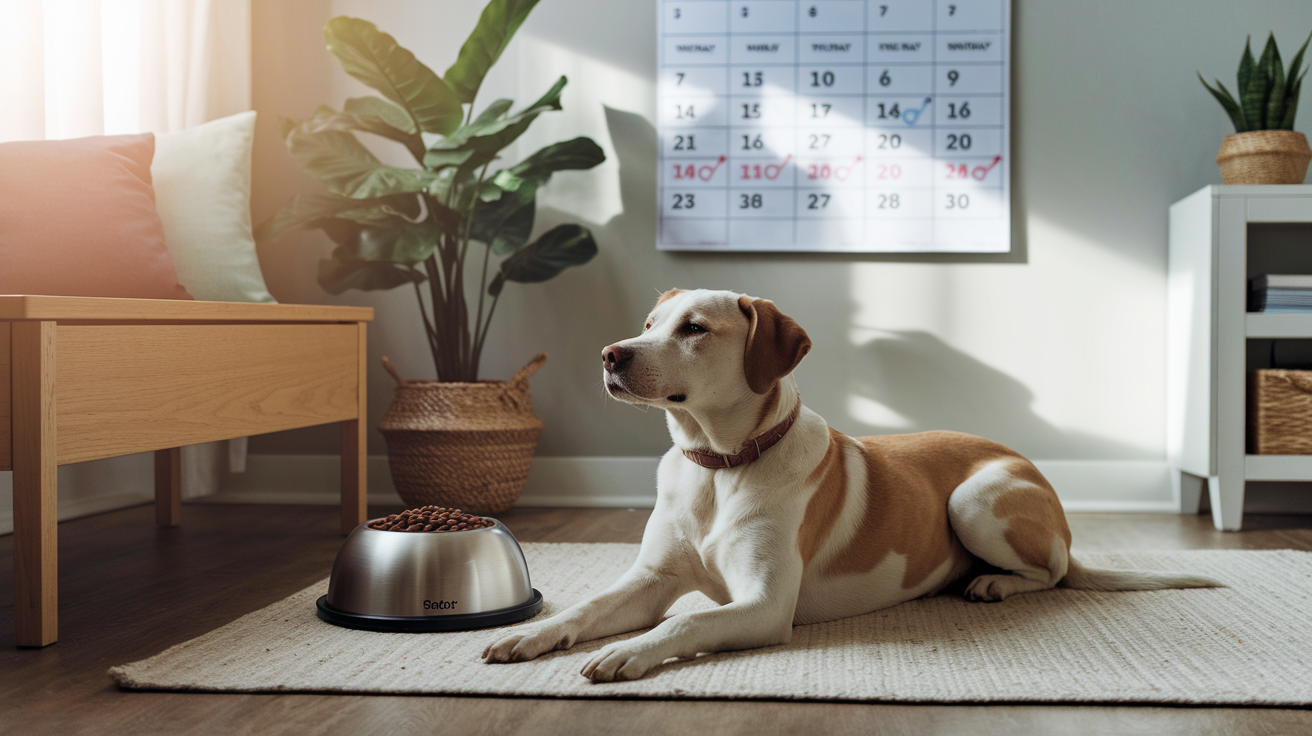
Long term prevention starts with maintaining a consistent feeding schedule that shortens overnight fasting. Once you find a schedule that works, whether that’s two meals a day plus a bedtime snack or three evenly spaced meals, stick with it. Dogs thrive on routine, and sudden changes in meal timing or portion size can trigger digestive upset even after the bilious vomiting syndrome is under control.
Dietary consistency matters just as much as timing. Avoid frequent food changes or random treats and table scraps that can irritate the stomach or slow motility. If you do need to change foods, transition slowly over seven to ten days by gradually mixing the new food into the old. Use a slow feeder bowl or puzzle feeder if your dog eats too quickly, because gulping food and swallowing air can contribute to nausea and regurgitation. Keep an eye on stress levels, too. Some dogs are more prone to nausea and vomiting when they’re anxious, whether from separation, changes in routine, or household tension.
Monitor your dog over weeks and months after implementing feeding changes. Keep a simple log of any vomiting episodes, what time they happened, what the vomit looked like, and any other symptoms or changes in behavior. If vomiting returns or increases in frequency, or if your dog starts showing other signs like weight loss, diarrhea, or decreased appetite, schedule a follow up veterinary visit to reassess and rule out new or worsening underlying issues.
Key lifestyle factors for long term management:
- Maintain a stable feeding schedule with consistent meal times and portion sizes every day
- Transition any diet changes gradually over at least one week to avoid digestive upset
- Use slow feeders or portion control to prevent gulping and air swallowing during meals
- Manage stress and anxiety triggers through routine, training, environmental enrichment, or veterinary guided behavior support if needed
Final Words
If your dog is vomiting on an empty stomach, this article went straight to why that happens — often bile reflux — and what yellow, foamy vomit typically looks like.
We reviewed simple home steps like small, frequent meals, a late-night snack, and a bland diet, plus what tests a vet may run and medication options when needed. Watch for red flags and call your vet if things get worse or don’t improve in 24 to 48 hours.
With a few feeding tweaks and a vet plan when needed, most cases improve. You’re doing the right thing.
FAQ
Q: What color is pancreatitis vomit in dogs?
A: The color of pancreatitis vomit in dogs is often yellow to brown, sometimes with streaks of blood or a coffee-ground look (digested blood). It’s an urgent sign—call your vet right away if you see it.
Q: What are the first signs of internal bleeding in dogs?
A: The first signs of internal bleeding in dogs are pale gums, weakness, rapid breathing, fast heartbeat, belly swelling, fainting, bloody or black stools, or vomiting blood—seek emergency vet care immediately.
Q: How do I prevent my dog from throwing up bile in the morning?
A: You can prevent morning bile vomiting by giving a small bedtime snack or splitting daily food into three to four small meals, avoiding long overnight fasting, and using an automatic feeder; see your vet if it persists.
Q: Why is my dog throwing up without eating anything?
A: If your dog’s throwing up without eating, it’s often bile reflux or stomach irritation from an empty stomach; other causes include gastritis, pancreatitis, toxins, or motion sickness. Monitor for 24–48 hours and call your vet for red flags.