

Is your dog throwing up yellow foam every morning?
That sticky, yellow or green stuff is often bile (a digestive fluid) that can irritate an empty stomach.
It’s a common reason for morning vomit, and for many dogs a few small changes can stop it.
In this post I’ll explain the usual causes, easy fixes you can try at home like adjusting feeding times, what to watch for, and the clear signs that mean you should call a vet.
Practical steps, no panic.
Understanding Why Dogs Vomit Bile in the Morning
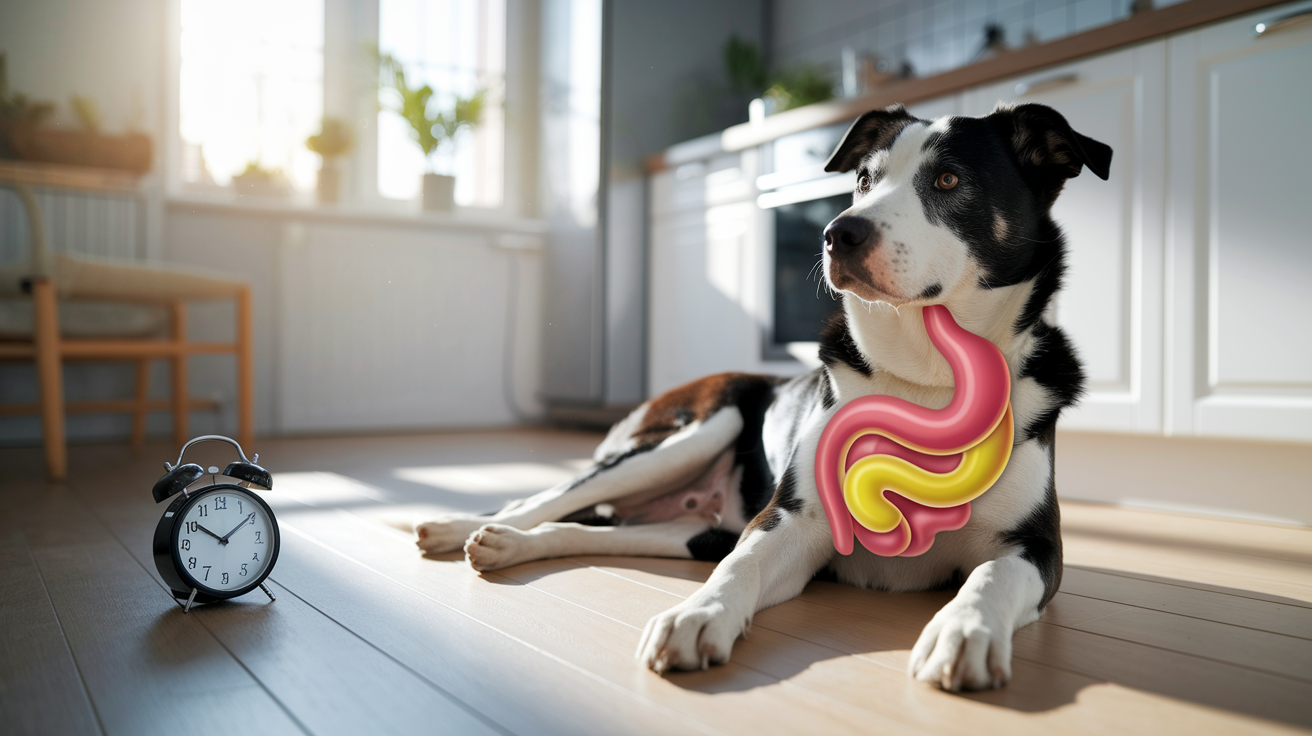
Bile is that greenish-yellow digestive fluid your dog’s liver makes and stores in the gallbladder. It’s there to break down fats once food hits the small intestine. But when your dog’s stomach sits empty for too long, bile can leak backward into the stomach and irritate the lining. Mix that with stomach acid, and you’ve got a recipe for morning vomit. Usually looks yellow, foamy, maybe slightly green. There’s not much of it.
This happens most often after an overnight fast. Most dogs eat dinner around 5 or 6 p.m., then don’t see breakfast until 7 or 8 a.m. the next day. That’s 12 to 14 hours without food. For some dogs, especially those with sensitive stomachs, that gap is too long. Bile builds up. Nausea kicks in. The condition behind this is called bilious vomiting syndrome, and it’s one of the most common reasons for yellow or green morning vomit in otherwise healthy dogs.
Other things can contribute too. Hunger pukes from extended fasting. Acid buildup in an empty stomach reacting with bile. A sensitive stomach that just doesn’t handle long gaps well. Mild irritation from something they ate the day before.
When bile vomiting happens occasionally, first thing in the morning, and your dog acts totally normal the rest of the day? It usually points to an empty stomach. Not a serious illness.
Other Possible Reasons for Morning Bile Vomiting
Some dogs vomit bile in the morning for reasons beyond simple hunger. Underlying health conditions or dietary factors can mess with normal digestion and cause bile to reflux into the stomach during fasting. If your dog’s vomiting bile more than once or twice a week, or showing other symptoms like diarrhea or low energy, the cause might be deeper than an empty stomach.
Food intolerances can inflame the stomach lining. Dietary indiscretion (eating something they shouldn’t) does the same. Abrupt diet changes trigger bile vomiting too. Parasites like roundworms or giardia irritate the intestines. Chronic GI conditions and metabolic imbalances may show up as morning vomit before you notice anything else.
Possible medical causes:
- Pancreatitis, which inflames the pancreas and disrupts fat digestion
- Inflammatory bowel disease (IBD), chronic inflammation of the intestinal lining
- Intestinal parasites that mess with GI tract motility
- Liver disease or gallbladder dysfunction affecting bile flow
- Food allergies or intolerances to specific proteins
Warning Signs That Require Immediate Veterinary Care
Most dogs who vomit bile once in the morning and then eat, play, and act like themselves? You can monitor at home. But certain warning signs mean something more serious is going on. If your dog vomits multiple times in 24 hours, if the vomit contains blood or looks dark like coffee grounds, or if your dog collapses, refuses water, or seems unresponsive, get to a vet right away.
Dehydration, severe abdominal pain, and rapid decline in energy are red flags. Pale or white gums. A distended or hard belly. Difficulty breathing. High fever above 103°F (39.4°C). All of these indicate a medical emergency. Puppies, senior dogs, and dogs with pre-existing conditions can go downhill fast.
Emergency symptoms:
- Vomiting more than twice in 12 hours or continuous vomiting for over 24 hours
- Blood in vomit or dark, coffee-ground material
- Severe lethargy, collapse, or inability to stand
- Diarrhea combined with vomiting and refusal to drink
- Pale, sticky, or white gums (sign of shock or severe dehydration)
- Abdominal bloating, extreme pain when you gently touch the belly, or difficulty breathing
Immediate Steps Owners Can Take at Home
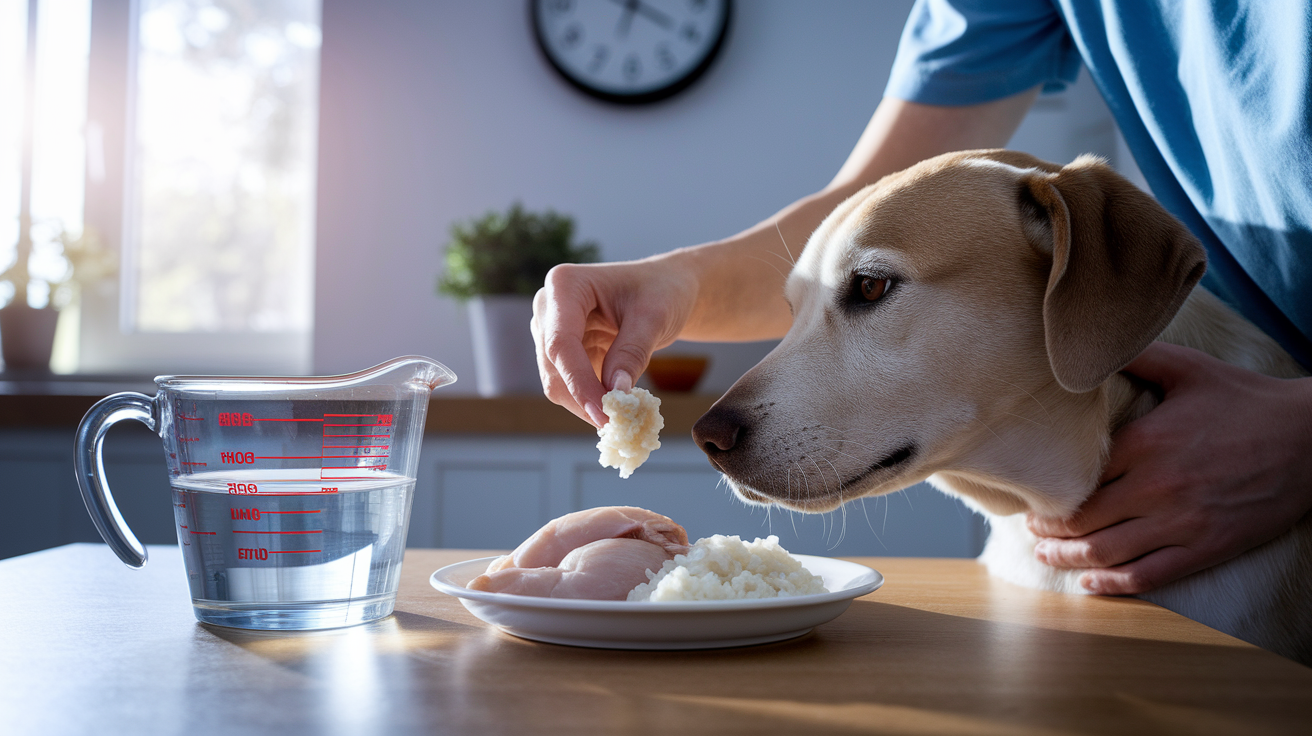
If your dog vomits bile once in the morning but seems fine otherwise, withhold food for 4 to 6 hours. Let the stomach settle. After that window, offer a small, bland meal. Boiled chicken (no skin, no seasoning) and plain white rice works well. Start with a few tablespoons for small dogs, up to half a cup for larger dogs. Watch for any repeat vomiting.
Offer water in small amounts every 10 to 15 minutes instead of letting your dog gulp a full bowl. Large amounts of water on an irritated stomach can trigger more vomiting. If your dog keeps water down for a few hours, you can gradually return to normal water access.
Monitor activity, appetite, and bathroom habits for the next 24 hours. If they eat the bland meal, keep water down, have normal energy, and don’t vomit again, you can slowly reintroduce their regular food over the next 2 to 3 days by mixing it with the bland diet.
Feeding Schedule Adjustments to Prevent Morning Bile Vomiting
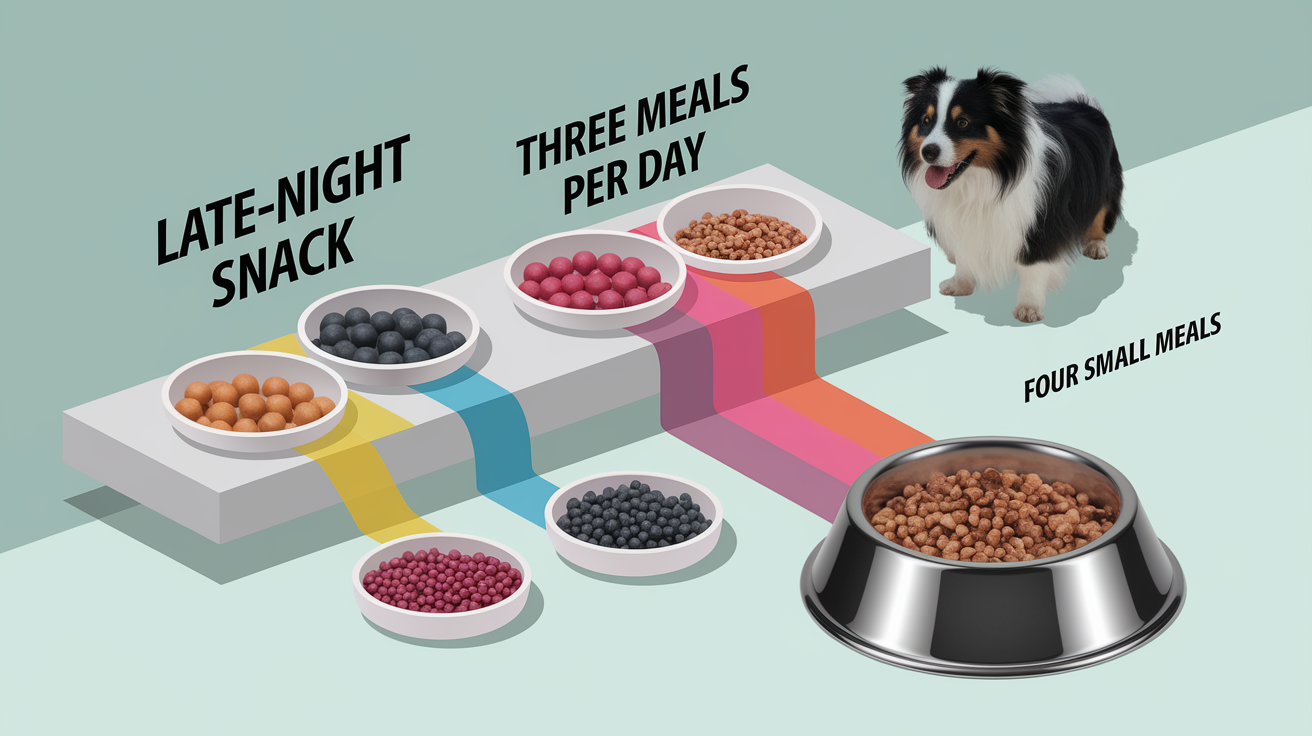
The simplest way to reduce morning bile vomiting? Shorten the overnight fasting window. Adding a small meal or snack 1 to 2 hours before bedtime keeps the stomach from staying empty for 12-plus hours. For a dog who normally eats 1 cup of food twice a day, offer about ¼ to ⅓ cup as a late-night snack, around 9 or 10 p.m.
Splitting the daily food into three or four smaller meals throughout the day also helps. Smaller, more frequent portions keep bile flowing through the intestines instead of pooling in the stomach. Automatic feeders can dispense a timed portion in the middle of the night or early morning if you’re not awake.
| Feeding Method | How It Helps | Best For |
|---|---|---|
| Late-night snack (¼ to ⅓ normal meal) | Reduces overnight fasting gap to under 10 hours | Dogs with occasional morning bile vomiting |
| Three meals per day (split daily total evenly) | Keeps stomach from being empty for long stretches | Medium to large dogs with sensitive stomachs |
| Four small meals per day | Minimizes bile accumulation and acid buildup | Small dogs, puppies, and dogs with chronic bilious vomiting |
Dietary Modifications That Can Reduce Bile Vomiting
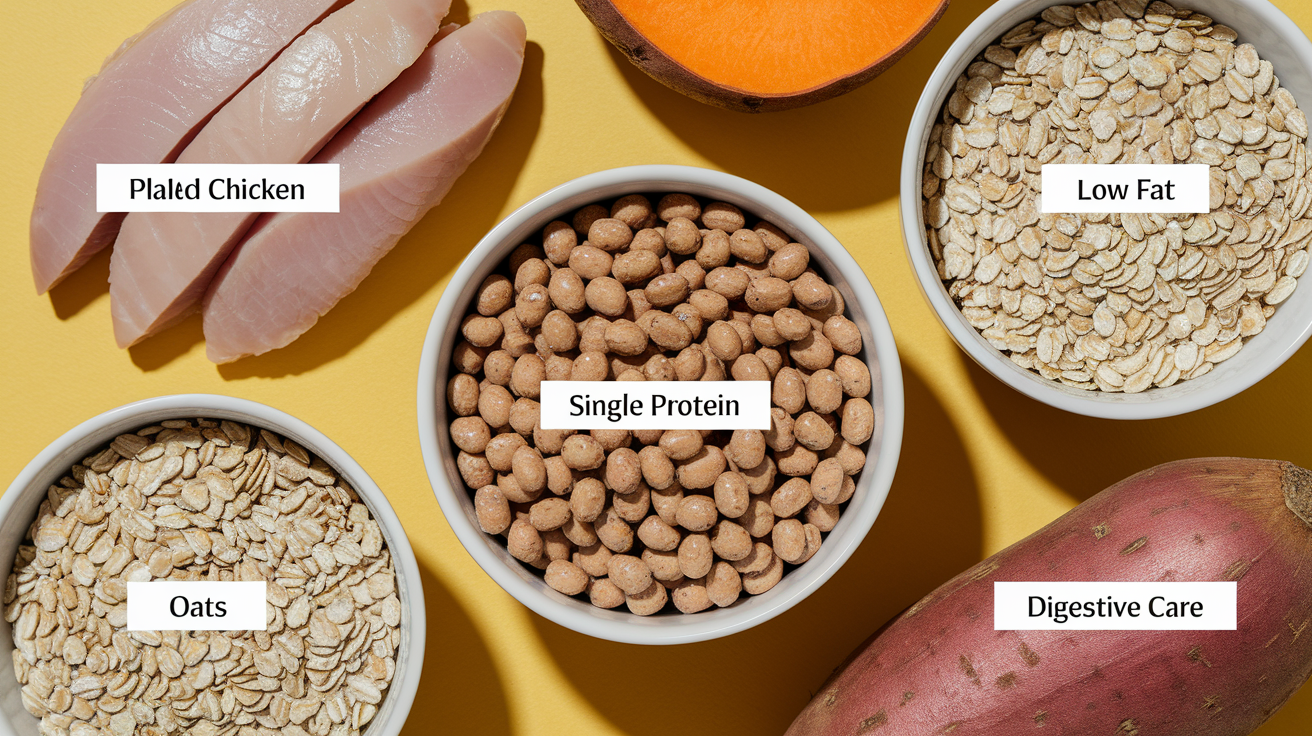
Low-fat, highly digestible foods are easier on the stomach and reduce the chance of bile reflux. Look for commercial dog foods labeled “sensitive stomach” or “digestive care.” These formulas usually feature a single protein source, like chicken or fish, and skip common irritants like corn, soy, and wheat.
High-fat meals or fatty table scraps can slow digestion and increase bile production. If your dog vomits bile regularly, skip the bacon, cheese, or greasy leftovers. Stick to lean proteins and easily digestible carbs like rice, oatmeal, or sweet potato. Consistency matters. Sudden diet changes can upset the stomach and trigger more bile vomiting.
When switching foods, do it gradually over 7 to 10 days. Start by mixing 25% of the new food with 75% of the old food for a few days, then move to a 50/50 mix, then 75% new and 25% old, and finally 100% new food. A slow transition gives your dog’s digestive system time to adjust without extra irritation.
Distinguishing Normal Bile Vomiting From Chronic or Serious Conditions
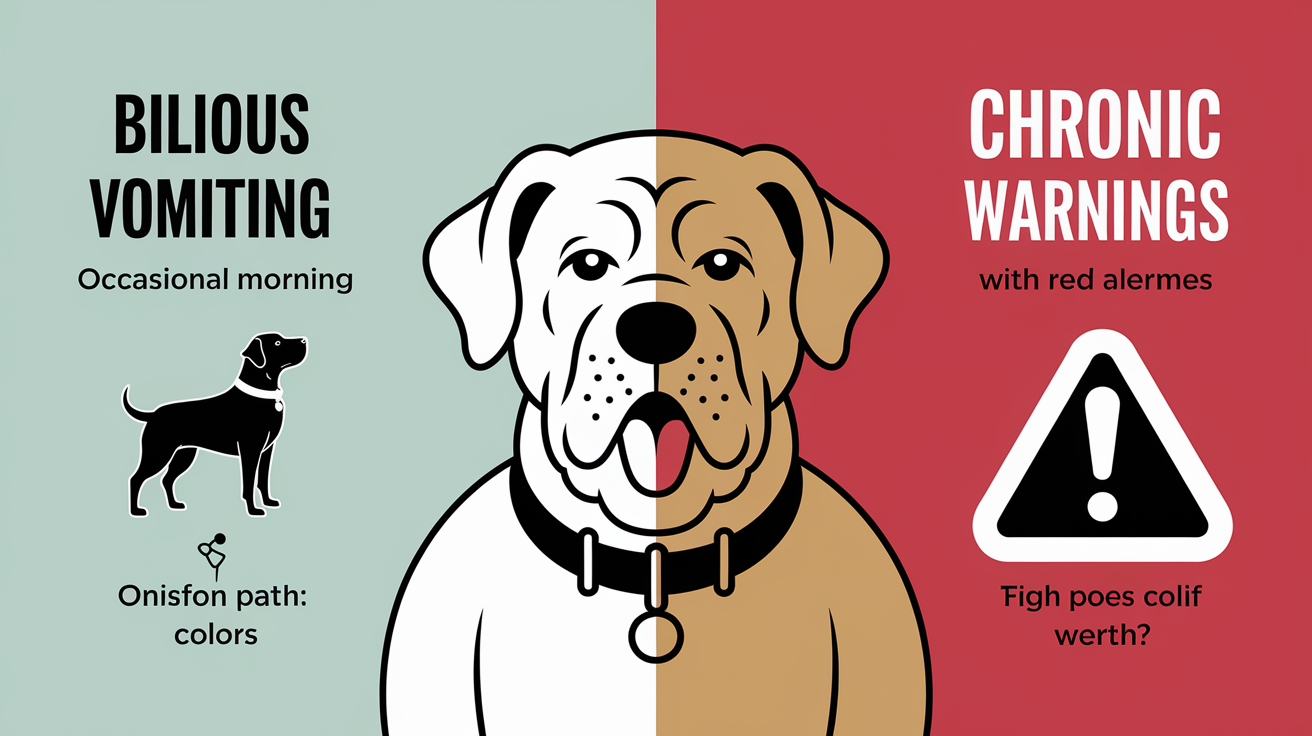
Occasional bile vomiting, once every few weeks or after a missed meal, usually isn’t a cause for alarm. If your dog vomits bile once in the morning but eats breakfast, plays normally, and has regular bowel movements, that’s a pattern consistent with bilious vomiting syndrome. When it happens more than once or twice a week, lasts for weeks or months, or comes with other symptoms like weight loss, diarrhea, or appetite changes, it may point to a chronic condition.
Chronic bile vomiting can be a symptom of inflammatory bowel disease, pancreatitis, liver disease, or metabolic disorders like Addison’s disease. These conditions don’t resolve with feeding schedule changes alone. They need veterinary diagnostics and prescription treatment.
Watch for these patterns that suggest something more serious:
- Bile vomiting happening multiple mornings per week for several weeks
- Vomiting that starts to occur at other times of day, not just mornings
- Weight loss, decreased appetite, or changes in stool consistency
- Lethargy, reluctance to move, or signs of abdominal discomfort
When to Schedule a Veterinary Visit for Bile Vomiting
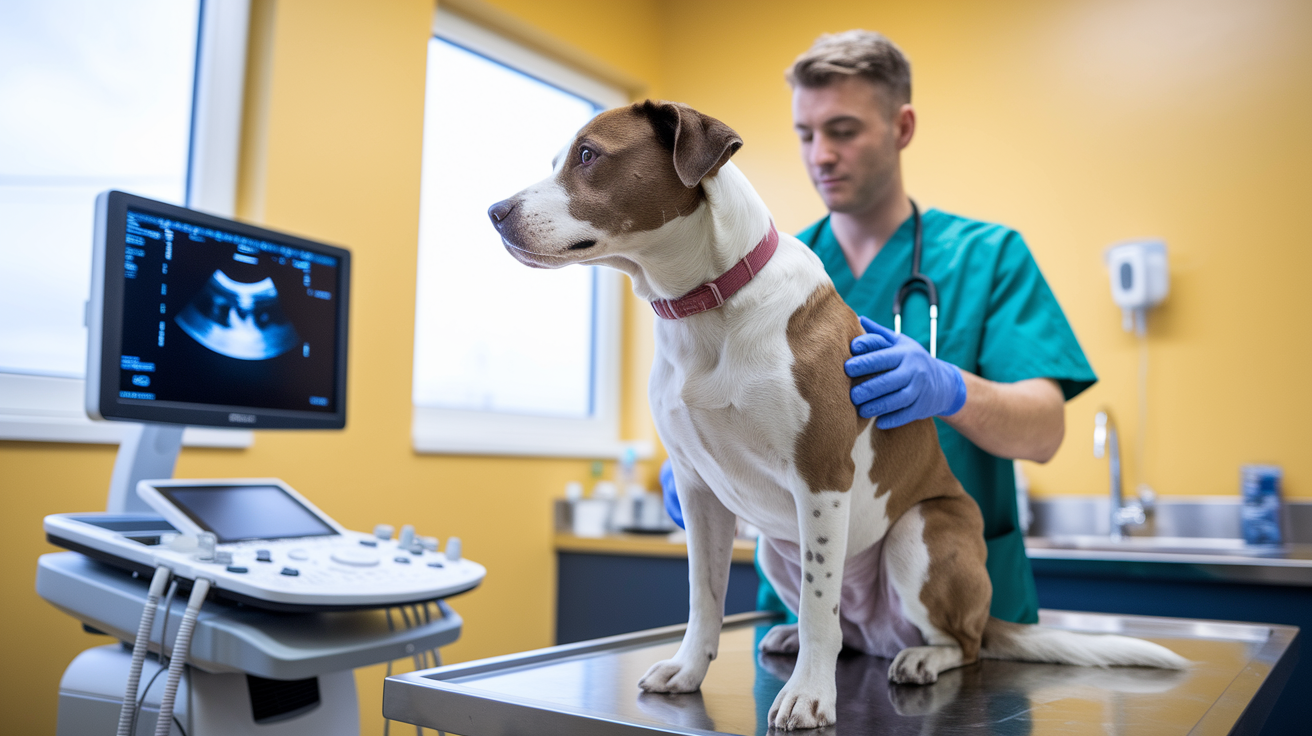
If your dog vomits bile more than twice a week for two weeks in a row, schedule a vet visit even if they seem otherwise healthy. Persistent bile vomiting can irritate and damage the esophagus over time, and it may be masking an underlying issue that’s easier to treat early. Bring notes about when the vomiting happens, how often, what the vomit looks like, and any recent diet or routine changes.
A veterinarian will start with a physical exam and may recommend bloodwork to check liver function, pancreas enzymes, and overall metabolism. Fecal tests can rule out parasites. X-rays or ultrasound may be needed if your vet suspects a blockage, mass, or organ abnormality. Early diagnosis helps catch problems like pancreatitis, IBD, or food allergies before they become harder to manage.
Final Words
You saw why bile can appear after a long fast, how bilious vomiting syndrome often causes morning upsets, and what other issues can look similar.
You also got a short how-to: small bland meals, shift feeding times, and watch water and activity. We covered warning signs that need a vet and simple home steps you can try safely.
If you notice repeated or worsening symptoms, don’t wait—call your vet. With a few routine changes, many cases of dog vomiting bile in morning get much better.
FAQ
Q: Why does my dog vomit yellow bile in the morning?
A: Dogs vomit yellow bile in the morning because an empty stomach lets bile (digestive fluid) irritate the stomach lining after overnight fasting, a common cause that often improves with feeding changes.
Q: What is bilious vomiting syndrome?
A: Bilious vomiting syndrome is when dogs vomit bile, usually in the morning, due to stomach irritation from bile on an empty stomach; it’s common and often responds to small late-night snacks or meal timing changes.
Q: When is morning bile vomiting normal and when should I worry?
A: Morning bile vomiting is often normal if it’s occasional and your dog seems fine; worry and call a vet for repeated episodes, blood, severe lethargy, dehydration, collapse, or vomiting lasting over 24 to 48 hours.
Q: What other medical causes can make my dog vomit bile in the morning?
A: Other causes of morning bile vomiting include pancreatitis, gastrointestinal inflammation, parasites, liver disease, or food intolerances; these usually come with pain, diarrhea, or appetite and behavior changes.
Q: What are emergency signs that mean I should call the vet right away?
A: Emergency signs that need immediate vet care include repeated vomiting, blood in vomit, severe lethargy, pale gums, collapse, seizures, or inability to keep water down.
Q: What safe steps can I take at home if my dog vomits bile?
A: If your dog vomits bile, offer small sips of water, give a tiny bland meal after two to four hours if stable, avoid overnight fasting, and watch closely for 24 hours for worsening signs.
Q: How should I adjust my dog’s feeding schedule to prevent morning bile vomiting?
A: Adjust feeding by adding a small late-night snack, switching to smaller frequent meals, or offering a late-evening kibble portion to reduce empty-stomach time and often stop morning bile vomiting.
Q: What diet changes help reduce bile vomiting?
A: Diet changes that help include easy-to-digest proteins, lower fat meals, limited-ingredient diets, and slow transitions over about a week to avoid sudden stomach upset.
Q: How can I tell chronic bile vomiting from occasional episodes?
A: Chronic bile vomiting shows regular morning vomiting, weight loss, poor appetite, or ongoing diarrhea; occasional episodes that stop with a meal are less likely to indicate chronic disease.
Q: When should I schedule a veterinary visit and what tests might they run?
A: Schedule a vet visit if vomiting repeats over several days or other signs appear; vets may run bloodwork, fecal tests, abdominal imaging, and discuss diet or further GI testing.