

Is your dog throwing up a one-off mess or a sign you should race to the clinic?
Vomiting can be as harmless as eating too fast or as serious as a blockage or toxin exposure.
This guide breaks down common causes, clear red flags, simple first steps you can try at home, and when to call your vet.
You’ll learn what to watch for right now—colors, timing, energy level—and what details to bring to the visit so your vet can help faster.
What To Do First When You See Your Dog Throwing Up
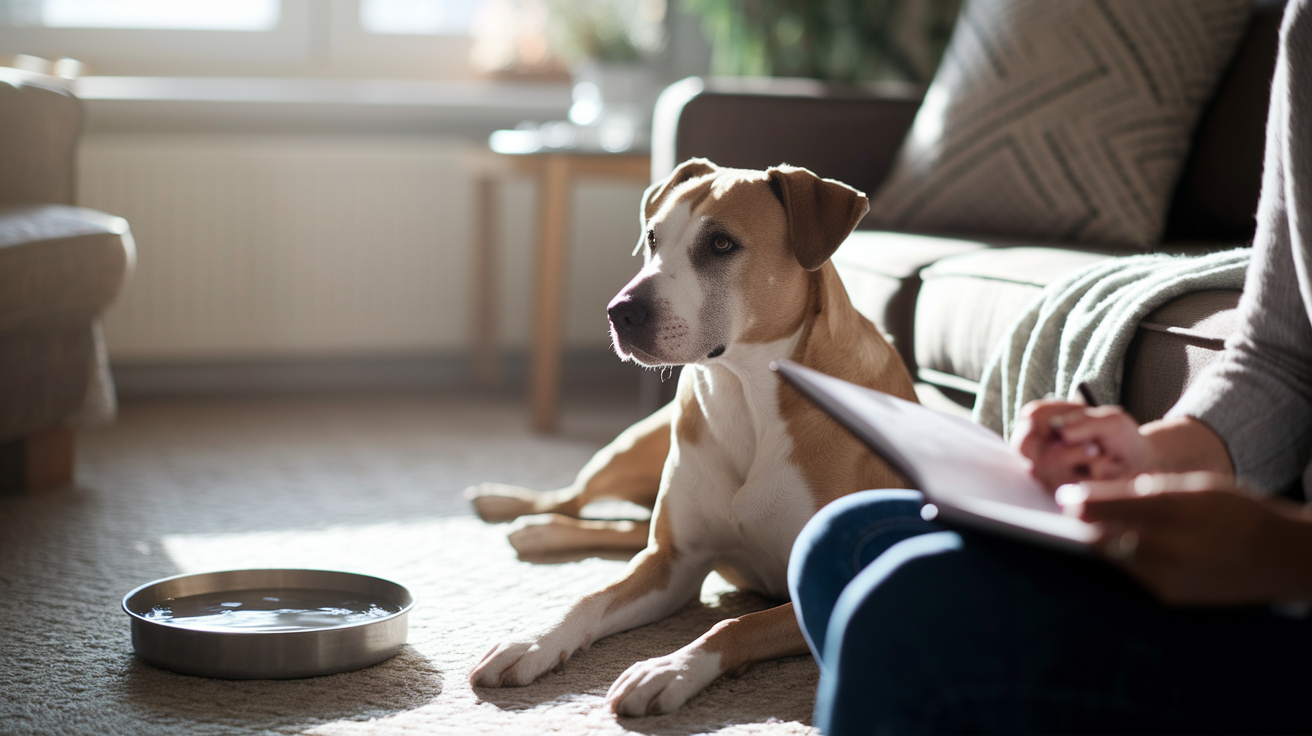
Vomiting happens when your dog actively pushes out stomach contents through retching and belly contractions, usually with drooling and obvious nausea first. You might see bile that’s yellow or greenish, white foam, brown stuff, or food that’s partly digested. A single episode doesn’t always scream emergency, but paying attention to what you’re seeing right now helps you figure out what comes next.
If your dog throws up once and otherwise seems fine—still eating, drinking, playing around, no clear pain—you can usually watch at home for the next day. Dogs sometimes vomit because they ate too fast, licked up something weird outside, or their stomach was empty all morning. As long as your dog keeps acting normal, careful observation is a safe first move.
Some visuals need immediate vet attention. Bright red blood, a dark texture that looks like coffee grounds, or brown vomit that looks or smells like poop means you contact your vet or an emergency clinic right away. Vomiting over and over within a few hours, a bloated or painful belly, can’t keep water down, or a dog who seems weak and out of it are also urgent signals.
First steps to take:
- Write down what the vomit looks like—color, texture, any food or foreign stuff—and when it happened.
- Hold off on food for a few hours so the stomach can settle. Offer only small sips of water or ice cubes.
- Check gum moisture and how alert your dog is. Sticky gums or lethargy can mean dehydration.
- Think back over the last day: new food, access to trash, medications, plants, or anything unusual your dog might’ve eaten.
- Track how many times vomiting happens and whether your dog keeps water down between episodes.
Common Causes Behind a Dog Throwing Up
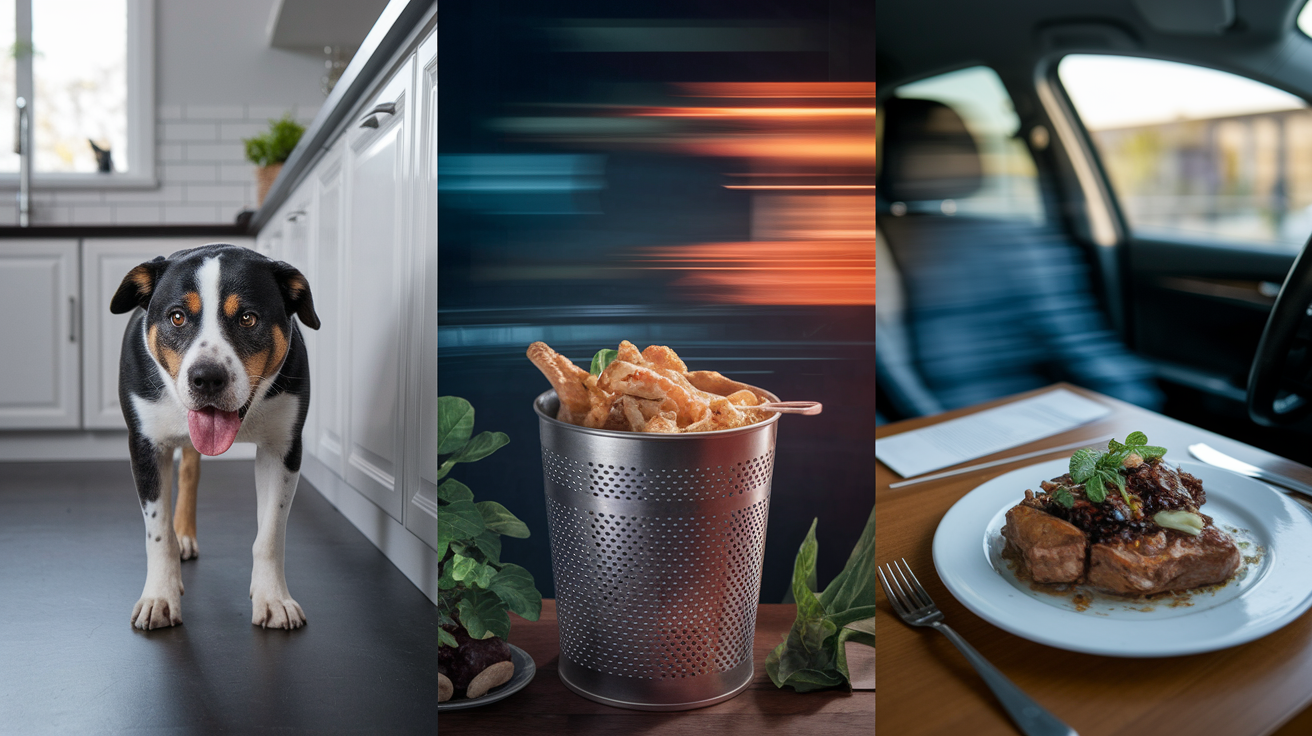
Lots of mild vomiting episodes come from everyday mishaps. Dogs eat too fast and their stomachs push back, they get into the trash and sample spoiled leftovers, or you switch kibble brands overnight without easing them into it. An empty stomach overnight can trigger yellow bile vomit in the morning, especially in dogs who go long stretches between meals. Motion sickness on car rides and stress from changes at home can upset sensitive stomachs too.
Medical causes range from infections and parasites to serious organ problems. Parvovirus hits unvaccinated puppies hard with severe vomiting and bloody diarrhea. Giardia and intestinal worms irritate the gut lining. Pancreatitis, an inflamed pancreas often triggered by fatty foods, causes intense nausea and belly pain. Kidney or liver disease, inflammatory bowel disease, and certain medications like antibiotics or pain relievers can all lead to chronic vomiting. Toxin ingestion—chocolate, xylitol, household cleaners, plants—and intestinal blockages from toys, bones, or fabric are emergencies that need immediate intervention.
10 numbered causes with explanations:
- Eating too fast or overeating — gulping food overwhelms the stomach, triggering a quick expulsion of undigested kibble.
- Dietary indiscretion (garbage gut) — spoiled food, trash, foreign objects, or feces can irritate the stomach and intestines.
- Food sensitivities or allergies — proteins or ingredients your dog can’t handle cause ongoing inflammation and vomiting.
- Sudden diet change — switching food abruptly messes with gut bacteria and digestive enzymes.
- Gastrointestinal infections — parvovirus, giardia, salmonella, and other bugs inflame the gut.
- Chronic diseases — pancreatitis, inflammatory bowel disease, liver disease, kidney disease, and Addison’s disease all trigger vomiting.
- Toxins or foreign objects — chocolate, xylitol, household chemicals, socks, and toys can poison or obstruct.
- Acid reflux or bilious vomiting syndrome — bile irritates an empty stomach, especially after long fasts.
- Motion sickness or stress — car rides and anxiety upset sensitive stomachs.
- Medication side effects — antibiotics, NSAIDs, and some dewormers can cause nausea and vomiting.
How To Tell Vomiting From Regurgitation in Dogs
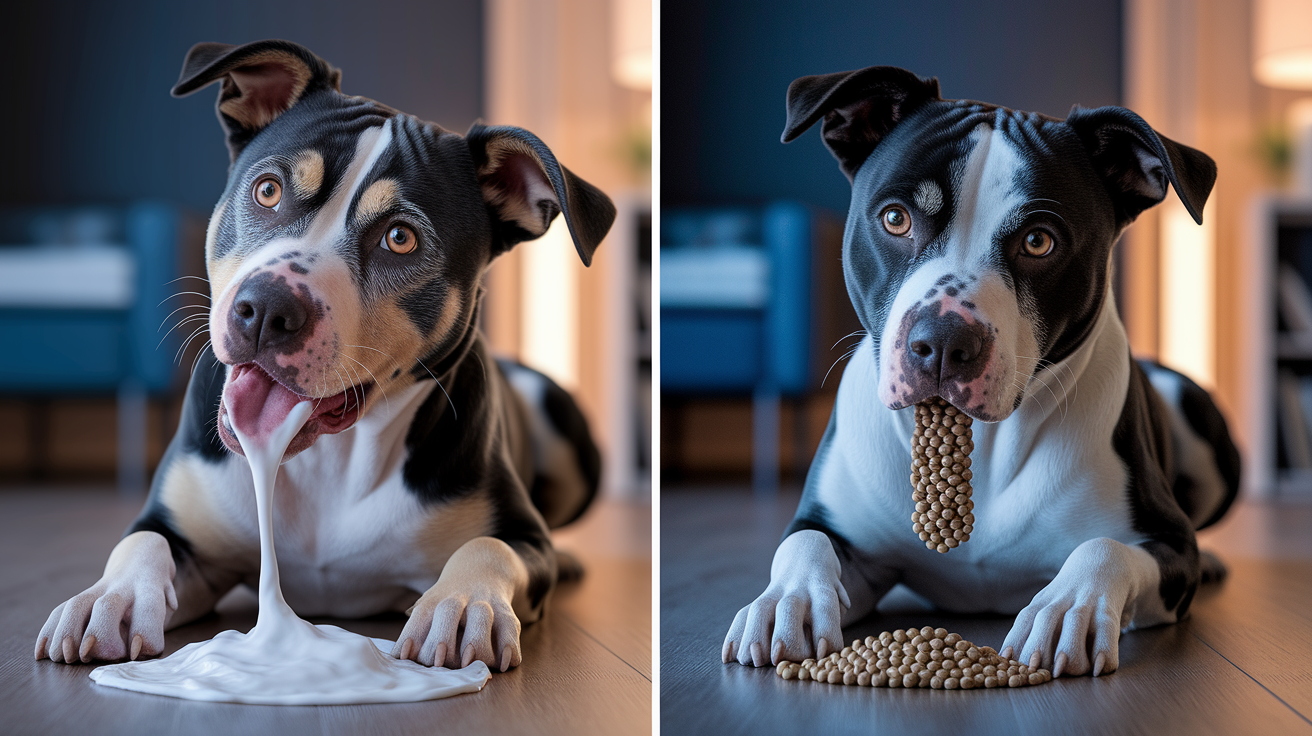
Vomiting is an active thing. Your dog will drool, lick their lips, hunch their back, and heave with visible belly contractions before pushing out stomach contents. What comes up is usually partly digested, mixed with bile or foam, and might smell sour. You’ll often see other illness signs—lethargy, loss of appetite, or diarrhea—alongside vomiting.
Regurgitation is passive and looks totally different. Food comes back up soon after eating, often in a tubular shape that matches the esophagus, with no retching or heaving beforehand. The material is undigested and might still look like kibble. If your dog regurgitates over and over, especially right after meals, it can point to esophageal problems like megaesophagus, a condition where the esophagus doesn’t move food into the stomach properly.
Why Distinguishing Them Matters
Knowing whether your dog’s vomiting or regurgitating helps your vet narrow down the cause. Vomiting points to stomach, intestinal, or system-wide issues—infections, toxins, organ disease. Regurgitation suggests esophageal or swallowing problems that need different diagnostics, like chest X-rays or specialized contrast studies. Treatment paths split sharply, so describing what you’re seeing accurately at the vet visit saves time and guides the right tests from the start.
Interpreting Dog Vomit Colors and What They Mean
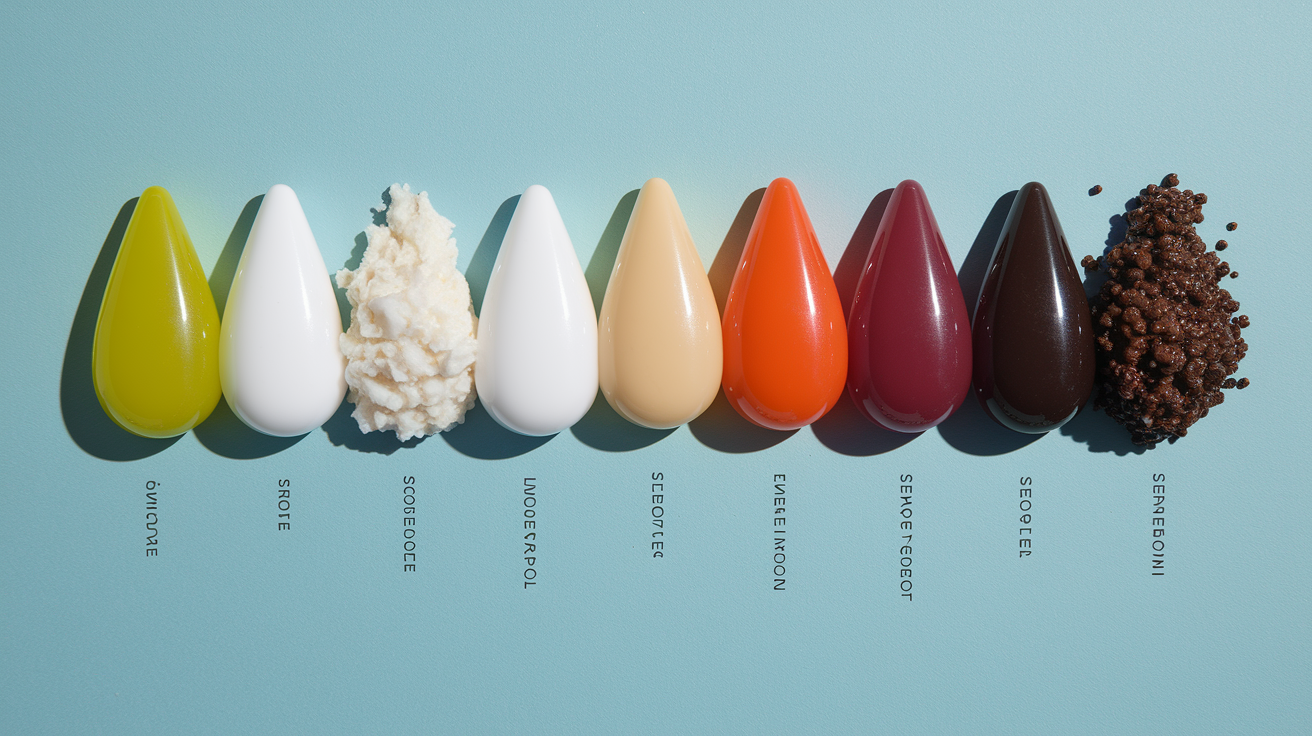
The color and texture of vomit offer clues about what’s happening inside your dog’s digestive system and how urgently you need to act. Yellow or greenish vomit usually means bile from an empty stomach or repeated vomiting that’s cleared out food. White foam can signal acid reflux or, if paired with a bloated belly, life-threatening bloat. Clear or slimy liquid often follows drinking water too quickly. Mucusy, moldy-looking vomit suggests spoiled food, parasites, or contaminated water. Bright red blood, dark coffee-ground material, or brown vomit that looks or smells like feces are all emergencies needing immediate vet care.
| Color | Likely Meaning | Urgency |
|---|---|---|
| Yellow or green (bile) | Empty stomach or repeated vomiting clearing food | Low if single episode; monitor closely |
| White or foamy | Acid reflux; with bloating may indicate GDV (bloat) | Low alone; emergency if abdomen distended |
| Clear or slimy liquid | Drinking water too quickly | Low if isolated; watch hydration |
| Mucusy, moldy, or foul-smelling | Spoiled food, parasites, contaminated water | Moderate; contact vet if continues |
| Bright red blood or gelatinous red | Active bleeding in stomach or upper GI tract | Emergency—contact vet immediately |
| Dark brown or coffee-ground texture | Digested blood or feces; possible obstruction | Emergency—contact vet immediately |
| Grass or plant material | Dog ate grass when feeling unwell | Low if single episode; vet if excessive |
When Dog Vomiting Requires Immediate Veterinary Attention
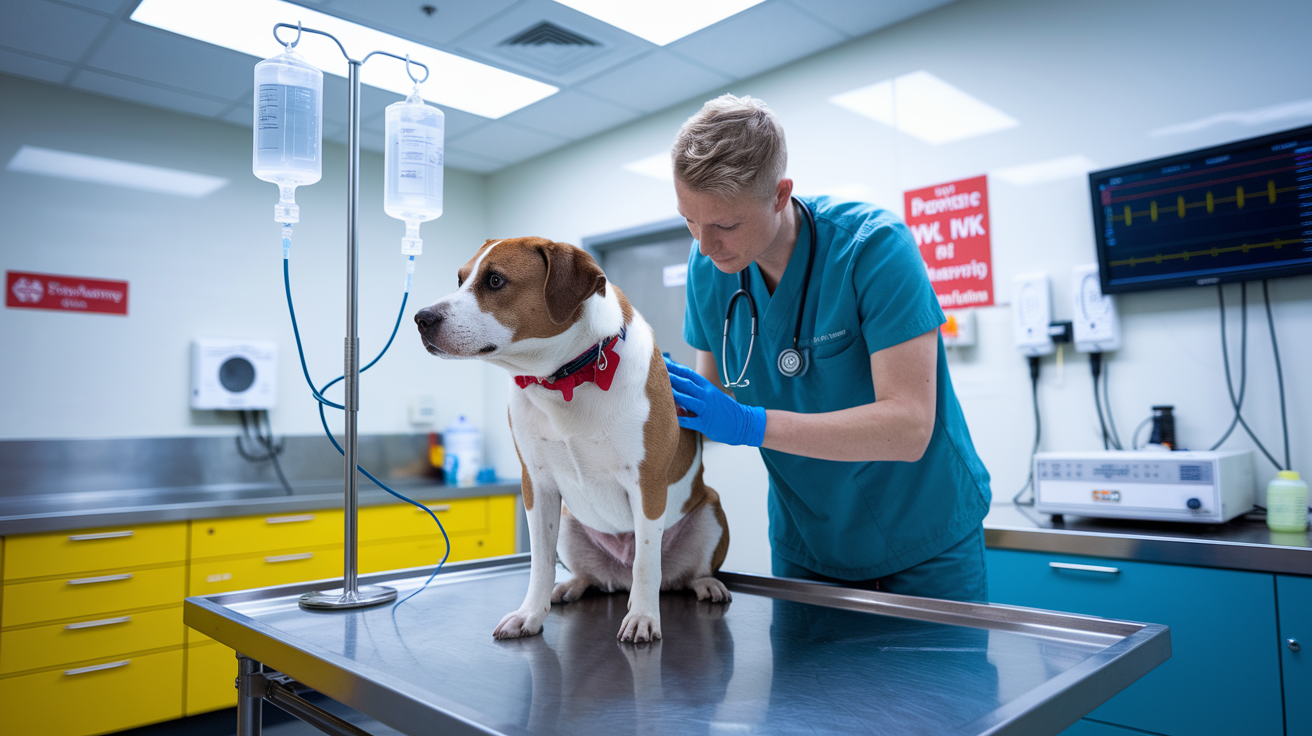
If your dog vomits more than once in a day, or if vomiting repeats over several days, contact your vet sooner rather than later. Repeated episodes signal that the stomach isn’t settling on its own and underlying issues need professional assessment. Dogs who can’t keep water down for more than a few hours risk dehydration quickly, especially small dogs and puppies.
Some situations are true emergencies and need immediate care, not a wait-and-see approach. A bloated, distended belly paired with retching but no vomit can mean gastric dilatation-volvulus (GDV or bloat), a life-threatening condition where the stomach twists and cuts off blood flow. Any vomit containing blood—bright red, gelatinous clots, or dark coffee-ground material—or brown vomit that looks or smells like feces needs urgent vet attention. Suspected toxin ingestion, foreign object swallowing, severe belly pain, collapse, or disorientation also demand emergency care.
Red-flag signs needing immediate vet care:
- Blood in vomit (bright red, gelatinous, or coffee-ground appearance)
- Brown vomit that looks or smells like feces
- Continuous vomiting or retching with no material produced
- Bloated, distended, or visibly painful belly
- Dehydration signs (sunken eyes, sticky gums, skin that doesn’t snap back when pinched)
- Severe lethargy, weakness, collapse, or disorientation
- Known or suspected ingestion of toxins, medications, or foreign objects
Home Care Steps for Mild Cases of a Dog Throwing Up
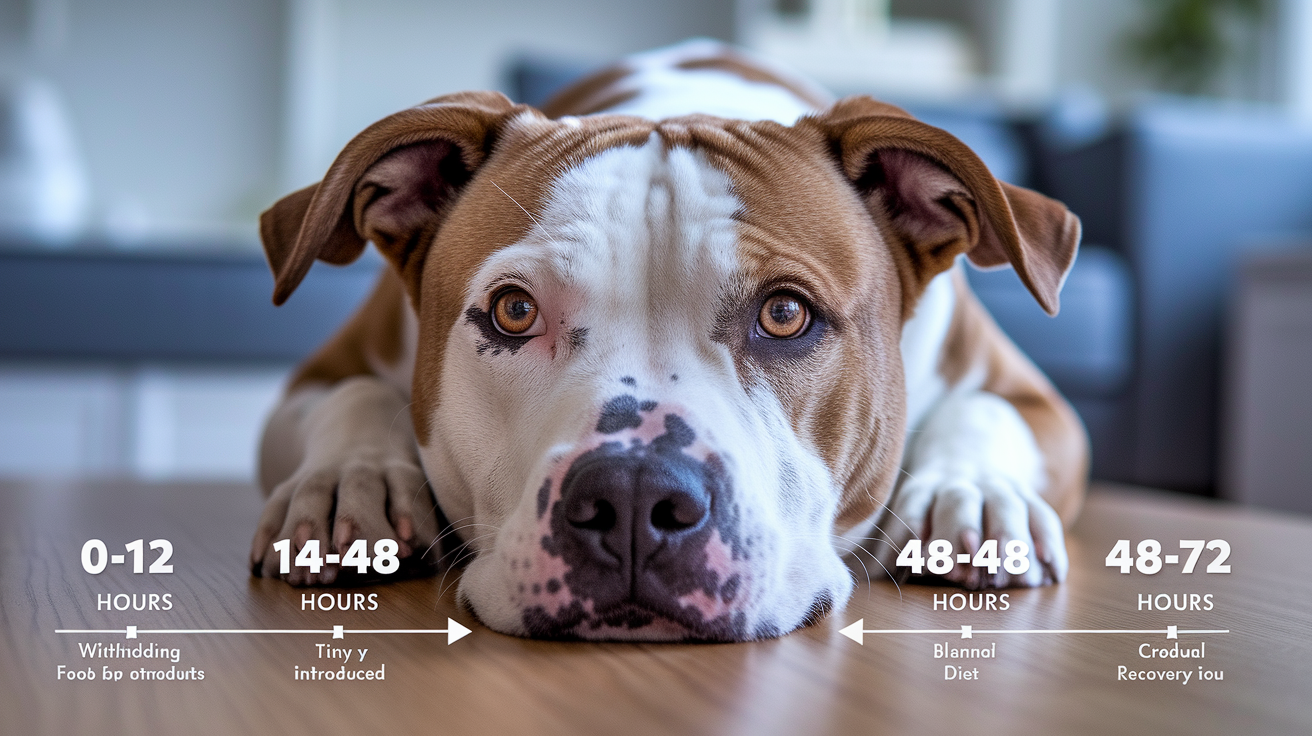
For a single mild vomiting episode in an otherwise healthy, alert dog, hold off on food for a few hours to give the stomach time to settle. Offer only small amounts of water—a few laps at a time or ice cubes to lick—so your dog stays hydrated without overwhelming the stomach. Watch gum moisture and energy level closely over the next few hours.
Once vomiting stops and your dog seems comfortable, wait at least a full day before offering food. Start with very small portions of a bland, low-fat diet: plain boiled chicken breast (no skin or seasoning) mixed with plain white rice, or scrambled egg with rice. Feed tiny amounts every few hours rather than one big meal. If your dog keeps the bland food down for a day, begin mixing in regular kibble gradually over the next day or two, increasing the ratio of normal food each day. A high-quality probiotic like FortiFlora can help restore gut balance during recovery. Fresh or powdered ginger in very small amounts might ease mild nausea, but confirm with your vet first.
6-step home-care timeline:
- First few hours — hold all food; offer only small sips of water or ice cubes.
- 0 to 12 hours — monitor closely for repeat vomiting, lethargy, or pain; continue small water amounts.
- 12 to 24 hours — if no further vomiting and dog is alert, introduce tiny portions of bland diet (1–2 tablespoons).
- 24 to 48 hours — continue bland diet in small, frequent meals; slowly increase portion size if tolerated.
- 48 to 72 hours — begin mixing regular food with bland diet, 25% normal food to 75% bland, then 50/50, then 75/25 over the next day.
- After 72 hours — return to full regular diet if no vomiting recurs; call vet if symptoms return or dog doesn’t improve.
How Veterinarians Diagnose Frequent or Severe Vomiting
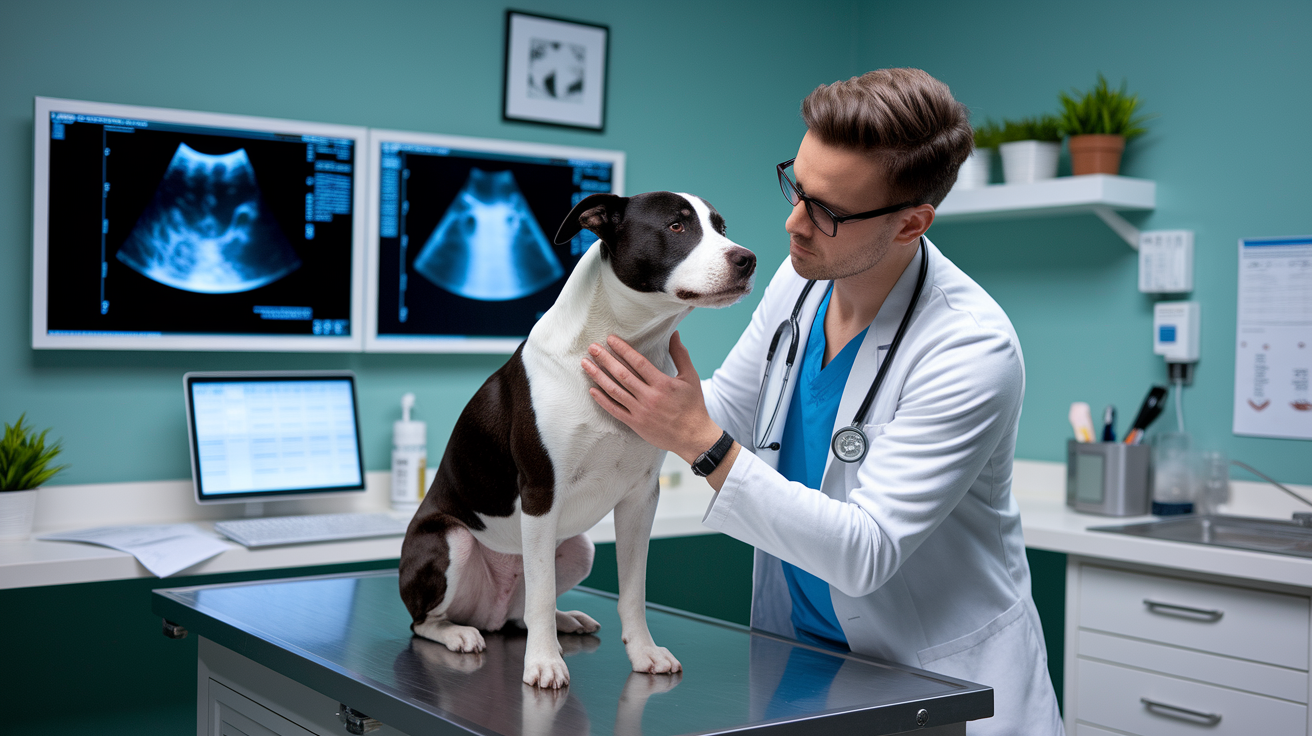
Your vet will start with a detailed history and physical exam. Be ready to describe when vomiting started, how often it happens, what the vomit looks like, recent diet changes, possible toxin or foreign object access, medications, and any other symptoms like diarrhea or lethargy. The vet will palpate the belly to check for pain, masses, or bloating, and assess hydration by checking gum moisture, skin elasticity, and heart rate.
Diagnostic tests depend on severity and suspected cause. Blood work screens for kidney or liver disease, electrolyte imbalances, and markers of pancreatitis. Urinalysis checks kidney function and hydration status. Fecal testing looks for parasites like giardia, roundworms, or hookworms. X-rays and abdominal ultrasound can reveal foreign objects, intestinal obstructions, organ abnormalities, or fluid in the belly. In complex or recurring cases, your vet might recommend endoscopy to see the stomach and intestines directly, or surgery if an obstruction is suspected. For suspected food sensitivities, a strict elimination diet trial for 6 to 8 weeks might be the next step.
| Test | Purpose | Common Findings |
|---|---|---|
| Blood work (chemistry panel, CBC) | Screen kidney, liver, pancreas function; check electrolytes and hydration | Elevated kidney values, pancreatitis markers, anemia, infection signs |
| Urinalysis | Assess kidney function and hydration status | Concentrated urine (dehydration), protein or glucose (kidney/metabolic disease) |
| Fecal exam | Detect parasites and infections | Giardia cysts, roundworm or hookworm eggs, bacterial overgrowth |
| X-rays (abdominal radiographs) | Visualize bones, foreign objects, organ size, gas patterns | Foreign bodies, intestinal obstruction, organ enlargement, fluid |
| Ultrasound | Detailed soft-tissue imaging of organs and intestines | Masses, thickened intestinal walls, fluid pockets, pancreatitis |
| Endoscopy or surgery | Direct visualization or removal of obstruction | Foreign objects, ulcers, tumors, biopsies for inflammatory bowel disease |
Treatment Options for Dogs Throwing Up
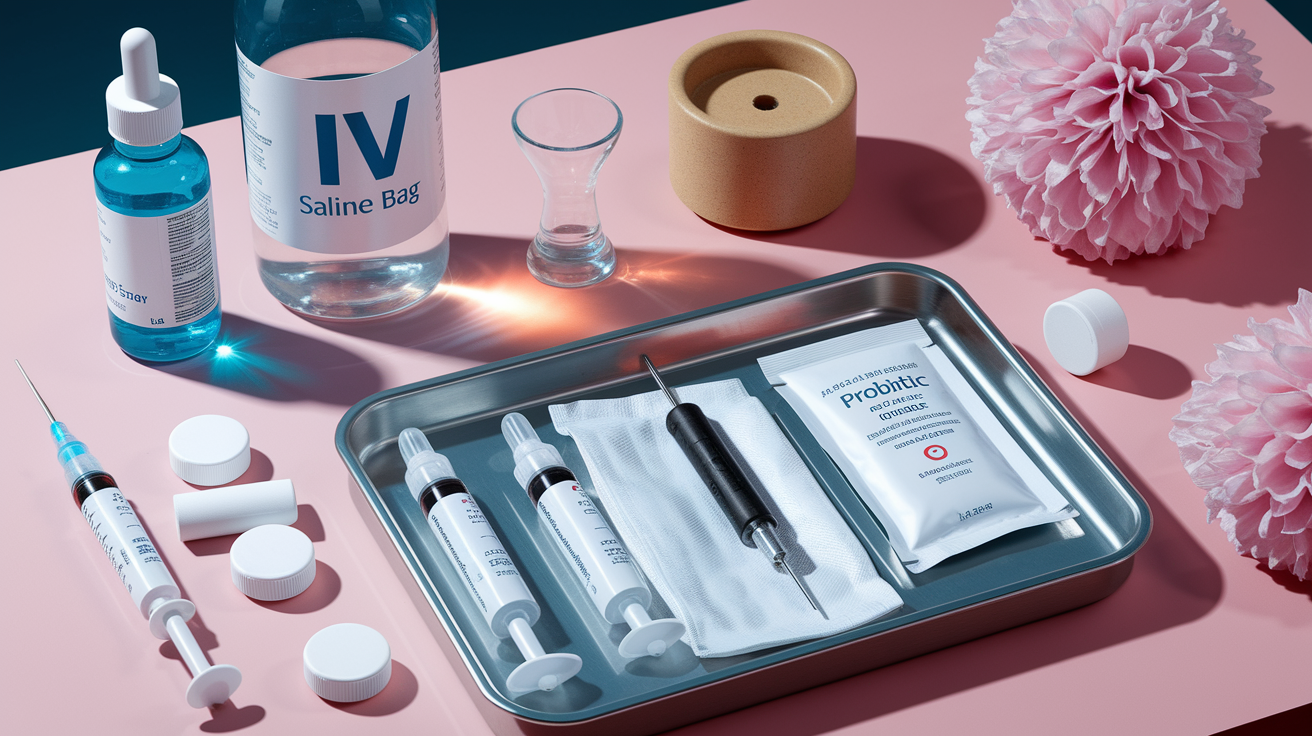
Treatment depends on what’s causing it. For mild dietary upset or gastritis, your vet might prescribe anti-nausea medications like maropitant (Cerenia), ondansetron, or dolasetron to stop vomiting and let the stomach heal. Gastric protectants and antacids—sucralfate, famotidine, or omeprazole—reduce acid irritation and protect the stomach lining. Many dogs also get subcutaneous or intravenous fluids to correct dehydration and restore electrolyte balance, along with probiotics to support gut flora during recovery.
Infections and parasites need targeted treatment. Parvovirus requires aggressive hospitalization with IV fluids, antibiotics to prevent secondary infection, and intensive supportive care. Giardia and intestinal worms respond to appropriate antiparasitic medications and dewormers. Chronic conditions like inflammatory bowel disease or food allergies are managed long-term with veterinary therapeutic diets, immunosuppressive drugs if needed, and regular monitoring. Pancreatitis might require hospitalization, pain management, and a strict low-fat diet for life.
Emergency interventions address life-threatening causes. If your dog swallowed a toxin, activated charcoal might be given to bind the substance, along with IV fluids and specific antidotes when available. Foreign objects stuck in the stomach or intestines often need endoscopic retrieval or emergency surgery to prevent perforation and sepsis. Gastric dilatation-volvulus (bloat) gets stabilized with IV fluids and emergency surgery to untwist the stomach and secure it in place. Recovery timelines vary widely. Mild cases might improve within a day or two, while serious conditions can need weeks of careful management and follow-up bloodwork.
Long-Term Prevention for Dogs Prone to Throwing Up
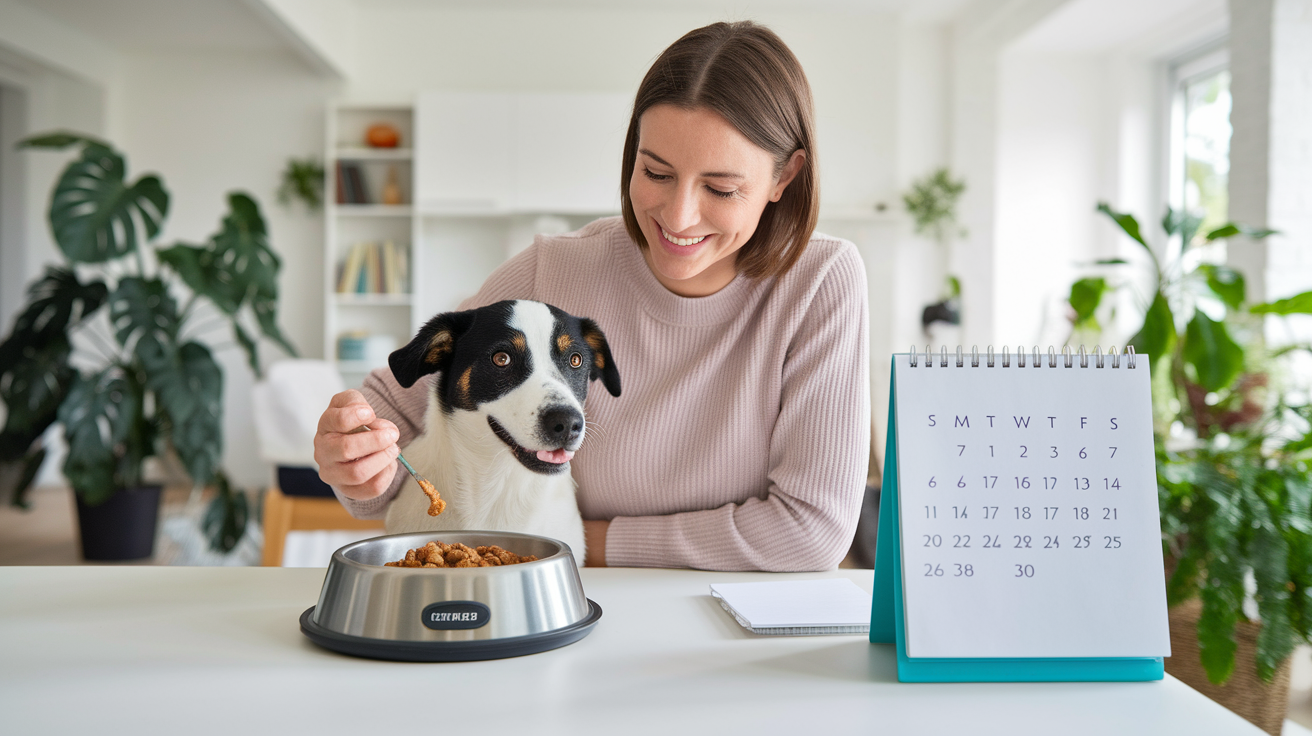
Preventing vomiting starts with steady, slow food transitions. When switching kibble or introducing new treats, mix the new food with the old over a week to 10 days, gradually increasing the ratio of new to old each day. Feed two or three smaller meals throughout the day instead of one large meal to prevent bile buildup overnight and reduce the chance of gulping and vomiting. For dogs who eat too fast, slow-feeder bowls or puzzle feeders force them to take smaller bites and slow down, which can prevent regurgitation and stomach upset.
Prevention strategies:
- Transition new foods slowly over 7 to 10 days to avoid digestive upset.
- Feed smaller, more frequent meals (2 to 3 times daily) to reduce acid-related vomiting.
- Use slow-feeder bowls or puzzle feeders for dogs who gulp their food.
- Skip table scraps, fatty foods, and spicy human foods that can trigger pancreatitis or stomach irritation.
- Keep trash cans secured, store medications and household cleaners out of reach, and remove toxic plants and dangerous toys.
- Clean up feces in the yard promptly to reduce parasite exposure and prevent coprophagia (eating feces).
Final Words
If your dog is throwing up, note the vomit’s look and whether it keeps happening. This post gave fast first steps, common causes, how vomiting differs from regurgitation, and a quick color guide.
We flagged emergencies—blood or coffee‑ground material, ongoing vomiting, bloating, or severe lethargy. If your pet shows those or gets worse fast, call your vet or an emergency clinic right away.
For mild cases, brief fasting, careful hydration, and a bland diet often help while you watch for 24–48 hours. You can handle dog throwing up calmly, and your vet is there if needed.
FAQ
Q: When to worry if a dog is throwing up?
A: You should worry if your dog vomits repeatedly, can’t keep water down, has blood in vomit (bright red or coffee‑ground), a swollen belly, severe lethargy, or suspected toxin exposure—seek veterinary care right away.
Q: What can I give my dog for vomiting?
A: You can give small sips of water or ice chips, withhold food for six to twelve hours, then offer a bland diet (boiled chicken and rice). Check with your vet before giving any medicine.
Q: How do you settle a dog’s stomach after throwing up?
A: To settle a dog’s stomach, stop feeding for six to twelve hours, offer small amounts of water, then slowly reintroduce a bland diet over 24–48 hours; watch hydration and energy and call your vet if vomiting returns.
Q: How often is too often for dog vomiting?
A: Vomiting more than once in 24 hours, ongoing episodes, or inability to keep water down is too often. Any vomiting with blood, collapse, or signs of dehydration needs immediate veterinary attention.