

Is grass your dog’s go-to medicine when they’re sick?
It may look strange, but chewing grass is a common way dogs try to ease an upset stomach.
Often it triggers vomiting or adds rough fiber to move things along, and part of it is an old wild instinct.
In this post I’ll explain the main reasons sick dogs eat grass—nausea relief, gut movement, hunger or instinct—and show simple signs to watch.
You’ll learn when a nibble is harmless and when it’s time to call the vet.
Key Reasons Sick Dogs Eat Grass (Direct Explanation of the Behavior)
When your dog’s sick and starts munching grass, it’s typically a response to nausea or some kind of stomach irritation. Dogs can’t exactly tell us their belly hurts, so chewing and swallowing grass becomes their way of reaching for relief. You’ll often see this behavior right before they vomit, which makes a lot of pet parents wonder if the dog’s deliberately trying to settle things down.
Grass works like a rough broom inside the stomach. Those long, fibrous blades irritate the stomach lining and trigger the gag reflex, usually causing the dog to vomit. Sometimes they might be trying to throw up. Other times the vomiting just happens because their stomach can’t break down what they swallowed. Either way, grass can bring temporary relief by clearing out whatever’s making them queasy—bile, undigested food, or a buildup of stomach acid.
There’s an instinctive piece to this too. Research on wolves shows plant material makes up about 2 to 10 percent of their stomach contents in the wild. Even though your dog eats balanced kibble, the drive to sample vegetation might still be hardwired. A 2007 study found grass eating increased before meals and decreased afterward, suggesting hunger or meal timing can influence the behavior. Doesn’t mean your dog’s starving. Just means an empty stomach feels uncomfortable, and grass seems like a fix.
Here are the top evidence-based reasons sick dogs turn to grass:
Nausea relief. The dog feels queasy and chews grass to trigger vomiting and clear the stomach.
Intestinal motility adjustment. Grass fiber can add bulk and stimulate the gut to move things along when digestion feels sluggish.
Ancestral instinct. Wild canid behavior persists in domestic dogs, making plant material feel like a normal part of scavenging.
Mild pica or curiosity. Some dogs chew grass out of boredom, stress, or simple exploratory behavior, especially when they already feel off.
Meal timing effect. An empty stomach produces acid, and grass may offer texture or distraction until the next meal arrives.
Understanding Normal vs. Concerning Grass-Eating Behavior in Sick Dogs
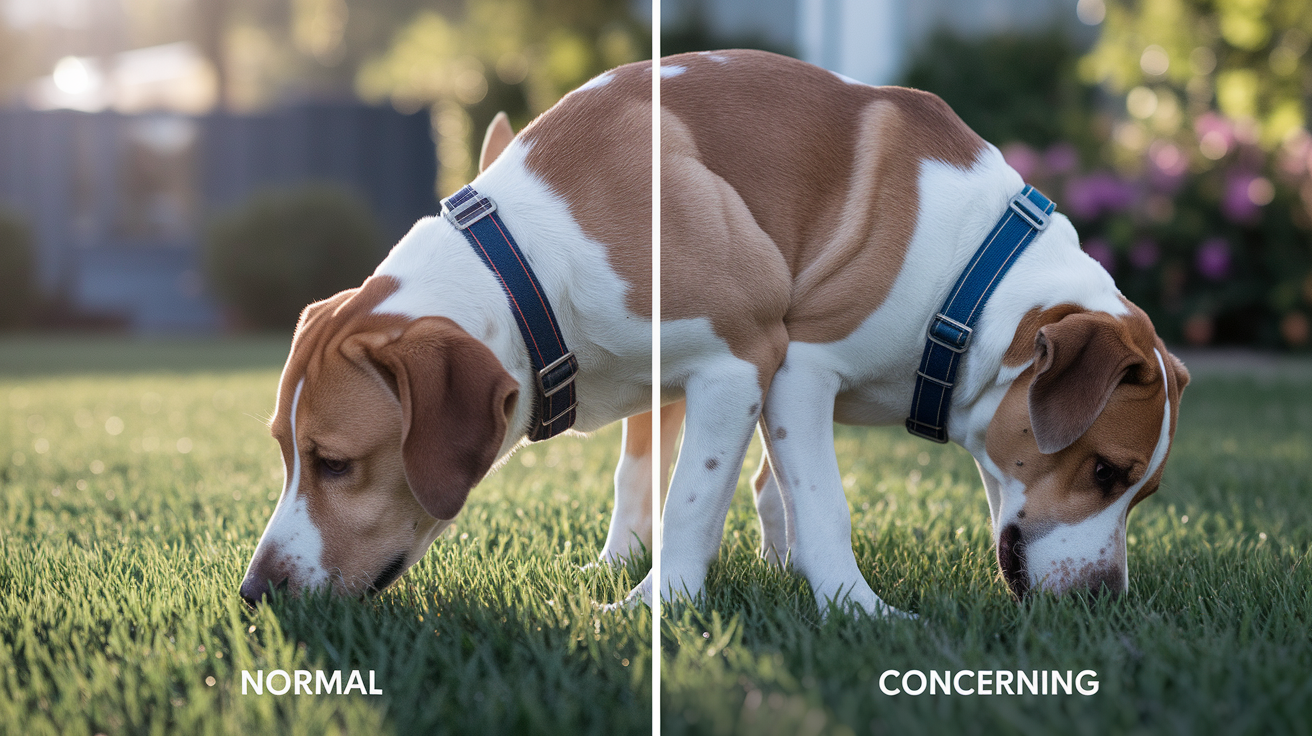
An occasional grass-eating episode that leads to a single vomit and then stops within 24 hours is usually nothing to panic about. Dogs explore the world with their mouths. Sometimes that includes a nibble of grass when their stomach feels off. If your dog returns to normal energy, eats the next meal, and has regular stool, you’re probably looking at a one-time event that doesn’t need intervention.
Repetitive behavior’s a different story. If your dog eats grass every few days or multiple times in a single week, something may be driving the habit beyond simple curiosity. Repeated vomiting—more than two or three times in a 24-hour window—also crosses into territory where you should involve your veterinarian. Pay attention to appetite changes, stool consistency, and overall energy. A dog that’s vomiting, refusing food, and acting tired is showing you grass eating is a symptom of a bigger issue, not a harmless quirk.
Key signs to help you categorize the behavior:
Normal. Eats grass once every few weeks, vomits once, then acts fine with no other symptoms.
Concerning. Eats grass daily or multiple times per week, with repeated vomiting, loose stool, or lethargy.
Red flag. Blood in vomit or stool, refusal to eat for more than 24 hours, or visible abdominal pain.
Context matters. Recent diet change, stressful event, or exposure to treated lawns can shift an otherwise normal behavior into risky territory.
Medical Issues That Can Make Sick Dogs Eat Grass
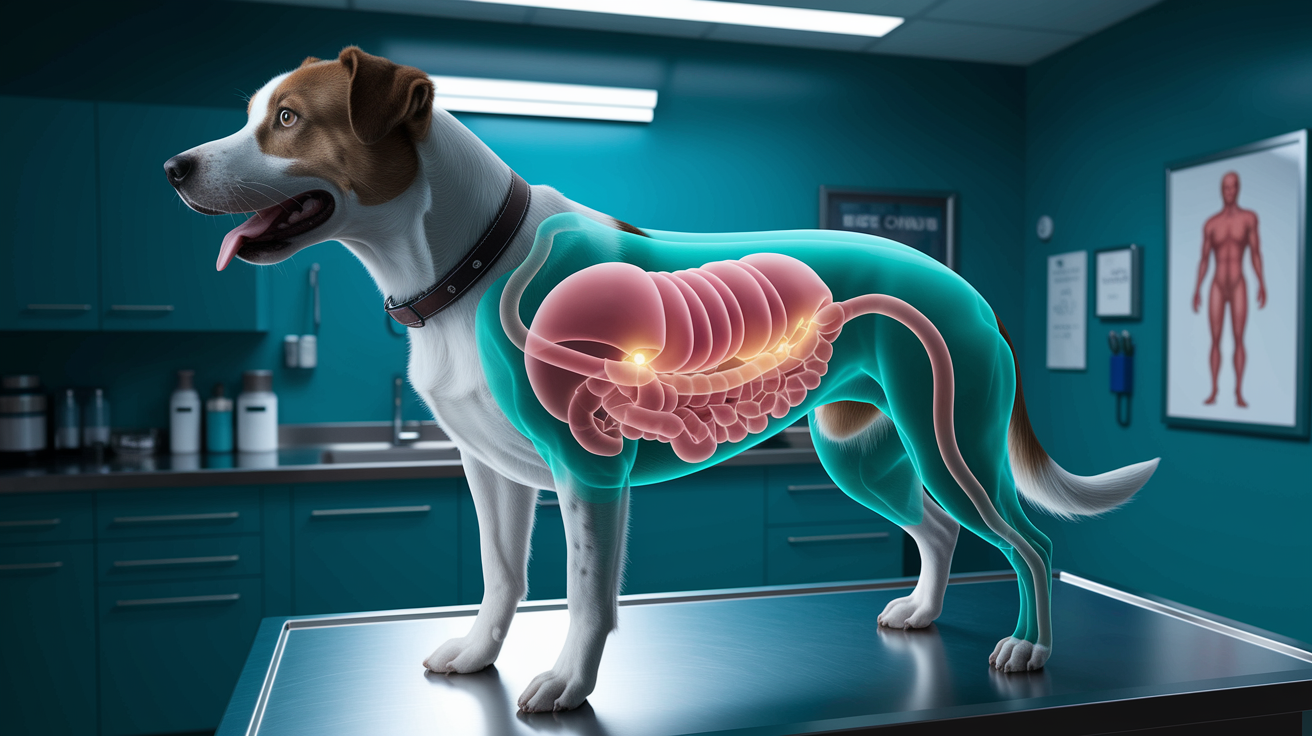
Grass eating can be a visible clue that something inside your dog’s digestive system isn’t working right. Acid reflux, gastritis, and pancreatitis all cause nausea, and nausea makes a dog search for anything that might bring relief. When stomach acid backs up into the esophagus or the stomach lining becomes inflamed, the discomfort is constant and low-grade. Eating grass may offer a distraction or a mechanical way to force the stomach to empty and reset.
Intestinal parasites are another common reason. Worms, giardia, and coccidia irritate the gut lining and create cramping or nausea that mimics other GI conditions. Routine fecal testing every 6 to 12 months helps catch these infections early, especially if your dog spends time in parks, around other animals, or in areas where wildlife leaves droppings. Deworming protocols and parasite prevention (often included in monthly heartworm medication) reduce risk, but they’re not foolproof.
Metabolic diseases like kidney disease, liver dysfunction, or diabetes can cause systemic nausea that has nothing to do with the stomach itself. In these cases, toxins or imbalances in the bloodstream make the dog feel sick all over. Grass eating becomes part of a larger pattern that includes weight loss, increased thirst, or changes in urination. If your dog’s middle-aged or older and grass eating is a new habit, bloodwork and urinalysis are smart next steps.
| Condition | How It Causes Grass Eating |
|---|---|
| Acid reflux or gastritis | Stomach lining irritation causes nausea. Grass triggers vomiting to clear acid or bile. |
| Intestinal parasites | Worms or protozoa create cramping and discomfort that mimics nausea, prompting grass consumption. |
| Pancreatitis | Inflammation of the pancreas leads to severe nausea and abdominal pain, driving the dog to seek relief. |
| Chronic kidney disease | Buildup of toxins in the blood creates whole-body nausea unrelated to stomach contents. |
| Foreign body ingestion | A stuck object irritates the GI tract, causing persistent nausea and repeated attempts to vomit. |
Why Dogs Vomit After Eating Grass (and When It’s Serious)
Grass doesn’t digest. Dogs lack the enzymes to break down cellulose, so when a dog swallows grass, the blades stay intact and move through the stomach like a mechanical irritant. That roughness stimulates the stomach lining and can trigger the gag reflex, leading to vomiting. It’s a physical response, not necessarily a deliberate plan by the dog to purge the stomach. Though the outcome’s the same.
Most dogs don’t vomit every time they eat grass. Survey data shows that while grass eating is common, regular vomiting afterward is not. That tells us the behavior isn’t always about clearing the stomach. Sometimes the dog feels better after chewing and swallowing a little greenery without needing to bring anything back up. But when vomiting does happen, it’s the texture and bulk of the grass doing the work, not the plant’s nutritional content or a magical soothing property.
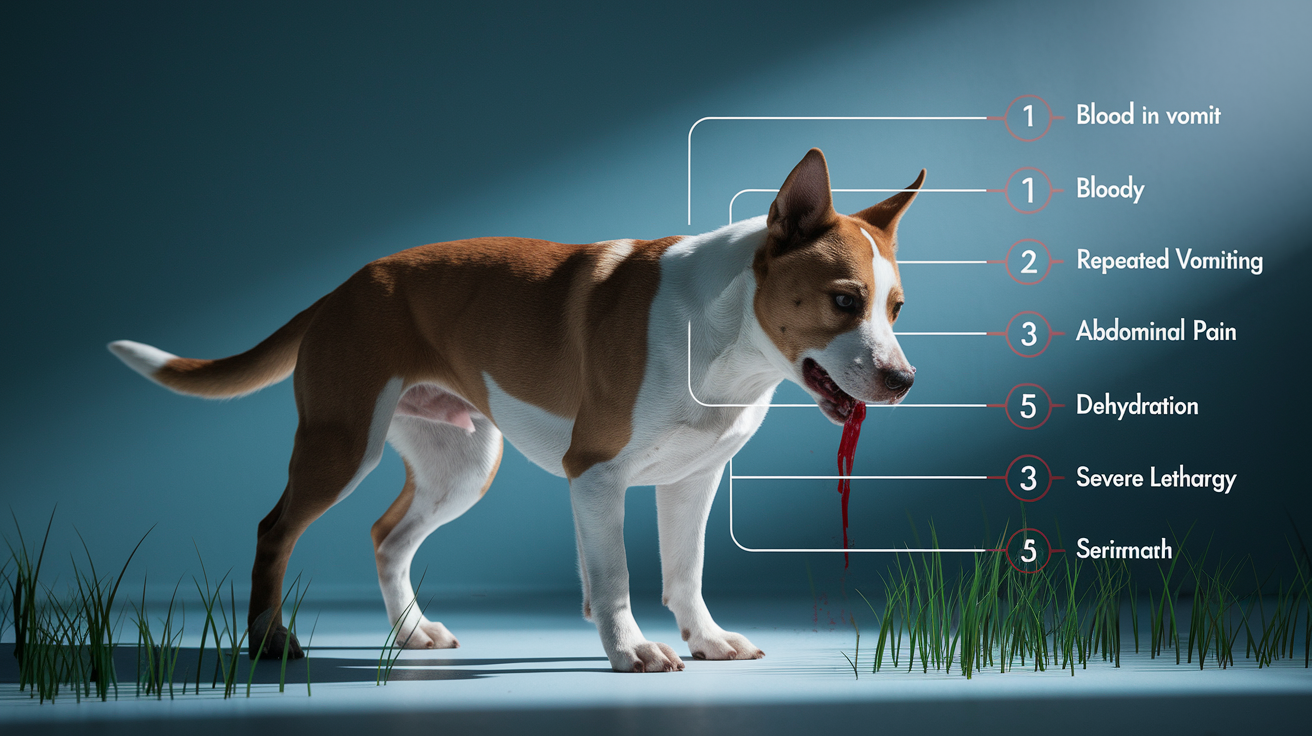
Vomiting becomes serious when it’s persistent, forceful, or accompanied by other warning signs. Here are five red flags that mean you need to contact your veterinarian right away:
Blood in the vomit or stool. Red streaks, dark coffee-ground material, or black tarry stool indicate bleeding in the GI tract.
Vomiting more than 2 to 3 times in 24 hours. Repeated episodes suggest the stomach can’t settle on its own.
Visible abdominal pain. Hunched posture, whining when you touch the belly, or reluctance to move or lie down.
Signs of dehydration. Dry, sticky gums, skin that doesn’t snap back when gently pulled, or reduced urination.
Collapse, severe lethargy, or high fever. Rectal temperature at or above 103 to 104°F, or a dog that won’t lift its head or walk normally.
Risks Associated with Grass Eating When Dogs Are Sick
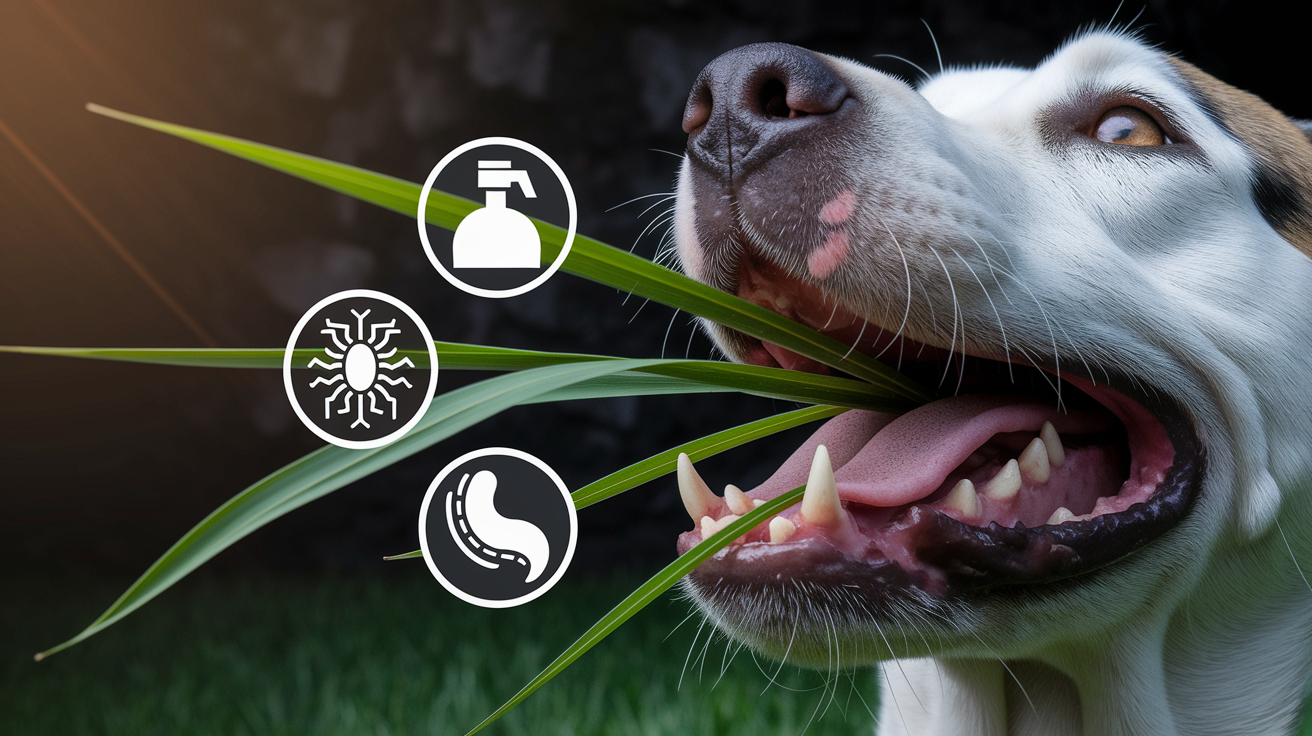
Grass from a treated lawn is one of the biggest dangers. Pesticides, herbicides, and fertilizers can cling to blades for days after application. When your dog licks or chews that grass, the chemicals go straight into the stomach. Symptoms of poisoning include excessive drooling, vomiting, diarrhea, tremors, or difficulty breathing. If you know or suspect your dog ate grass from a recently treated area, bring the product label to your veterinarian or emergency clinic. Time matters with toxin exposure, and the label helps the vet choose the right treatment protocol.
Grass contaminated with feces from other animals carries parasites, bacteria, and viruses. Roundworm eggs, hookworm larvae, giardia cysts, and parvovirus particles can all survive on outdoor vegetation, especially in high-traffic areas like parks or dog runs. Puppies and unvaccinated dogs are at highest risk because their immune systems aren’t fully prepared to fight off these pathogens. Parvovirus in particular can cause life-threatening vomiting, diarrhea, and dehydration in young or immunocompromised dogs.
Large amounts of grass or dense clumps present a physical obstruction risk. If a dog gulps down a big wad of grass or swallows it along with sticks, leaves, or other debris, that mass can get stuck in the stomach or small intestine. Symptoms of obstruction include repeated unproductive vomiting, loss of appetite, bloating, and severe abdominal pain. Obstruction is a surgical emergency in many cases. Any dog that can’t keep water down or shows escalating pain needs immediate veterinary attention.
When to See a Veterinarian for Grass Eating in Sick Dogs

You should reach out to your veterinarian if your dog vomits more than two or three times in a 24-hour period, or if the grass eating or vomiting continues beyond 48 hours. That timeframe gives you a short window to monitor at home, but persistent symptoms mean the body isn’t correcting the problem on its own. Appetite loss lasting more than 48 hours or weight loss of 5 percent or more over a few weeks also warrants a call. These signs suggest an underlying condition that needs diagnostics and treatment, not just supportive care.
Seek immediate veterinary care if you see blood in the vomit or stool, visible abdominal distension or pain, a rectal temperature at or above 103 to 104°F, collapse, severe lethargy, or signs of dehydration like sticky gums or skin that tents when gently pinched. Any suspicion of toxin exposure, whether from treated grass, moldy plant material, or a poisonous plant species, should be treated as an emergency. Bring product labels, photos of plants, or a sample of what your dog ate if possible. The more information the vet has, the faster they can stabilize your dog and start targeted treatment.
At-Home Care Steps for Dogs That Eat Grass When Sick

If your adult dog vomits once after eating grass and then seems normal, you can start with a 12-hour food rest. That gives the stomach time to settle without new food coming in to irritate it further. Don’t withhold water, even during the food rest. Offer small amounts of water every hour or two to keep your dog hydrated without overwhelming the stomach. If your dog gulps water and vomits it back up, try ice cubes or a few licks at a time instead of a full bowl.
After the 12-hour rest, reintroduce food slowly with a bland diet. Boiled chicken (no skin or seasoning) and plain white rice in a 1-to-2 ratio is the standard starting point. Serve small meals every few hours for the first 24 to 48 hours, then gradually mix in your dog’s regular food over the next few days. This step-down approach helps the GI tract recover without triggering another round of vomiting. If your dog refuses the bland diet or vomits it back up, stop feeding and contact your vet.
Canned plain pumpkin (not pie filling) can add soluble fiber that helps firm up stool and soothe mild inflammation. A general guideline is about 1 tablespoon per 10 pounds of body weight, mixed into food once or twice a day. Start with a smaller amount if your dog’s never had pumpkin before, because too much fiber all at once can cause gas or loose stool. Probiotics formulated for dogs may also support gut health during recovery, but check with your vet on type and dosage.
Safe at-home actions for a dog that ate grass and vomited once:
Offer water frequently in small amounts. Prevents dehydration without overwhelming the stomach.
Withhold food for 12 hours (adult dogs only). Gives the GI tract time to settle.
Reintroduce a bland diet slowly. Boiled chicken and rice in small, frequent meals for 24 to 48 hours.
Add plain canned pumpkin if stool is loose. About 1 tablespoon per 10 pounds of body weight, once or twice daily.
Don’t give over-the-counter antiemetics or human medications. Always confirm safety and dosage with a veterinarian first.
Preventing Grass Eating in Dogs That Get Sick
Training and Leash Management
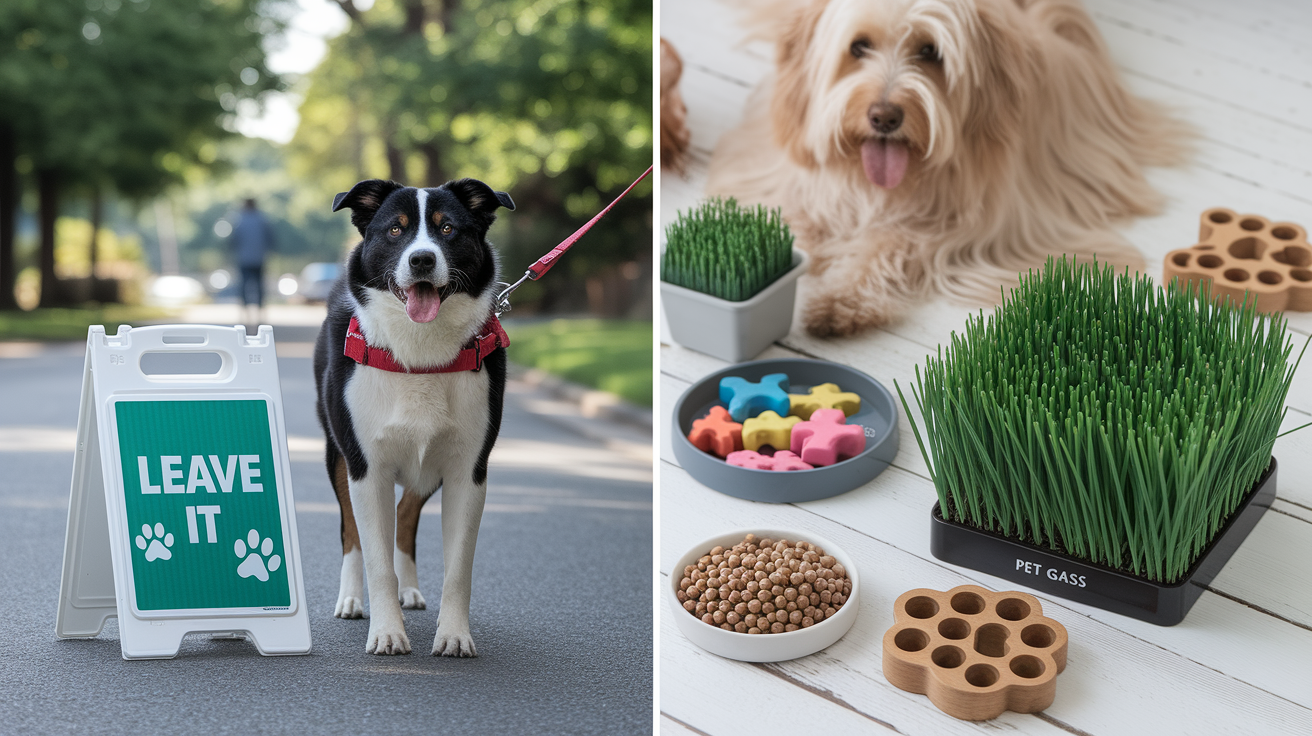
Leash control is your most direct tool. When you’re on a walk, keep your dog close and redirect attention away from grass patches with a firm “leave it” or a quick change of direction. Consistency’s key because if you allow grass eating sometimes and not others, your dog won’t understand the boundary. Schedule outdoor time right after meals, when the stomach’s full and nausea is less likely. Later in the day, dogs tend to eat less grass, so evening walks may naturally reduce the behavior.
Supervised yard time helps you catch the habit before it starts. If you see your dog sniffing around for grass, call them over, offer a toy, or start a quick game. Positive reinforcement for ignoring the grass, a treat or praise when they walk past it, builds a new habit over time. Remove grass clippings and trimmings from the yard because these dense piles are especially tempting and carry a higher obstruction risk.
Safe Alternatives
If your dog seems driven to chew plant material, offer safe substitutes. Durable chew toys, frozen carrots, or specially grown pet grass (available in kits from pet stores) give your dog an outlet that won’t carry pesticides or parasites. Indoor pet grass is non-toxic and can satisfy the instinct to nibble greenery without the outdoor risks. Rotate toys and chews regularly to keep them interesting because boredom is a common driver of pica and grass-seeking behavior.
Increase mental and physical enrichment overall. A tired, engaged dog is less likely to fixate on grass. Puzzle feeders, scent games, and regular exercise can reduce stress and anxiety, both of which sometimes show up as compulsive chewing or eating of non-food items. If your dog’s grass eating feels obsessive or doesn’t respond to basic management, a consultation with a veterinary behaviorist can help identify underlying anxiety or compulsive disorder that needs treatment.
Long-Term Monitoring and Health Tracking for Grass-Eating Dogs

Keeping a simple log helps you and your veterinarian spot patterns that aren’t obvious day to day. Write down each episode: when it happened, how much grass your dog ate, whether vomiting followed, and what the stool looked like afterward. Note any recent diet changes, new treats, or environmental factors like a visit to a park with treated lawns. Over a few weeks or months, these notes can reveal whether grass eating is truly random or tied to specific triggers like meal timing, stress, or seasonal allergens.
Tracking also makes veterinary visits more productive. Instead of saying “my dog eats grass sometimes,” you can say “my dog’s eaten grass six times in the past month, always in the morning before breakfast, and vomited afterward three of those times.” That level of detail helps the vet decide whether to run diagnostics now or continue monitoring. If patterns emerge, such as grass eating that spikes after a certain food or during high-pollen weeks, you have actionable data to guide prevention strategies.
Key data points to track in your symptom diary:
Date and time of each grass-eating episode. Helps identify patterns related to meal timing or daily routine.
Approximate amount of grass consumed. A few blades versus a large mouthful changes risk level.
Vomiting outcome. Did vomiting occur, and if so, how soon after eating grass and how many times.
Stool quality and frequency. Note color, consistency, and whether diarrhea or constipation followed the episode.
FAQs About Sick Dogs Eating Grass
Are puppies more likely to eat grass when sick?
Yes. Puppies explore the world by mouthing and chewing, and that includes grass. They’re also at higher risk for intestinal parasites, which can cause nausea and drive grass-seeking behavior. If your puppy eats grass and vomits, or does it repeatedly, a fecal test is a smart first step to rule out worms or protozoa. Puppies can dehydrate quickly, so don’t wait long if vomiting continues.
Do certain breeds eat grass more often?
There’s no strong breed predisposition, but individual personality and activity level play a role. High-energy dogs with less mental stimulation may eat grass out of boredom. Breeds prone to anxiety or compulsive behaviors may develop pica-like habits that include grass consumption. Any dog, regardless of breed, can eat grass when nausea strikes. Focus on the behavior and the context rather than assuming breed determines the habit.
Should I worry more about grass eating in senior dogs?
New or increased grass eating in an older dog is worth investigating sooner. Senior dogs are at higher risk for chronic conditions like kidney disease, liver problems, and gastrointestinal disorders that cause persistent nausea. If your senior dog suddenly starts eating grass regularly or if it’s paired with weight loss, changes in drinking or urinating, or lethargy, schedule a veterinary exam. Bloodwork and urinalysis can catch age-related diseases early, when treatment’s most effective.
Final Words
If your dog chews grass while queasy or before vomiting, that often signals nausea or stomach irritation. We explained how grass can act like fiber, sometimes trigger vomiting, and reflect instinctive behavior.
You learned the quick checks: a single vomiting episode that settles in 24 hours is usually low risk. Repeated vomiting, blood, high fever, or severe lethargy mean call the vet, and basic home care includes short food rest, bland meals, and fluids.
If you still wonder why do dogs eat grass when sick, track what happens and share notes with your vet. You’re doing the right thing. Small steps can make a big difference.
FAQ
Q: Do dogs eat grass when they are in pain or does eating grass mean he’s sick?
A: Dogs eat grass when they are in pain or sick because they may feel nauseous, uncomfortable, or bored; it doesn’t always mean serious illness. See a vet for repeated vomiting, blood, severe lethargy, or appetite loss.
Q: Why is my dog suddenly eating grass like crazy?
A: Your dog is suddenly eating grass like crazy because new nausea, diet change, boredom, parasites, or pica can trigger it. If it keeps up, causes vomiting, or your dog seems unwell, book a vet check.
Q: How to help your dog feel better when sick?
A: To help your dog feel better when sick, withhold food 12 hours (adults only), offer small water sips, then a bland diet for 24–48 hours. Use 1 tbsp pumpkin per 10 lb. Call your vet for repeated vomiting or blood.