

Is your dog throwing up undigested food — and you’re not sure if it’s an emergency?
Start here: undigested, tube-shaped food often means regurgitation from the esophagus, not true stomach vomiting.
Fast eating, esophageal issues like megaesophagus, a stuck object, or stomach irritation are common causes.
This post shows how to tell the difference, safe steps to try today, what to watch over the next 24–48 hours, and the clear red flags that mean call your vet.
Immediate Answers: Why Dogs Bring Up Undigested Food

When your dog suddenly brings up undigested food, you need to figure out if it’s vomiting or regurgitation. Vomiting is active. You’ll see heaving, retching, belly contractions before anything comes up. Regurgitation is passive. Food just slides back out without warning or effort, often minutes after eating.
Undigested food usually points to regurgitation instead of vomiting. If the food looks tube shaped and whole, with no stomach acid or bile, it probably never made it to the stomach. Regurgitation happens in the esophagus, the tube carrying food from mouth to stomach. Timing matters. If your dog eats and then brings up undigested food within a few minutes, it’s almost always regurgitation.
Here are the most common reasons:
Fast eating – Gulping food too quickly overwhelms the esophagus.
Regurgitation from esophageal issues – Megaesophagus or other structural problems prevent normal swallowing.
Gastritis – Stomach inflammation can trigger vomiting that looks undigested if food hasn’t had time to break down.
Foreign object – Something stuck in the throat or esophagus blocks food from moving down.
Food intolerance – A sudden diet change or sensitive stomach reacts before digestion starts.
A single episode usually isn’t urgent. But if your dog vomits or regurgitates more than two or three times in one day, can’t keep water down, or shows other symptoms like lethargy, drooling, or abdominal pain, call your vet.
Advanced Breakdown: Identifying the Specific Type of Episode

The more you observe, the more clues you’ll collect. Watch how your dog’s body behaves during the event. Regurgitation often happens with no warning, no sound, no visible strain. Vomiting involves drooling beforehand, licking lips, pacing, then forceful abdominal contractions. Tracking whether episodes happen at the same time each day, especially right after meals, helps you identify a pattern.
Knowing whether your dog is vomiting or regurgitating isn’t just curiosity. It guides your vet’s next steps. Regurgitation points to esophageal problems or eating habits. Vomiting suggests stomach, intestinal, or systemic causes. Getting the distinction right narrows the list of tests, saves time, speeds up treatment.
Signs of Regurgitation
Regurgitation is quiet and effortless. Your dog may lower their head, and food slides back up and out. The food looks undigested, often shaped like a tube because it’s been sitting in the esophagus. You may see clear, slimy mucus coating the food, but no yellow or green bile. There’s no abdominal heaving, no retching noise. Episodes tend to happen within minutes of eating or drinking. If regurgitation is frequent, your dog may cough, gag, or show difficulty swallowing between meals.
Signs of Vomiting
Vomiting starts with signs of nausea. Your dog may drool, lick their lips repeatedly, swallow hard, or pace around looking uncomfortable. Then you’ll see forceful contractions in the belly. Muscles tighten and release as the stomach pushes contents upward. The sound is unmistakable: retching or gagging. The material that comes up may be partially digested, mixed with yellow or green bile, or foamy. Vomiting can happen hours after eating, not just right away.
When Megaesophagus Is Involved
Megaesophagus is a condition where the esophagus loses muscle tone and stretches out, creating a pouch that traps food and water. Dogs with megaesophagus regurgitate consistently, often within minutes of eating. The pattern is predictable. Food sits in the dilated esophagus instead of traveling to the stomach, then comes back up undigested. Diagnosis requires an x-ray or other imaging to see the enlarged esophagus. There’s no cure in most cases. Management focuses on feeding techniques, like keeping your dog upright during and after meals using an elevated chair. Aspiration pneumonia is a serious risk because regurgitated food can be inhaled into the lungs.
Common Reasons for Dogs Bringing Up Undigested Food
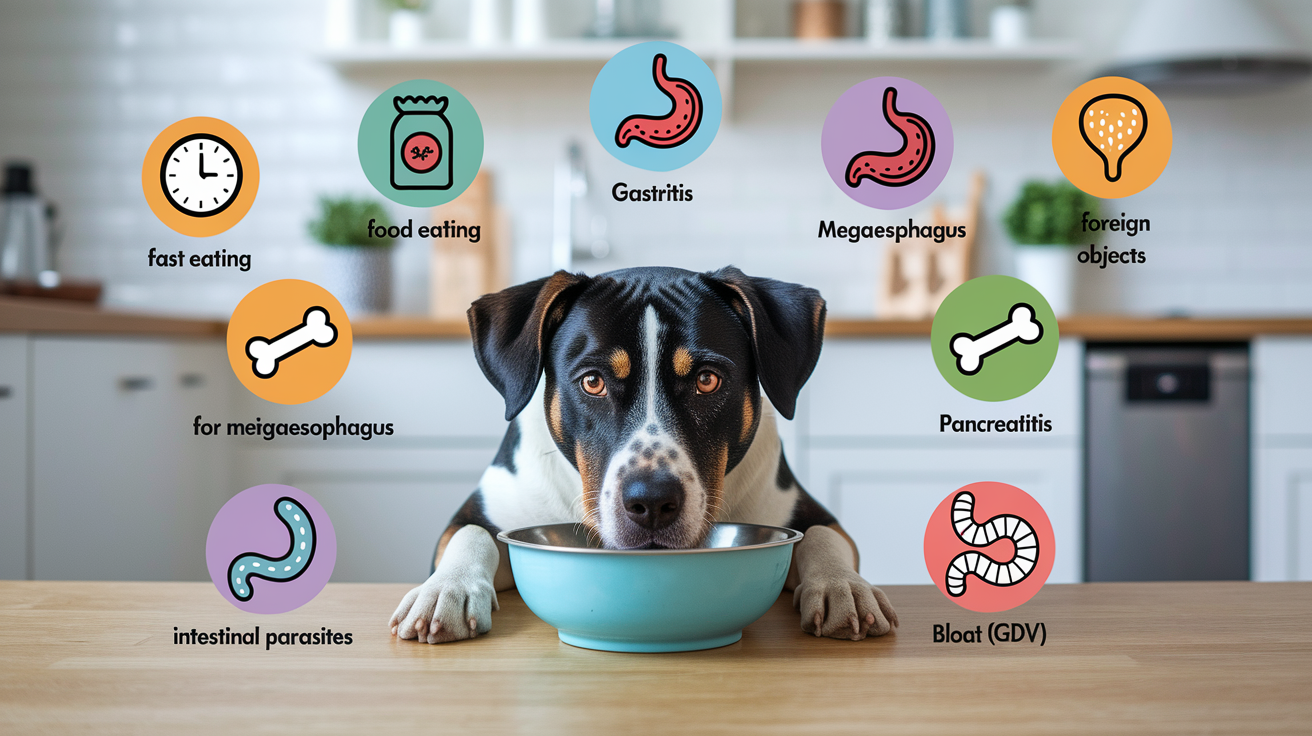
Fast eating is the most straightforward cause. Some dogs inhale their food in seconds, overwhelming the esophagus and triggering regurgitation. Dietary changes, switching food brands, adding new treats, giving table scraps, can irritate a sensitive stomach or cause temporary intolerance. Even a single meal that’s too rich or fatty can prompt vomiting before digestion begins.
Gastrointestinal inflammation, called gastritis, can make the stomach lining irritated and reactive. Pancreatitis, inflammation of the pancreas, causes nausea and vomiting, sometimes before food reaches the small intestine. Intestinal parasites like roundworms, hookworms, and whipworms irritate the gut and trigger vomiting. Infections from bacteria or viruses often pair vomiting with diarrhea and lethargy.
Serious causes include foreign objects and bloat. Dogs chew and swallow non-food items like rocks, clothing, sticks, and tennis balls. If the object lodges in the throat or stomach, it blocks food from moving through, causing repeated vomiting of undigested material. Bloat, also called gastric dilatation volvulus (GDV), is a life threatening emergency where the stomach fills with gas and twists. Dogs with bloat retch repeatedly but bring up nothing. This requires immediate veterinary care.
Timing and additional symptoms help you narrow down the cause. A single episode after fast eating is different from repeated vomiting paired with diarrhea and fever.
Here are the primary causes to consider:
Eating too fast – Gulping food overwhelms the esophagus and triggers regurgitation.
Dietary changes or intolerance – New food, sudden diet switches, or rich meals irritate the stomach.
Gastritis – Inflammation of the stomach lining causes nausea and vomiting.
Megaesophagus – Weakened esophageal muscles trap food, leading to frequent regurgitation.
Foreign objects – Items like rocks, toys, or fabric block the digestive tract.
Pancreatitis – Pancreas inflammation triggers vomiting and abdominal pain.
Intestinal parasites – Worms irritate the gut and cause vomiting and diarrhea.
Bloat (GDV) – Stomach twists and fills with gas, retching with no material is an emergency sign.
What the Vomit Looks Like: Clues From Appearance
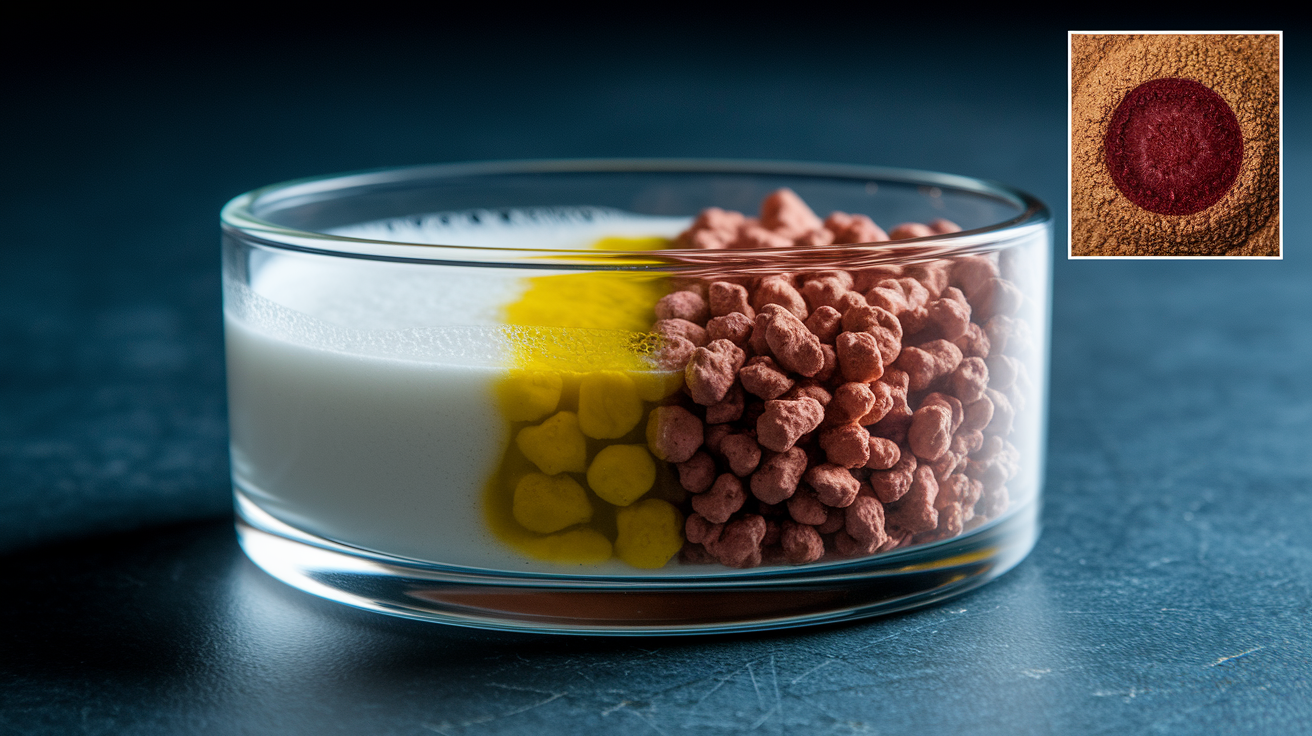
Take a quick look at what your dog brought up before you clean it. The appearance gives you clues about what’s happening inside. You don’t need to handle it, just observe the color, consistency, and any unusual contents. This information helps your vet decide what to check first.
Color and texture point to where the problem is. Clear or white foam usually means stomach fluid or mucus. Yellow or green vomit indicates bile, a digestive fluid from the small intestine that mixes in when the stomach is empty or when vomiting is forceful. Undigested food with no bile suggests regurgitation from the esophagus. Partially digested food mixed with liquid or bile means the food reached the stomach but was expelled before full digestion.
Blood in vomit is a red flag. Bright red blood means active bleeding, possibly from the stomach or esophagus. Dark, coffee ground looking material suggests older blood that’s been partially digested. Both need immediate veterinary attention.
| Appearance | What It Suggests |
|---|---|
| Clear or white foam | Stomach fluid or mucus, often seen with an empty stomach or mild irritation |
| Yellow or green vomit | Bile from the small intestine, suggests the stomach is empty or vomiting is forceful |
| Undigested food, tube shaped | Regurgitation from the esophagus, food never reached the stomach |
| Coffee ground appearance | Digested blood, possible stomach ulcer or internal bleeding, seek immediate care |
Warning Signs When a Dog Throws Up Undigested Food

Recognizing when vomiting becomes an emergency can prevent serious complications. A single episode of regurgitation after fast eating is usually harmless. But repeated vomiting, especially when paired with other symptoms, can signal dehydration, obstruction, or organ failure. Knowing the red flags helps you act quickly.
Watch for these emergency level symptoms:
Retching with no material coming up – Possible bloat (GDV), this is life threatening.
Coffee ground or bloody vomit – Indicates internal bleeding, seek immediate care.
Vomiting more than two or three times in one day – Risk of dehydration and underlying disease.
Unable to keep water down – Dehydration can worsen quickly.
Lethargy or collapse – Signals systemic illness or shock.
Abdominal swelling or sensitivity to touch – Possible bloat, obstruction, or organ issue.
Drooling excessively – Can indicate nausea, pain, or toxin exposure.
Diarrhea, especially with blood – Suggests gastrointestinal infection or severe inflammation.
Seizures or loss of coordination – May indicate toxin ingestion or neurological problem.
Sudden weight loss or loss of appetite lasting more than 24 hours – Points to chronic illness.
Bloat is the most urgent cause. Large breed dogs are at higher risk, though any dog can develop it. If your dog is retching repeatedly but nothing comes up, and their belly looks swollen or feels hard, go to an emergency vet immediately. Coffee ground vomit means blood has been in the stomach long enough to be partially digested. This suggests ulcers, toxin exposure, or internal injury. Both situations require professional care within minutes to hours, not days.
What to Do Immediately After Your Dog Vomits
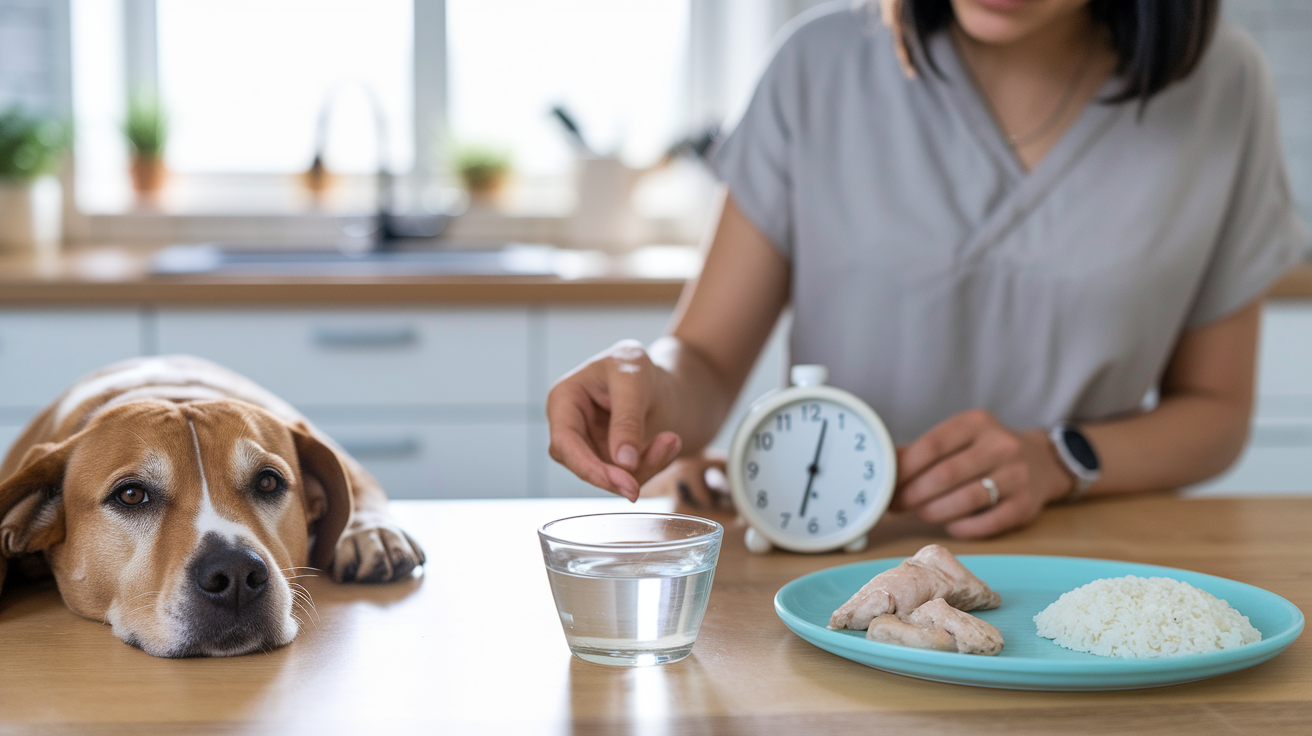
If your dog vomits once and seems otherwise normal, alert, drinking water, no pain, you can monitor at home for a short period. Home care works for mild, isolated episodes. It doesn’t replace veterinary care for repeated vomiting, severe symptoms, or signs of distress.
Follow these steps for mild cases:
Withhold food for 12 hours – Give your dog’s stomach time to settle. Puppies and very small dogs should fast for a shorter period, check with your vet first.
Offer small amounts of water – Provide a few sips every hour. If your dog vomits water, stop and call your vet.
Start a bland diet – After the fasting period, offer a teaspoon of plain boiled chicken (no skin, no seasoning) mixed with plain white rice. Feed small portions every few hours.
Gradually increase portion size – If your dog keeps the bland diet down for 24 hours, slowly increase the amount.
Transition back to regular food – Over the next two or three days, mix increasing amounts of your dog’s normal food with the bland diet.
Stop home care if symptoms worsen – If vomiting returns, your dog refuses food, or you notice lethargy or pain, contact your vet.
Some owners ask about probiotics or digestive enzymes. These can support gut health, but they’re not a treatment for acute vomiting. Always get your vet’s approval before adding supplements, especially during an active episode. Long term use of a bland diet isn’t balanced and can cause nutritional deficiencies.
If your dog vomits a second time, can’t keep water down, or shows any red flag symptoms from the previous section, skip home care and call your vet. You’re not overreacting. Fast action prevents dehydration and catches serious problems early.
Veterinary Diagnosis When Dogs Bring Up Undigested Food
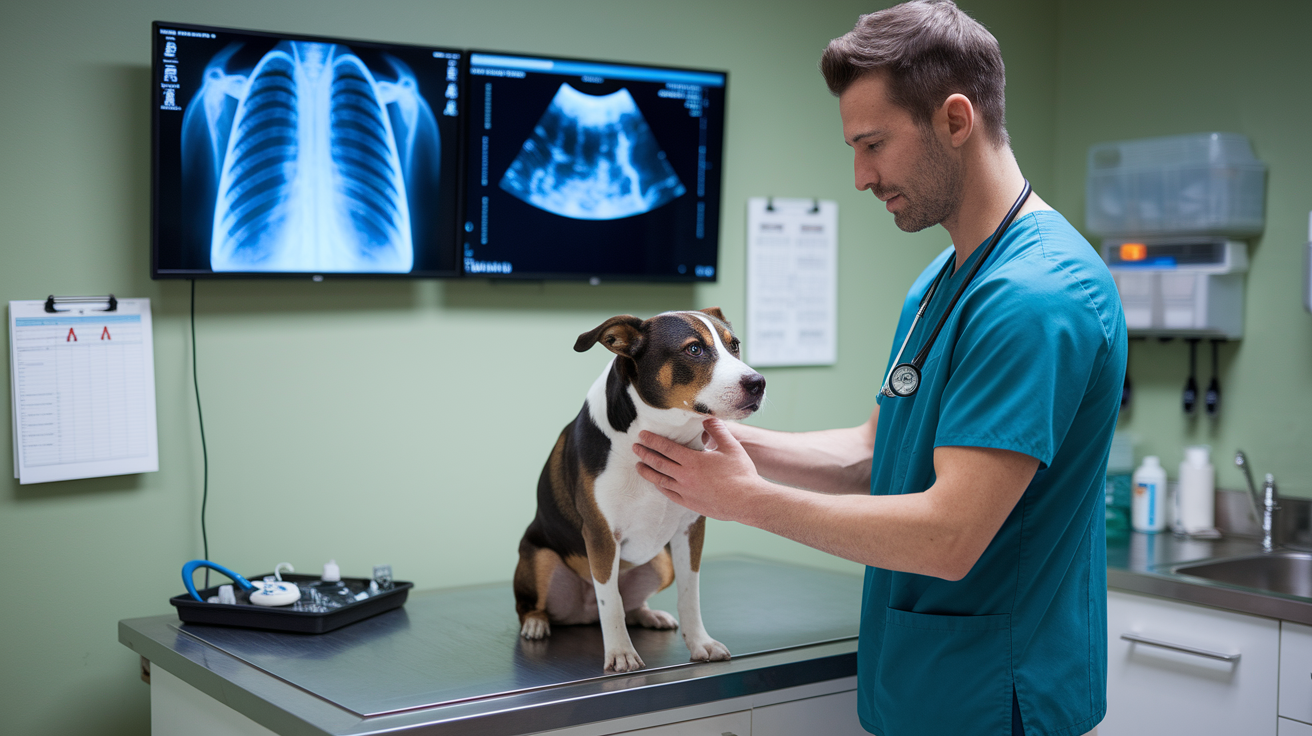
Your vet will start with a physical exam and a detailed history. They’ll ask when the vomiting started, how often it happens, what the vomit looks like, and whether your dog ate anything unusual. They’ll check your dog’s hydration, abdominal tenderness, and overall condition. These first clues help them decide which tests to run.
Diagnostic tools vary depending on symptoms. X-rays show foreign objects, signs of bloat, or an enlarged esophagus. Ultrasound gives a closer look at the stomach, intestines, liver, pancreas, and kidneys. Blood work checks organ function, hydration levels, and signs of infection. A fecal exam identifies parasites like roundworms, hookworms, or giardia. If regurgitation is frequent and megaesophagus is suspected, imaging confirms the diagnosis.
Treatment depends on the cause. Mild gastritis may need anti-nausea medication and a bland diet. Dehydration often requires IV fluids to restore balance. If parasites are found, your vet prescribes deworming medication. Foreign objects may need endoscopy to retrieve them or surgery if they’re lodged deep. Bloat requires emergency surgery to untwist the stomach and prevent tissue death. Megaesophagus has no cure, but feeding management reduces regurgitation episodes.
| Diagnostic Test | What It Detects |
|---|---|
| Physical exam and history | Hydration, abdominal pain, symptom patterns, and recent diet changes |
| X-ray | Foreign objects, bloat, megaesophagus, intestinal obstruction |
| Ultrasound | Organ abnormalities, masses, pancreatitis, fluid in abdomen |
| Blood work | Kidney and liver function, infection markers, electrolyte imbalances |
| Fecal examination | Intestinal parasites like roundworms, hookworms, whipworms, giardia |
Preventing Future Episodes of Undigested Food
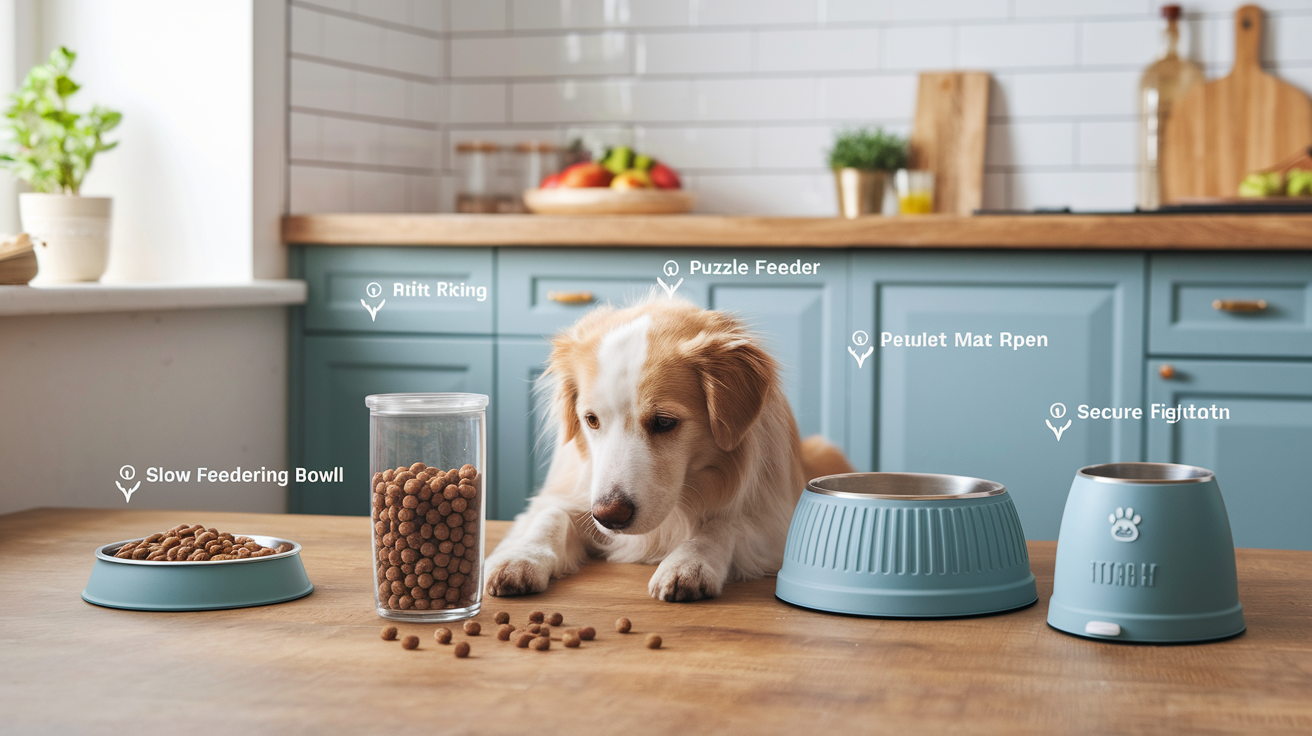
Prevention starts with controlling how fast your dog eats. Slow feeder bowls have ridges or mazes that force your dog to eat around obstacles. Puzzle feeders turn mealtime into a game, slowing down gulping. For some dogs, placing a few clean tennis balls in a deep bowl works the same way. They have to nudge the balls aside to reach kibble. Just make sure your dog won’t try to swallow the balls.
Here are practical steps to reduce vomiting and regurgitation:
Feed smaller, more frequent meals – Split your dog’s daily food into three or four portions instead of one or two large meals.
Use a slow feeder or puzzle bowl – Slows eating and reduces the chance of regurgitation.
Elevate food and water bowls – Especially helpful for dogs with megaesophagus or neck strain, gravity assists swallowing.
Avoid exercise right before or after meals – Wait at least one hour before and after eating to prevent stomach upset.
Transition new foods gradually – Mix new food with old food over seven to ten days to avoid digestive shock.
Keep garbage, toxins, and foreign objects out of reach – Secure trash cans, store chemicals safely, and supervise chew toys.
Maintain regular parasite prevention – Deworming and flea/tick control reduce gastrointestinal irritation.
Food quality matters. Low quality foods with fillers, artificial colors, or high fat content can irritate sensitive stomachs. Choose balanced, easily digestible diets, especially if your dog has a history of vomiting. Stress and anxiety also trigger digestive upset. If your dog regurgitates during stressful events like car rides, vet visits, or when guests arrive, work on gradual desensitization or ask your vet about calming strategies.
Final Words
You’ve seen the quick difference between vomiting (active, with retching) and regurgitation (passive, often right after eating and tube-shaped). We covered common causes, what vomit color can hint at, safe short-term home steps, and the big red flags that need vet care.
If your dog is throwing up undigested food, watch timing, how often it happens, energy level, and water intake for the next 24 hours. Call your vet right away for repeated vomiting, blood, or collapse. Small steps now can make a big difference.
FAQ
Q: What to do if your dog is throwing up undigested food but acting normal?
A: If your dog is throwing up undigested food but acting normal, withhold food for 8–12 hours, offer small sips of water, then try small bland meals; call your vet if vomiting repeats, blood appears, or signs worsen.
Q: What do you feed a dog after vomiting undigested food?
A: After vomiting undigested food, feed a bland diet like boiled skinless chicken and white rice in small portions every 4–6 hours, gradually returning to regular food over 24–48 hours; call your vet if vomiting continues.
Q: What home remedy can I give my dog for throwing up undigested food?
A: A safe home step for throwing up undigested food is to fast 8–12 hours, offer small sips of water, then try bland meals; call your vet right away for blood, repeated vomiting, weakness, or breathing trouble.