

Not every bout of yellow-foamy vomit is an emergency.
Often it’s bile (a liver fluid) that refluxes on an empty stomach and makes that sour yellow foam.
But sometimes it points to something more serious like a blockage, pancreatitis, or infection.
Read on to learn the common causes, quick home steps you can try safely, the red flags that need a vet right away, and exactly what to watch for over the next 24–48 hours.
Understanding Why a Dog Is Throwing Up Yellow Foam
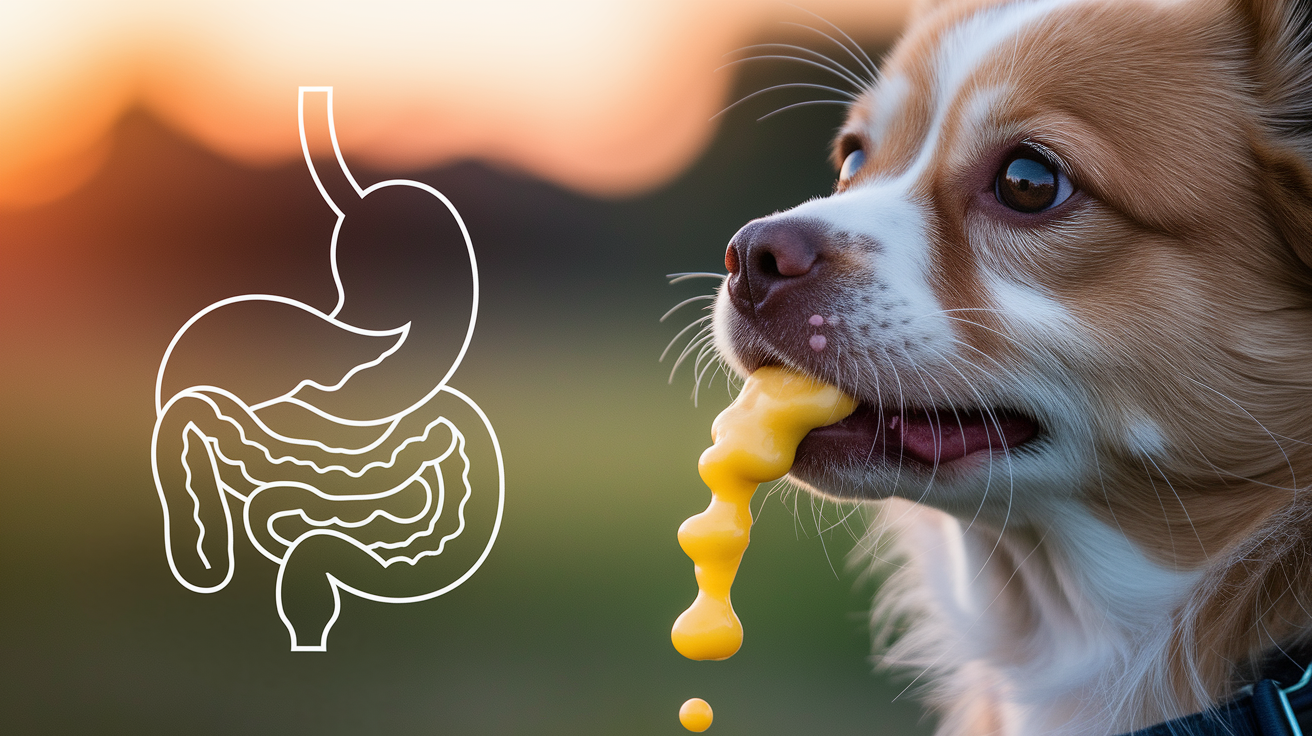
Yellow foamy vomit in dogs is almost always bile mixed with stomach acid and mucus. Bile gets made by the liver and stored in the gallbladder. When your dog vomits on an empty stomach, bile can reflux upward and mix with air and gastric fluids, creating that yellow or greenish foam you’re seeing. The bubbles come from bile churning with stomach acid and saliva.
This happens most often after a long overnight fast, right before breakfast. When the stomach sits empty for hours, bile flows from the small intestine backward into the stomach. If there’s no food to absorb it, your dog’s stomach lining gets irritated by the acid and bile, which triggers a quick vomit. Some dogs experience this once in a while, usually early morning. Others develop a pattern called Bilious Vomiting Syndrome.
If your dog throws up yellow foam once, acts completely normal afterward, and eats breakfast without hesitation, you’re probably seeing a simple bile reflux episode. Many dogs who go too long between their last evening meal and their first morning meal will have this happen occasionally. It’s your dog’s digestive system saying the gap was too long. But the episode itself is usually harmless if it’s a one time thing and your dog bounces back quickly.
Common Causes Behind a Dog Vomiting Yellow Bile Foam

Yellow bile foam can come from something as simple as skipping a meal or as serious as an intestinal blockage. Most of the time, it points to an empty stomach or mild gastric upset. Recurring episodes or severe symptoms mean your dog’s body is dealing with something that needs closer attention. The key is understanding which cause fits the pattern you’re seeing at home.
Empty stomach and bile reflux. The most common cause is a long gap between meals, especially overnight. Dogs with sensitive stomachs or faster metabolisms may vomit bile if they go more than 10 to 12 hours without food. A late evening snack often stops morning bile vomiting entirely.
Gastritis. An inflamed stomach lining can make bile vomiting worse. Gastritis can develop from eating spoiled food, chewing on toxic plants, swallowing kitty litter, or ingesting small foreign objects. Dogs with gastritis often show reduced appetite and may vomit more than once in a day.
Pancreatitis. Inflammation of the pancreas gets triggered by greasy table scraps, fatty leftovers, or garbage raiding. Pancreatitis causes severe nausea, pain in the belly, dehydration, and repeated vomiting that can include yellow bile. This is a veterinary emergency and requires prompt care.
Gastroenteritis. Infection or inflammation in the stomach and intestines, caused by bacteria, viruses, parasites, or sudden diet changes, leads to vomiting and diarrhea together. Yellow foam may appear when the stomach empties completely but nausea continues.
Intestinal obstruction. A swallowed toy, bone fragment, or other foreign body can partially or fully block the intestinal tract. This prevents normal digestion and bile flow. Dogs with an obstruction often vomit repeatedly, show bloating, become lethargic, and refuse to eat. This is urgent.
Occasional yellow foam vomiting from an empty stomach is rarely a concern if your dog is otherwise healthy. But when the vomiting repeats day after day, appears alongside other symptoms, or intensifies quickly, it’s time to contact your veterinarian for an exam and diagnostic workup.
Signs That Vomiting Yellow Foam May Be Serious
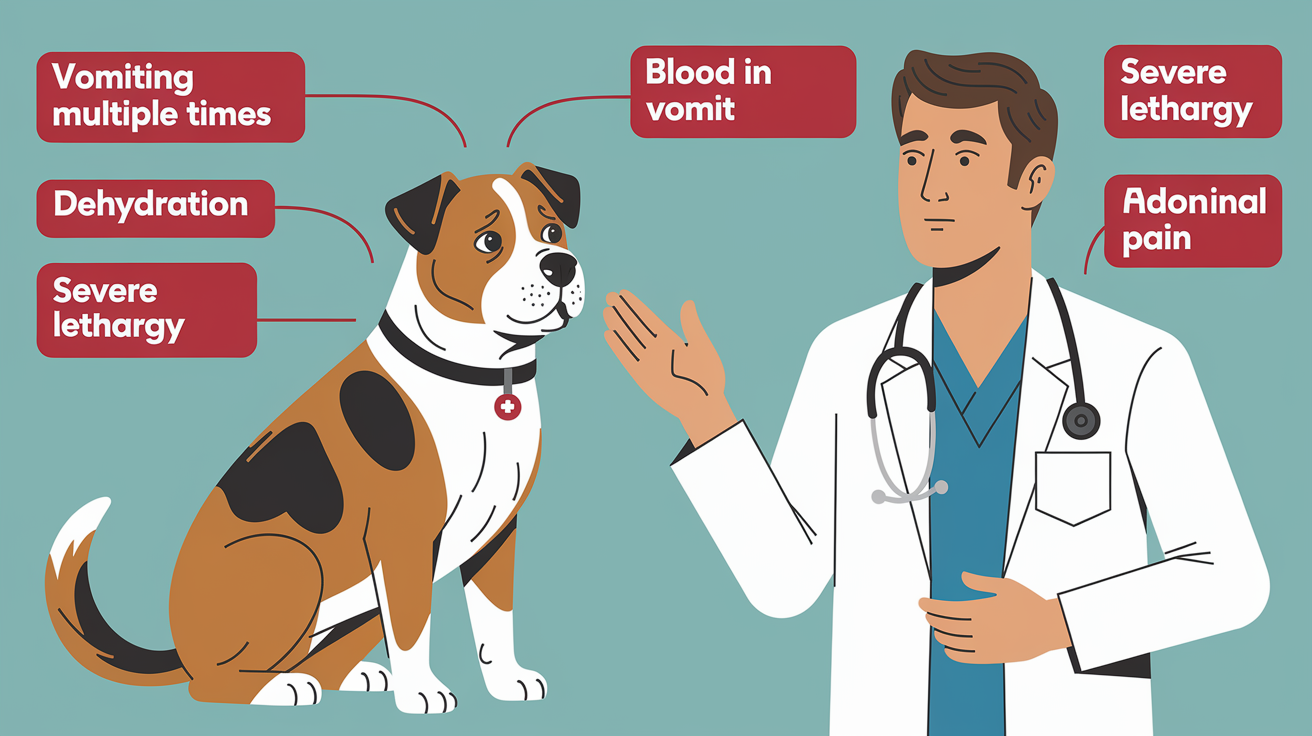
Not all yellow foam vomiting episodes are the same. Understanding which symptoms cross the line from “wait and watch” to “call the vet now” can help you make confident decisions under stress and catch problems early.
Vomiting more than once in 24 hours. A single morning episode is usually harmless. Repeated vomiting throughout the day or evening suggests your dog’s stomach or intestines are seriously irritated or blocked.
Dehydration signs. Sticky gums, sunken eyes, skin that doesn’t snap back when gently lifted, or reduced urination all mean your dog is losing too much fluid and needs veterinary rehydration.
Blood in the vomit. Red streaks, dark coffee ground material, or pink foam indicate bleeding in the stomach or esophagus. This is always an emergency.
Severe lethargy or collapse. If your dog won’t stand, seems confused, or collapses, the underlying cause could be toxin exposure, severe infection, or organ failure.
Abdominal pain or bloating. A tense, swollen belly, whining when touched, hunched posture, or restless pacing can signal obstruction, pancreatitis, or gastric dilatation.
Refusal to eat or drink. When your dog turns away from water or their favorite treats and continues to vomit, they can’t recover at home. They need intravenous fluids and medical support.
If you see any of these red flags, contact your vet or an emergency clinic right away. Waiting too long can allow dehydration, electrolyte imbalances, or complications to worsen.
What to Do at Home When a Dog Vomits Yellow Foam

If your dog vomits yellow foam once, has no other symptoms, and acts like their normal self within an hour, you can usually manage the situation at home with careful monitoring. These steps are only safe for mild, isolated episodes. They aren’t substitutes for veterinary care when red flags appear.
Safe Short-Term Care Steps
Withhold food for 6 to 12 hours to give your dog’s stomach a break. Puppies, senior dogs, and dogs with diabetes should fast for shorter periods or not at all without vet guidance. Offer small sips of water every 30 minutes to prevent dehydration, but don’t let your dog gulp a full bowl at once.
After the fasting window, reintroduce a bland meal in small portions. Boiled chicken with white rice or plain pumpkin puree mixed with a little rice works well. Feed quarter cup servings every few hours instead of one large meal.
| Step | What It Does | When to Use |
|---|---|---|
| 6 to 12 hour fast | Lets the stomach lining settle and stops further irritation from food movement | Single vomit episode, dog otherwise bright and alert |
| Bland diet (chicken and rice) | Provides easy to digest protein and carbohydrate without triggering nausea | After fasting period, when appetite returns |
| Small water sips | Prevents dehydration without overfilling the stomach and causing more vomiting | Throughout the fasting and recovery period |
| Monitor energy and stool | Helps you catch worsening signs early, including diarrhea or lethargy | Continuous observation for 24 to 48 hours after vomiting |
Remove access to anything your dog might chew or swallow. Small toys, trash, plants, and kitty litter should all be out of reach. Don’t give human anti-nausea medications, antacids, or painkillers without a vet’s approval. Many over the counter drugs are toxic to dogs.
If your dog vomits again during the fasting period, or shows any red flag symptoms, stop home care and call your veterinarian.
When a Dog Vomiting Yellow Foam Needs Veterinary Care
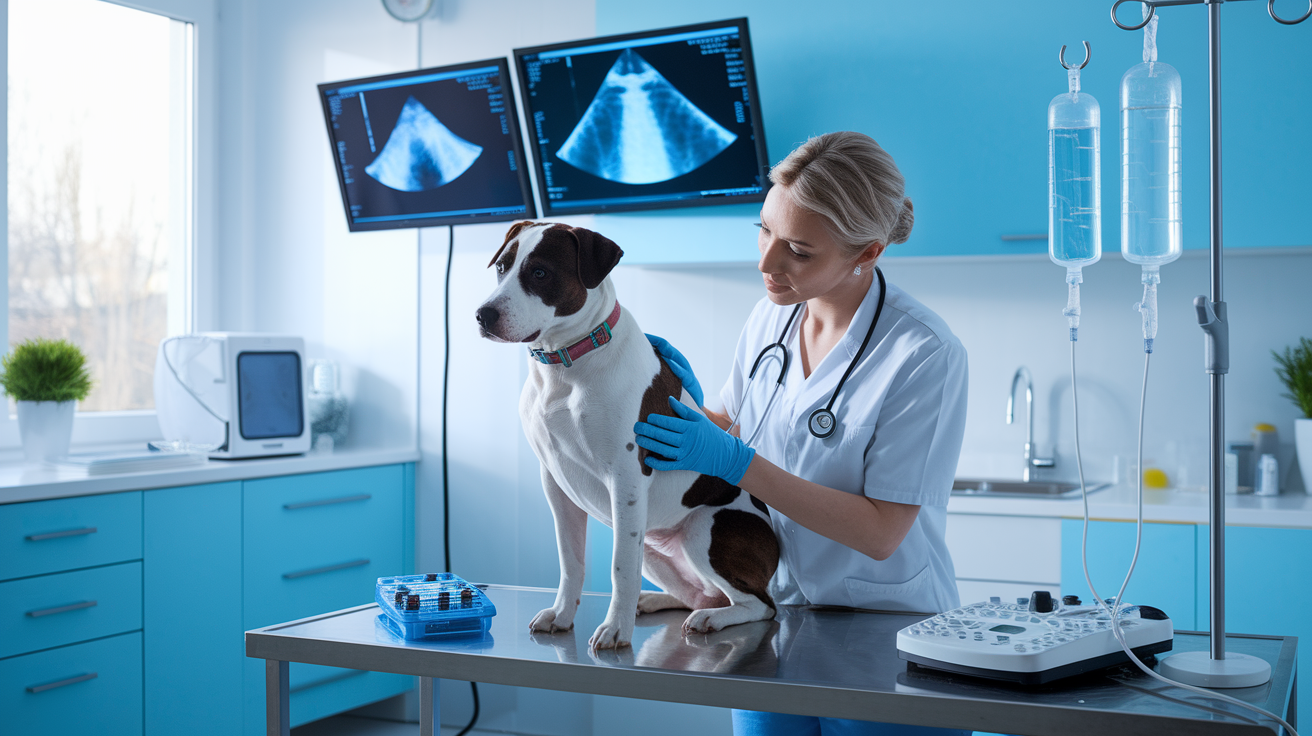
When vomiting persists beyond a single episode or your dog shows worrying symptoms, a veterinary exam becomes essential. Your vet will start by asking detailed questions about timing, diet, recent activity, and any changes in water intake, stool, or energy.
Be ready to describe when the vomiting started, how often it’s happened, what the vomit looks like, and whether your dog ate anything unusual or had access to garbage, plants, or small objects.
A physical exam will check hydration status by looking at gum moisture, skin elasticity, and heart rate. Your vet will gently press on your dog’s abdomen to feel for bloating, pain, or masses. They’ll listen to bowel sounds. If the vomiting has been severe or frequent, or if your dog shows signs of dehydration or pain, diagnostics become the next step to identify the root cause and rule out serious conditions like pancreatitis, obstruction, or organ disease.
Common Veterinary Diagnostics
Blood tests reveal infection, dehydration, electrolyte imbalances, liver function, kidney function, and pancreatic enzyme levels. A pancreatic lipase test specifically checks for pancreatitis.
Abdominal X-rays help detect foreign objects, intestinal blockages, and gas patterns that suggest obstruction or bloat. Ultrasound imaging provides a closer look at the liver, pancreas, stomach lining, and intestinal wall thickness. It can identify tumors, fluid buildup, or inflammation.
If parasites are suspected, a fecal test will check for worms and protozoal infections. Your vet will choose diagnostics based on your dog’s symptoms, age, and medical history.
Treatment Options for Dogs With Yellow Foam Vomiting
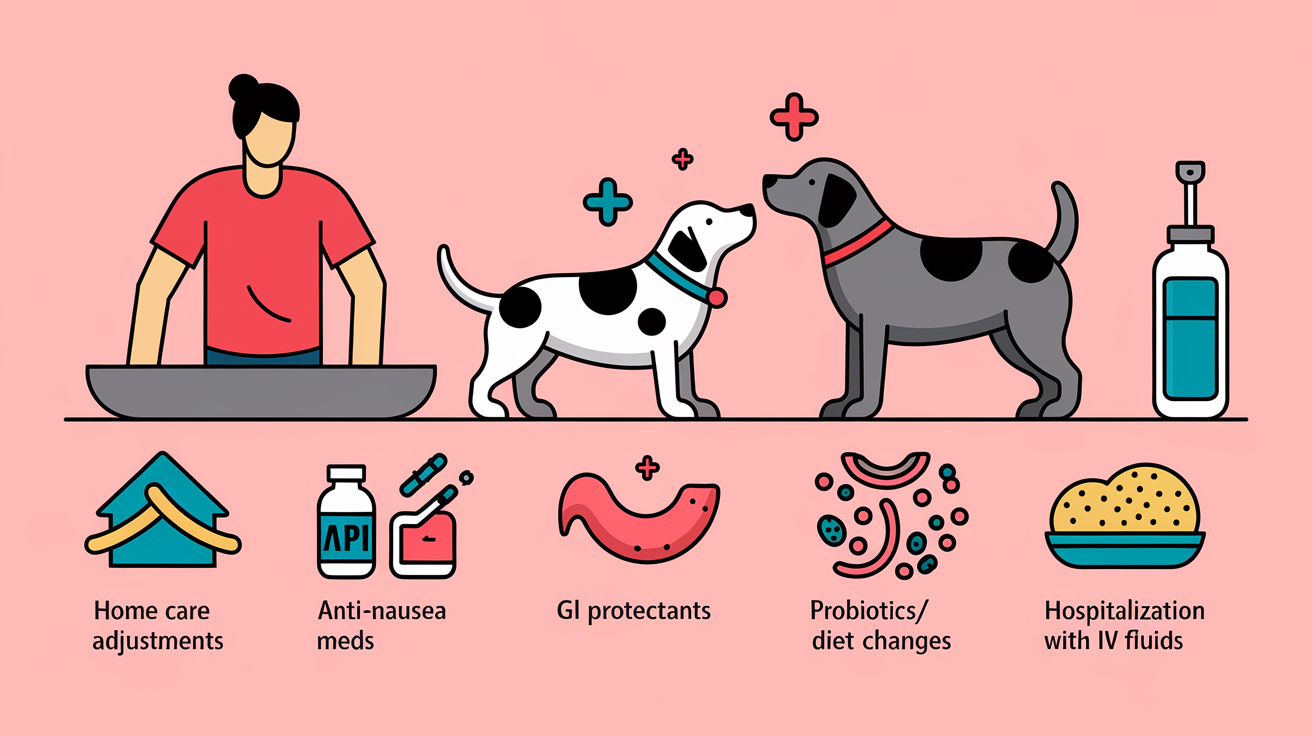
Treatment depends entirely on what’s causing the vomiting. For mild cases tied to an empty stomach or minor gastric upset, your vet may recommend feeding schedule changes, a short course of antacids or stomach protectants, and a few days of bland meals at home. Dogs with simple bile reflux often improve within 24 hours once the root trigger is addressed.
Moderate cases, like gastroenteritis or early stage gastritis, may require anti-nausea medication to stop vomiting. Your vet might prescribe gastrointestinal protectants to coat the stomach lining and sometimes a short course of antibiotics if bacterial infection is suspected. Probiotics to support gut health and temporary diet changes to reduce irritation are common too. Most dogs in this category recover at home with close monitoring and follow up check ins.
Severe conditions require hospitalization. Pancreatitis, intestinal obstruction, or toxin exposure are serious. Dogs with pancreatitis need intravenous fluids to correct dehydration, pain control, anti-nausea injections, and careful nutritional support. Treatment often lasts several days.
Dogs with a confirmed foreign body obstruction may need emergency surgery to remove the object and repair any intestinal damage. Toxin cases require immediate decontamination, activated charcoal, and intensive supportive care. The faster these conditions are treated, the better the outcome.
Preventing Recurring Episodes of Yellow Bile Vomiting
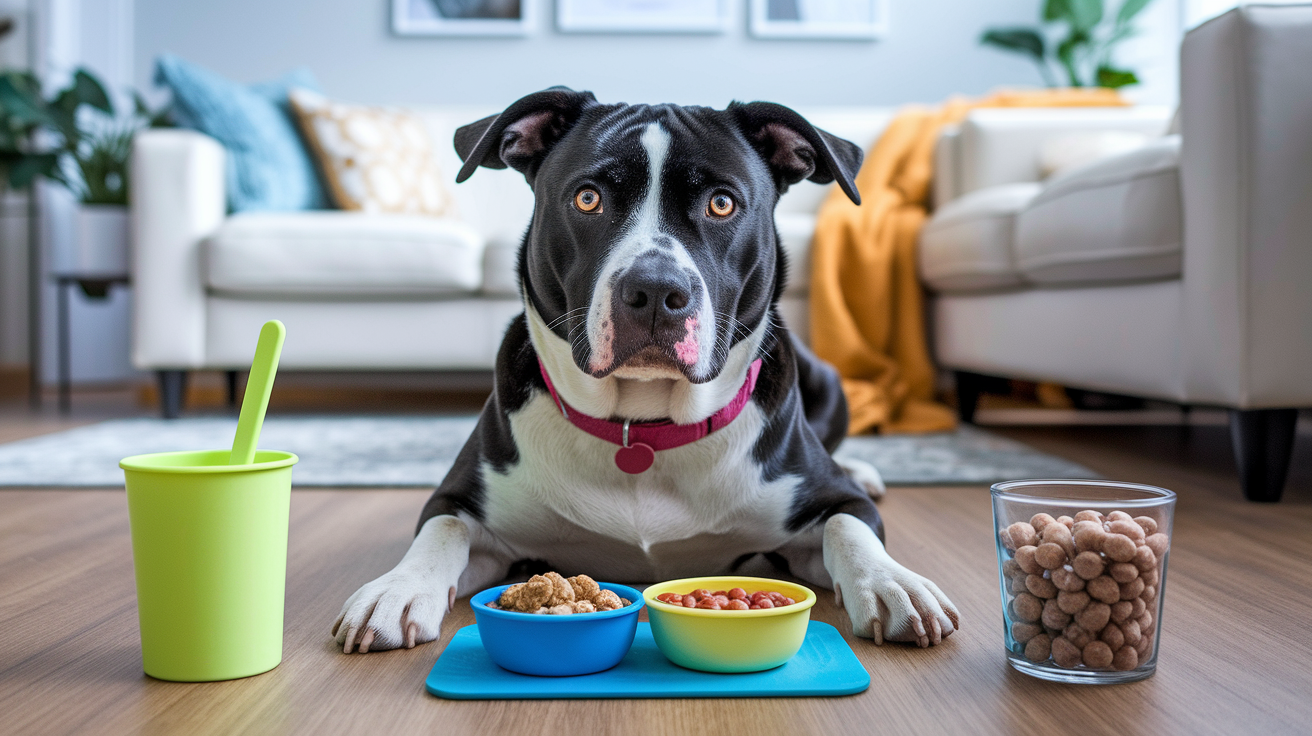
If your dog tends to vomit yellow foam regularly, especially in the morning, prevention strategies can break the cycle and protect your dog’s stomach lining over the long term. Most recurring bile vomiting comes from timing and routine, which means simple schedule changes can make a big difference.
Split daily food into smaller, more frequent meals. Instead of feeding once or twice a day, divide the same total amount into three or four servings. This keeps the stomach from sitting empty for long stretches and reduces bile reflux.
Offer a small bedtime snack. A plain biscuit, a spoonful of pumpkin, or a few pieces of kibble right before bed can prevent overnight bile buildup. The snack doesn’t need to be large, just enough to absorb stomach acid.
Choose high quality, easily digestible food. Low quality ingredients, excessive fillers, and artificial additives can irritate sensitive stomachs. Look for dog food with named protein sources, limited ingredients, and no corn or wheat if your dog has known sensitivities.
Maintain a healthy weight. Overweight dogs are at higher risk for acid reflux and bile vomiting. Work with your vet to set a safe calorie target and exercise routine.
Prevent access to garbage, toxic plants, and small objects. Supervision and puppy proofing reduce the chances of gastritis, obstruction, and toxin exposure. Keep trash cans secured, remove choking hazards, and avoid leaving fatty food scraps within reach.
Dogs with chronic digestive sensitivity may benefit from prescription gastrointestinal diets or daily stomach protectants. If prevention steps don’t stop the vomiting pattern within a week or two, schedule a vet visit to rule out underlying conditions like food allergies, inflammatory bowel disease, or organ dysfunction.
Related Symptoms to Watch After Yellow Foam Vomiting
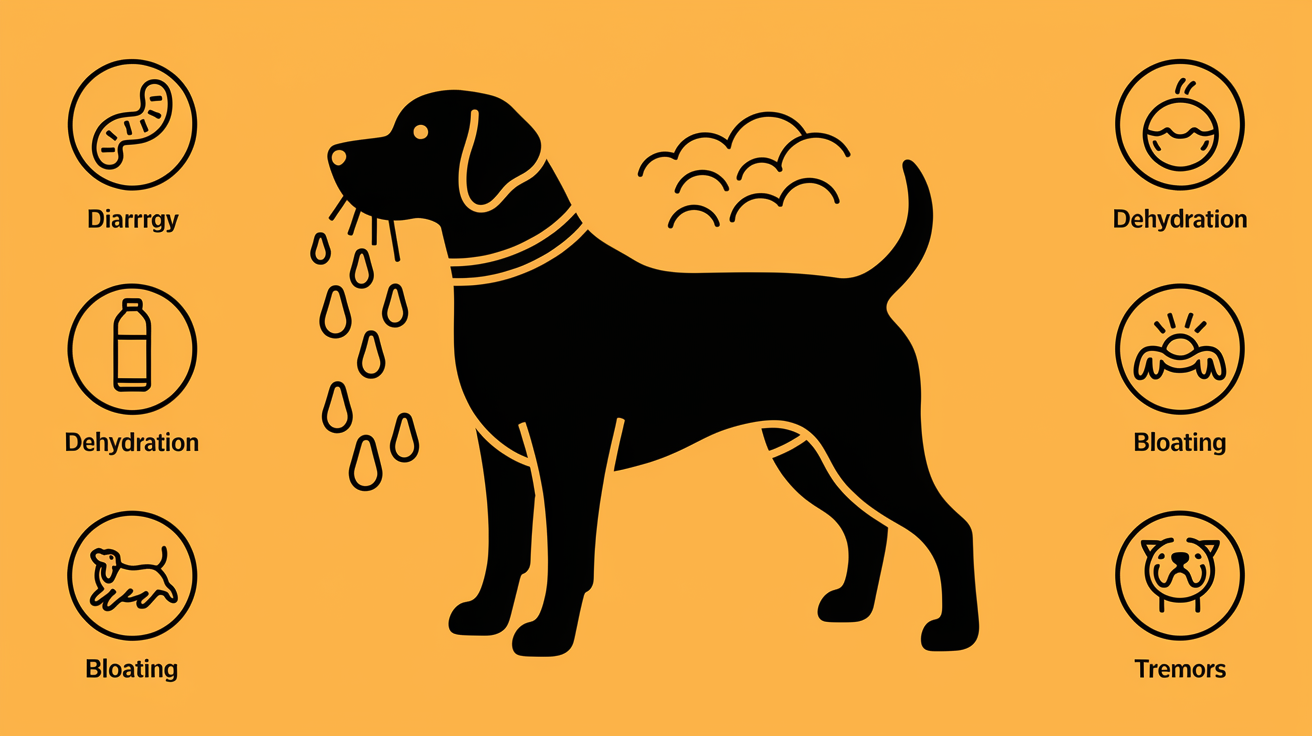
Yellow foam vomiting rarely happens in isolation when a serious problem is developing. Paying attention to related symptoms over the next 24 to 48 hours helps you catch complications early and decide whether your dog needs immediate care or can continue recovering at home.
Diarrhea appearing alongside vomiting suggests gastroenteritis or a systemic infection. Soft stool once or twice may not be alarming. But watery, frequent, or bloody diarrhea paired with bile vomiting means your dog is losing fluids fast and needs veterinary rehydration.
Loss of appetite that lasts beyond the first few hours after vomiting can signal pain, nausea, or a more serious digestive issue. If your dog refuses their favorite treats or turns away from water, don’t wait another day.
Lethargy or unusual tiredness. A dog who stays curled up, avoids play, and seems weak may be dehydrated or in pain.
Bloating or a tight belly. Abdominal swelling, especially with repeated retching and no vomit coming up, can indicate bloat or obstruction. Both are emergencies.
Excessive drooling or lip licking. Nausea often causes dogs to drool heavily and lick their lips repeatedly, signaling ongoing stomach discomfort.
Trembling or restlessness. Shaking, pacing, and inability to settle can mean abdominal pain or systemic distress.
Changes in urination or stool color. Dark urine, no urine output, black tarry stool, or bright red blood in stool all warrant immediate veterinary attention.
Keep a simple log of what you observe. Time of each vomit, water intake, energy level, stool consistency, and any new behaviors. This information helps your vet assess severity and speeds up diagnosis if your dog’s condition worsens.
Final Words
If your dog is vomiting yellow foam, that’s most often bile mixed with stomach acid from an empty stomach. This article explained what that yellow foam usually is, common causes from simple reflux to more serious problems, and clear red flags to watch for.
We also covered safe at-home steps—brief fasting, bland food, and keeping water available—and what vets check for if symptoms persist.
If you see dog throwing up yellow foam, track how often it happens over 24–48 hours and call your vet for repeated episodes or any worrying signs. Many dogs improve with simple care, and help is available if they don’t.
FAQ
Q: What do you do if your dog is throwing up yellow foam?
A: If your dog is throwing up yellow foam, check for red flags like repeated vomiting, blood, collapse, breathing trouble, or lethargy. If none, fast 6–12 hours, give small water sips, feed bland food, and call your vet if it returns.
Q: Why is my dog throwing up yellow foam slime?
A: Your dog may be throwing up yellow foam slime because it’s bile (yellow-green digestive fluid) refluxing on an empty stomach, often in the morning. Other causes are gastritis, pancreatitis, or obstruction. Monitor and call your vet if it repeats.