

Is your dog drinking like a faucet left on, emptying the bowl all day and leaving puddles on the floor?
A little extra water after a long walk, a hot day, or a diet switch is normal, but steady heavy drinking may mean hormone problems, kidney trouble, or side effects from medicines.
This post shows simple checks to do today, how to track water and pee, and the clear red flags that mean call your vet right away: repeated vomiting, collapse, blood in urine or stool, severe breathing trouble, or seizures.
Understanding When Increased Thirst Is Normal vs. Concerning
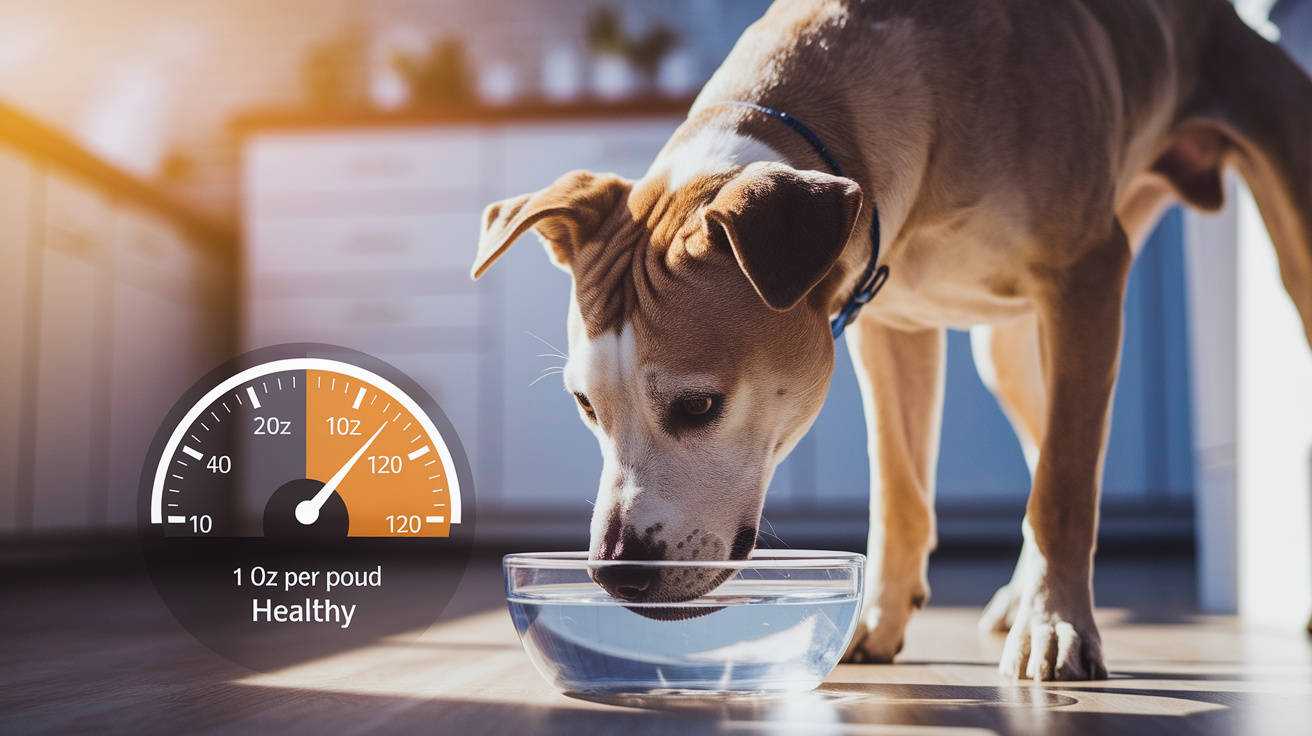
A healthy dog drinks roughly 1 ounce of water per pound of body weight daily. So a 10 pound dog drinks around 10 ounces, and a 50 pound dog drinks about 50 ounces. This gives you a baseline to notice when something’s off.
Excessive drinking, or polydipsia, means your dog’s drinking way more than that guideline over several days in a row. You’re refilling the bowl constantly, finding puddles inside, or watching them camp out at the water dish. That’s a pattern worth paying attention to. One extra hot day at the park doesn’t count. We’re talking about a sustained jump that lasts days or longer.
Dogs naturally drink more in situations that aren’t red flags. A long hike, switching from wet to dry food, a heat wave, or something stressful like a move can all spike water intake temporarily. These usually settle down when things return to normal.
Some harmless reasons for drinking more include:
- Hot or humid weather
- More exercise or playtime than usual
- Diet changes that cut moisture, like going from canned to dry food
- Stress from travel, visitors, or routine changes
Medical Conditions That Commonly Cause Increased Thirst

Diabetes mellitus happens when your dog’s pancreas can’t make enough insulin. Glucose gets stuck in the bloodstream instead of fueling cells. Blood sugar shoots up, sometimes past 200 mg/dL, and the kidneys start dumping that extra glucose into urine. Water follows glucose, which creates huge amounts of dilute pee. Your dog drinks heavily just to replace what’s lost. You’ll often see weight loss even with a good appetite, low energy, and sometimes a sweet or fruity smell on their breath from ketone buildup.
Kidney disease means the organs can’t filter waste or concentrate urine properly anymore. Damaged nephrons, whether from aging, infection, toxins, or cancer, lose their ability to do the job. The kidneys try to compensate by making more dilute urine to clear waste, but that just floods the body with fluid loss. Your dog drinks nonstop to keep pace with all that peeing. Watch for decreased appetite, vomiting, weight loss, and bad breath from uremic waste building up.
Cushing’s disease happens when the adrenal glands pump out too much cortisol. That stress hormone messes with antidiuretic hormone (ADH), which normally tells the kidneys to hold onto water and concentrate urine. Without proper ADH function, urine stays dilute and volume goes up, so drinking increases. Dogs with Cushing’s often get a pot belly, thin skin that bruises easily, heavy panting even when resting, and patchy fur loss on the body.
Urinary tract infections irritate the bladder lining and create a constant feeling of urgency. Your dog pees frequently even when there’s barely anything there. They drink more to refill the bladder and deal with that nagging urge. Bacterial infections cause inflammation, and you might see straining, blood in the urine, or indoor accidents from a normally housetrained dog. UTIs hit females more often because their shorter urethras make it easier for bacteria to reach the bladder.
Other hormonal issues like diabetes insipidus and liver disease throw off fluid balance in different ways. Central diabetes insipidus means not enough ADH from the pituitary gland. Nephrogenic diabetes insipidus means the kidneys just ignore ADH signals completely. Both create extreme urine output and relentless thirst. Liver disease messes with protein production and detox processes, which indirectly affects electrolytes and hormones. The body tries to correct those imbalances by increasing urination and drinking.
Non‑Medical Causes: Diet, Medication, and Lifestyle Factors

Some medications trigger increased thirst and urination as a side effect. Corticosteroids like prednisone, used for allergies or inflammation, boost cortisol activity and interfere with urine concentration the same way Cushing’s does. Diuretics for heart failure actively force the kidneys to dump more sodium and water to reduce fluid buildup. Anti-seizure drugs like phenobarbital can raise thirst through metabolic shifts. These med related increases usually show up within days of starting a new prescription or changing the dose. They often level out after a week or two once the body adjusts.
Diet plays a big role in how much your dog drinks. High sodium foods, including lots of treats and table scraps, create an electrolyte imbalance that triggers thirst to dilute the salt. Dry kibble has maybe 10 percent moisture. Canned food has 75 percent or more. If you switch from wet to dry, your dog will drink way more water to make up for lost dietary moisture. That’s normal, not a problem.
Routine or environment changes can bump up water intake without any medical reason. A dog crated all day without water may chug heavily in the evening to catch up. Indoor heating dries out the air and increases water loss through breathing, so they drink more. Boredom or anxiety in under stimulated dogs sometimes leads to excessive water drinking as a displacement behavior, though that’s pretty rare.
Common non medical triggers include:
- Starting or adjusting meds like steroids, diuretics, or phenobarbital.
- Diet changes that cut moisture or add sodium.
- Environmental shifts like heating, travel, or limited daytime water access.
How Much Water Your Dog Should Drink Daily

Most dogs need about 1 ounce of water per pound of body weight each day under normal conditions. A 20 pound dog drinks around 20 ounces, about 2.5 cups. A 70 pound dog drinks roughly 70 ounces, or 8.5 cups. This assumes moderate activity, typical indoor temps, and a balanced diet.
Puppies often drink a bit more because their kidneys are still developing and their metabolism runs faster. Lactating dogs need a lot more water to produce milk. Very active dogs, working breeds in training, and dogs in hot climates can easily drink 1.5 to 2 times the baseline without concern. If your dog consistently drinks more than double the standard amount without an obvious reason like heat or exercise, that’s when you should dig deeper.
| Dog Size | Weight Range | Approx. Ounces Per Day |
|---|---|---|
| Small | 10–25 lbs | 10–25 oz (1.25–3 cups) |
| Medium | 26–50 lbs | 26–50 oz (3.25–6.25 cups) |
| Large | 51–100 lbs | 51–100 oz (6.5–12.5 cups) |
Warning Signs That Require a Veterinary Visit
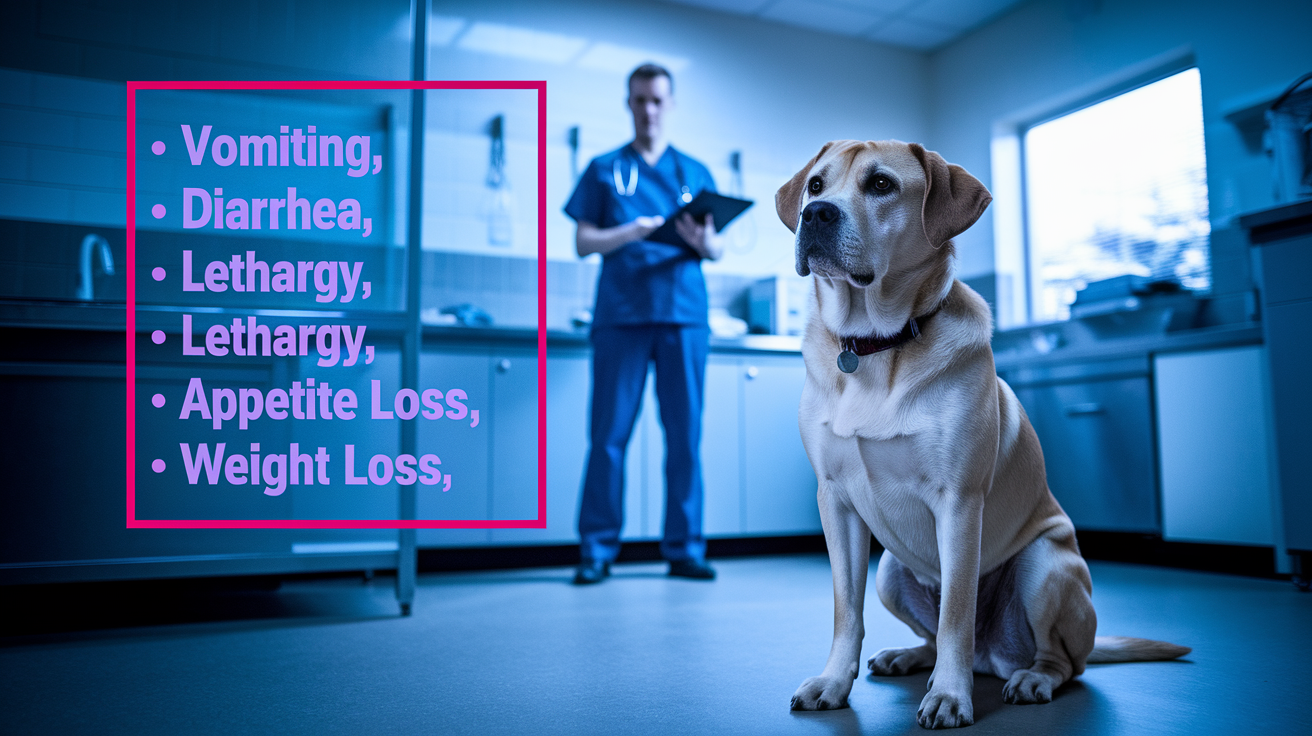
Excessive thirst by itself can usually wait for a regular appointment if your dog’s acting normal otherwise, eating well, and keeping their energy up. Things get urgent when heavy drinking comes with other symptoms pointing to rapid decline or system wide illness. Vomiting or diarrhea paired with lots of drinking suggests serious dehydration or organ failure. Lethargy, where your dog won’t get up for normal stuff or seems weak and wobbly, points to metabolic collapse or toxin buildup. Sudden weight loss over days, especially with a strong appetite, often signals diabetes or advanced kidney disease.
Changes in appetite matter too. Complete refusal to eat for over 24 hours, combined with excessive drinking and peeing, indicates a serious metabolic or infectious process. Severe dehydration shows up as tacky, sticky gums instead of wet ones, a skin tent that stays raised when you pinch the scruff, sunken eyes, and thick ropy saliva. These signs mean your dog’s body can’t keep up with fluid loss despite drinking heavily.
Get veterinary care right away if your dog shows:
- Repeated vomiting, especially if they can’t keep water down
- Collapse, extreme weakness, or trouble standing
- Won’t eat for 24 hours or more
- Blood in urine or stool
- Severe panting, bright red gums, or breathing trouble, which can mean heat stroke or shock
How to Monitor Your Dog’s Water Intake at Home
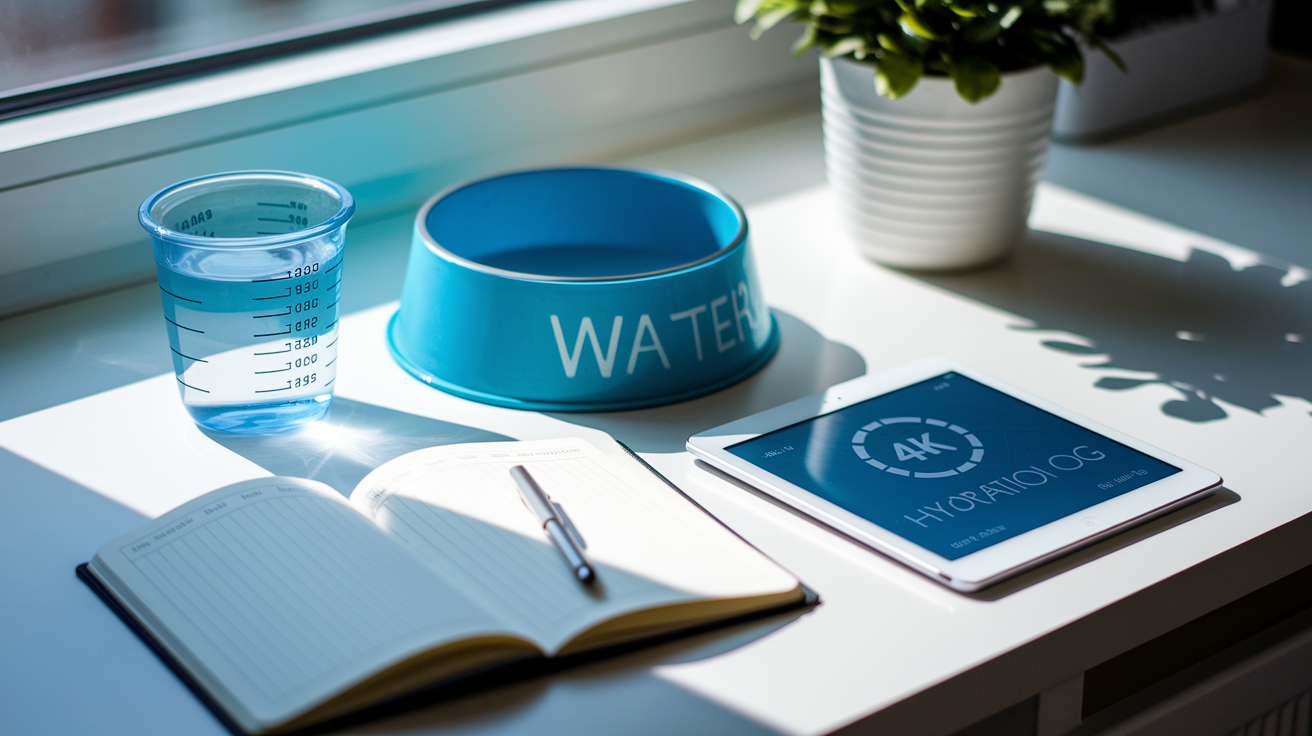
Measuring your dog’s water intake gives you solid numbers to share with your vet instead of vague impressions. Use a large measuring cup or pitcher to fill your dog’s bowl to a marked line at the same time every morning. After 24 hours, measure what’s left, subtract it from what you started with, and record the total. Do this for at least three days in a row to get a reliable pattern. Single day measurements bounce around too much depending on activity and weather.
What you record matters beyond just ounces. Note the timing of drinking. Does your dog empty the bowl in one go or come back repeatedly all day? Track urination frequency and volume. Look for big puddles, indoor accidents, or your dog asking out every hour. Write down any other symptoms, changes in appetite, energy, vomiting, or odd behavior. This log creates a clear picture of whether the increase is isolated or part of something bigger.
Track intake for three to five days before calling your vet if your dog seems otherwise healthy. If red flag symptoms show up, diarrhea, vomiting, lethargy, appetite loss, call right away and bring whatever data you’ve collected. Even a day or two of measurements helps your vet narrow things down faster.
A simple daily routine includes:
- Fill the water bowl to a marked line using a measured container. Record the amount and time.
- Refill the bowl each time it empties. Measure and record each refill during the day.
- At the same time next morning, measure any water left and calculate total intake.
- Log pee frequency, meal times, activity level, and any symptoms alongside water intake.
Final Words
If your dog is drinking a lot of water, we covered when that rise in thirst is normal, common medical causes, diet and medication triggers, how much dogs usually need, warning signs, and simple ways to track intake at home.
Today, mark a bowl, log ounces and behavior for 24 to 72 hours, and watch for vomiting, weight loss, or marked lethargy.
If you’re asking “why is my dog drinking so much water”, tracking these details and sharing them with your vet will help you get clearer answers — you’re doing the right thing.
FAQ
Q: Should I be concerned if my dog is drinking a lot of water?
A: If your dog is drinking a lot of water, be concerned when the increase is sudden or large, or if vomiting, weight loss, lethargy, or very frequent urination appear—call your vet without delay.
Q: Why is my dog drinking so much water but acting normal?
A: If your dog is drinking so much water but acting normal, common causes include heat, extra exercise, salty food, or medications; monitor intake for 24–48 hours and contact your vet if it continues.