

Could that nonstop paw licking or sudden face rubbing be an allergy and not just bad habits?
Quick checks, like the smell of the ears, watery versus thick eye discharge, seasonal timing, and where hair is falling, tell you a lot fast.
This quick-scan guide lays out the common signs to watch, simple steps you can try at home, and how to track changes over the next 48 hours.
I’ll also name clear red flags, like yellow eye gunk, painful ears, or fast-spreading hot spots, when you should call the vet.
Quick-Scan Checklist of Allergy Symptoms in Dogs (Plus Human Allergy Clues)

Here’s what to watch for when you suspect allergies.
In dogs:
- Scratching that’s either mild and persistent or suddenly intense
- Hives, those raised bumps that pop up on the belly, armpits, head, face, or along the legs
- Nonstop licking, usually focused on belly, paws, and around the rear
- Puffy eyes, with redness and swelling around one or both
- Eye discharge that starts watery, then turns thick and green or yellow
- Face rubbing on carpets or furniture
- Hair loss from constant scratching or biting, especially belly and legs
- Red, smelly ears that look inflamed or infected
- Head shaking, the kind that signals ear itch or something worse brewing
- Red, irritated skin around the mouth, chin, paws, neck, or belly
- Hot spots, those wet and angry lesions that tend to show up on the sides or near the tail base
- Sneezing and reverse sneezing, especially after being outside or near pollen indoors
- Skin that twitches or seems to “crawl” when you touch it
In humans around dogs:
- Sneezing or runny nose right after contact
- Watery, itchy eyes
- Skin rashes or hives where the dog licked or touched you
- Stuffy nose or cough
Skin and Coat Problems Often Linked to Canine Allergies
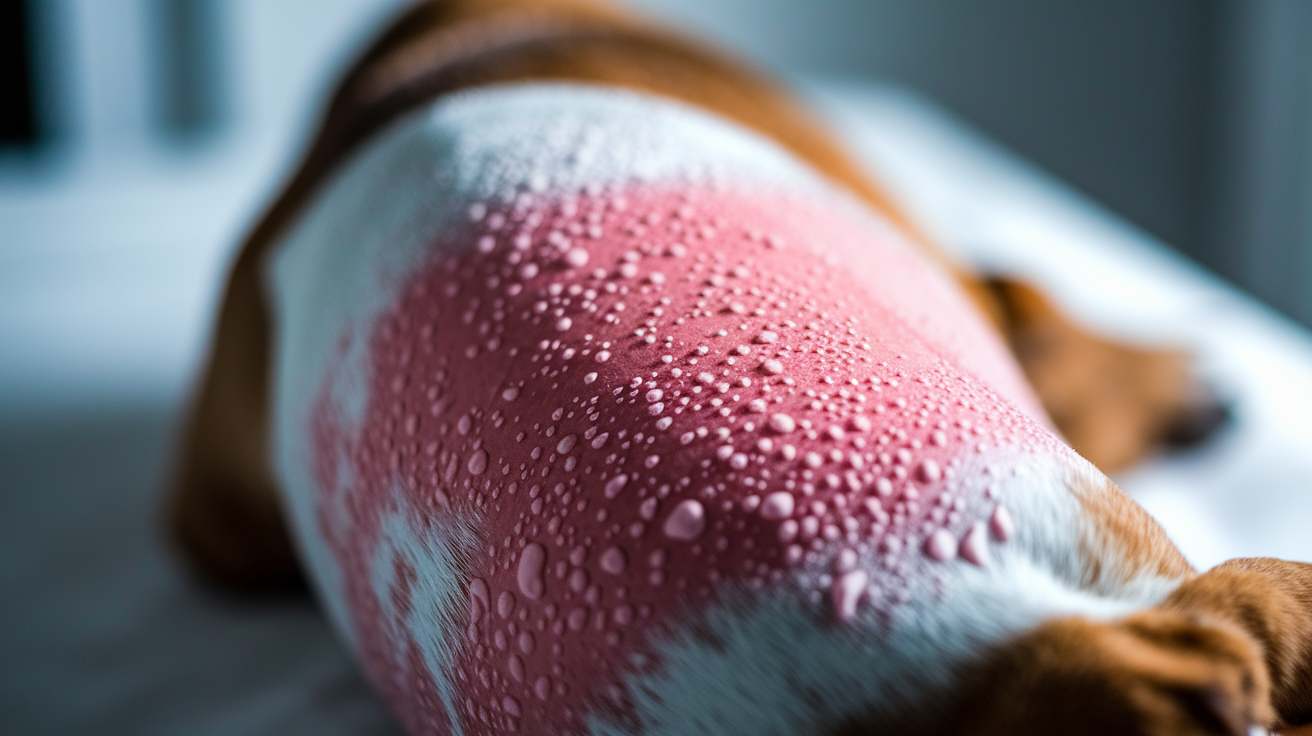
Skin reactions are usually the first thing you’ll notice. Dogs get red, inflamed patches on the mouth, chin, paws, belly, and neck when allergens set off an immune response. You might see hives as small raised bumps in areas with less fur, like the belly, armpits, or face. Hot spots show up as wet and really irritated lesions, often on the sides or near the tail base. Labradors and a few other breeds seem especially prone to them.
Over time, repeated scratching and licking do more damage. Hair falls out on the belly, legs, and tail base as your dog bites and chews at itchy skin. The skin scabs over wherever nails have broken through. Constant licking darkens the skin and thickens it into rough, leathery patches.
Five skin signs worth tracking:
- Red, inflamed patches on face, paws, or underbelly
- Raised hives that either come and go or stick around for days
- Hair loss in symmetrical patterns or just thinning in one spot
- Wet, oozing hot spots that spread fast
- Scabbing or crusting from too much scratching
Ear, Eye, and Facial Signs of Allergies in Dogs
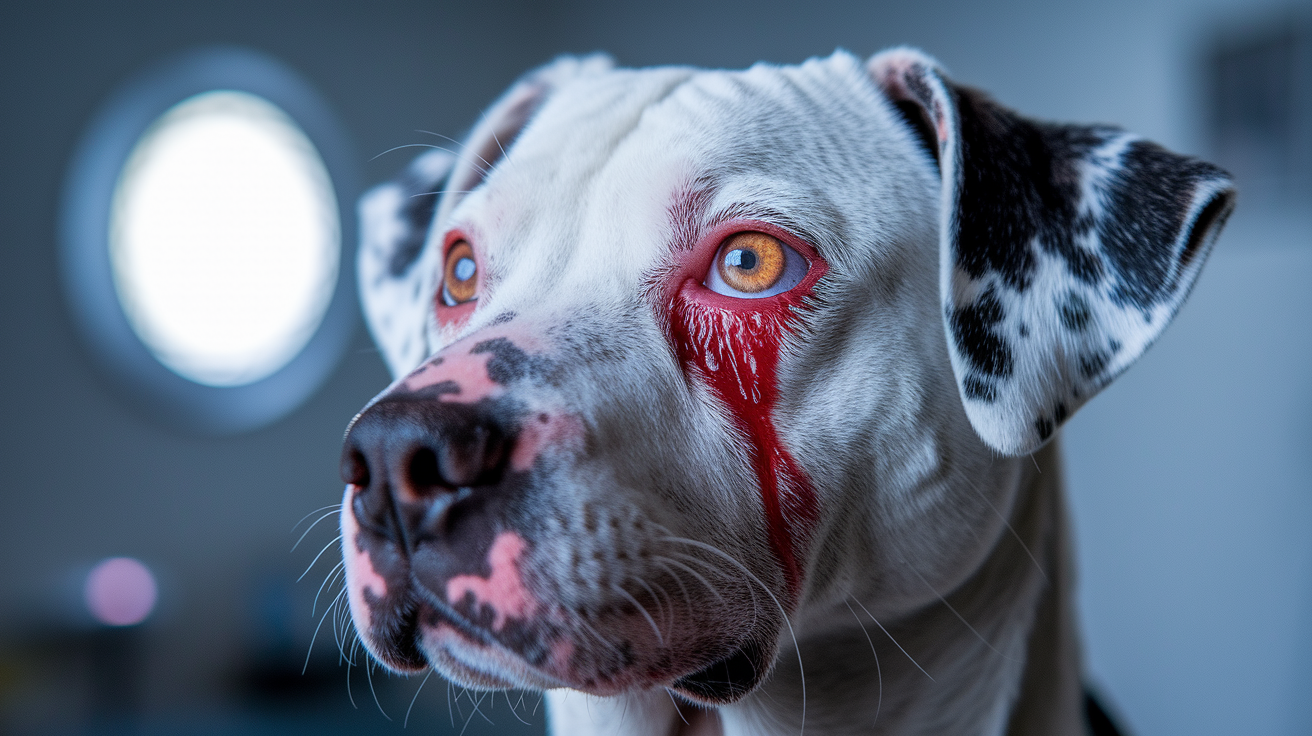
Puffy, swollen eyes happen a lot with allergies. One or both eyes might look red and swollen, sometimes with hair loss developing around them. The discharge starts watery but often turns thick, yellow, or green when bacteria get involved. That color shift tells you infection has joined the allergic inflammation.
Ears become a real problem for allergic dogs. Inflammation inside the ear canal creates warmth and moisture, perfect for yeast or bacteria to grow. You’ll smell a bad odor, see redness inside the ear flap, and notice frequent head shaking. Your dog might rub their face on carpets or furniture to relieve the itch, like they’re trying to scratch something they can’t quite reach. Persistent head shaking and face rubbing together usually mean ear inflammation has kicked in.
Respiratory and Gastrointestinal Signs Related to Dog Allergies
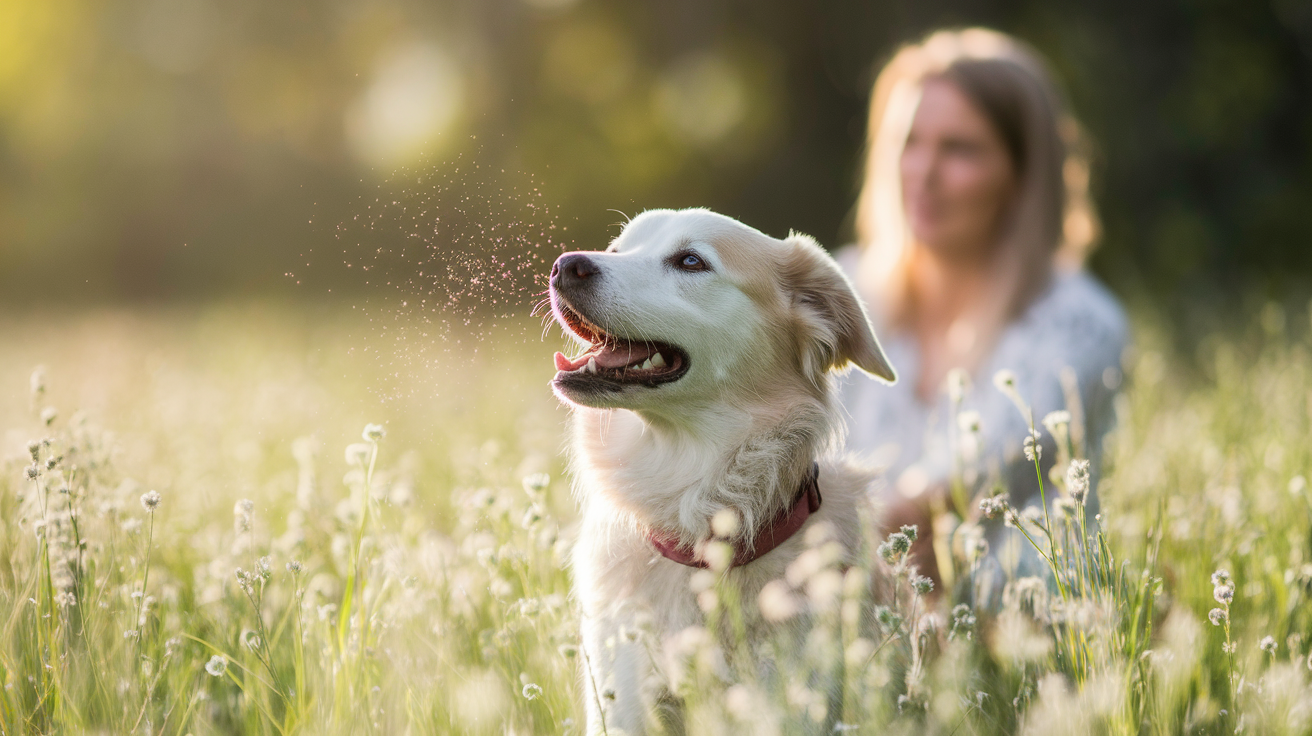
Respiratory stuff is less common in dogs than skin reactions, but it happens. Sneezing and reverse sneezing, that snorting sound that looks scary but is usually harmless, ramp up when pollen counts are high. Some dogs cough, wheeze, or get a clear nasal discharge after being outside. These signs tend to follow seasons, getting worse in spring, summer, and fall.
Digestive symptoms point toward food allergies more than environmental ones. Chronic vomiting, diarrhea, or soft stools that don’t improve with a basic diet change suggest your dog’s gut is reacting to an ingredient. Food allergies often cause both skin itching and digestive upset at the same time, especially persistent paw and face licking paired with loose stools.
Red flag respiratory and digestive symptoms:
- Wheezing or labored breathing
- Persistent coughing that gets worse over days
- Chronic diarrhea or vomiting lasting more than 48 hours
- Nasal discharge that becomes thick or colored
Differentiating Allergy Types Through Their Unique Signs
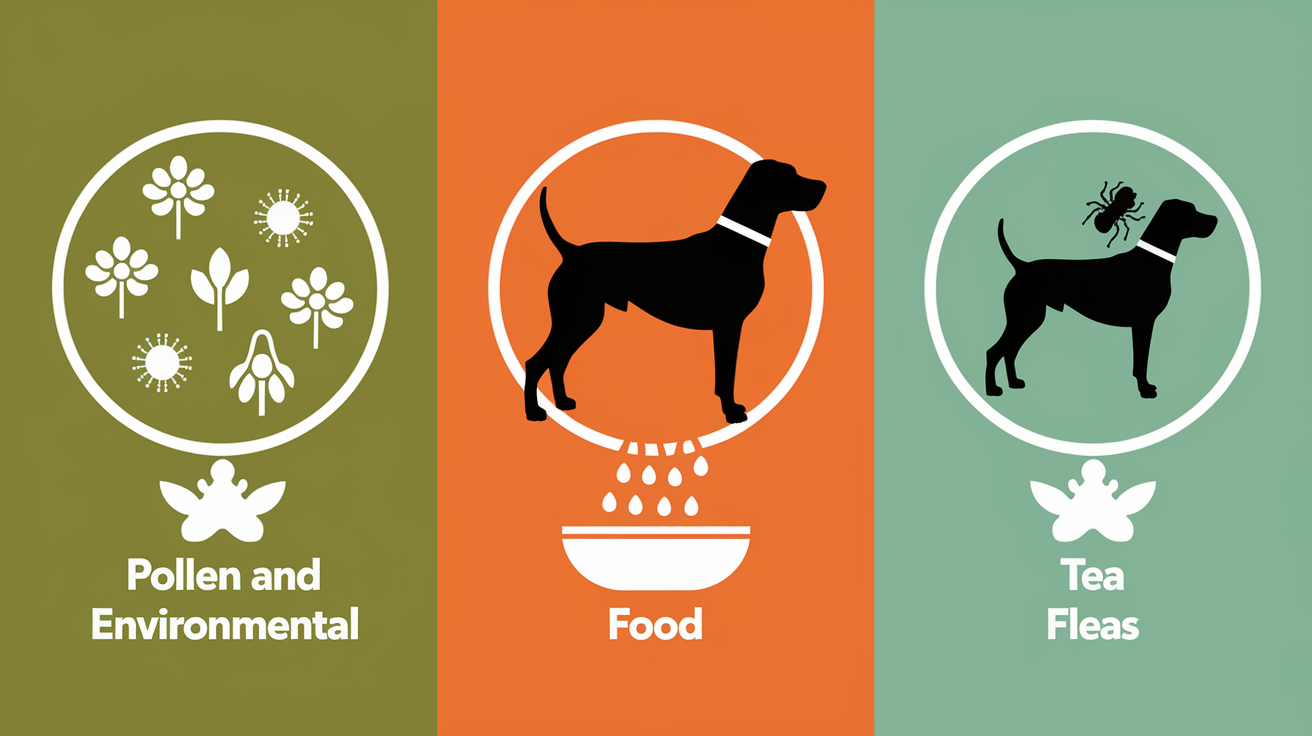
Environmental allergies follow a seasonal pattern. Symptoms flare in spring, summer, and fall when pollen, grasses, and molds peak outdoors. Dogs sneeze, get watery eyes, and scratch at their face, feet, and belly. The itching usually starts between six months and three years of age. If your dog is fine all winter and miserable every May through September, pollen is probably the culprit.
Food allergies produce year round symptoms without a seasonal break. Persistent itching, especially around the paws and face, pairs with gastrointestinal signs like soft stools or occasional vomiting. An elimination diet trial, strict adherence to a novel protein or hydrolyzed diet for eight to twelve weeks minimum, is the only reliable way to diagnose food allergies. Lots of owners assume grain is the problem, but most food allergic dogs react to proteins like chicken, beef, or dairy.
Flea allergy dermatitis triggers intense, localized itching around the rump, tail base, inner thighs, and lower abdomen. A single flea bite can set off severe scratching in a hypersensitive dog. You might not see fleas, but you may find tiny black specks of flea dirt, digested blood that turns red when moistened on a paper towel. Good flea control for at least three months is both the diagnostic test and the treatment.
| Allergy Type | Key Signs | Typical Pattern |
|---|---|---|
| Environmental/Pollen | Sneezing, watery eyes, itching on face and feet | Seasonal (spring–fall) |
| Food Allergies | Paw/face licking, GI upset, chronic itching | Year-round, no seasonal relief |
| Flea Allergy Dermatitis | Intense rump/tail base itching, flea dirt | Flares with flea exposure, often seasonal in some climates |
Behavioral Changes That Signal Discomfort From Allergies
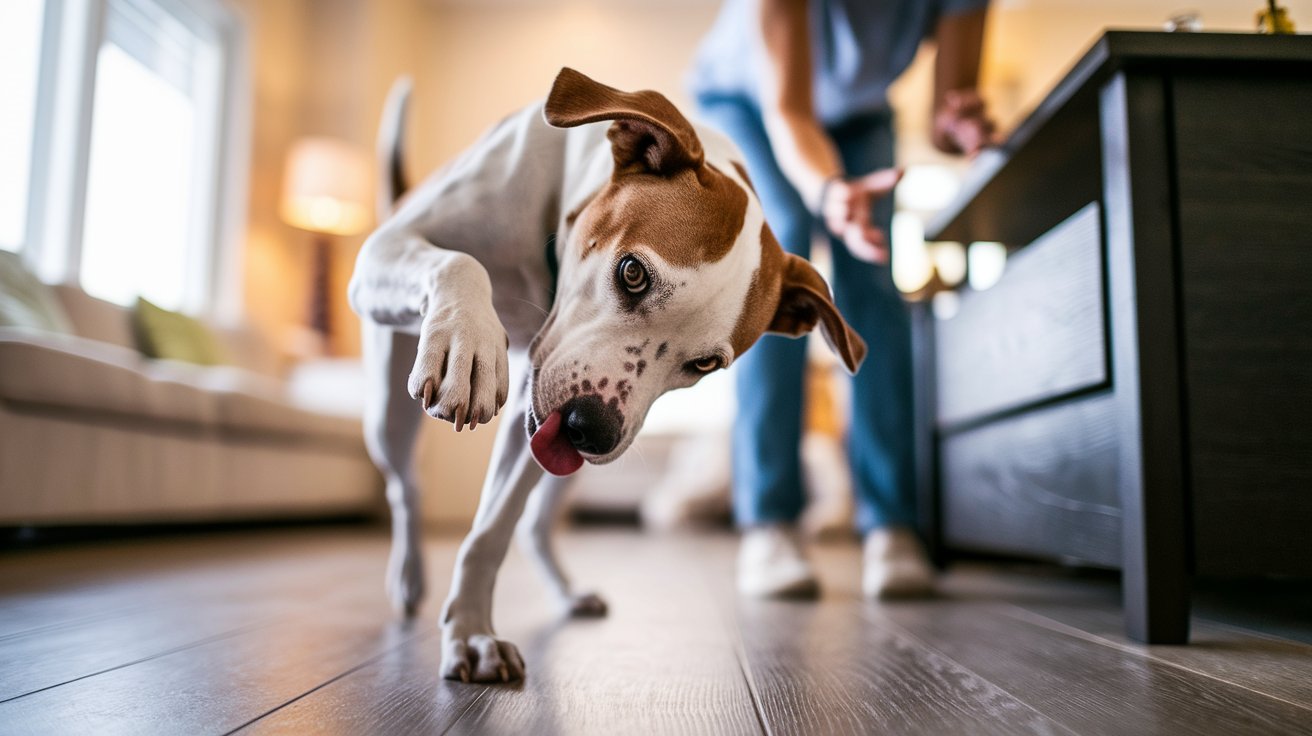
Allergic dogs change how they move and interact. You’ll see nonstop paw licking, often focused on the front paws or between the toes. That rhythmic licking can go on for hours and is one of the most common behavioral signs of allergic itch. Your dog may also groom their belly and groin more than usual, leaving those areas damp and discolored.
Restlessness is another clue. An itchy dog can’t settle. They shift positions, get up and down, and seek your attention to scratch hard to reach spots. Rubbing the body along furniture, walls, or carpet becomes a frequent habit. You might notice your dog scooting their rear on the floor, a behavior that can signal anal gland issues but also reflects general itch and discomfort around the hindquarters. When normal scratching doesn’t bring relief, these repetitive behaviors take over.
When Dog Allergy Symptoms Require Veterinary Care
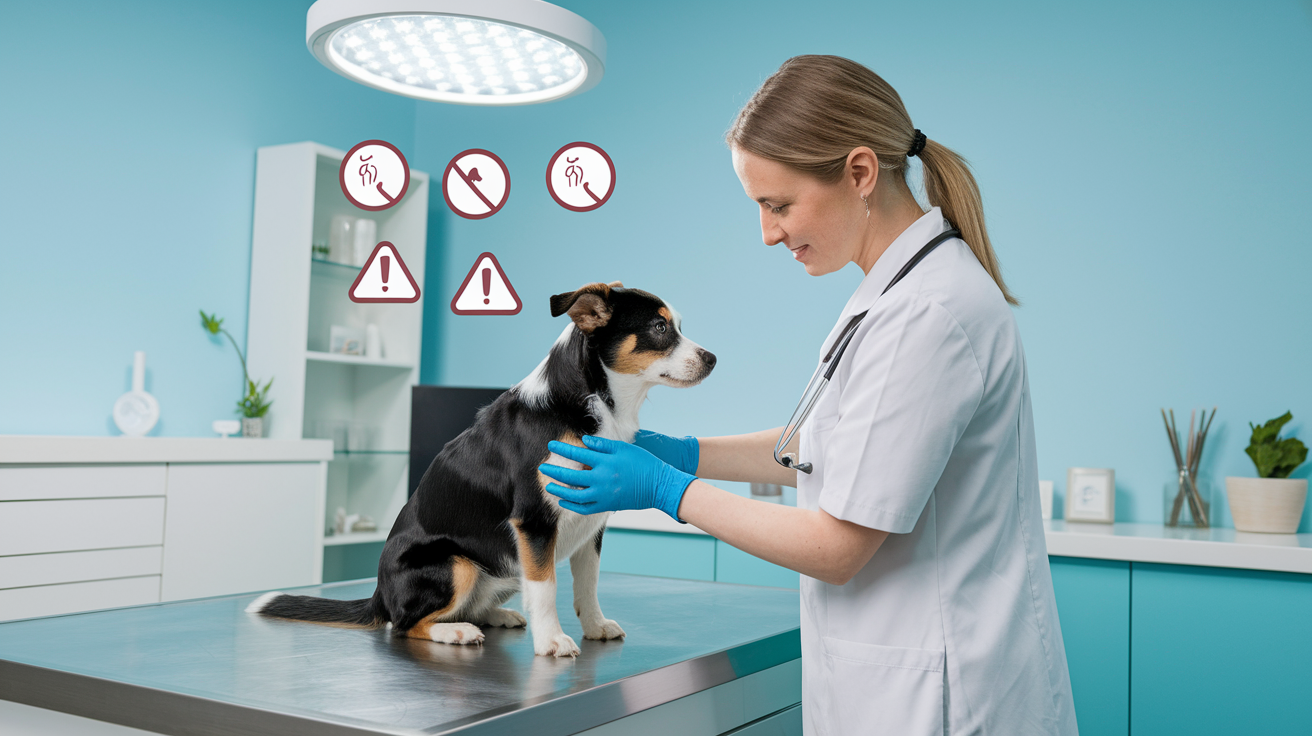
Mild, occasional itching can be monitored at home for a few days. But certain signs mean it’s time to call your veterinarian.
Green or yellow eye discharge, especially if thick, signals secondary bacterial infection. Ears that smell bad or look red and swollen inside have likely progressed to otitis, an ear infection that won’t clear without treatment. Hot spots that expand rapidly, ooze, or develop crusts need antibiotics and possibly anti inflammatory medication. Any open lesions, fever, severe lethargy, or loss of appetite moves your dog into urgent care territory.
Six red flag signs that need a vet visit:
- Thick green or yellow discharge from eyes or nose
- Foul smelling, painful, or swollen ears
- Hot spots spreading or becoming infected
- Severe self trauma, open wounds, or bleeding skin
- Fever, loss of appetite, or significant lethargy
- Symptoms worsening despite flea control and basic home care
Recurrent symptoms, anything that keeps coming back every season or never fully goes away, justify a full allergy workup even if the signs are mild.
How Veterinarians Diagnose Allergies in Dogs
Your veterinarian starts with a thorough physical exam and detailed history. Seasonality is a major clue. When did symptoms start, do they follow a pattern, what have you tried at home. The vet will check ears, skin, eyes, and coat for signs of infection, inflammation, and self trauma. That initial visit rules out other causes like mange, ringworm, or hormonal problems.
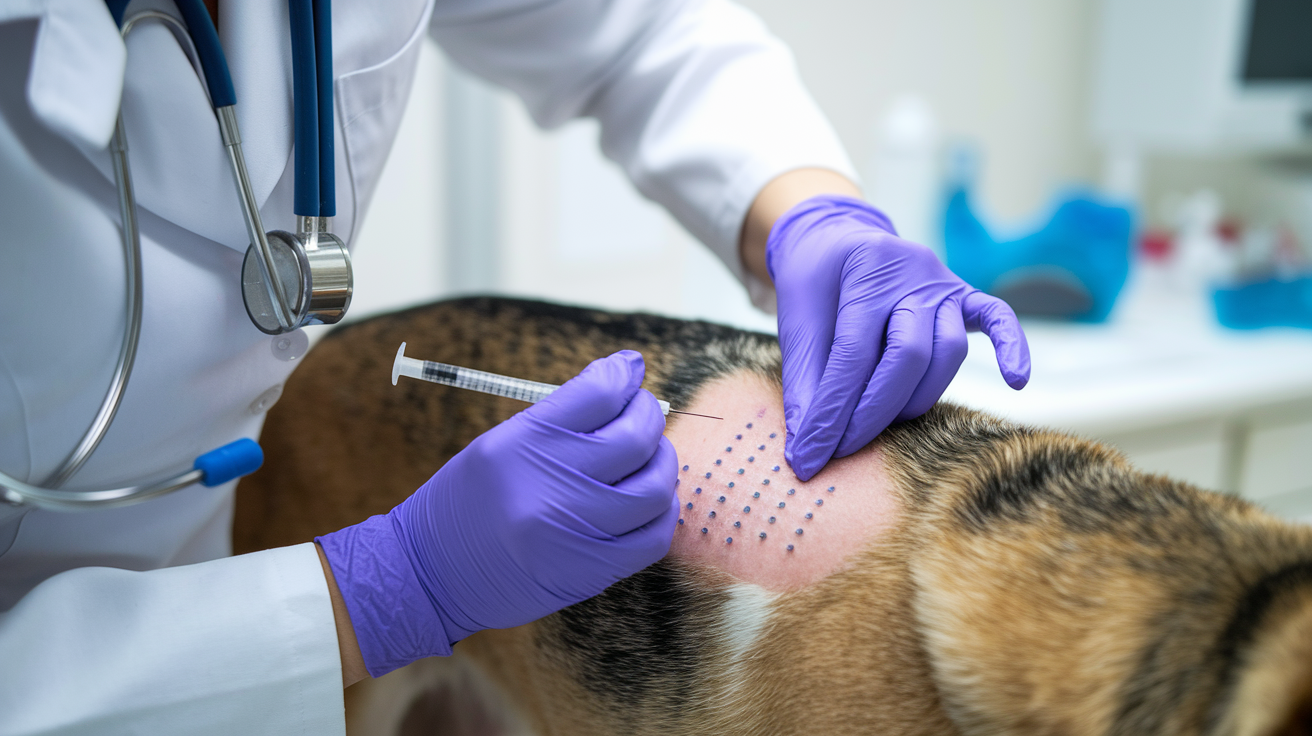
For environmental allergies, intradermal skin testing is the gold standard. Tiny amounts of common allergens are injected under the skin, and the vet watches for localized reactions. Serum allergy testing, a blood test that measures allergen specific IgE antibodies, is an alternative when skin testing isn’t practical. Both methods identify which pollens, molds, dust mites, or other environmental triggers are causing the reaction, information needed to design immunotherapy.
Food allergy diagnosis relies on an elimination diet trial. Your dog eats only a novel protein and carbohydrate source, or a hydrolyzed prescription diet, for eight to twelve weeks with absolutely no treats, table scraps, or flavored medications. If itching resolves, you reintroduce the old diet to see if symptoms return. That challenge confirms the diagnosis. Blood tests for food allergies exist but aren’t considered reliable.
Flea Allergy Diagnosis
Flea allergy dermatitis is diagnosed by response to treatment. Your veterinarian will recommend strict, year round flea control using prescription preventives for at least three months. If itching improves or disappears during that trial, flea allergy is confirmed. Even one flea can restart the cycle in a sensitive dog, so consistency matters.
Treatment Options Commonly Used for Canine Allergies
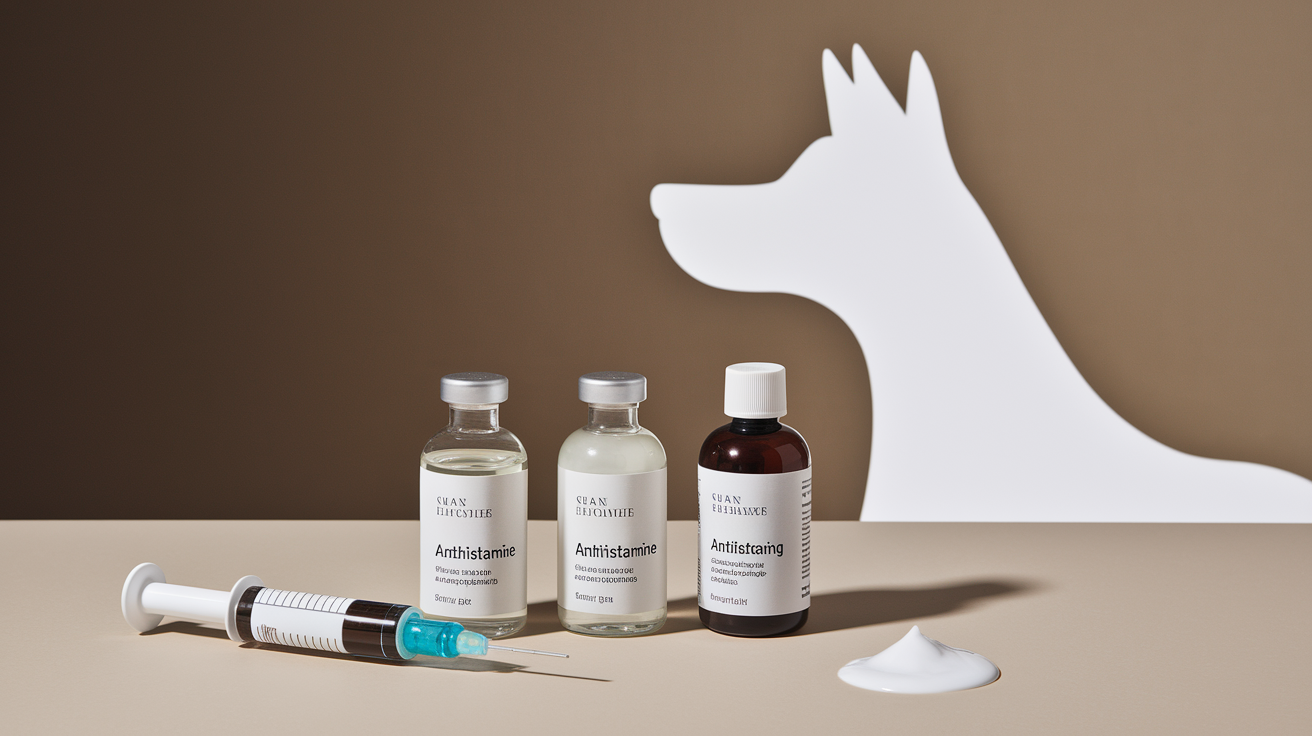
Medications that control itch are the foundation of allergy management. Antihistamines like diphenhydramine or cetirizine help some dogs, though response varies. Corticosteroids work quickly to reduce inflammation but carry side effects with long term use, so vets use them cautiously for short term flare control. Oclacitinib, sold as Apoquel, is labeled at 0.4 to 0.6 milligrams per kilogram of body weight given by mouth twice daily for up to fourteen days, then once daily for maintenance. Lokivetmab, sold as Cytopoint, is a monoclonal antibody injection that blocks itch signals and lasts four to eight weeks per dose.
Topical therapy reduces surface allergens and soothes inflamed skin. Medicated baths or shampoos containing ingredients like chlorhexidine, miconazole, or colloidal oatmeal are used two to three times per week. Antibiotics treat secondary bacterial infections and are typically prescribed for two to six weeks depending on severity and culture results. Antifungals target yeast overgrowth, especially in ears and skin folds.
Long term management often includes allergen specific immunotherapy, also called desensitization. After testing identifies the specific triggers, your dog receives regular injections or oral drops containing gradually increasing amounts of those allergens. The process takes months to years but can reduce symptoms significantly or eliminate the need for other medications. Omega 3 fatty acid supplements and emollient sprays provide additional anti inflammatory support.
Five treatment categories your vet may use:
- Anti itch medications, oral tablets or injections to stop scratching fast
- Topical therapies, medicated shampoos and sprays to clean and soothe skin
- Antibiotics or antifungals for secondary infections that complicate allergies
- Dietary changes, elimination diets or hypoallergenic food trials
- Immunotherapy, long term desensitization to environmental allergens
At-Home Strategies to Reduce Allergy Triggers in Dogs
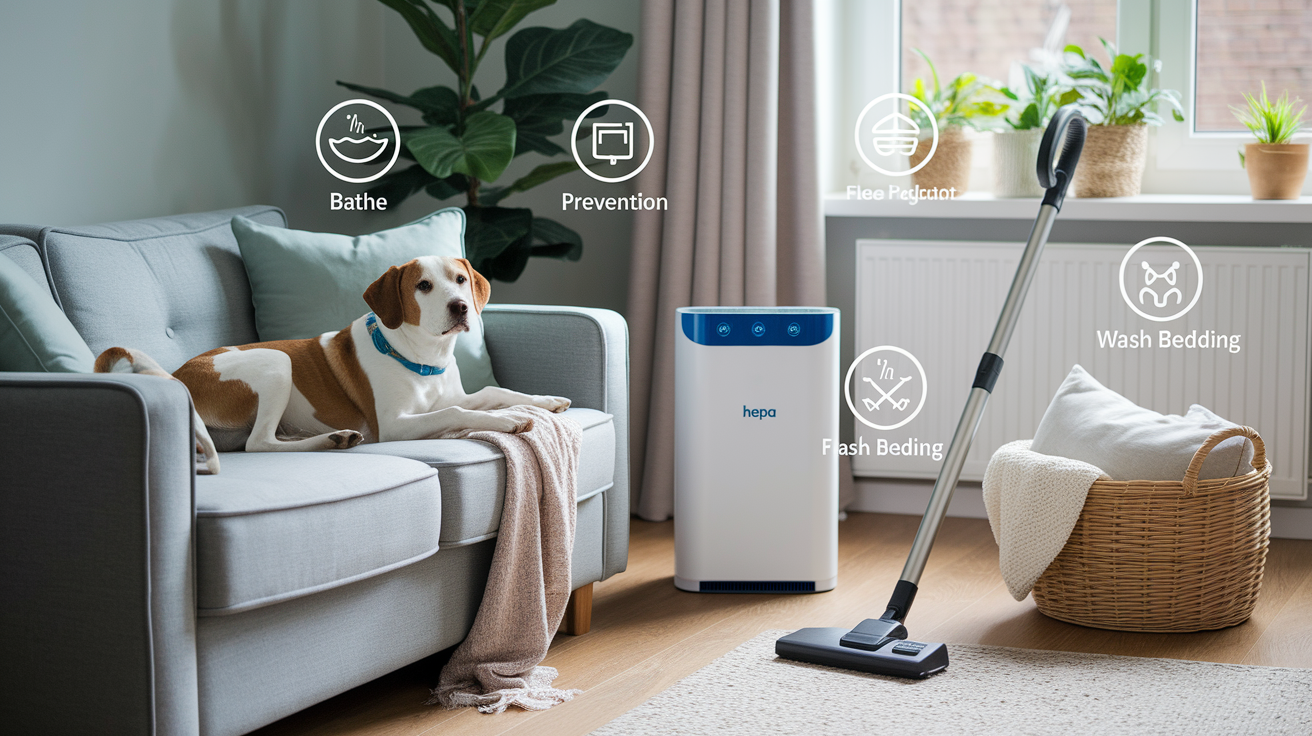
Regular bathing, two to three times per week, rinses pollen, dust, and other allergens off your dog’s coat and skin before they cause irritation. Use a gentle, hypoallergenic or medicated shampoo recommended by your vet. Wipe paws with a damp cloth after outdoor walks to remove allergens picked up from grass and pavement.
Improve flea control with year round prescription preventives, not just during warm months. Wash bedding weekly in hot water and vacuum floors, furniture, and pet areas frequently. HEPA air purifiers reduce airborne allergens indoors. Hypoallergenic bedding and limiting your dog’s access to dusty or moldy areas like basements or garages help minimize exposure.
Four practical prevention steps:
- Bathe your dog two to three times per week during allergy season
- Use veterinarian recommended flea prevention year round
- Wash bedding weekly and vacuum pet areas frequently
- Run HEPA air purifiers in rooms where your dog spends the most time
Final Words
Start with the quick-scan checklist—spot core signs like scratching, hot spots, watery eyes, sneezing, red or smelly ears, and licking that won’t stop.
Use the skin, ear, respiratory, and behavior sections to narrow likely causes. Try simple at-home steps: regular baths, flea control, cleaning, and track changes for 48–72 hours.
Call the vet for green/yellow discharge, expanding hot spots, fever, or if your dog seems very unwell. Keep notes and photos. With steady care, many signs of dog allergies can improve and your pet will feel better soon.
FAQ
Q: How do you treat dog allergies?
A: Treating dog allergies involves removing triggers, controlling itch with vet-prescribed meds (antihistamines, steroids, or targeted drugs), topical care for infections, and long-term options like immunotherapy; follow your vet’s plan.
Q: How do you tell if you are allergic to dogs?
A: You can tell you’re allergic to dogs if you get sneezing, itchy or watery eyes, nasal congestion, or itchy skin after contact; a doctor can confirm with testing and advise treatment.
Q: How to reduce dog allergy in home?
A: Reducing dog allergy in the home means bathing your dog 2–3 times weekly, vacuuming and washing bedding often, using HEPA air filters, keeping pets out of bedrooms, and strict flea control.
Q: Can I suddenly become allergic to my dog?
A: You can suddenly become allergic to your dog; adult-onset allergies happen when your immune system changes or new environmental allergens appear—see your doctor if symptoms start suddenly or worsen.