

Is your cat suddenly drinking like a tiny camel?
A clear jump in thirst can be from normal things, like switching to dry food, heat, or more play, or it can point to health problems like diabetes (high blood sugar), chronic kidney disease (kidneys not concentrating urine), or hyperthyroidism (overactive thyroid).
In this post you’ll learn quick ways to tell when to worry, how to measure daily water intake, what signs pair with each cause, and exactly when to call your veterinarian.
Is My Cat Drinking Too Much? Fast Ways to Tell
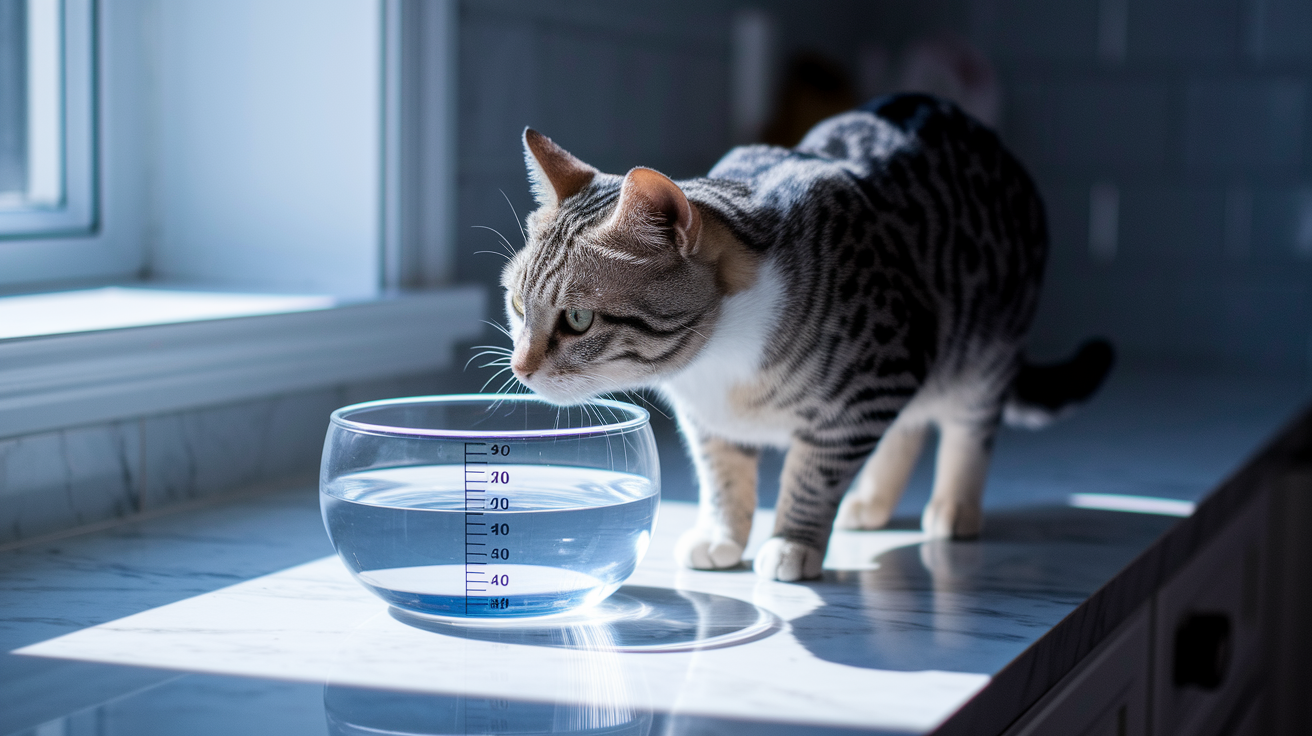
Healthy adult cats drink about 3.5 to 4.5 ounces of water for every 5 pounds they weigh each day. So a 10 pound cat should take in around 7 to 9 ounces daily. If your cat eats mostly wet food, which has 70 to 80 percent water in it, you’ll probably see fewer trips to the water bowl. Cats on dry kibble drink more to balance out the lower moisture. Polydipsia is the medical term for excessive drinking, and it usually shows up with polyuria, which is excessive urination. When both happen at once, it’s time to pay closer attention.
Watch for obvious shifts in how often your cat visits the bowl or how fast you’re refilling it. You might catch your cat sitting at the bowl longer than usual or coming back every hour instead of every few hours. A quick skin test can check hydration. Pinch the skin between your cat’s shoulder blades and let go. If it snaps right back, hydration’s normal. If the skin stays tented or drops slowly, your cat may be dehydrated and drinking more to make up for it. Checking gum moisture works too. Healthy gums feel slick and wet. Sticky or dry gums point toward dehydration or something deeper going on.
Start measuring intake as soon as something feels off. Fill the bowl with a known amount using a liquid measuring cup, maybe 16 ounces, and write down how much is left after 24 hours. Subtract what’s left from what you poured to get daily consumption. If your 10 pound cat drinks 14 ounces in a day when the normal range is 7 to 9, that’s a real jump. Track for two or three days to get a solid pattern you can share with your vet.
Contact your vet right away if you notice any of these:
- Your cat won’t eat for more than 24 hours but keeps drinking heavily
- You see blood in the urine or your cat strains to pee
- Vomiting or diarrhea appears with the increased thirst
- Your cat loses weight fast, acts extremely tired, or collapses
Medical Conditions That Cause Increased Thirst in Cats
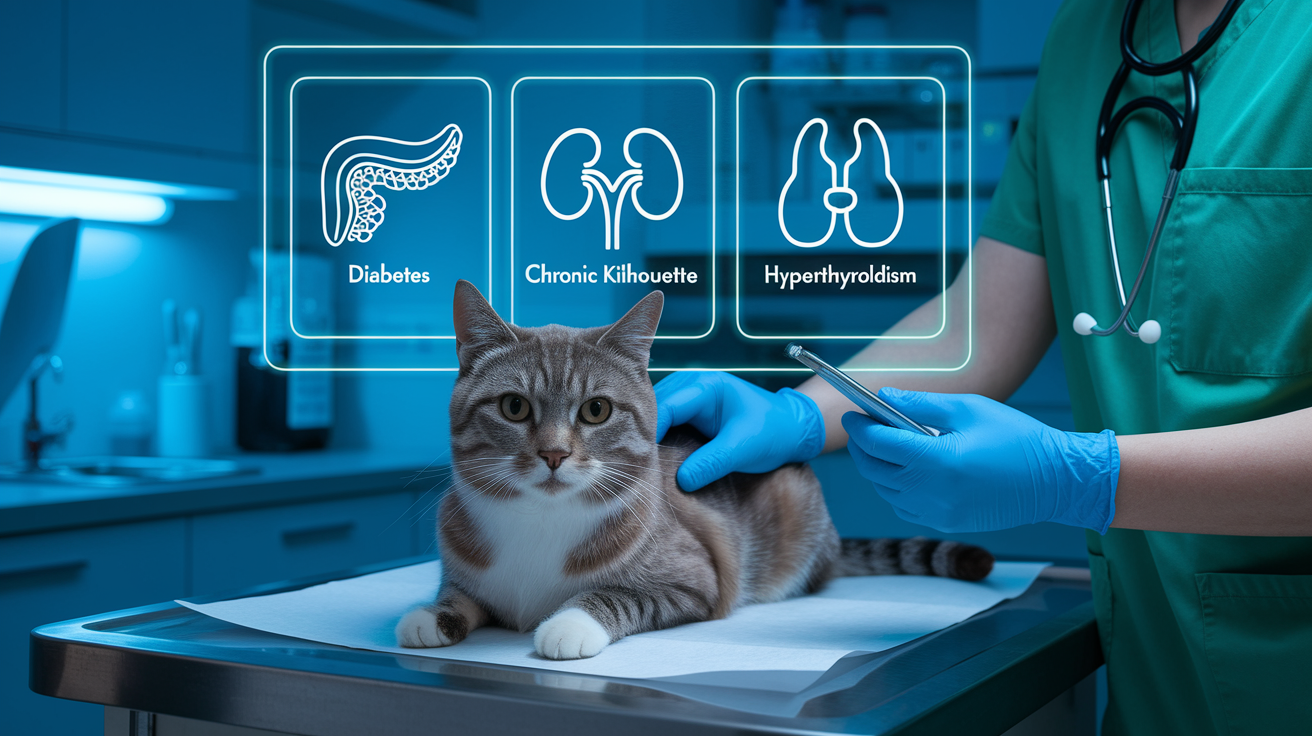
Several serious conditions share excessive thirst as a main symptom. Each one messes with normal body processes in a way that forces your cat to drink more just to stay balanced. Recognizing the cluster of symptoms that appear together helps you understand what might be wrong and why a vet visit can’t wait.
Diabetes Mellitus
When a cat’s pancreas doesn’t make enough insulin or the body stops responding to it, glucose piles up in the bloodstream instead of getting into cells for energy. The kidneys try to dump the excess sugar into urine, which drags massive amounts of water with it. Your cat pees more often and in bigger volumes, then drinks heavily to replace what’s lost. You’ll often see weight loss even though your cat’s eating the same or more. Many diabetic cats get lethargic, sleeping more and losing interest in play. Untreated diabetes can trigger diabetic ketoacidosis, so early diagnosis through blood work and urinalysis matters. Treatment usually means insulin injections you give at home, plus diet changes to stabilize blood sugar.
Chronic Kidney Disease
Kidneys filter waste and concentrate urine, but when kidney tissue breaks down over time, that concentrating ability fades. Your cat produces huge volumes of dilute urine and drinks more to avoid dehydration. Chronic kidney disease is super common in older cats and creeps up gradually. You might notice your cat using the litter box constantly, sometimes peeing outside it because the urge is urgent. Weight loss, bad breath that smells like ammonia, decreased appetite, and occasional vomiting are other frequent signs. Your vet will run blood work to check creatinine and blood urea nitrogen, plus a urinalysis to measure how concentrated the urine is. There’s no cure, but early diagnosis opens the door for medical management through prescription diets, fluid therapy, and medications that slow things down and keep your cat comfortable longer.
Hyperthyroidism
A benign tumor on the thyroid gland makes it overproduce thyroid hormone, which cranks up metabolism everywhere in the body. Affected cats burn calories faster, so they eat more but still lose weight. The jacked up metabolic rate also increases thirst and urination. Hyperthyroidism is most common in middle aged and senior cats. Along with the drinking and eating changes, you might see restlessness, hyperactivity, a ratty looking coat, vomiting, or diarrhea. Some cats get more vocal or anxious. Left alone, hyperthyroidism can cause high blood pressure and heart disease. Diagnosis is simple. A blood test measuring thyroid hormone levels confirms it. Radioiodine therapy is a super effective one time treatment that wipes out the overactive thyroid tissue, though oral meds and prescription diets are also options depending on your cat’s health and your situation.
Non‑Medical Reasons Cats Drink More Water
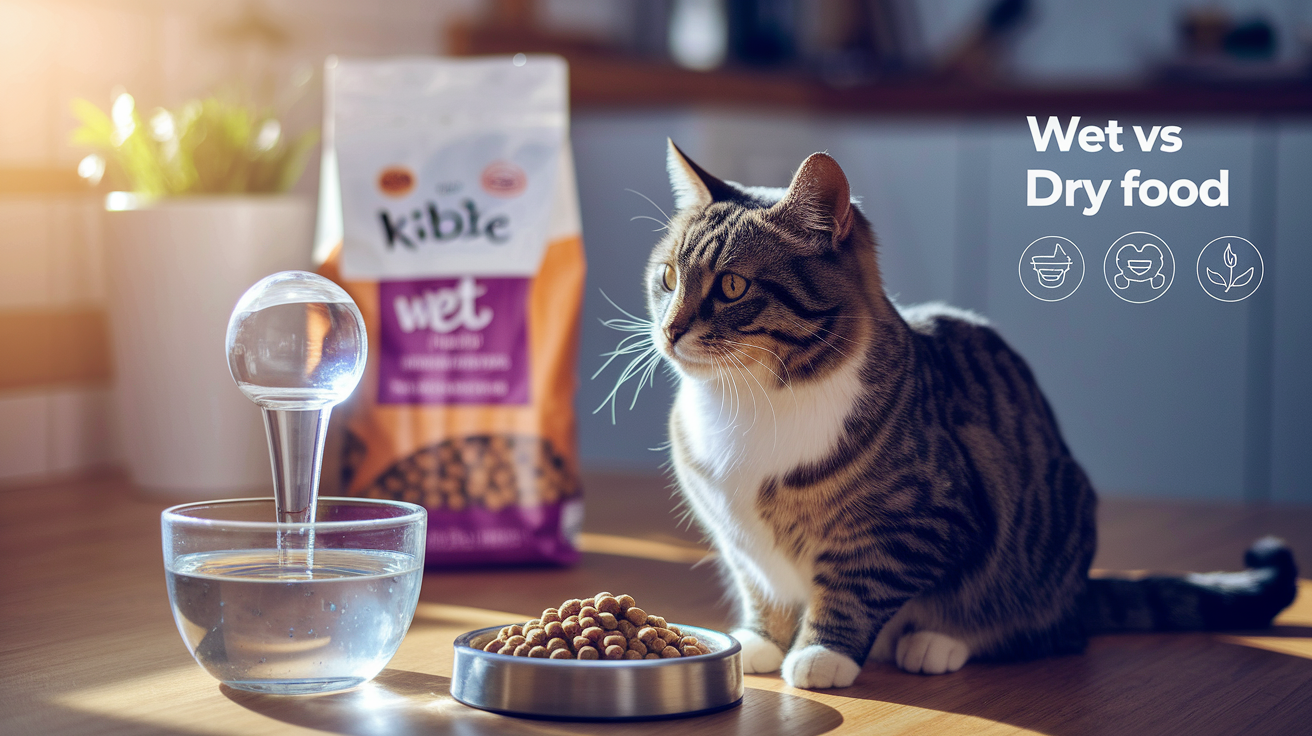
Not every spike in water intake means disease. Diet has the biggest everyday impact. Wet food contains around 70 to 80 percent water, so cats eating canned or pouch food get most hydration from their meals. If you switch from wet to dry kibble or start mixing in more dry food, your cat will naturally drink more to cover the difference. High sodium treats, certain prescription diets for urinary or dental health, and even some flavored broths can temporarily push thirst up. These changes are normal as long as drinking levels match the new routine and your cat otherwise seems fine.
Environmental stuff plays a role too. Hot weather, low humidity, and increased activity like more playtime or outdoor access all raise your cat’s water needs. A cat who spends an afternoon in a sunny window or tears around chasing toys will drink more that evening. Stress and anxiety from things like a move, a new pet, or changes in household routine can briefly mess with drinking behavior. Some cats drink more when anxious, others drink less. If the increase started right after something changed and your cat shows no other symptoms, monitor for a few days to see if drinking settles once things calm down.
Common environmental triggers:
- Switching from wet food to dry kibble or upping the dry food ratio in meals
- Warmer indoor temps, especially during summer or when heating’s cranked up
- Recent increases in play, outdoor time, or general activity
How to Track and Measure Your Cat’s Water Intake
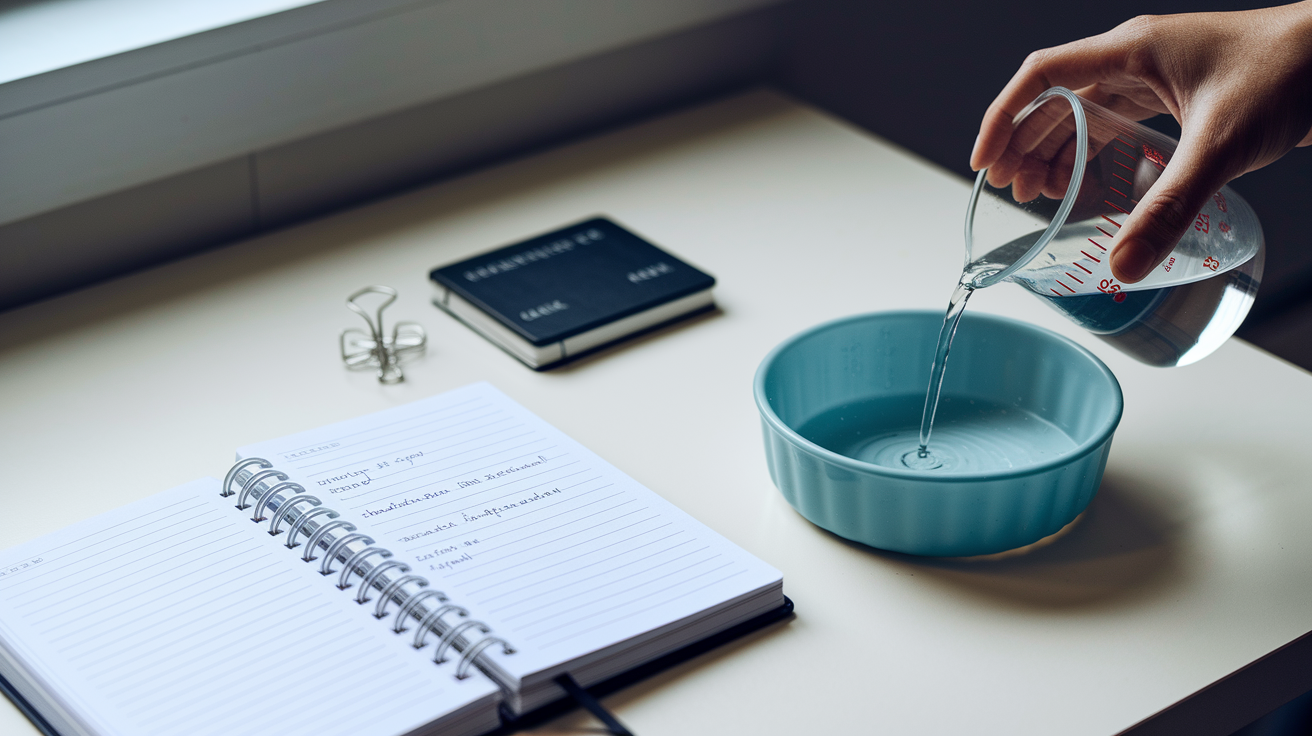
Accurate measurement over several days gives you and your vet the clearest picture. Start by limiting your cat to one water source if you can. If you’ve got a fountain, check the reservoir capacity and mark the fill line with tape or a permanent marker. For a regular bowl, use a liquid measuring cup to pour a specific amount, like 12 or 16 ounces, and write down the starting volume.
After 24 hours, pour the leftover water into the measuring cup and record what remains. Subtract that from what you started with to find daily consumption. Repeat for at least three days to account for normal variation. If multiple cats share the same bowl, try setting up separate water stations in different rooms and closing doors to keep each cat with their own supply, or watch closely to estimate individual intake.
Follow these steps for reliable tracking:
- Pick one water bowl or fountain and measure the total volume you add at the start of each 24 hour period.
- Record the time you fill the bowl so you’re measuring at the same time each day.
- After 24 hours, measure and record leftover water, then subtract to find total intake.
- Write down your cat’s body weight so you can calculate ounces per pound and compare to the normal range.
- Keep a simple log with daily intake, number of trips to the bowl you noticed, and any other symptoms like more peeing or appetite changes. Bring this log to your vet appointment.
Additional Symptoms to Watch for Alongside Excessive Thirst
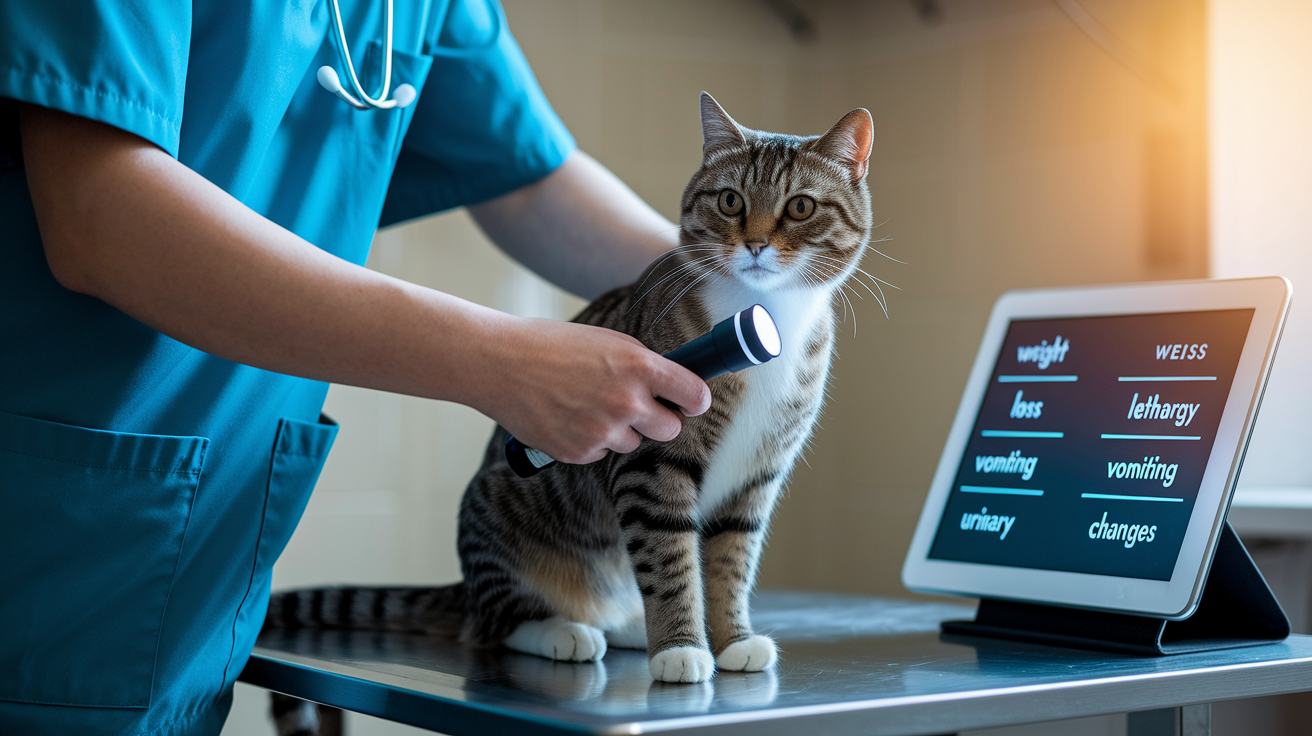
Excessive drinking rarely shows up alone when a medical condition’s the cause. Increased urination is the most common paired symptom. You’ll notice the litter box needs scooping more, clumps are bigger, or your cat starts peeing outside the box because the urge is too frequent or urgent to make it in time. Some cats also strain to pee, produce only tiny amounts despite frequent trips, or pass urine that looks cloudy or has blood in it. Those signs can point to urinary tract infections or other bladder problems that need antibiotics or more diagnostics.
Weight loss is another huge clue. If your cat’s drinking heavily and also losing weight despite normal or increased appetite, diabetes and hyperthyroidism jump to the top of the list. Chronic kidney disease often causes weight loss paired with decreased appetite and occasional vomiting. Bad breath, especially an ammonia smell, shows up a lot with kidney disease as toxins pile up in the bloodstream. Behavioral shifts matter too. Lethargy, hiding more than usual, or a sudden drop in grooming can signal your cat doesn’t feel well. On the flip side, restlessness, hyperactivity, and more vocalization are common with hyperthyroidism.
Any combo of excessive thirst with the symptoms above means it’s time for blood work and urinalysis. The specific pattern helps your vet figure out which tests to run first. For example, increased thirst plus weight loss and huge appetite points toward diabetes or hyperthyroid disease, while increased thirst with vomiting and poor appetite leans toward kidney disease. Early diagnosis improves outcomes for all these conditions.
When to Contact a Veterinarian
If your cat’s water intake has been noticeably higher for more than 24 to 48 hours, schedule a vet appointment even if nothing else seems off yet. Persistent polydipsia is a red flag that needs blood work and urine testing to check kidney function, blood glucose, and thyroid levels. Waiting only delays diagnosis and lets underlying disease move forward. Bring your measurement log, notes on urination frequency, and any observations about appetite, weight, or behavior changes.
Get immediate veterinary care, same day or emergency visit, if you see any of these urgent combos:
- Heavy drinking paired with refusal to eat for more than 24 hours, especially with vomiting or diarrhea
- Signs of severe dehydration like skin that stays tented, very dry or pale gums, or sunken eyes despite increased drinking
- Blood in the urine, straining to urinate with little to no urine coming out, or signs of pain while peeing (these can mean a urinary blockage, which is life threatening)
- Sudden collapse, extreme lethargy, difficulty breathing, or any drastic change in your cat’s mental state or mobility
Final Words
Start by measuring how much your cat drinks and checking for clear red flags like very dry gums, weak skin elasticity, or sudden heavy peeing. Those quick checks tell you if this is a simple change or something that needs help.
This post covered normal ounces, fast at‑home checks, medical causes like diabetes, kidney disease, and hyperthyroidism, nonmedical reasons such as dry food or heat, how to track intake, and other symptoms to watch.
If you’re wondering why is my cat drinking so much water, track intake for 24 to 48 hours and call your vet sooner if vomiting, weight loss, or dramatic behavior changes appear. Early steps make a real difference, and you’re doing the right thing by paying attention.
FAQ
Q: Should I be concerned if my cat drinks a lot of water?
A: You should be concerned if your cat drinks a lot of water when the rise is sudden or big, or if it’s paired with vomiting, weight loss, or frequent urination. Measure intake and call your vet.
Q: What counts as excessive thirst in cats?
A: Excessive thirst in cats means drinking noticeably more than normal, generally more than twice the expected 3.5–4.5 ounces per 5 pounds per day, or a steady rise over 24–48 hours. Start measuring and note urination changes.