

What if the food behind your pet’s constant scratching is something they’ve eaten for years?
A novel protein diet, feeding a protein your pet hasn’t usually eaten (venison, duck, rabbit), can often quiet itching and tummy problems.
It works because the immune system hasn’t met that protein before, so it usually won’t react.
This post walks you through safe, practical alternatives that actually help, how to run a strict elimination trial, easy transition tips, and when to call your vet.
If you want a clear, step-by-step plan, keep reading.
Core Principles Behind a Novel Protein Diet for Food Allergies

A novel protein is just a protein source your pet’s never really eaten before. The logic here is straightforward: you can’t react to something you’ve never been exposed to. Feed venison, duck, rabbit, or something equally uncommon, and your pet’s immune system won’t have built up any antibodies yet. No antibodies, no allergic reaction. It’s usually the first move when food allergies are suspected, especially since testing options aren’t always reliable.
An elimination trial has to be strict. One protein, one carb, nothing else. No treats. No flavored meds. No table scraps. No dental chews. You’re running this for 8 to 12 weeks straight, creating a clean slate. A lot of pet parents notice things getting better around week two or three: less scratching, fewer ear infections, firmer stool. But don’t stop early. The trial isn’t complete until you’ve finished the full window and then, if symptoms cleared up, you reintroduce the old diet in a controlled way. That reintroduction can trigger reactions within a day or two, confirming food was the problem.
Common novel proteins include:
- Venison (deer)
- Duck
- Rabbit
- Kangaroo
- Bison
One thing to remember: “novel” is personal. If your dog’s been eating lamb for years, lamb isn’t novel anymore. Cross-reactivity can also mess things up. Beef and lamb proteins look similar to the immune system, and different fish can trigger the same response. Picking a protein from a completely different animal family cuts down that risk.
Understanding Novel Protein Allergy Mechanisms
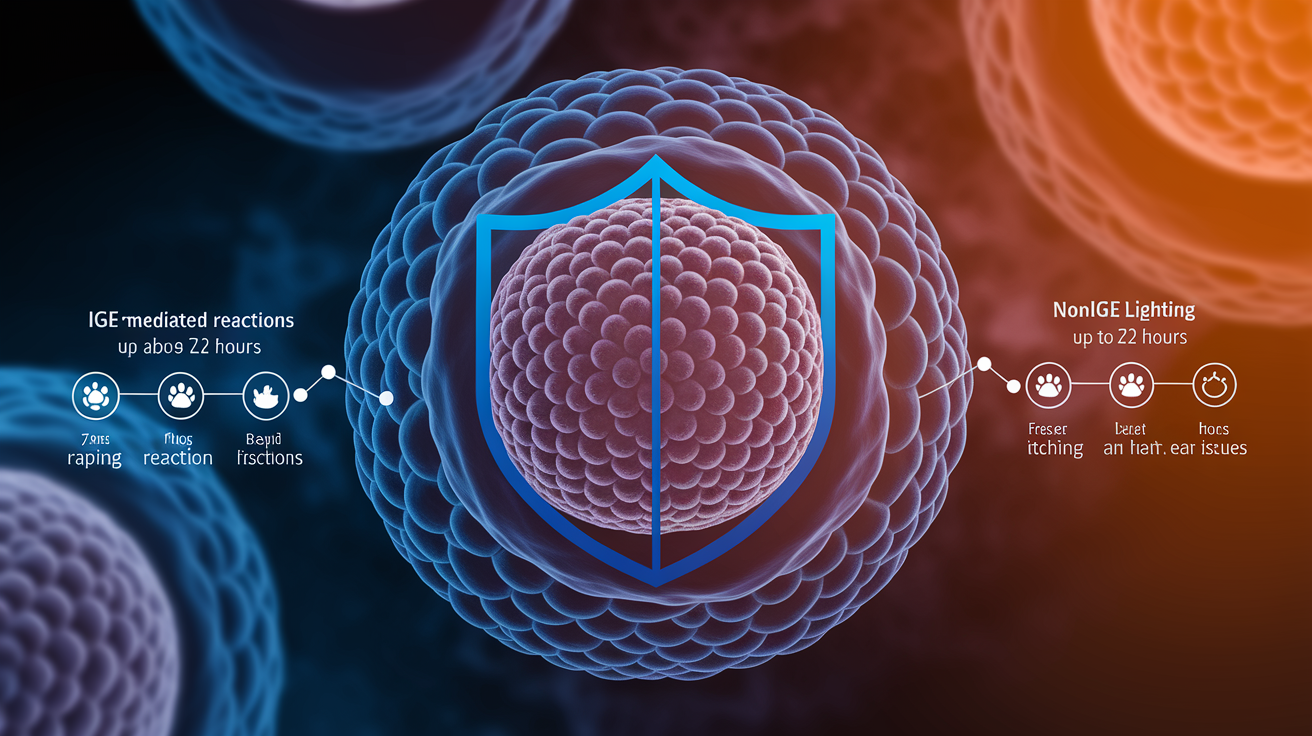
Food allergies happen when your pet’s immune system mistakes a harmless protein for a threat. With IgE-mediated allergies, you’ll see reactions fast, sometimes within minutes or up to two hours. Hives, swelling, vomiting. Non-IgE reactions, which people often call food intolerances or delayed sensitivities, can take up to 72 hours to show up. These usually cause chronic itching, ear infections, or digestive trouble. That delay makes it tough to connect symptoms to a specific food without running a careful elimination trial.
Blood tests and commercial food-sensitivity panels are easy to get, but they’re not always accurate. False positives happen. False negatives too. A positive result doesn’t guarantee your pet will actually react to that food in real life. An elimination diet followed by a controlled reintroduction is still the most reliable way to figure out what’s going on. It takes time and patience, but it shows you exactly what happens when the suspected food comes back.
Cross-reactivity adds another layer. Proteins from similar species can share structural features, so a dog allergic to chicken might also react to turkey. A fish-allergic pet might flare on multiple types of fish. Legumes like soy and pea can cross-react too. That’s why choosing a truly distant protein matters, and why you need to monitor every ingredient during the trial.
Novel Protein Options Used in Food Allergy Diets

Novel protein options range from animal to plant to insect sources. Each one brings a different nutrient profile and level of “novelty” depending on what your pet’s eaten before. Animal proteins like venison, duck, and rabbit are lean, easy to digest, and packed with essential amino acids. Kangaroo and bison offer similar benefits with the bonus of being less common in commercial foods. Alligator and quail are even rarer, good backup choices if you’ve already tried the more common ones. Salmon only counts as novel if your pet hasn’t had it before, but it does bring omega-3s that support skin and coat health.
Plant and insect proteins are newer options, especially helpful for pets with multiple animal-protein sensitivities. Hemp, pea, and quinoa offer plant-based amino acids, though they might not provide complete nutrition on their own. Cricket and mealworm proteins are showing up in commercial diets and supplements now. They’re truly novel for most pets, sustainable, and have a lower environmental footprint. Just make sure any plant or insect protein is part of a balanced, complete diet that meets all nutritional needs.
| Protein Type | Example | Notes |
|---|---|---|
| Venison | Wild-hunted deer, farm-raised | Lean, rich in B vitamins and iron; widely available in commercial foods |
| Duck | Domestically raised duck meat | Higher in omega-3s and CLA; supports coat and skin health |
| Rabbit | Whole rabbit or rabbit meal | Highly digestible, low-fat; often recommended for IBD and sensitive stomachs |
| Kangaroo | Australian-raised kangaroo | Very lean, low allergenic potential; less common in U.S. diets |
| Salmon | Wild-caught or farm-raised | High omega-3 content; only novel if not previously fed |
| Cricket | Cricket protein powder or meal | Sustainable insect protein; novel for most pets; may require supplementation |
How to Implement a Novel-Ingredient Elimination Diet
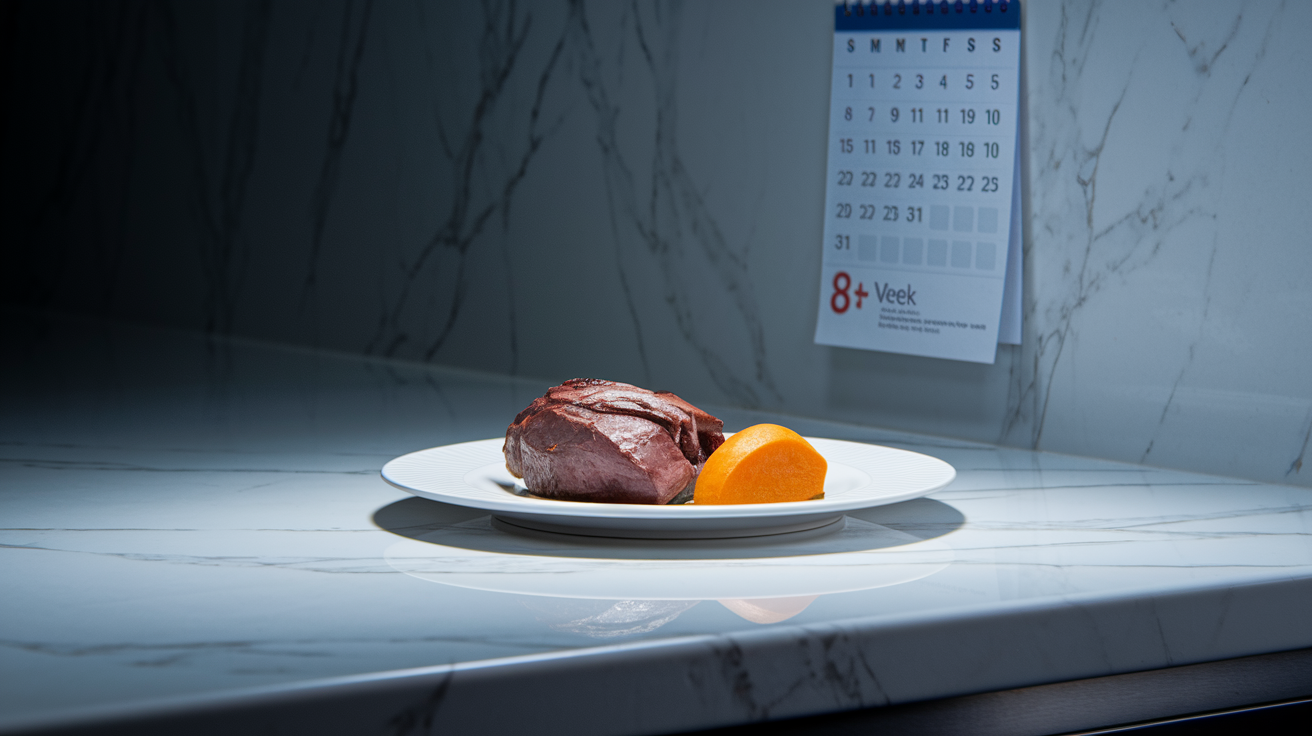
The point of an elimination diet is to remove every possible allergen, then systematically bring foods back to identify what’s causing the problem. Start by picking one novel protein and one novel carb that your pet’s never eaten. For dogs, that might be venison and sweet potato, or duck and quinoa. For cats, rabbit and green peas work well. The diet needs to be nutritionally complete. That means either a veterinary prescription formula, a balanced commercial limited-ingredient food, or a home-cooked recipe designed by a veterinary nutritionist.
Once you’ve chosen the diet, commit to strict feeding for 8 to 12 weeks. No treats. No flavored heartworm or flea meds. No rawhides. No bully sticks. No shared human food. No sneaking bites from other pets’ bowls. Even a tiny amount of the wrong protein can restart the immune response and wreck the entire trial. Keep a daily log with the date, what you fed, any symptoms (itching, ear rubbing, diarrhea, skin lesions), and a simple severity score. Many owners see partial improvement within two to four weeks, clearer improvement closer to eight weeks, and full remission by 12 weeks if food was the issue.
After symptoms resolve, the next step is a controlled reintroduction. Bring back the original diet for a few days and watch closely. If your pet was truly allergic to the old food, reactions typically show up within 24 to 72 hours. If symptoms come back, you’ve confirmed the diagnosis. If not, food might not have been the problem, and you’ll need to look at environmental triggers or other causes.
Steps to run an effective elimination trial:
- Choose one novel protein and one novel carb your pet’s never eaten.
- Select a complete, balanced diet or work with a vet nutritionist to create one.
- Remove all other food sources, including treats, flavored meds, and table scraps.
- Feed the elimination diet exclusively for 8 to 12 weeks.
- Keep a daily symptom log (itch score, stool quality, skin condition, behavior).
- Monitor weight and body condition weekly, adjust portions if needed.
- After symptoms clear, perform a controlled reintroduction by bringing back the original diet and documenting any reactions.
Transitioning to a Novel Protein Diet Safely

Switching to a novel protein diet overnight can upset your pet’s stomach, especially if they’ve been on the same food for years. A gradual transition helps the gut adjust and reduces the risk of diarrhea or vomiting during the first week. Start by mixing 25 percent of the new diet with 75 percent of the old for the first two days. Over the next few days, shift to a 50-50 mix, then 75 percent new and 25 percent old. By the end of about one week, you should be at 100 percent of the new diet. Dogs who’ve been on dry kibble for a long time, or those with sensitive stomachs, might need an even slower ramp up, sometimes stretching the transition to two weeks.
During the switch, supportive care can make things smoother. A high-quality probiotic without fillers or “Animal Digest” helps stabilize gut bacteria and can ease loose stool. Make sure fresh water is always available, digestive changes can increase fluid needs. If your pet has mild GI upset, slow the transition further and consider bland toppers like plain cooked pumpkin (if it’s not an allergen). If vomiting, severe diarrhea, or refusal to eat lasts more than 24 hours, pause the transition and call your vet.
Supportive strategies during the transition:
- Go slow. Extend the blend period if your pet shows any digestive sensitivity.
- Add a quality probiotic to support gut flora during the change.
- Keep water bowls full and monitor hydration, especially if stool is loose.
- Handle minor GI flare-ups with small, frequent meals and vet-approved bland additions.
Novel Protein Diets vs Hydrolyzed and Other Hypoallergenic Strategies
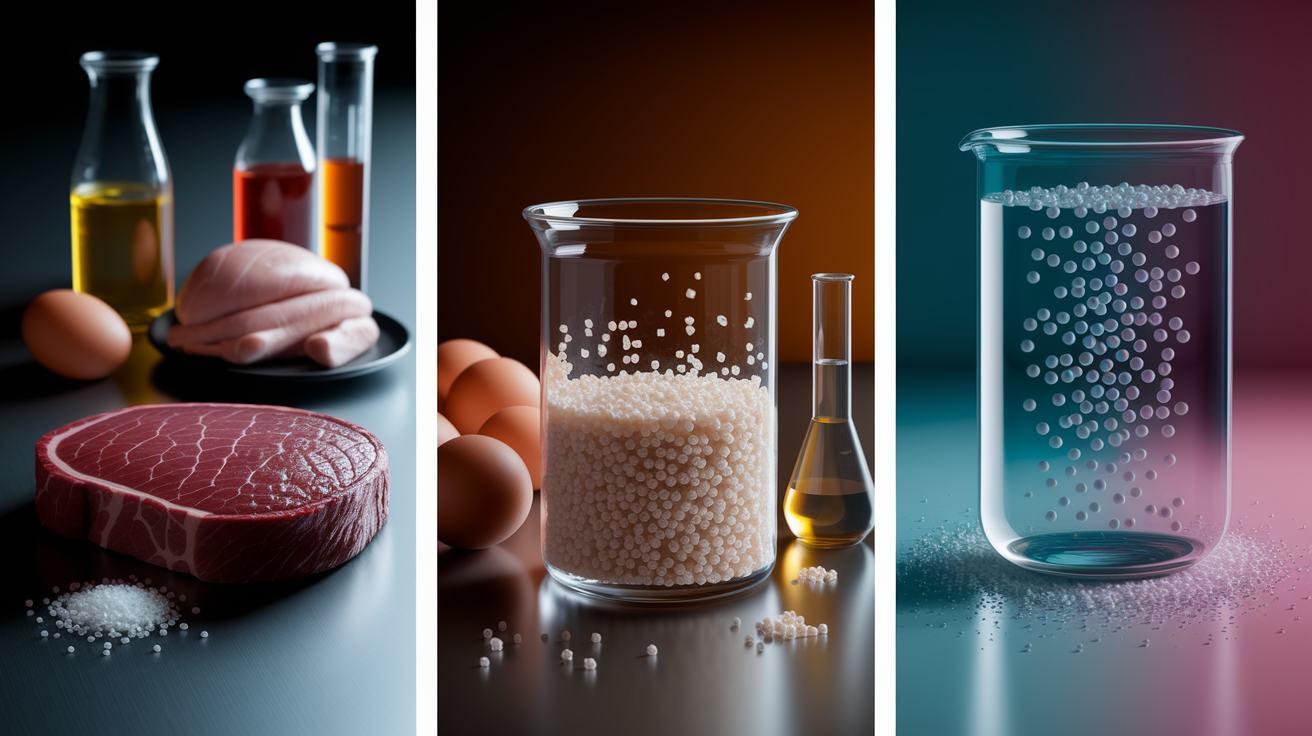
Novel protein diets use intact proteins from uncommon sources your pet hasn’t been exposed to. The immune system can’t react to what it doesn’t recognize. Hydrolyzed protein diets take a different route. They break down common proteins, like chicken or soy, into very small peptides, typically under 3 kilodaltons in size. These fragments are too small for most immune systems to recognize as allergens, which reduces the chance of an IgE-mediated reaction. Hydrolyzed diets are often used when multiple novel proteins have failed or when you need a diagnostic diet with predictable, controlled ingredients.
Amino acid based diets, also called elemental diets, go one step further. They contain only free amino acids, no intact proteins or peptides at all. These are the most hypoallergenic option available and are typically reserved for severe cases, like refractory inflammatory bowel disease or multi-protein allergies. They’re also more expensive and less palatable, so they’re not usually the first choice unless other approaches haven’t worked.
Each strategy has its place. If your pet is newly diagnosed and hasn’t eaten many proteins, start with a novel protein elimination trial. If symptoms don’t resolve after a full 8 to 12 weeks on a strict novel diet, move to a hydrolyzed formula. If hydrolyzed diets still don’t help, an amino acid based diet or referral to a veterinary dermatologist or internist is the next step. The goal is to match the approach to the severity and history of the case.
Homemade vs Commercial Novel Protein Diet Formulations
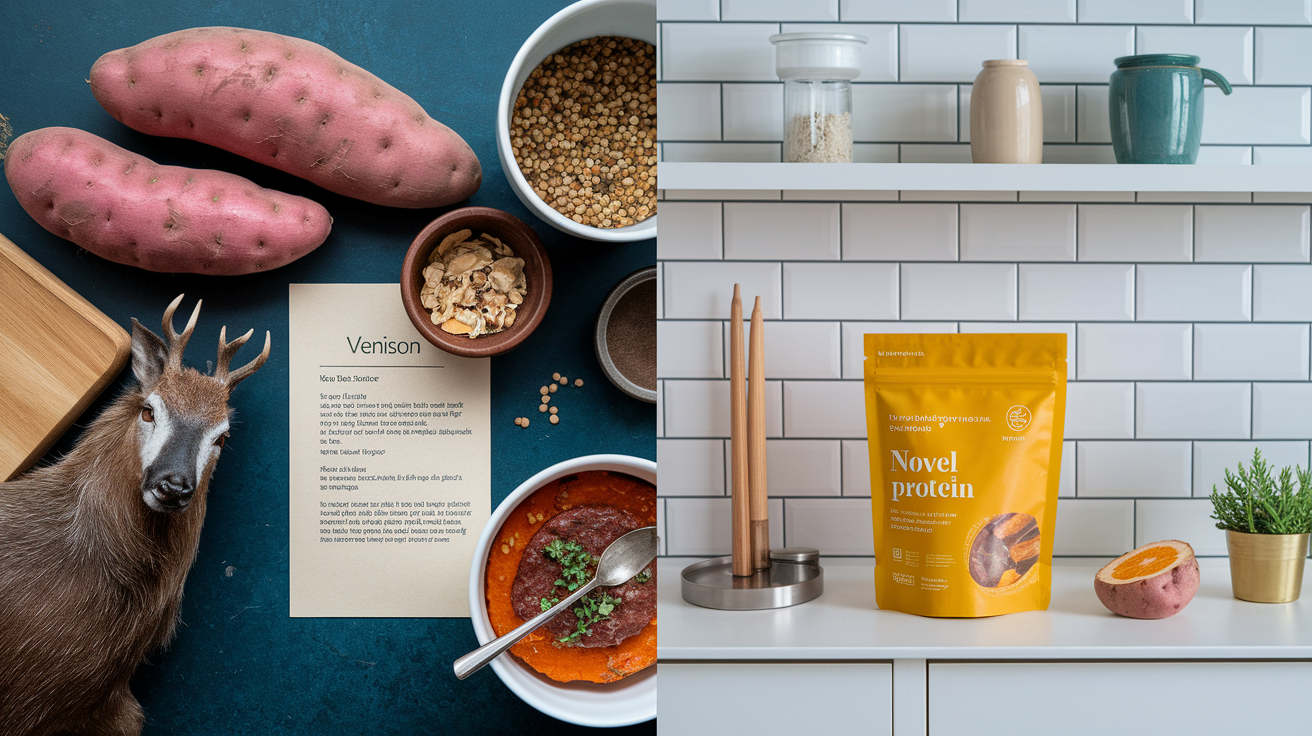
Homemade novel protein diets give you complete control over ingredients, which can be reassuring during an elimination trial. You know exactly what’s in the bowl. No hidden fillers, no cross-contamination from shared production lines. But home cooking comes with real nutritional risks. A diet based only on venison and sweet potato, for example, will be deficient in calcium, essential fatty acids, vitamins D and E, and other micronutrients. Over weeks to months, those deficiencies can cause symptoms that look like food intolerance: dry, itchy skin, dull coat, lethargy, or even more serious issues like bone problems in growing pets. If you choose to home-cook, work with a board-certified veterinary nutritionist to design a complete, balanced recipe with appropriate supplementation.
Commercial limited-ingredient and novel protein diets are convenient and formulated to meet all nutritional requirements, but they’re not foolproof. Independent lab testing has found trace amounts of other animal proteins in some single-protein products, likely from shared equipment or supply-chain contamination. That’s enough to trigger symptoms in a highly sensitive pet. Ask manufacturers about their sourcing, production practices, and third-party testing. Look for brands that produce novel protein diets in dedicated facilities or run rigorous quality-control checks.
| Diet Type | Advantages | Cautions |
|---|---|---|
| Homemade | Total ingredient control; no manufacturing cross-contamination | High risk of nutrient deficiencies; requires veterinary nutritionist guidance |
| Commercial Kibble | Convenient, shelf-stable, complete and balanced | May contain hidden proteins or cross-contamination; processing heat can reduce digestibility |
| Commercial Raw/Gently Cooked | Minimally processed, high bioavailability, often single-protein formulas | Requires freezer space and careful thawing; higher cost; pathogen risk if not handled properly |
| Freeze-Dried | Lightweight, shelf-stable, minimal processing, easy portion control | Expensive; some products need rehydration; limited availability of true single-protein options |
Preventing Cross-Contamination and Hidden Allergen Exposure
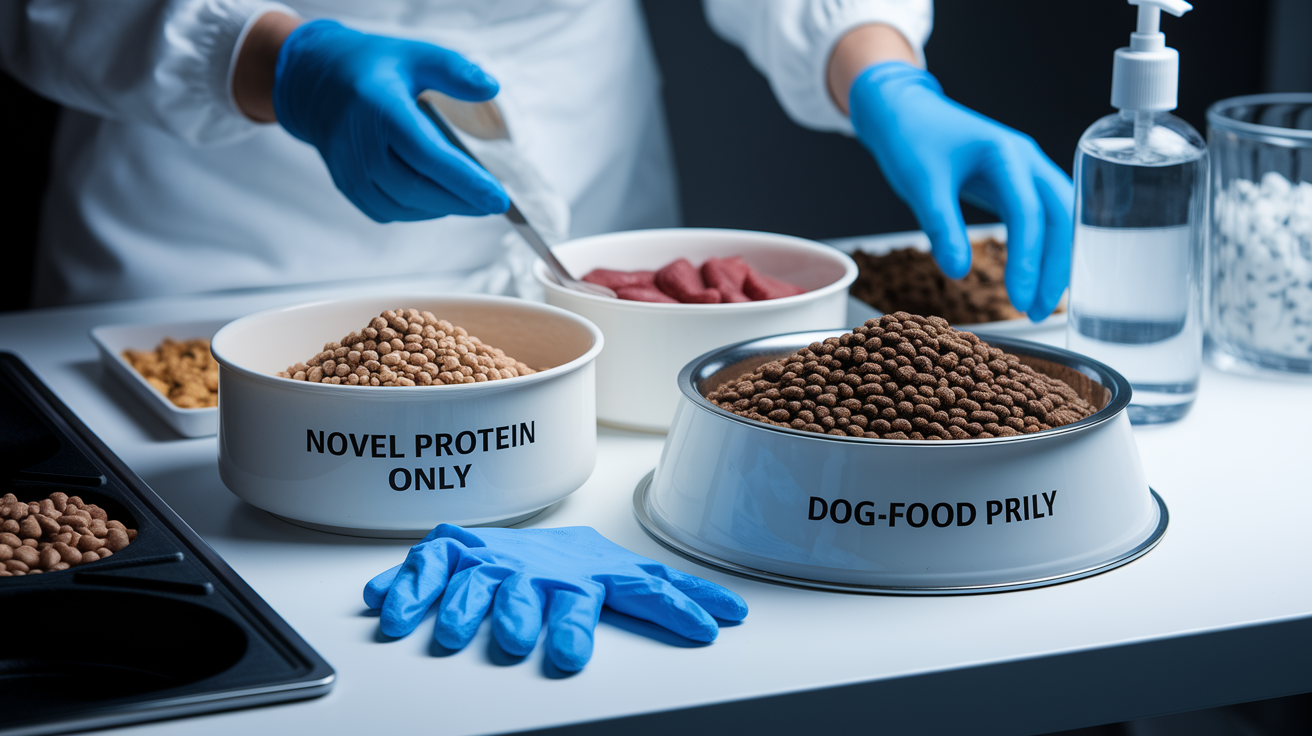
Even a tiny amount of the wrong protein can wreck an elimination trial. Cross-contamination happens more often than most pet parents realize. Treats made in facilities that also process chicken, flavored heartworm tablets with beef or pork derivatives, dental chews with hidden animal digest, or family members sneaking table scraps. During the 8 to 12 week trial, your pet’s diet needs to be locked down completely. That includes everyone in the household: kids, guests, dog walkers, and any other pets who share food bowls or drop kibble on the floor.
Label reading is critical. “Novel protein” or “limited ingredient” on the front of the bag doesn’t guarantee purity. Flip to the ingredient panel and look for vague terms like “animal fat,” “natural flavors,” “meat by-products,” or “animal digest.” All of these can contain multiple protein sources. Some treats list a single protein on the label but are manufactured on shared equipment with chicken or beef. If you’re not sure, contact the manufacturer directly and ask about sourcing, production lines, and third-party contamination testing. For severe cases, consider preparing all food at home or using a prescription hydrolyzed diet made in a dedicated facility.
Rules to prevent cross-contamination during an elimination trial:
- Feed only the chosen novel protein diet. No treats, chews, or table food of any kind.
- Switch to unflavored medications and supplements, or confirm flavoring agents with your vet.
- Store the trial diet separately from other pet foods to avoid accidental mixing.
- Wash food bowls between meals and keep them away from other pets’ bowls.
When a Novel Protein Diet May Not Work

If you’ve run a strict 8 to 12 week elimination trial on a true novel protein and your pet’s symptoms haven’t improved, food might not be the main trigger. Environmental allergies to pollen, dust mites, or mold can cause itching, ear infections, and skin inflammation that look identical to food allergies. They don’t respond to diet changes. In these cases, the next step is allergy testing for environmental triggers, whether through intradermal skin testing or serum IgE panels, followed by targeted treatment like immunotherapy, antihistamines, or topical therapies.
Another possibility is that the protein you chose wasn’t truly novel, or that cross-contamination sabotaged the trial. Some commercial “novel” diets contain trace amounts of chicken or beef from shared production equipment. If you suspect contamination, try a hydrolyzed protein or amino acid based diet next. These diets bypass the immune recognition problem entirely by using proteins broken down into tiny, non-allergenic fragments. If symptoms still don’t resolve, a referral to a board-certified veterinary dermatologist or internist is the right move. They can perform deeper diagnostics, including skin biopsies, endoscopy, or more advanced allergy panels, and design a multi-layered management plan that may combine diet, medication, and environmental control.
Final Words
in the action, we defined what a novel protein is and why an unfamiliar single protein can reduce immune reactions. We covered elimination trials, common choices like venison, duck, and rabbit, and how immune exposure works.
We walked through safe transitions, tracking itch and stool, and steps to prevent cross-contamination during the strict 8–12 week trial. Expect early signs in 2–4 weeks and plan a careful re-challenge.
A novel protein diet for food allergies can often reveal triggers and help your pet feel better when done with your vet. You’ve got a clear plan to try next.
FAQ
Q: What is a novel protein and why does it help pets with food allergies?
A: A novel protein is a protein source your pet hasn’t eaten before (venison, duck, rabbit). It can reduce immune reactions by removing familiar proteins, often letting symptoms improve within weeks.
Q: How does a novel-ingredient elimination diet work and how long should I try it?
A: An elimination diet feeds a single new protein and carbohydrate for 8–12 weeks with no treats or flavored meds. Improvement often starts in 2–4 weeks; re-challenge checks for reactions.
Q: Which proteins are commonly used as novel proteins?
A: Common novel proteins include venison, duck, rabbit, kangaroo, salmon, bison, quail, cricket, pea, and quinoa; choice depends on your pet’s prior exposure and reliable product sourcing.
Q: When should I call the vet during an elimination trial?
A: You should call a vet if your pet shows severe signs like trouble breathing, collapse, repeated vomiting, blood in stool or vomit, seizures, or a rapidly worsening condition.
Q: How do I prevent cross-contamination and hidden allergen exposure?
A: Prevent cross-contamination by removing treats and flavored meds, using dedicated bowls and storage, cleaning surfaces, and reading labels for hidden proteins like legumes during the trial.
Q: Can I use homemade or commercial diets for an elimination trial?
A: Both homemade and commercial elimination diets can work. Homemade risks nutrient gaps. Commercial foods risk trace contamination. Work with your vet to ensure balanced nutrition and strict ingredient control.
Q: What if a novel-protein trial doesn’t help my pet?
A: If no improvement after 8–12 weeks, consider hydrolyzed or amino-acid diets, evaluate for environmental allergies, and ask your vet about referral to a veterinary dermatologist.
Q: How should I transition my pet to a new protein safely?
A: You should transition slowly to a new protein by feeding 25% new/75% old for days 1–2, then 50/50, 75/25, reaching 100% in about one week. Monitor stool and weight and slow more for sensitive dogs.
Q: What about cross-reactivity and the limits of food testing?
A: Food testing has limits. IgE tests can miss or falsely suggest allergies. Cross-reactivity, like beef with lamb or fish-to-fish, makes elimination trials with controlled re-challenge the most reliable method.
Q: What should I track during the elimination trial and when to act?
A: Track daily itch score, stool quality, water intake, appetite, and behavior. Weigh weekly. Expect improvement in 2–4 weeks and contact your vet if no clear change by 8–12 weeks or if symptoms worsen.