

Ever feel like giving your dog a pill turns into a wrestling match?
You’re not overreacting.
This quick guide shows three simple, low-stress ways that actually work: hide the pill in soft food, use a pill pocket, or place it gently by hand or with a pill dispenser.
You’ll get step-by-step moves, safe food choices, and the one trick that proves the pill really went down.
If your dog is very young, seems very sick, or starts choking, stop and call your veterinarian right away.
Quick, Reliable Methods to Give a Dog a Pill Successfully
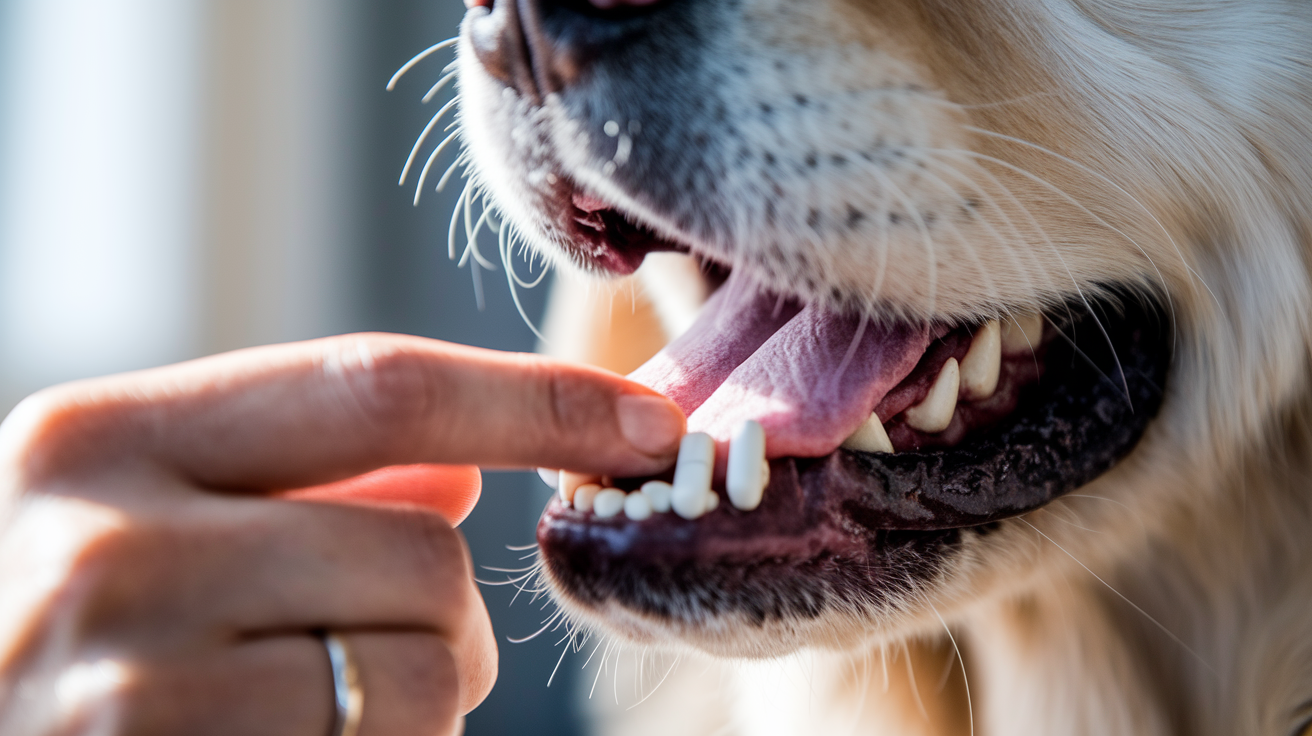
You’ve got three ways to get medication into your dog without pill time turning into a full contact sport. Hide the pill in soft food or a treat, counting on your dog’s appetite to do the work. Use a pill pocket, one of those soft treats molded around the tablet to mask the smell and shape. Or place it manually, opening your dog’s mouth, dropping the tablet on the back of the tongue, and holding the jaw shut until swallowing happens.
Confirming the pill actually went down? That’s the step that matters. Dogs can tuck pills in their cheeks or spit them out five minutes later. Some owners report fishing out the same tablet fifty times in one session. After you deliver the pill, hold your dog’s mouth gently closed for ten to fifteen seconds, stroke the throat from jaw to chest, or blow lightly on the nose to trigger the swallow reflex. Then offer a small treat or a teaspoon of water to flush it down.
Here’s a fast flow you can use today:
- Pick your method. Hide in food, pill pocket, or hand placement, depending on your dog’s food drive and how cooperative they’re feeling.
- If you’re hiding it, wrap the pill completely in a pea sized amount of soft food and offer it when your dog’s hungry or distracted.
- If you’re using a pocket, mold the treat fully around the pill and hand it over right away, followed by a blank treat to encourage quick swallowing.
- If you’re placing by hand, tilt your dog’s head slightly up, open the jaw, drop or push the pill onto the back of the tongue, then close the mouth.
- Hold the mouth closed for ten to fifteen seconds and massage the throat or blow on the nose.
- Follow with a small reward and watch to confirm your dog didn’t pocket or spit the pill.
Safe Foods and Treat Methods for Giving a Dog a Pill
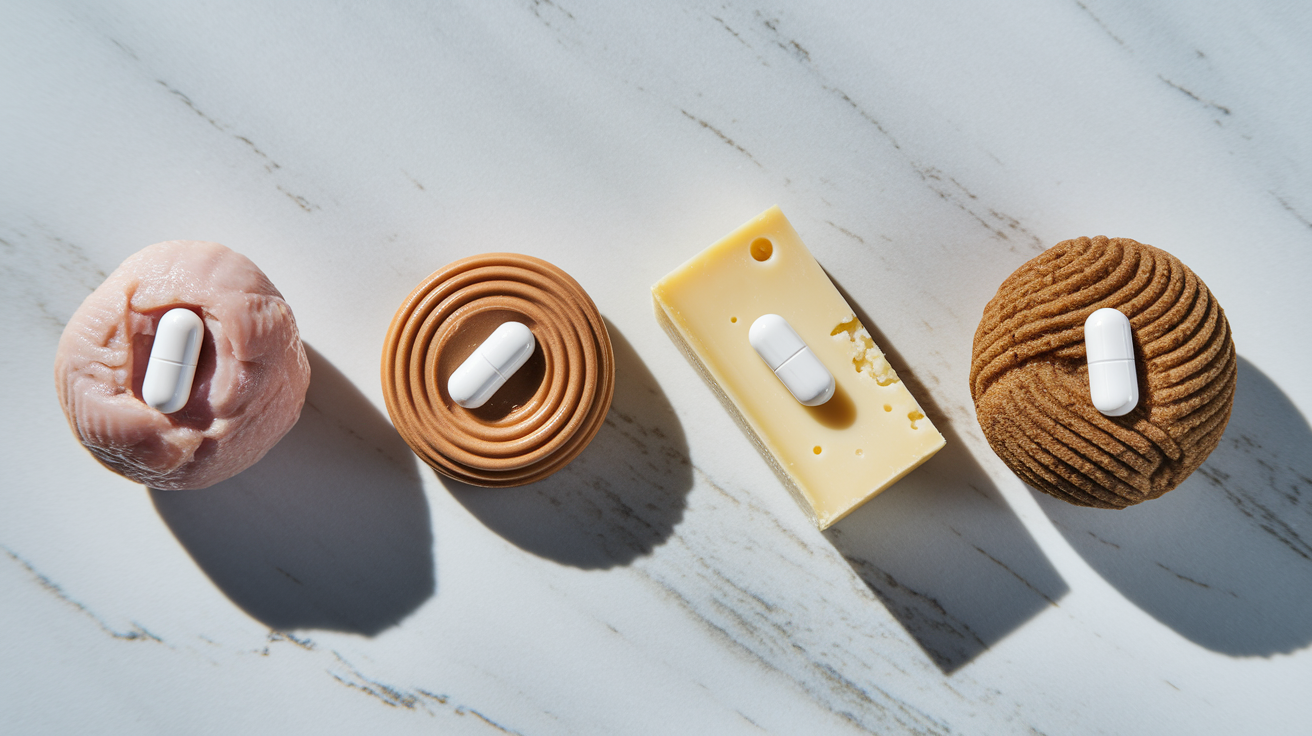
Soft, strongly flavored foods work because they stick to the tablet and mask its taste. Use one to two teaspoons of canned dog food, a small meatball of cooked ground turkey or chicken, a thumbnail sized piece of soft cheese, or a half teaspoon dollop of creamy peanut butter. Keep the portion small enough that your dog swallows it whole instead of chewing and discovering the pill inside.
Check peanut butter labels for xylitol or any ingredient starting with “xy” before you use it. Xylitol is highly toxic to dogs and can cause life threatening drops in blood sugar and liver failure within hours. Dairy foods like cheese and cream cheese work well in small amounts, but limit portions to less than half a teaspoon. Larger amounts can trigger vomiting or diarrhea in lactose intolerant dogs, and calcium in dairy can bind to certain antibiotics in the intestines and prevent the medication from being absorbed, making the dose ineffective. If your dog needs more than half a teaspoon of cheese to hide the pill, switch methods.
Cooked meats are safe as long as they’re plain. Never use raw meat because of bacterial contamination risk, and avoid deli meats, sausages, or hot dogs, which are very high in salt and preservatives. Small pieces of cooked, drained chicken breast or turkey make low risk options. Bananas can also hide pills, but they’re high in sugar and potassium. Avoid them for diabetic dogs, dogs with kidney disease or potassium regulation problems, and dogs on blood pressure or heart medications.
Safe pill hiding foods and portion sizes:
- Cooked plain chicken or turkey, small bite sized piece
- Soft cheese (cream cheese, string cheese), less than ½ teaspoon
- Creamy peanut butter (xylitol free), ½ teaspoon or less
- Canned dog food, 1 to 2 teaspoons formed into a ball
- Plain cooked meatballs from ground beef or turkey, drained, bite sized
Foods and methods to avoid:
- Raw meat of any kind
- Peanut butter or treats containing xylitol or “xy” sweeteners
- Dairy portions larger than ½ teaspoon, especially if your dog takes antibiotics
- Deli meats, hot dogs, sausages (too much salt and preservatives)
Pill Pocket Options and Flavor Strategies for Dog Medication Success
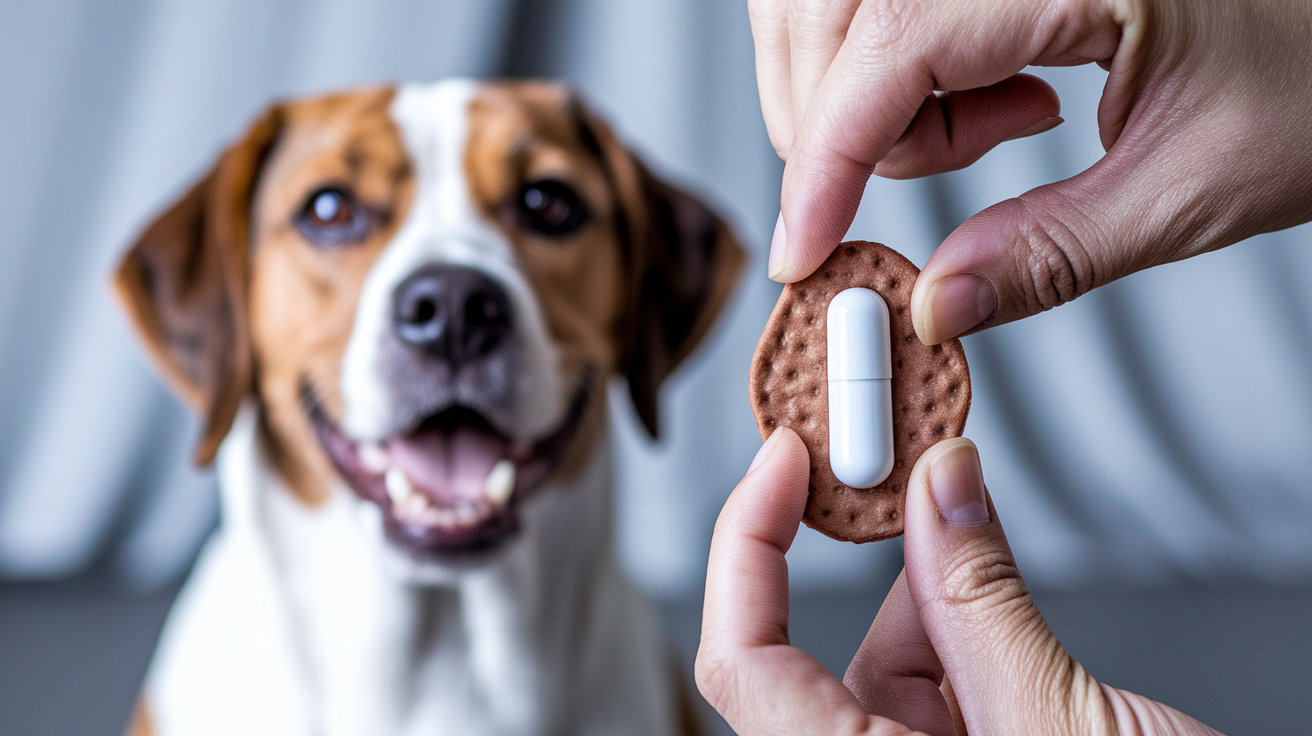
Pill pockets are soft, moldable treats designed to hide pills completely and mask the medication smell that tips off suspicious dogs. They come in dozens of flavors. Chicken, beef, peanut butter, cheese, bacon, even fish. You can rotate options if your dog becomes wary of one flavor. Press the pocket around the pill until it’s fully sealed, then hand it over as if it’s a regular treat. Many dogs who refuse hidden pills in food will accept a pill pocket because the shape and texture feel like a reward rather than a trick.
Popular brands include Greenies Pill Pockets in cheese or chicken flavor, typically sold in packs of thirty to sixty capsules with ratings around 4.6 out of 5, and Milk Bone Pill Pouches in real chicken flavor, available in six ounce bags with ratings near 4.1 out of 5. Both are palatable and easy to mold. The downside is that some pill pockets are high in sodium, which can be a concern for dogs with heart disease or kidney disease. Check the ingredient label and ask your veterinarian before using pill pockets if your dog’s on a salt restricted diet.
If your dog inspects treats carefully, offer the pill pocket immediately followed by a second blank treat. The quick succession reduces the chance your dog will sniff, lick, or reject the medicated pocket, and the reward at the end keeps the experience positive and fast moving.
Manual and Pill Dispenser Techniques for Dogs Who Resist Pills
When food camouflage fails or when your dog has dietary restrictions that rule out treats, direct placement becomes the most reliable method. These techniques require calm handling and a clear step sequence, but once you practice them a few times, most dogs accept the routine without significant stress.
Manual Placement Technique
Manual placement works best when you can secure your dog in a sitting or standing position and you have steady hands. If your dog’s large or strong, ask a second person to gently hold the body and shoulders while you handle the head and mouth. Rolling the pill in a thin layer of butter or dog safe gravy can help it slide down more easily, but only if your veterinarian has approved adding fat to the dose.
- Hold the pill between your thumb and index finger of your dominant hand, keep it out of your dog’s line of sight.
- Stand or kneel at your dog’s side, facing the same direction, or have a helper hold your dog from behind.
- Use your non dominant hand to grasp the muzzle from above, placing your thumb and fingers behind the upper canine teeth.
- Tilt your dog’s head slightly upward to encourage the lower jaw to drop open.
- Use your middle finger to press down gently on the lower front teeth to open the mouth wider.
- Drop or push the pill as far back on the tongue as possible, aiming for the base where the swallow reflex is strongest.
- Close the mouth immediately, return the head to a normal angle, and hold the jaw closed for ten to fifteen seconds while massaging the throat or lightly blowing on the nose.
- Follow with praise, a small treat if allowed, and one to two teaspoons of water or a few milliliters from a plastic syringe squirted into the corner of the mouth to help the pill travel down.
Never attempt manual placement if your dog has a painful neck, back, or mouth condition. The stress and positioning can increase pain and raise the risk of a defensive bite.
Pill Dispenser/Pill Gun Method
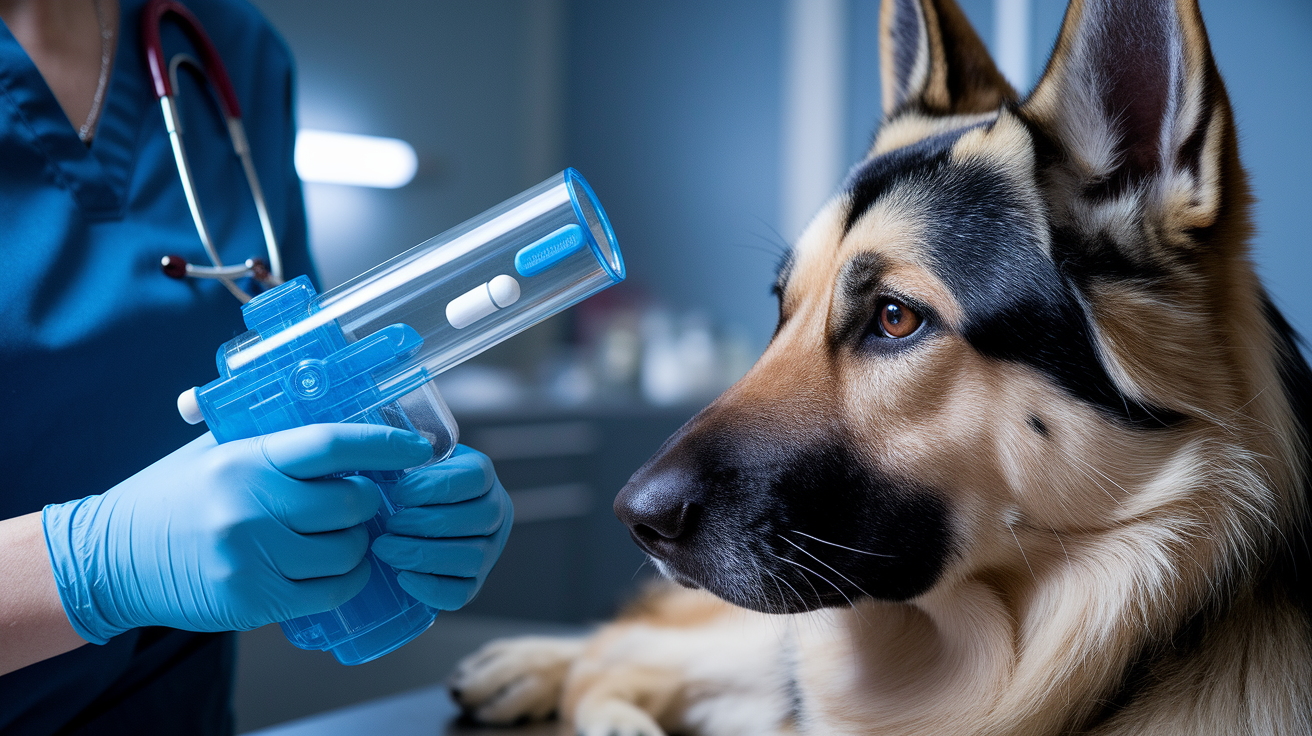
A pill dispenser, often called a pill gun or pet piller, is a plastic syringe like tool five to eight inches long that holds the pill in a soft rubber tip and deposits it at the back of the tongue with a plunger press. These devices keep your fingers away from teeth and reduce bite risk, making them especially useful for small dogs, anxious dogs, or anyone with limited dexterity. Typical pill dispensers are rated between 3.2 and 4.1 out of 5 by users and cost ten to twenty five dollars.
- Choose a quiet, secure location where your dog can’t back away or escape.
- Load the pill into the soft rubber tip opposite the plunger end.
- Grasp your dog’s muzzle from above, thumb and fingers behind the upper canine teeth.
- Tilt the head up slightly to encourage the lower jaw to open.
- Use your middle finger to pull down gently on the lower jaw for a wider opening.
- Insert the dispenser tip far enough to place the pill on the back of the tongue, but don’t poke or press into the throat.
- Press the plunger to release the pill, then withdraw the dispenser, close the mouth, and return the head to a normal position.
- Hold the mouth closed for ten to fifteen seconds, massage the throat, or blow lightly on the nose to trigger swallowing, then offer a treat and water.
Watch for coughing, gagging, or prolonged distress after placement. These can signal the pill lodged in the airway or esophagus. If your dog coughs repeatedly or shows difficulty breathing, contact your veterinarian or emergency clinic immediately.
Adjusting Pill Giving Methods for Different Dog Sizes and Temperaments
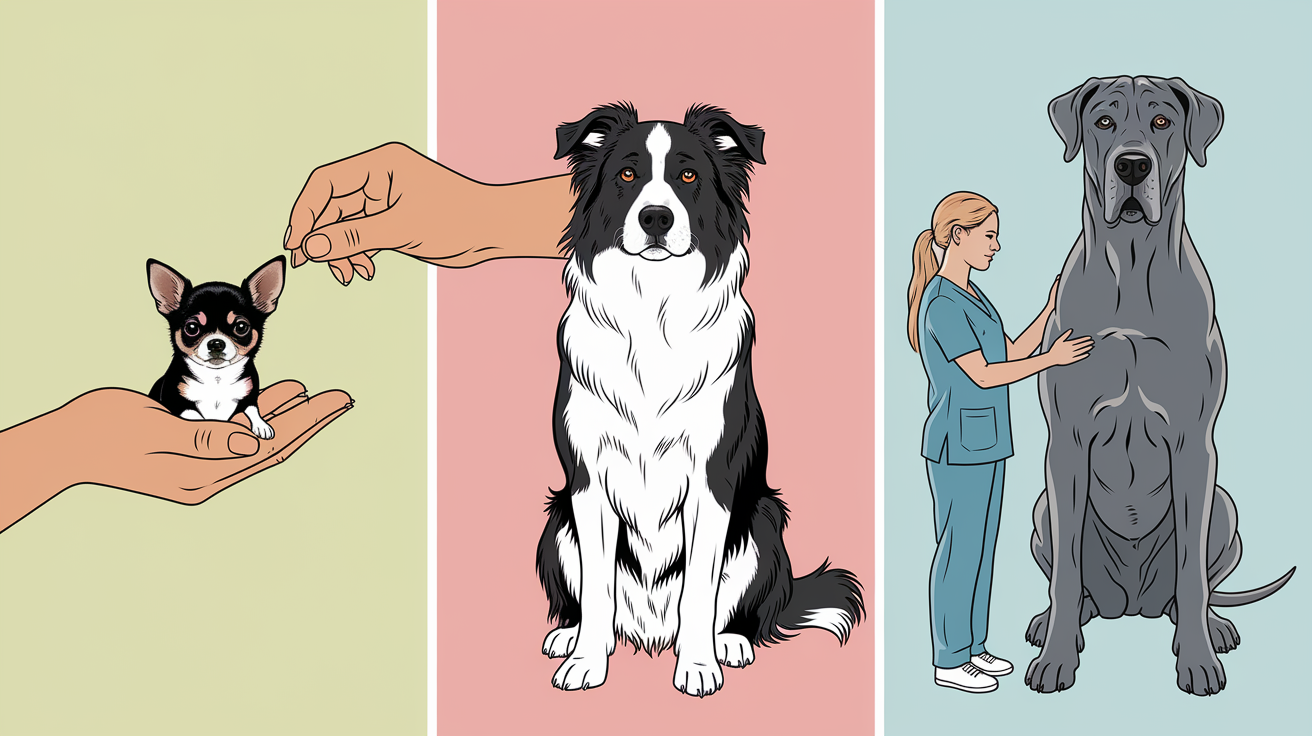
Small dogs under ten pounds need gentler restraint and tiny treat portions. Use mini pill pockets or pea sized balls of cream cheese, and consider a one person hold with the dog tucked against your body for security. Medium dogs between ten and fifty pounds usually tolerate a one or two person method depending on cooperation level, and you can offer a small meal immediately after dosing to build a positive association if the medication allows food. Large and giant dogs over fifty pounds often require a two person approach. One person holds the body and shoulders from behind while the other opens the mouth and delivers the pill, reducing the chance the dog will pull away or sit down mid procedure.
Temperament matters as much as size. Food motivated dogs respond well to high value treats and the hide in food method. Start with a few blank treats to build excitement, then slip the pill containing treat into the sequence. Anxious or fearful dogs benefit from desensitization. Practice gentle mouth handling with treats and praise over several days before you attempt the first real dose, and consider asking your veterinarian about flavored compounded medications that taste like a reward rather than medicine. Aggressive or fearful biters shouldn’t be pilled at home without professional guidance. Use a muzzle if your vet recommends one, or bring your dog to the clinic for staff administered dosing.
Strategies for challenging temperaments and situations:
- Give medication when your dog’s hungry, then follow immediately with a regular meal to pair pills with positive anticipation.
- Use blank high value treats in rapid succession before and after the pill treat to reduce inspection time.
- Practice calm handling and mouth opening exercises daily with treat rewards, no pill involved, to reduce fear over time.
- For persistent refusal, ask your veterinarian about liquid formulations, flavored compounds, or transdermal gels that absorb through the skin.
- If your dog shows aggression, don’t force the issue. Discuss muzzle training or clinic visits with your vet.
- Keep sessions short and stop after two to three attempts to avoid escalating stress or creating a negative association.
Crushing, Splitting, or Altering Pills: What’s Safe and What’s Not
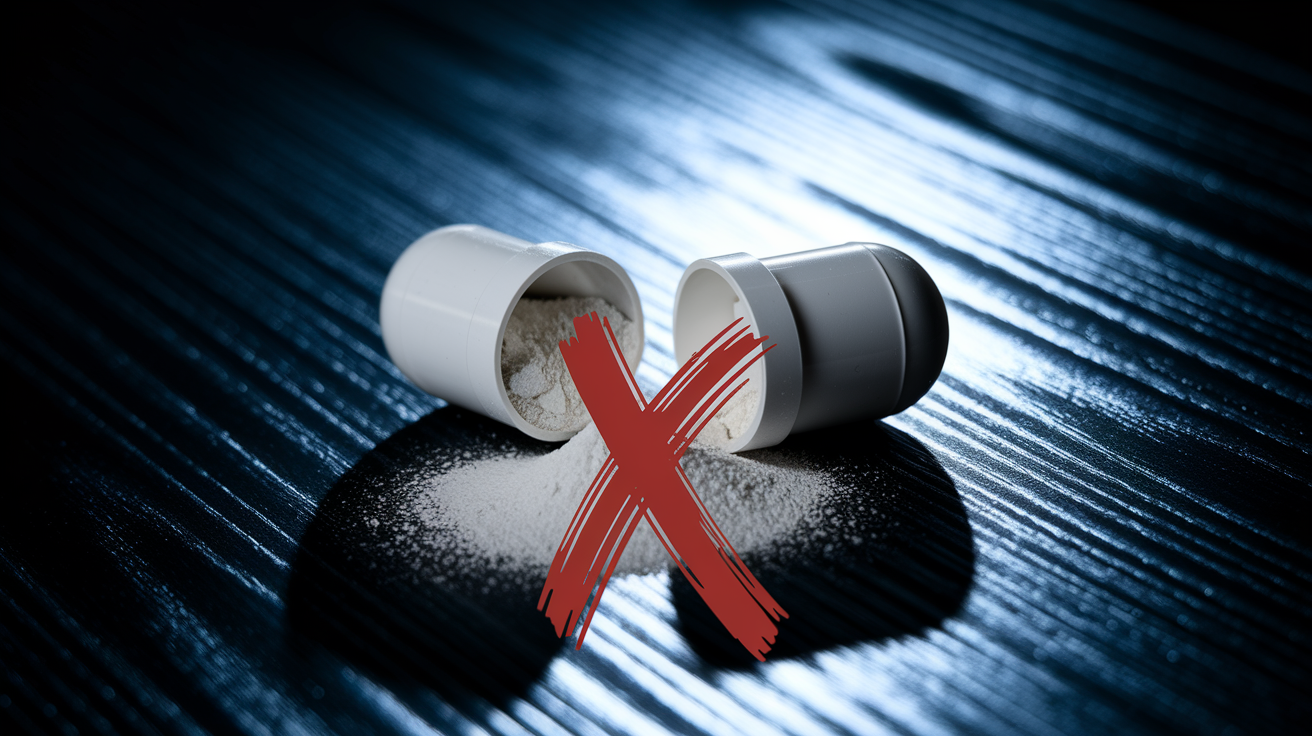
Many pills are coated to mask bitter taste or engineered to release medication slowly over several hours. Crushing or splitting these tablets can destroy the coating, flood your dog’s system with the full dose at once, or make the medication so unpalatable that your dog refuses food for the rest of the day. Extended release, sustained release, enteric coated, and time release formulations should never be crushed or split unless your veterinarian explicitly approves it. Doing so can render the medication ineffective or unsafe.
Even when crushing is allowed, mixing powdered medication into food introduces new problems. If your dog doesn’t finish the entire portion, you have no way to know how much of the dose was actually consumed. Powdered pills also taste bad, and some dogs develop an aversion to the food you use, refusing that flavor or brand for weeks afterward. If you must crush a pill, confirm with your veterinarian first, then mix the powder into one to two tablespoons of a strongly flavored wet food and watch to ensure your dog finishes every bite within a few minutes.
Never crush, split, or alter pills in these situations:
- Extended release, sustained release, or time release formulations. The coating controls absorption timing.
- Enteric coated tablets designed to pass through the stomach and dissolve in the intestines.
- Medications your dog takes with certain antibiotics if you’re using dairy to hide the pill. Calcium can bind the antibiotic and block absorption.
- Any pill without clear veterinary approval. Some medications become toxic or ineffective when altered.
Troubleshooting Pill Refusal and What to Do If Your Dog Still Won’t Take Medication

If your dog spits out the pill or refuses the treat on the first attempt, wait thirty minutes and try again with a different food or flavor. Some dogs inspect treats more carefully when they’re not hungry or when the same method is repeated too quickly. Offering a sequence of blank treats followed immediately by the pill containing treat can increase excitement and reduce the chance your dog will pause to sniff or lick.
Limit yourself to two or three attempts per dosing event. Repeated forcing or restraint can escalate stress, create fear around medication time, and make future doses harder. If you reach three failed attempts or if your dog shows significant anxiety or aggression, stop and contact your veterinarian the same day to discuss alternatives. Compounding pharmacies can convert many oral tablets into flavored liquids, soft chewables, or even transdermal gels in flavors like fish, peanut butter, or bacon. While these custom formulations may cost more, they solve the problem for dogs who simply won’t accept pills.
If your dog vomits within thirty to sixty minutes after taking the pill, contact your veterinarian. The dose may not have been absorbed and a second dose or alternative formulation may be needed. Don’t give a replacement dose on your own unless your vet instructs you to. Doubling up can lead to overdose for some medications.
Alternative strategies when standard methods fail:
- Try a different treat type or flavor. Rotate between cheese, peanut butter, canned food, and cooked meats.
- Use a pill pocket in a new flavor your dog hasn’t encountered before.
- Switch from manual placement to a pill dispenser, or vice versa, to change the routine.
- Ask your veterinarian about compounded liquid or flavored chewable formulations.
- Request that your vet demonstrate the technique in the clinic so you can see the exact hand positions and timing.
- For chronic medication, discuss whether an injectable or transdermal option exists.
When to Call the Veterinarian After Pill Giving Problems
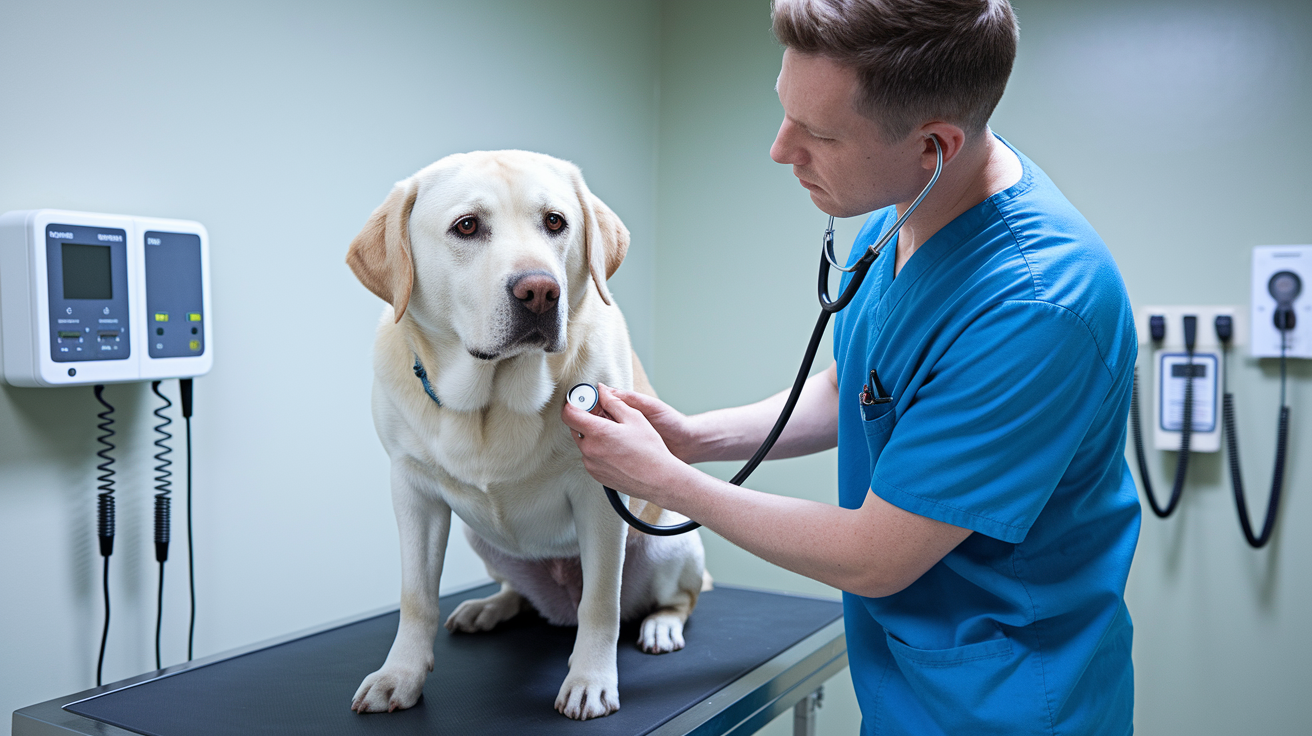
Contact your veterinarian immediately if your dog vomits repeatedly, shows swelling of the face or lips, has difficulty breathing, collapses, or becomes lethargic within minutes to hours after taking a pill. These signs can indicate an allergic reaction, aspiration into the airway, or a medication interaction that requires urgent care. Aspiration occurs when a pill enters the windpipe instead of the esophagus, and symptoms include persistent coughing, gagging, wheezing, or labored breathing.
If your dog gags or coughs once or twice but then acts normally, monitor closely for the next hour. Offer a small amount of water or a treat to help clear the throat. If coughing continues for more than a few minutes or if you see blue gums, drooling, or panic, seek emergency veterinary care right away. A lodged pill can block the airway or cause pneumonia if it migrates into the lungs.
Also call your vet if you’ve made three unsuccessful attempts to give the pill and your dog remains unmedicated. Missing doses can allow infections to worsen, pain to return, or chronic conditions to destabilize. Your veterinarian can either demonstrate the technique, administer the dose in the clinic, or prescribe a different formulation that’s easier for your dog to accept.
Red flags that require immediate veterinary attention:
- Difficulty breathing, wheezing, or blue tinged gums
- Facial swelling, hives, or sudden lethargy
- Vomiting more than once within sixty minutes of dosing
- Persistent coughing, gagging, or choking sounds lasting more than a few minutes
- Collapse, seizures, or unresponsiveness
Long Term Medication Routines, Reminders, and Safe Storage
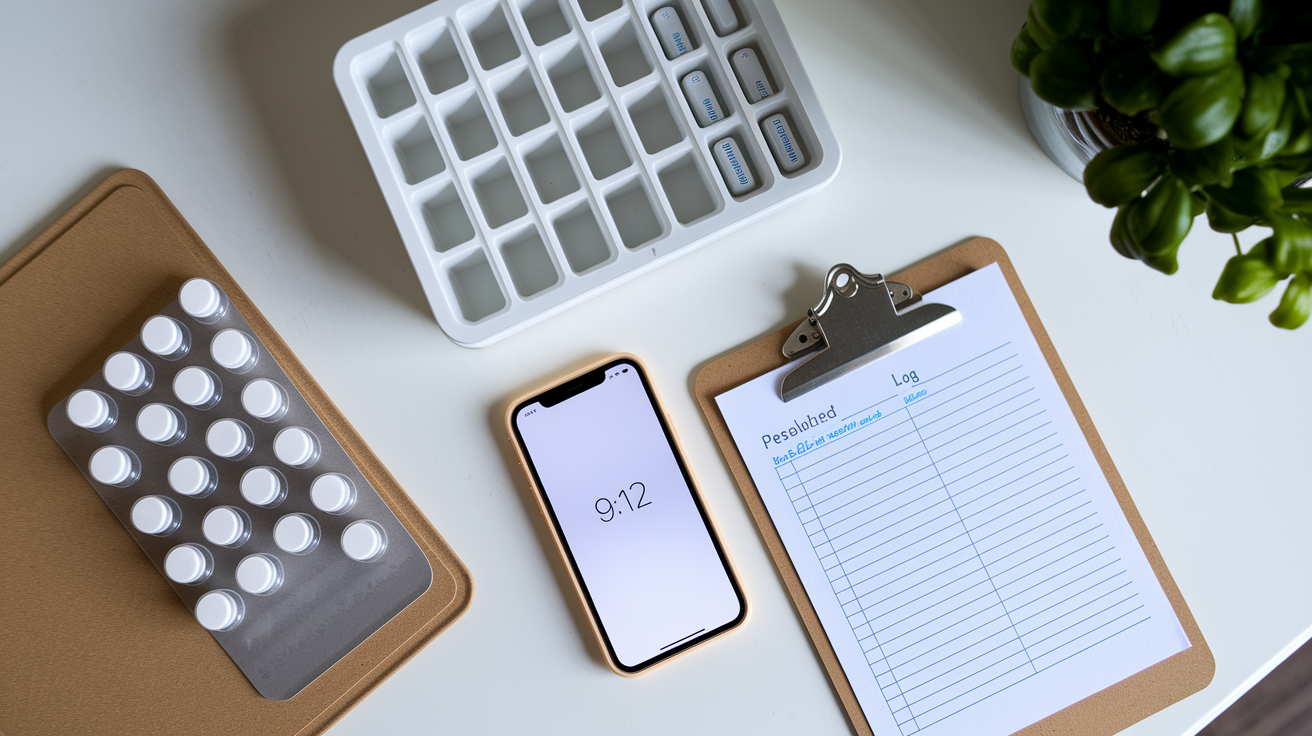
Consistency matters when your dog needs medication for days, weeks, or the rest of their life. Set an alarm or phone reminder for the exact dosing times, especially for antibiotics or pain medications that require precise twelve or twenty four hour intervals. Keep a simple dosing log on paper or in a notes app. Write down the date, time, and whether your dog swallowed the full dose. This record prevents missed doses and accidental double dosing, and it gives your veterinarian clear information if side effects or treatment failures occur.
Store pills in their original labeled containers in a cool, dry place out of reach of children and pets. Some medications require refrigeration, others degrade in heat or humidity, so follow the storage instructions on the label. Check expiration dates monthly and dispose of outdated or leftover medication safely. Many veterinary clinics and pharmacies offer take back programs, or you can mix pills with used coffee grounds or cat litter in a sealed bag and place them in household trash. Never flush pills down the toilet unless the label specifically instructs you to.
Routine tips for long term medication success:
- Use a pill organizer labeled with days of the week if your dog takes multiple medications. This reduces confusion and missed doses.
- Pair pill time with a daily activity your dog enjoys, like a walk or mealtime, to build a predictable, low stress routine.
- Keep a backup supply of high value treats or pill pockets so you’re never caught without your preferred method.
- Schedule regular veterinary check ins to confirm the medication is still needed and the dose is still correct as your dog ages or their condition changes.
Final Words
Start with a method you can do calmly: hide the pill in food, use a pill pocket, or place it manually. The quick-start section helps you pick one and try it right away.
Other sections cover safe food choices, pill-pocket flavors, dispenser and manual techniques, temperament adjustments, troubleshooting, and when to call your vet.
Follow the short 6-step flow, confirm swallowing with a 10-15 second mouth hold and gentle throat massage, keep a dosing log, and use this guide to learn how to give dog pill safely. You’ve got this.
FAQ
Q: How do you give an unwilling dog a pill?
A: Giving an unwilling dog a pill: hide it in food or a pill pocket, or place it manually, then hold the mouth closed and massage the throat 10–15 seconds. If it keeps spitting, vomits, or chokes, call your vet.
Q: How to give a dog a pill when they keep spitting it out?
A: Giving a dog who keeps spitting pills means trying a pill pocket, stronger concealment, or manual placement with a 10–15 second mouth hold and throat massage; stop after 2–3 tries and contact your vet if unsuccessful.
Q: What is the 7 7 7 rule for dogs?
A: The 7 7 7 rule for dogs isn’t a single standard guideline; people use it differently for training or routines. Check the original source and ask a trainer or your vet for safe, specific guidance.
Q: What is the 3-3-3 rule with dogs?
A: The 3-3-3 rule with dogs describes adjustment stages: 3 days to decompress, 3 weeks to learn house rules, and 3 months to feel secure. Watch behavior and consult your vet or trainer if concerns continue.