

Think fleas are always to blame when your dog won’t stop scratching?
Fleas do cause a lot of itch, but many dogs scratch for other, fixable reasons such as allergies, food issues, mites, infections, dry skin, or stress.
If you’ve combed, treated, and still see scratching, this guide walks you through the common causes, simple checks you can do at home, and safe next steps that often bring relief.
Read on so you can spot the clue and know when to call the vet.
Top Reasons Your Dog Is Scratching Even Without Fleas (Quick Diagnosis Guide)

If you’re watching your dog scratch all day and you’ve already checked for fleas a dozen times, you’re not losing it. Plenty of dogs itch like crazy even when fleas aren’t involved. Fleas are just one piece of the puzzle. The medical term is pruritus, but what matters is this: your dog’s skin is trying to tell you something. The real cause might be in their food bowl, floating in the air, growing on their skin, or tied to stress.
Finding out what’s actually going on is how you get them relief. Here’s what usually causes the scratching when fleas aren’t the answer, plus one quick way to spot each one.
Environmental allergies (atopic dermatitis). Dust, pollen, mold, and other stuff in the air can set off your dog’s immune system. Look for: itching that flares up with the seasons, especially spring and summer, focused on the face, paws, armpits, or belly.
Food allergies or sensitivities. Chicken, beef, dairy, eggs, soy, wheat. These are common triggers. Look for: year-round scratching that doesn’t budge with flea treatment, often with repeat ear infections or belly rashes tagging along.
Sarcoptic mange (scabies) or other mites. Tiny parasites that burrow into skin and create serious itching. Look for: crusty, angry skin on ear edges, elbows, and hocks, plus scratching so bad your dog can’t settle down at night.
Yeast or bacterial infections. When the normal stuff living on your dog’s skin (especially yeast like Malassezia) grows out of control, inflammation and itch follow. Look for: greasy, thick, dark skin with a musty or yeasty smell, especially between toes, in skin folds, or around ears.
Dry skin. Low humidity, too many baths, or harsh shampoos can strip the natural oils your dog needs. Look for: white flakes (dandruff), a dull coat, and mild itching that gets worse in winter or after lots of baths.
Anxiety or compulsive behavior. Stress, boredom, obsessive tendencies. All of these can fuel licking, chewing, and scratching. Look for: focused licking on one spot, usually paws or legs, creating bald patches, open sores, or lick granulomas.
If your dog matches one or more of these, you’re ready to dig deeper with a clearer plan. Good news: once you figure out the source, most of these have real solutions.
Common Symptoms That Help Identify the Underlying Issue
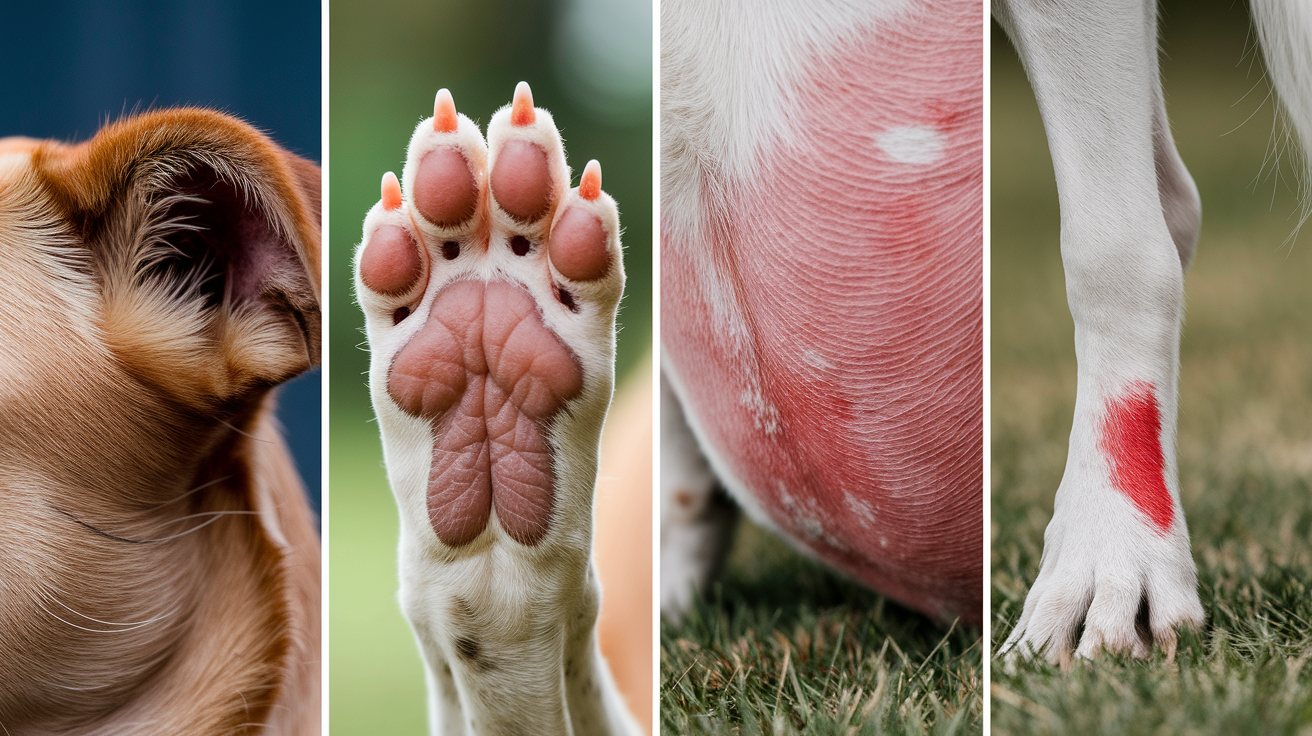
Different causes leave different clues, and picking up on those clues can save you time and vet bills. A dog with food allergies tends to scratch all year. A dog reacting to pollen might only itch during certain months. Infections usually show up as visible changes: redness, odor, moisture. Dry skin shows flakes and a coat that’s lost its shine.
Start by checking the usual trouble spots. Ears, paws, armpits, belly, base of the tail. These are the areas where allergic reactions and infections tend to hit hardest. If your dog’s shaking their head, rubbing their face on the carpet, or chewing their feet down to raw skin, that’s a strong sign allergens or infections are involved. Repeat ear infections? Classic signal for atopic dermatitis or food sensitivities. Foot chewing and belly rashes point the same way.
Hot spots (acute moist dermatitis) are another warning sign. These inflamed, oozing, painful lesions pop up fast and spread even faster, especially in hot, humid weather. They start when your dog scratches or licks an itch so hard the skin breaks open and bacteria get in. You’ll know it’s a hot spot if you see a moist, red, rapidly growing sore. That needs attention quickly before it turns into something worse.
Here’s where to look and what to check:
Ears: Redness inside the flap, dark waxy buildup, odor, head shaking, scratching at the ear base. Shows up a lot with allergies and yeast infections.
Paws (especially between toes): Non-stop licking, reddish-brown saliva stains on white fur, swelling, dark greasy skin. Points to allergies or yeast overgrowth.
Belly and armpits: Red, irritated skin, hair loss, small bumps. Often the first place environmental allergens make contact.
Base of tail and lower back: Intense scratching or biting here can mean flea allergy dermatitis, even if you don’t see fleas. One flea bite is enough to set off a massive reaction in sensitive dogs.
Step-by-Step Diagnosis Guide for Dog Itching With No Fleas

You need a plan to figure this out. Here’s the order I’d follow, starting with what you can check yourself today and moving into what your vet will probably suggest.
1. Rule out fleas completely, even if you don’t see them. Use a fine-tooth flea comb over your dog’s coat, especially near the base of the tail and belly. Put any debris on a damp white paper towel. If black specks turn red when wet, that’s flea dirt (digested blood), and fleas are still the problem. Adult fleas are only about 5 percent of the population. The rest (eggs, larvae, pupae) are hiding in carpets, bedding, furniture. One flea can lay 40 to 50 eggs per day. Even a “light” infestation can fuel serious allergic itching.
2. Inspect your dog’s skin closely for parasites, infections, or irritation. Look for crusted patches, hair loss, thickened or darkened skin, dandruff, redness, open sores. Check ears for discharge or odor. Take photos of anything unusual so you can track changes and show your vet later.
3. Make a timeline of the scratching. Write down when it started, whether it’s seasonal or year-round, what time of day it’s worst, any changes in diet, environment, or routine that happened around the same time. This helps rule in or rule out environmental triggers and food issues.
4. Visit your veterinarian for a physical exam and diagnostic tests. Your vet will likely do skin scrapings to check for mites, cytology (looking at cells under a microscope) to spot yeast or bacteria, possibly a fungal culture if ringworm is suspected. These tests are quick, low-cost, and give fast answers.
5. Consider an elimination diet trial if allergies are suspected and parasite/infection tests come back negative. This means feeding a single novel protein and carbohydrate your dog’s never eaten before, for eight to twelve weeks, with nothing else but water. No treats, table scraps, flavored medications, or chews. If itching improves, you reintroduce old ingredients one at a time to identify the trigger. There’s no reliable blood test for food allergies in dogs. The elimination diet is the gold standard.
6. Discuss allergy testing if environmental allergens seem likely. Once food and parasites are ruled out, your vet may suggest intradermal skin testing or blood testing to identify specific environmental allergens like pollen, dust mites, or mold. Results guide avoidance strategies or immunotherapy (allergy shots or drops) for long-term control.
Effective Treatments Based on the Cause
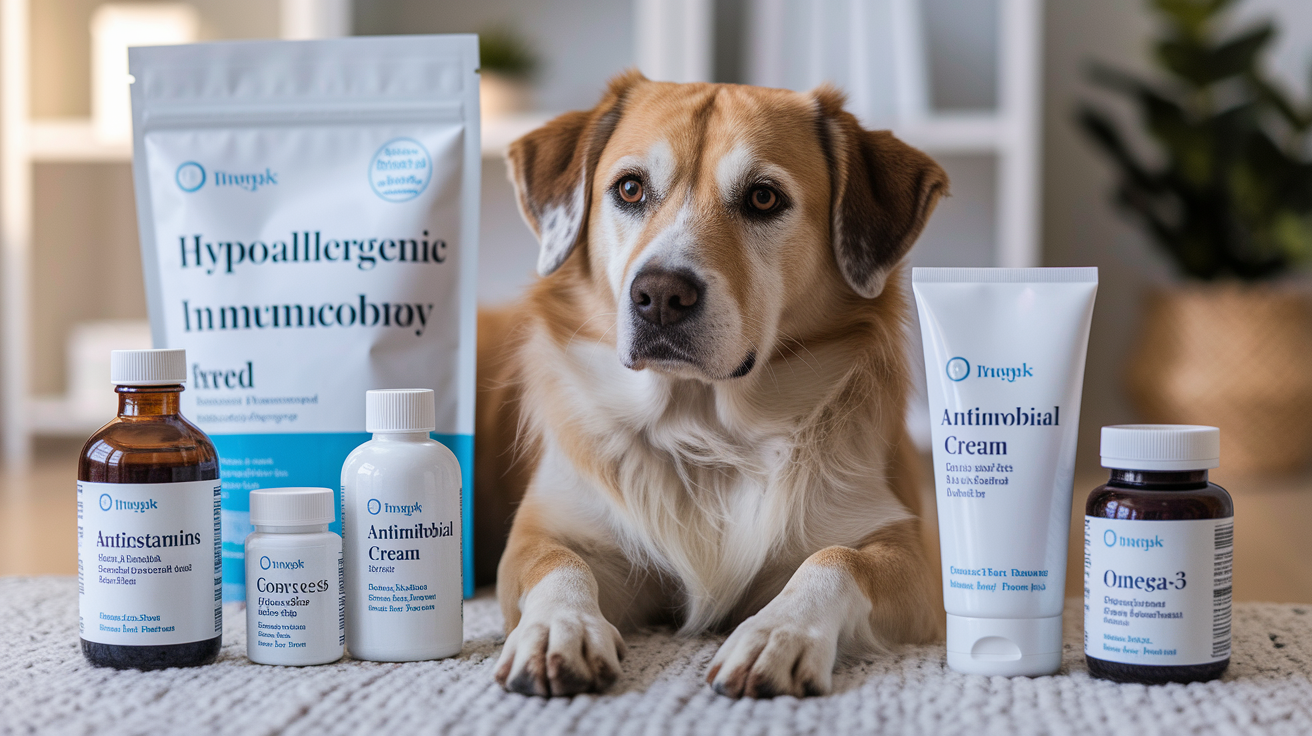
Once you know what’s driving the itch, treatment gets straightforward. Here’s what actually works for the most common causes.
For environmental allergies (atopic dermatitis), the goal is to reduce allergen exposure and calm the immune response. Wipe your dog’s paws and belly with a damp cloth after outdoor walks to remove pollen. Wash bedding weekly in hot water. Vacuum frequently. Medicated shampoos with ingredients like chlorhexidine or oatmeal soothe inflamed skin and wash away surface allergens. For long-term control, your vet may prescribe antihistamines, immunotherapy, or newer medications like Apoquel or Cytopoint that target itch pathways without the side effects steroids bring.
For food allergies, the treatment is strict dietary management. After a successful elimination trial, you’ll either stick with the novel-protein diet or switch to a high-quality limited-ingredient food that avoids your dog’s triggers. Prescription hypoallergenic diets use hydrolyzed proteins (proteins broken down so small the immune system doesn’t recognize them). It can take weeks to see full improvement. Patience and consistency matter. Any dietary “cheating,” even one treat, can restart the allergic reaction and set progress back.
For yeast or bacterial skin infections, your vet will prescribe targeted antimicrobials. Yeast infections often respond to antifungal shampoos containing ketoconazole or miconazole, used two to three times per week. Severe or widespread infections may need oral antifungal medication. Bacterial infections, including hot spots, usually require topical or oral antibiotics. Finish the full course even if your dog looks better. Stopping early can lead to resistant infections or fast relapses.
For sarcoptic mange or other mites, treatment involves prescription antiparasitic medications and thorough environmental cleaning. Your vet will prescribe drugs like ivermectin, selamectin, or moxidectin to kill the mites. Sarcoptic mange is contagious (and zoonotic, meaning it can spread to humans), so all pets in the household usually need treatment. You’ll also need to wash all bedding, vacuum carpets, and clean surfaces your dog contacts regularly. Recheck exams confirm the mites are gone.
For dry skin, the fix is gentler skincare and better hydration. Switch to a moisturizing, hypoallergenic shampoo formulated for sensitive skin. Don’t bathe more than once every two to four weeks unless your vet says otherwise. Over-bathing strips natural oils and makes dryness worse. Add a humidifier to your home during winter. Omega-3 fatty acid supplements, from fish oil or flaxseed, support skin barrier function and reduce inflammation over time. They take four to eight weeks to show results, though.
At-Home Care Tips to Reduce Scratching

You can start easing your dog’s discomfort today while you work toward a diagnosis. These safe, practical steps support any treatment plan.
Keep your dog’s environment as clean and allergen-free as possible. Wash bedding in hot water weekly. Vacuum carpets and furniture twice a week. Use a HEPA filter if you can. Wipe your dog’s paws, belly, and face with a damp cloth or hypoallergenic pet wipe after walks to remove pollen, dust, and other outdoor allergens before they settle into the coat. If your dog sleeps on your bed or couch, cover those surfaces with washable blankets you can clean frequently.
Oatmeal baths are one of the easiest and most effective home remedies for itchy skin. You can buy colloidal oatmeal shampoo or make a DIY version by grinding plain oats into a fine powder and mixing it into lukewarm bathwater. Let your dog soak for ten minutes, then rinse thoroughly. The oatmeal soothes inflammation, moisturizes dry skin, and helps wash away irritants. Just don’t overdo it. Too many baths can strip oils and make dryness worse.
Here are a few more low-effort, high-impact steps:
Add omega-3 supplements to your dog’s food. Fish oil or flaxseed oil supports skin health and reduces inflammation. Check dosing with your vet.
Use a humidifier indoors during dry months. This prevents skin from drying out and cracking, especially in winter.
Switch to fragrance-free, dye-free laundry detergent for all pet bedding. Many dogs react to the chemicals in scented products.
Offer puzzle toys, chews, and extra exercise to reduce stress-related scratching. Boredom and anxiety can drive compulsive licking and chewing.
Keep nails trimmed short. This limits the damage your dog can do to their own skin when they scratch.
When It’s Time to See a Veterinarian

Some itching needs professional diagnosis and treatment. Waiting too long can turn a manageable problem into a painful, infected mess. If home care isn’t helping within a few days, or if symptoms are getting worse, call your vet.
The clearest sign you need a vet is broken skin. Open sores, bleeding, oozing lesions, or hot spots that are spreading or smell bad all signal secondary infection. Infections don’t clear up on their own. Severe redness, swelling, or crusting, especially around the ears, face, or paws, also means something more serious is going on. If your dog has lost patches of hair, developed thickened or darkened skin, or is scratching so intensely they can’t sleep or eat normally, don’t wait. Chronic scratching that lasts more than one to two weeks without improvement, even if the skin looks okay, still deserves a vet visit to rule out hidden causes like mites, food allergies, or low-grade infections.
Watch for these urgent signs that mean “call the vet today”:
Bleeding or oozing sores, especially if they’re spreading fast. Hot spots can double in size in hours and become deeply infected.
Sudden, severe hair loss or bald patches that appear overnight. This can signal mange, ringworm, or an autoimmune condition.
Respiratory distress, facial swelling, or hives after a bite or sting. These are signs of anaphylaxis, a life-threatening allergic reaction. Get emergency care immediately.
Head shaking, ear discharge, or a strong odor from the ears. Ear infections are painful and can damage the ear canal if untreated.
Behavior changes like aggression, hiding, loss of appetite, or extreme lethargy. Pain and discomfort can change how your dog acts, and systemic illness may be the underlying cause.
Final Words
Your dog is scratching right now, but you can’t find fleas. This guide walked through common causes—allergies, mites, dry skin, infections, or stress—and how symptoms like redness, hot spots, or ear irritation can point you toward the source.
You also got a step-by-step plan: what to check at home, what to note for the vet, basic safe home care, and treatments that match each cause.
With the right steps and a vet visit when needed, you can get ahead of dog scratching but no fleas and help your pet feel better soon.
FAQ
Q: Why is my dog scratching so much but no fleas?
A: If your dog is scratching a lot with no fleas, common causes are environmental or food allergies, mites, dry skin, yeast or bacterial infections, or anxiety. Check ears, feet, and skin; call a vet for worsening, blood, or open sores.
Q: What can I give my dog for non-stop itching?
A: If your dog has non-stop itching, try gentle options like oatmeal baths, cool compresses, a hypoallergenic shampoo, or a vet-recommended omega-3 supplement. Avoid human medicines and call your vet for severe or persistent itching.