

Ever wake up to your dog heaving yellow foam and wonder if it’s an emergency?
Bile is the yellow digestive fluid from the liver, and when it backs up into the stomach it can irritate and come back up.
Sometimes one early-morning puddle means an empty stomach; other times it points to infections, pancreatitis, a blockage, or something more serious.
This post walks through the common causes, the clear signs that mean you should call a vet, and simple, safe steps to try at home.
Understanding Why Dogs Vomit Bile and What It Means
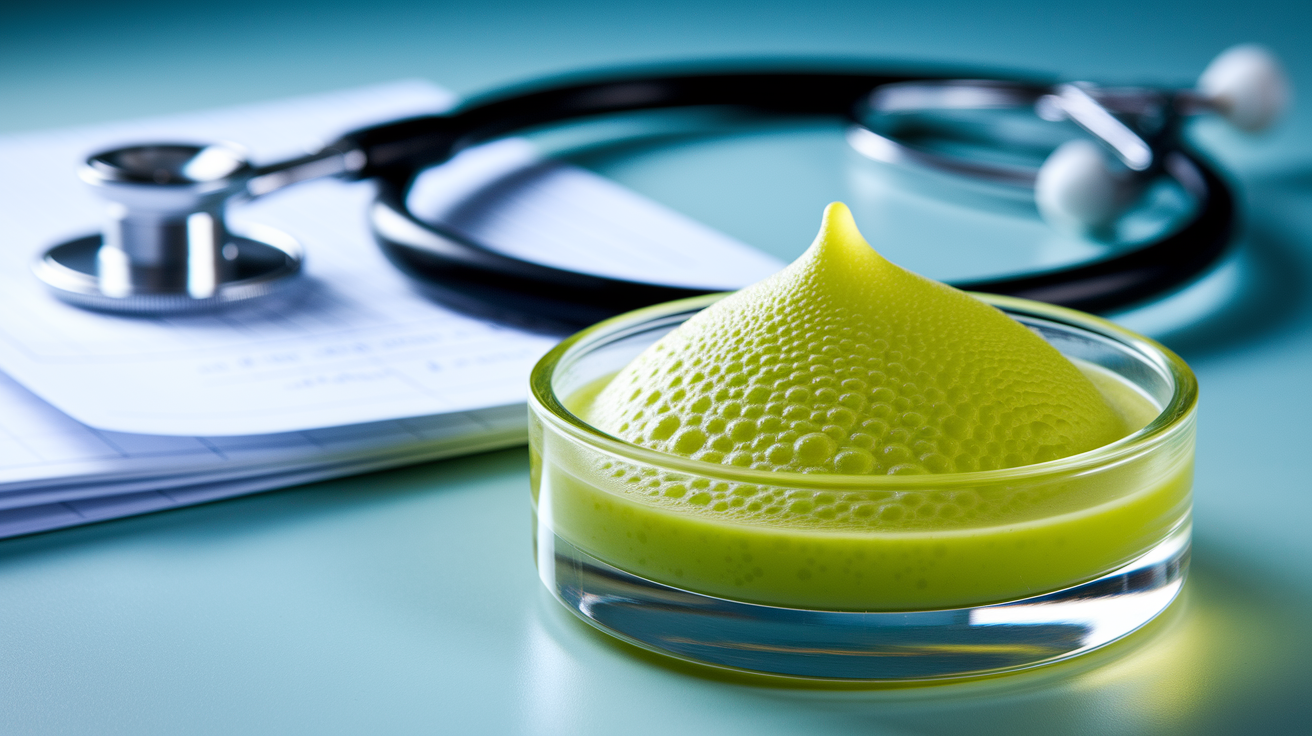
Bile is a digestive fluid your dog’s liver makes and stores in the gallbladder. It breaks down fats in the small intestine. Because bile’s alkaline, it doesn’t play nice when it backs up into the stomach, where acid lives. When bile mixes with that acid, it irritates the stomach lining and can trigger vomiting, especially if the stomach’s empty and there’s no food to cushion things.
If your dog throws up bile, you’ll usually know it by the color and texture. Most bile vomit looks yellow or greenish, often foamy or mucus-like. It’s usually odorless, though sometimes there’s a faint smell. The amount tends to be small, just frothy liquid, not chunks of food. Dogs who vomit bile on an empty stomach often do it in the early morning after fasting overnight. This pattern’s so common vets have a name for it: bilious vomiting syndrome (BVS). BVS happens when the long gap between dinner and breakfast gives bile time to creep backward into the stomach, causing irritation and that early morning foam.
Not every yellow puddle is an emergency. But knowing what you’re looking at helps you decide what to do next. Here’s what bile vomit typically looks like:
- Bright yellow or greenish color, sometimes neon-looking, sometimes pale lime
- Foamy or bubbly texture, like shaving cream or soap suds
- Watery or mucus-like consistency, slick and thin, not thick like food
- No food particles, just liquid or froth, maybe a little grass
- Little to no odor, not sour or foul like vomit that contains food
When you see this kind of vomit once, especially if your dog seems fine afterward, it’s often just an empty stomach reacting to bile. But if it keeps happening, or if your dog shows other signs, it’s time to dig deeper.
Causes of Dog Bile Vomiting and What Each One Means
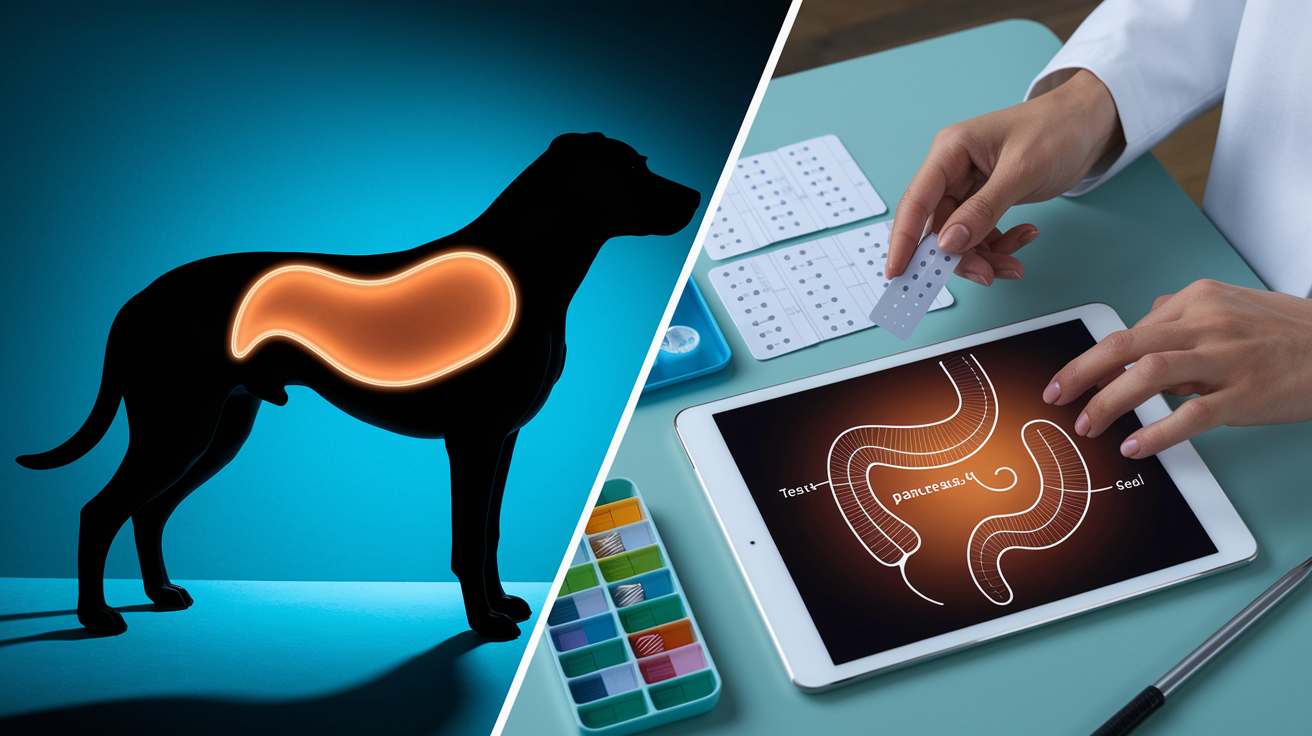
Bile vomiting isn’t one problem. It’s a symptom that can point to several different issues. The most common cause is simple empty stomach irritation, but vets always treat bile vomiting as a diagnosis of exclusion, meaning they rule out other problems first. Gastrointestinal diseases like inflammatory bowel disease, bacterial or viral infections, parasites, and even stomach cancers can all cause bile to appear in vomit. Pancreatitis, Addison’s disease, intestinal blockages, food allergies, and just being a puppy with an overnight fast can also trigger it. Let’s walk through each one.
Bilious Vomiting Syndrome
BVS is the benign version. Your dog vomits bile because the stomach’s been empty too long, usually after sleeping all night. The bile refluxes from the small intestine into the stomach, irritates the lining, and comes back up as yellow froth. Dogs with BVS are otherwise healthy. They eat normally, play normally, and feel fine after vomiting. The classic sign is vomiting first thing in the morning before breakfast, often on the same days each week. A late evening meal or small bedtime snack often stops the pattern entirely because it shortens the fasting window and keeps the stomach from sitting empty for hours.
Gastrointestinal Diseases & Parasites
Inflammatory bowel disease, chronic gastritis, bacterial infections, viral infections like parvovirus, intestinal parasites, and gastrointestinal cancers can all produce bile vomiting, but they also bring other signs. You’ll usually see diarrhea, weight loss, poor appetite, or lethargy alongside the vomit. Bile acid exposure from repeated reflux can even cause ulcers in the esophagus over time. If your dog vomits bile more than once in 24 hours, or if vomiting happens weekly over several weeks, your vet will want to run tests to rule out infections, inflammation, and parasites before labeling it BVS.
Pancreatitis and Addison’s Disease
Pancreatitis, inflammation of the pancreas, is a serious cause of bile vomiting. About 90% of pancreatitis cases have no clear trigger, but fatty meals are a known risk. Symptoms usually appear 3 to 5 days after eating something oily or rich, though they can start as early as 24 hours later. Dogs with pancreatitis vomit bile, often repeatedly, and show severe abdominal pain, hunching, and diarrhea. Addison’s disease, or adrenal insufficiency, can also cause vomiting. Dogs with Addison’s become critically ill even from small stressors, and bile vomiting can be one of the first signs. Both conditions require immediate veterinary care and specific treatment.
Intestinal Blockages and Emergencies
When a foreign object blocks the intestines, a dog will vomit food first, then bile once the stomach empties. The blockage prevents normal digestion, so everything comes back up. You’ll usually see extreme lethargy, severe abdominal pain, a distended belly, and an inability to keep anything down, even water. This is a medical emergency. Most blockages require surgery to remove the object. If your dog’s vomiting bile and showing pain, bloating, or collapse, get to a vet immediately.
Food Allergies and Puppy-Specific Causes
Food allergies most often develop between ages 1 and 5. Vomiting bile can be part of the reaction, along with diarrhea, itchy skin, and ear infections. Diagnosing a food allergy requires a strict 12 week elimination diet trial under vet guidance. No treats, no table scraps, just the prescribed food. Puppies vomit bile for simpler reasons: their stomachs are tiny, and an overnight fast is a long time for them. A small bedtime meal usually fixes it. But if your puppy isn’t fully vaccinated and starts vomiting bile, especially with diarrhea, call your vet. It could be parvovirus, which moves fast.
Determining Severity: When Bile Vomiting Is Normal and When It’s an Emergency
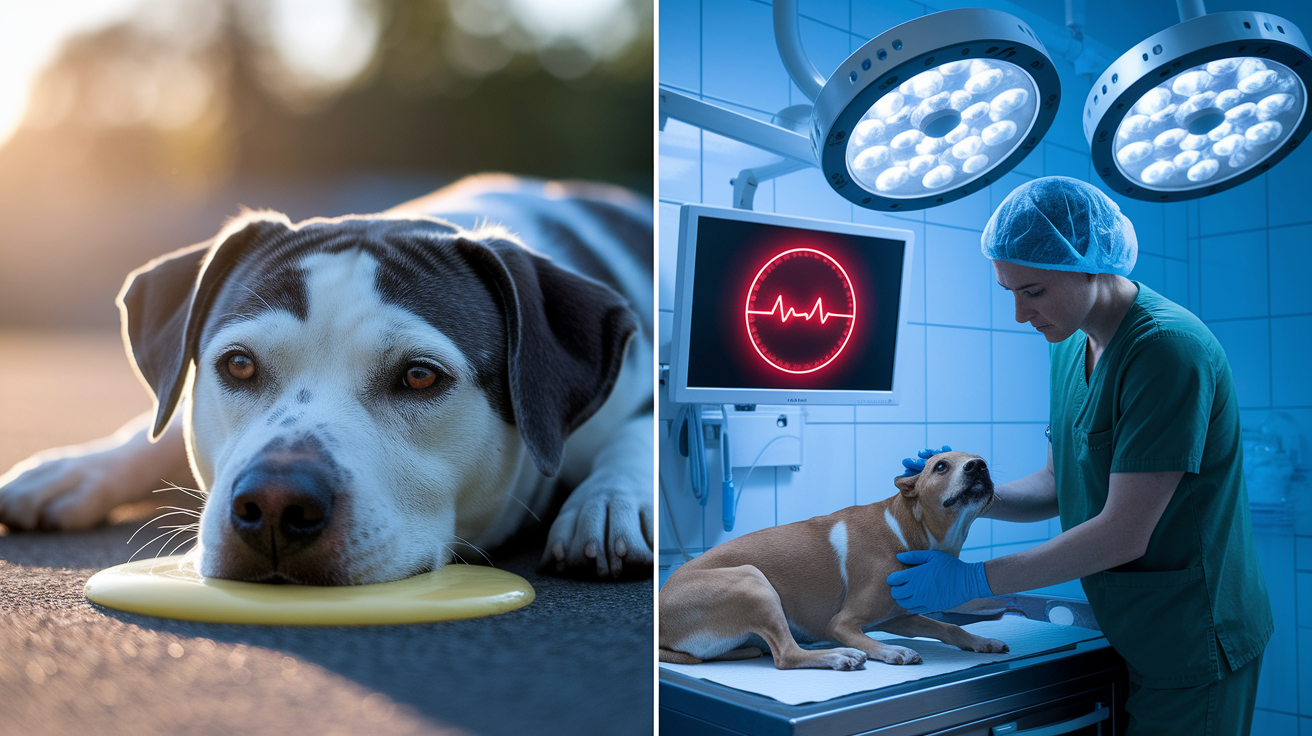
One isolated bile vomit in an otherwise happy, energetic dog isn’t usually a crisis. If your dog throws up yellow froth once, drinks water an hour later, eats breakfast normally, and acts like nothing happened, you can monitor at home. That’s the “normal” end of the spectrum. Annoying, but not dangerous. The trouble starts when vomiting repeats, when your dog can’t keep water down, or when other warning signs appear. Chronic bile vomiting, once a week or every few days over several weeks, needs a vet visit even if your dog seems okay between episodes.
Here’s when bile vomiting becomes an emergency and you need to see a veterinarian right away:
- Vomiting more than once in 24 hours. Repeated episodes mean something’s actively wrong, not just an empty stomach.
- Inability to keep water down. If your dog vomits within minutes of drinking, dehydration will set in fast.
- Severe abdominal pain. Hunching, whining, pacing, or a tense belly signal a serious problem like pancreatitis or blockage.
- Extreme lethargy or collapse. If your dog won’t get up, won’t greet you, or seems weak, don’t wait.
- Distended or bloated abdomen. A tight, swollen belly can mean obstruction, bloat, or internal bleeding.
- Blood in vomit, black tarry stool, or signs of shock. Pale gums, rapid breathing, or cold paws mean your dog’s in crisis.
If any of these signs appear, stop monitoring and call your vet or an emergency clinic. Trust your instinct. If it feels wrong, it probably is.
Immediate At-Home Steps to Help a Dog Vomiting Bile

If your dog vomits bile once and seems fine otherwise, you can start with calm, conservative care at home. The first step is to fast your dog for 12 to 24 hours. Fasting gives the stomach time to settle and stops the vomiting cycle. Don’t fast puppies, toy breeds, or dogs with diabetes without talking to your vet first. They can’t handle long gaps without food. For healthy adult dogs, fasting is safe and often fixes the problem on its own.
About 3 to 4 hours after the vomit, offer a small amount of water. A few laps, not a full bowl. If your dog keeps that down and doesn’t vomit again, you can return to normal water access. After the fasting period, start with a bland meal: plain boiled chicken (no skin, no seasoning) and white rice, or plain canned pumpkin if your vet’s recommended it before. Feed small portions, a tablespoon or two for small dogs, a quarter cup for medium dogs, and watch closely. If the food stays down, you can slowly return to the regular diet over the next 24 to 48 hours.
Some owners find these gentle options helpful during recovery, but always check with your vet before trying anything new:
- Canned or powdered plain pumpkin. A teaspoon of pure pumpkin can soothe the stomach and add gentle fiber.
- Probiotics or prebiotics. Veterinary formulated versions support gut health during digestive upset.
- Ice cubes. Some dogs tolerate small amounts of ice better than water right after vomiting.
- Small, frequent sips of water. Instead of a full bowl, offer water every 30 minutes to prevent gulping.
- Monitoring for 24 hours. Keep a close eye on energy, appetite, and stool. Any worsening means it’s time to call the vet.
If vomiting repeats during the fasting period, if your dog refuses water, or if any red flag signs appear, stop home care and contact your veterinarian.
Veterinary Diagnostics for Dogs Vomiting Bile

When you bring your dog to the vet for bile vomiting, the first goal is to rule out serious causes. BVS is a diagnosis of exclusion, so your vet will run tests to make sure it’s not pancreatitis, an obstruction, an infection, or something else. The exam usually starts with a full physical check. Palpating the abdomen for pain or masses, checking hydration, listening to the gut, and reviewing your dog’s history and symptoms.
From there, your vet will recommend diagnostics based on what they find. Bloodwork checks organ function, electrolytes, and inflammation markers. A fecal test looks for parasites and signs of infection. Imaging, X-rays or ultrasound, shows the stomach, intestines, liver, pancreas, and any foreign objects or masses. If vomiting is chronic or severe, your vet might also suggest an endoscopy, where a camera looks directly at the stomach lining, or a biopsy to check for inflammatory bowel disease or cancer.
| Test | What It Detects |
|---|---|
| Bloodwork (chemistry panel, CBC) | Organ function, infection, anemia, electrolyte imbalances, pancreatitis markers |
| Fecal test | Intestinal parasites, bacterial overgrowth, signs of GI bleeding |
| Abdominal X-ray | Foreign objects, intestinal gas patterns, organ size, masses |
| Abdominal ultrasound | Detailed view of organs, pancreas inflammation, tumors, fluid, wall thickening |
Most dogs vomiting bile don’t need every test. If your dog only vomits in the early morning, feels great otherwise, and responds to a late night meal, your vet may diagnose BVS without extensive workup. But if the pattern’s off, vomiting at random times, with other symptoms, or not improving with feeding changes, expect a deeper dive. The tests aren’t about overdiagnosing. They’re about catching the problems that need treatment before they get worse.
Treatment Options for Dogs Vomiting Bile
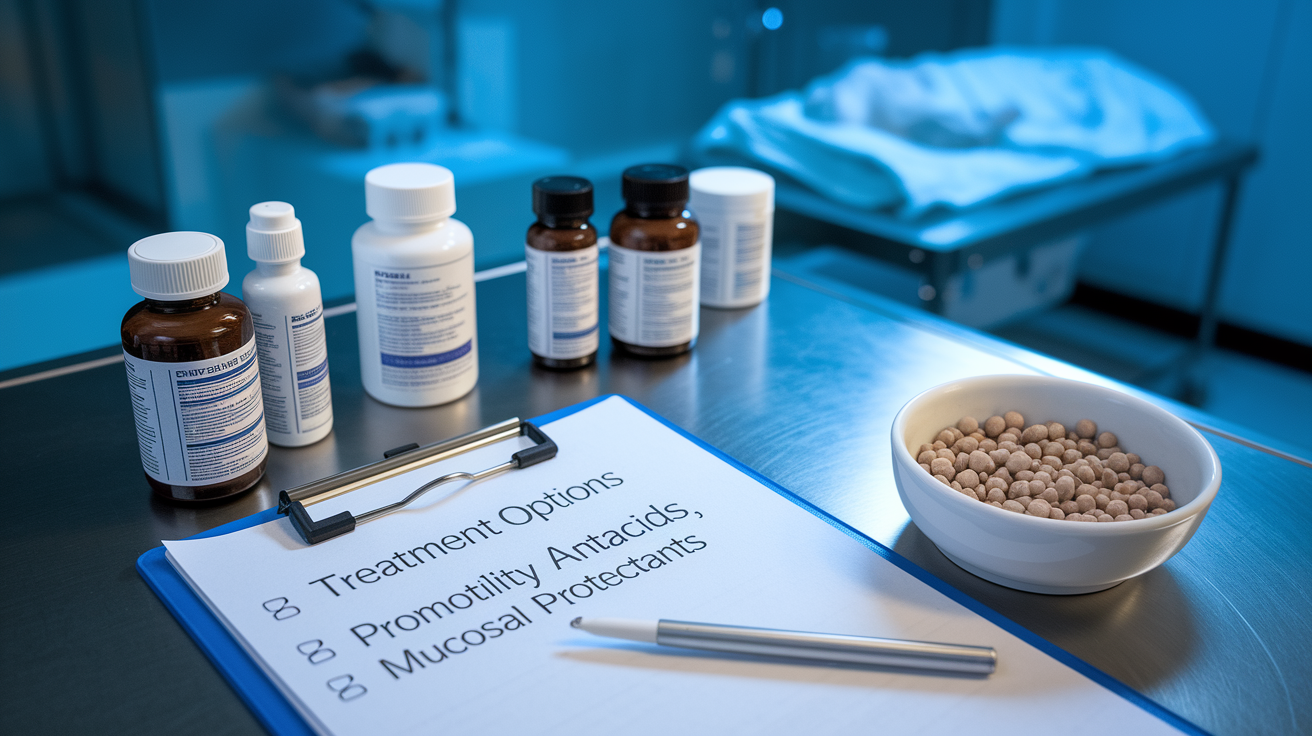
Once your vet knows what’s causing the bile vomiting, treatment targets the root problem. For true BVS with no other issues, the fix is often as simple as adjusting meal timing and adding a bedtime snack. But when medications or more intensive care are needed, your vet has several tools to choose from.
Medications for Stomach Acidity and Motility
Promotility drugs help the stomach empty faster and reduce bile reflux. Cisapride is a common choice. It’s often given as a single dose at bedtime to keep bile from backing up overnight. Metoclopramide and erythromycin are other promotility options. Antacids like famotidine or omeprazole are sometimes prescribed to reduce stomach acid and soothe irritation, though they’re more effective for acid-related vomiting than for bile reflux. Sucralfate, a mucosal protectant, coats the stomach lining and can help if bile has caused inflammation or small ulcers. Most BVS medications are given once daily, timed with the late evening meal to prevent early morning symptoms.
Treating Underlying Diseases
If bile vomiting’s caused by pancreatitis, inflammatory bowel disease, parasites, or another condition, treatment focuses on that diagnosis. Pancreatitis often requires hospitalization, IV fluids, pain control, anti-nausea meds, and a strict low fat diet afterward. Parasites are treated with dewormers. Food allergies require a 12 week hypoallergenic diet trial, usually a hydrolyzed protein or novel protein prescription food. Inflammatory bowel disease may need steroids, immunosuppressants, or long-term diet management. Intestinal blockages almost always require surgery to remove the object and repair any damage.
Supportive Care (Fluids, Hospitalization)
Dogs who vomit repeatedly can become dehydrated quickly. IV fluids restore hydration and electrolyte balance, and they’re a cornerstone of treatment for pancreatitis, severe gastritis, and post-surgical recovery. Anti-nausea medications like maropitant help stop the vomiting cycle so the stomach can heal. In serious cases, persistent vomiting, inability to keep water down, or signs of shock, your dog may need hospitalization for 24 to 48 hours of intensive care, fluids, and monitoring. The goal is to stabilize your dog, address the cause, and get them eating and drinking normally again before sending them home.
Preventing Bile Vomiting and Supporting Long-Term Digestion

Most bile vomiting is preventable with a few simple changes to your dog’s routine. The single most effective step for BVS is feeding a small meal or snack late in the evening, right before bed. That keeps the stomach from sitting empty overnight and reduces bile reflux in the early morning. You can split your dog’s daily food into smaller, more frequent meals, or use an automatic feeder to deliver a timed nighttime portion. Consistency matters. Feeding at the same times every day helps regulate digestion and motility.
Beyond meal timing, a few other strategies support long-term digestive health and reduce the risk of bile vomiting. Avoid giving fatty foods, table scraps, or oily treats. These can trigger pancreatitis and worsen nausea. Keep your dog’s vaccinations and deworming up to date to prevent infectious and parasitic causes. If your vet suspects a food allergy, commit to the full 12 week elimination diet trial without cheating. It’s the only way to get a clear answer. When switching foods, do it gradually over 7 to 10 days, mixing the new food with the old in increasing amounts to avoid digestive upset.
Here are six practical prevention tips you can start today:
- Feed a late evening meal or bedtime snack to prevent overnight bile reflux and early morning vomiting.
- Use an automatic feeder if you can’t be home for a late night meal. Set it to dispense a small portion around 10 or 11 p.m.
- Avoid high fat foods and table scraps to reduce pancreatitis risk and keep digestion steady.
- Keep vaccinations and deworming current to protect against parvovirus, parasites, and infectious causes.
- Try a hypoallergenic or high fiber diet if your vet recommends it for chronic bile vomiting or sensitive digestion.
- Transition foods slowly when changing diets. Mix old and new food over a week to avoid triggering vomiting.
For dogs with recurring BVS even after feeding changes, your vet may prescribe a low daily dose of a promotility drug or suggest switching to a veterinary gastrointestinal prescription diet. Long-term management is about finding the right combination of timing, food, and medication that keeps your dog comfortable.
Tracking Symptoms and Preparing for a Vet Visit About Bile Vomiting
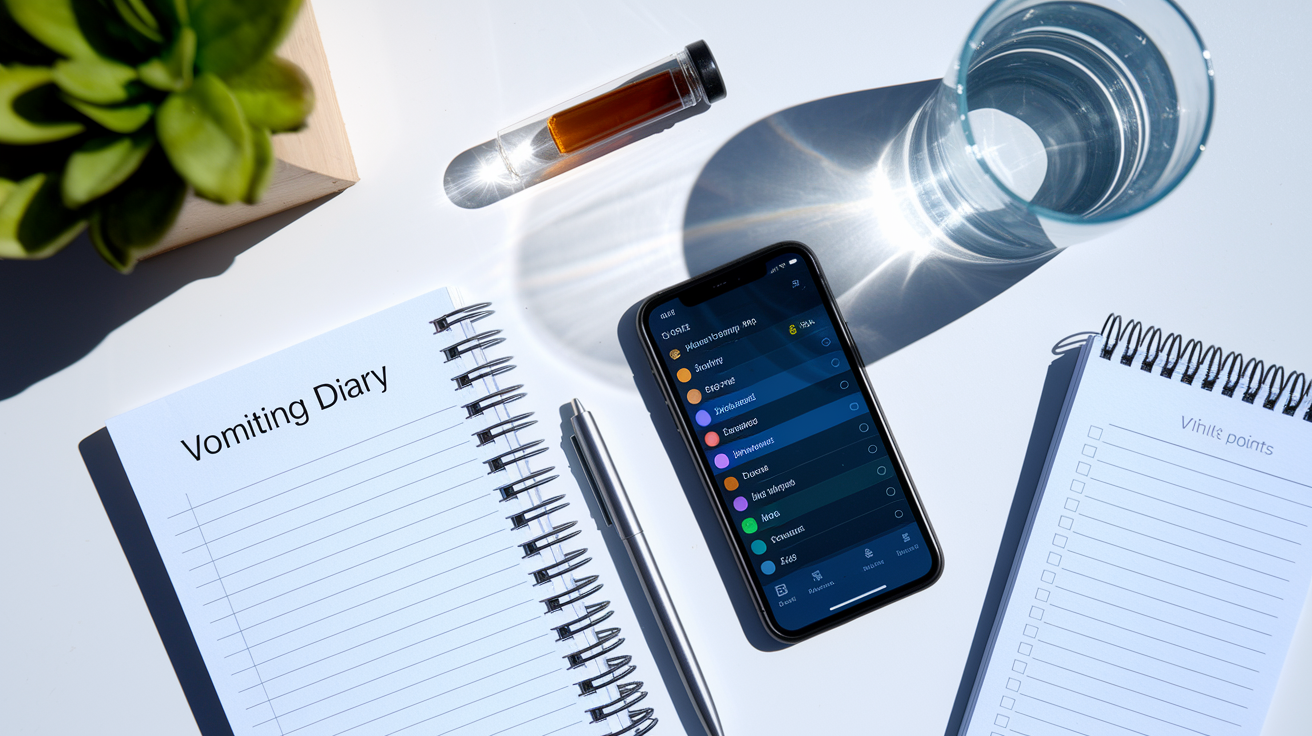
When you call your vet about bile vomiting, they’ll ask specific questions. When did it start? How often does it happen? What time of day? Is there food in the vomit, or just bile? What does your dog’s energy and appetite look like? Keeping a simple vomit diary makes those answers easy. Write down the date, time, appearance of the vomit, what your dog ate before it, and any other signs like diarrhea, lethargy, or drooling. If the vomiting happens more than once, note the pattern. Same time each day, random, after meals, or on an empty stomach.
Photos help more than you’d think. Take a quick picture of the vomit before you clean it up. Color, texture, and consistency give your vet clues they can’t get from a description alone. Also track water intake, urination frequency, and stool appearance. Dehydration shows up fast with repeated vomiting, and your vet will want to know if your dog’s drinking normally and peeing regularly. If your dog’s gums feel sticky instead of moist, or if the skin doesn’t snap back quickly when you lift it, those are dehydration signs worth mentioning.
Here’s what to document and bring to your vet appointment:
- Frequency and timing. How many times in the past 24 hours, week, or month. What time of day it usually happens.
- Vomit appearance. Color (yellow, green, white foam), texture (foamy, watery, mucus-like), and whether food is present.
- Photos of the vomit. Clear close-ups showing color and consistency.
- Recent diet and treat history. Any new foods, treats, table scraps, or diet changes in the past two weeks.
- Other symptoms. Diarrhea, lethargy, appetite changes, drooling, pacing, abdominal pain, or behavior changes.
Chronic vomiting, even if it’s just bile and your dog seems fine otherwise, deserves a vet evaluation. Patterns like weekly vomiting over a month, vomiting that doesn’t respond to meal timing changes, or vomiting paired with weight loss or poor appetite all point to something that needs diagnosis and treatment. The more detail you bring, the faster your vet can narrow down the cause and get your dog feeling better.
Final Words
Seeing your dog throw up yellow or green bile is upsetting. This guide covered what bile looks like, why it appears, likely causes, and how vets might investigate it.
If it’s a single morning episode, short fasting and careful water reintroduction often help. Call the clinic for repeated vomiting, bloating, severe lethargy, or if your pet can’t keep water down.
Track timing, photos, and frequency so your vet gets a clear picture. With steady monitoring and prompt care, many dogs improve when dog vomiting bile happens.
FAQ
Q: Should I be worried if my dog is throwing up bile?
A: If your dog is throwing up bile, it’s often from an empty stomach or mild upset. Be worried and call your vet if vomiting repeats, they can’t keep water down, show blood, severe lethargy, pain, or bloating.
Q: What to give a dog after throwing up bile?
A: After a dog throws up bile, withhold food for 12–24 hours (not puppies/toy breeds), offer small amounts of water after 3–4 hours, then give tiny bland meals and check with your vet if vomiting continues.