

Think a smelly, gooey cat ear is just nasty but harmless? Think again.
That smell plus discharge often points to an infection or mites, and it usually needs a vet check.
Different colors and smells can help you guess the cause, from ear mites to yeast or bacteria.
I’ll walk you through the common causes, what to watch for, and when the problem should get same-day vet care.
No panic, just clear steps.
Understanding the Most Urgent Causes Behind Cat Ear Discharge and Odor
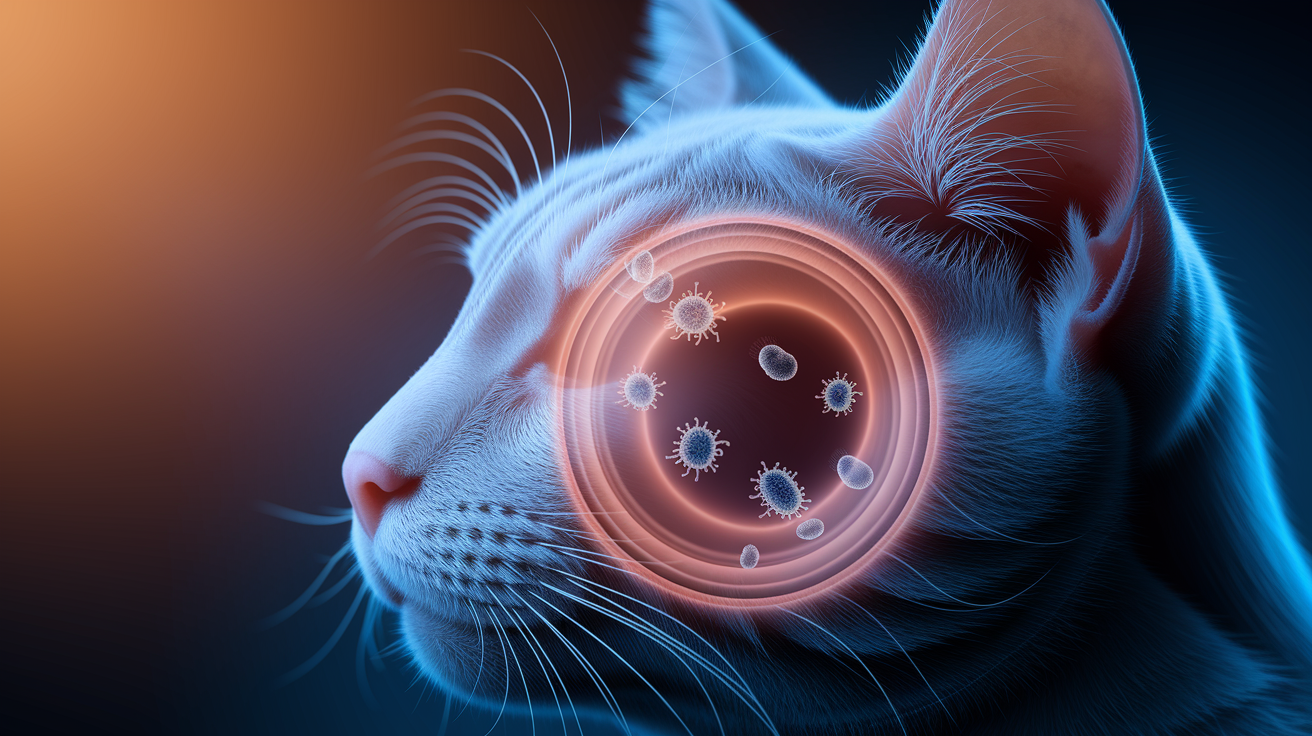
When your cat’s ear starts smelling bad and leaking discharge, it’s almost always pointing to an infection or some kind of infestation. And yeah, this usually means you need to see a vet pretty soon.
That combo of odor plus discharge? It’s your cat’s body basically saying “something’s growing in here that shouldn’t be.” Ear mites, yeast overgrowth, and bacterial infections are the usual suspects. Each one leaves behind its own signature smell and discharge pattern, which actually helps narrow things down. Black or brown crumbly stuff that looks like wet coffee grounds with a musty smell? Probably ear mites. Dark brown discharge that smells sweet or bread-like? That’s typically yeast. Yellow or green pus with a sharp, rotten stink? Bacterial infection.
Your cat won’t suffer in silence. You’ll see head shaking, pawing at the ear, scratching around the face, maybe a head tilt. When you peek inside the ear, there’s often redness, swelling, visible gunk, or scabs from all that scratching. Some cats will pull away or even cry when you touch the ear. A few might stop eating or just seem off if the pain’s really bad.
Certain symptoms mean you need to move now. Keep an eye out for these:
- Continuous discharge or anything bloody
- Severe swelling that’s closing up the ear canal
- Head tilt, circling, or balance issues
- Fever or refusing food
- Intense pain when the ear gets touched
If you’re seeing any of that, call your vet the same day. Waiting too long can lead to ruptured eardrums, permanent hearing loss, and infections that spread deeper into the middle or inner ear.
Common Types of Cat Ear Discharge and What Each Color or Smell Suggests
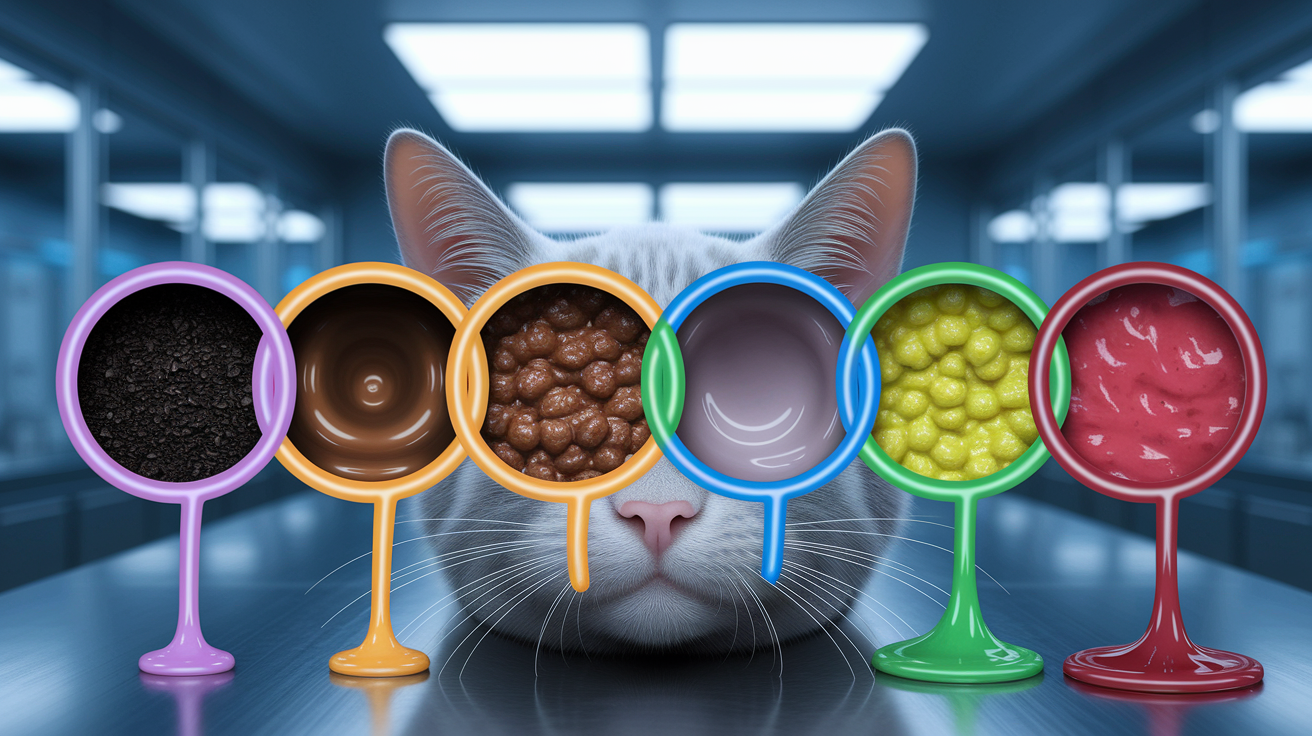
Different discharge colors and textures tell you what’s going on inside that ear canal. Black or dark brown granular stuff that resembles wet coffee grounds usually screams ear mites, especially if both ears are affected and your cat’s scratching like crazy. Dark brown sticky wax with a musty, yeasty smell? That’s pointing toward Malassezia overgrowth, a fungus that loves warm, moist spots. Thick yellow or green pus with a strong foul odor typically means bacterial infection, often secondary to something else like allergies or a foreign object.
Watery or clear discharge with mild odor can mean irritation from an allergen, maybe a blade of grass stuck in there, or early infection before bacteria really set up shop. Bloody or blood-tinged discharge is less common but more worrying. Could be trauma, a polyp, a tumor, or a severe deep infection that’s damaged tissue. Any blood in the ear needs a same-day vet visit.
| Discharge Color | Likely Cause | Odor Description |
|---|---|---|
| Black or dark brown, crumbly | Ear mites or heavy wax with secondary infection | Coffee-ground or musty smell |
| Dark brown, sticky | Yeast overgrowth (Malassezia) | Sweet, fermented, bread-like odor |
| Yellow or green, thick | Bacterial infection | Sharp, rotten, foul smell |
| Watery or clear | Irritation, foreign object, early infection | Mild or no odor |
| Bloody or blood-tinged | Trauma, polyp, tumor, severe infection | Metallic or strong foul smell |
How Cat Ear Conditions Develop: Risk Factors, Progression, and Underlying Mechanisms
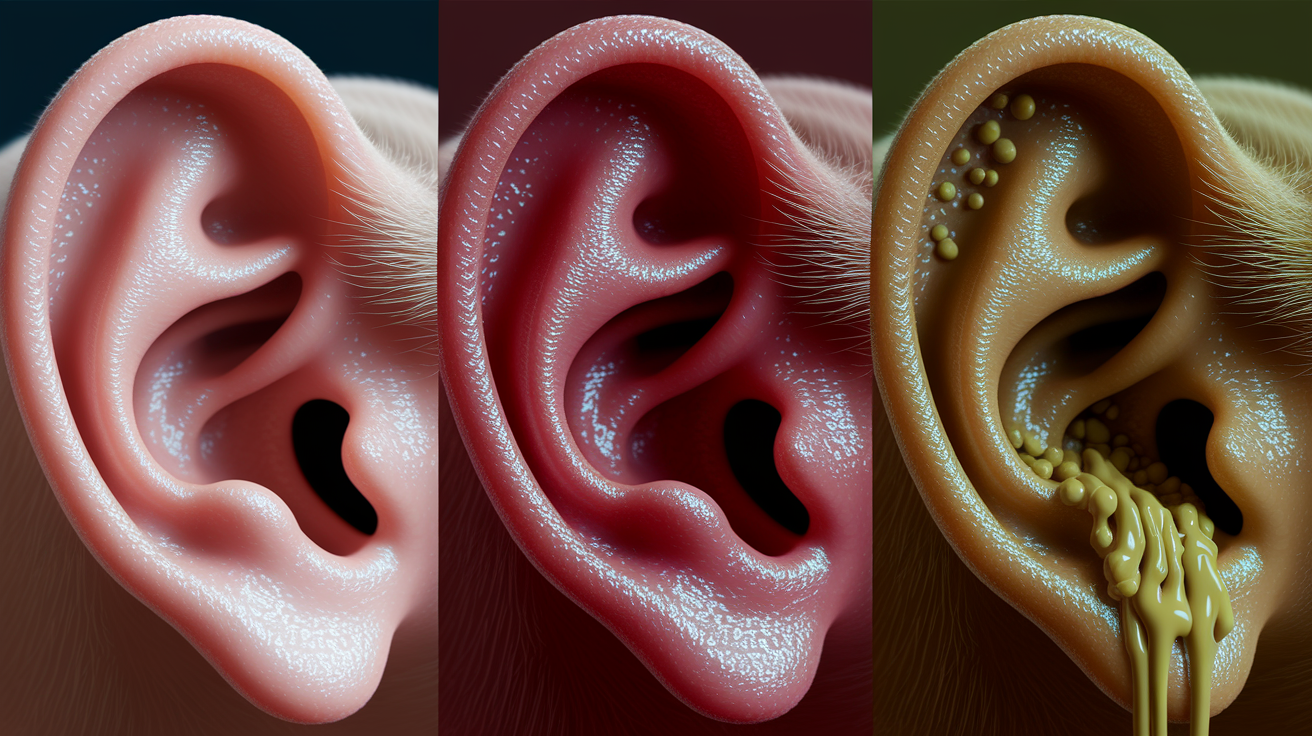
Ear problems don’t just show up overnight. Infections and infestations build over time as the environment inside the ear canal shifts from healthy to, well, perfect for parasites, bacteria, or yeast.
Ear mites are crazy contagious. They spread through direct contact with another infested cat or dog, or indirectly through shared bedding, toys, blankets. Outdoor cats face higher risk since they’re meeting more animals. Once mites settle in, they feed on ear wax and skin debris, creating inflammation and that crumbly discharge that basically rolls out the welcome mat for secondary bacterial infection.
Yeast and bacteria thrive when the ear canal stays warm and moist. Excess wax production, trapped water after a bath, thick fur blocking airflow, chronic inflammation from allergies. All of this creates the perfect breeding ground for microbes to multiply. Allergic otitis is a big driver here. Cats can develop food or environmental allergies at any age, and the immune response triggers inflammation and itching in the skin, including that delicate ear canal lining. The inflammation damages the protective barrier, which lets yeast and bacteria move in and start producing that classic foul-smelling discharge.
When irritation becomes chronic, the ear canal walls thicken and narrow. This traps more debris and reduces air circulation, making infections harder to clear and way more likely to come back. Over weeks or months, untreated otitis externa (outer ear infection) can progress to otitis media (middle ear infection) if bacteria punch through the eardrum. Middle and inner ear involvement brings balance problems, head tilt, and neurological signs that need aggressive treatment. Sometimes imaging or referral.
Major risk factors that bump up your cat’s chance of developing smelly ear discharge:
- Persistent moisture in the ear canal from bathing, humidity, or poor air circulation
- Overactive immune response due to food or environmental allergies
- Contagion from other household pets or outdoor exposure to infested animals
- Environmental irritants like pollen, dust, or cleaning chemicals
- Anatomical traits such as narrow ear canals or excessive ear hair in long-haired breeds
- Chronic underlying conditions including autoimmune disease, diabetes, or immunosuppression
Final Words
If you notice foul-smelling discharge from your cat’s ear, treat it as likely infection and act quickly. This post covered the most urgent causes, how colors and smells point to different problems, and what makes ear conditions get worse over time.
If your cat has severe pain, heavy odor, bleeding, trouble balancing, or fever, call your vet right away. For milder signs, watch for 24 to 48 hours, take photos, and get veterinary advice if things don’t improve.
Quick attention and clear notes for the vet help most cats recover well from cat ear discharge and odor.
FAQ
Q: Why does my cat have a smelly discharge from his ears?
A: The smelly discharge from your cat’s ears most often means an infection or mites—yeast gives a musty odor, bacteria a foul smell, and mites create brown crumbly debris; see a vet if it’s strong or painful.
Q: Will a cat’s ear infection clear up on its own?
A: A cat’s ear infection will rarely clear up on its own and often needs veterinary care; call your vet if symptoms don’t improve within 48 hours or if there’s severe pain, heavy discharge, or balance issues.
Q: What does a cat’s ear yeast infection smell like?
A: A cat’s ear yeast infection smells musty or like stale bread or cheese, usually with dark brown waxy discharge and itching; contact your vet if the smell is strong, recurring, or accompanied by swelling.
Q: How to treat ear discharge in cats?
A: To treat ear discharge in cats, gently wipe the outer ear with a damp cloth, avoid Q-tips, keep the ear dry, and don’t use meds without your vet’s okay; see a vet if it persists past 48 hours or worsens.