

Is one episode of vomiting or a loose stool reason to panic? Often, no.
But the line between a mild upset and a true emergency can be small.
This post shows clear red flags that mean “see a vet today” versus what you can safely watch at home,
gives simple, step-by-step home care to try right away,
explains what to track over the next 24 hours,
and tells you exactly when to call your veterinarian so you don’t wait too long.
Identifying Severity and Immediate Next Steps for Dogs with Vomiting and Diarrhea

The first thing you need to figure out is whether this is something you can watch at home or whether your dog needs to see a vet today. One vomit from a dog who’s otherwise totally normal, still playing, still eating? That’s usually fine to monitor. But when vomiting happens more than twice in a few hours, or diarrhea keeps going past 24 hours, you’re in different territory. That’s when a vet needs to step in.
Emergency thresholds aren’t vague. If your dog vomits more than three times in one day, that’s urgent. Blood in the vomit or stool, whether it’s bright red or dark and tarry, is urgent. Signs of dehydration like dry gums that feel tacky instead of slick, or sunken eyes, mean your dog’s losing fluids faster than they can replace them. A dog who won’t eat or drink, who acts weak or extremely tired, or has a bloated or painful belly needs to be seen right away. Any known ingestion of something toxic, chocolate, grapes, xylitol, moves you straight to emergency care.
Mild cases look different. Your dog vomits once, maybe after eating grass or trying a new treat, but then acts completely normal. They’re drinking water, wagging their tail, interested in food. Or they have soft stool for a few hours but still have energy and appetite. Those are the scenarios where you can try a short fast, offer small amounts of water, and watch closely for the next 12 to 24 hours.
Key urgent indicators include:
- Blood in vomit or stool, bright red or dark tarry
- Vomiting more than twice in a few hours or more than three times in a day
- Diarrhea lasting more than 24 hours
- Signs of dehydration, dry gums, sunken eyes
- Lethargy, refusal to eat or drink, or collapse
- Known or suspected ingestion of a toxin or foreign object
Common Causes of Dog Vomiting and Diarrhea

Dietary indiscretion is the most common reason dogs end up with vomiting and diarrhea. That means eating something they shouldn’t have. Table scraps, spoiled food from the trash, a sock, part of a toy. Their stomach reacts by trying to expel it, and the intestines speed things through, which leads to diarrhea. Puppies and curious dogs are especially prone to this. It can happen fast. One minute they’re fine, the next they’re vomiting up undigested food or a mess of grass and garbage.
Infections, bacterial and viral, are another major cause. Parvovirus is particularly dangerous, especially in unvaccinated puppies. It causes severe, often bloody diarrhea along with repeated vomiting. Salmonella and E. coli can also trigger GI upset, usually from contaminated food or raw meat. Parasites like roundworms, hookworms, whipworms, and giardia live in the intestines and cause diarrhea, sometimes with mucus or blood. These often come from contaminated soil, feces, or infected prey animals.
Pancreatitis, which is inflammation of the pancreas, gets triggered by high fat meals. Bacon, fried foods, holiday ham. It causes sudden vomiting, diarrhea, abdominal pain, and lethargy. Dogs with pancreatitis often refuse to eat and may hunch or guard their belly. This condition can be mild or life threatening depending on severity.
Chronic conditions like inflammatory bowel disease, where the immune system attacks the intestinal lining, or systemic organ disease like liver failure or kidney dysfunction, show up as recurring or persistent vomiting and diarrhea. These are more common in older dogs and usually come with other signs. Weight loss, poor appetite, changes in drinking or urination.
Understanding Stool and Vomit Characteristics in Dogs

The appearance of vomit and stool can tell you a lot about what’s happening inside your dog. Bright red blood in vomit or stool usually means bleeding somewhere in the lower GI tract or stomach lining. Dark, tarry stool, like coffee grounds, suggests digested blood from higher up in the digestive system. The stomach or small intestine. Yellow or green vomit is bile, which comes up when the stomach is empty or irritated. It’s common in dogs who vomit first thing in the morning or haven’t eaten in a while.
Regurgitation looks like vomiting but isn’t the same. Vomiting involves abdominal heaving and effort. Your dog’s belly contracts, and the material is partially digested. Regurgitation happens passively. Food comes back up with no effort, usually shortly after eating, and it’s undigested. Regurgitation suggests an esophageal issue, not a stomach problem.
| Appearance | What It Suggests | When to Act |
|---|---|---|
| Bright red blood in vomit or stool | Active bleeding in stomach or lower GI tract | Immediate veterinary care |
| Dark, tarry stool (like coffee grounds) | Digested blood from stomach or small intestine | Immediate veterinary care |
| Yellow or green vomit (bile) | Empty stomach irritation or bilious vomiting syndrome | Monitor; vet if frequent or with other symptoms |
| Undigested food coming up without effort | Regurgitation, possible esophageal issue | Vet visit if repeated or with weight loss |
Home Care for Mild Vomiting and Diarrhea in Dogs

When your dog has mild, occasional vomiting or soft stool but is otherwise acting normal, a short period of rest and bland feeding can help. The goal is to calm the stomach and intestines, give them time to settle, and avoid overwhelming the system with rich or complicated food. This approach works for single episodes or minor upsets. Not for repeated vomiting, blood, or severe symptoms.
Start by withholding food for 8 to 12 hours for adult dogs. Puppies, seniors, and small breeds should fast for shorter periods, 4 to 6 hours, to avoid low blood sugar. During the fast, offer up to three tablespoons of water every 30 minutes, or let your dog lick ice cubes. The small amounts prevent gulping, which can trigger more vomiting. If your dog keeps water down and seems stable, you can slowly reintroduce food.
After the fasting period, start with bland, easily digestible meals. Boiled skinless boneless chicken, cooked white rice, plain boiled ground turkey, or plain pumpkin purée. No seasoning, no butter, no spices. Feed a few teaspoons at first, and if your dog keeps it down, offer small meals every one to two hours for the first 24 hours. Then switch to two or three small meals a day for the next 48 hours. If everything stays down and stool starts to firm up, you can gradually transition back to regular food over the next few days by mixing in increasing amounts of their normal diet.
Follow these steps for safe home care:
- Withhold food for 8 to 12 hours (shorter for puppies, seniors, and small breeds).
- Offer three tablespoons of water every 30 minutes, or ice cubes, to avoid gulping.
- After fasting, feed a few teaspoons of bland food like boiled chicken and rice.
- Increase portion size gradually if no vomiting occurs, small meals every 1 to 2 hours.
- Resume normal feeding slowly over 2 to 3 days by mixing bland food with regular food.
Serious Medical Conditions Behind Emergency Vomiting and Diarrhea
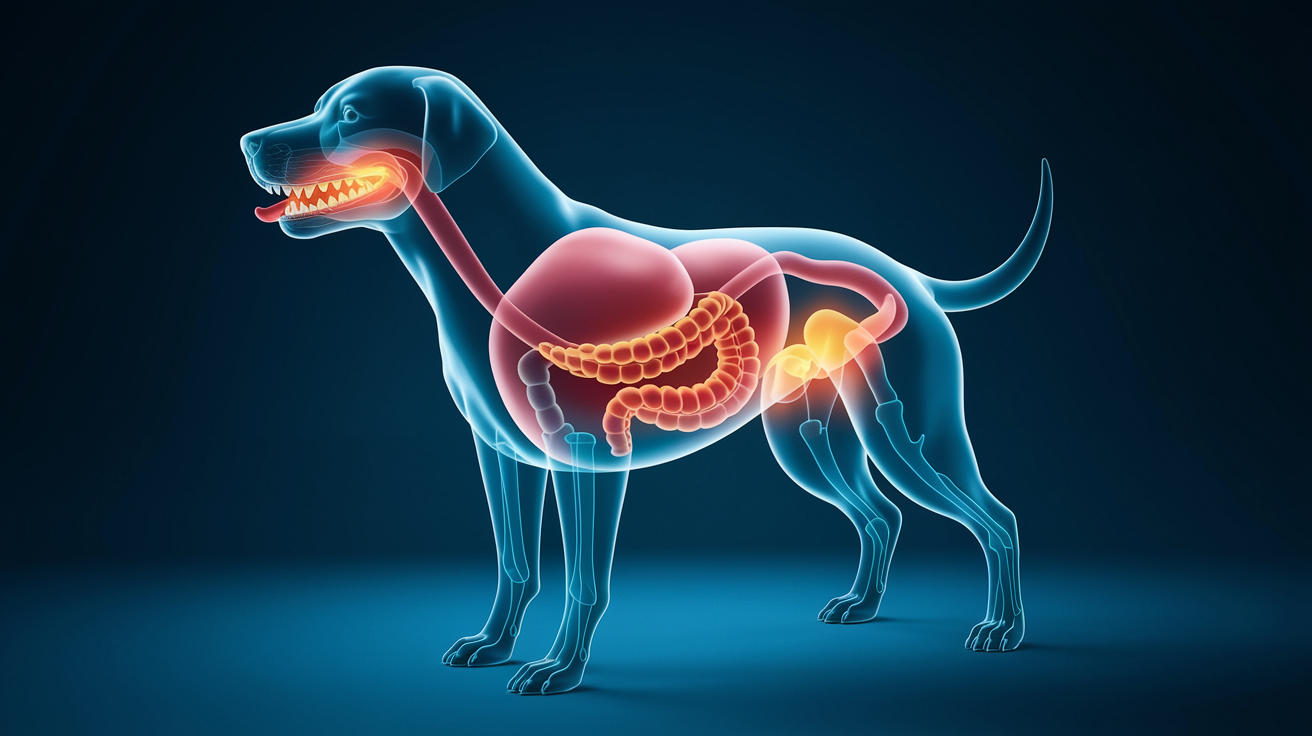
Some conditions move fast and can become life threatening if not treated quickly. Intestinal obstruction is when something like a toy, bone fragment, or piece of fabric gets stuck in the GI tract. It causes repeated vomiting, often with nothing coming up after the first few episodes. The dog refuses food, may have a hard or painful belly, and can collapse as the blockage cuts off blood supply to the intestine. Without surgery, tissue dies and toxins leak into the bloodstream, leading to sepsis and death within hours.
Toxin ingestion, grapes, xylitol in sugar free gum, rodent poison, antifreeze, can cause sudden, severe vomiting and diarrhea along with tremors, seizures, or collapse. The toxins damage organs like the kidneys and liver. The faster treatment starts, the better the chance of survival. Parvovirus, especially in unvaccinated puppies, destroys the lining of the intestines. It causes bloody diarrhea, severe dehydration, and septic shock. Puppies can go from normal to critical in less than 24 hours. Hospitalization with IV fluids and intensive care is the only way to save them.
Bloat, or gastric dilatation volvulus, happens when the stomach fills with gas and twists on itself, cutting off blood flow. The dog retches without bringing anything up, has a swollen, hard belly, and shows signs of shock. Pale gums, rapid breathing, weak pulse. Bloat is a true emergency. Without immediate surgery to untwist the stomach, the dog will die within hours from organ failure and shock.
Diagnostics Vets Use for Dog Vomiting and Diarrhea

When you bring your dog to the vet for vomiting and diarrhea, the first step is a thorough physical exam. The vet checks hydration by feeling the gums, looking at the eyes, and testing skin elasticity. They palpate the abdomen to detect pain, masses, or fluid buildup, and listen to the intestines to hear if things are moving normally or if there’s a blockage. This exam gives the vet a baseline and helps decide which diagnostics to run next.
Imaging and lab work follow when the exam raises concerns or when symptoms are severe. Abdominal x-rays show foreign objects, masses, or gas patterns that suggest obstruction or bloat. Ultrasound looks deeper, revealing fluid, thickened intestinal walls, tumors, or signs of pancreatitis. Bloodwork, a complete blood count and chemistry panel, checks for infection, anemia, dehydration, liver and kidney function, and electrolyte imbalances. Fecal tests, floats, smears, and PCR panels, identify parasites like giardia, roundworms, and whipworms, or detect bacterial and viral pathogens like parvovirus and Salmonella.
Common diagnostic tools include:
- Physical exam to assess hydration, abdominal pain, and overall condition
- Abdominal x-rays to detect foreign objects, obstructions, or abnormal gas patterns
- Abdominal ultrasound for detailed imaging of organs, intestinal walls, and fluid
- Bloodwork, CBC and chemistry panel, to check for infection, organ disease, and electrolyte shifts
- Fecal tests, floats, smears, and PCR, to identify parasites, bacteria, and viruses
Treatments Vets Commonly Use for Dogs with Vomiting and Diarrhea

The first priority in treating vomiting and diarrhea is stabilizing hydration and stopping the nausea. Fluid therapy, either through an IV line or injected under the skin, corrects dehydration and restores electrolyte balance. Dogs who are severely dehydrated or in shock need IV fluids immediately. Milder cases may get subcutaneous fluids that absorb slowly over a few hours. Fluids alone can make a huge difference in how a dog feels and responds to other treatments.
Anti-nausea medications help stop vomiting so the dog can rest and start taking in fluids and food again. Maropitant and ondansetron are commonly used and are safe for most dogs. If a bacterial infection is suspected, based on bloodwork or fecal tests, antibiotics like metronidazole may be prescribed. However, antibiotics aren’t given routinely. They’re targeted to specific infections to avoid disrupting the normal gut bacteria. Probiotics are often recommended alongside treatment to support healthy digestion and speed recovery.
Prescription gastrointestinal diets, highly digestible, low fat formulas, are used during recovery and sometimes long term for dogs with chronic GI issues like IBD or pancreatitis. These diets reduce the workload on the digestive system and help heal the intestinal lining. In severe cases, when there’s an obstruction, tumor, or bloat, surgery is necessary. The vet removes the blockage, repairs damaged tissue, and may place a feeding tube if the dog can’t eat normally for several days. Follow up care, rechecks, additional bloodwork, imaging, ensures the dog is healing and that underlying issues like organ disease or cancer are being monitored.
Preventing Future Episodes of Vomiting and Diarrhea in Dogs

Prevention starts with consistent feeding and a high quality diet. Avoid table scraps, especially fatty foods like bacon, fried items, and holiday leftovers that can trigger pancreatitis. Introduce new foods gradually over 5 to 7 days by mixing small amounts with the current food. This gives the digestive system time to adjust. Sudden diet changes are one of the easiest mistakes to avoid and one of the most common causes of upset stomach.
Keep toxic foods and substances out of reach. Chocolate, grapes, raisins, garlic, onions, and xylitol, found in sugar free gum and some peanut butters, are all dangerous. Supervise outdoor activity to prevent scavenging from trash cans, compost piles, or dead animals. Routine deworming and vaccinations, especially for parvovirus in puppies, protect against parasites and infectious diseases that cause severe vomiting and diarrhea. Regular wellness exams catch early signs of organ disease, liver or kidney problems, before they become emergencies.
Use this checklist to reduce your dog’s risk:
- Feed a consistent, high quality diet and avoid table scraps or fatty foods
- Introduce new foods gradually over 5 to 7 days
- Keep chocolate, grapes, xylitol, garlic, onions, and other toxins out of reach
- Supervise outdoor time to prevent scavenging or eating unknown items
- Maintain routine deworming and parasite prevention year round
- Vaccinate puppies for parvovirus and keep boosters current
- Schedule regular wellness exams to monitor organ function and catch problems early
Final Words
If your dog is vomiting or has diarrhea, use the frequency and red flags we covered to judge severity. Repeated vomiting, blood, or dehydration needs urgent care.
We explained common causes—dietary mistakes, parasites, infections, and blockages—and simple home steps like short fasting, small sips of water, and a bland diet.
Track episode counts, timing, and behavior for 24 hours and call your vet if things worsen. With a calm plan and a vet on call, most episodes of dog vomiting and diarrhea are manageable, and many pets recover quickly.
FAQ
Q: What do I do if my dog has diarrhea and vomiting?
A: If your dog has diarrhea and vomiting, stop food for 8–12 hours (adults), offer small sips of water, keep them comfortable, save photos/samples, and call the vet right away for blood, rapid worsening, dehydration, or collapse.
Q: How long should I wait to take my dog to the vet for vomiting and diarrhea?
A: You should wait only a short time: seek care if your dog vomits more than twice in a few hours or three times in a day, or if diarrhea lasts over 24 hours, contains blood, or they show dehydration.
Q: How do you settle a dog’s stomach after vomiting?
A: To settle a dog’s stomach after vomiting, withhold food 8–12 hours for adults (less for puppies), give small sips of water, then offer bland chicken-and-rice in small meals for 48 hours; call your vet if symptoms return or worsen.