

Is your dog shaking and panting while they’re otherwise calm?
Sometimes it’s just excitement or the heat, but it can also signal pain, fever, poisoning, low blood sugar, or a seizure.
In this post you’ll learn how to spot the difference, what safe first steps to take at home, what to watch over the next few hours, and exactly which signs mean you should get to a vet right away.
Read on so you know what to do fast and feel more confident.
Understanding What It Means When a Dog Is Shaking and Panting

Panting is when your dog breathes with their mouth open and tongue out, usually to cool down. Shaking can be anything from slight muscle twitches to full body tremors. Sometimes both happen together, and that’s fine after a long run or roughhousing with another dog.
Things get worrying when shaking and panting show up for no clear reason. Your dog just came back from a jog? You’d expect it. They’re lying still on the couch, trembling with heavy breathing? That’s different. When you see these symptoms along with vomiting, refusing food, weakness, or drooling, you need to move faster.
Shaking and panting together can mean stress, pain, fever, poisoning, overheating, or conditions like Cushing’s disease or seizure activity. Sometimes it’s anxiety. Sometimes it’s a medical emergency.
Contact a vet right now if you see:
- Collapse, loss of consciousness, or severe weakness
- Difficulty breathing or excessive panting while resting
- Seizure activity or rhythmic jerking
- Pale, blue, or bright red gums
- Heavy drooling or signs of poisoning (vomiting, disorientation, tremors)
Common Non-Emergency Reasons a Dog Might Start Shaking and Panting

Most of the time, shaking and panting come from mild, fixable causes. Your dog might be excited, cold, anxious, or trying to get your attention.
Excitement shows up with tail wagging, jumping, maybe drooling or a few barks. It fades fast once they settle. Cold hits puppies, seniors, and short haired breeds hardest. A dog shivering in the cold might pant lightly from stress or trying to warm up. Anxiety kicks in during thunderstorms, fireworks, vet trips, or when left alone. You’ll often notice pacing, whining, or hiding alongside the shaking and panting.
Common mild causes include:
- Excitement after greeting you or seeing another dog
- Cold, especially in small or thin coated breeds
- Mild stress or fear from noise, new places, or separation
- Attention seeking behavior they’ve learned over time
- Minor stomach upset or gas
- Motion sickness during car rides
If your dog calms down within 20 to 30 minutes and acts normal otherwise, no urgent action needed. Just monitor them.
Medical Causes of Shaking and Panting in Dogs You Should Not Ignore

Some conditions cause shaking and panting because your dog’s body is struggling with pain, fever, toxins, or failing systems. These need veterinary evaluation, sometimes urgently.
Infections raise body temperature. Fever makes dogs shake and pant to cool down. You might also see lethargy, refusing to eat, or whimpering. Canine distemper, a serious viral disease common in unvaccinated puppies, affects breathing and the nervous system and can cause both symptoms. Pain from injury, arthritis, or internal problems often shows up with reluctance to move, guarding a limb, or crying out. Poisoning from chocolate, xylitol, household cleaners, or toxic plants can trigger tremors, drooling, vomiting, and panting. Heatstroke is a life threatening emergency that comes with heavy panting, bright red gums, drooling, disorientation, and collapse.
Cushing’s disease involves elevated cortisol over time. Dogs with Cushing’s pant frequently and may shake. Left untreated, complications include unusual fractures in the ribs or feet, high blood pressure, Type 2 diabetes, frequent infections, and muscle loss. Seizures cause rhythmic shaking and often panting before, during, or after the event. Any seizure is a medical emergency. Hypoglycemia, or low blood sugar common in puppies, small breeds, and diabetic dogs, shows as shaking, weakness, disorientation, and rapid breathing.
| Condition | Key Indicators | Urgency Level |
|---|---|---|
| Heatstroke | Heavy panting, bright red gums, collapse, drooling, disorientation after heat exposure | Emergency, contact vet immediately |
| Poisoning | Drooling, vomiting, tremors, known exposure to toxins | Emergency, call vet or poison hotline now |
| Seizures | Rhythmic jerking, loss of consciousness, paddling legs, panting after event | Emergency, see vet right after seizure ends |
| Severe pain | Whining, limping, guarding body part, refusal to move or eat | Urgent, same day vet visit |
| Infection or fever | Lethargy, hot to touch, refusal to eat, whimpering | Prompt, within 24 hours |
| Cushing’s disease | Frequent panting, shaking, increased thirst, pot belly, muscle loss | Non-urgent, schedule exam within a week |
Immediate First Aid Steps for Dogs Showing Shaking and Panting
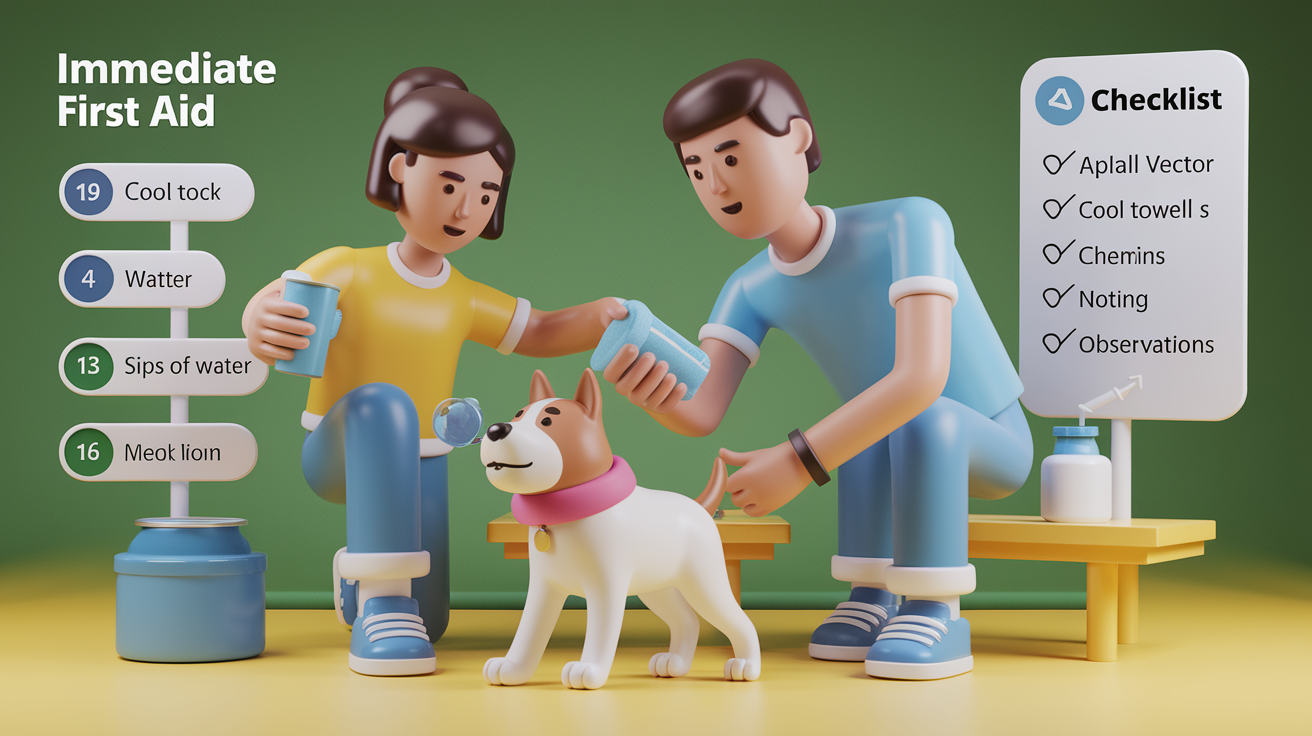
If your dog is shaking and panting and you’re not sure why, your first job is to make things safer and gather information for the vet.
Remove your dog from anything that might be causing the problem. If they’re outside in the heat, bring them into air conditioning or shade. If they’re near a loud noise or unfamiliar person, move them to a quiet room. Offer small amounts of cool water if they’re conscious and able to drink. Don’t force it. If you suspect overheating, apply cool (not ice cold) wet towels to the neck, groin, and underarms. For suspected pain or injury, limit movement. Keep them calm and warm with a blanket. If you think they ate something toxic, collect the package, any vomit, and note the time. Don’t try to make them vomit unless a vet tells you to.
Here’s a simple at home checklist:
- Move your dog away from heat, noise, or other obvious triggers.
- Place them in a quiet, low traffic area or their crate if it calms them.
- Offer cool water in small amounts. Don’t force.
- For heat signs, apply cool wet towels and head to the vet right away.
- For suspected poisoning, gather evidence and call your vet or an emergency clinic immediately.
- If a seizure happens, clear the area, time the event, don’t restrain or put fingers in their mouth, and call your vet once it stops.
- Write down what you saw, when it started, and anything unusual your dog ate, touched, or experienced today.
When Shaking and Panting Signals an Emergency and How Vets Diagnose the Cause
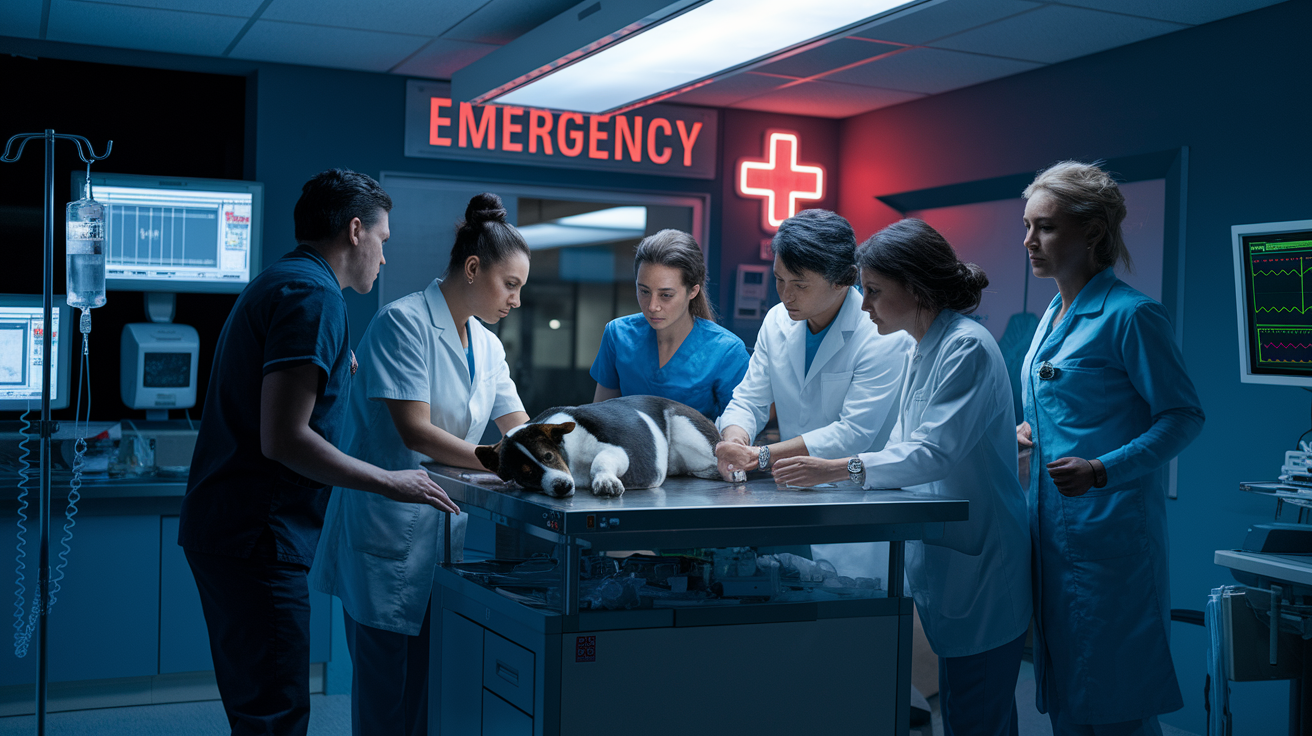
Some combinations of shaking and panting mean you need to act within minutes. Heatstroke, seizures, poisoning, severe pain, and collapse all require immediate veterinary care.
If your dog’s gums are pale, blue, or bright red, if they can’t stand, if they’re having trouble breathing, or if shaking is severe and won’t stop even after you’ve moved them somewhere safe and calm, get to a vet or emergency clinic now. Seizures that last more than a few minutes or happen in clusters are life threatening. Suspected poisoning is always urgent because treatment works best in the first few hours.
When you arrive, your vet will start with a history and physical exam. They’ll check your dog’s heart rate, respiratory rate, temperature, and gum color. Blood tests help catch infections, low blood sugar, organ problems, and endocrine diseases like Cushing’s or Addison’s. Imaging like chest X-rays or abdominal ultrasound may be needed if there’s trauma, breathing trouble, or an unclear cause. Toxin screens can confirm poisoning.
Here’s what vets typically assess:
- Vital signs (heart rate, breathing rate, temperature, gum color)
- Detailed history, including timing, triggers, exposures, and other symptoms
- Blood work for glucose, kidney function, liver enzymes, electrolytes, and infection markers
- Imaging to rule out internal injuries, fluid buildup, or masses
- Neurological exam if seizures or disorientation are present
- Toxicology screen if poisoning is suspected
Treatment depends on the diagnosis. Overheating gets rapid cooling and IV fluids. Low blood sugar is corrected with glucose. Poisoning may involve activated charcoal, antidotes, or supportive care. Pain gets addressed with safe pain medication. Infections are treated with antibiotics or antivirals. Endocrine disorders like Cushing’s or Addison’s require long term medication management.
Managing and Reducing Future Episodes of Shaking and Panting

Once you know the cause, you can take steps to reduce how often shaking and panting happen.
If anxiety is the driver, work on behavior modification. Desensitize your dog to triggers like thunderstorms or car rides in small, controlled steps. Anxiety wraps, calming music, and pheromone diffusers help some dogs settle faster. For heat sensitive dogs, avoid walks during peak sun hours and use cooling vests or mats. Overweight dogs pant more, even at rest, so gradual weight loss through portion control and regular activity makes a big difference. If your dog has been diagnosed with a condition like Cushing’s or a heart issue, follow your vet’s medication schedule closely and track symptoms at home.
Long term prevention tips:
- Monitor your dog’s resting respiratory rate at home once a week to catch changes early
- Avoid heat exposure during summer and never leave your dog in a parked car
- Use calming tools like anxiety wraps, puzzle feeders, or pheromone diffusers for known stressors
- Keep your dog at a healthy weight to reduce strain on the heart and lungs
- Track patterns in a notebook. When shaking and panting happen, what was going on, how long it lasted, and what helped
CBD has been mentioned as a potential option for dogs with anxiety, mild pain, or overexcitement. It’s described as nonintoxicating and nontoxic, interacting with the endocannabinoid system to help regulate stress and discomfort. If you’re considering it, choose fully lab tested, hemp derived products made in clean, certified facilities, and talk to your vet first to rule out urgent medical causes.
Final Words
Shaking and panting can be a normal response to exercise or stress, but they can also point to heat, pain, toxins, or other illness. Watch for red flags: collapse, severe lethargy, trouble breathing, pale/blue/red gums, repeated vomiting, or seizures—these need emergency care now.
If it seems mild, move your dog to a cool, quiet spot, offer small sips of water, and check every few hours for 24–48 hours. Note timing, triggers, and take photos or video so you can share useful details with your vet. Staying calm and prepared helps when dog shaking and panting shows up.
FAQ
Q: What does it mean when my dog is shaking and panting?
A: Shaking and panting in a dog often indicate stress, overheating, pain, low blood sugar, or illness; they can be normal after play but are worrying if persistent, worsening, or paired with other concerning signs.
Q: When is shaking and panting normal and when is it dangerous?
A: Shaking and panting are normal after exercise, excitement, or in cold; they’re dangerous when paired with trouble breathing, collapse, pale/blue/red gums, vomiting, seizures, or rapid worsening—seek immediate veterinary care then.
Q: What emergency signs should I watch for with shaking and panting?
A: Emergency signs with shaking and panting include severe trouble breathing, collapse or unresponsiveness, seizures, repeated vomiting, and very pale, blue, or bright red gums—if you see these, go to an emergency vet now.
Q: What should I do right now if my dog is shaking and panting?
A: If your dog is shaking and panting, move them to a cool, quiet spot, offer small sips of water, apply cool (not icy) towels, limit movement, and call your vet if no improvement in 30–60 minutes.
Q: How should I monitor my dog at home and for how long?
A: Monitor gums, breathing rate, water intake, urine frequency, and activity every 30–60 minutes for the next 24 hours; call your vet if symptoms persist beyond 24–48 hours or if anything suddenly worsens.
Q: Can anxiety or excitement cause shaking and panting?
A: Anxiety or excitement can cause shaking and panting, often with pacing, whining, or wagging; try a calm space and gentle reassurance, and consult your vet if it’s sudden, severe, or won’t settle.
Q: Could heatstroke or poisoning cause my dog to shake and pant?
A: Heatstroke or poisoning can cause shaking and heavy panting; heatstroke also brings bright red gums, confusion, collapse, while poisoning may add drooling, vomiting, or tremors—both need urgent veterinary attention.
Q: How will the vet figure out why my dog is shaking and panting?
A: The vet will use history and a physical exam, check vitals and glucose, run blood tests, and may do X-rays, ultrasound, or toxin screens, then provide fluids, medications, or other stabilizing treatments as needed.
Q: How can I reduce future episodes of shaking and panting?
A: To reduce future episodes, avoid heat exposure, manage weight, use cooling gear, address anxiety with training or wraps, track triggers, and talk to your vet about medical or behavioral options before trying supplements.