

Think joint pain is obvious? Think again.
Dogs rarely cry out; they just slow down, shift weight, or skip stairs.
A short checklist helps you notice the small changes before they become big problems.
This post gives a printable dog joint pain symptom checklist, shows what each sign usually means, how to track frequency and severity, and when a pattern means you should call the vet.
Follow it for a week and you’ll know whether this is a one-time strain or the start of ongoing joint trouble.
Comprehensive Dog Joint Pain Checklist for Immediate Symptom Recognition

Dogs don’t cry out when joints hurt. They just slow down, shift weight, or quietly stop doing things they used to love. A printable symptom checklist gives you a structured way to track what’s changing, how often it happens, and whether things are getting worse.
Start by listing what you actually see, not what you’re guessing at. Watch your dog move, rest, eat, play. Write down anything that looks different from last month. Even if it seems small. Joint pain often starts with one or two subtle shifts in routine, posture, or willingness to move.
Mark each symptom you observe with a severity code. Mild means it happens once or twice but doesn’t stop them. Moderate means daily, and they’re avoiding certain movements. Severe means constant, can’t bear weight, clear distress. Add columns for frequency (occasional, daily, persistent) and when it started. Here’s your core checklist to print and fill in:
- Limping or favoring one leg
- Stiffness after waking or resting
- Slowing down on walks or cutting them short
- Reluctance to jump into the car or onto furniture
- Difficulty climbing stairs or hesitating at steps
- Slipping more than usual on floors
- Reduced interest in play or fetch
- Repeatedly licking, chewing, or biting at a joint or limb
- Noticeable muscle loss, especially in hind legs
- Posture changes (arched back, lowered tail, shifting weight)
- Difficulty rising from lying down
- Sleeping more during the day or withdrawing from family contact
A good printable layout includes your dog’s name, age, breed, and current weight at the top. Add a simple body map where you can circle or mark which leg or joint looks affected. Leave space for onset dates, a short timeline of progression, and a notes section to bring to the vet. Check the list daily for one week, then review whether any item appears three or more times. That pattern warrants professional evaluation.
How to Interpret Mobility Changes and What They Reveal About Joint Health
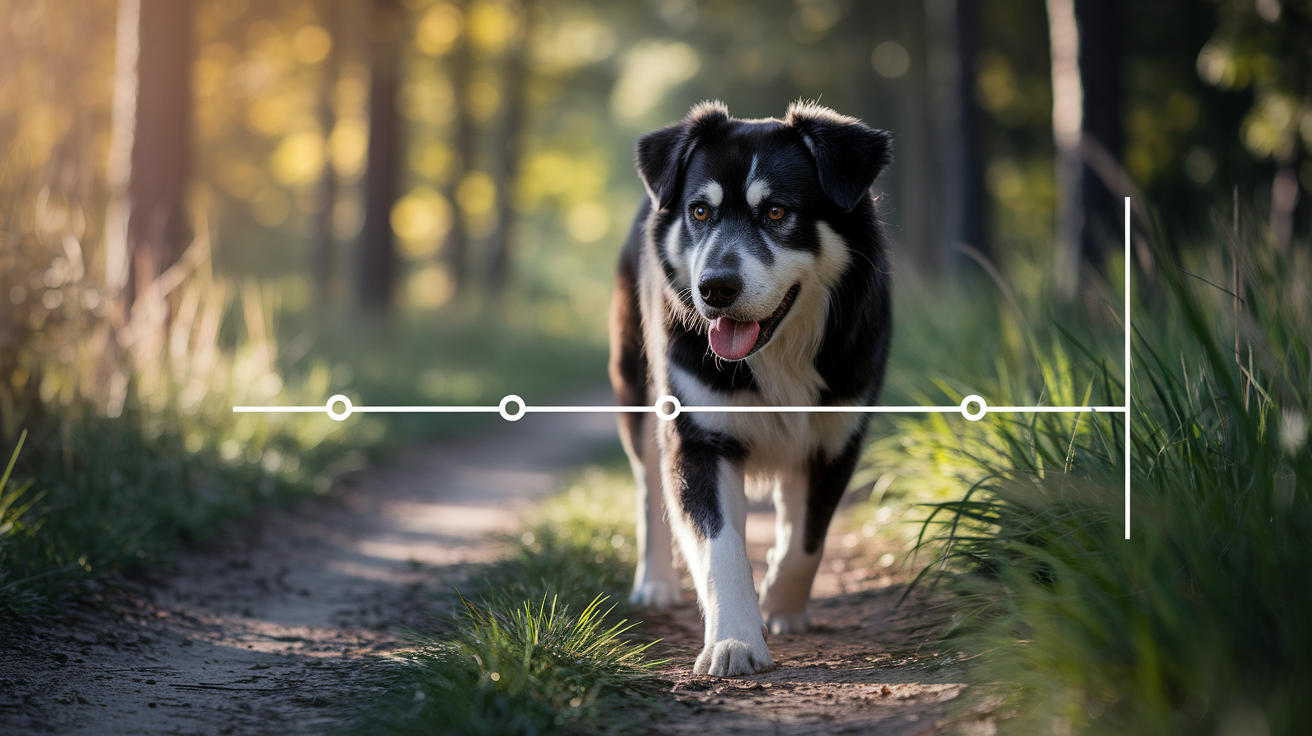
Limping doesn’t always mean the same thing. A limp that shows up only after a long walk or vigorous play may point to early wear in the cartilage or mild inflammation that flares with exertion. A limp that appears first thing in the morning, then loosens after a few minutes of movement? That often signals stiffness from overnight rest. It’s a hallmark of arthritis. Persistent limping that doesn’t vary with activity level or improve with movement suggests something more advanced, like structural damage, a torn ligament, or significant cartilage loss.
Watch for side to side differences. If your dog shifts weight away from the left hind leg and overloads the right, the muscles on the favored leg will bulk up while the sore leg loses mass. Frequent slipping on tile or hardwood can mean your dog’s compensating for pain by placing paws unevenly or trying to avoid full weight bearing. Many owners mistake intermittent limping for a soft tissue pull that’ll heal on its own, but joint related lameness tends to recur and worsen if the underlying cause isn’t addressed.
Track these interpretation cues over multiple days to spot patterns:
Does the limp improve or worsen after 10 minutes of walking? Is one front or hind leg consistently held higher or placed more gently? Does your dog “bunny hop” with both hind legs together instead of alternating? Are mornings worse than evenings, or vice versa? Does stair descent cause more hesitation than stair ascent?
Recording mobility across a week reveals whether you’re seeing a one time strain or the early signs of progressive joint disease.
How Vets Evaluate Physical Joint Indicators and What They Mean
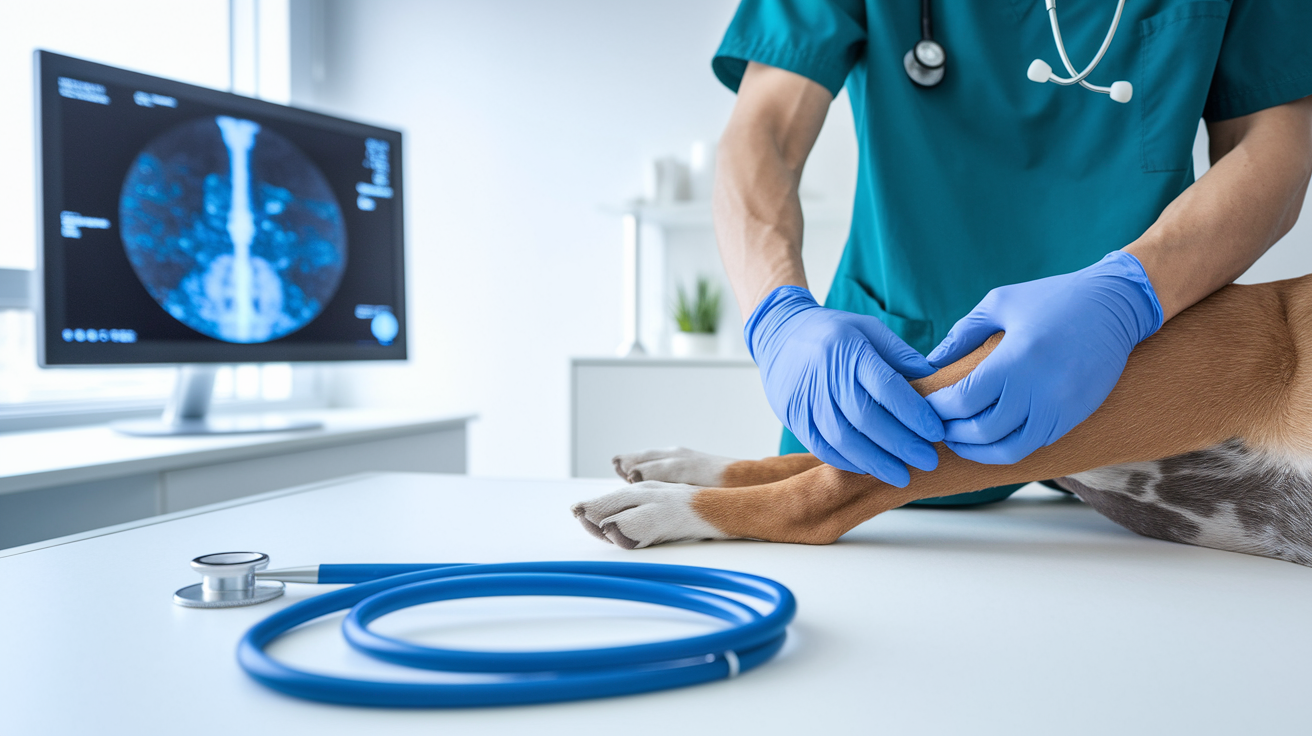
When you gently press around a painful joint, warmth or heat tells you inflammation’s active. Swelling means fluid’s accumulated inside the joint capsule or surrounding tissues, a response to irritation or injury. If you feel a subtle grinding sensation or hear a faint crackle when the joint moves, that’s crepitus. It’s the sound of roughened cartilage surfaces rubbing together, and it signals cartilage breakdown. Muscle atrophy, visible thinning around the shoulder, hip, or thigh, tells you your dog’s been avoiding that limb long enough for disuse to shrink the muscle.
Range of motion tells the story of disease stage. A joint that moves freely in all directions, even if your dog’s stiff after rest, suggests early inflammation without major structural damage. A joint that stops short of its normal arc, resists gentle flexion or extension, or causes your dog to pull away sharply has likely lost cartilage or developed bone spurs. Heat combined with swelling and restricted movement points to active synovitis, the inflamed joint lining that, if chronic, will erode cartilage and lead to permanent arthritis. Muscle loss around a joint doesn’t happen overnight. It reflects weeks or months of compensatory weight shifting and confirms the pain’s been present longer than you may have realized.
Understanding Behavioral Shifts and How They Reflect Chronic Pain Progression

Dogs don’t complain. They adapt. A dog in chronic pain will sleep longer to avoid moving, skip favorite activities to sidestep discomfort, and withdraw from family interaction to reduce the risk of accidental bumps or rough play. These shifts are easy to misread as aging, boredom, or mood. But they’re often your dog’s quiet way of managing pain you can’t see.
Appetite loss tied to joint pain happens because even mild discomfort dampens interest in food. And bending or stooping to a floor bowl can strain a sore neck, shoulder, or spine. Irritability or a sudden snap when you touch a leg, hip, or back tells you that area hurts, even if your dog wasn’t limping five minutes earlier. Social withdrawal, reluctance to greet you at the door, or choosing to lie in a corner instead of on the couch often means your dog’s avoiding situations where movement or contact might trigger pain.
Watch for these cues and what they reveal:
Sleeping through activities they used to join signals fatigue from managing pain all day. Avoiding touch or flinching when petted near hips, shoulders, or legs suggests localized soreness. Turning away from food or eating less can mean low grade pain is reducing appetite, or that feeding posture hurts. Licking or nibbling paws repeatedly after lying down can indicate a pins and needles sensation (paresthesia) from joint nerve irritation. Choosing new resting spots, often away from high traffic areas, reduces risk of accidental contact. Reluctance to play with other dogs or family members reflects fear of jarring movements or collisions.
If you see two or more of these behaviors together, and they persist for more than a few days, you’re likely watching chronic pain shape your dog’s daily choices. Not a temporary mood shift.
Age, Breed, and Weight Related Risk Factors for Joint Pain in Dogs
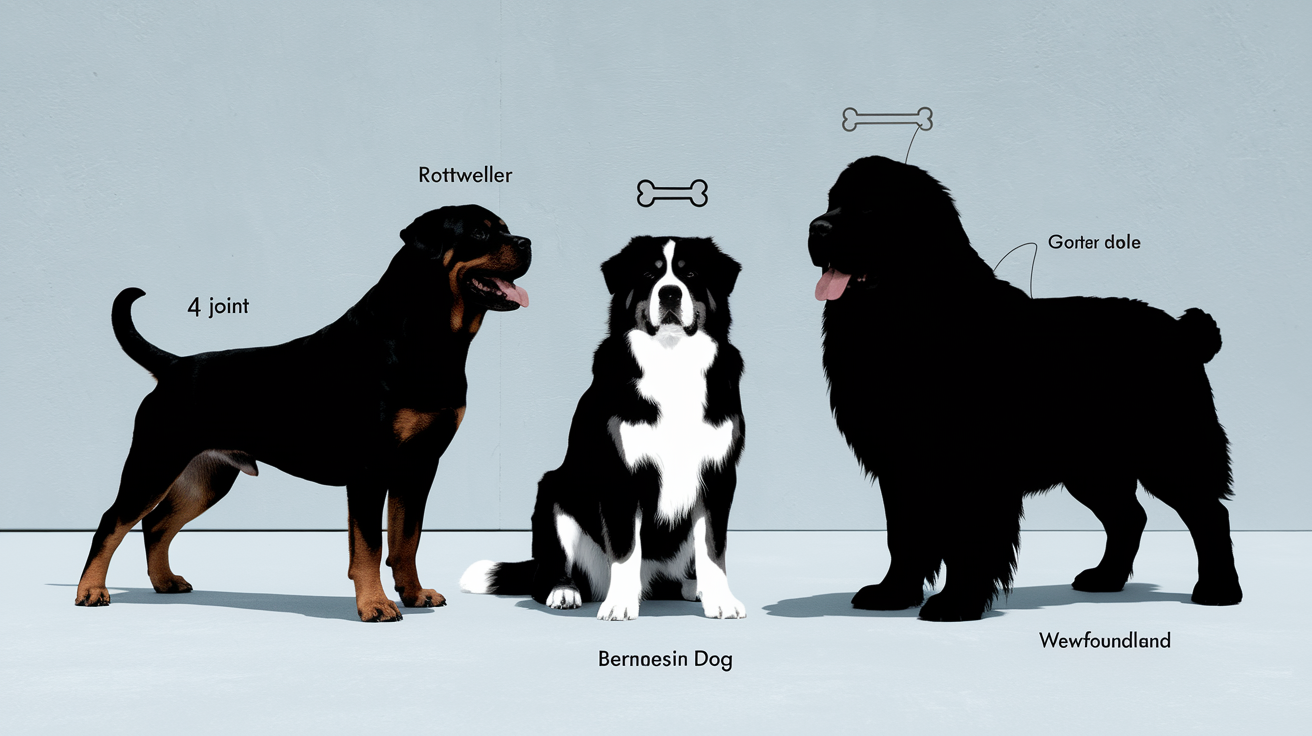
Older dogs carry years of wear on cartilage, ligaments, and joint surfaces, which makes age related osteoarthritis the most common cause of chronic joint pain. Large and giant breeds face higher odds of hip dysplasia, elbow dysplasia, and cruciate ligament tears because their body mass places constant mechanical load on developing and aging joints. Overweight dogs, regardless of breed, multiply joint stress with every extra pound, accelerating cartilage breakdown and inflammation.
Preventive joint monitoring should begin around age five for active or large breed dogs, well before visible symptoms appear. Small breeds can develop luxating patellas (slipping kneecaps) or early arthritis in knees and hips, though their lighter frame often delays severe mobility loss. Certain breeds carry genetic predispositions that increase risk. Knowing your dog’s background helps you watch for early warning signs.
| Breed or Group | Common Joint Risk | Notes |
|---|---|---|
| Rottweilers | Knee and ankle problems | Watch for hind limb lameness and stiffness after rest |
| Bernese Mountain Dogs | Elbow dysplasia | Front leg lameness often appears in young adults |
| Newfoundlands | Cruciate ligament tears | Sudden hind leg lameness, reluctance to bear weight |
Weight control, measured exercise, and early nutritional support can reduce progression even in high risk dogs, so tailor your monitoring checklist to your dog’s breed and life stage.
Distinguishing Acute Injury from Chronic Arthritis Symptoms
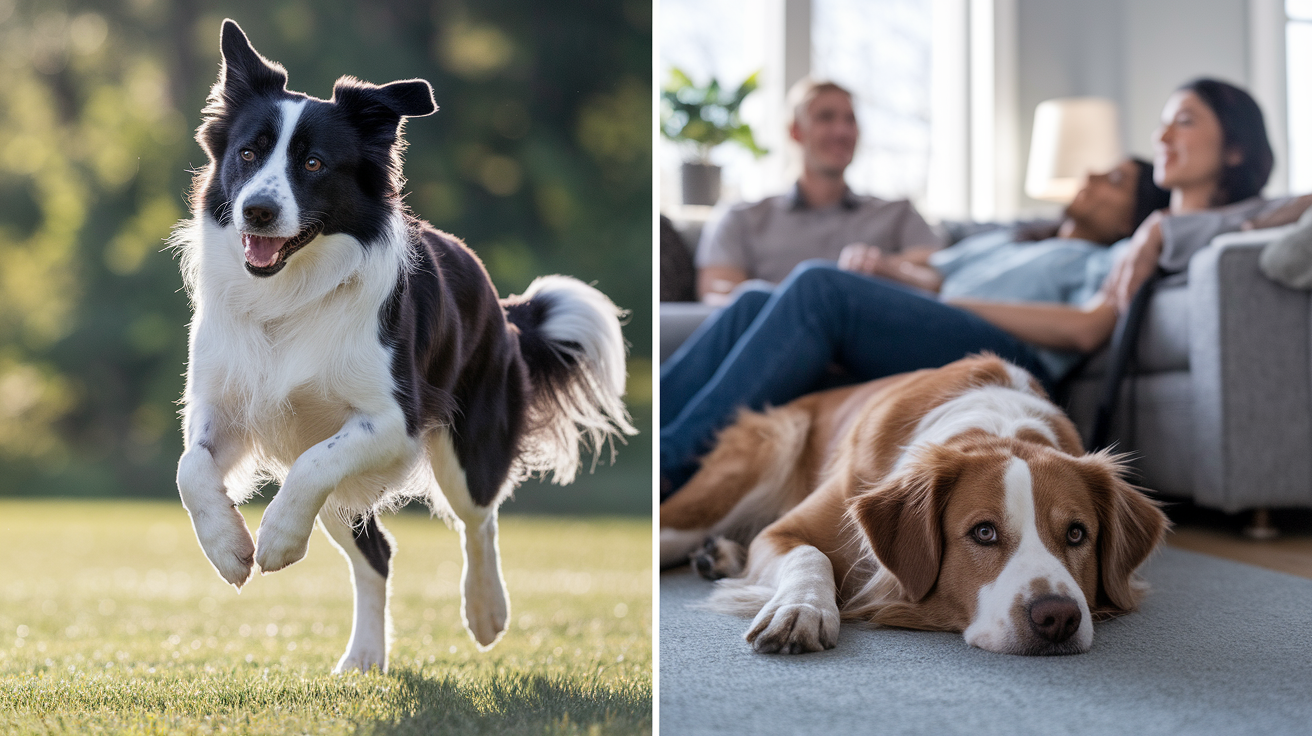
Sudden onset limping that appears after a specific event (a slip, a jump, rough play) points to acute injury such as a sprain, muscle strain, or torn ligament. Your dog may refuse to bear weight immediately, cry out when the injury happens, and show visible swelling or bruising within hours. Chronic arthritis develops slowly, often over months or years, with stiffness and discomfort that worsens gradually and shows up most after rest or long periods of inactivity.
Developmental joint problems like hip or elbow dysplasia begin in puppyhood due to genetic and structural abnormalities, though clinical signs may not appear until adolescence or adulthood. Degenerative conditions such as osteoarthritis accumulate from wear and tear, repetitive strain, old injuries that healed imperfectly, or untreated inflammation. Cruciate ligament problems are the most common degenerative issue, often triggered by slow ligament weakening rather than a single traumatic event. They cause progressive hind leg lameness, reluctance to jump, and visible muscle loss over weeks.
Key features that help you tell them apart:
Acute injury means sudden lameness, clear triggering event, localized swelling, pain on touch. May improve with rest in 48 to 72 hours. Chronic arthritis shows gradual onset, worse after rest, improves with gentle movement, bilateral or shifting lameness, muscle atrophy present. Developmental dysplasia signs emerge in young to middle aged dogs. Bunny hopping, reluctance to exercise, may affect both hips or elbows. Degenerative ligament tear affects middle aged or older dogs. Hind leg instability, progressive lameness, often no single injury recalls.
If symptoms persist beyond a few days or recur regularly, you’re likely dealing with a chronic process that needs veterinary diagnosis and long term management.
Diagnostic Steps and What Vets Look For During Joint Pain Evaluation

A veterinary joint exam begins with observation. Your vet will watch your dog walk, turn, sit, and rise, noting gait abnormalities, weight shifting, and reluctance to move. They’ll palpate each joint, checking for heat, swelling, pain response, crepitus, and range of motion. Muscle symmetry gets assessed by comparing limb circumference on both sides. Uneven muscle mass confirms chronic compensation.
Imaging comes next when physical findings suggest structural damage or disease progression. X-rays reveal bone changes, joint space narrowing, bone spurs, signs of dysplasia, and ligament disruption. For soft tissue injuries or subtle cartilage issues, your vet may recommend advanced imaging such as ultrasound, CT, or MRI. In cases where infection or immune mediated arthritis is suspected, joint fluid aspiration and analysis, along with blood tests, help rule out bacterial, fungal, or autoimmune causes.
Before your appointment, prepare this evidence to bring with you:
- Completed symptom checklist with dates, frequency, and severity for each observed sign
- Short video clips showing your dog’s gait on flat ground, during stair use, and when rising from rest
- Notes on when symptoms are worst (time of day, after activity, or after rest)
- List of all current medications, supplements, and recent injuries or illnesses
- Your dog’s weight history over the past six months and any diet changes
- Written questions about treatment options, prognosis, and home care recommendations
Video evidence is especially valuable because lameness may not appear during a brief exam room observation. Recorded footage from home captures the real pattern of movement and pain. Your vet will use all this information to form a diagnosis, stage the disease, and build a treatment plan tailored to your dog’s specific joint condition and lifestyle.
Treatment Pathways and Joint Pain Management Options for Dogs

Joint pain management combines medication, lifestyle adjustment, and supportive therapies to reduce inflammation, slow disease progression, and maintain mobility. Anti inflammatory drugs, primarily NSAIDs designed for dogs, relieve pain and reduce swelling, allowing your dog to move more comfortably and stay active. Weight control is foundational. Every extra pound multiplies the load on sore joints, so diet adjustments and portion control are often the first and most effective interventions.
Nutritional supplements provide building blocks and anti inflammatory compounds that support cartilage repair and joint lubrication. Ingredients such as glucosamine and chondroitin supply raw materials for cartilage synthesis. Omega 3 fatty acids from fish oil reduce systemic inflammation. Green lipped mussel, turmeric, Boswellia, MSM, and rose hip offer natural anti inflammatory effects and are available in powdered forms you can sprinkle on food or as freeze dried treats with the same active ingredients. Supplements work best when started early, before cartilage loss becomes severe.
Physical therapy and controlled exercise strengthen the muscles around joints, stabilize unstable areas, and improve range of motion without overloading damaged cartilage. Hydrotherapy, or underwater treadmill work, allows low impact conditioning that builds strength while minimizing joint strain. Surgical intervention becomes necessary for structural problems such as severe hip or elbow dysplasia, where conservative care can’t restore function. Procedures range from joint replacement to ligament repair. Early surgical correction in young dogs with dysplasia can prevent or delay arthritis onset. The goal of all treatment, whether surgical or conservative, is to restore as much pain free mobility as possible and slow the progression of joint disease so your dog can live an active, comfortable life for as long as possible.
Building a Long Term Monitoring Plan for Dogs with Ongoing Joint Pain Signs

Tracking symptoms daily turns vague worry into clear data. A simple log where you record what you see, how often, and how severe gives you a timeline that reveals whether treatment’s working, symptoms are stable, or the condition’s progressing. Consistent documentation also helps your vet adjust medications, supplements, or therapy intensity based on objective trends rather than memory.
Set up a weekly review routine. Each Sunday, look back at the past seven days and note whether limping increased, stiffness improved, appetite returned, or new symptoms appeared. Count how many times your dog hesitated at stairs, how many walks were shortened, and whether sleeping patterns shifted. Record weight at the same time each week, because even small gains or losses affect joint load and treatment response.
| Symptom | Frequency (Daily / Weekly / Occasional) | Severity (Mild / Moderate / Severe) | Notes |
|---|---|---|---|
| Limping on right hind leg | Daily | Moderate | Worse after morning walk; improves by evening |
| Stiffness rising from bed | Daily | Mild | Takes 2 to 3 minutes to loosen up |
| Reluctance to jump into car | Occasional | Moderate | Happened 3 times this week; uses ramp now |
| Licking left front paw | Weekly | Mild | Only after lying down for more than 1 hour |
| Sleeping more during day | Daily | Mild | Added 2 hours of naps since last month |
Use this structure to track up to five symptoms at once. If severity jumps from mild to moderate, or frequency shifts from occasional to daily, schedule a follow up with your vet within one to two weeks. Long term plans focus on maintaining muscle strength, controlling weight, adjusting activity to avoid flare ups, and modifying your home environment. Ramps for stairs, non slip rugs on tile, raised food bowls to reduce stooping. A well documented monitoring plan catches problems early and keeps your dog moving as comfortably as possible for the long run.
Owner Action Steps: Preparing Evidence and Notes for Your Veterinary Visit

Your vet can’t see what happens at home, so the evidence you bring shapes the diagnosis and treatment plan. Start by writing down exact behaviors, not interpretations. Instead of “seems sore,” write “limps on left hind leg after 10 minute walk, stiffness lasts 5 minutes, happens every morning for past two weeks.” List the time of day symptoms appear, what your dog was doing beforehand, and whether anything makes it better or worse.
Video is your strongest tool. Capture your dog walking on flat ground, climbing stairs, rising from rest, and moving after exercise. Film from the side and from behind so gait and weight distribution are visible. A 15 second clip before and after a walk shows your vet exactly how joint pain changes with activity. Bring your completed symptom checklist, note any current medications or supplements, and write down your dog’s weight trend over the past few months. If you’ve tried anything at home (rest, heat, diet changes), include those details and whether they helped.
Questions to ask your vet during the visit:
What diagnostic tests do you recommend, and what will they tell us? Is this an acute injury or a chronic degenerative condition? What treatment options are available, and what’s the goal of each? How quickly should we expect to see improvement, and what signs mean treatment isn’t working? Are there lifestyle changes (exercise, diet, home modifications) that’ll help manage this long term? When should we schedule a follow up, and what should I monitor at home between visits?
Compiled evidence improves diagnostic accuracy, reduces the need for guesswork, and helps your vet tailor recommendations to your dog’s specific situation. The clearer the picture you provide, the faster you’ll move from worry to a working plan.
Final Words
Seeing your dog hesitate on the stairs or take longer to get up is a clear cue to act now.
This article gave a printable symptom checklist, tips for reading mobility and behavior changes, what vets look for, treatment choices, and how to track progress over time.
Use the dog joint pain symptom checklist to mark each sign, note severity and frequency, and bring the sheet plus short videos to your vet. Small, steady records make care easier—and help your dog feel more comfortable soon.
FAQ
Q: What are the most common early signs of joint pain in dogs?
A: The most common early signs of joint pain in dogs are slowing down on walks, hesitation to jump, stiffness after rest, more sleep, grumpiness, a noticeable limp, muscle loss, and licking or favoring a joint.
Q: How should I use a printable symptom checklist for my dog?
A: You should use a printable symptom checklist by listing symptoms, marking frequency and severity next to each, adding a body map and timeline, and keeping short daily notes for vet review.
Q: How do I interpret limping and other mobility changes?
A: You interpret limping and mobility changes by noting side-to-side differences, whether lameness worsens after rest or exercise, and tracking patterns over several days to see progression or intermittent issues.
Q: When does limping suggest a serious problem versus something minor?
A: Limping suggests a serious problem if your dog suddenly can’t bear weight, has marked swelling, heat, severe pain, fever, or collapse—call your vet immediately for these red flags.
Q: What physical signs do vets look for during a joint exam?
A: Vets look for joint swelling, warmth, reduced range of motion, crepitus (grating), and muscle atrophy around the joint, plus how the dog bears weight and moves during a hands-on exam.
Q: How do behavioral changes indicate chronic joint pain?
A: Behavioral changes indicate chronic joint pain when your dog becomes irritable, withdraws, sleeps more, avoids touch or activity, or loses appetite; increasing avoidance over weeks suggests worsening chronic pain needing attention.
Q: Which breeds, ages, or weights are at higher risk for joint problems?
A: Dogs at higher risk for joint problems are large and giant breeds, certain working breeds (Rottweilers, Bernese, Newfoundlands), older dogs—risk rises after age five—and any overweight dog due to added joint strain.
Q: How can I tell if my dog has an acute injury or chronic arthritis?
A: You can tell acute injury from chronic arthritis by timing: sudden lameness after trauma points to injury, while long-term stiffness, muscle loss, and gradually worsening mobility suggest degenerative arthritis—get a vet exam to confirm.
Q: What diagnostic steps will the vet likely take for joint pain?
A: The diagnostic steps will include a hands-on exam, gait observation, possibly X-rays, joint aspiration or blood tests if inflammation suspected, and reviewing videos, onset dates, limb patterns, and weight history.
Q: What are common treatment and management options for dog joint pain?
A: Common treatment and management options include weight control, controlled exercise or hydrotherapy, vet-prescribed anti-inflammatories, joint supplements (powder or freeze-dried forms), and surgery for severe structural issues when needed.
Q: How do I build a long-term monitoring plan for my dog’s joints?
A: You build a long-term monitoring plan by daily logging dates, symptom frequency and severity, noting stairs or triggers, taking periodic videos, reviewing weekly, and adjusting care with your vet as patterns change.
Q: What should I prepare and ask at the veterinary visit for joint pain?
A: You should prepare dates, symptom frequency, videos, medication list, and weight history; ask about likely causes, recommended tests, pain-control options, expected improvement timeline, and safe at-home steps to try first.