

If your dog keeps shaking its head, don’t just laugh it off, that simple motion can be one of the first signs of an ear infection.
Dog ears often show problems before they get bad, so spotting symptoms early usually means faster relief and less vet stress.
In this post I’ll walk you through the common warning signs, from constant scratching and weird smells to head tilt and balance problems, and give clear next steps for today, what to watch, and when to call the vet.
Key Dog Ear Infection Symptoms Owners Should Recognize Immediately
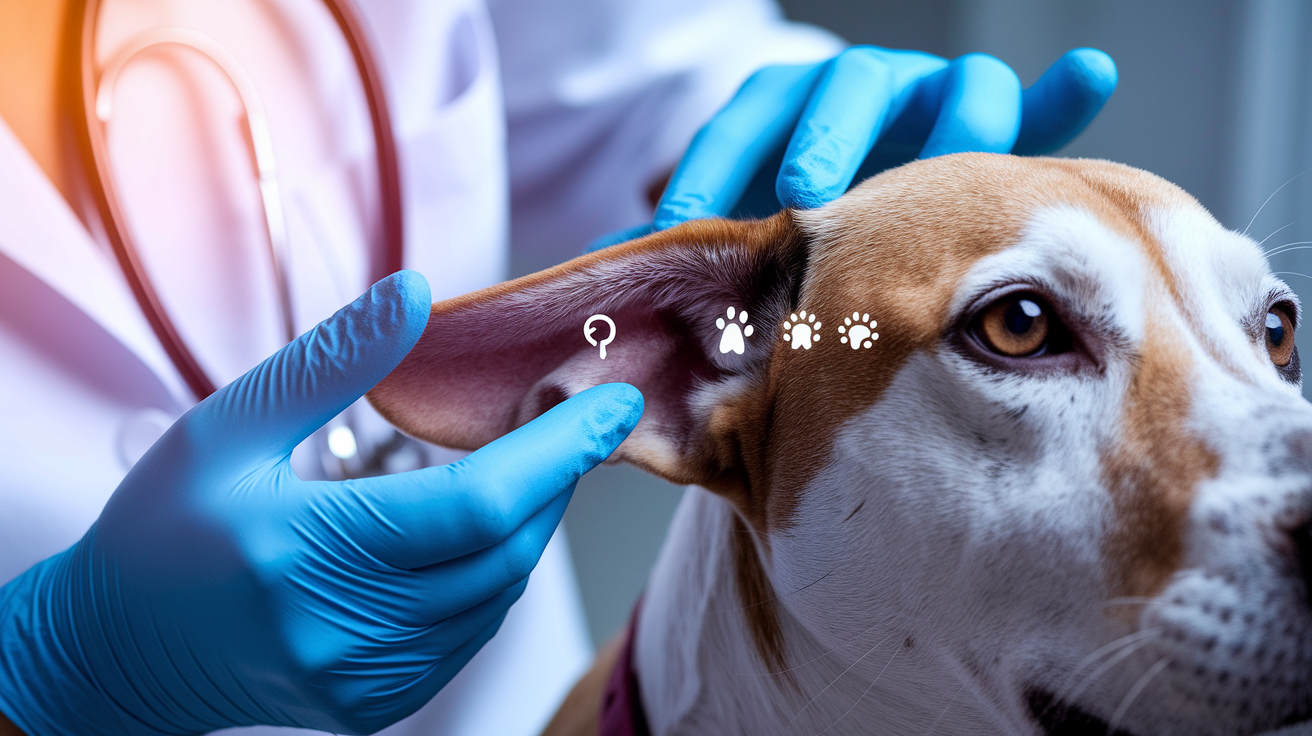
Your dog’s ears tell you when something’s wrong, usually before the infection gets bad. Catching it early means faster relief and less hassle.
Look for head shaking that won’t quit. Violent, repetitive shaking, especially when you go near the ear. That’s usually the first sign. Scratching comes next, constant pawing at one ear or both, rubbing the side of the head against furniture or carpet, sometimes hard enough to leave raw spots or patches of missing fur.
- Head shaking – Frequent and forceful, gets worse when you touch the ear, can cause ear hematomas that need surgery
- Scratching and pawing – Relentless clawing at the ears, rubbing on surfaces, whimpering while doing it
- Visible redness and swelling – Pink or red ear flaps, swollen openings, warm when you touch them
- Ear discharge – Gray/green (bacterial), dark brown/black (yeast or mites), yellow/pus (bacterial), bloody (serious inflammation or injury)
- Strong odor – Sweet/yeasty (yeast), foul/rotten (bacterial), musty (chronic), metallic (blood)
- Pain when touched – Pulling away, yelping, won’t let you near the ear
- Behavioral changes – Cranky, doesn’t want to play, eating less
- Crusts or scabs – On the outer ear or near the canal
- Increased wax buildup – Thick, sticky, crusty
- Head tilt – Holding the head at an angle, usually toward the painful side
- Balance problems – Wobbly walk, circling in one direction, standing with legs wide apart
- Nausea or vomiting – Can happen with inner ear involvement
Serious symptoms mean the infection’s gone deep. A head tilt that won’t straighten, losing balance, circling nonstop, refusing food and water. These point to the inner ear. Facial drooping on one side or sudden hearing loss need a vet right away.
Understanding Types of Dog Ear Infections and How Symptoms Differ

Ear infections don’t all look the same because they don’t all happen in the same spot. The ear has three zones: outer canal, middle chamber, inner structures. Each one creates different problems.
Otitis Externa
This one’s the most common. It hits the outer ear canal. You’ll see redness on the ear flap and around the opening, often with brown or yellow gunk and a smell you can’t miss. Dogs scratch and shake constantly. Catch it early and it usually clears in a week or two with the right treatment.
Otitis Media
Middle ear infections go deeper and hurt more. The discharge might not show up from the outside as much, but your dog will react when you touch the ear. Hearing might change, they don’t respond to sounds like they used to. Head tilt shows up often. Middle ear infections usually start when an outer infection doesn’t get fully treated.
Otitis Interna
Inner ear infections are serious. Balance and coordination fall apart because the inner ear controls your dog’s sense of where they are in space. You’ll see them stand with legs wide, circle without stopping, get nauseous, vomit, sometimes even have facial drooping or paralysis on the bad side. These need aggressive treatment and close vet monitoring to avoid permanent damage.
Causes Behind Dog Ear Infection Symptoms and Common Risk Factors
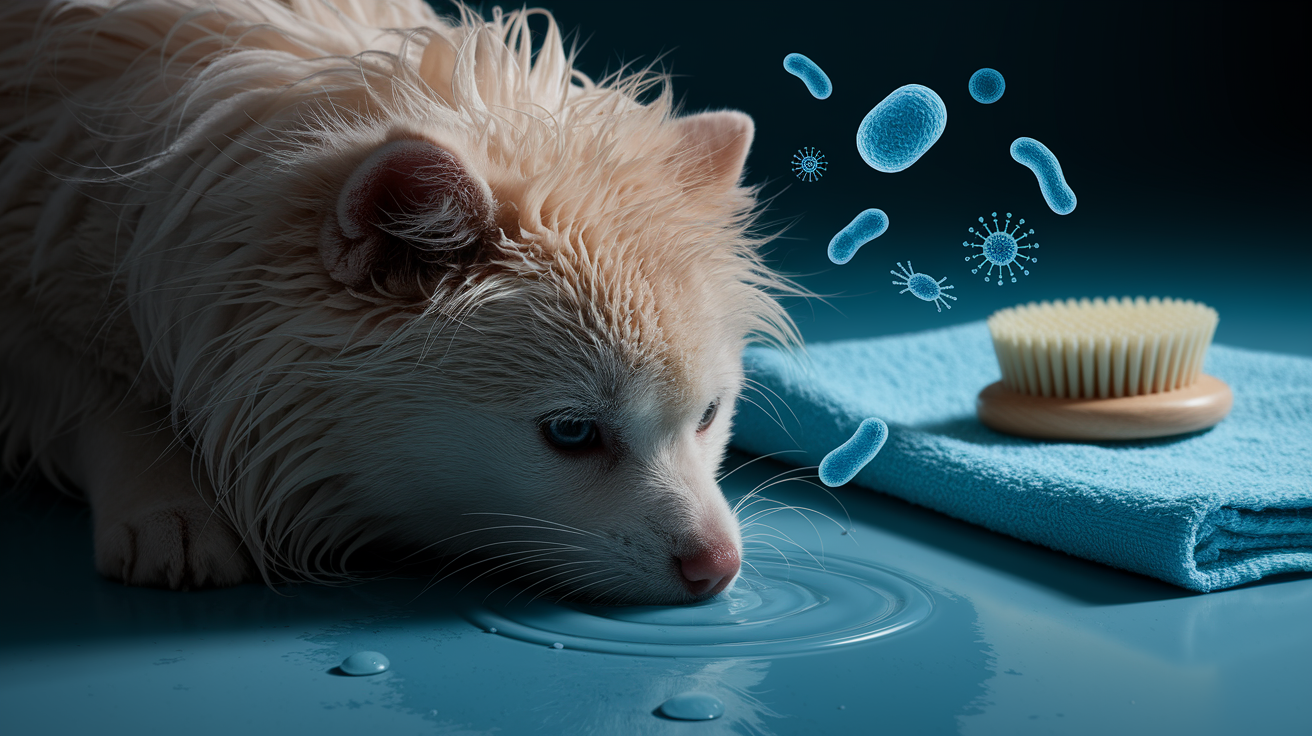
Ear infections don’t just happen. Something shifts the ear’s environment or weakens your dog’s defenses, and bacteria or yeast jump on the opportunity.
Moisture’s one of the biggest problems. After swimming, a bath, or a wet walk, water gets stuck in that L-shaped ear canal. Warm and damp conditions let microbes multiply fast. Allergies, from food, pollen, or dust mites, inflame the canal lining and create the perfect setup for infection. Yeast and bacteria that normally live quietly on the skin suddenly take over.
- Floppy, long ears – Cocker Spaniels, Basset Hounds, Golden Retrievers trap moisture and block airflow, raising infection risk big time.
- Excess ear hair or narrow canals – Hair inside the canal or a naturally tight opening holds onto debris and fluid.
- Ear mites – Common in puppies and young dogs, produce dark discharge that looks like coffee grounds, spread easily.
- Foreign objects – Grass seeds, sand, dirt get lodged in the canal during outdoor play.
- Underlying health issues – Hypothyroidism, Cushing’s disease, autoimmune disorders weaken infection resistance.
- Overcleaning or trauma – Stripping protective wax or irritating the canal with too much cleaning or harsh products causes inflammation.
How Veterinarians Diagnose Ear Infection Symptoms in Dogs
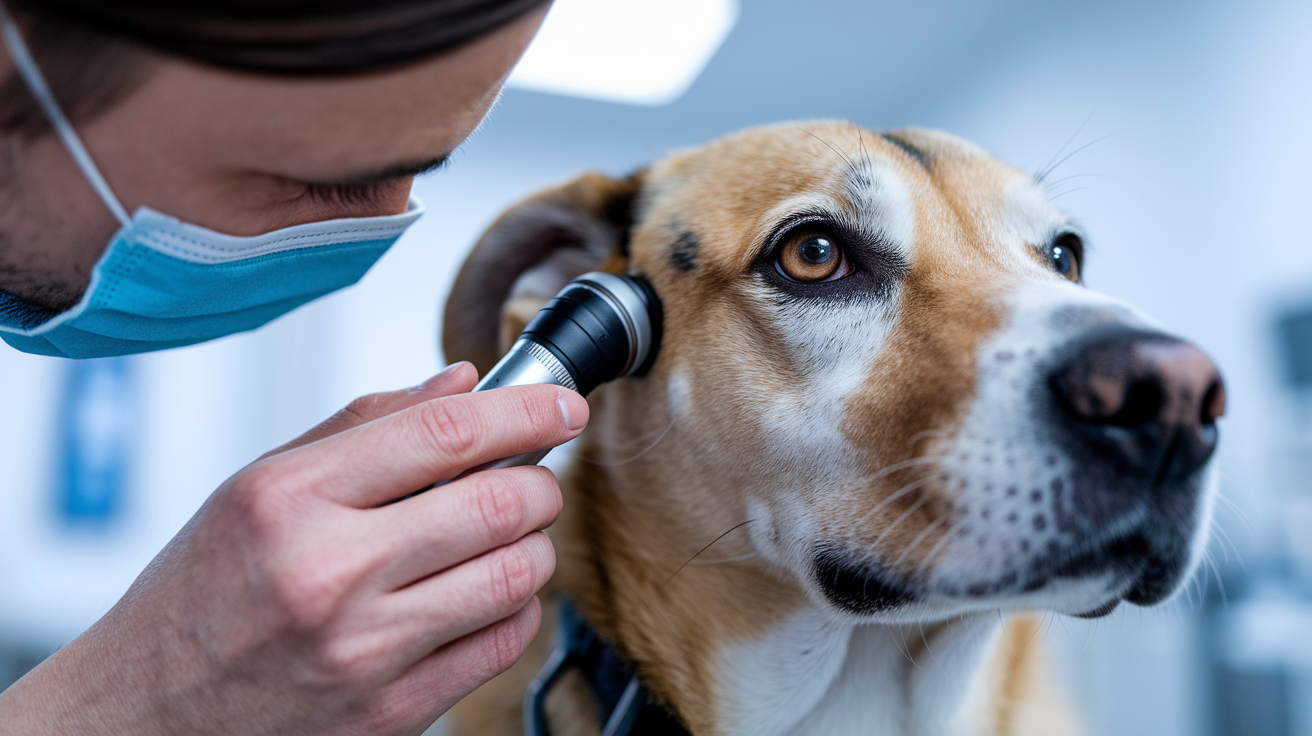
A look at home tells you something’s off, but only a vet exam can pinpoint exactly what’s causing it and how to fix it.
Your vet starts with questions. When did symptoms start? Has your dog been swimming or bathed recently? What food are they eating, have you changed it? Are you cleaning the ears, how often and with what? Does your dog have known allergies, skin problems, or past ear infections? Have you done anything new with grooming, like plucking ear hair? These answers help narrow down likely causes before any exam begins.
Diagnostic Tools and Tests
The otoscope exam comes first. Your vet gently puts a lighted cone into the ear canal to check for redness, swelling, discharge, foreign objects, and eardrum condition. If your dog’s in bad pain, sedation might be needed to do a full exam without causing more distress.
Next, a sample of ear discharge goes under the microscope. This shows whether bacteria, yeast, or mites are there and how many. For chronic infections or cases that didn’t respond to first treatment, a culture and sensitivity test identifies the exact bacteria or fungus and figures out which medications actually work. In complicated or long-running cases, x-rays or biopsies check for deep infection, polyps, tumors, or foreign stuff stuck too deep to see with an otoscope.
| Diagnostic Tool | What It Detects |
|---|---|
| Otoscope Exam | Redness, swelling, discharge, foreign objects, eardrum integrity |
| Cytology (Microscopic Exam) | Bacteria, yeast, mites, inflammatory cells |
| Culture & Sensitivity | Specific bacterial or fungal species; which medications will be effective |
Treatment Options for Dog Ear Infection Symptoms (By Cause and Severity)

Once your vet knows what’s causing the infection, treatment goes after the specific microbe and brings down inflammation so your dog can heal without so much discomfort.
Matching Treatment to Infection Type
Bacterial infections usually need antibiotic ear drops applied once or twice a day. If it’s severe or hitting the middle or inner ear, oral antibiotics get added. Yeast infections respond to antifungal creams or drops, and in widespread or stubborn cases, oral antifungal pills. Ear mites get killed with medicated drops that take out the parasites and calm irritation. Dogs with bad inflammation often get anti-inflammatory meds to bring down swelling and pain while the antimicrobial treatment does its job. Your vet might also do a deep cleaning in the clinic first, using a medicated solution to flush out debris and discharge before you start treating at home.
- Topical antibiotic or antifungal ear drops – Applied to the base of the ear canal once or twice daily for 7 to 14 days
- Oral antibiotics or antifungals – For severe, middle ear, or inner ear infections or when topical treatment isn’t cutting it
- Anti-inflammatory medications – To ease pain, swelling, and discomfort while healing happens
- Medicated ear cleansers – Vet-recommended solutions to keep the canal clean during and after treatment
- Surgery – Saved for chronic cases with structural problems, polyps, or serious canal damage
Simple ear infections usually show real improvement within a week or two. Your dog scratches less, the smell goes away, discharge clears up. Chronic infections, ones lasting more than six weeks or coming back over and over, need more involved care. Expect longer treatment, follow-up exams to make sure the infection’s actually gone, and often more testing to deal with underlying stuff like allergies or immune problems.
Safe Home Care for Dog Ear Infection Symptoms (While Awaiting Vet Care)

If you’ve got a vet appointment scheduled but it’s a day or two out, there are a few safe things you can do at home to keep your dog comfortable without making it worse.
- Gently clean visible debris – Use a soft, damp cloth or cotton ball on the outer ear and just inside the opening, never push deep.
- Keep ears dry – Skip baths and swimming until after the vet visit, moisture makes irritation worse.
- Apply a vet-approved soothing product – Products like Silver Honey Rapid Ear Care Vet Strength can remove surface debris and give temporary comfort, apply 2 to 3 times daily only until your appointment.
- Use a cone collar if scratching is bad – Stops self-inflicted wounds and more trauma to the ear.
- Monitor symptoms closely – Note any worsening discharge, more pain, or new signs like balance trouble to report at your appointment.
- Offer comfort and keep stress low – Keep your dog calm, pain and irritation make them anxious.
Don’t stick cotton swabs, bobby pins, or anything else into the ear canal. Don’t try to remove foreign objects yourself, you could push them deeper or rupture the eardrum. Skip home remedies like vinegar, hydrogen peroxide, or essential oils unless your vet specifically tells you to use them. These can irritate inflamed tissue and delay real healing.
When Dog Ear Infection Symptoms Require Immediate Veterinary Care

Most ear infections can wait a day or two for a regular appointment, but some signs mean your dog needs to be seen right away, today if possible, or at an emergency clinic after hours.
- Sudden, severe balance problems – Falling over, can’t stand, constant circling
- Head tilt that shows up out of nowhere – Especially with vomiting or disorientation
- Facial paralysis – Drooping on one side, can’t blink, drooling from one side of the mouth
- Bleeding from the ear – Fresh blood or blood-tinged discharge
- Refusing to eat or drink for more than 12 hours – Especially with other ear symptoms
- Rapidly worsening odor or discharge – Foul smell that gets stronger within hours, big increase in discharge
- Signs of systemic illness – Fever (hot ears, warm body, lethargy), extreme tiredness, collapse
Vestibular signs, the balance and coordination symptoms from inner ear infections, can be scary to watch. Your dog might seem confused, nauseous, unable to walk straight. These symptoms mean the infection’s reached structures that control balance. Immediate vet care is critical to prevent permanent damage, including hearing loss or ongoing balance issues.
Preventing Dog Ear Infection Symptoms Through Routine Care

Stopping infections before they start beats treating them once they’ve taken hold, and it doesn’t take complicated routines.
- Dry ears well after swimming or bathing – Use a soft towel or cotton ball to soak up moisture from the outer canal, tilt the head gently to help water drain.
- Check ears weekly – Look for early redness, odor, or wax buildup, catching changes early prevents full infections.
- Clean ears only as often as your vet says – Dogs with normal, healthy ears usually need cleaning no more than once a month, overcleaning strips protective wax and irritates tissue.
- Use only vet-approved ear cleaners – Harsh products or homemade solutions can damage the canal lining.
- Manage underlying allergies – Work with your vet to identify food or environmental triggers and control them with diet changes, medications, or immunotherapy.
- Keep up with routine vet checkups – Regular exams catch early inflammation before symptoms become obvious at home.
Breed-specific tweaks matter. If your dog has long, floppy ears like a Cocker Spaniel or Basset Hound, plan to clean ears twice a week or as your vet advises. Dogs who swim a lot, hunt in wet or grassy areas, or have excess ear hair need more frequent checks and cleaning. High-risk dogs benefit from professional grooming that includes careful ear hair trimming (never aggressive plucking without proper training). For very active water dogs, consider using cotton balls gently placed at the ear opening during baths to reduce water entry, but always take them out right after.
Understanding Chronic and Recurring Dog Ear Infection Symptoms

An ear infection that lasts more than six weeks or keeps coming back every few months is chronic. At that point, the infection itself isn’t the only problem. Something else is keeping it going.
Common triggers for chronic infections include untreated or poorly managed allergies, anatomical issues like really narrow ear canals or polyps blocking drainage, endocrine disorders like hypothyroidism, and immune system problems that stop normal healing. Incomplete treatment is another big cause. If you stop medication early because symptoms got better, surviving bacteria or yeast can come back stronger and more resistant to the original treatment.
- Permanent hearing loss – Chronic inflammation damages delicate ear structures over time.
- Structural changes to the ear canal – Thickening, scarring, or calcification that narrows the canal and makes future infections more likely.
- Surgical intervention – Severe chronic cases might need surgical widening of the canal or, in extreme situations, removal of the entire canal to stop recurring pain and infection.
- Reduced quality of life – Constant discomfort, head shaking, and pain affect behavior, sleep, and your dog’s willingness to play or interact.
Dealing with chronic infections means going deeper. Your vet will likely suggest comprehensive diagnostics, advanced imaging, allergy testing, or immune function panels to find the root cause. Long-term management plans might include ongoing medication, regular ear maintenance, dietary changes, and environmental adjustments. It’s a bigger commitment, but it’s the only way to give your dog lasting relief.
Final Words
If you notice head shaking, constant pawing at the ear, a sour smell, or any unusual discharge, act on those signs right away. Those were the core dog ear infection symptoms we focused on.
Use the safe home steps in the article: gentle cleaning only when recommended, keeping ears dry, and using a cone if your dog keeps scratching.
Track changes, take photos, and call your vet if things worsen or you see tilt, severe pain, bleeding, or loss of appetite. Catching dog ear infection symptoms early gives your dog the best chance to feel better soon.
FAQ
Q: How do you treat a dog’s ear infection at home?
A: Treating a dog’s ear infection at home starts with gentle cleaning of visible debris using a vet-approved cleaner, keeping the ear dry, and preventing scratching; call the vet if it worsens, smells strongly, bleeds, or shows no improvement in 48 hours.
Q: How can you tell if your dog has an ear infection?
A: You can tell a dog has an ear infection by spotting head shaking, persistent ear scratching, sour or yeasty odor, discharge, reddened or hot ear flaps, pain when touched, or balance changes like head tilt or circling.
Q: Do dog ear infections go away?
A: Dog ear infections often improve with proper treatment, but they may not fully go away without veterinary care, especially if chronic, recurrent, or allergy-related; call your vet if symptoms persist beyond 48 to 72 hours.