

Think a swollen belly and restlessness are just an upset stomach?
When those two show up together they can mean a time-critical emergency called bloat (GDV), where the stomach fills with gas and can twist, and that can get deadly fast.
Stay calm, but act immediately.
This post will help you spot the key red flags, take safe steps right now, know what to watch for in the next hour, and decide exactly when to call or go to an emergency clinic.
If Your Dog Has a Swollen Belly and Is Acting Anxious: What to Do Right Now
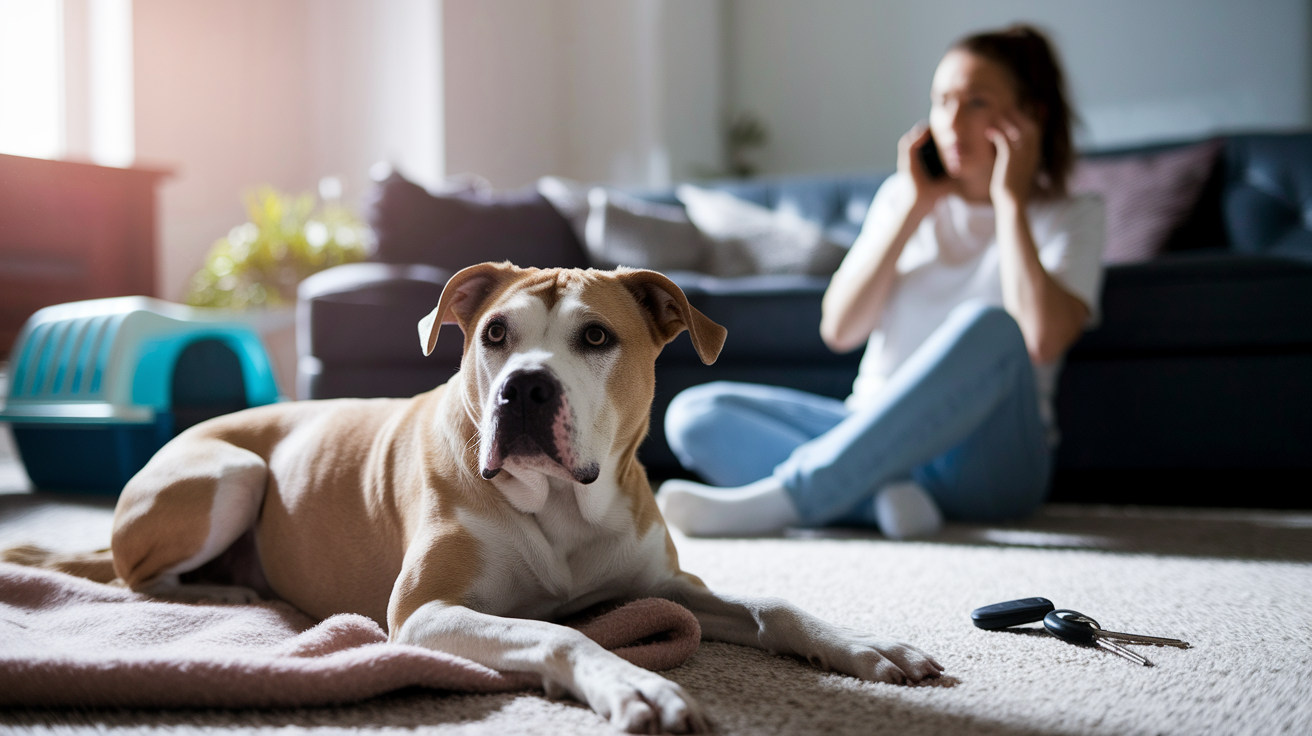
A dog with a bloated stomach and restless behavior is showing you two red flags at once. When these appear together, they can signal gastric dilatation-volvulus (GDV), commonly called bloat. This is one of the most time-sensitive emergencies in dogs. The stomach fills with gas and can twist on itself, cutting off blood flow. Without treatment, shock and organ failure follow fast, often within one to two hours.
Restlessness means your dog’s uncomfortable or in pain. Bloating means something inside is expanding or blocking normal digestion. Together, they create a scenario where every minute counts. Even if you’re not sure, it’s safer to act than to wait and watch.
Take these steps immediately:
- Call an emergency veterinary hospital right now and describe what you’re seeing, how long it’s been happening, and when your dog last ate.
- Don’t give food, water, or any medication at home.
- Keep your dog as still and calm as possible while you prepare to leave.
- Transport your dog lying on a flat surface if you can. A board or sturdy blanket works to minimize movement during the car ride.
- Watch for worsening signs during transport. Pale gums, heavy panting, collapse, or loss of responsiveness should trigger another call to the clinic.
GDV can become fatal in as little as one to two hours from the first signs. The twisted stomach traps gas and fluid, then begins to die from lack of blood. Toxins build up. The heart struggles. Organs shut down. Delaying care, even by thirty or sixty minutes, can mean the difference between a treatable emergency and a life-threatening crisis. If your dog’s pacing, drooling, trying to vomit with nothing coming up, and has a tight or swollen belly, you’re already in the danger zone. Go now.
Common Causes of a Bloated Stomach and Restlessness
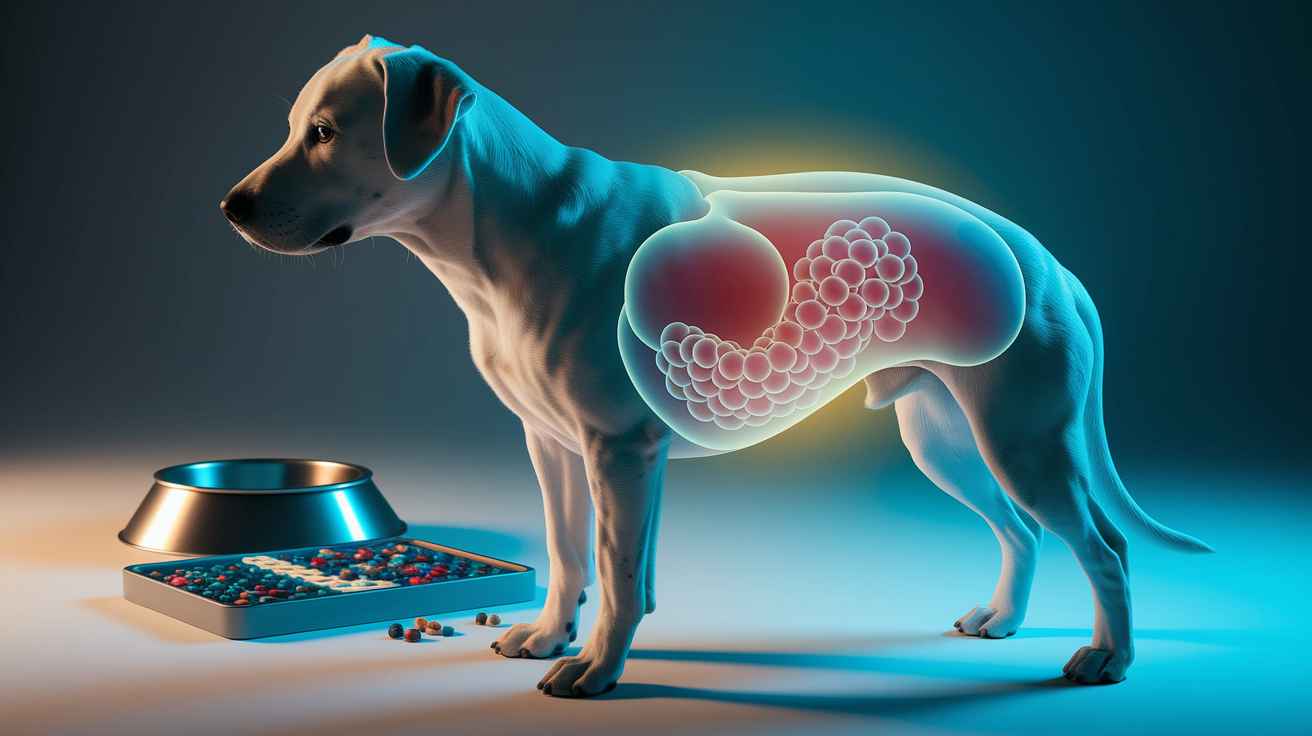
A bloated stomach can come from several sources. The most dangerous is GDV, where the stomach fills with gas and twists. But other causes exist. Gas buildup from eating too fast or swallowing air can create temporary bloating without the twist. Overeating or drinking a large volume of water quickly can stretch the stomach. Fluid can accumulate in the abdomen from heart disease, liver failure, or internal bleeding. Tumors, organ torsion, or severe constipation can also create visible swelling.
Restlessness often accompanies pain or discomfort. A dog with simple gas might pace for a few minutes, then settle. A dog with GDV will pace continuously, unable to find relief. The combination of a hard, distended belly and relentless anxiety points more toward a mechanical or vascular emergency than a mild digestive upset.
Non-GDV causes, like eating a large meal or minor gas, usually resolve within a few hours and the dog returns to normal behavior. GDV doesn’t resolve on its own. It gets worse. Fast.
Red flag features more specific to GDV include:
- Repeated, unproductive retching. The dog tries to vomit but nothing comes out, or only foam or saliva appears.
- A stomach that feels drum tight or noticeably larger than it did an hour ago.
- Pale, white, or blue-tinged gums instead of healthy pink.
- Rapid, shallow breathing or a racing heart rate you can feel under the chest.
Critical Symptoms That Signal a Veterinary Emergency
Certain symptoms cross the line from “call the vet in the morning” to “go to the emergency clinic right now.” With bloat, those symptoms appear fast and escalate quickly. If your dog’s restless and bloated, you’re already watching closely. Now you need to know which changes mean the clock has run out on safe monitoring.
Unproductive vomiting is the hallmark. Your dog hunches, gags, and heaves, but brings up nothing or only thick drool. This happens because the twisted stomach won’t let anything pass. Pale or grayish gums mean blood isn’t circulating well. A tight, swollen abdomen that sounds hollow when tapped, like a drum, signals trapped gas. Collapse, weakness, or an inability to stand means shock has set in.
Seek emergency care immediately if you see any of these:
- Repeated attempts to vomit with no result, or only foam and saliva produced.
- A visibly enlarged, hard, or painful abdomen.
- Pale, white, or bluish gums and tongue.
- Rapid panting, shallow breathing, or obvious difficulty catching breath.
- Weakness, staggering, or collapse.
- Extreme restlessness that doesn’t stop. Pacing in circles, inability to lie down comfortably, or a hunched “prayer” posture with chest down and rear up.
What Happens at the Vet: Diagnosis and Treatment
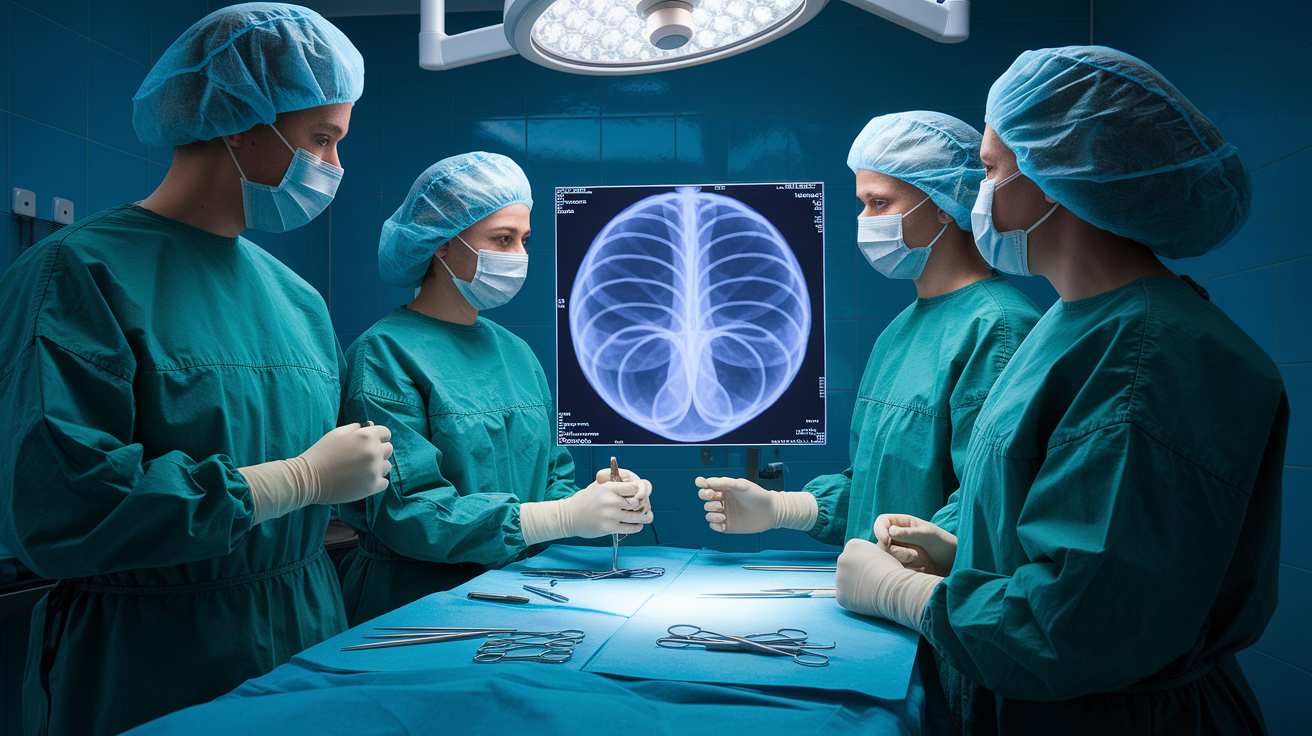
When you arrive, the veterinary team will move fast. They’ll assess your dog’s breathing, heart rate, gum color, and abdominal size within the first few minutes. If GDV is suspected, they’ll take X-rays right away. The classic sign on an X-ray is a “double bubble” appearance, showing a gas-filled, twisted stomach. Bloodwork checks hydration, electrolyte levels, and how well organs are handling the stress.
Treatment starts with stabilization. Your dog will receive intravenous fluids to combat shock, oxygen if breathing is labored, and pain medication. The vet may attempt stomach decompression before surgery, passing a tube down the throat to release trapped gas, or using a needle through the abdominal wall if the tube won’t pass. Decompression buys time and reduces pressure, but it doesn’t fix the twist.
Surgery is the definitive treatment. The surgeon opens the abdomen, untwists the stomach, and checks for damaged tissue. If parts of the stomach or spleen have lost blood supply and died, those sections are removed. Most surgeons perform a gastropexy, stitching the stomach to the abdominal wall to prevent future twisting. Recovery includes several days of hospitalization, pain control, gradual reintroduction of food, and monitoring for complications like infection or heart arrhythmias. The sooner surgery happens, the better the outcome. Dogs treated within the first hour or two of symptom onset have the highest survival rates.
How to Reduce the Risk of Bloat in the Future
You can’t eliminate the risk entirely, especially in large, deep-chested breeds like Great Danes, German Shepherds, or Boxers. But you can lower it with consistent habits. Feeding and exercise timing matter most. A dog who eats one giant meal and then runs or plays has a much higher risk than a dog who eats smaller portions spread throughout the day and rests afterward.
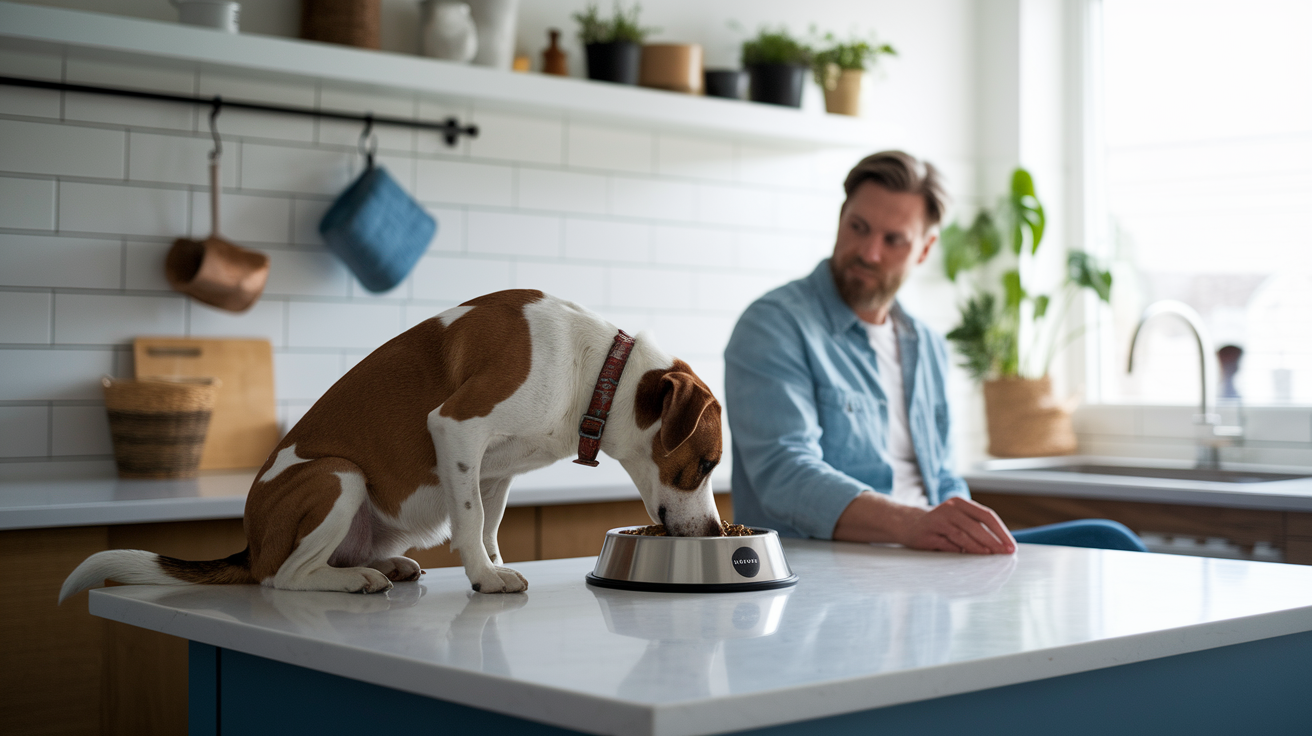
Slow feeder bowls or puzzle feeders force your dog to eat more slowly, reducing the amount of air swallowed with each bite. Stress and anxiety can increase risk, so keeping your dog’s environment calm, especially around mealtimes, helps. For dogs with a family history of GDV or breeds known to be high risk, some owners choose a preventive gastropexy, a surgical procedure that anchors the stomach even if bloat has never occurred.
Proven prevention methods include:
- Feed two or three smaller meals each day instead of one large meal.
- Use a slow feeder bowl or scatter kibble on a flat surface to slow eating speed.
- Wait at least one hour, ideally two, after meals before any vigorous exercise or play.
- Keep fresh water available, but avoid letting your dog drink huge amounts immediately after eating.
- Talk to your vet about preventive gastropexy if your dog’s a high risk breed or has a close relative who has had GDV.
Final Words
See a swollen belly and pacing? Act fast: we walked through immediate steps to take now, common causes to consider, clear emergency signs, what your vet will likely do, and simple prevention tips.
If you spot unproductive retching, pale gums, collapse, or rapid breathing, call your vet or head to emergency care right away. Bloat can become life threatening within hours.
If your dog has a dog bloated stomach and restless behavior, get urgent help. With quick action and sensible prevention, you can give your dog the best chance.
FAQ
Q: How do I help my dog with a bloated stomach?
A: Helping a dog with a bloated stomach means treating it as an emergency: call your emergency vet, don’t give food or water, keep your dog calm and still, and get them to the clinic right away.
Q: What are signs your dog is going to pass away / How does a dog act when their kidneys are shutting down?
A: Signs a dog may be dying or have failing kidneys include extreme lethargy, poor appetite, vomiting, little or no urination, disorientation, bad breath, and weight loss; seek urgent veterinary care for rapid decline or breathing trouble.
Q: What could be mistaken for bloat in dogs?
A: Things often mistaken for bloat include simple gas or upset stomach, overeating, intestinal blockage, internal bleeding, fluid buildup, or organ enlargement; a vet exam and X-rays will tell them apart—call if severe signs appear.