

Think a single pill will cure your pet’s allergies? Not usually.
Chronic allergies are an ongoing immune overreaction to common things like pollen, dust mites, or certain foods.
This post lays out practical, long-term strategies that often work: vet-guided medications, immunotherapy (allergy shots or sublingual drops), strict diet trials, and simple home changes to cut exposure.
The goal isn’t to erase allergies but to control signs so your dog or cat scratches less, avoids infections, and enjoys life more.
I’ll also cover when to call your veterinarian.
Long-Term Allergy Treatment for Pets: What Owners Need to Know
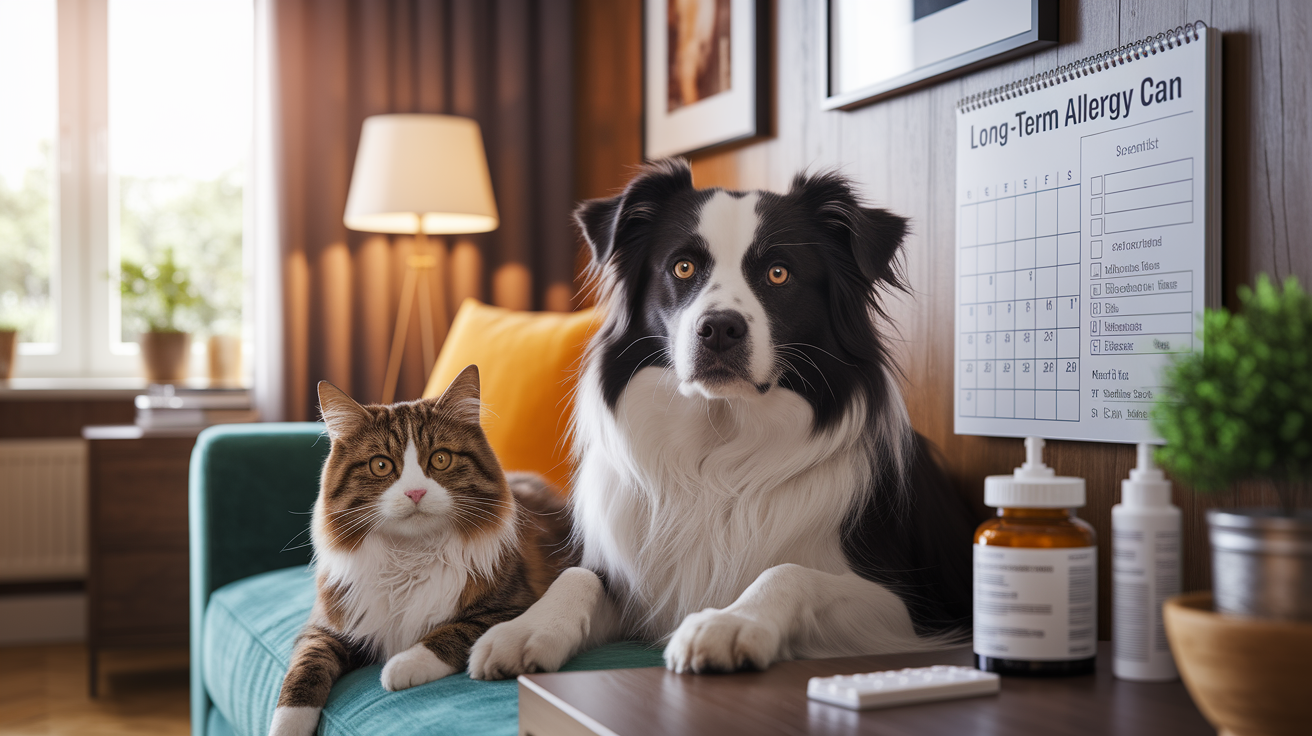
Chronic allergies aren’t something you fix once and forget about. Your pet’s immune system keeps overreacting to everyday stuff like pollen, dust mites, or certain proteins in their food. And because those triggers stick around in their environment or diet, symptoms come back without consistent management.
Most pets diagnosed with chronic allergies need some form of treatment for life. That might mean medication, diet changes, or tweaks to how you manage their living space. The goal isn’t always to make allergies disappear completely. It’s about keeping symptoms manageable so your dog or cat can actually enjoy their day without constant itching or discomfort.
How long treatment lasts depends on what you’re dealing with. Pets with seasonal environmental allergies might only need meds during certain months. But if your pet’s allergic to dust mites or a food ingredient, you’re looking at daily intervention. Vets usually assess how things are going over weeks or months, adjusting therapies as symptoms improve or flare up. Expect regular checkups, occasional lab work to make sure medications aren’t causing problems, and honest conversations about what’s working. Skip doses or stop too soon and symptoms can come roaring back, sometimes with skin infections on top.
You can’t “cure” most allergies because they reflect an immune system that’s learned to treat harmless things as threats. Reversing that takes time, and in some cases, specialized therapies like immunotherapy. Owners who commit to long-term care—tracking symptoms, giving meds as directed, making changes at home—see the best results. It’s worth it. Chronic allergies left untreated can lead to severe itching, painful infections, behavior changes, and a real drop in your pet’s quality of life.
Identifying Chronic Allergies in Pets
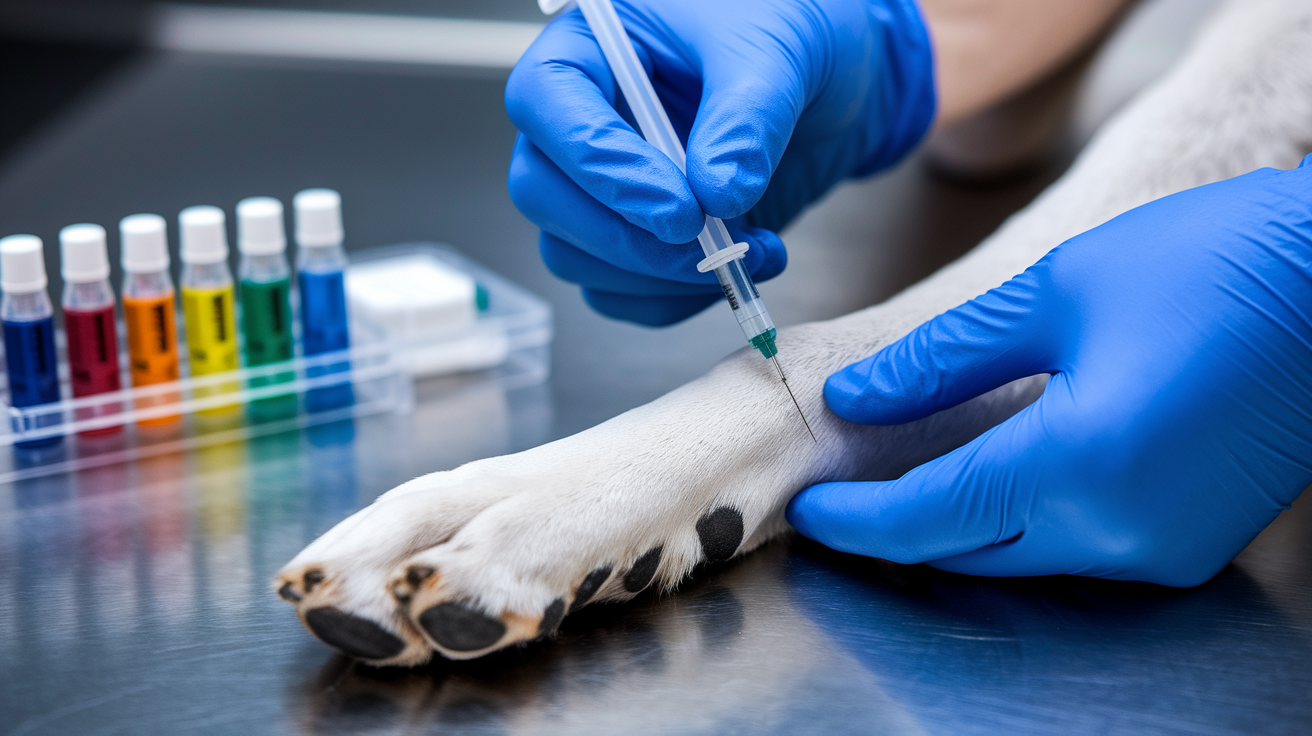
Catching chronic allergies early can save your pet weeks or months of misery. They can’t tell you their ears hurt or that they’ve been itchy for days straight, so you have to watch for clues. Chronic allergies don’t come and go like a temporary irritation. Symptoms stick around, happen repeatedly, or get worse over time even with basic care.
Most signs show up on the skin, ears, and paws. But some pets also have respiratory or digestive symptoms, especially when food allergies are involved. If you’re seeing multiple symptoms together or they keep coming back after treatment stops, allergies are a strong possibility.
Vets diagnose chronic allergies through a combination of history, physical exam, and testing. Your vet will ask detailed questions. When did symptoms start? What makes them better or worse? Do they follow a seasonal pattern? Skin scrapes, cytology, and flea checks rule out parasites and infections that can look like allergies. For suspected food allergies, an elimination diet trial lasting 8 to 12 weeks is the gold standard. Your pet eats only a prescribed novel protein or hydrolyzed diet with no treats or table scraps. For environmental allergies, intradermal skin testing or serum IgE blood tests identify specific triggers like ragweed, mold, or dust mites. These tests work best after any secondary infections are controlled.
Common symptoms to watch for:
- Persistent scratching, licking, or chewing of paws, belly, armpits, or groin
- Red, inflamed, or thickened skin, sometimes with hair loss or dark pigmentation
- Recurrent ear infections with redness, odor, discharge, or head shaking
- Watery eyes, sneezing, or nasal discharge
- Hot spots, open sores, or scabs from self trauma
- Vomiting, diarrhea, or changes in appetite when food allergies are present
Veterinary Treatment Options for Chronic Allergies
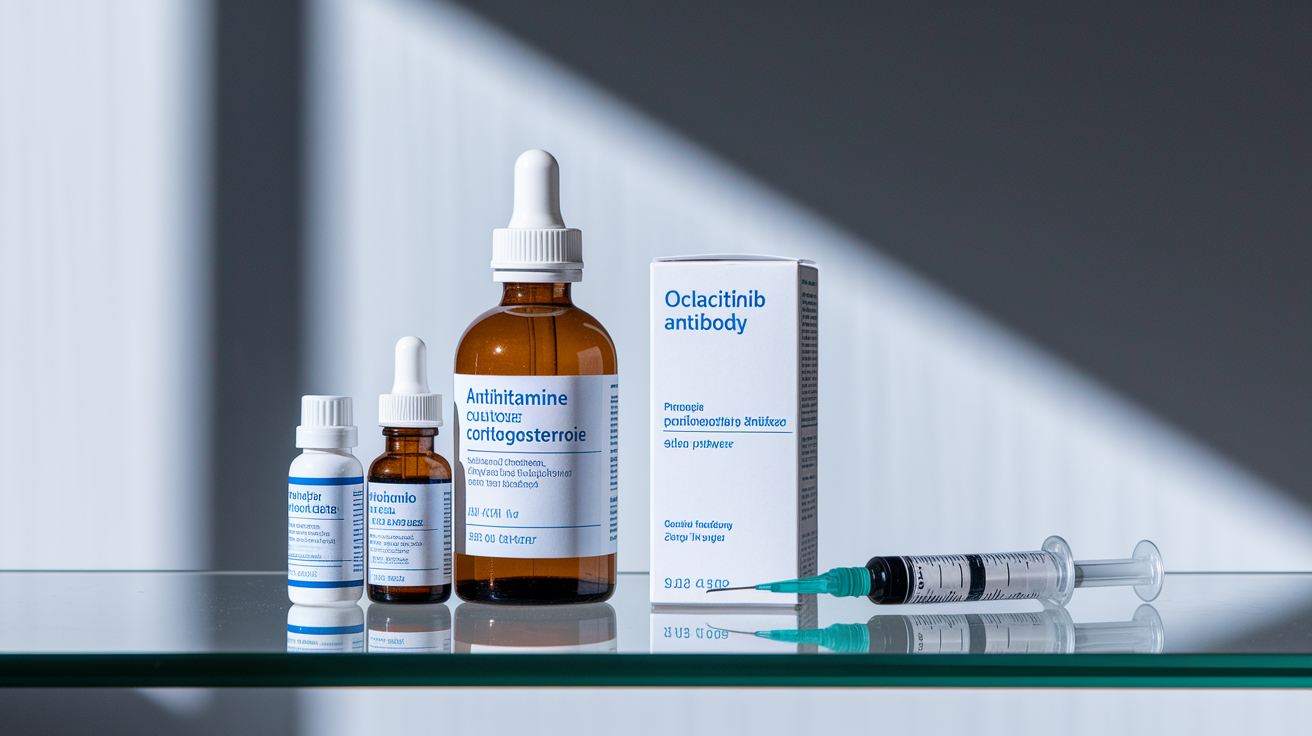
Once a diagnosis is confirmed, your vet will recommend treatments based on the allergy type, how severe symptoms are, and your pet’s overall health. The most common medications include antihistamines, corticosteroids, and newer targeted therapies like oclacitinib or monoclonal antibodies.
Antihistamines such as diphenhydramine or cetirizine work for some pets, especially when allergies are mild or used alongside other treatments. But they don’t help every animal and often provide only modest relief. Corticosteroids like prednisone reduce inflammation and itching quickly, often within 24 to 72 hours. Long-term use can cause side effects including increased thirst, urination, appetite, weight gain, and immune suppression. For this reason, vets usually reserve steroids for short-term flare-ups or severe cases where other options have failed.
Newer medications offer safer long-term control. Oclacitinib works by blocking specific enzymes that trigger itching and inflammation. Most dogs experience relief within a day. It’s commonly used for environmental allergies in dogs over 12 months old and requires regular veterinary monitoring, especially in the first few months of use. Monoclonal antibody injections target a protein involved in the allergic response and can reduce itching for four to eight weeks per injection. That makes them convenient if your pet’s difficult to medicate at home. Both options have fewer systemic side effects than steroids, though cost and availability vary.
Topical therapies also play an important role. Medicated shampoos containing ingredients like chlorhexidine, ketoconazole, or colloidal oatmeal help soothe irritated skin, remove allergens, and treat secondary bacterial or yeast infections. Bathing frequency depends on your pet’s needs. Some benefit from weekly baths during allergy season, while others do well with every two to four weeks. Ear cleaners, leave-on conditioners, and paw wipes reduce allergen buildup between baths. Your vet may also prescribe topical steroid sprays or mousses for localized hot spots or inflamed areas. Combining medications with topical care often delivers better results than medication alone and can reduce the total drug dose needed over time.
Immunotherapy as a Long-Term Allergy Solution

Immunotherapy is the only treatment that can modify the underlying allergic response rather than just managing symptoms. It works by gradually exposing your pet’s immune system to small, increasing amounts of specific allergens identified through intradermal or serum testing. The body learns to tolerate them instead of overreacting. The allergens are formulated into a custom vaccine given either as subcutaneous injections or sublingual drops placed under the tongue. Immunotherapy is most effective for environmental allergies like pollen, mold, and dust mites. It’s not used for food allergies.
The process requires patience. Most pets begin with a buildup phase lasting several weeks to a few months. Injections are given frequently, sometimes once or twice a week. Once maintenance dosing is reached, injections are typically spaced every two to four weeks. Sublingual therapy is administered daily at home.
Improvement is gradual. Many pets start to show reduced symptoms around three months, with maximum benefit often appearing between six and twelve months. Some pets achieve near complete control and can reduce or discontinue other medications. Others see partial improvement and still need occasional antihistamines or topical care during peak allergy seasons. Success rates vary, but studies suggest 60 to 80 percent of pets experience meaningful relief.
Key benefits of immunotherapy:
- Addresses the root cause rather than just suppressing symptoms
- Can reduce or eliminate the need for long-term medications with side effects
- Safe for lifelong use with minimal adverse effects
- Works well for pets with multiple environmental allergens
Environmental Strategies for Reducing Allergy Flares

Managing what your pet is exposed to at home can dramatically reduce symptom frequency and severity. Environmental control is especially important for pets with dust mite or mold allergies, but even pollen sensitive pets benefit from simple daily routines. The goal is to limit contact with known triggers and create spaces where your pet can rest without constant irritation.
Air quality matters. HEPA air purifiers capture airborne allergens like pollen, dander, and dust. They’re most effective when placed in rooms where your pet spends the most time, especially sleeping areas. Vacuum regularly using a vacuum with a HEPA filter to prevent allergens from recirculating. On high pollen days, usually early morning and late afternoon during spring and fall, keep windows closed and limit outdoor time to short potty breaks. After outdoor walks, wipe your pet’s paws and coat with a damp cloth or pet safe grooming wipe to remove pollen before it spreads through the house.
Practical steps to reduce allergen exposure:
- Wash pet bedding weekly in hot water, at least 60°C, to kill dust mites
- Use allergen proof covers on pet beds and any furniture your pet uses
- Replace carpets with hard flooring if feasible, as carpets trap allergens
- Avoid using scented candles, air fresheners, or harsh cleaning chemicals that can irritate sensitive airways
- Bathe your pet regularly with vet recommended hypoallergenic shampoo to remove environmental allergens from the coat
Dietary Management for Chronic Allergies

Food allergies account for a significant portion of chronic allergy cases, particularly when gastrointestinal symptoms like vomiting or diarrhea accompany skin issues. The most common food allergens in pets are proteins they’ve been exposed to repeatedly. Beef, chicken, dairy, wheat, soy, and eggs top the list. Unlike environmental allergies, food allergies don’t follow a seasonal pattern and persist year round until the offending ingredient is removed from the diet.
The elimination diet trial is the diagnostic and treatment tool for food allergies. Your pet is fed a strict diet containing a single novel protein and carbohydrate source they’ve never eaten before, such as venison and sweet potato, or duck and pea. Or a hydrolyzed protein diet where proteins are broken down into molecules too small to trigger an immune response.
Every other food source must be eliminated. That includes treats, table scraps, flavored medications, and even the small amounts found in chewable preventatives. The trial lasts a minimum of eight weeks, though twelve weeks is ideal for complete clarity. If symptoms improve, your vet may recommend a food challenge by reintroducing the old diet to confirm the allergy, then returning to the successful elimination diet long term. Improvement is rarely immediate. Most pets take four to six weeks to show noticeable change as inflammation resolves.
Common dietary strategies for managing food allergies:
- Feed a prescription hydrolyzed protein diet designed to minimize allergic reactions
- Use a limited ingredient diet with a single novel protein your pet has never eaten
- Avoid all treats, human food, and flavored supplements during the trial period
- Read labels carefully, as many commercial foods contain multiple protein sources or hidden allergens
- Gradually transition to the new diet over 7 to 10 days to avoid digestive upset, then maintain strict adherence
Working With Your Veterinarian for Long-Term Care

Chronic allergy management is a partnership. Your veterinarian provides the diagnosis, prescribes treatments, and monitors for side effects or complications. But you provide the daily observations that make adjustments possible.
Regular checkups, typically every three to six months once symptoms stabilize, allow your vet to assess progress, adjust medication doses, and catch secondary infections early. During flare-ups or if symptoms suddenly worsen, don’t wait for the next scheduled visit. Early intervention prevents minor issues from becoming major setbacks.
Keep a symptom diary or take photos to track itching frequency, skin condition, ear health, and behavior changes. Note what treatments you’re giving, when symptoms improve or worsen, and any new foods, environments, or products introduced. This record is invaluable during vet visits and helps identify patterns you might miss day to day. Be honest about challenges. If you’re struggling to give medications, if costs are a concern, or if the current plan isn’t working, your vet can adjust the approach. Many pets need multimodal therapy, combining medication, diet, environmental control, and topical care. Finding the right balance often takes several months of careful observation and tweaking.
Budgeting for Chronic Allergy Management

Long-term allergy care involves recurring costs that vary based on treatment choices and symptom severity. Planning ahead helps you make informed decisions and avoid financial surprises.
Diagnostic testing is usually a one-time or infrequent expense. Serum allergy testing costs approximately $150 to $400, while intradermal testing ranges from $300 to $800. Elimination diet trials require purchasing prescription foods, which typically run $50 to $200 per month depending on your pet’s size and the brand selected.
Medication costs depend on the drug and dosing frequency. Antihistamines are the most budget friendly option at $5 to $30 monthly, but they don’t work for all pets. Oclacitinib costs around $30 to $100 per month, while monoclonal antibody injections range from $75 to $200 per dose and are given every four to eight weeks. Immunotherapy has higher upfront costs. First year expenses often total $200 to $1,200 for testing and vaccine formulation. But maintenance typically drops to $100 to $500 annually once the pet is stable.
Add in routine veterinary visits every few months, occasional lab work to monitor organ function, medicated shampoos, and treatment for secondary infections. A realistic annual budget for moderate to severe chronic allergies ranges from $500 to $2,500 depending on the severity and treatment plan chosen.
| Expense Type | Typical Cost Range |
|---|---|
| Allergy testing (serum or intradermal) | $150–$800 |
| Monthly medications (antihistamines to biologics) | $5–$200 |
| Immunotherapy (first year, then annual maintenance) | $200–$1,200 initially; $100–$500/year ongoing |
Final Words
Managing chronic allergies means steady routines: medications, environmental changes, diet trials, and regular vet check-ins. Start by noting exactly when symptoms appear and how often.
This article covered how to spot chronic signs, common veterinary treatments, the timeline for immunotherapy, practical home steps, and planning for costs.
Keep a simple log, share it with your vet, and ask for changes if something’s not helping. chronic allergy management for pets is often a marathon, not a sprint, and many animals feel much better with steady care.
FAQ
Q: What are common signs of chronic allergies in pets and how are they diagnosed?
A: Common signs of chronic allergies in pets include ongoing itching, ear infections, skin irritation, hair loss, paw chewing and GI upset. Diagnosis often uses elimination diets, skin testing, or blood tests; talk to your vet.
Q: How long does long-term allergy treatment for pets typically take?
A: Long-term allergy treatment for pets typically spans months to lifelong management. Immunotherapy may take six to 12 months to show benefit, and many pets need ongoing medication and monitoring from their vet.
Q: What medical treatments are used for chronic allergies in pets?
A: Medical treatments for chronic pet allergies include antihistamines, corticosteroids, topical therapies, medicated shampoos and drugs like oclacitinib or cyclosporine; your vet will choose based on symptoms, side effects and your pet’s needs.
Q: How does immunotherapy work and what timeline and benefits should I expect?
A: Immunotherapy works by giving small, tailored allergen doses to reduce sensitivity over time. Benefits can include fewer flare-ups and less medication, but it often takes six to 12 months to show improvement.
Q: What home environmental changes help reduce allergy flares?
A: Home environmental changes that reduce allergy flares include using HEPA air filters, frequent vacuuming, washing bedding, hypoallergenic bedding and avoiding peak outdoor allergens during high-pollen times.
Q: How can diet help manage chronic allergies in pets?
A: Diet helps manage chronic allergies through elimination trials or hydrolyzed diets; symptoms often improve in six to eight weeks, so work with your vet and track food, treats and response closely.
Q: How often should I see the vet for ongoing allergy management?
A: You should see the vet periodically for ongoing allergy management, typically every three to six months, or sooner if symptoms change; bring records of flares, treatments and any side effects.
Q: What costs should I expect for long-term allergy care?
A: Typical costs for long-term allergy care include medications, specialty diets, diagnostic testing and immunotherapy; expect variable ranges and plan for ongoing expenses by discussing likely costs with your vet.
Q: When should I call a vet urgently for my pet’s allergies?
A: Call your vet urgently if your pet has trouble breathing, facial swelling, severe vomiting or diarrhea, blood in stool or urine, collapse, seizure, or sudden severe pain. These signs need immediate care.
Q: How can I prepare for a vet visit about my pet’s allergies?
A: To prepare for a vet visit about allergies, bring a symptom diary, photos of skin or ears, a list of diets and medications, dates of flare-ups, and questions about treatment options and costs.