

Think a little litter-box trouble is no big deal? Think again.
Any change in how your cat pees can be an early sign of a serious urinary issue.
Catching it early often makes treatment simpler and prevents emergencies.
This guide walks you through what to watch for, changes in frequency, posture, urine color, straining, or peeing outside the box, plus clear red flags, safe at-home steps, what to track for your vet, and how to collect a urine sample if needed.
Read on so you know what to do today and when to get urgent care.
Identifying Key Cat Urinary Symptoms and What They Mean

Any shift in how your cat pees can point to a urinary problem. Catching it early matters. You might see changes in how often they go, where they go, how they position themselves, or how they act around the litter box. Some cats start peeing outside the box for the first time. Others make trip after trip, squeezing out just a few drops each time. Blood in the urine shows up as pink or dark streaks. Straining without producing much (or anything) is one of the most serious signs, especially if your cat’s positioning themselves over and over with little result. Even one symptom deserves a vet visit and urine testing, because FLUTD, FIC, UTIs, and blockages can all look nearly identical at first.
Behavior tells you when something feels off. Cats often cry out or yowl while they’re in the box if it hurts to pee. You might notice your cat hunched, tail twitching, or spending way longer than usual in there trying. Excessive licking of the genital area happens when there’s irritation or discomfort. Some cats go quiet, stop eating, or hide. Vomiting can show up with urinary symptoms when things get worse or when toxins start building up.
Certain symptoms scream emergency. Repeated straining without any urine coming out is a crisis, especially in male cats whose urethras are narrower. Heavy blood, nonstop vocalizing, collapse, or severe lethargy all need immediate care. But even a single episode of peeing outside the box while acting otherwise normal still needs a vet check—just not a frantic rush.
What to track for your vet:
- How often your cat’s visiting the box and how much urine each time
- Any straining, odd posture, or visible discomfort
- Urine color, blood, or strange smell
- Crying, yowling, or restlessness during attempts
- Appetite changes, water intake shifts, or energy drops
- New pee spots like furniture, sinks, or tubs
Common Conditions Behind Cat Urinary Symptoms
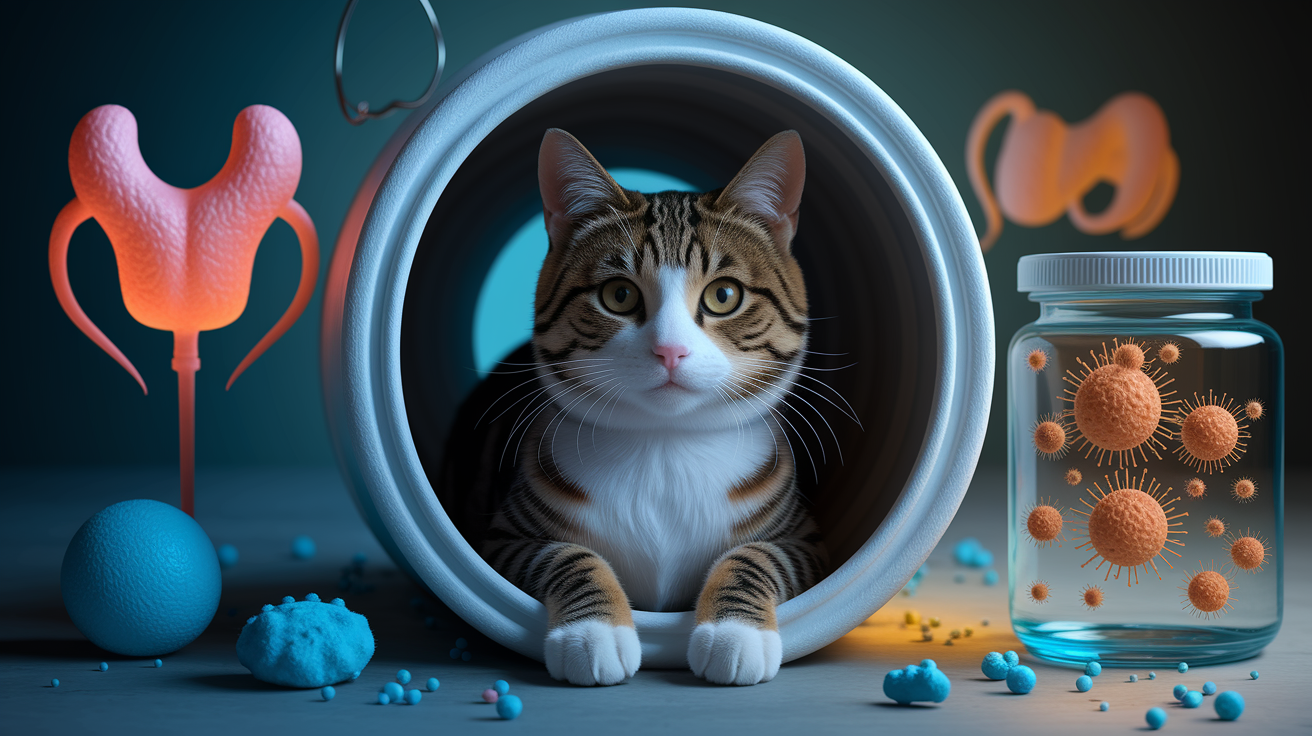
FLUTD (Feline Lower Urinary Tract Disease) is the catchall term for anything affecting the bladder or urethra. Many of these conditions look the same from the outside. A cat with FLUTD might have inflammation, crystals, stones, a bacterial infection, or even a tumor. The symptoms overlap. That’s why you can’t diagnose just by watching your cat strain or spotting blood. Vets use urinalysis, cultures, and imaging to figure out what’s actually going on and treat it right.
Feline Idiopathic Cystitis (FIC) is one of the top causes of urinary symptoms in young, otherwise healthy cats. “Idiopathic” means we don’t fully understand the cause, though stress plays a huge role. FIC flares can come back, hurt, and frustrate everyone involved. Crystals and bladder stones can also cause pain, inflammation, and partial or full blockages, especially when struvite or calcium oxalate crystals form and clump. These aren’t bacterial, so antibiotics won’t help. Identifying them early keeps you from wasting time on the wrong treatment.
Bacterial UTIs are pretty rare in young, healthy cats but more common in seniors, especially females with shorter urethras. Cats with chronic illnesses like diabetes, kidney disease, or thyroid problems are at higher risk. So are overweight cats, cats on long-term steroids, and cats with stones or anatomical issues. When bacteria’s present, a targeted antibiotic (chosen through culture) clears the infection. Without culture confirmation, you’re just guessing, and leftover or wrong antibiotics can backfire.
Emergency Indicators for Cat Urinary Problems

Some urinary symptoms need action now, not later. Straining to pee without producing anything (or just a few drops) is an emergency. This is especially true for male cats, whose narrow urethras can get completely blocked by crystals, mucus plugs, or stones. A blocked cat can’t release urine. Toxins and potassium build up fast in the bloodstream, leading to kidney failure, heart rhythm problems, bladder rupture, and death within 24 to 72 hours if untreated.
Other red flags needing urgent care include severe lethargy or collapse, continuous crying that screams extreme pain, and heavy blood in the urine combined with straining or distress. Persistent vomiting alongside urinary symptoms can mean kidney function’s already compromised or your cat’s in metabolic crisis. If your cat’s hiding, refusing food, and showing labored breathing or unresponsiveness, things have escalated past simple bladder irritation.
Emergency red flags—get to a vet immediately:
- Straining over and over without producing urine (or only drops)
- Complete inability to pee despite frequent attempts
- Severe lethargy, collapse, or unresponsiveness
- Nonstop vocalization or obvious severe pain during litter box visits
- Heavy blood in urine combined with straining, vomiting, or sudden behavior change
How to Monitor Cat Urinary Symptoms at Home

Tracking what’s happening at the litter box gives your vet critical info and helps you catch worsening symptoms early. Start by noting how often your cat visits and how much urine you see each time. Small, frequent puddles or just damp litter are different from normal clumps. Watch their posture. Long, strained squatting or repeated attempts with little output are warning signs. If your cat vocalizes, twitches their tail, or seems restless in the box, write down when it happens and how long it lasts.
Check the urine itself when you can. Blood can show up as pink, red, or dark brown. Some cats pee in sinks, tubs, or on tile floors during a flare, which actually makes it easier to see color and volume. Excessive grooming of the genital area is another clue. Cats lick when they feel pain or irritation. Lethargy, appetite loss, vomiting, or hiding are signs the problem might be more than mild inflammation.
Keep a simple log with date, time, location, urine appearance, and your cat’s behavior. Also note recent changes: new food, a stressful event (moving, new pet, construction noise), or a switch in litter type or box location. These details help the vet connect symptoms to possible triggers.
What to watch and write down:
- Number of litter box visits per day and urine volume each time
- Straining, posture changes, or time spent in the box
- Urine color, blood presence, or unusual odor
- Vocalizing, grooming, hiding, or appetite and energy changes
Veterinary Diagnostics for Cat Urinary Problems
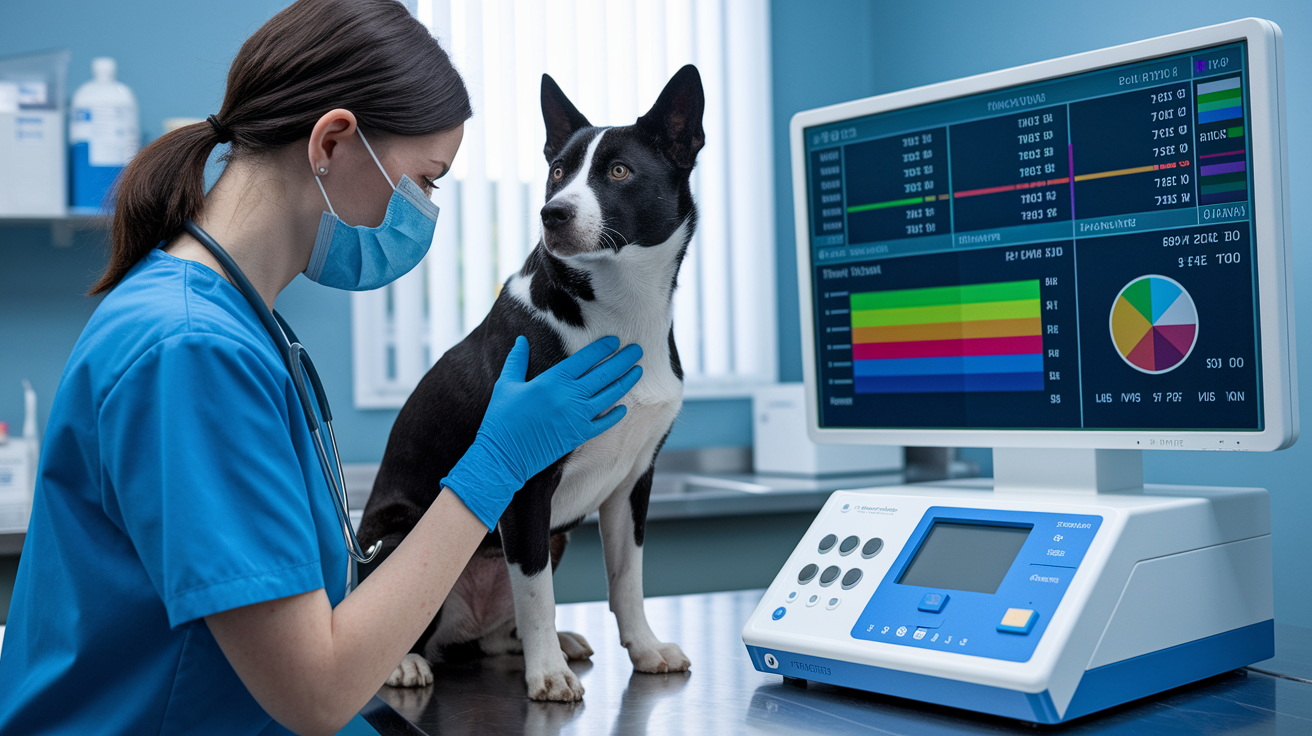
When you bring your cat in for urinary symptoms, the vet starts with a physical exam and gently palpates the abdomen to check bladder size, firmness, and discomfort. A large, firm bladder can signal obstruction. Next step is almost always urinalysis, which checks urine for bacteria, crystals, red blood cells, white blood cells, protein, glucose, and pH. Abnormal pH or visible crystals give clues about crystal type and diet needs. Blood or white cells suggest inflammation or infection.
If a bacterial UTI’s suspected, a urine culture and sensitivity test identifies the exact bacteria and which antibiotics will work. This step matters because guessing the wrong antibiotic wastes time, lets bacteria multiply, and increases resistance. Blood tests (chemistry panel and complete blood count) assess kidney function, electrolyte balance, hydration status, and signs of systemic infection. Senior cats or cats with chronic disease often need this baseline even when the main concern is the bladder.
Imaging (X-rays or ultrasound) helps detect stones, masses, structural abnormalities, or thickened bladder walls. Stones show up on X-ray, but some crystal types and soft tissue problems need ultrasound for clear visualization. In some cases, advanced imaging like CT scan gets recommended. Feline Idiopathic Cystitis gets diagnosed by ruling out all these other causes. There’s no single test for FIC, so your vet uses the full diagnostic picture to reach that conclusion.
| Test Name | What It Shows |
|---|---|
| Urinalysis | Presence of bacteria, crystals, blood cells, protein, glucose, and pH level |
| Urine Culture & Sensitivity | Identifies specific bacteria and determines which antibiotics are effective |
| Imaging (X-ray, Ultrasound, CT) | Reveals stones, masses, structural defects, bladder wall thickness, and obstruction location |
Collecting a Cat Urine Sample Safely

If your cat pees outside the box or in a sink or tub during symptoms, you’ve got a chance to collect a sample before your vet visit. Use a clean, shallow container (a small plastic food container or even a large spoon works) and try to catch mid-stream urine if possible. You can also use non-absorbent litter (available from your vet or pet store) or even clean aquarium gravel in a freshly washed litter box. Once your cat urinates, pour the urine into a clean container or syringe.
Refrigerate the sample if you can’t get to the clinic right away. Urine starts to degrade at room temperature. Bacteria or crystals can change or dissolve, making the test less accurate. Aim to deliver the sample within a few hours, but a refrigerated sample collected the night before can still provide useful information. Label the container with your cat’s name, the date, and the time of collection.
Steps to collect a urine sample at home:
- Prepare a clean, small plastic container or use non-absorbent litter in a freshly washed box.
- Watch your cat and try to collect mid-stream urine if they’re peeing outside the box or in a sink/tub.
- Pour the urine into a clean, sealable container or draw it up with a clean syringe.
- Refrigerate the sample immediately if you can’t go straight to the clinic.
- Label the container clearly with your cat’s name, date, and collection time, and bring it to your vet as soon as possible.
Treatment Options for Feline Urinary Conditions
Bacterial UTIs get treated with antibiotics chosen based on urine culture and sensitivity results. Always complete the full prescribed course, even if your cat seems better after a few days. Stopping early can let resistant bacteria survive and cause a recurrence that’s harder to treat. Your vet will often recommend a follow-up urinalysis to confirm the infection’s fully cleared.
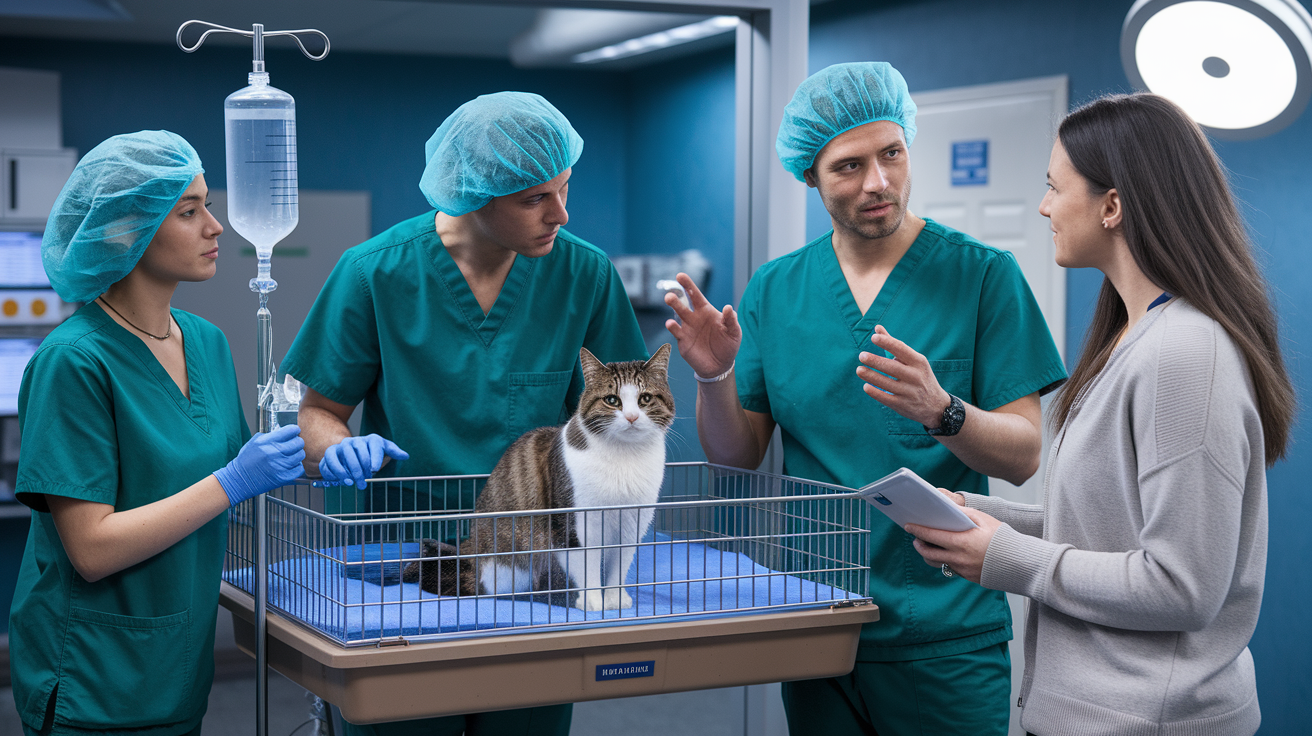
For urinary obstructions, emergency intervention’s required. The vet will place a urinary catheter to relieve the blockage and let urine flow. IV fluids correct dehydration and flush toxins from the bloodstream, while medications stabilize electrolytes, especially potassium. Hospitalization and close monitoring are standard for 24 to 48 hours. In severe or recurrent cases, surgery may be needed. Perineal urethrostomy widens the urethra in male cats to reduce future obstruction risk, and cystotomy removes stones from the bladder.
Feline Idiopathic Cystitis and crystal-related inflammation get managed with pain medication, anti-anxiety drugs to reduce stress, and environmental changes. Anti-inflammatory therapy and medications that support bladder wall integrity can help during flares. Therapeutic urinary diets dissolve certain crystal types (struvite) and prevent others (calcium oxalate). Stress reduction’s just as important as medication for FIC, so your vet will discuss litter box setup, enrichment, and routine predictability.
Typical vet interventions for urinary conditions:
- Culture-targeted antibiotics for confirmed bacterial UTI
- Urinary catheterization and hospitalization for obstructions
- IV fluid therapy to correct dehydration and electrolyte imbalances
- Pain and anti-anxiety medications for FIC and inflammatory conditions
- Therapeutic urinary diets, surgery, or ongoing monitoring for stones and recurrent cases
Diet, Hydration, and Lifestyle Strategies for Urinary Health

Increasing your cat’s water intake is one of the most effective ways to support urinary health. Dilute urine flushes the bladder more frequently, reducing crystal formation and irritation. Many cats prefer running water, so a cat water fountain can encourage drinking. Offer multiple water bowls in quiet, low-traffic areas of your home. Adding water to dry food or switching to wet food significantly increases moisture intake. Wet food’s roughly 70–80% water, compared to dry kibble’s 10%.
Therapeutic urinary diets are designed to dissolve struvite crystals, prevent calcium oxalate formation, and maintain healthy urine pH. These diets are prescription only and tailored to your cat’s specific condition. Never switch or stop a therapeutic diet without consulting your vet, because the wrong food can worsen crystal or stone problems. For cats prone to FIC, stress management’s as critical as diet. Environmental enrichment (hiding spots, interactive toys, scheduled play sessions, and predictable routines) lowers stress-related flare risk.
Litter box management also plays a preventive role. The rule’s simple: provide one more litter box than the number of cats in your home. Two cats need three boxes. Scoop daily, and keep boxes in quiet, accessible locations. Many cats prefer large, uncovered boxes with unscented, fine-grain litter. If your cat starts avoiding the box, check for cleanliness, location stress, or litter type before assuming a medical issue. But always rule out medical causes first.
Hydration strategies to support urinary health:
- Use a cat water fountain to encourage drinking
- Offer multiple fresh water bowls in low-stress locations
- Switch to wet food or add water to dry kibble
- Provide ice cubes or low-sodium broth for variety and appeal
Distinguishing Urinary Problems from Behavioral Causes

Not every instance of peeing outside the litter box is a medical emergency, but medical causes must always get ruled out first. Cats pee inappropriately for many reasons: litter box aversion, territorial marking, stress from changes in the home, or even arthritis that makes climbing into the box painful. The difference is that medical urinary problems usually involve changes in frequency, volume, posture, or signs of discomfort like straining or blood. Behavioral urination tends to happen on horizontal surfaces in full squat, often in response to a specific trigger like a new pet or construction noise.
Urine marking, on the other hand, typically involves small sprays on vertical surfaces (walls, furniture legs, door frames). Marking’s a territorial behavior, more common in unneutered males but seen in any cat under stress. Marking cats often back up to the surface, quiver their tail, and spray a small amount of strong-smelling urine. If you see this pattern and your cat’s otherwise using the litter box normally for larger voids, the issue’s likely behavioral. Even so, a vet visit and urinalysis are recommended to confirm there’s no underlying bladder irritation or infection driving the behavior.
| Behavior Type | Typical Characteristics |
|---|---|
| Inappropriate Urination (medical or behavioral) | Full squat on horizontal surfaces; normal or increased volume; may include straining, blood, or frequent trips |
| Urine Marking (territorial) | Small spray on vertical surfaces; tail quiver; strong odor; often triggered by stress or new animals |
Preventing Recurrence of Cat Urinary Issues

Cats with a history of urinary problems need long-term monitoring and proactive management to prevent flares. Routine vet check-ups (every six months for senior cats or cats with chronic conditions) allow early detection of crystals, pH changes, or early infection before symptoms appear. Your vet may recommend periodic urinalysis even when your cat seems healthy, especially if past episodes involved stones or recurrent UTIs.
Dietary consistency’s just as important as the initial treatment. Cats prone to struvite crystals benefit from long-term therapeutic diets that maintain the correct urine pH and mineral balance. For cats with calcium oxalate history, prevention focuses on hydration and avoiding high-calcium foods. Chronic FIC cases require ongoing stress management, environmental enrichment, and sometimes maintenance medications during high-stress periods like holidays, moves, or household changes.
Weight management and control of underlying diseases reduce recurrence risk significantly. Obesity, diabetes, kidney disease, and hyperthyroidism all increase the likelihood of urinary problems, so managing these conditions through diet, medication, and regular bloodwork keeps your cat healthier overall. If your cat’s had multiple urinary episodes, work closely with your vet to build a prevention plan tailored to your cat’s age, health status, and specific triggers. Recurrence is common, but with careful attention to hydration, diet, stress, and routine monitoring, many cats live comfortably without frequent flares.
Final Words
Spotting blood, straining, frequent trips to the box, or changes in posture is an immediate cue to act.
This post walked through the key signs to note, common causes from FIC to infections and stones, emergency red flags, how to collect and track urine, and what vets may test and treat.
Keep a short log, note diet or stress changes, and call your clinic if your cat isn’t producing urine, is very lethargic, or has lots of blood. Use this cat urinary symptoms guide as a clear checklist to keep your cat safer and more comfortable.
FAQ
Q: What are the common signs of urinary problems in cats?
A: The common signs of urinary problems in cats are frequent or prolonged litter-box trips, straining or vocalizing while peeing, blood in urine, urinating outside the box, excessive genital licking, lethargy, or appetite loss.
Q: Which urinary symptoms in cats require immediate veterinary care?
A: Symptoms needing immediate care are straining with little or no urine, collapse, continuous loud vocalizing, large amounts of blood in urine, severe vomiting, or sudden extreme lethargy—these can be life threatening.
Q: How should I monitor my cat’s urination at home and for how long?
A: To monitor at home, note frequency, urine volume, color, odor, posture, and any vocalizing; check twice a day for 24–48 hours and call your vet if things worsen or don’t improve.
Q: What should I document before taking my cat to the vet for urinary issues?
A: Before the vet visit, record when symptoms started, litter-box behaviors, photos of urine or accidents, recent diet or stress changes, medications, and any vomiting or appetite shifts to share with your vet.
Q: What diagnostic tests will a vet use for cat urinary problems and what do they show?
A: Vets use urinalysis to check blood, bacteria, crystals, and pH; urine culture for specific bacteria and antibiotics; bloodwork for kidney function; and x-ray or ultrasound for stones or masses.
Q: How can I safely collect a urine sample from my cat at home?
A: To collect a sample, offer non-absorbent litter or a clean shallow container, scoop fresh urine into a clean cup, refrigerate immediately, and bring to the clinic within 24 hours.
Q: What common conditions cause urinary symptoms in cats?
A: Common causes include FLUTD (a group of lower urinary tract issues), idiopathic cystitis often linked to stress, bacterial UTIs in older or female cats, and crystals or stones that irritate or block the bladder.
Q: What are typical treatment options for feline urinary problems?
A: Typical treatments include culture-targeted antibiotics for bacterial infections, catheterization and hospitalization for obstructions, pain control and environmental changes for FIC, and dietary or surgical options for crystals or stones.
Q: How can diet, water, and lifestyle changes help prevent cat urinary issues?
A: Increasing hydration with wet food, fountains, and multiple water bowls, using therapeutic urinary diets when advised, and reducing stress through enrichment all lower the chance of urinary flare-ups.
Q: How do I tell if my cat’s inappropriate urination is medical or behavioral?
A: You can tell medical versus behavioral causes by looking for physical signs like straining, blood, or frequent accidents; marking is small sprays on vertical surfaces. Always rule out medical causes with your vet first.