

A limp doesn’t always mean your dog is in obvious pain.
Dogs often hide aches. It’s a survival habit leftover from wild ancestors.
Think of a limp like a quiet check-engine light, the car still runs but something’s off.
This post explains common reasons a dog may limp without yelling, from tiny paw problems to early arthritis or nerve issues, and shows the small signs to watch for, safe things to try at home, and the clear red flags that mean call your vet.
Understanding Sudden or Subtle Limping Without Obvious Pain
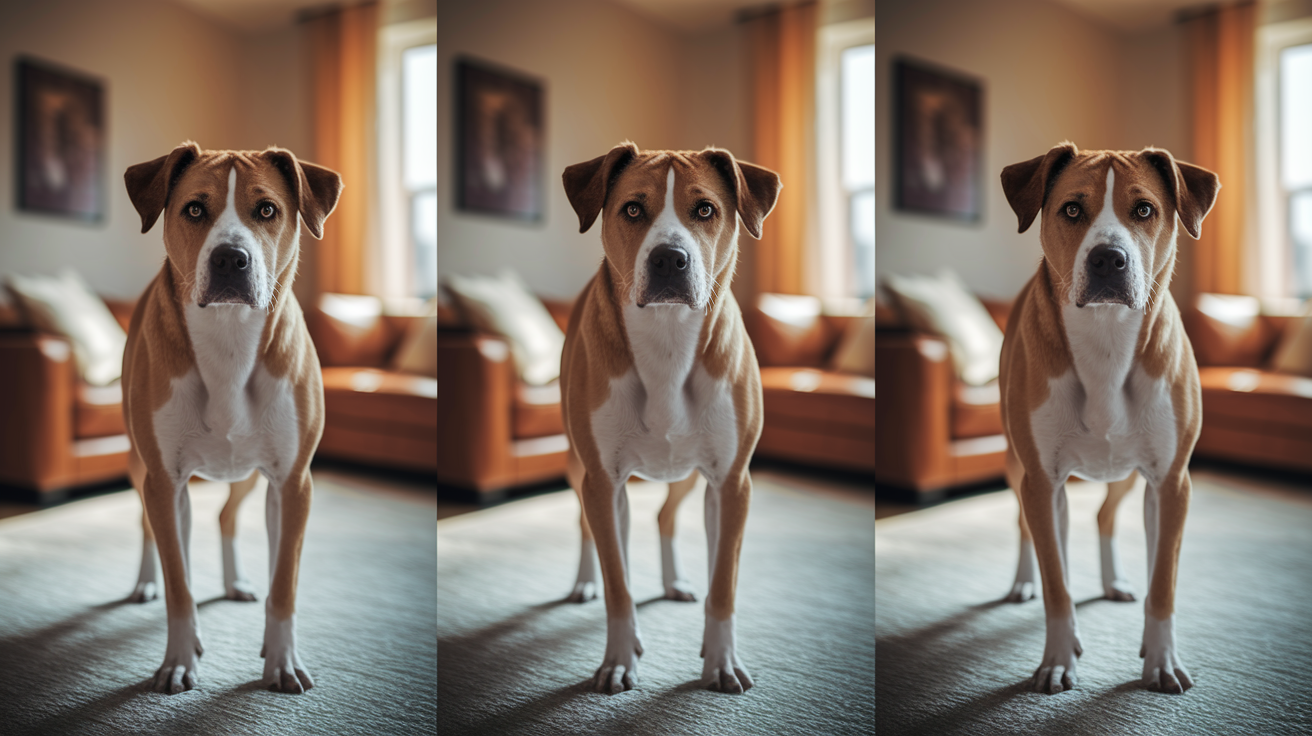
A limp always means pain, even when your dog acts totally normal otherwise. Dogs hide discomfort because of survival instinct left over from their wild ancestors, who learned that showing weakness could attract predators or cost them their place in the pack. That instinct’s still alive in your living room. Your dog might not whine, snap, or guard the sore leg, but that doesn’t mean they’re comfortable.
Vets use a three-stage scale for limping severity. Mild limping means your dog still puts some weight on the affected leg but shifts more load to the others. The dog usually looks happy and engaged. Moderate limping shows a visible gait change, less weight bearing, and often some lethargy. Severe limping includes behavior changes like sudden aggression when touched, complete inability to bear weight, or a dog who won’t move at all. Timelines matter too. Acute limping started less than two weeks ago. Chronic limping (two weeks or longer, whether constant or intermittent) often points to degenerative joint disease, unresolved trauma, or developmental disorders like hip dysplasia. Arthritis alone affects roughly 20 percent of dogs older than one year, making it one of the most common reasons for ongoing gait abnormalities.
Even if your dog stays quiet, watch for these subtle signs of discomfort:
Weight shifting. Standing with more pressure on one side or frequently changing position.
Stiffness after rest. Slow to get up from a nap, hesitant on the first few steps.
Reduced activity. Skipping stairs, refusing jumps they used to love, or cutting walks short.
Licking or chewing a limb. Focused attention on one paw, joint, or muscle area.
Posture changes. Head dipping forward when a front leg hurts, head lifting when a hind leg is sore, or a tucked tail and hunched back.
Absence of crying doesn’t equal absence of injury or disease. If the limp lasts more than a day or two, comes and goes after activity, or appears alongside any swelling, heat, or behavioral shift, monitor closely and prepare to contact your vet. Small problems caught early often stay small.
Common Causes of Limping That Don’t Trigger Obvious Pain Responses
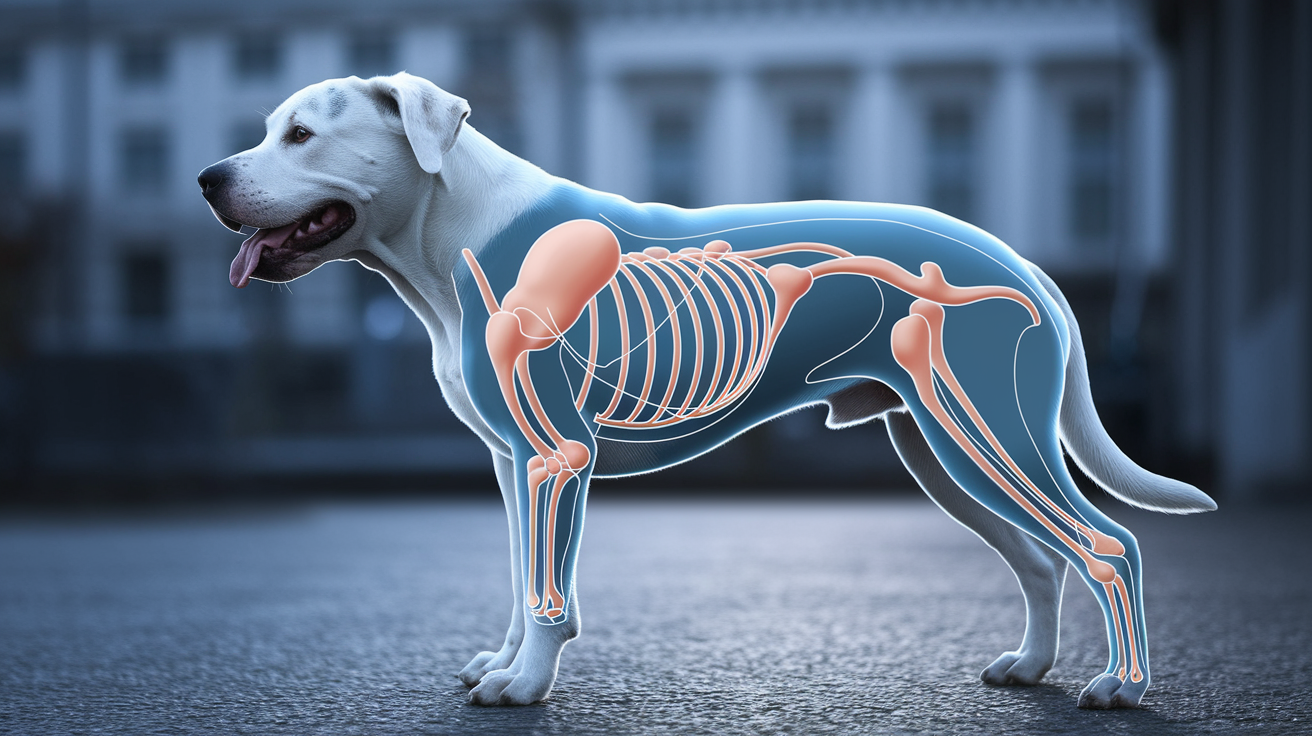
Orthopedic issues can develop slowly, so the discomfort creeps in rather than striking all at once. Early arthritis often presents as mild stiffness that improves once the dog warms up, leading many owners to assume it’s just a temporary kink. Hip dysplasia can show subtle signs as early as four to six months in puppies, though most cases become obvious between one and two years. German Shepherds have a reported lifetime hip dysplasia prevalence of nearly 20 percent according to the Orthopedic Foundation for Animals. Young dogs also face growing pains like panosteitis, which causes intermittent limping that shifts from one leg to another without consistent pain signals. Elbow dysplasia is another developmental problem common in large breeds, producing mild front leg limping that dogs adapt to over time.
Soft tissue injuries (sprains and strains) often cause limping without dramatic distress. A sprain means ligament damage. Ligaments connect bone to bone. A strain injures a tendon, which connects muscle to bone. Both can produce noticeable gait changes even when swelling and inflammation stay minimal. Partial tears of the cranial cruciate ligament are a frequent culprit. The dog may limp after running or jumping, then move normally again once rested. Luxating patella (where the kneecap slips out of position) also creates on and off limping. Medial luxation is more common in smaller breeds, lateral luxation more typical in larger dogs, and traumatic luxation can happen to any dog after a sudden twist or fall. When the kneecap pops back into place, the limp often vanishes temporarily, misleading owners into thinking the problem resolved itself.
Paw and nail problems seem minor but directly affect how weight lands on the foot. A broken or cracked toenail, especially one that splits near the quick, causes sharp pain with every step but may not produce visible bleeding or swelling if the injury’s a few hours old. Foreign objects (thorns, foxtails, burrs, small stones, or splinters) lodge between toes or in paw pads and create a steady, dull ache rather than acute agony. Burns from hot pavement or chemical exposure may blister slowly, and small cuts can be hidden under fur. Dogs often lick these injuries obsessively, which sometimes alerts owners before the limp becomes severe.
Developmental and degenerative diseases often match breed and age profiles. Large and giant breeds face higher rates of hip dysplasia, elbow dysplasia, and osteochondritis dissecans (OCD), a condition where cartilage doesn’t develop properly in young, fast growing dogs. Small breeds are prone to luxating patella and early arthritis in overworked joints. Senior dogs commonly develop degenerative myelopathy, a progressive spinal cord disease that starts as subtle hind end weakness and incoordination before advancing to dragging and paralysis. Neurological limping (seen in conditions like intervertebral disc disease or after a minor stroke) may not trigger obvious pain but will show as stumbling, leg crossing, or a paw that drags or knuckles under.
| Cause | Typical Signs | Pain Expression Pattern |
|---|---|---|
| Early arthritis / hip dysplasia | Stiffness after rest; reluctance to jump; bunny hopping gait | Mild, improves with movement; no crying |
| Partial CCL tear / luxating patella | Intermittent limp after activity; skipping steps; sudden leg lift | On and off; dog may seem fine between episodes |
| Foreign object in paw / broken nail | Persistent licking; favoring one paw; visible wound or swelling | Steady low level discomfort; increases with pressure |
| Degenerative myelopathy / IVDD | Hind end weakness; dragging toes; incoordination; loss of balance | Usually no obvious pain; more loss of control than distress |
How to Perform a Safe At Home Check for a Limping Dog
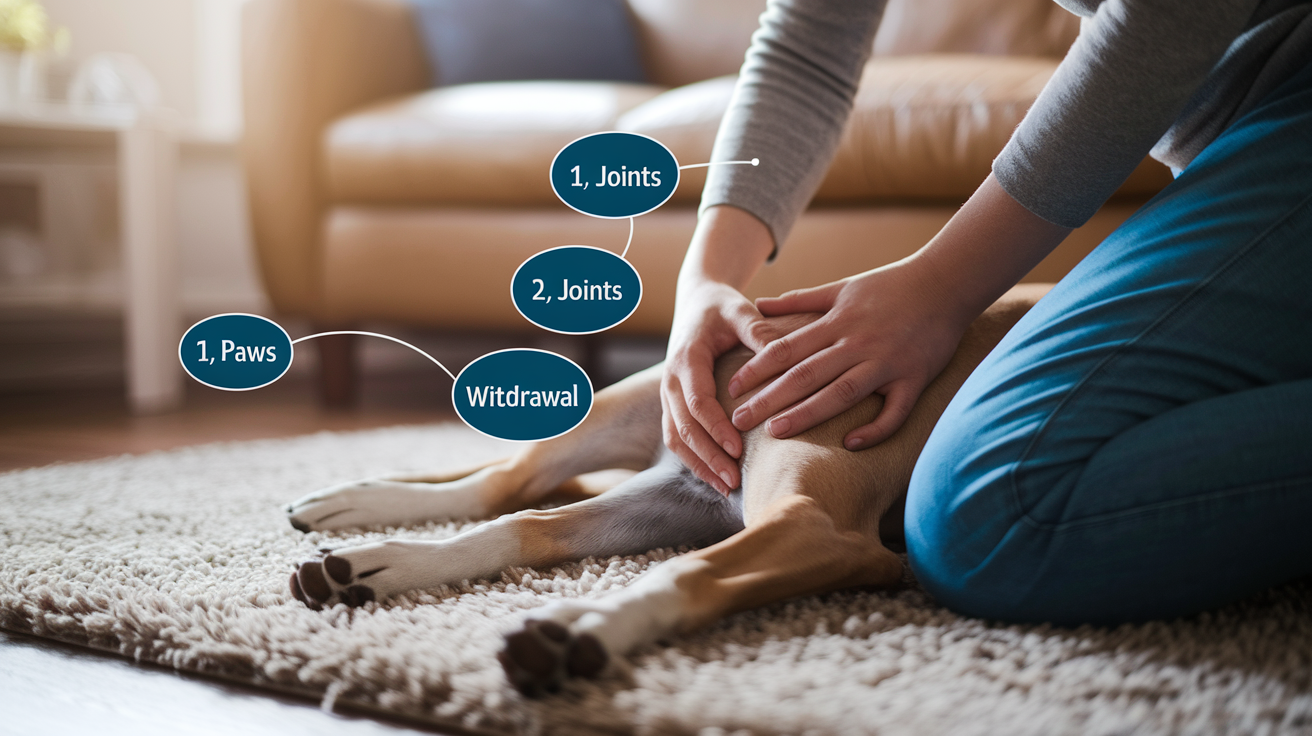
A home lameness exam helps you gather clues before the vet visit, but it won’t replace a professional diagnosis. Your goal is to identify which leg hurts, spot obvious injuries like cuts or foreign objects, and note any reactions that confirm the limp is real and not behavioral. Keep the exam calm and short. If your dog becomes aggressive, anxious, or tries to bite when you touch a specific area, stop immediately and call your vet. That reaction is a pain signal even without a yelp.
-
Walk your dog straight on a short leash across a flat surface and watch which leg carries the least weight. A front leg injury often makes the dog’s head dip down and forward when that leg hits the ground. A hind leg problem usually causes the head to lift as the sore leg takes weight, and you may see the dog shift more weight to the opposite hind leg.
-
Check the paws first. Inspect pads, between the toes, and around the nails for cuts, punctures, redness, swelling, embedded objects, or cracked nails. Gently squeeze each toe. Withdrawal or flinching tells you that area’s tender.
-
Work your way up the leg with gentle pressure. Press along muscles, tendons, and joints with moderate, steady force (not poking or jabbing). A sore spot will make the dog pull the leg away, tense up, turn to look, or lick your hand.
-
Flex and extend each joint slowly. Shoulder, elbow, wrist (carpus), hip, stifle (knee), and hock (ankle). Move through the full comfortable range. Stiffness, resistance, or a clicking or crunching sound (crepitus) during joint movement suggests cartilage loss or arthritis. Absence of clicking is more consistent with a soft tissue injury like a sprain or strain.
-
Compare both sides. Muscle tone, warmth, and swelling. Uneven muscle development, one limb feeling warmer, or visible puffiness around a joint all point to chronic compensation or active inflammation.
-
Note any behavioral signals during the exam. Lip licking, yawning, pinned ears, dilated pupils, or turning the head away. These are stress and discomfort cues even if the dog stays still and quiet.
-
Record your findings. Write down which leg, where on the leg, what you felt (heat, swelling, withdrawal), and any sounds you heard (clicking, grinding).
If you find an obvious problem (like a visible thorn, a torn nail, or localized swelling) and your dog tolerates handling, you may be able to address minor paw injuries at home. If you can’t pinpoint the source, the pain seems to move, or your exam reveals joint crepitus, marked swelling, or severe withdrawal on palpation, those findings mean it’s time for a veterinary work up.
When Limping Without Pain Means a Veterinary Visit is Needed
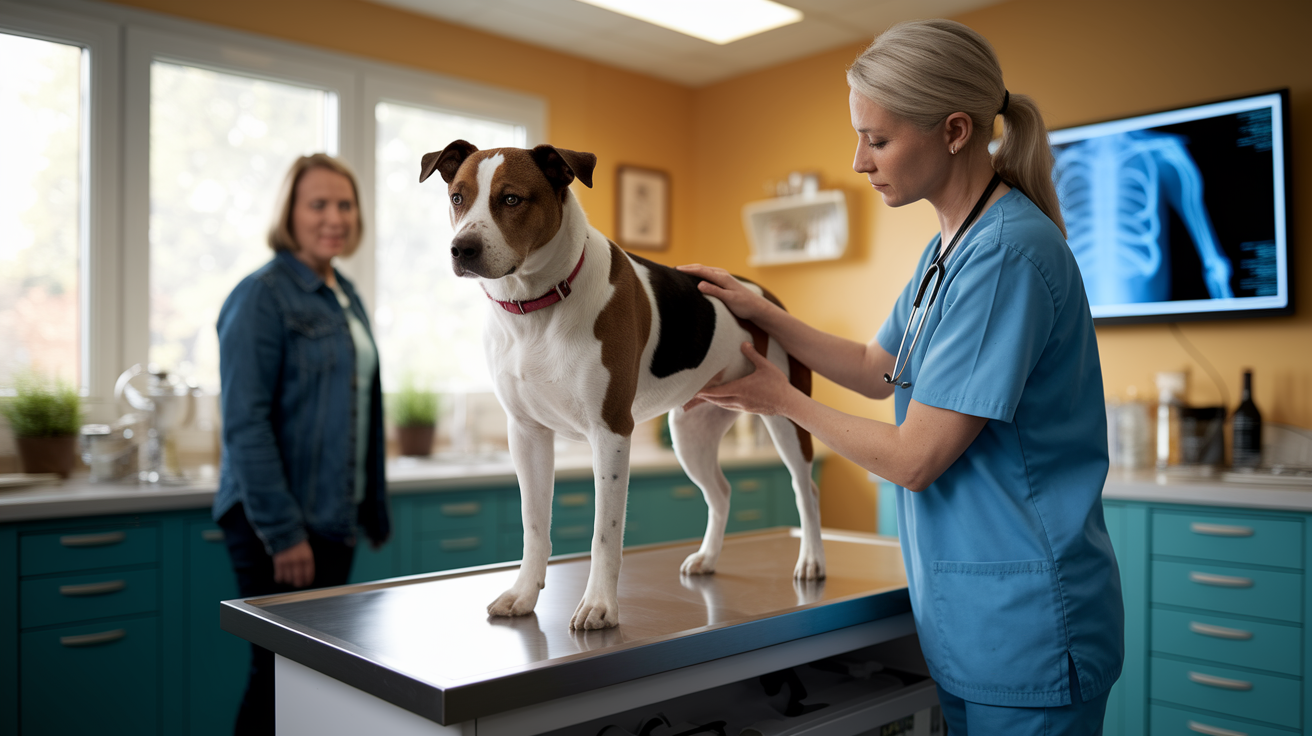
Limping that lasts more than 24 to 48 hours deserves professional evaluation, even if your dog seems otherwise happy. Subtle, persistent gait changes can indicate early stage arthritis, low grade ligament instability, hairline fractures, or neurological decline that will worsen without intervention. Waiting weeks to see if it “goes away on its own” often allows cartilage damage, muscle atrophy, and compensatory injuries in other limbs to develop.
The vet will start with a history and gait analysis. You’ll describe when the limp began, whether it’s constant or intermittent, if it improves or worsens with activity, and any recent trauma or changes in routine. The vet will watch your dog walk and trot, looking for head bob patterns, weight distribution, shortened stride, and reluctance to bear weight. Next comes a hands on orthopedic exam, similar to your home check but with trained palpation skills. Feeling for muscle asymmetry, joint effusion (fluid buildup), ligament laxity, and pain response. Range of motion tests for each joint assess stiffness and crepitus. If neurological issues are suspected, the vet will check reflexes, proprioception (paw placement awareness), and coordination. Imaging (radiographs, CT scans, or MRI) reveals bone fractures, joint degeneration, soft tissue tears, and spinal problems. Blood tests and joint fluid analysis diagnose infections like Lyme disease or immune mediated joint inflammation.
Seek immediate veterinary care if you see any of these red flags:
Non weight bearing limp. The dog holds the leg up completely and won’t put it down.
Visible deformity. A limb that looks bent, twisted, or out of alignment.
Open wounds, bleeding, or deep swelling. Especially after known trauma like a car accident or fall.
Sudden behavior changes. New aggression when touched, extreme lethargy, refusal to move, or signs of systemic illness like fever or loss of appetite.
Delayed diagnosis and treatment allow orthopedic injuries to worsen. A partial ligament tear can progress to a complete rupture. Mild arthritis can advance to severe joint destruction and chronic pain. Neurological problems like IVDD or degenerative myelopathy benefit from early intervention, while waiting often means permanent nerve damage and loss of mobility. If your gut says something’s wrong, trust that instinct and make the call.
Treatment Options for Dogs Limping Without Showing Clear Pain

Conservative care works well for mild sprains, strains, and minor soft tissue injuries when started early. Rest is the foundation. Limit all activity to short, slow leash walks for bathroom breaks only. If your dog’s excitable or won’t settle, use crate confinement or restrict them to one small room with soft bedding. Ice packs can reduce swelling in the first 48 hours after an acute injury. Wrap the pack in a towel and apply it to the sore area for 10 to 15 minutes at a time, two to three times per day, if your dog tolerates it. After the first two days, warm compresses may help with stiffness. Use a damp warm towel for similar short sessions. Never use heating pads without supervision. Burns can happen quickly.
Medical interventions often include prescription nonsteroidal anti inflammatory drugs (NSAIDs) to control pain and inflammation. These medications require veterinary supervision because long term or incorrect use can damage the liver and kidneys. Your vet will run baseline bloodwork before starting NSAIDs and recheck periodically during treatment. Joint supplements containing glucosamine, chondroitin, MSM (methylsulfonylmethane, an anti inflammatory compound), and hyaluronic acid (which improves the viscosity of joint fluid) support cartilage health and can be used alongside medical treatment or as long term maintenance. Supplements take weeks to show benefit, so start them early and stay consistent. Physical therapy (structured exercises, underwater treadmill work, laser therapy, or therapeutic ultrasound) helps rebuild strength and range of motion under professional guidance.
Surgery becomes necessary for fractures, complete ligament tears, severe hip or elbow dysplasia, and some cases of luxating patella or osteochondritis dissecans. Procedures range from fracture repair with pins and plates to joint replacement, ligament reconstruction, or corrective osteotomies that realign bones to reduce stress. Recovery timelines vary by surgery type and the dog’s age and health, but strict activity restriction for weeks to months is standard. Post operative physical therapy accelerates healing and prevents muscle loss. Follow all recheck appointments. Swelling, heat, persistent non weight bearing, or worsening mobility after surgery means something needs immediate reassessment.
Long term management for chronic conditions like arthritis or degenerative joint disease combines medication, weight control, controlled exercise, and environmental modifications. Simple changes make a big difference:
Ramps or steps for cars, beds, and couches to eliminate jumping.
Non slip flooring. Rubber mats, yoga mats, or rugs on tile and hardwood to prevent slipping and reduce joint strain.
Orthopedic beds. Thick memory foam or supportive bedding to cushion achy joints during rest.
Weight management is one of the most effective treatments for joint problems. Every extra pound increases the load on already stressed cartilage and ligaments. Work with your vet to set a target weight and adjust food portions and treats accordingly.
Managing Intermittent or Activity Triggered Limping
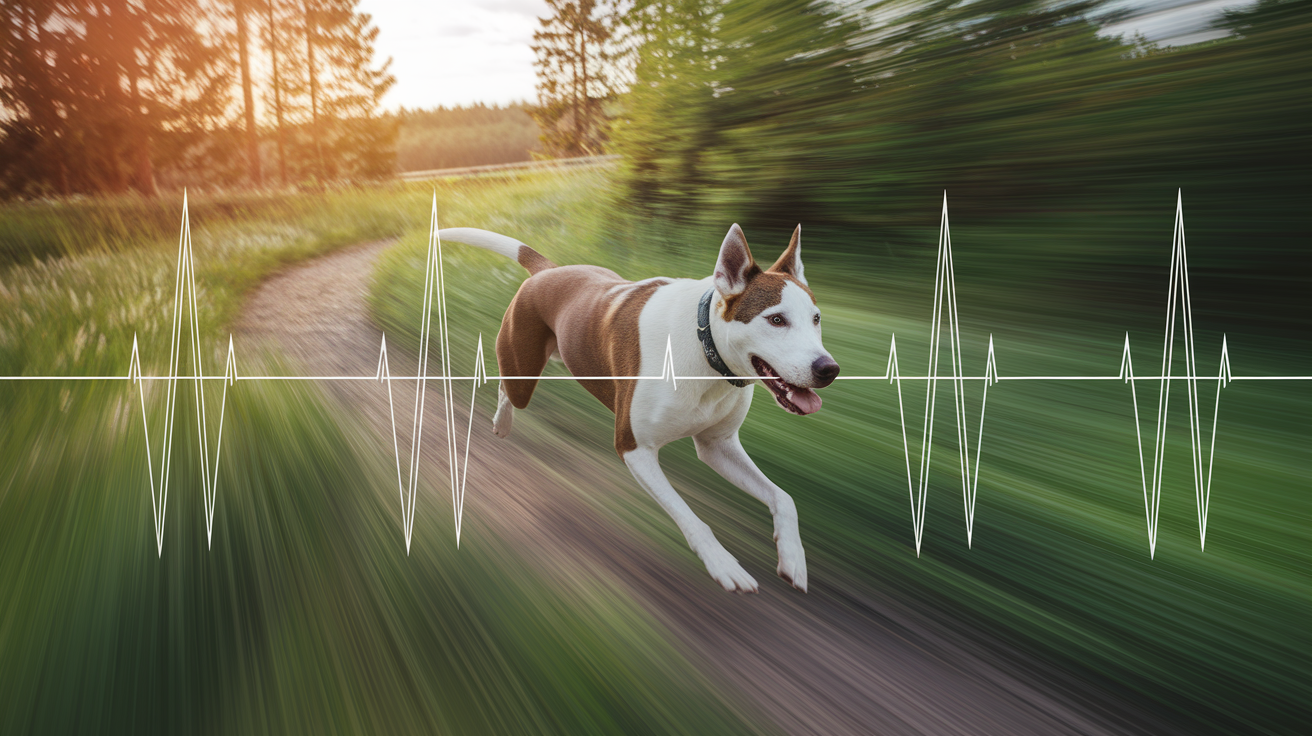
A limp that comes and goes isn’t less serious than a constant one. Intermittent limping often signals early arthritis, partial cruciate ligament tears, or luxating patella, all of which can worsen over time if left unmanaged. You may notice the limp appears after a long walk, a play session, or first thing in the morning, then improves once your dog warms up or rests. That pattern suggests joint stiffness or low grade instability that flares with use. Some dogs will skip on one hind leg for a few steps, then walk normally again when the kneecap slides back into place. Others develop a subtle front leg limp after weekend hikes that fades by Monday.
Track and document every episode to help your vet identify patterns. Record these four details each time the limp appears:
Date and time. When you first noticed the limp.
Activity level before the limp. What your dog was doing in the hour or two before you saw the gait change (running, playing, resting, walking on rough terrain).
Severity. Mild weight shift, moderate reluctance to use the leg, or severe non weight bearing.
Duration. How long the limp lasted before improving or disappearing.
Bring this log to your vet appointment. Patterns like “always limps after exercise” or “worse in cold weather” help narrow the diagnosis. Activity triggered limping in a young, large breed dog might point to developmental problems like hip dysplasia or OCD. In an older dog, it’s more likely arthritis or ligament degeneration. Small breed dogs with intermittent hind leg skipping often have luxating patella.
If limping recurs more than once or twice over a few weeks, schedule a vet exam even if your dog seems fine between episodes. Waiting until the limp becomes constant means you’ve missed the window for early intervention. Early diagnosis and treatment (whether that’s weight management, joint supplements, controlled exercise, or surgical correction) can slow or stop the progression to chronic disability.
Preventive Care to Reduce Future Limping Episodes

Prevention centers on reducing wear and tear, maintaining healthy weight, and catching problems early. Weight control is the single most powerful tool you have. Obesity accelerates joint degeneration, increases the risk of ligament injuries, and makes existing arthritis worse. If your dog’s overweight, work with your vet to design a safe, gradual weight loss plan using measured meals, low calorie treats, and increased activity as joints allow.
Choose low impact, consistent exercise over sporadic intense activity. Daily leash walks on soft surfaces like grass or dirt are easier on joints than weekend warrior hikes on rocky trails. Swimming and underwater treadmill therapy build muscle without pounding joints. Avoid repetitive high impact movements (jumping for frisbees, steep stair climbing, or long sessions of fetch on hard pavement) especially in young, growing dogs and senior dogs with known joint issues. Puppies from large or giant breeds benefit from controlled growth through appropriate nutrition. Rapid weight gain and over exercise during the growth phase increase the risk of developmental orthopedic disease.
| Preventive Strategy | Benefit | Best For (Age/Breed) |
|---|---|---|
| Maintain lean body weight | Reduces joint load; slows arthritis progression; prevents ligament strain | All ages, all breeds, especially large breeds prone to hip/elbow dysplasia |
| Daily low impact exercise (walks, swimming) | Maintains muscle strength and joint mobility without excessive stress | Senior dogs; dogs with early arthritis; breeds at risk for joint disease |
| Home modifications (ramps, non slip floors, raised bowls) | Reduces strain from jumping and slipping; supports aging joints | Senior dogs; dogs recovering from surgery; small breeds with patella issues |
Regular vet check ups catch subtle gait changes and joint problems before they cause obvious limping. Annual exams for young and middle aged dogs, and twice yearly exams for seniors, include orthopedic palpation and movement assessment. Early intervention (starting joint supplements, adjusting activity, or beginning physical therapy) can preserve mobility for years. Keep your dog’s nails trimmed short. Long nails change weight distribution across the paw and can worsen joint alignment over time. Use non slip surfaces at home, especially on stairs and where your dog jumps on and off furniture. A few rubber backed rugs or yoga mats cost little and prevent a lot of injuries.
Monitor your dog’s movement every day. Notice how they get up from rest, how they navigate stairs, and whether they favor one side when running or turning. Small changes (a slower rise, hesitation before a jump, or shifting weight while standing) are early warnings. Respond quickly with rest, activity modification, and a vet check. The sooner you act, the better the outcome.
Final Words
You’ve seen why dogs can limp while appearing fine, they hide pain and small injuries or early joint changes can alter their gait.
We went through common causes, a safe at-home check, when veterinary help makes sense, treatment options, and prevention steps you can try.
Track weight-bearing, how often the limp appears, and any swelling for 48-72 hours, and call the vet if it keeps up or gets worse.
With a little attention most dogs bounce back. For a dog limping but no pain, early watching plus timely vet care often leads to better recovery.
FAQ
Q: How long should a dog limp before a vet?
A: The dog should see a vet if limping lasts more than 48–72 hours, or sooner for severe signs like not bearing weight, obvious deformity, heavy bleeding, sudden collapse, or extreme pain.
Q: Why is my dog limping but not showing pain?
A: A dog limping without clear pain often masks discomfort instinctively; mild strains, paw injuries, or early arthritis can alter gait without whining. Monitor and get checked if it persists or worsens.
Q: What subtle signs of discomfort should I watch for?
A: Subtle signs of discomfort to watch are weight shifting, stiffness after rest, less activity, licking or chewing the limb, slight swelling or warmth, and hesitance on stairs or jumps.
Q: How do I perform a safe at-home check for a limping dog?
A: To perform a safe at-home check, walk your dog on a straight leash, note weight-bearing, gently inspect toes and pads, flex joints slowly, watch for withdrawal or crunching, and stop if the dog shows distress.
Q: When is limping an emergency?
A: Limping is an emergency when the dog won’t bear weight, has an obvious limb deformity, heavy bleeding, sudden severe pain, collapse, or new neurological signs—seek immediate veterinary care.
Q: What should I monitor and for how long?
A: You should monitor limping for the next 48–72 hours, check twice daily, record time, activity, duration, and severity, and call your vet if it worsens, recurs, or new symptoms appear.
Q: What should I bring to the vet for a limping dog?
A: Bring to the vet the exact time the limp started, a brief activity log or video, photos of the limb, any home care tried, and your dog’s age, breed, and current medications.
Q: Can intermittent limping be serious?
A: Intermittent limping can be serious; it may signal early arthritis, a partial ligament tear, or patella issues. Track episodes and see a vet if it recurs, limits activity, or gets worse.
Q: What conservative at-home care can I try until seeing the vet?
A: Conservative at-home care can include short leash walks, strict rest for 48–72 hours, ice for new sprains, warm compresses for stiffness after 48 hours, and limiting jumping—check with your vet before giving pain medication.